
The Architecture of Growth: Building a High-Margin Marketing Agency Tech Stack
Marketing agencies rarely perish from a lack of talent or a shortage of clients. They often fail under the weight of their own operational complexity. The "death by a thousand subscriptions" is a common phenomenon in the creative services sector: disconnected systems lead to siloed data, blurred ownership, and a mountain of manual reporting that eats into profit margins.
When your agency relies on a fragmented stack, you aren’t just paying for seats and add-ons; you are paying in "operational drag." This guide explores how to build a lean, scalable, and agency-ready tech stack that prioritizes speed, clarity, and profitability.
The Anatomy of an "Agency-Ready" Tool
As an agency scales, the operational question shifts from "Can we deliver this?" to "Can we deliver this consistently, profitably, and without errors?"
Agency-ready tools differ from standard SaaS offerings in four distinct ways:
- Multi-Client Management: The ability to toggle between workspaces or clients without logging out and back in.
- Granular Permissioning: Control over who sees what, ensuring that client A’s data is never visible to client B.
- Repeatable Workflows: Features that allow for templates, standardized processes, and automated handoffs.
- Zero-Cleanup Reporting: Analytics that are client-ready the moment they are pulled, eliminating the "Excel purgatory" of manual data manipulation.
Chronology of Tool Integration: From Startup to Scale
For the modern agency, the journey of tool adoption typically follows a predictable timeline:
Phase 1: The "Ship Fast" Era (0–10 Clients)
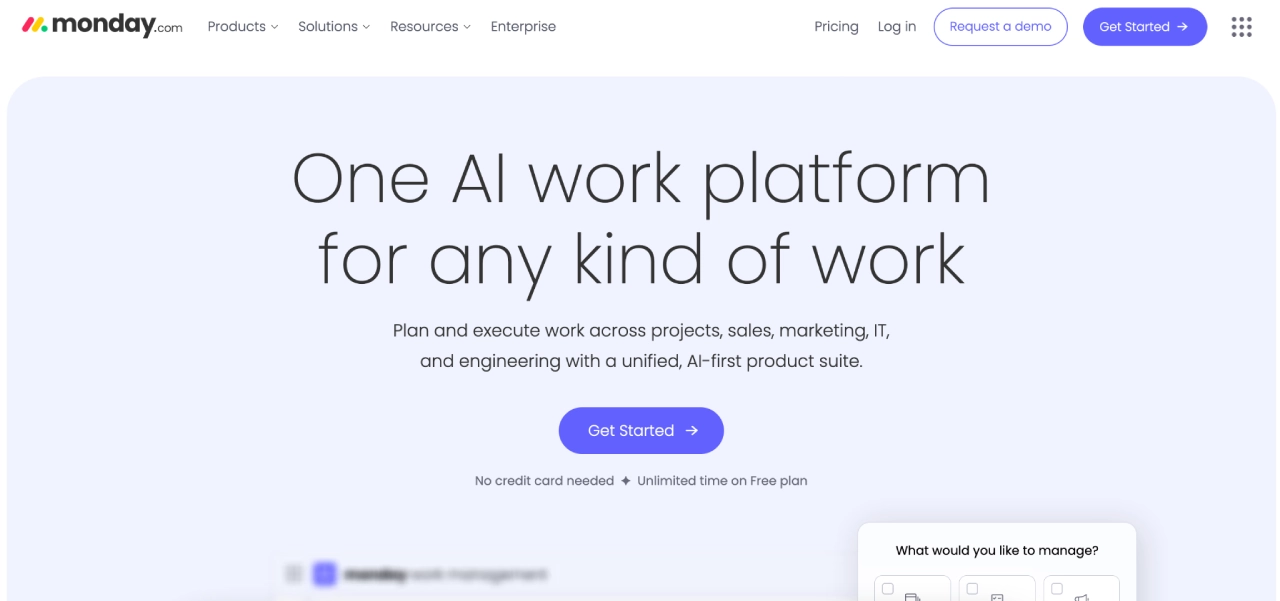
In the early days, the focus is on consolidation. You need a central nervous system for communication (Slack), a basic project tracker (Asana or Monday.com), and a way to get paid (PandaDoc). At this stage, avoid over-investing in complex CRM systems; focus on simple, high-impact tools that keep the lights on.
Phase 2: The "Standardization" Era (10–50 Clients)
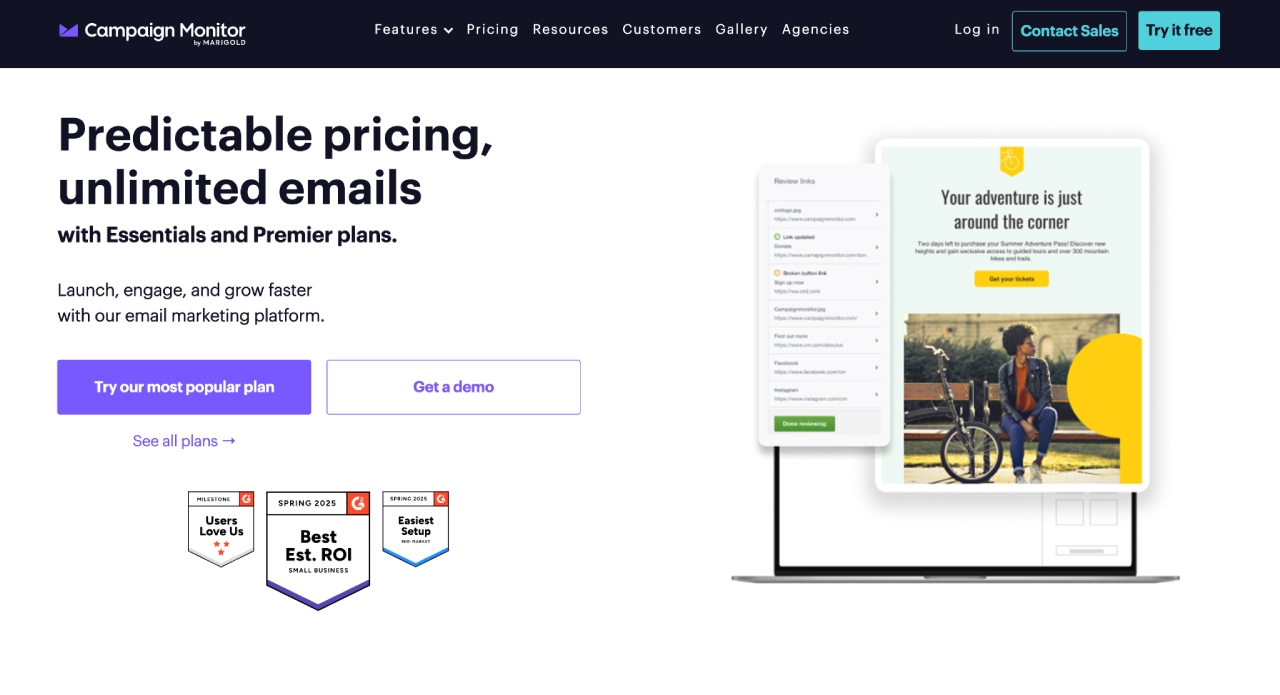
As volume increases, errors start to creep in. This is when agencies must adopt specialized tools for specific deliverables. This is the stage where platforms like Campaign Monitor become essential for email marketing. By centralizing client emails under one dashboard, agencies can maintain brand governance while scaling output.
Phase 3: The "Governance" Era (50+ Clients)
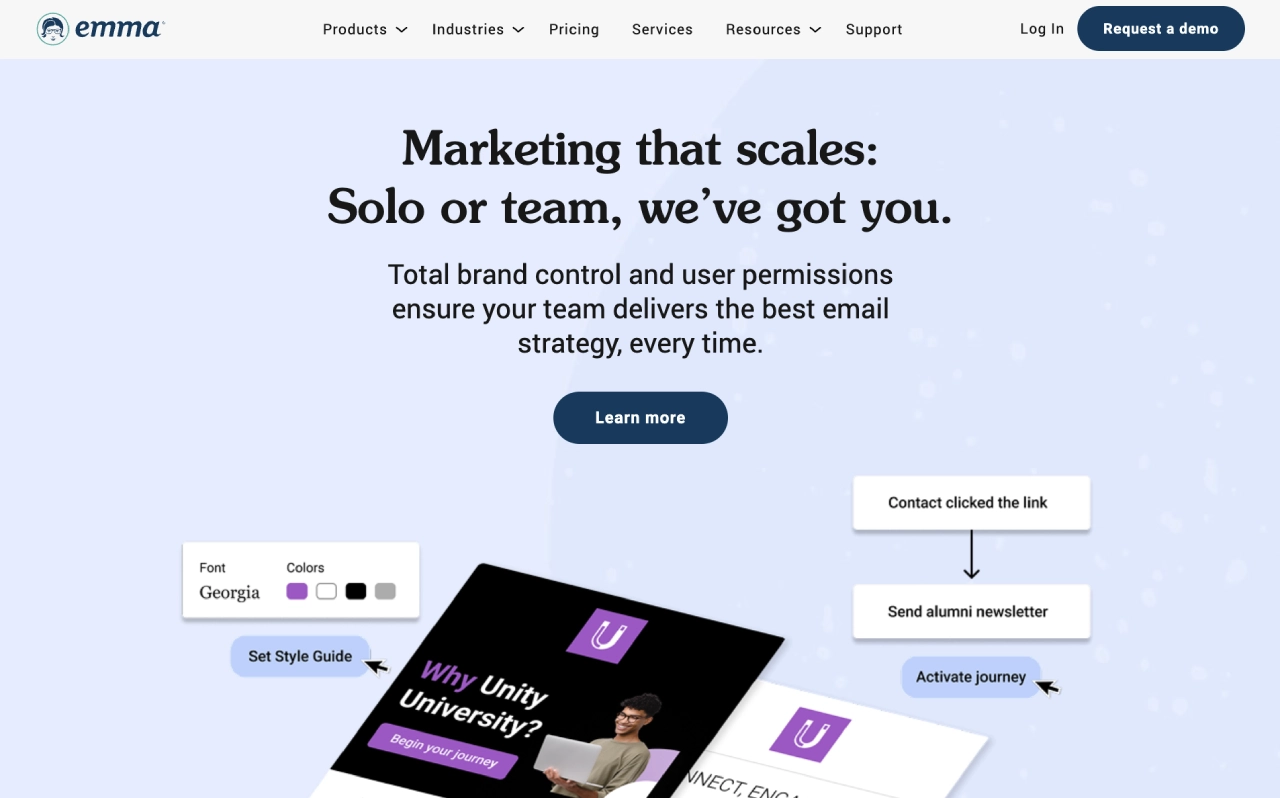
At this scale, the risk of data leakage or brand inconsistency is at an all-time high. Agencies must move toward enterprise-grade tools like Emma or advanced CRM configurations. Efficiency is no longer just about doing more; it is about protecting the margin by reducing the time spent on administrative oversight.
The Agency Stack: Categorized Overview
| Tool Category | Recommended Options | Primary Value for Agencies |
|---|---|---|
| Email Marketing | Campaign Monitor, Emma | Multi-client dashboards, white-labeling |
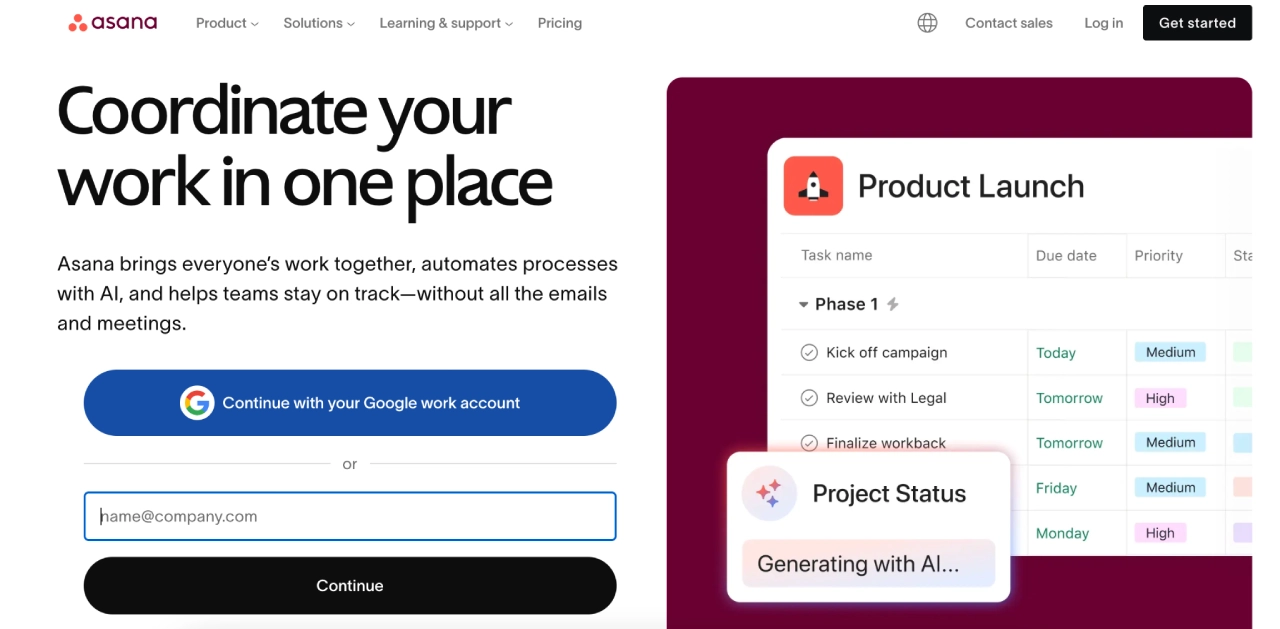
| Project Mgmt | Asana, monday.com | Structured workflows, dependency mapping |
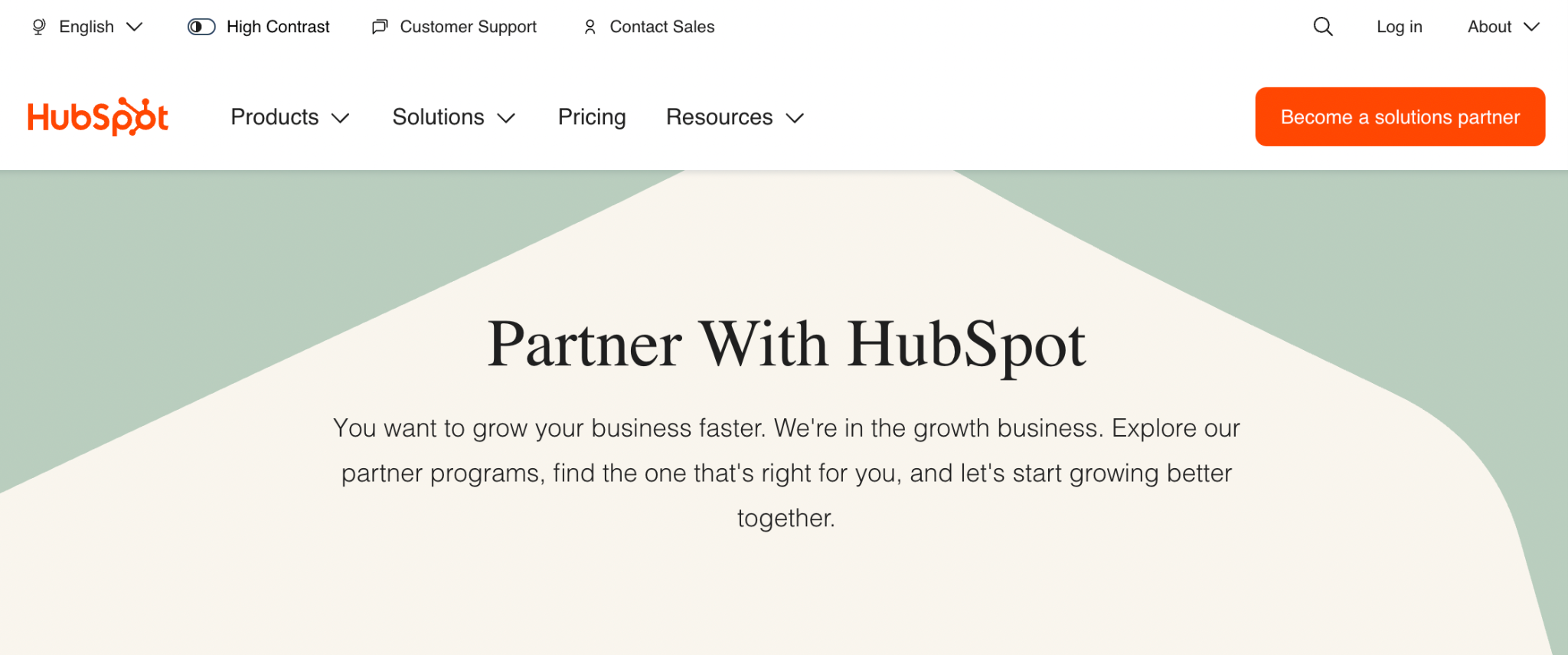
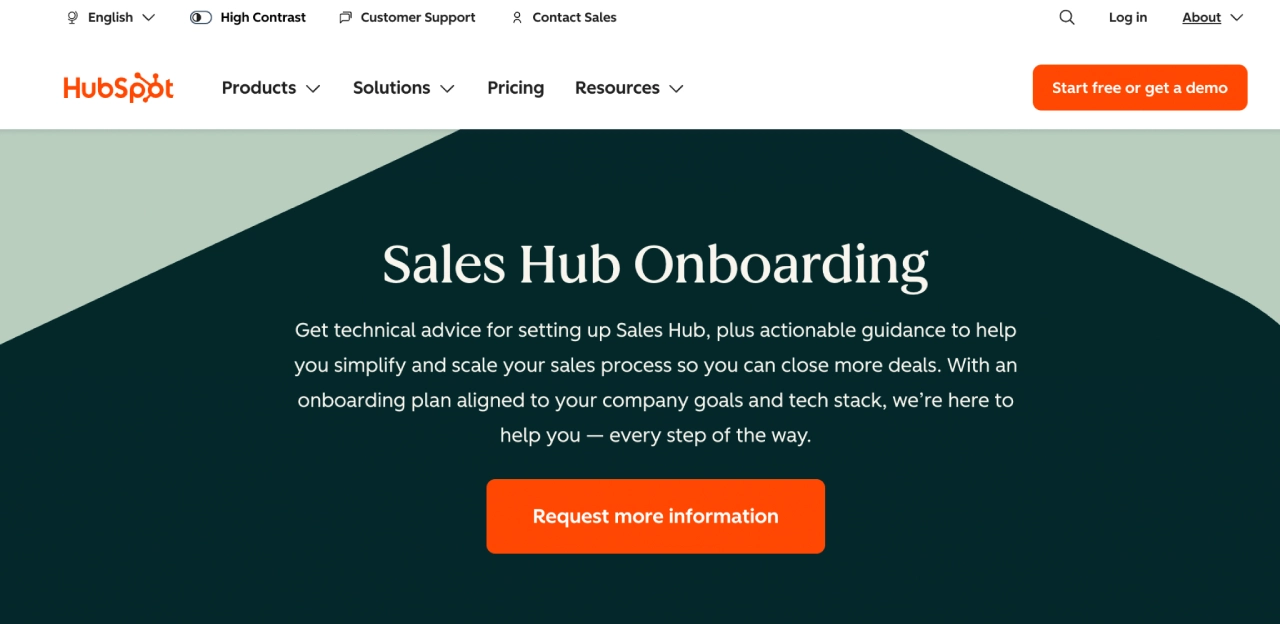
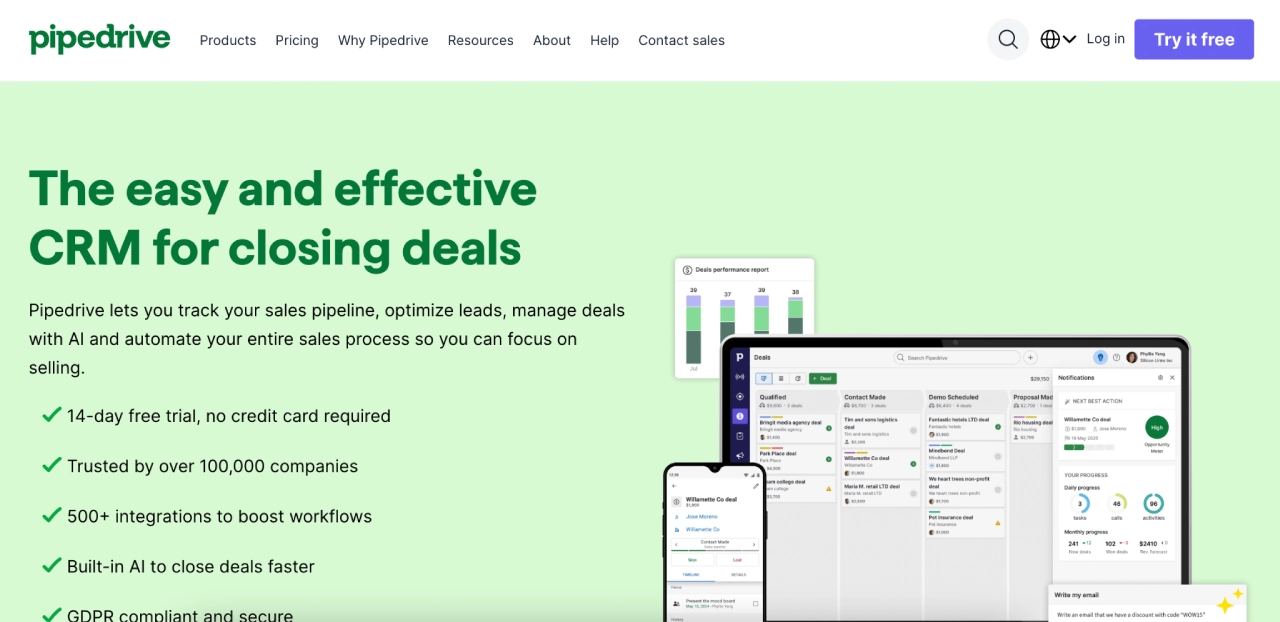
| Sales/CRM | HubSpot, Pipedrive | Pipeline visibility, activity tracking |
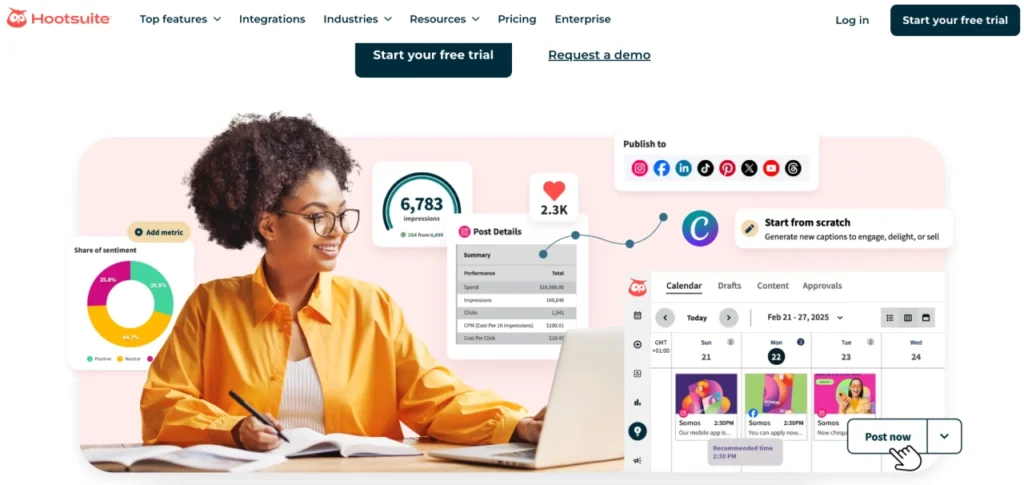
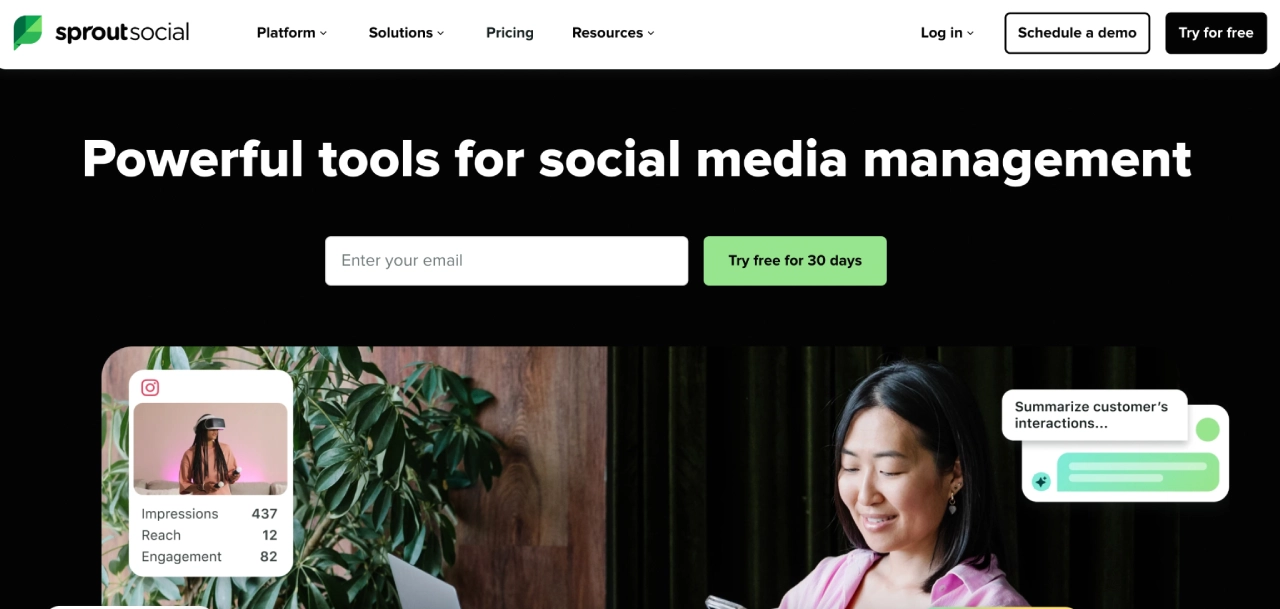
| Social Media | Sprout Social, Hootsuite | Approvals, scheduling, unified analytics |
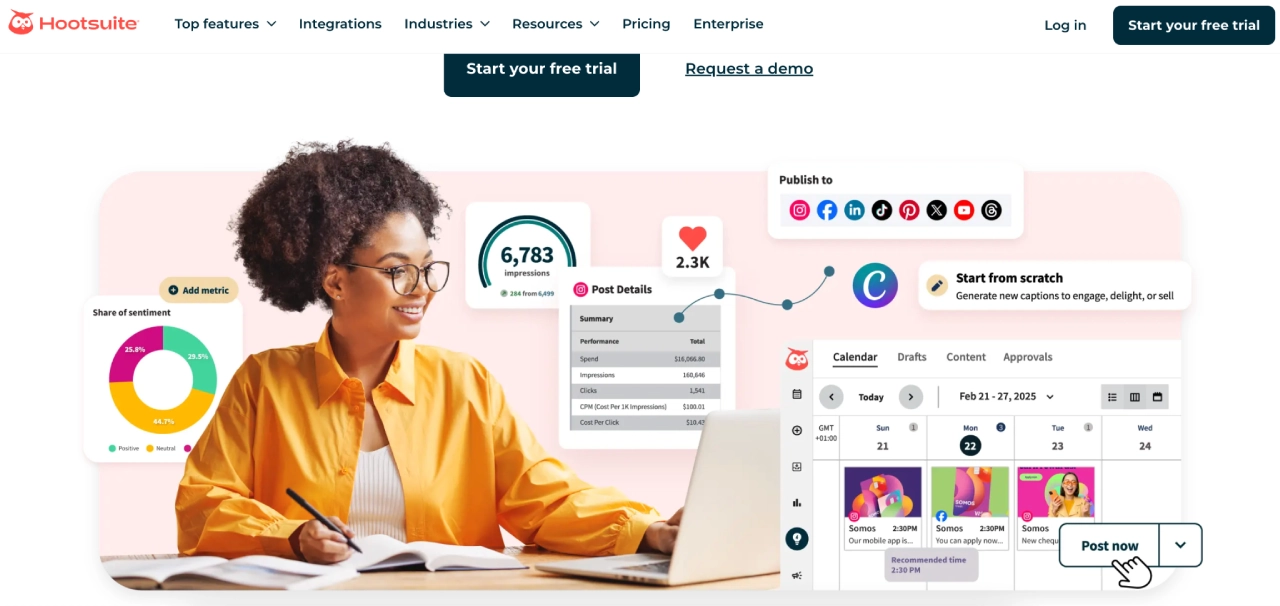
| Reporting | AgencyAnalytics, Looker Studio | Automated, white-labeled client dashboards |
| Automation | Zapier, Make | Connecting disparate systems, reducing manual entry |
| Operations | AgencyHandy | Centralized client portals, billing, tasks |
Deep Dive: Critical Pillars of the Stack
1. Email Marketing: Campaign Monitor & Emma
For agencies, email marketing is often the most recurring and predictable revenue stream. Campaign Monitor is specifically engineered for this, offering a multi-client dashboard that allows agencies to manage dozens of accounts from a single interface. The ability to rebrand the platform—offering a white-labeled experience—is a game-changer for perceived agency value.
Emma, meanwhile, is the choice for agencies operating in highly regulated or multi-brand environments. Its strength lies in brand governance, ensuring that while an agency manages multiple locations, every email adheres to strict corporate design and compliance standards.
2. The Reporting Layer: AgencyAnalytics vs. Looker Studio
Reporting is the most common "time-sink" in agency life.
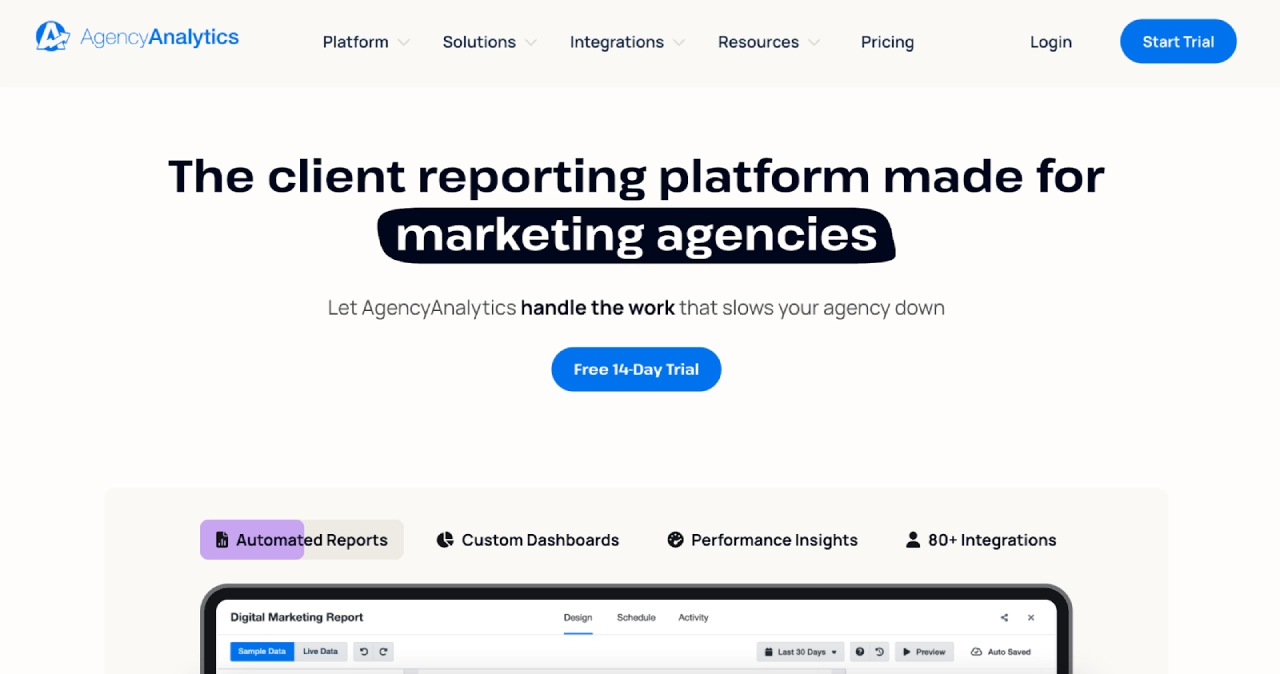
- AgencyAnalytics is built for the agency business model. It pulls data from all major platforms and presents it in a clean, white-labeled interface that clients can access directly.
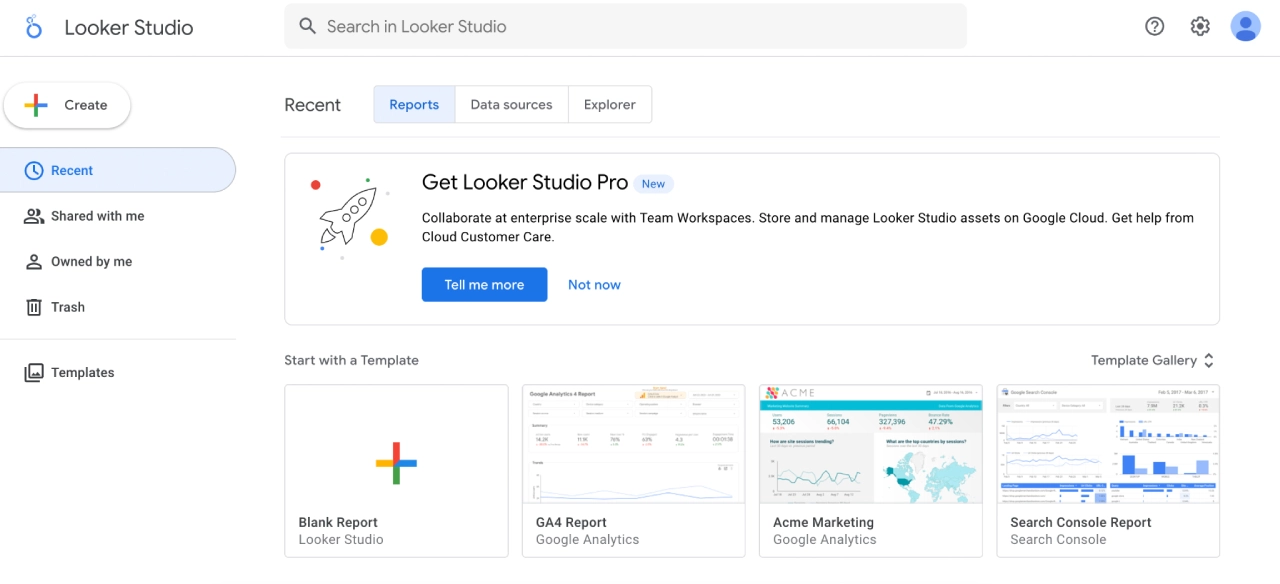
- Looker Studio is the preferred tool for the data-heavy agency. While it has a steeper learning curve, it offers unparalleled flexibility for custom dashboards. If you have the internal bandwidth to build templates, it is the most cost-effective way to scale reporting.
3. Automation: Zapier & Make
Automation is the glue that prevents "tool sprawl."
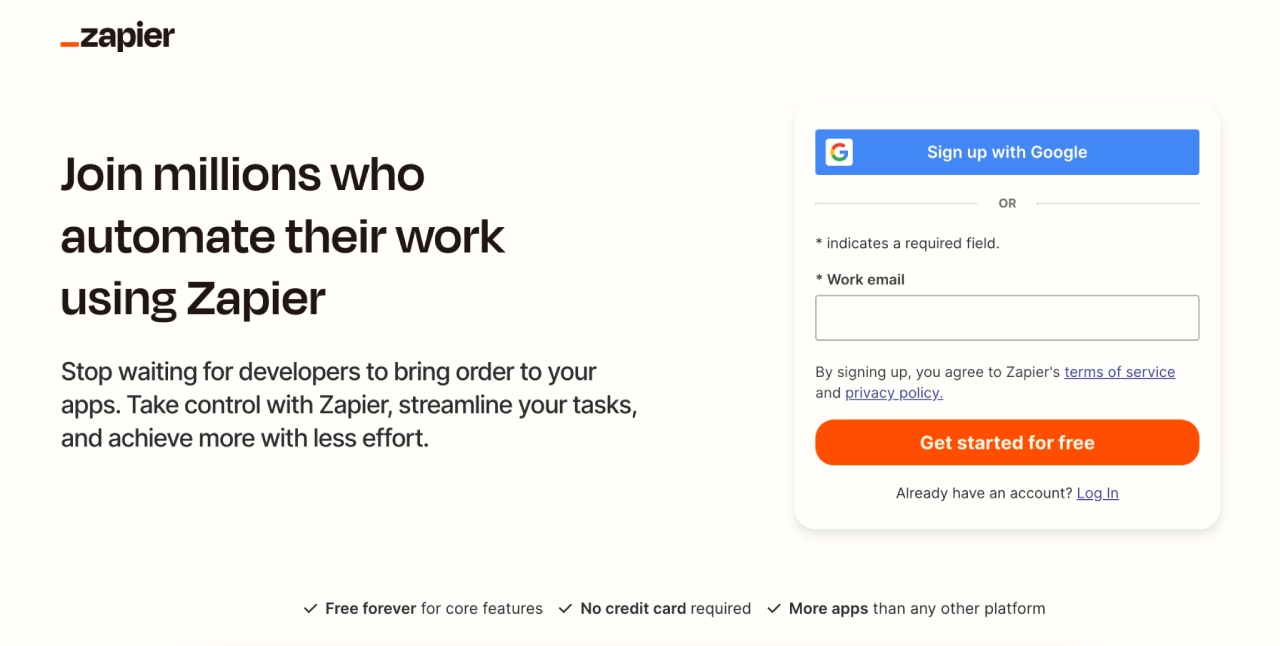
- Zapier is the industry standard for simple, "if-this-then-that" workflows. It is perfect for triggering a Slack notification when a new lead enters your CRM or sending a survey after a project is marked "complete" in Asana.
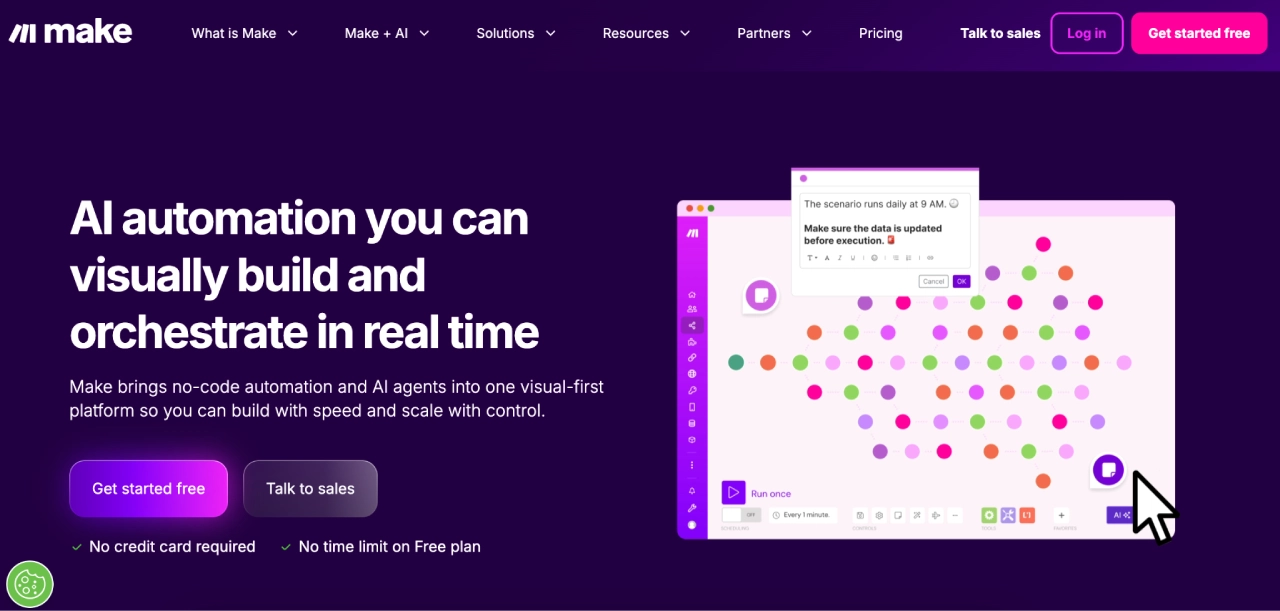
- Make is for the power user. It allows for complex logic, data parsing, and multi-step scenarios that would otherwise require custom-coded software.
Implications: The Hidden Cost of Complexity
The primary danger in building an agency stack is compounding costs. Software pricing models are designed to scale as you grow, but they rarely scale linearly.
- Seat-Based Pricing: This can punish an agency during the hiring process. If you have to pay for a full seat for every freelancer or contractor, your margins will shrink rapidly.
- Tiered Usage: Many platforms (like HubSpot or email providers) charge based on contact count or volume. A sudden jump in client activity can lead to a massive, unexpected invoice if the agency doesn’t proactively manage its database hygiene.
The Golden Rule: Always evaluate a tool based on its marginal cost per client rather than the flat monthly fee.
Strategic Recommendations: How to Choose
To build a sustainable stack, adopt a "Service-First" approach:
- Define the Service, Then the Tool: Never buy a piece of software hoping it will "fix" a broken process. Map out your client journey from onboarding to reporting. Once the workflow is defined, pick the tool that supports that specific sequence.
- Audit Your Overlap: If you are paying for both Asana and monday.com, you are creating a "decision fatigue" problem for your staff. Consolidate your tools into one "Source of Truth" for project management.
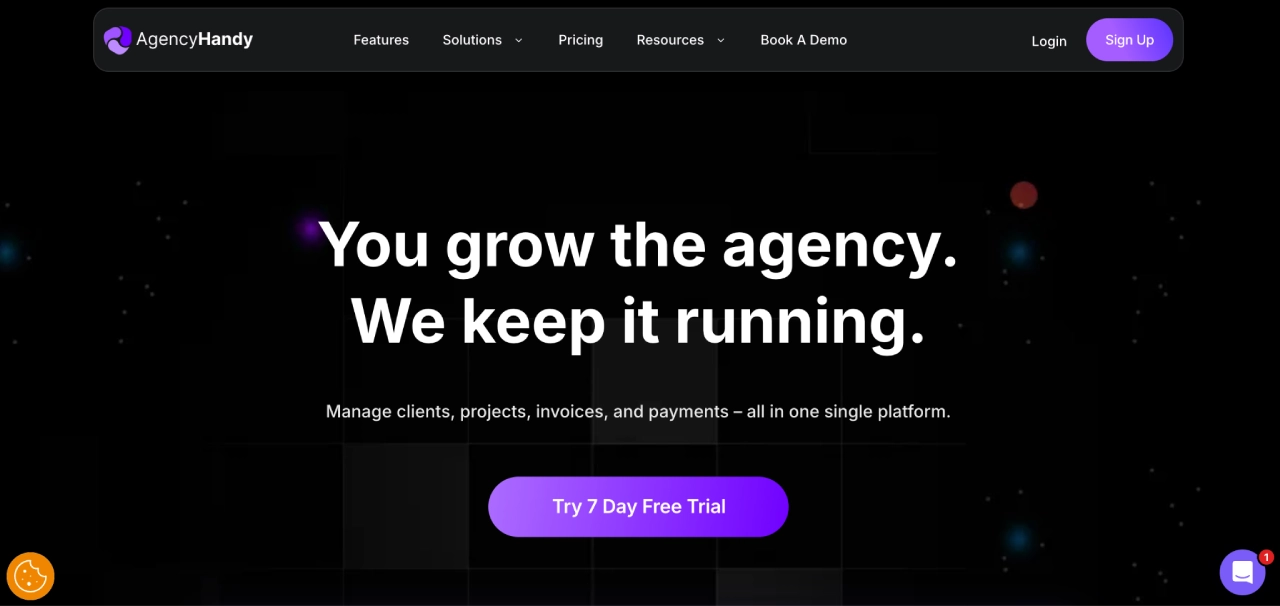
- Prioritize Portals: The more you can centralize client communication (via tools like AgencyHandy), the less time your team spends searching through email threads for project requirements.
Conclusion: The "Less-is-More" Philosophy
The most successful agencies are not the ones with the most tools; they are the ones with the best-integrated ones. A bloated tech stack creates a bloated agency. By focusing on tools that offer multi-client controls and automated reporting, you can ensure that your team spends their time on strategy and creative work—not on toggling between tabs.
If you are currently struggling with operational friction, take a step back. Audit your subscriptions, sunset the tools that provide redundant features, and double down on platforms like Campaign Monitor that act as force multipliers for your agency’s output.
Note: The landscape of marketing software evolves rapidly. This analysis is based on industry standards as of early 2026. Always verify pricing and feature sets directly with providers before committing to long-term contracts.
Disclaimer: This article is intended for educational purposes and does not constitute financial, legal, or tax advice. Agencies should conduct their own due diligence when selecting software partners.
