
The Great Optimization Divide: Crazy Egg vs. Fullstory in 2026
In the rapidly evolving landscape of digital experience intelligence, businesses are faced with a pivotal choice: do they invest in a specialized, product-focused analytics suite, or a consolidated, all-in-one optimization platform? As we navigate the second half of 2026, the divergence between industry leaders Crazy Egg and Fullstory has become more pronounced.
While both platforms aim to demystify user behavior, they serve fundamentally different masters. Crazy Egg has cemented its position as the go-to utility for marketing teams and CRO (Conversion Rate Optimization) specialists looking to boost website performance. Conversely, Fullstory has entrenched itself as the heavy-duty engine for product managers tasked with maintaining complex, high-traffic mobile and web applications.
Main Facts: Defining the Core Value Propositions
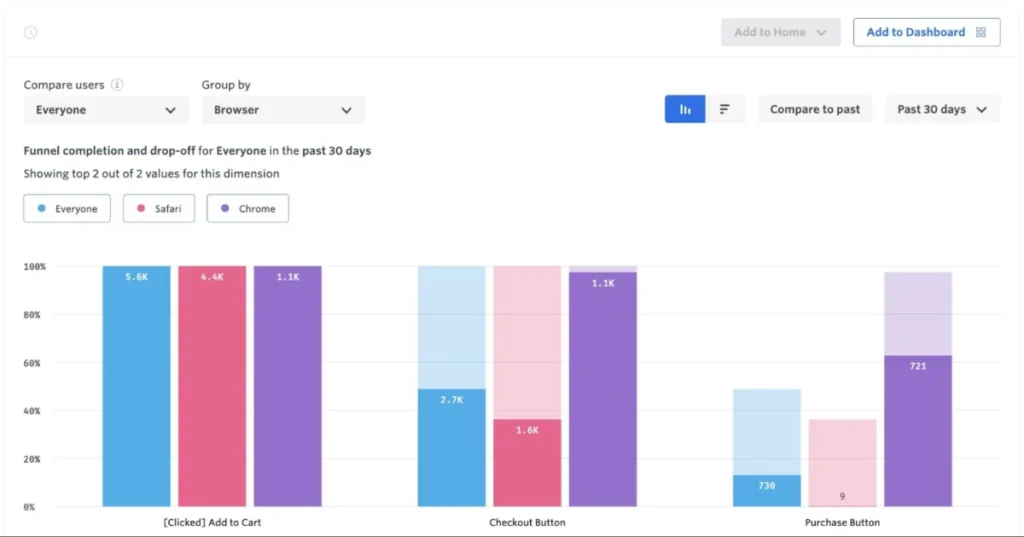
The fundamental difference between these two tools lies in their architectural focus. Crazy Egg operates as a holistic conversion suite. It is designed to be a "one-stop shop" where a team can identify a site’s bottleneck, analyze the behavior causing it, test a solution, and implement a change—all within the same dashboard.
Fullstory, by contrast, is built for scale and depth. Its "Fullcapture" technology records every pixel of user interaction, creating a massive repository of data that is indispensable for debugging complex web apps and mobile interfaces. It is not designed to replace experimentation or survey tools; rather, it acts as the primary data source that informs those other tools.
Key Differentiators
- Methodology: Crazy Egg is proactive in optimization (testing/personalization included). Fullstory is reactive and diagnostic (deep behavioral analytics).
- Scope: Crazy Egg focuses on the web. Fullstory excels at native mobile apps (iOS/Android/Flutter).
- Accessibility: Crazy Egg offers transparent, tier-based pricing starting at $29/mo. Fullstory operates exclusively on a custom-quoted, enterprise-level contract model.
Chronology: The Evolution of Digital Experience Intelligence
The trajectory of these two companies highlights the shift in market demand over the last three years:
- 2024: Both companies began integrating generative AI at a rapid pace. Crazy Egg leaned into "Agentic Workflows" to automate the hypothesis-testing cycle, while Fullstory focused on "StoryAI" to surface high-revenue friction points.
- November 2025: Fullstory acquired Usetiful, a major pivot that introduced "Guides"—tours, checklists, and beacons—into their platform. This signaled Fullstory’s transition from a pure analytics tool to a product-adoption platform.
- Early 2026: Crazy Egg launched its "MCP" (Model Context Protocol) server, allowing users to hook their behavioral data directly into advanced LLMs like Claude and Gemini, effectively democratizing data analysis for smaller marketing teams.
- Mid-2026: Both platforms moved toward early access for "Agentic" assistants, which are now beginning to move beyond merely summarizing data to actively suggesting and executing site changes.
Supporting Data: Feature Analysis and Technical Capabilities
To understand which platform fits your organization, one must look beneath the surface of their respective toolsets.
1. The Heatmap War
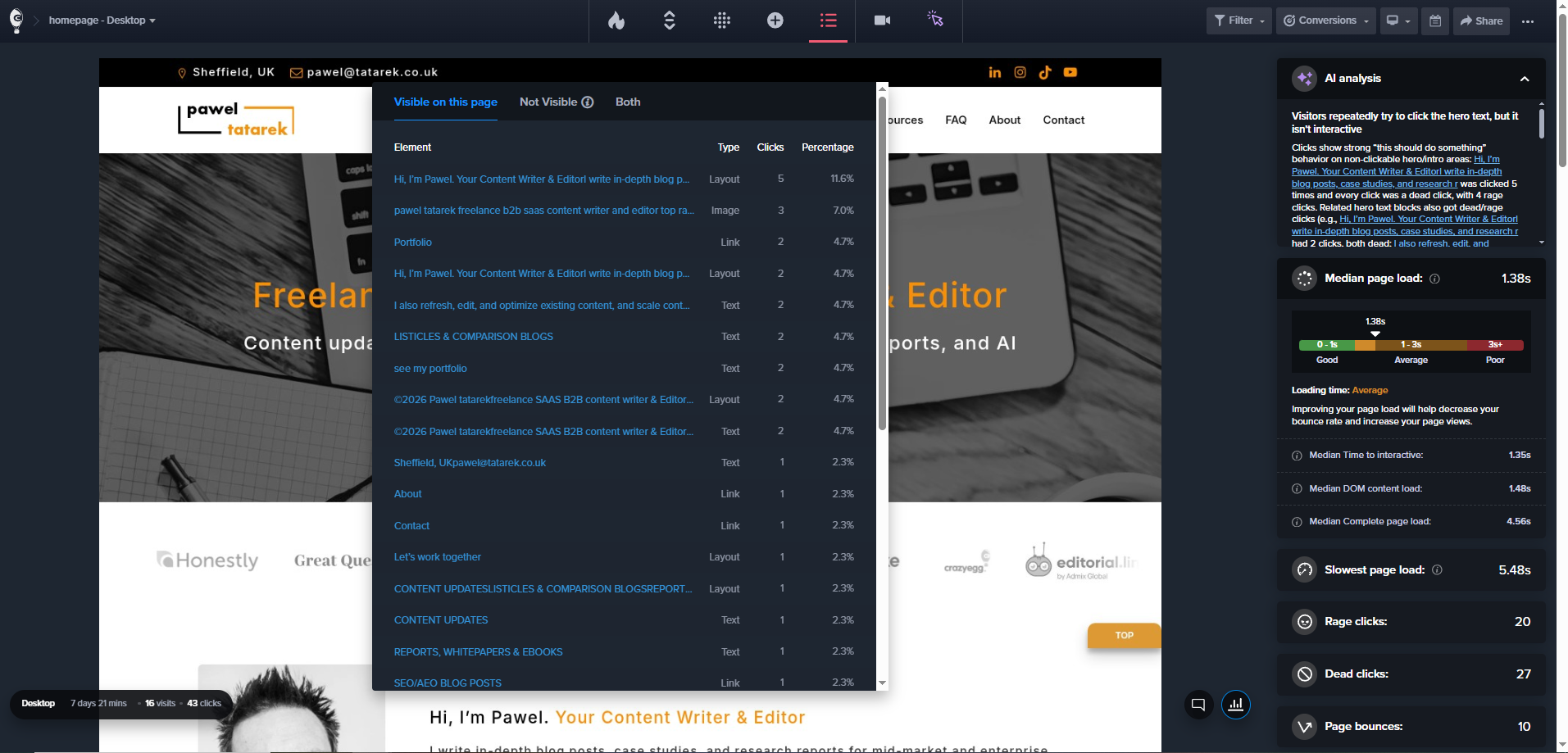
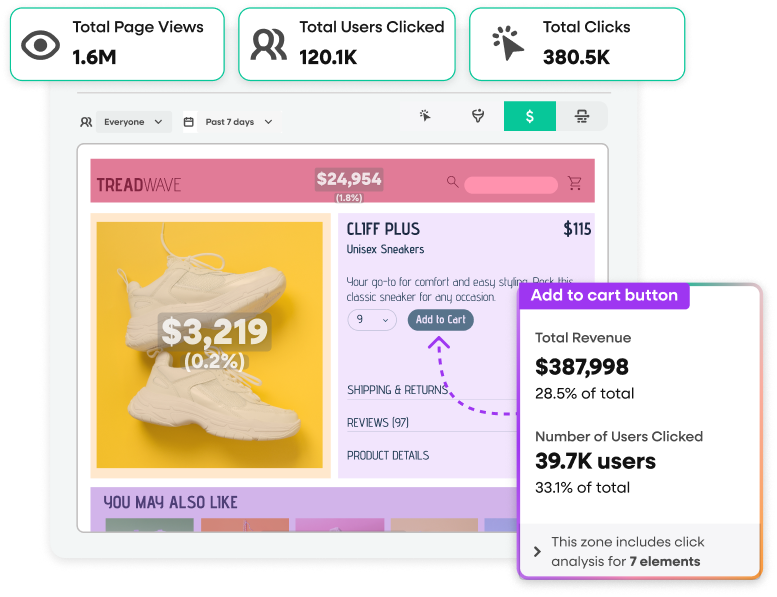
Crazy Egg’s strength lies in its Confetti maps and per-click segmentation. It provides five different visualization types that allow teams to segment data by referrer, device, and time. Fullstory offers high-fidelity click and scroll maps, but they are limited to the top 25 elements, making them better for high-level "zone" analysis than granular design testing.
2. Session Replay and Retention
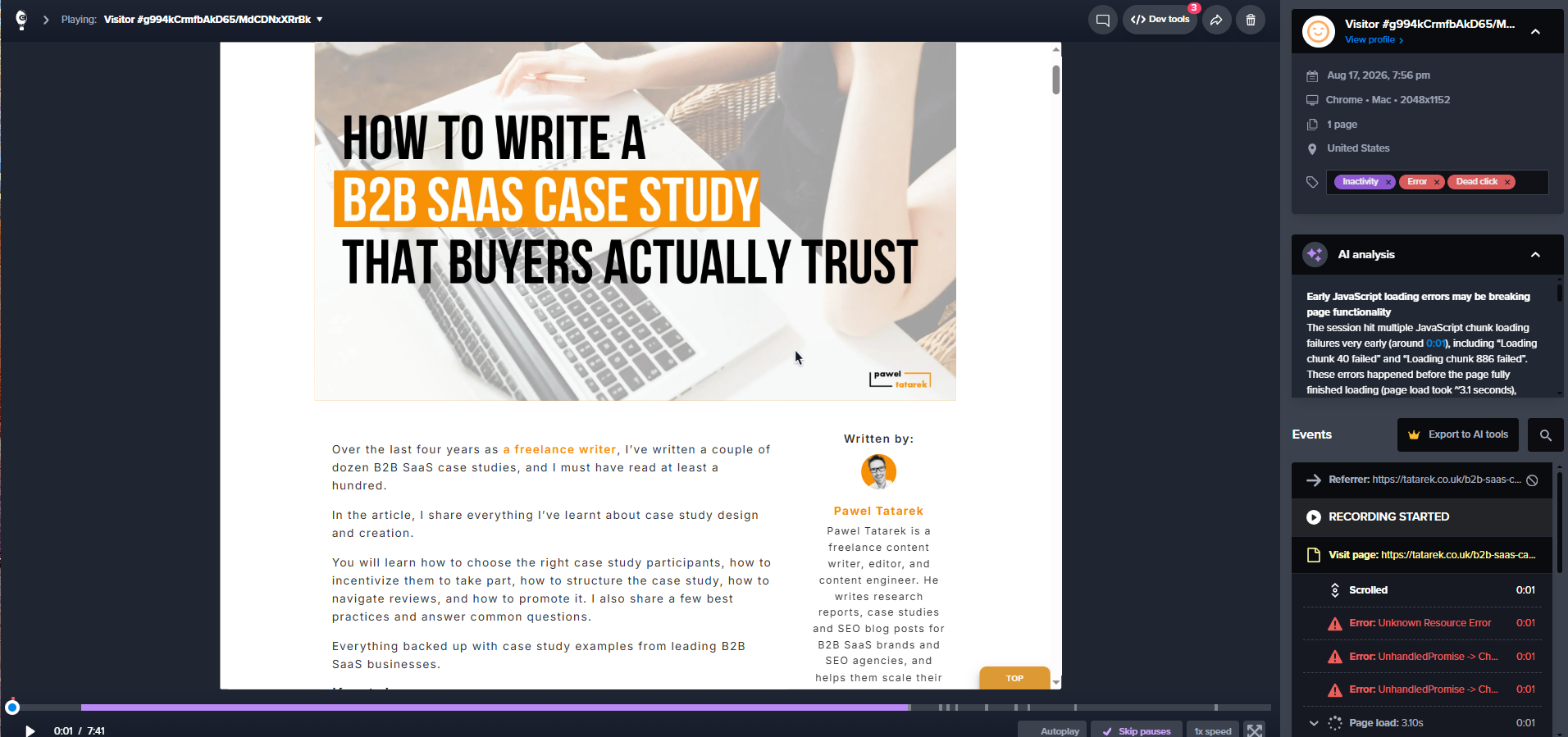
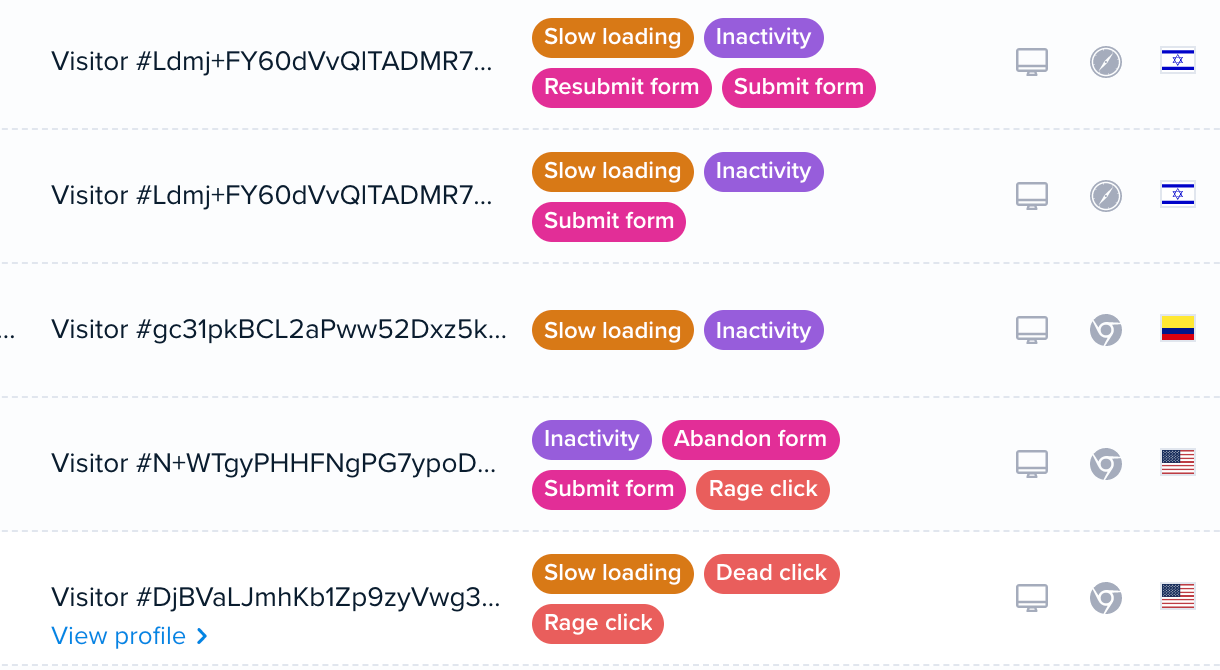
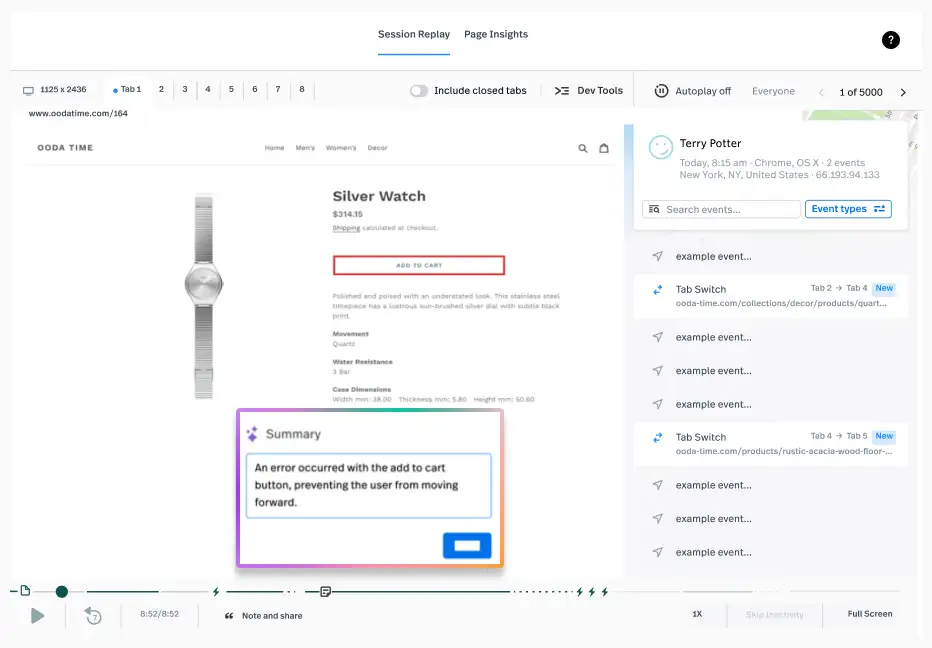
Fullstory holds a clear advantage in mobile app recording, offering a seamless experience for native apps. However, for web-based optimization, Crazy Egg offers up to 2 years of data retention on higher tiers, whereas Fullstory’s retention is often tied to the specific, often hidden, terms of their enterprise contracts.
3. Experimentation: The Deciding Factor
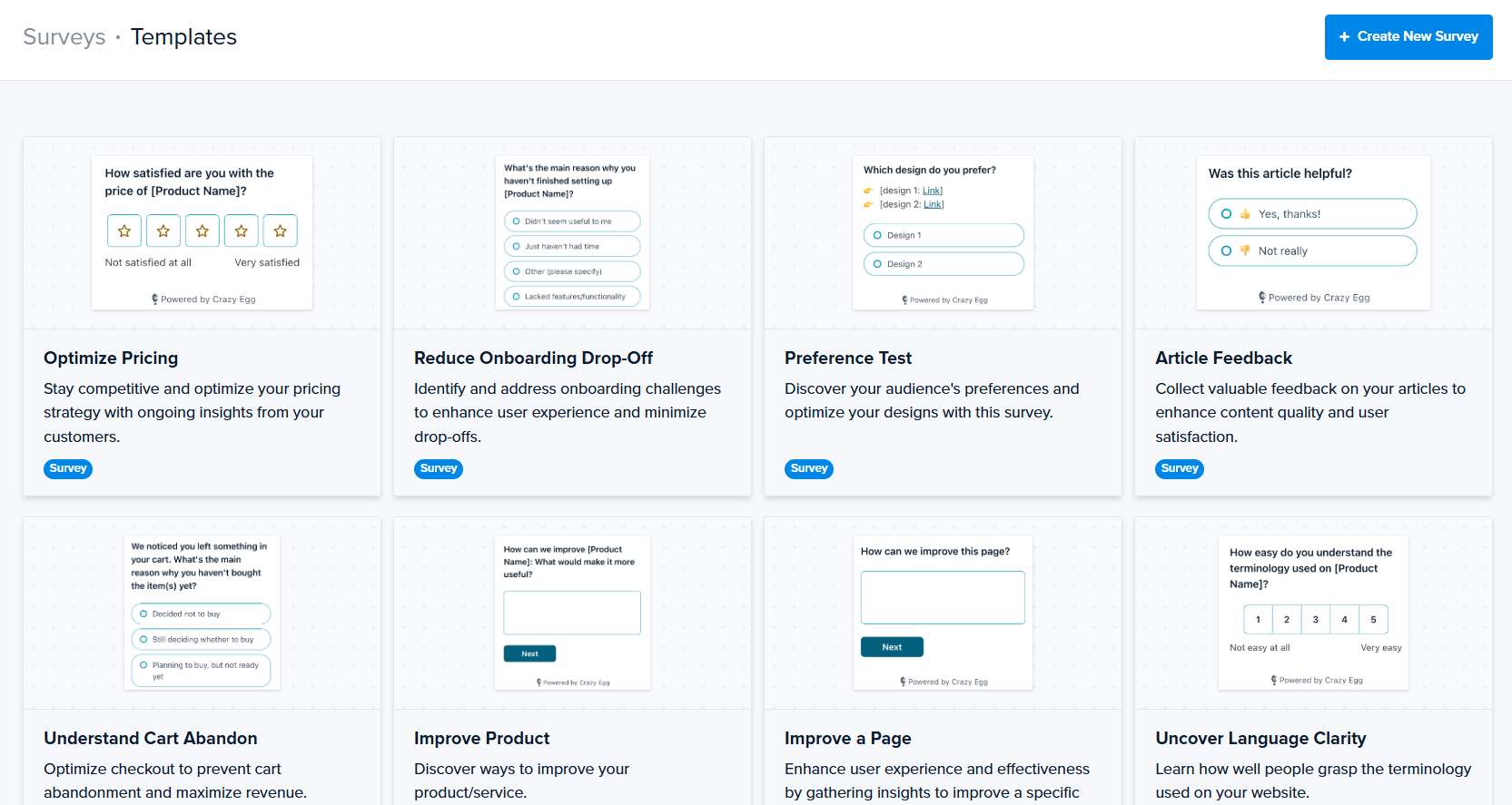
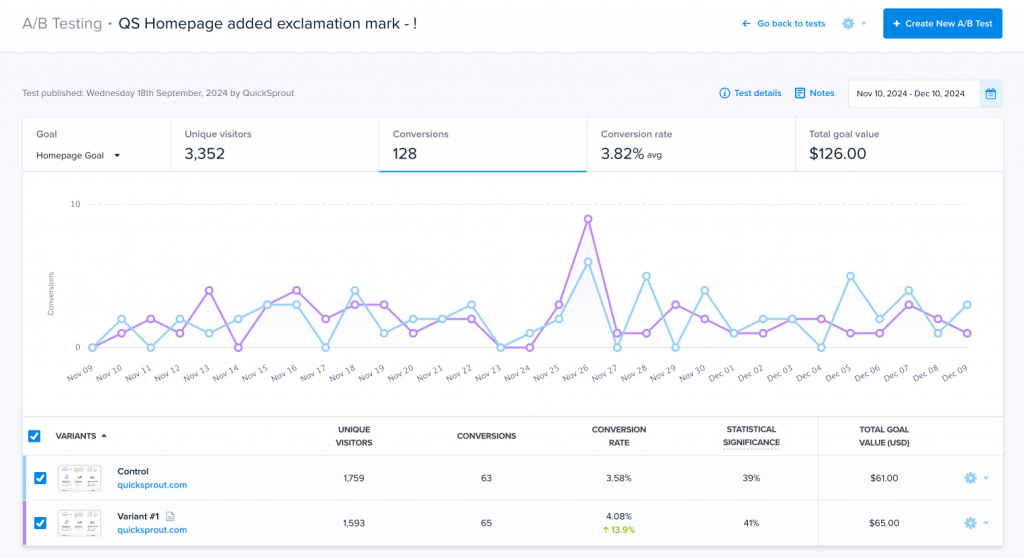
The most striking difference is in A/B testing. Crazy Egg includes a visual editor and multi-armed bandit traffic allocation out of the box. Fullstory has no native experimentation tool. If you choose Fullstory, you must integrate it with third-party tools like Optimizely or VWO, which effectively doubles your vendor management burden and cost.
Official Perspectives: The Market Position
Industry analysts note that Fullstory’s pricing model reflects its target demographic. With a median annual contract value often exceeding $28,000, Fullstory is clearly designed for organizations where a 0.1% increase in conversion is worth millions in revenue.
A spokesperson for a digital transformation firm remarked: "When you have 50 million monthly sessions, you don’t need a tool that tells you where to put a button. You need a tool that tells you why your Flutter app is crashing on specific Android builds. That is Fullstory’s domain."
On the other side of the fence, Crazy Egg’s leadership emphasizes "democratized optimization." By keeping their pricing transparent and including features like A/B testing and Surveys in their base packages, they aim to serve the "long tail" of businesses that need to move fast without a dedicated engineering team.
Implications: Making the Right Choice for Your Stack
When deciding between these two powerhouses, the implications for your team’s workflow are significant.
The Case for Fullstory
Choose Fullstory if:
- You manage a complex native mobile application.
- Your team has a dedicated budget for enterprise software ($30k+ annually).
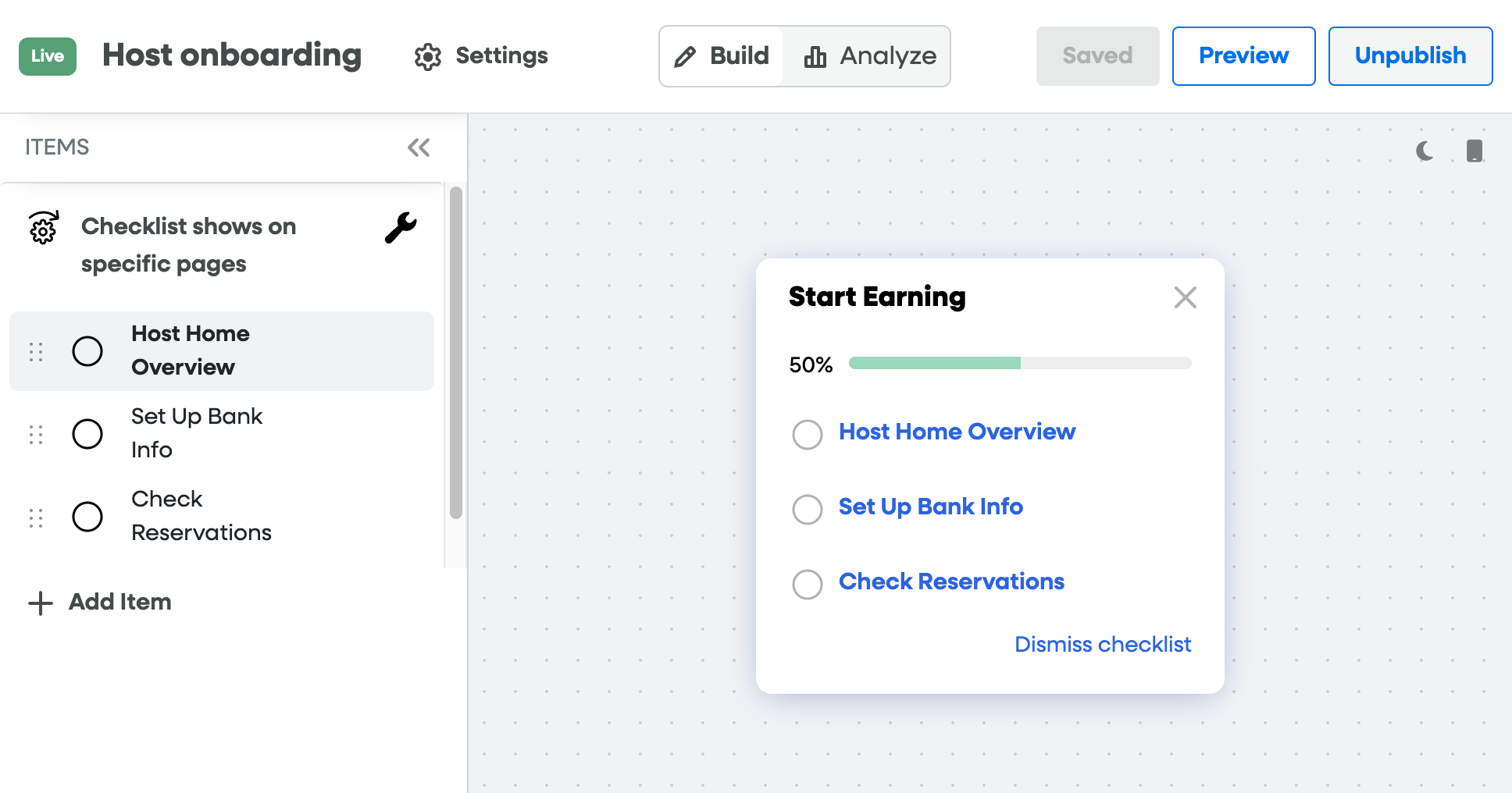
- You are looking to build onboarding flows, checklists, and product tours (via their Guides feature).
- You already possess a robust, third-party experimentation tool.
The Case for Crazy Egg
Choose Crazy Egg if:
- Your primary goal is website conversion optimization.
- You want to consolidate your tech stack (surveys, heatmaps, A/B testing, and analytics in one place).
- You value transparent pricing and want to avoid the "sales-led" negotiation process required by enterprise-only vendors.
- You need actionable, AI-driven insights that your marketing team can implement without a developer.
Financial Reality
For many organizations, the "Fullstory tax"—the necessity of buying secondary tools for A/B testing and feedback—is often overlooked during the procurement phase. A $7,000 annual investment in a high-tier Crazy Egg plan provides a functional, end-to-end optimization cycle. Conversely, an enterprise-level Fullstory implementation, when combined with the necessary third-party integrations, can easily exceed $100,000 annually.
The Final Verdict
The choice ultimately comes down to your operational maturity. If you are a digital product team working within an app-heavy ecosystem, Fullstory’s depth is unmatched. However, for the vast majority of businesses—especially those focused on web traffic, lead generation, and agile marketing—Crazy Egg offers a superior balance of capability, ease of use, and cost-efficiency.
In the race for user attention, the winner is not necessarily the platform with the most features, but the one that allows your team to move from insight to impact the fastest. For most, that path is currently paved by the consolidated, all-in-one approach of Crazy Egg.
