
Beyond the Survey: How Social Intelligence Tools Are Reshaping Strategic Decision-Making in 2026
In an era where consumer sentiment shifts with the speed of a viral post, the traditional survey is no longer the gold standard for market research. Today’s customers are not waiting for an invitation to share their thoughts; they are broadcasting their preferences, frustrations, and aspirations in real-time across Reddit threads, TikTok comment sections, and niche digital forums. For brands, this unprompted data represents a goldmine of insights—provided they have the right tools to navigate the noise.
As we move deeper into 2026, the distinction between simple social listening and true "social intelligence" has become the defining line between brands that merely react to trends and those that strategically lead them.

The Evolution: From Monitoring to Intelligence
To understand the current landscape, one must first distinguish between the three pillars of social data management: social media analytics, social listening, and social intelligence.
While social media analytics focuses on performance metrics—like clicks, shares, and reach on owned channels—social listening acts as a wider net, capturing mentions and keywords across the broader web. Social intelligence, however, is the synthesis of these data points into actionable, high-level business strategy. It isn’t just about knowing that people are talking; it’s about understanding the "why" and the "how" behind those conversations to inform product roadmaps, crisis mitigation, and long-term brand positioning.

The Shift in Strategic Focus
Expert Dylan Peterkin notes that teams frequently outgrow basic listening tools when their objectives shift from simple performance tracking to a deeper understanding of cultural shifts and audience psychology. "A basic tool can help you measure what you spent on an idea and how it performed with your existing audience," Peterkin explains. "But there is no replacement for full-fledged intelligence: being where your target audience is, and finding ways to exist in those spaces naturally through product and content."
Chronology of the Social Intelligence Boom
The rise of these tools has followed a distinct trajectory over the last decade:
- The Manual Era (Pre-2015): Marketing teams relied on focus groups and manual keyword tracking, which were slow and often suffered from respondent bias.
- The Rise of Listening (2015–2020): Tools emerged to aggregate social mentions, providing a dashboard view of brand health. However, these tools often struggled with data overload and "noise."
- The AI Integration Phase (2021–2024): Machine learning began to automate sentiment analysis and basic trend detection, allowing teams to parse larger datasets.
- The Intelligence Revolution (2025–Present): With the advent of advanced LLMs (Large Language Models), the current generation of tools—such as Lumen, Brandwatch, and Meltwater—now offers generative AI capabilities that not only analyze data but answer complex, plain-language questions and suggest strategic pivots.
Critical Capabilities: What to Look For
When selecting a social intelligence platform, enterprise leaders must look beyond basic keyword tracking. The most effective tools in 2026 prioritize four key areas:
1. Robust Data Coverage
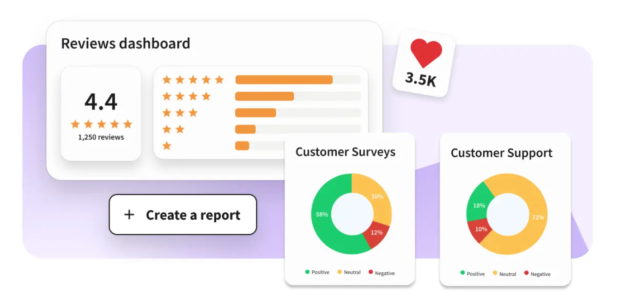
If a tool only scans mainstream platforms while ignoring the "rabbit holes" of Reddit or niche industry forums, it is missing the most authentic consumer sentiment. Furthermore, the integration of non-social data—such as online reviews, news, and even patent filings—creates a more comprehensive view of the customer journey.
2. Intelligent Noise Reduction
Not all chatter is signal. High-quality tools now incorporate advanced filtering to strip away bot activity, spam, and irrelevant mentions. By distinguishing between meaningful discourse and low-value repetition, intelligence platforms ensure that leadership teams are basing decisions on actual consumer behavior rather than algorithmic noise.
3. Pattern Recognition and Conversation Clustering
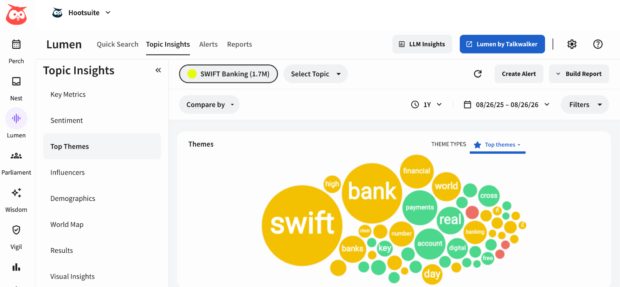
Individual posts are anecdotes; patterns are trends. Modern platforms use conversation clustering to identify what topics are trending in the periphery. For example, a student discussing the price of textbooks might seem like a singular complaint, but when clustered with thousands of similar posts, it reveals a systemic economic sentiment that a brand could address through pricing strategy or CSR initiatives.
4. AI-Driven Actionability
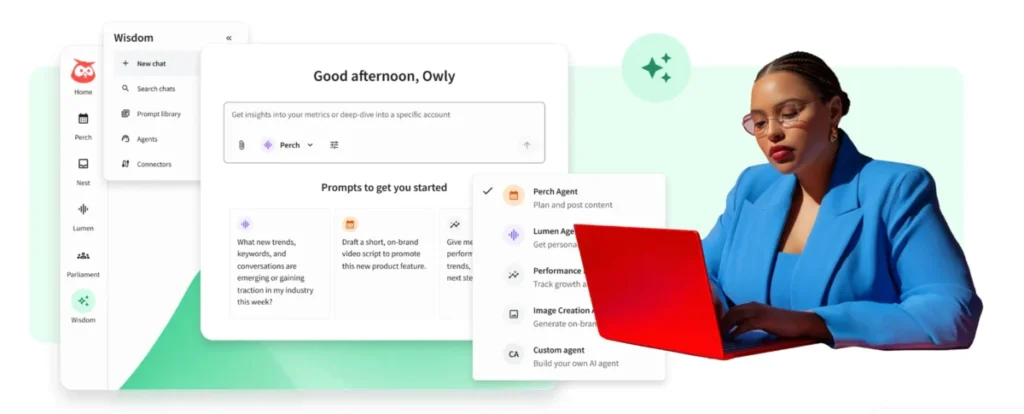
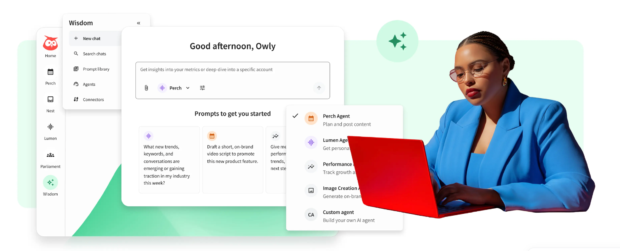
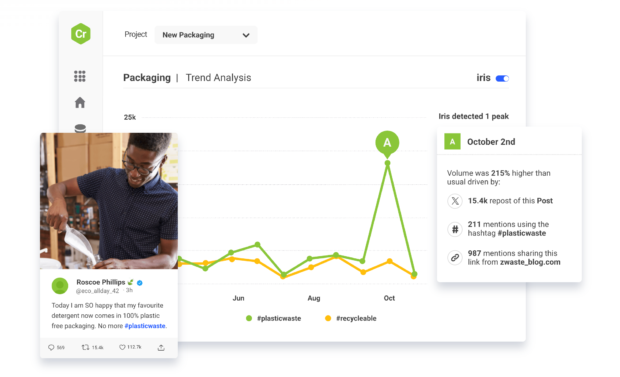
The current market standard is the transition from "what" to "why." If a brand experiences a 700% spike in mentions, a legacy tool might simply report the surge. A modern intelligence tool, however, will use AI to analyze the sentiment and context, determining if the spike was caused by a PR crisis, a viral meme, or a genuine product breakthrough. Tools like Hootsuite’s Wisdom go a step further by providing cited sources for AI conclusions, ensuring transparency and trust.
Leading Platforms of 2026: A Comparative Overview
The market for social intelligence is diverse, with each platform catering to specific organizational needs:
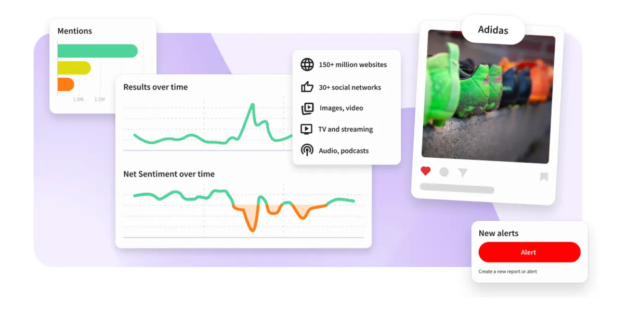
- Lumen (by Hootsuite): Ideal for global enterprises requiring deep, real-time insights across 150 million websites and 30+ social channels. Its integration with Wisdom AI allows for plain-language querying of social data.
- Brandwatch: Known for its massive historical archive, boasting 1.6 trillion conversations. It is the premier choice for brands prioritizing long-term longitudinal studies of consumer sentiment.
- Meltwater: A powerhouse for PR-led teams, its GenAI Lens allows organizations to see how they appear within the outputs of AI assistants like ChatGPT and Gemini.
- Sprinklr: Best suited for large-scale organizations that want to unify customer service, marketing, and social listening in a single, enterprise-wide environment.
- YouScan: A leader in visual intelligence, specializing in identifying logos and objects within image-based social media content.
- Audiense: Focuses on audience segmentation, allowing teams to create and interact with AI-powered personas built from real consumer data.
- Pulsar: Excels at "narrative intelligence," breaking down large audiences into distinct communities to show how different groups discuss the same topics.
- Quid: A unique player that incorporates patents and broadcast data, making it the top choice for predictive modeling in sectors like pharma and retail.
Implications for Future Strategy
The adoption of social intelligence represents a fundamental shift in how corporations relate to their customers. Rather than "marketing to" an audience, these tools allow brands to "participate in" the conversation.
The End of Silos
One of the most profound implications is the breakdown of internal silos. Social intelligence data is no longer the sole property of the social media team. Product development teams use it to identify "whitespace" opportunities for new features; customer success teams use it to proactively mitigate support crises; and executive leadership uses it to track competitive positioning in real-time.
Data Literacy as a Corporate Asset
The final barrier to effective social intelligence is not technological, but cultural. The most successful organizations are those that foster data literacy, ensuring that team members at all levels understand how to interpret AI-generated insights. The goal is to move away from the "black box" of data and toward a transparent, informed decision-making process.
Conclusion: The Path Forward
In 2026, the question is no longer whether a brand should listen, but how effectively it can synthesize what it hears. The tools are available, the data is abundant, and the AI is capable of turning millions of fragmented conversations into a clear strategic roadmap.
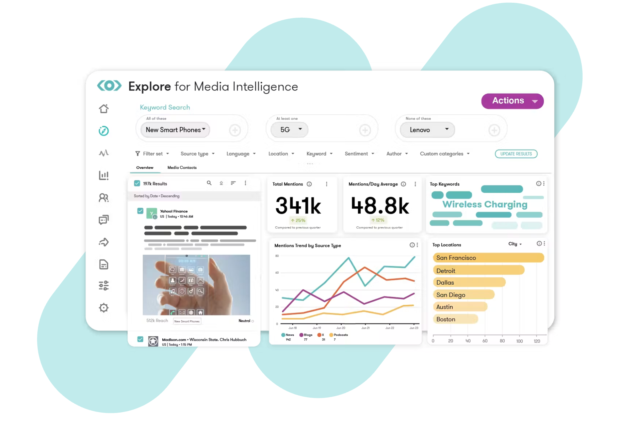
As organizations navigate the complexities of an increasingly digital marketplace, those that prioritize social intelligence will be the ones that stay ahead of the curve. By leveraging platforms that combine real-time monitoring with deep, AI-driven analysis, brands can transform the chaos of the internet into a source of stability, innovation, and long-term competitive advantage.
Whether your goal is to prevent a PR crisis before it starts or to predict the next shift in shopper demand, the insights you need are already being shared. You only need to be in the right place, at the right time, with the right tools to hear them.
