

The Art of the Headline: How to Craft Blog Post Titles That Set the Internet Ablaze
In the vast, crowded ecosystem of the modern internet, the battle for a reader’s attention is won or lost in a fraction of a second. Before a reader ever consumes your prose, analyzes your data, or appreciates your insights, they make a singular, split-second decision based on one thing: your headline.
A blog post title is more than just a label; it is the destiny of your content. It is the bridge between obscurity and virality. While the body of your work may be the "meat" of your message, the title is the gatekeeper. If the gate is uninviting, the most brilliant insights will languish in the digital graveyard of your archives, gathering virtual dust.
The Power of the First Impression
The importance of the headline cannot be overstated. In an era of infinite content, attention is the scarcest currency. Your title appears in search engine results, RSS feeds, social media streams, and newsletter inboxes. In each of these environments, the headline acts as the sole representative of your work.
If that headline is vague, overly complex, or uninspired, the reader will scroll past without a second thought. As legendary advertising executive David Ogilvy famously noted, "The purpose of a title is to get potential readers to read the first line of your content." This is the golden rule of copywriting. If you fail to hook the reader immediately, the subsequent thousands of words become irrelevant.
Chronology of Craft: Why You Must Slow Down
Many bloggers make the mistake of treating the title as an afterthought—a quick, five-second addition tacked onto the end of a long writing session. This is a strategic error. The most successful content creators treat the title as a separate, vital phase of the creative process.
The Planning Phase
Before a single word is written, the focus should be on the "why." What is the reader’s pain point? What question are they trying to answer? By identifying the core value of the post during the planning phase, you can draft a title that promises a specific, tangible outcome.

The Iteration Phase
Professional writers rarely settle for the first title they draft. They test variations. They swap "power words," rearrange syntax for SEO efficiency, and ensure the tone matches the audience. By treating the headline as a draft that requires editing, you ensure that you aren’t just "labeling" your post, but "selling" it.
The Eight Pillars of High-Performing Headlines
To consistently craft headlines that stop the scroll, writers must master several proven techniques. While not every technique will apply to every post, integrating these strategies will significantly increase your click-through rates.
1. Communicate a Clear Benefit
The most effective headlines are those that promise immediate value. Readers are inherently self-interested; they want to know what they gain by investing their time. Titles like "10 Ways to Master Digital Photography" work because they signal a clear, educational benefit. Avoid being "cryptic" or "clever" at the expense of clarity. If you can solve a problem, state it plainly.
2. Ignite Controversy and Debate
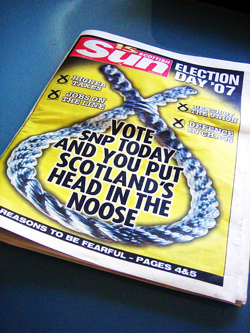
Controversy, when used responsibly, is a powerful engine for engagement. By taking a strong, defensible stance on a polarizing topic, you invite readers to participate in the conversation. However, the caveat is critical: you must be prepared to back up your headline with a substance-heavy argument. Using controversy as "clickbait" without providing intellectual depth will ultimately damage your brand’s credibility.
3. The Power of the Question
Human psychology is wired to respond to questions. When a headline poses a direct inquiry, the brain instinctively searches for the answer. Questions are particularly effective at driving engagement in the comments section, as they invite the reader to share their own perspective, creating a dialogue rather than a monologue.
4. Personalization Through Direct Address
Addressing the reader directly—using the word "you"—transforms a generic post into a personal consultation. It makes the reader feel as though the content was curated specifically for their needs. Compare "Tips for Better Blogging" with "How You Can Double Your Blog Traffic." The latter feels intimate and actionable, shifting the focus from the author to the reader.
5. Leveraging Keywords for SEO
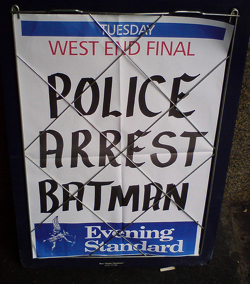
From a technical standpoint, keywords are the oxygen that helps your content breathe in search engines. Including relevant, high-traffic terms in your title helps Google index your content correctly. For optimal results, place your primary keywords as close to the beginning of the title as possible. This is particularly crucial for product reviews or industry-specific news, where users are searching for specific entities.
6. The Strategic Use of "Power Words"
Certain words possess a magnetic quality that triggers a psychological response. Words like "Essential," "Proven," "Effortless," and "Stunning" can elevate a mundane headline into something urgent. However, proceed with caution. Over-reliance on hyperbole can lead to reader skepticism. If your content doesn’t live up to the "power" promised in the title, you will lose the reader’s trust—a commodity that is difficult to regain.
7. Big Claims and Bold Promises
Similar to communicating a benefit, a bold claim takes the promise to the next level. It creates a sense of intrigue that is difficult to ignore. Whether it’s a promise of "guaranteed results" or a "secret technique," these headlines demand attention. The risk, of course, is the "gap" between promise and delivery. Always ensure your content provides the value your headline promises.
8. The Utility of Humor
Humor is a high-risk, high-reward strategy. A well-timed, witty headline can build a rapport with your audience before they’ve even begun reading. However, humor is subjective; what one reader finds hilarious, another may find confusing or unprofessional. Use humor only when it aligns with your brand voice and your target audience’s sensibilities.
Supporting Data and Best Practices
To maximize the efficacy of your titles, keep these two technical guidelines in mind:
- Length Matters: While long, descriptive titles can work, brevity is often superior. Search engines typically truncate titles after 60–65 characters. Keeping your title within this range ensures it displays perfectly in search results, preventing your headline from being cut off mid-thought.
- Punctuation and Flow: Avoid using full stops (periods) at the end of your titles. A period acts as a visual "stop" sign, signaling to the reader that the thought is complete and they can move on. By omitting them, you maintain a sense of momentum, encouraging the reader to transition directly into the first paragraph.
Official Perspectives: The Copywriter’s Creed
In the world of professional advertising, the consensus remains: the headline is 80% of the work. If you have written a great article but failed to craft a great title, you have effectively silenced your own voice.
Industry experts suggest a "Draft and Refine" workflow:
- Write the post.
- Draft five variations of a title.
- Select the strongest one based on the "Benefit" and "Keyword" criteria.
- Refine the chosen title to ensure it is punchy and devoid of unnecessary punctuation.
Implications for Future Growth
The shift toward mobile consumption makes the headline even more vital. On a small screen, the reader sees only the headline and perhaps the first two lines of text. There is no room for error.
By mastering these eight pillars, bloggers and content creators move from being "writers" to being "strategists." They understand that content is not just about the words on the page—it is about the delivery, the psychology of the click, and the intentional design of the reader’s experience.
When you invest time into your titles, you are respecting your reader’s time and maximizing the reach of your ideas. You are no longer just putting content into the void; you are creating a beacon that invites readers to stop, click, and engage. The next time you sit down to write, remember: your title is not a summary. It is a promise. Make sure it’s a promise worth keeping.
