

The Data-Driven Advantage: How Customer Insights and Analytics Propel Business Success
In an era defined by hyper-personalization, why do some brands seem to intuitively "click" with their audience while others struggle to gain traction? The answer lies in the sophisticated art and science of customer insights and analytics.
For modern enterprises, raw data is no longer just a byproduct of business operations—it is the primary currency of growth. By rigorously analyzing market trends, interpreting behavioral data, and actively listening to customer feedback, businesses can craft exceptional experiences that foster long-term loyalty and drive profit-oriented strategic decisions.

Understanding the Core: Insights vs. Analytics
While the terms "customer insights" and "customer analytics" are frequently used interchangeably, they represent two distinct pillars of a data-driven strategy.
Customer analytics refers to the technical implementation—the collection, configuration, and statistical processing of raw data using specialized tools. It is the "how" of data management.

Customer insights, conversely, represent the "why." They are the actionable interpretations derived from analytics that reveal the underlying motivations, frustrations, and desires of a target audience. If analytics is the skeleton of your data strategy, insights are the soul that informs your next strategic pivot.
The Purpose of Data-Driven Decision Making
The primary mandate for any business today is to remain aligned with the rapid evolution of consumer needs. By leveraging robust analytics, companies can answer critical, high-stakes questions:
- What drives churn? Identify the exact point in the user journey where interest wanes.
- Who is the ideal persona? Refine targeting to reach high-value customers rather than broad, low-conversion audiences.
- What is the product-market fit? Validate whether your current offerings actually solve the problems your audience is facing.
A Chronology of Research: How to Gather Actionable Intelligence
To build a comprehensive profile of your customer, you must adopt a multi-faceted approach. A static, one-time survey is insufficient in a digital landscape that shifts daily. A successful research strategy follows a structured progression:
1. The Foundation: Market Research
Before you can analyze your current customers, you must understand the broader landscape. Market research provides the macro-view of your industry.
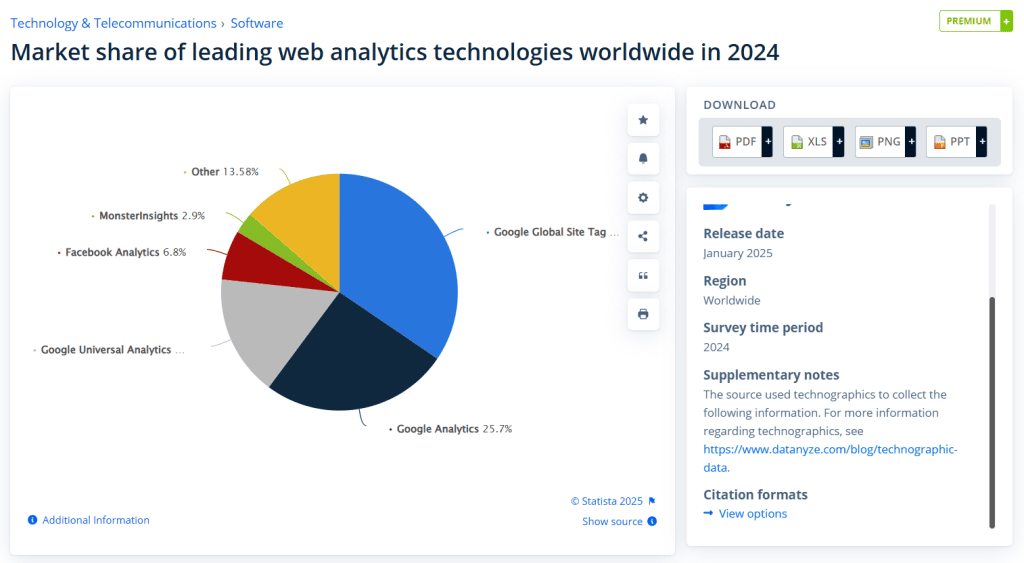
- Statista: A premier aggregator that transforms complex public and third-party data into digestible visualizations. It is an essential starting point for benchmarking your brand against industry averages.
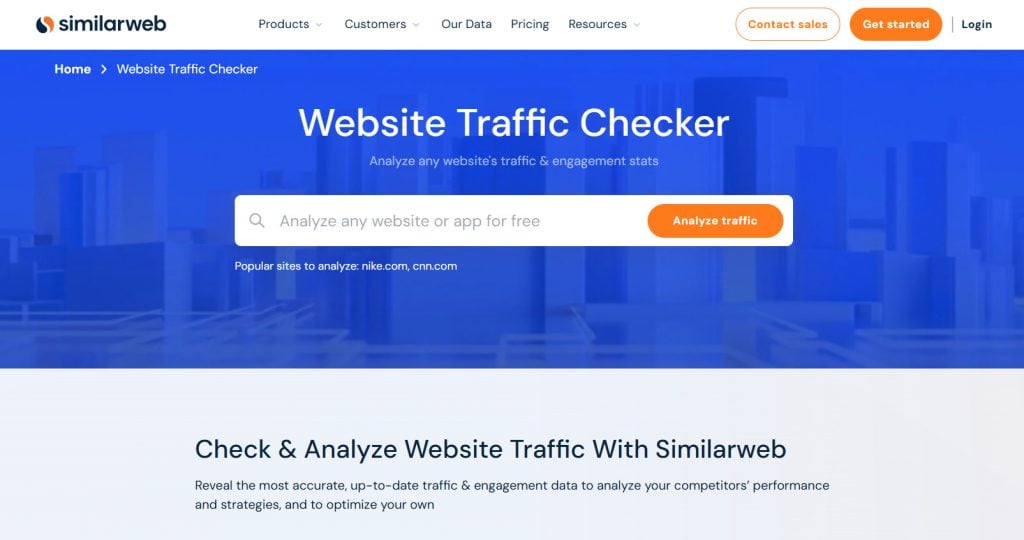
- Similarweb: An indispensable tool for competitive intelligence. It allows you to peer into your competitors’ traffic sources and digital strategies, helping you identify gaps in your own reach.
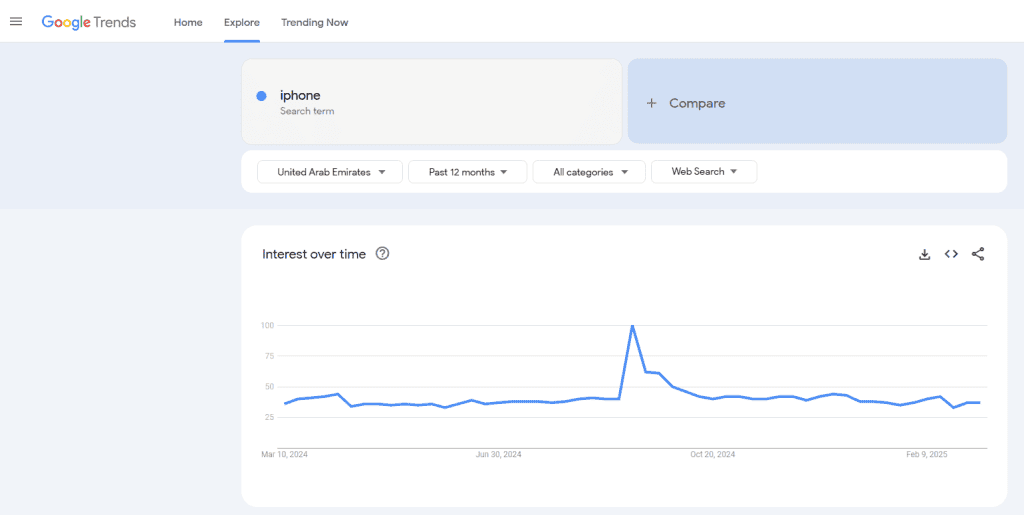
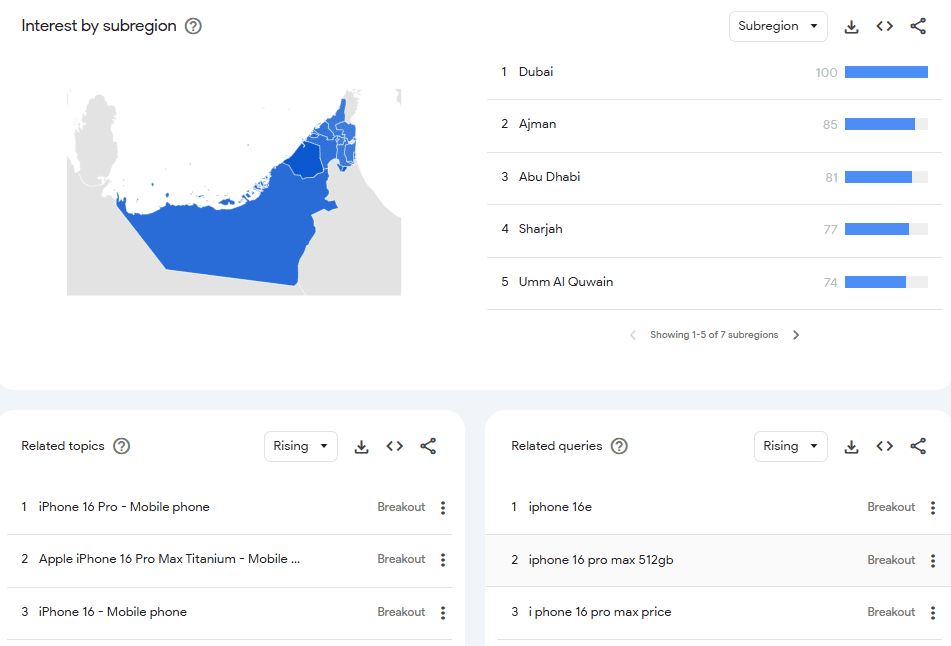
- Google Trends: A real-time pulse of global interest. By monitoring search volume fluctuations, businesses can predict seasonal trends and capitalize on emerging topics before they hit the mainstream.
2. Digital Behavioral Data: The Website Ledger
Your website acts as the primary laboratory for customer behavior. If a visitor lands on your page, their journey is a goldmine of data.
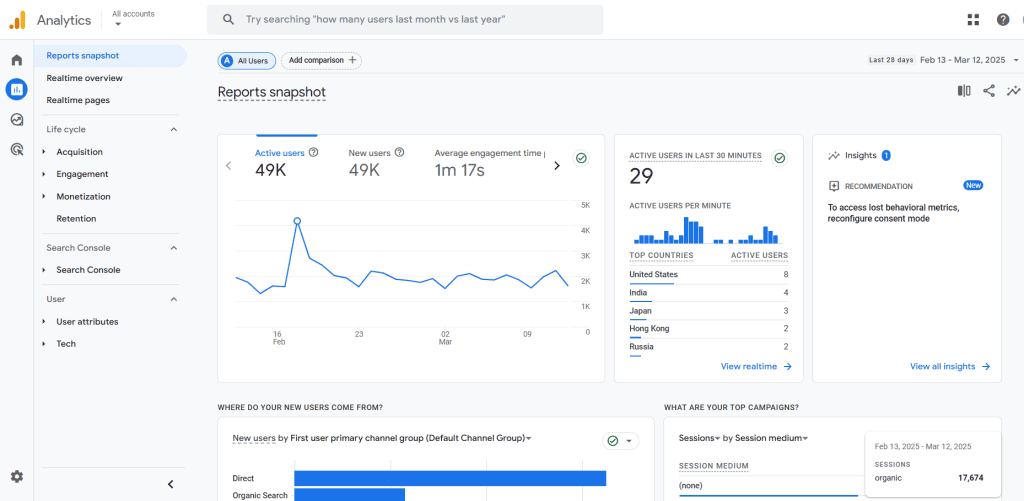
- Google Analytics 4 (GA4): The industry standard for measuring user behavior. It provides granular detail on acquisition channels, session duration, and the "why" behind user movement across your site.
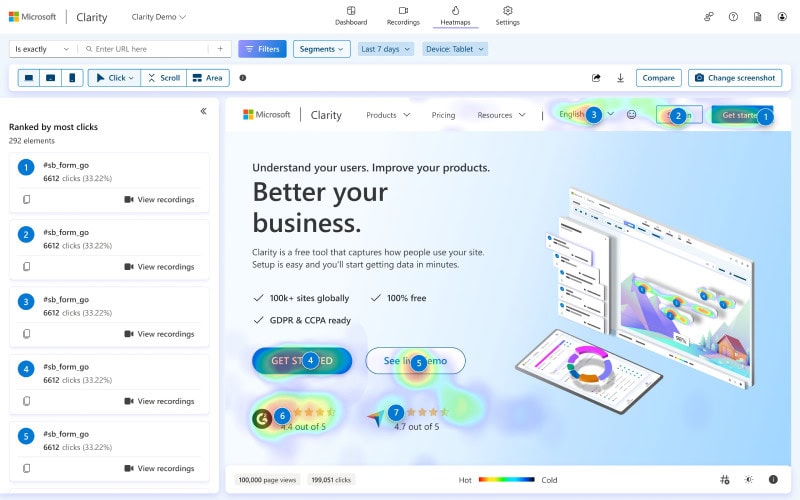
- Microsoft Clarity: This tool bridges the gap between numbers and reality. Through AI-powered heatmaps and session recordings, it allows you to watch exactly how users interact with your interface, revealing friction points that standard analytics might miss.
3. The Social Pulse: Listening and Engagement
Modern customers live on social media. Consequently, your brand’s presence there is a direct pipeline to consumer sentiment.
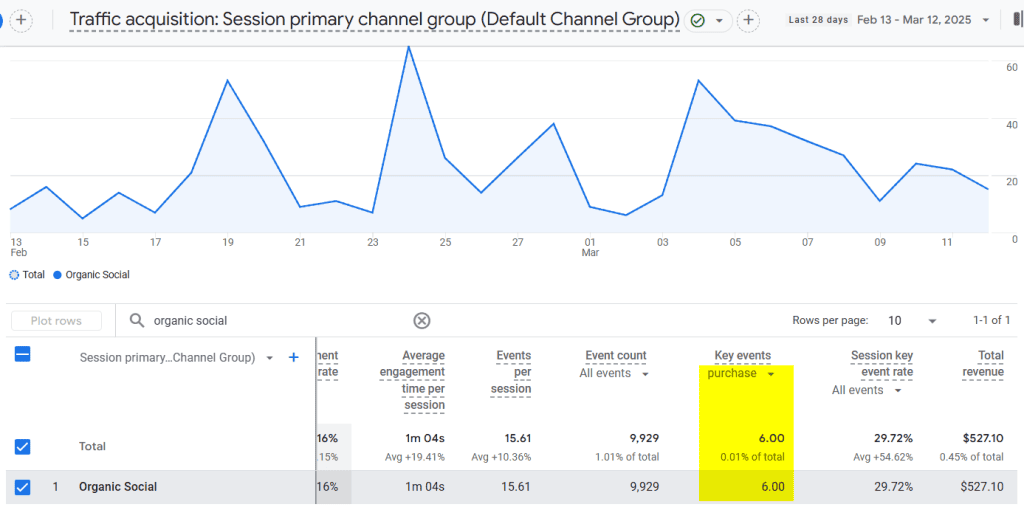
- Centralized Tracking: We recommend using GA4 to track social media traffic. By tagging social campaigns correctly, you can compare the ROI of Instagram versus LinkedIn or TikTok within a single dashboard.
- Social Listening: Tools like Mention or Sprout Social automate the process of tracking brand mentions. This is critical for crisis management and identifying the "sentiment" behind the conversation, allowing you to respond to shifts in public opinion in real-time.
4. Qualitative Feedback: The Human Element
Numbers rarely tell the full story. Qualitative research adds context to your quantitative findings.
- Feedback Widgets: Tools like Appzi enable real-time, low-friction interactions where users can report bugs or provide praise directly within the product interface.
- Focus Groups: Despite the rise of AI, the human focus group remains the gold standard for testing emotional resonance. A session with 5–10 representative participants can reveal underlying anxieties about a brand that a survey would never capture.
- Reviews and Sentiment Analysis: Whether on Trustpilot or your own product pages, reviews are the ultimate feedback loop. For businesses on a budget, manually analyzing 3-star and 4-star reviews—which often contain the most balanced and constructive feedback—can yield massive improvements in product development.
Supporting Data: Why Integration Matters
The true power of these tools is only unlocked through integration. When you combine your GA4 traffic data with the qualitative insights from Microsoft Clarity and the sentiment analysis from customer reviews, you create a 360-degree view of the customer journey.
For instance, consider a scenario where your analytics shows a high bounce rate on your checkout page. If you rely only on analytics, you might conclude the price is too high. However, if your Microsoft Clarity session recordings show users struggling to find the "submit" button, or your review data shows complaints about payment options, you can pivot your strategy immediately—saving the sale and improving the UX simultaneously.
Official Perspectives on the Data Shift
Industry leaders argue that "data maturity" is no longer optional. According to recent whitepapers from digital transformation experts, companies that leverage cross-platform data integration see an average of 15% higher retention rates compared to those that rely on siloed reporting. The consensus is clear: the ability to translate data into a narrative is the defining skill set for the next decade of digital leadership.
Implications for Future Growth
The implications of ignoring customer insights are severe. In a crowded marketplace, brands that fail to adapt to consumer feedback face "relevance decay."
However, for those who invest in these methodologies, the payoff is substantial. By moving from a "guess-and-check" strategy to a data-driven model, you ensure that:
- Marketing spend is optimized: You stop paying for traffic that doesn’t convert.
- Product roadmaps are validated: You build features that customers actually want, reducing development waste.
- Customer Lifetime Value (CLV) increases: By proactively addressing pain points, you transform one-time buyers into brand advocates.
Conclusion: The Path Forward
Building a data-informed business is a journey, not a destination. There is no "silver bullet" tool; rather, the strength of your business lies in your ability to synthesize disparate data points into a cohesive, customer-centric strategy.
Whether you are just beginning to configure your first GA4 account or you are ready to scale with advanced sentiment analysis, remember that every piece of data is a conversation with your customer. By listening closely, you not only improve your bottom line but also build a brand that resonates on a deeper, more meaningful level.
How does your team currently turn raw data into strategic action? Are you utilizing AI-driven tools to uncover hidden trends, or are you still relying on manual analysis? Join the conversation in the comments below and share your experiences.
