
Beyond Hotjar: A Comprehensive Guide to Behavioral Analytics Alternatives in 2026
For over a decade, Hotjar served as the gold standard for small-to-medium businesses and freelancers looking to bridge the gap between quantitative traffic data and qualitative user experience. Its intuitive interface and generous free tier made it the "first stop" for anyone aiming to optimize their conversion rates. However, as the digital landscape has shifted and Hotjar has undergone significant corporate structural changes following its acquisition by Contentsquare, many organizations are finding that the platform no longer meets their increasingly complex requirements.
Whether you are struggling with the new tiered pricing structure, seeking more robust product-led growth features, or requiring deeper integration with your engineering stack, the current market offers a diverse array of specialized alternatives.
The Evolution of the Behavioral Analytics Market
A Brief Chronology of Change
To understand why so many teams are currently evaluating alternatives, one must look at the recent history of the category. In 2021, the customer experience analytics giant Contentsquare acquired Hotjar, a move that signaled the consolidation of the user behavior space.
By 2025, the integration was finalized. The transition effectively ended the "standalone" era of the classic Hotjar product. For many legacy users, the shift brought about a move away from a simple, unified pricing model toward a fragmented approach where features—Experience Analytics, Voice of Customer, and Product Analytics (powered by Heap)—are now segmented into distinct, separately priced product lines.
Implications of the Shift
For the average user, these changes have introduced significant friction. The primary pain point reported by mid-market teams is the move toward enterprise-level pricing. According to procurement data from Vendr, the median annual contract value for the current Hotjar/Contentsquare suite now sits at approximately $20,000, with enterprise clients seeing costs escalate well into the six-figure range. For the freelance developer or the small e-commerce shop, the "Hotjar experience" has become a luxury item, prompting a widespread migration to more agile, cost-effective, or specialized competitors.
Top 8 Hotjar Alternatives for 2026
Choosing a successor to your behavioral analytics stack requires more than just a feature comparison; it requires an alignment of tool capability with your team’s specific operational maturity.
1. Crazy Egg: The All-in-One Optimization Suite
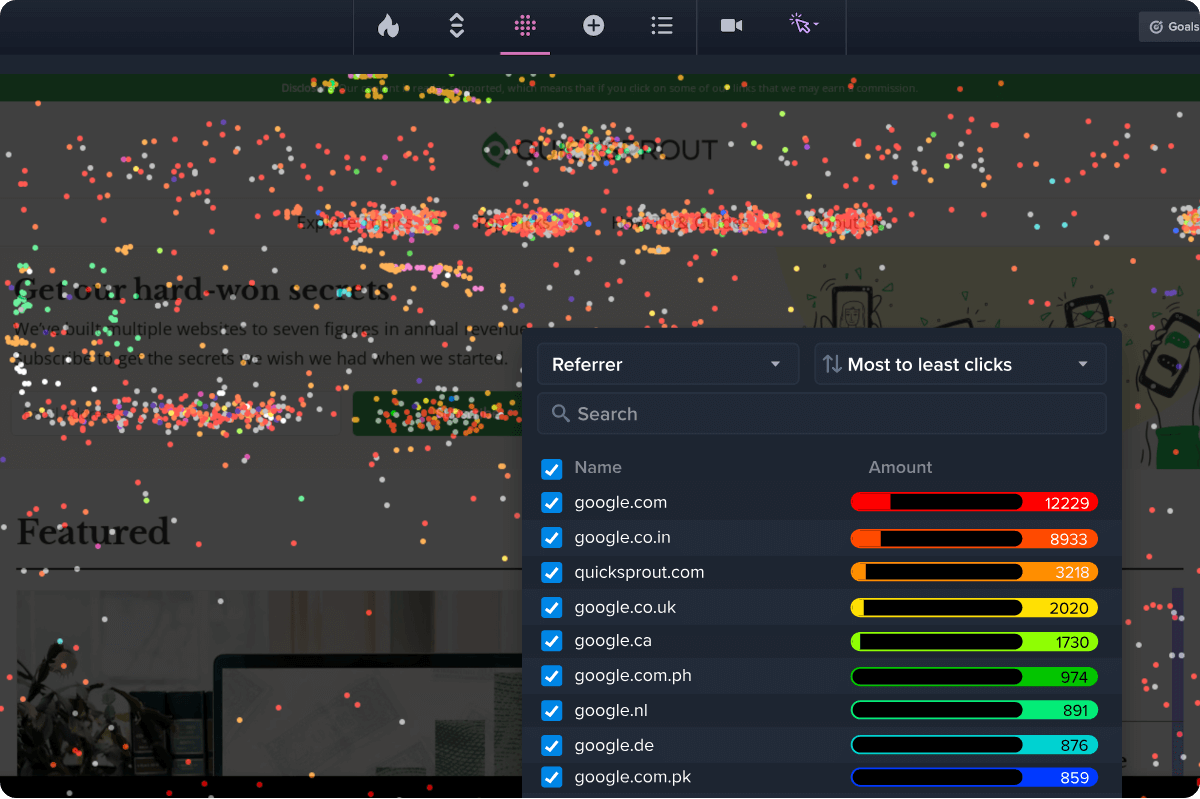
Crazy Egg is the ideal choice for teams that want to consolidate their entire conversion rate optimization (CRO) workflow into a single dashboard. Unlike tools that force you to jump between different tabs for heatmaps and A/B testing, Crazy Egg keeps the full loop in one place.
- Key Advantage: It combines heatmaps, session recordings, and conversion funnels with built-in A/B testing and popup CTAs.
- Best For: Teams that want to diagnose issues, test fixes, and deploy variants without needing an external experimentation tool.
2. Microsoft Clarity: The Unbeatable Free Tier
If your primary hurdle is budget, Microsoft Clarity remains the industry leader. Because it is backed by Microsoft’s infrastructure, it offers an enterprise-grade feature set—including session replays, heatmaps, and AI-powered session summaries—without a price tag.
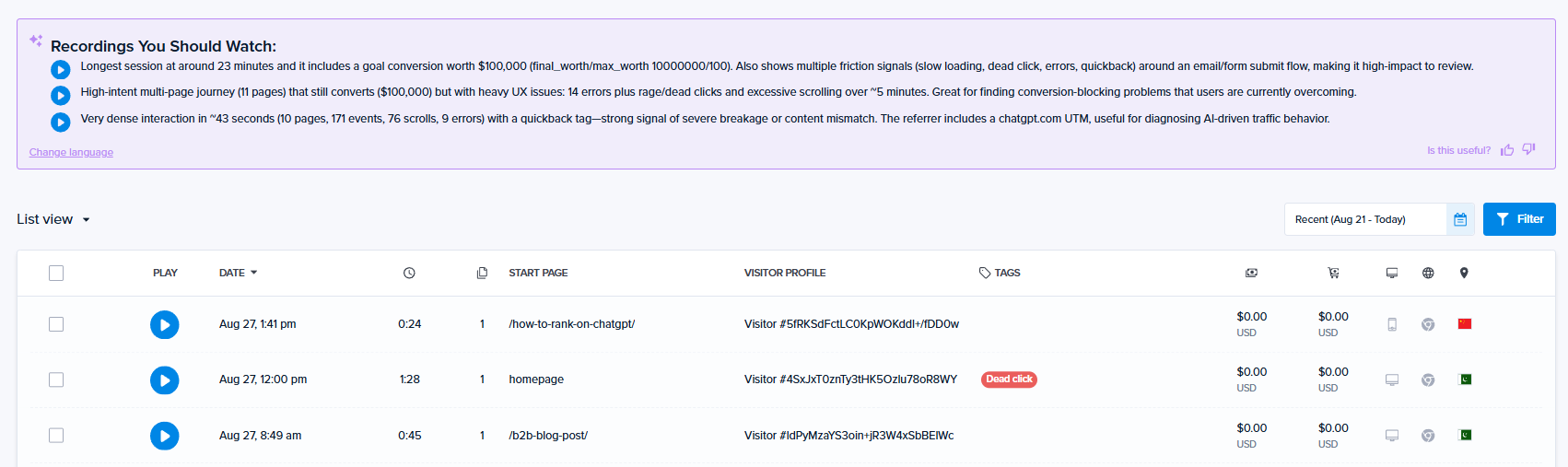
- Key Advantage: No traffic limits and no "paid tier" exist. It is free forever.
- Best For: Startups, personal projects, and cost-conscious organizations that need high-quality data without the overhead.
3. Mouseflow: A Frictionless Replacement
For marketing teams who appreciate Hotjar’s original interface but need more advanced diagnostics, Mouseflow provides a "like-for-like" experience with superior friction analysis tools.
- Key Advantage: Its "Friction Score" automatically flags sessions where users struggle, saving teams hours of manual review.
- Best For: Marketing teams that want to identify why users are dropping off without having to hunt through thousands of hours of video.
4. Lucky Orange: The E-commerce Specialist
Small e-commerce merchants often find that generic behavioral tools lack the context of a shopping cart. Lucky Orange is purpose-built to solve this, offering real-time visitor views and dynamic heatmaps that track activity inside complex checkout flows.
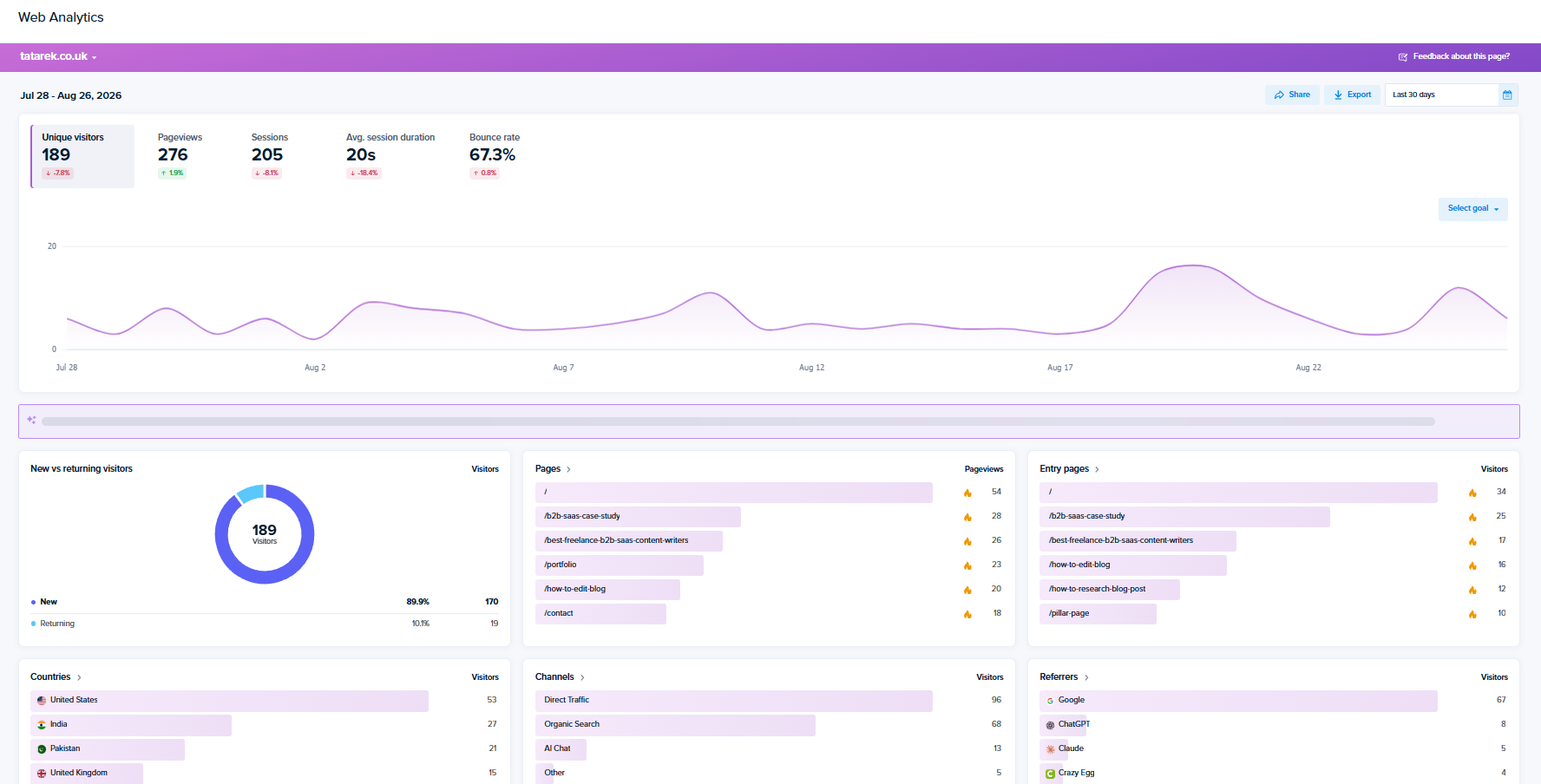
- Key Advantage: It integrates live chat and visitor tracking directly into the analytics stream, allowing for real-time engagement.
- Best For: Shopify or WooCommerce stores looking to reduce cart abandonment.
5. FullStory: The Enterprise Powerhouse
When the goal is digital transformation and enterprise-level product adoption, FullStory is the industry heavyweight. It goes beyond simple session replay to offer advanced segment health tracking and deep retention analysis.
- Key Advantage: Its "onboarding workflows" help product managers guide users through new features, acting as both an analytics and a product-adoption tool.
- Best For: Large-scale product teams that need to understand user behavior across complex, multi-platform applications.
6. PostHog: For the Engineering-First Team
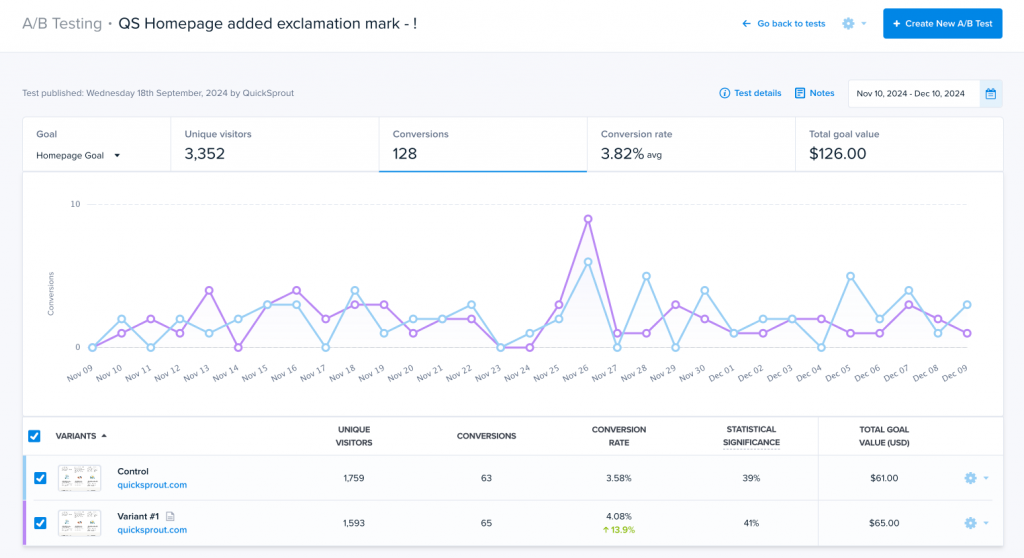
PostHog is arguably the most disruptive entrant in the space. By bundling product analytics, feature flags, experiments, and session replay into a single, usage-based platform, it eliminates the need to stitch together multiple SDKs.
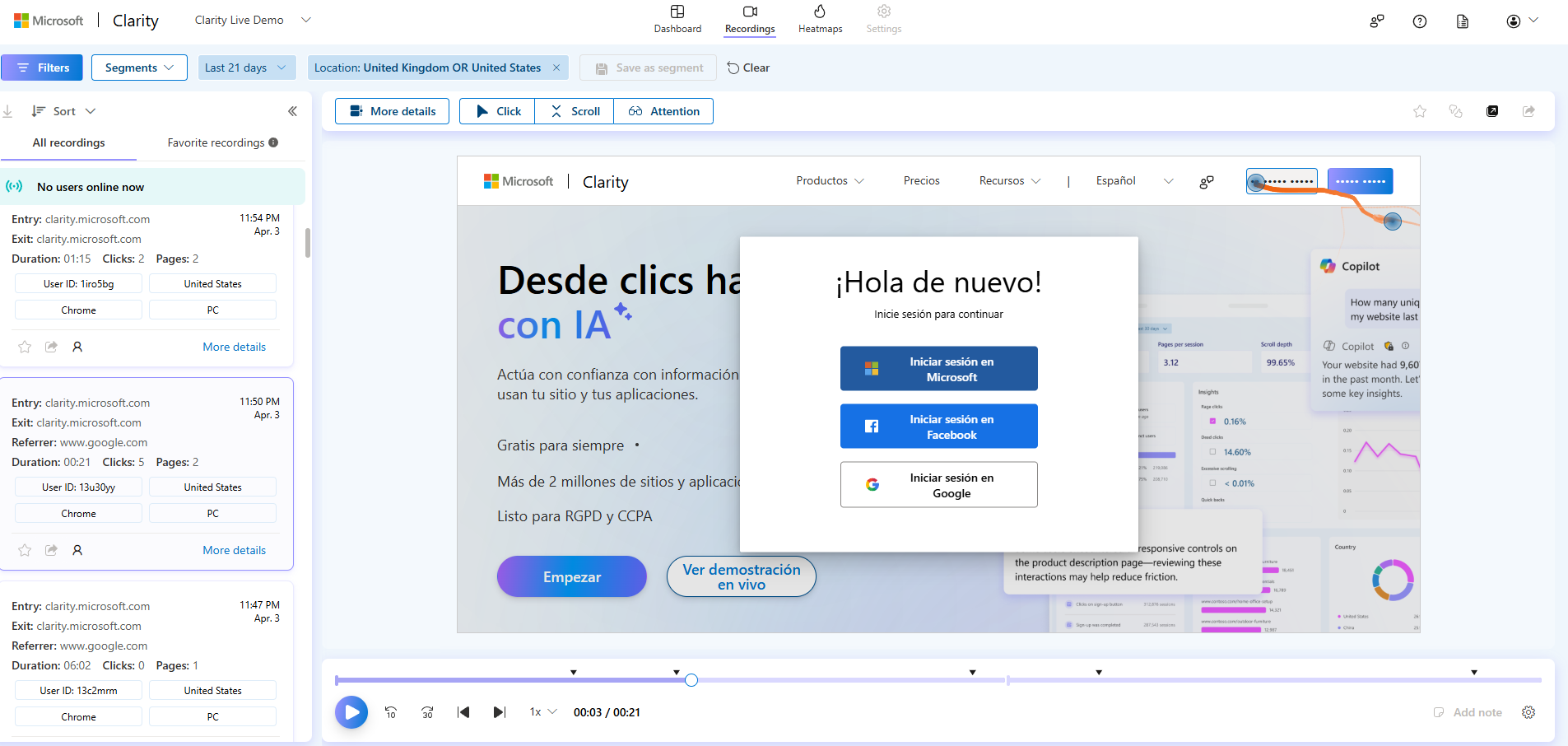
- Key Advantage: It is developer-friendly, offering an open-source edition that allows for self-hosting.
- Best For: Engineering and product teams who want to own their data and control their infrastructure.
7. VWO: The Experimentation Leader
VWO is the best transition for teams moving from basic "observational" analytics to "actionable" experimentation. While it offers the standard heatmap and recording suite, its core strength lies in its robust A/B and multivariate testing engine.
- Key Advantage: It provides a seamless transition from "I see a problem" to "I am running a test to fix this."
- Best For: Growth teams focused exclusively on conversion optimization and rigorous testing.
8. Survicate: The Feedback Specialist
Sometimes the "why" behind user behavior isn’t visible in a recording; it requires a conversation. Survicate focuses on in-product feedback, allowing for complex branching logic and multi-channel distribution.
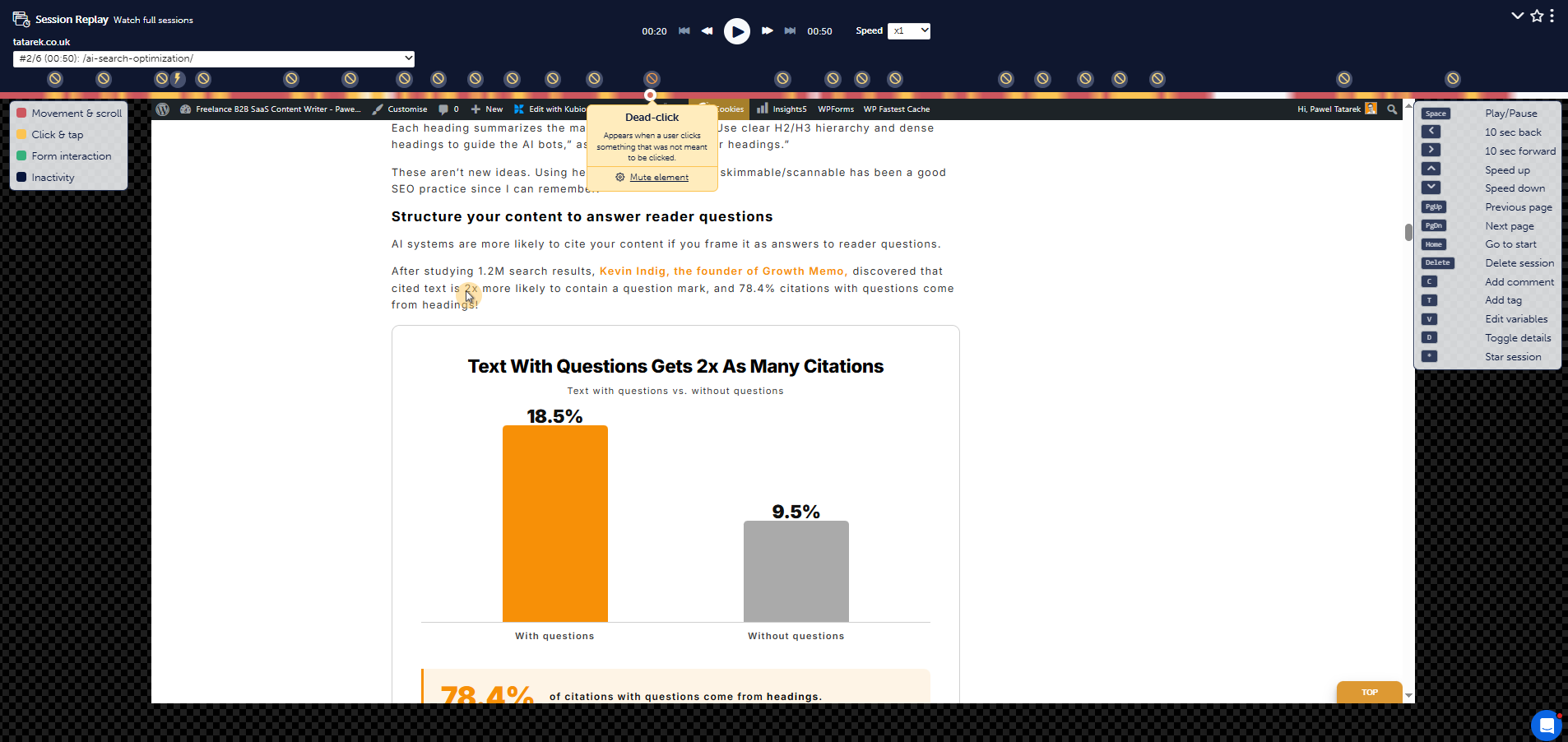
- Key Advantage: It is a dedicated feedback tool, meaning it offers far more sophisticated survey capabilities than the "add-on" feedback modules found in generalist analytics tools.
- Best For: Teams that prioritize Qualitative data (Voice of the Customer) over Quantitative metrics.
Supporting Data: Comparative Matrix
| Tool | Primary Strength | Pricing Model | Free Option |
|---|---|---|---|
| Crazy Egg | CRO Consolidation | $29–$599/mo | Free plan available |
| Microsoft Clarity | Cost-Efficiency | Free | Free Forever |
| Mouseflow | Friction Detection | $25–$319/mo | Free plan available |
| Lucky Orange | E-commerce | $32–$839/mo | Trial only |
| FullStory | Product Adoption | Quote-based | Free tier (30k sessions) |
| PostHog | Engineering/Stack | Usage-based | Generous free allowance |
| VWO | Experimentation | Quote-based | Trial only |
| Survicate | User Feedback | From $114/mo | Trial only |
(Pricing data accurate as of August 2026)
How to Switch Without Data Loss
Transitioning away from a long-term analytics provider can feel daunting, particularly regarding historical data. While no tool allows for a direct "one-click" migration of video recordings between platforms (due to proprietary data structures), you can preserve your insights.
- Manual Export: Before closing your account, export your session recording metadata, user tags, and notes into CSV or XLSX format.
- Snapshot Preservation: Download high-resolution visual heatmap snapshots. While you won’t be able to "replay" the interactive heatmap in the new tool, these images serve as critical documentation for historical optimization efforts.
- Clean Slate Strategy: Most teams find that 6-12 months of historical data is sufficient for benchmarking. Instead of trying to migrate old sessions, focus on installing your new tool alongside your old one for a 30-day "overlap" period. This ensures you maintain continuity in your KPIs while the new tool gathers fresh, relevant data.
Final Verdict: Which is Right for You?
The "best" alternative depends entirely on your organizational goal:
- If you are a solo entrepreneur: Stick with Microsoft Clarity for its cost-efficiency or Crazy Egg if you need a comprehensive CRO suite.
- If you are a startup product team: PostHog is the clear winner for its integration of engineering and product metrics.
- If you are an enterprise organization: FullStory offers the scale and security required for large-scale digital transformation.
As the industry moves toward more integrated, specialized tools, the era of the "one-size-fits-all" behavioral analytics platform is ending. By choosing a tool that aligns with your specific workflow—whether that is engineering, e-commerce, or growth-focused experimentation—you can gain deeper insights and drive better results in 2026 and beyond.
