

Decoding the LinkedIn Algorithm: A Strategic Guide for 2026 and Beyond
In the ever-evolving landscape of digital marketing, LinkedIn has cemented its position as the premier platform for professional networking and B2B engagement. However, for content creators and brands accustomed to the "viral-first" dynamics of TikTok or X (formerly Twitter), LinkedIn presents a unique challenge. Unlike its counterparts, the LinkedIn algorithm is explicitly engineered to prioritize professional relevance over raw virality.
As we move through 2026, understanding the mechanics of this platform is no longer optional—it is a competitive necessity. With over 1.3 billion members, LinkedIn’s feed is a high-stakes environment where the algorithm processes billions of interactions daily to curate a personalized experience for every user.

The Evolution of the LinkedIn Algorithm: Key Facts
At its core, the LinkedIn algorithm is a sophisticated ranking system designed to solve one fundamental problem: How do you surface the most valuable professional advice in a sea of noise?
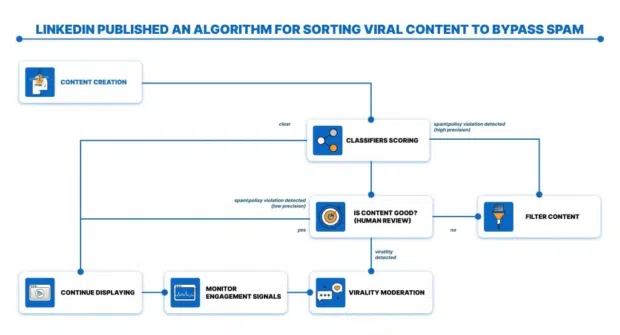
The platform’s engineering team has been clear about their mission. LinkedIn is not designed for content to go viral in the traditional sense; it is designed for content to reach the right people. The algorithm functions through a rigorous four-stage pipeline:

- Spam Filtering: Every post undergoes an automated quality check to ensure it complies with community policies. Posts containing "engagement bait," prohibited links, or low-value content are throttled immediately.
- Initial Performance Assessment: Once a post clears the quality filter, it is tested with a small sample of your network. The algorithm gauges initial engagement—specifically dwell time, comments, and saves—to determine if the content warrants wider distribution.
- Audience Interest Matching: The platform moves beyond simple hashtags or keywords. Using advanced semantic analysis, the algorithm identifies the "meaning" of a post and maps it against the interests of users who have historically engaged with similar topics.
- Relevance Weighting: The final ranking is determined by how well the content aligns with a user’s professional interests, their relationship with the author, and the timeliness of the topic.
Chronology of Changes: The 2026 Shift
The landscape of LinkedIn underwent a seismic shift in mid-2025 and early 2026. The most significant change was the move away from recency-based feeds toward a relevance-first model.
Previously, a post’s "shelf life" was roughly 24 to 48 hours. Today, the algorithm is far more likely to surface "evergreen" content that is weeks old if it is deemed highly relevant to a user’s current professional trajectory. This shift empowers creators to focus on high-quality, long-form insights rather than the "content treadmill" of daily, low-effort posts.
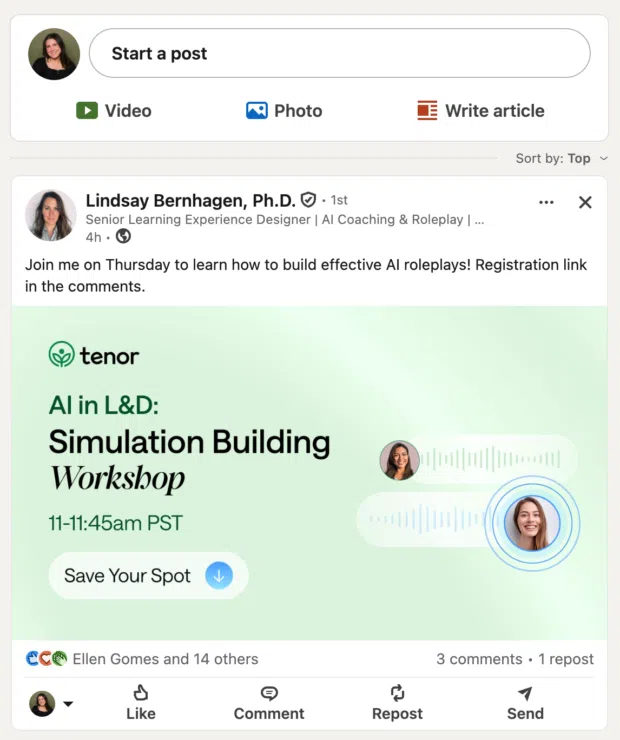
Furthermore, the 2026 update introduced more robust semantic processing. The algorithm now possesses a deeper understanding of intent. It recognizes if you are writing about "Leadership" or "SaaS Sales" by analyzing the context of your prose, rather than relying on you to "stuff" your post with hashtags. This rewards clarity and original thought over keyword manipulation.
Supporting Data: What Drives Reach?
Data-driven insights from 2026 provide a clear roadmap for success. Analysis of over 3 million posts indicates that the "hierarchy of engagement" has changed significantly:
- Saves are the New Gold: A "Save" on LinkedIn now drives approximately five times the reach of a "Like." It serves as a strong signal to the algorithm that the content is so valuable the user intends to return to it.
- Comments Over Reactions: While likes provide a vanity metric, thoughtful, long-form comments are heavily favored. The algorithm prioritizes posts that spark nuanced professional debates.
- Video Dominance: Q1 2026 saw a double-digit increase in video uploads, with LinkedIn favoring native, camera-facing video content that provides actionable, "how-to" advice.
- The "Double-Click" Effect: The algorithm actively monitors for "dwell time." If a user stops scrolling to read a post, or clicks "see more" to view the full text, the algorithm treats this as a positive signal, regardless of whether the user ultimately clicks "Like."
Official Responses and Platform Philosophy
LinkedIn’s engineering leadership has frequently emphasized that they are building a "knowledge economy." Their official stance is that the feed should facilitate professional advancement, not mindless entertainment.
By discouraging viral-bait—such as the infamous "Comment ‘YES’ if you agree" posts—LinkedIn is actively protecting the signal-to-noise ratio. They have stated that they are moving toward rewarding "Subject Matter Experts." If your profile history, current activity, and content consistently focus on 2–3 core topics, the algorithm will gradually build a "reputation score" for you, making it easier for your future posts to find their target audience.
Implications for Your Strategy
For professionals and brands looking to scale, these algorithmic shifts necessitate a strategic pivot. Here are the core implications for your 2026 strategy:
1. Master the Art of "Meaning"
Stop focusing on how many hashtags you use. Start focusing on your "Point of View." Your posts should clearly identify the audience, state the problem, and provide a unique, actionable solution. If you cannot explain why your post matters in the first two lines, you have already lost the reader.
2. Prioritize "Evergreen" Authority
Because the algorithm is now resurfacing older, highly relevant content, your goal should be to build a library of "high-value assets." A well-written guide on a niche industry problem is worth more than ten "hot takes" that fade within a day.
3. Cultivate Meaningful Comments
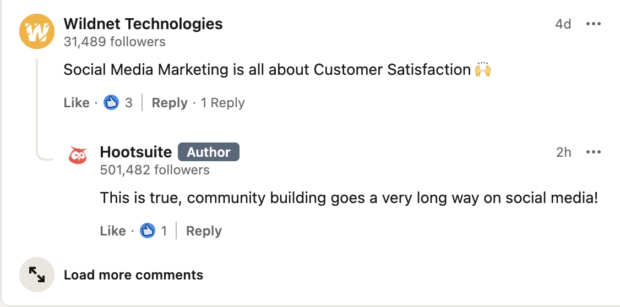
The days of posting a link and walking away are over. The algorithm tracks whether you respond to the comments on your posts. Engaging in a conversation with your commenters is not just "good etiquette"—it is a core requirement for extended distribution. If you don’t engage, the algorithm stops pushing your post to new feeds.
4. Optimize Your "Professional Lane"
Your profile is the anchor for your content. If you post about Artificial Intelligence but your headline says "Graphic Designer," the algorithm will struggle to categorize you. Align your headline, your About section, and your post history to create a cohesive professional identity. This clarity allows the algorithm to match you with the right audience segments efficiently.
5. Leverage Native Features
LinkedIn’s algorithm penalizes outbound links because they take users off the platform. Instead of linking to your blog in the body of the post, use native features: create a poll, build a document-based carousel, or upload a video directly to the platform. If you must use a link, place it in the first comment and mention it in the post body—a common workaround that the algorithm currently tolerates.
6. Consistent, Data-Informed Cadence
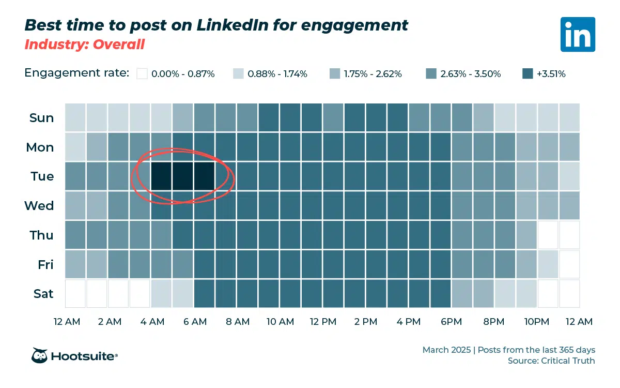
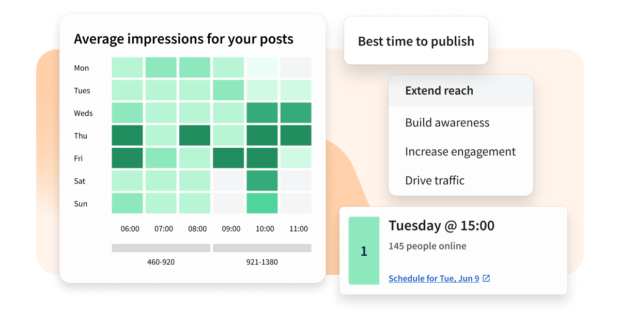
Hootsuite’s research consistently shows that posting during peak hours—typically 4 AM to 6 AM on Tuesdays and Wednesdays—yields the highest engagement for B2B audiences. However, consistency is the true multiplier. A steady rhythm of one or two high-quality posts per week will eventually outperform a sporadic, daily blast of low-effort content.
Conclusion: The Long Game
The LinkedIn algorithm in 2026 is less of a "gatekeeper" and more of a "matchmaker." It is constantly looking for reasons to connect your expertise with the professionals who need it most.
Success on the platform is no longer about "hacking" the system with engagement pods or viral gimmicks. It is about playing the long game: building authority, fostering genuine community, and providing consistent, professional value. As the platform continues to refine its ability to understand human intent, those who prioritize quality, clarity, and meaningful interaction will find themselves with a significant competitive advantage.
In the digital era, LinkedIn remains one of the few places where high-value, deep-thought content is not only welcomed but actively rewarded. By aligning your strategy with these algorithmic priorities, you can turn your LinkedIn presence into a powerful engine for career and business growth.
