
Shopify vs. ThriveCart: A Definitive Guide to Choosing Your Ecommerce Engine
In the modern digital economy, the decision of which platform to host your business on is arguably as critical as the product you sell. For entrepreneurs, the market is currently dominated by two distinct philosophies: the "all-in-one" ecosystem and the "specialist" checkout funnel.
Shopify and ThriveCart are frequently mentioned in the same breath, but they are fundamentally different tools. Before you commit your capital and your time, it is vital to understand that Shopify is a comprehensive ecommerce operating system, while ThriveCart is a highly specialized, bolt-on conversion engine.
Main Facts: Defining the Platforms
To understand the difference, consider the "storefront" requirement.
Shopify is a fully hosted ecommerce platform. It provides the digital equivalent of a brick-and-mortar storefront: a product catalog, inventory management, a secure checkout, shipping integrations, and a robust site builder. It is designed for businesses that need to manage physical or digital goods in a browsable, collection-based environment.
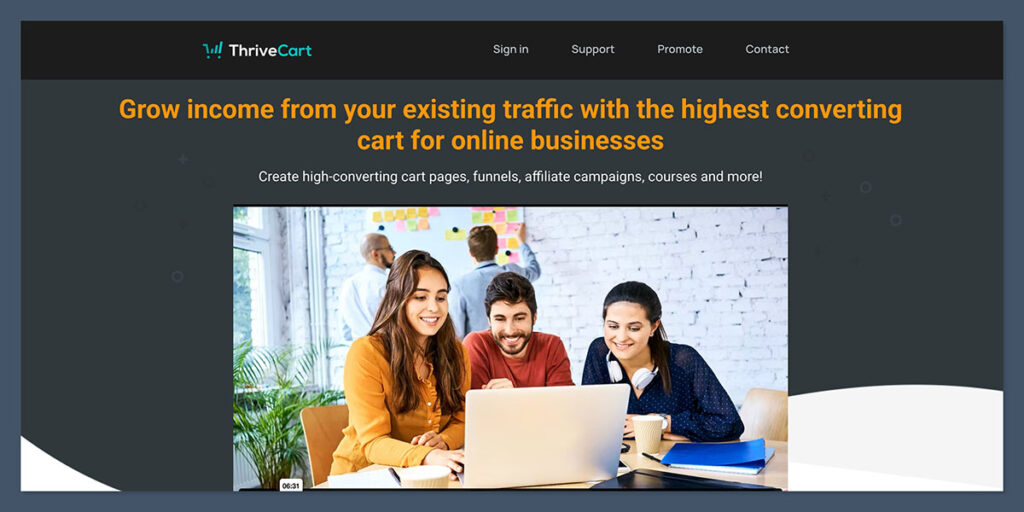
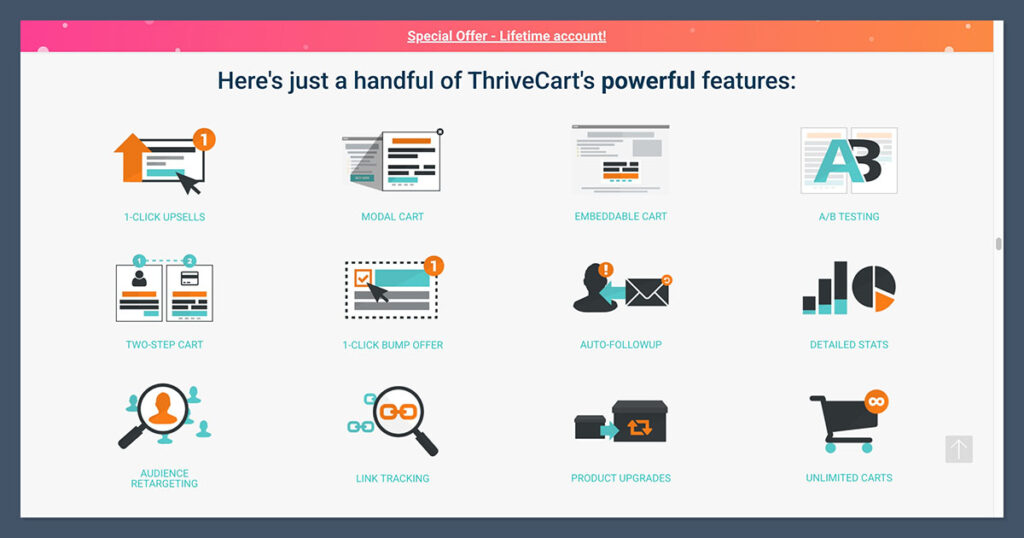
ThriveCart, conversely, is a checkout and funnel tool. It does not provide a storefront, a blog, or an inventory system. Instead, it provides high-conversion checkout pages, order bumps, one-click upsells, and a native affiliate center. It is designed to be "bolted onto" an existing website, sales page, or landing page to maximize the value of each visitor.
Chronology and Market Evolution
The market landscape for these platforms has shifted significantly in recent years.
- The Rise of Shopify: Since its inception, Shopify has evolved from a simple site builder into a commerce juggernaut. It has built an expansive App Store that allows it to adapt to any business model, from dropshipping to enterprise-level retail.
- ThriveCart’s Pivot: ThriveCart entered the market with a "lifetime deal" model that disrupted the industry, appealing to solopreneurs and digital course creators. However, the platform has matured. Recent changes to its pricing structure—specifically the introduction of the Pro+ annual subscription—mark a transition toward a more sustainable, recurring revenue model.
- The Convergence: Many successful businesses now operate in a hybrid state. They use Shopify as the "engine" for their main catalog and inventory, while leveraging ThriveCart’s advanced checkout and funnel capabilities for specific high-ticket products or affiliate-driven launches.
Supporting Data: The Cost of Doing Business
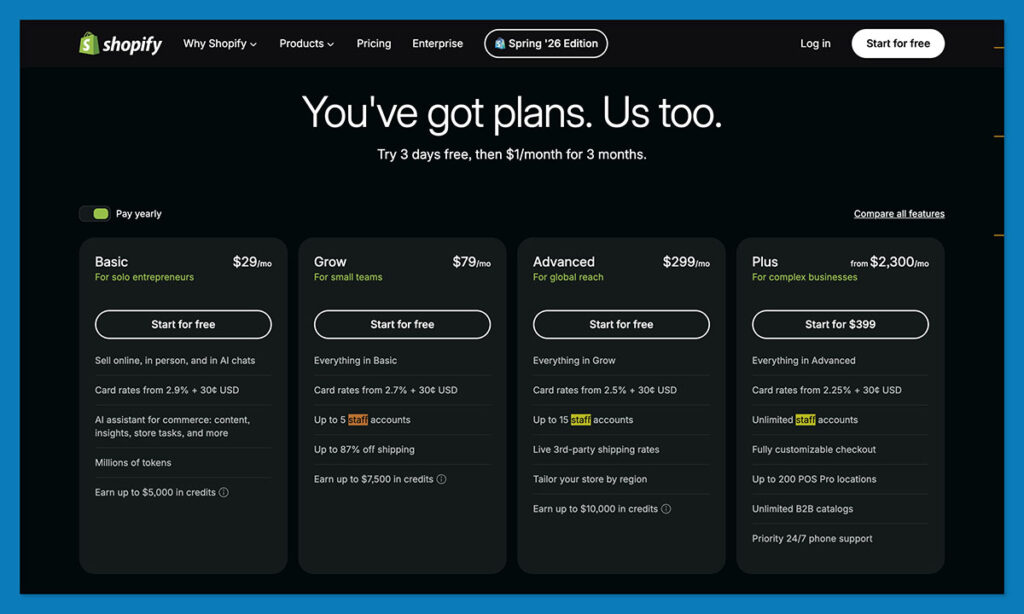
The debate between Shopify and ThriveCart often centers on the "Total Cost of Ownership" (TCO). While ThriveCart’s one-time payment for the Standard plan is an alluring headline, the math changes once you scale.
Pricing Comparison Table
| Feature | Shopify (Basic) | ThriveCart (Standard) |
|---|---|---|
| Entry Price | $39/mo ($29/mo annually) | $495 (One-time) |
| Platform Fees | 0% (w/ Shopify Payments) | 0% |
| Transaction Fees | 0.6%–2% (Third-party) | 0% |
| Upsells/Bumps | Via Apps ($10–$100/mo) | Included (Native) |
| Affiliate Center | Via Apps ($50–$200/mo) | Included (Pro+ $295/yr) |
The Math: Three-Year Outlook
If you operate a basic store, Shopify Basic costs approximately $1,044 over three years (annual billing). ThriveCart Standard costs $495 once. However, if you require the Pro+ features for an affiliate program ($295/year), your three-year cost for ThriveCart rises to $1,085.
The "cheaper" option is entirely dependent on whether your business model allows you to remain on the entry-level tier of either platform.
Official Stances and User Experience
Why Shopify Leads in Scalability
Shopify’s stance is that commerce should be centralized. By housing your inventory, SEO, marketing, and checkout under one roof, you eliminate the "integration debt" that plagues smaller setups.
- SEO & Content: Shopify provides a native blog and deep SEO settings, which are essential for long-term organic growth.
- Sales Channels: Shopify synchronizes inventory across social media (TikTok, Instagram) and marketplaces (Amazon, eBay), a feature ThriveCart lacks entirely.
- Support: Shopify provides 24/7 support and has built the largest partner ecosystem in the industry, meaning you can always find a developer or expert to help you scale.
Why ThriveCart Leads in Conversion
ThriveCart’s philosophy is that the "checkout" is the most important part of the funnel. Their official documentation focuses on increasing Average Order Value (AOV).
- Conversion Power: ThriveCart includes split-testing, order bumps, and one-click upsells as standard features. In the Shopify world, these often require multiple, paid third-party subscriptions.
- Affiliate Management: For creators launching digital courses, ThriveCart’s native affiliate center is a massive value-add, handling tracking, commission calculations, and payouts without the need for external software.
Implications: Which Tool is Right for You?
The Case for Shopify
If you are building a "real" store—meaning you have multiple products, you need to manage stock, you want to rank in search engines, or you plan to sell on social media—Shopify is the superior choice. Its ecosystem is designed to handle complexity, and its $1/month promotional period provides a low-risk environment to validate your business idea.

The Case for ThriveCart
If your business is built around one or two high-margin digital products, courses, or coaching packages, Shopify may actually be overkill. ThriveCart excels in a "funnel" environment. If your strategy is to drive paid traffic to a single, high-conversion landing page and maximize the revenue of every visitor through upsells and bumps, ThriveCart is arguably the most efficient tool on the market.
The "Hybrid" Reality
It is important to address the elephant in the room: many businesses use both. If you are a high-volume merchant, you might keep your catalog on Shopify for the ease of management and inventory syncing, but use a ThriveCart link for your specific, high-margin product launches or affiliate campaigns. While this increases administrative complexity, it allows you to play to the strengths of both platforms.
Final Verdict: Strategic Alignment
Choosing between these two is not about which is "better" in a vacuum; it is about which is better for your specific stage of growth.
Choose Shopify if:
- You are selling physical products with inventory needs.
- You want a professional storefront that customers can browse.
- You intend to grow your traffic through SEO and multi-channel marketing.
- You want a unified dashboard where all your business data lives.
Choose ThriveCart if:
- You are a digital creator, coach, or course seller.
- You have a limited product range and do not need a browsable catalog.
- Your primary marketing strategy is a "one-product" funnel.
- You want to leverage an affiliate program without the monthly overhead of third-party apps.
Ultimately, remember that "lifetime" access—a key marketing pillar for ThriveCart—is only as valuable as the stability of the company. Shopify’s multi-billion dollar scale offers a level of long-term platform stability that is difficult for smaller, specialized tools to match. Before you make your final selection, run the math for your specific business needs, and ensure that your choice supports the version of your business you hope to have in three years, not just the one you have today.
