
The AI Agency Mandate: How to Build a Stack That Drives Profit, Not Chaos
AI tools promise infinite scale, but for the modern marketing agency, they often deliver the opposite: a bloated tech stack, runaway subscription costs, and inconsistent output that dilutes client trust. In an industry where margins are razor-thin, the difference between a high-performing agency and one drowning in "tool sprawl" comes down to strategic curation.
To stay competitive, agencies must move beyond "automation for automation’s sake." The goal is to choose a stack that accelerates delivery, protects profitability, and ensures that the work shipped to clients is as sharp and on-brand as human-led output.
The State of the Agency Tech Stack: Main Facts
The current landscape of agency operations is defined by a paradox: we have more tools than ever to automate the creative process, yet the demand for high-quality, personalized output has never been higher.
The core challenge for agency owners today is operational efficiency. Whether you are a boutique firm or a large-scale performance shop, your "stack" must serve three pillars:
- Speed: Reducing the time from brief to execution.
- Margin Protection: Preventing costs from scaling linearly with headcount.
- Quality Control: Ensuring that AI-generated content remains compliant and accurate.
Chronology of the AI Shift
The evolution of agency workflows has moved through three distinct phases:

- Phase 1: The Manual Era. Every asset—from email copy to social media graphics—was created from scratch. This was high-quality but inherently unscalable.
- Phase 2: The SaaS Explosion. Agencies adopted point solutions for every task. While this solved for volume, it created disconnected silos where data couldn’t flow between the CRM, the content engine, and the reporting dashboard.
- Phase 3: The Agentic Workflow (Current). Today, agencies are shifting toward "AI-native" workflows. We are no longer just using "chatbots" to write emails; we are using interconnected agentic systems that can pull from a client’s historical data, apply brand voice guidelines, and trigger automated deployment—all while keeping a human in the loop for final approval.
Supporting Data: The 17 Essential Tools for Modern Agencies
To manage the complexity of multi-client environments, agencies need a curated selection of tools that integrate seamlessly. Below is a breakdown of the primary categories that currently define the agency gold standard.

| Category | Primary Tools | Key Value Proposition |
|---|---|---|
| Email & Automation | Campaign Monitor | Multi-client architecture, drag-and-drop journeys. |
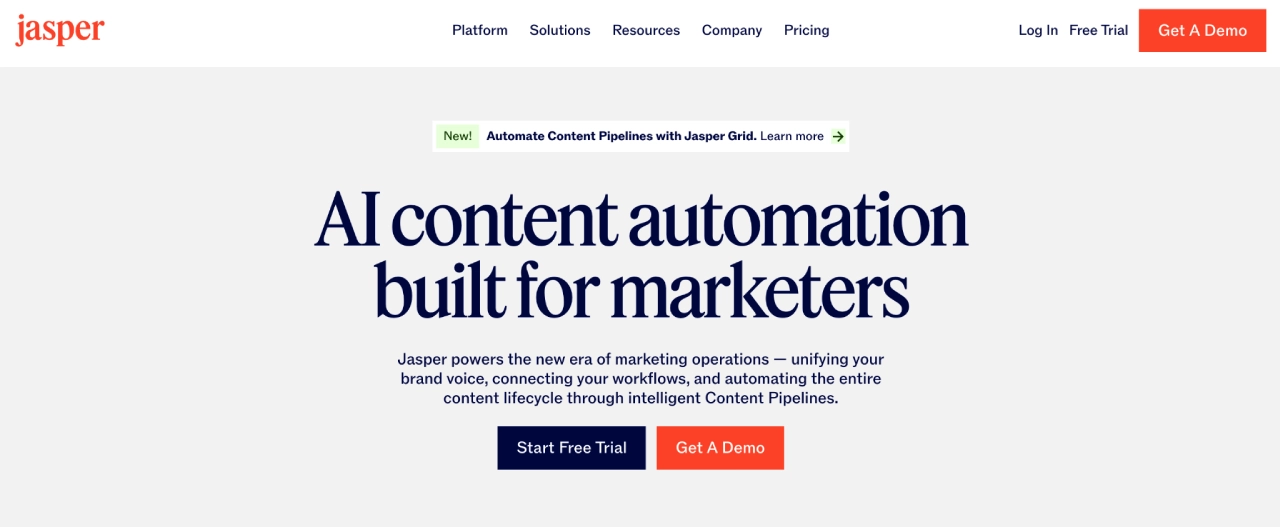
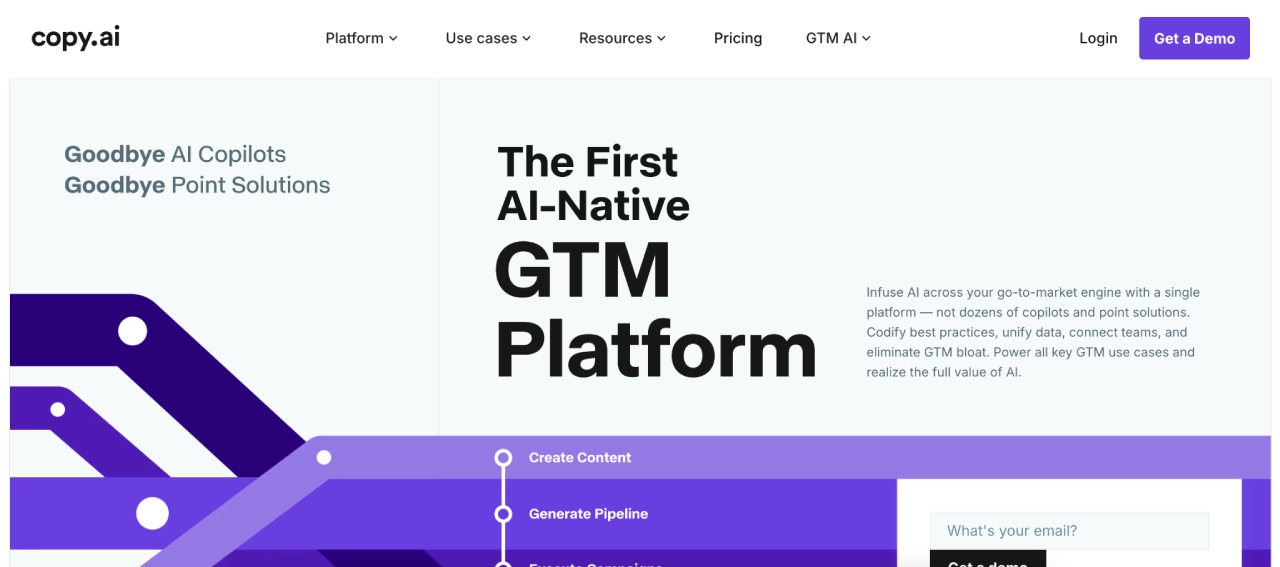
| Content Ops | Jasper, Copy.ai | Brand voice consistency and workflow agents. |
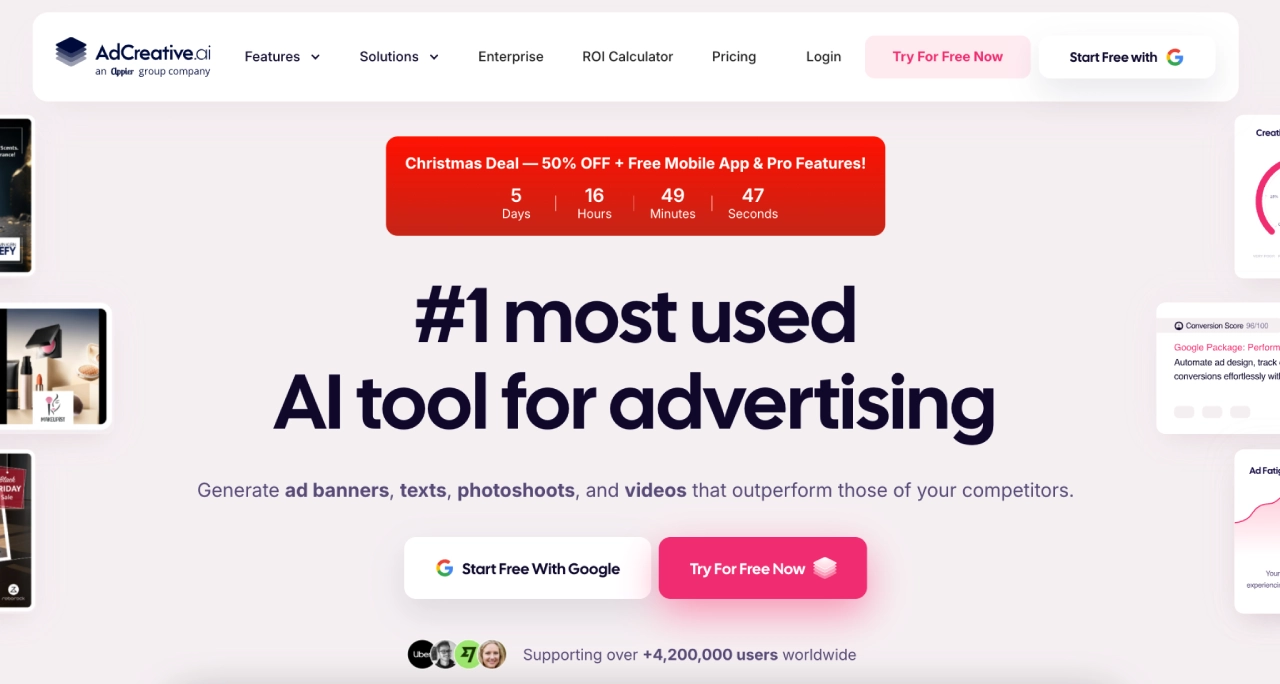
| Ads Management | Madgicx, AdCreative.ai | Creative fatigue detection and predictive performance. |
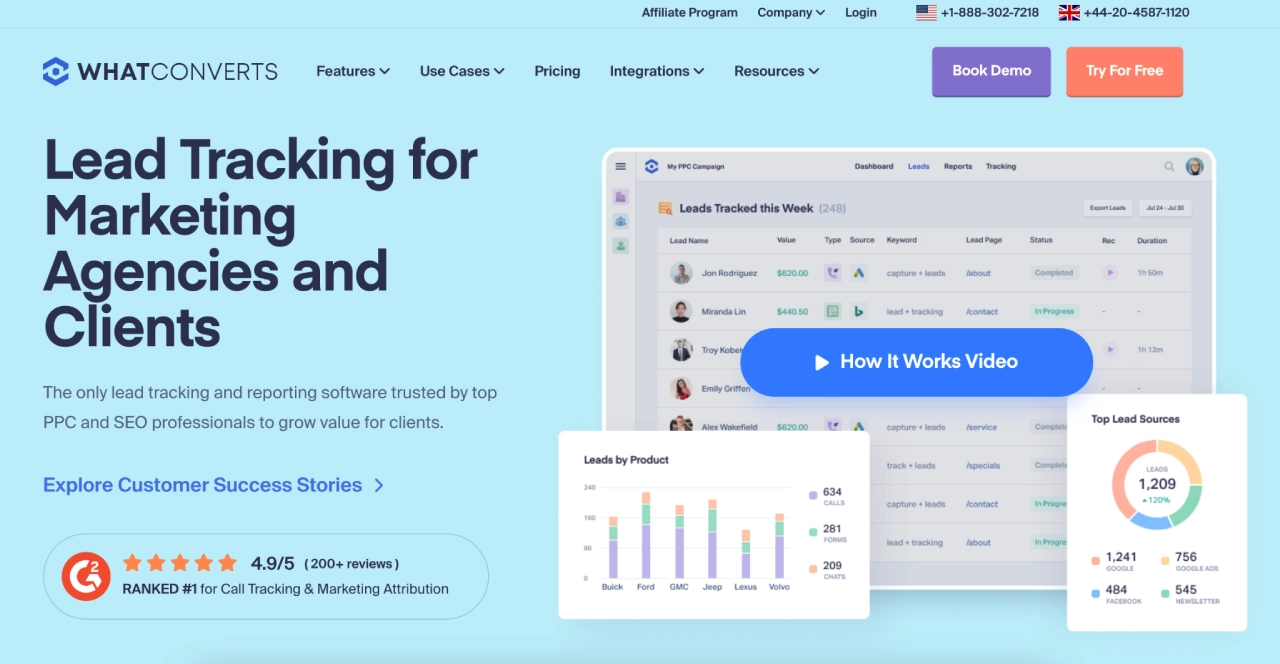
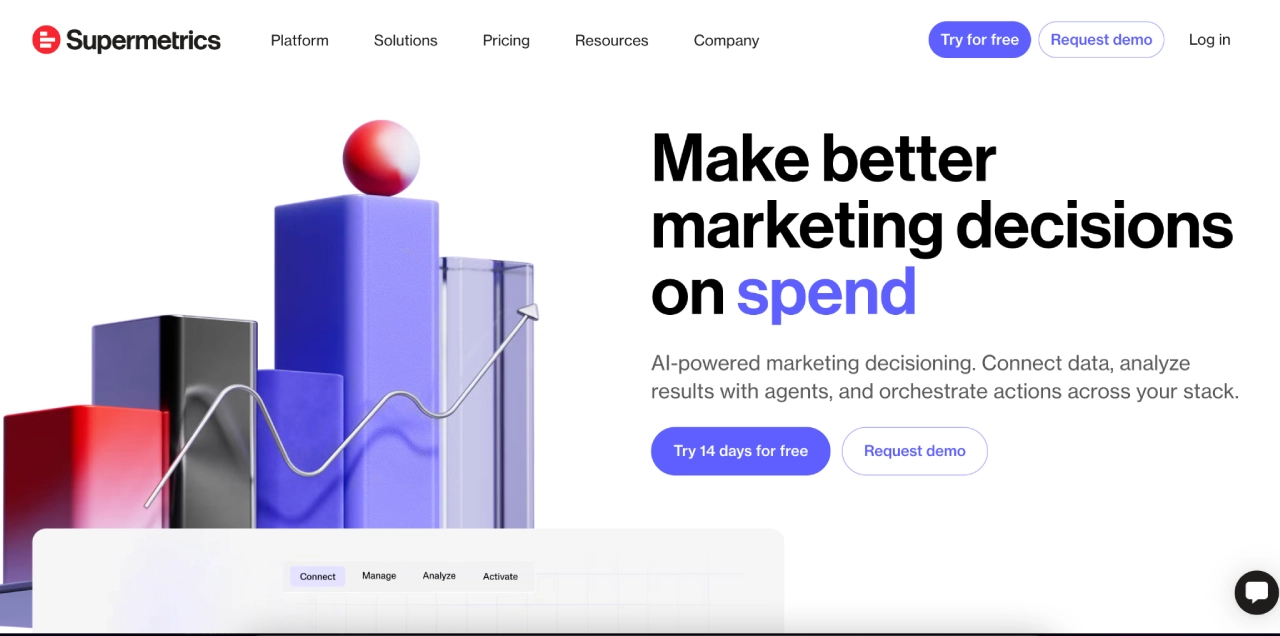
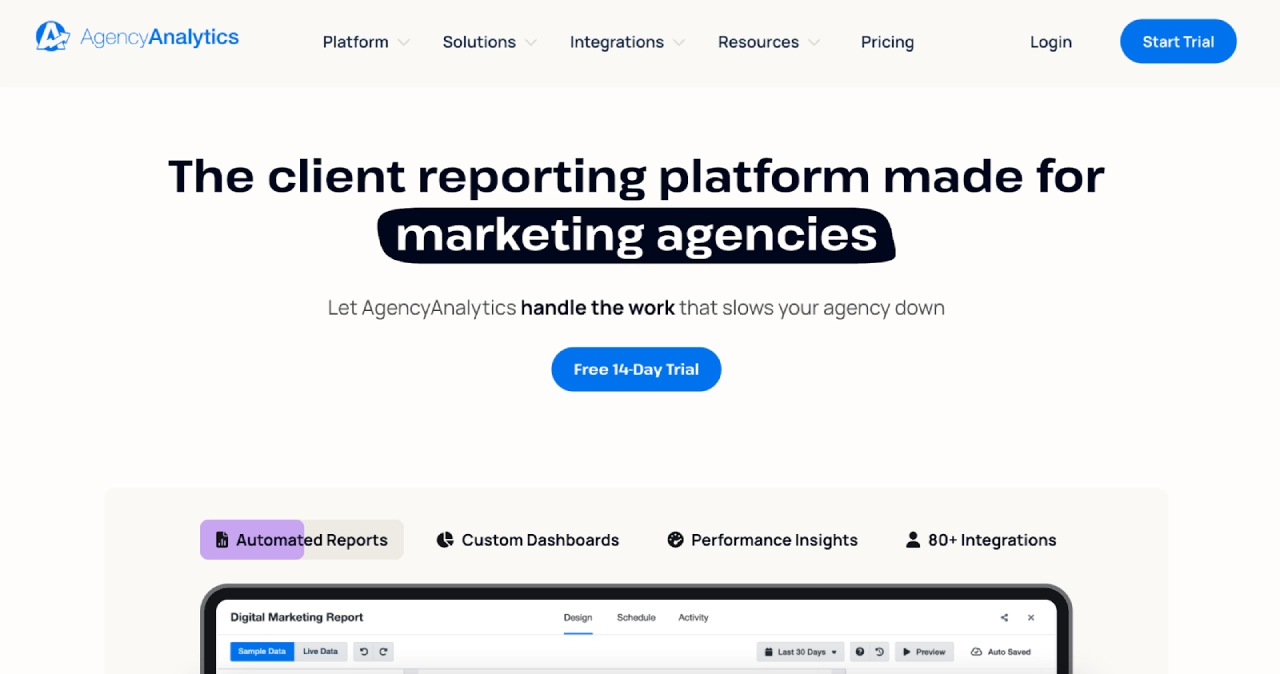
| Data & Reporting | AgencyAnalytics, Supermetrics | Unified, white-labeled client dashboards. |
| Visuals | DALL·E 3, Midjourney | On-demand conceptual design and asset creation. |
The Role of Centralized Communication
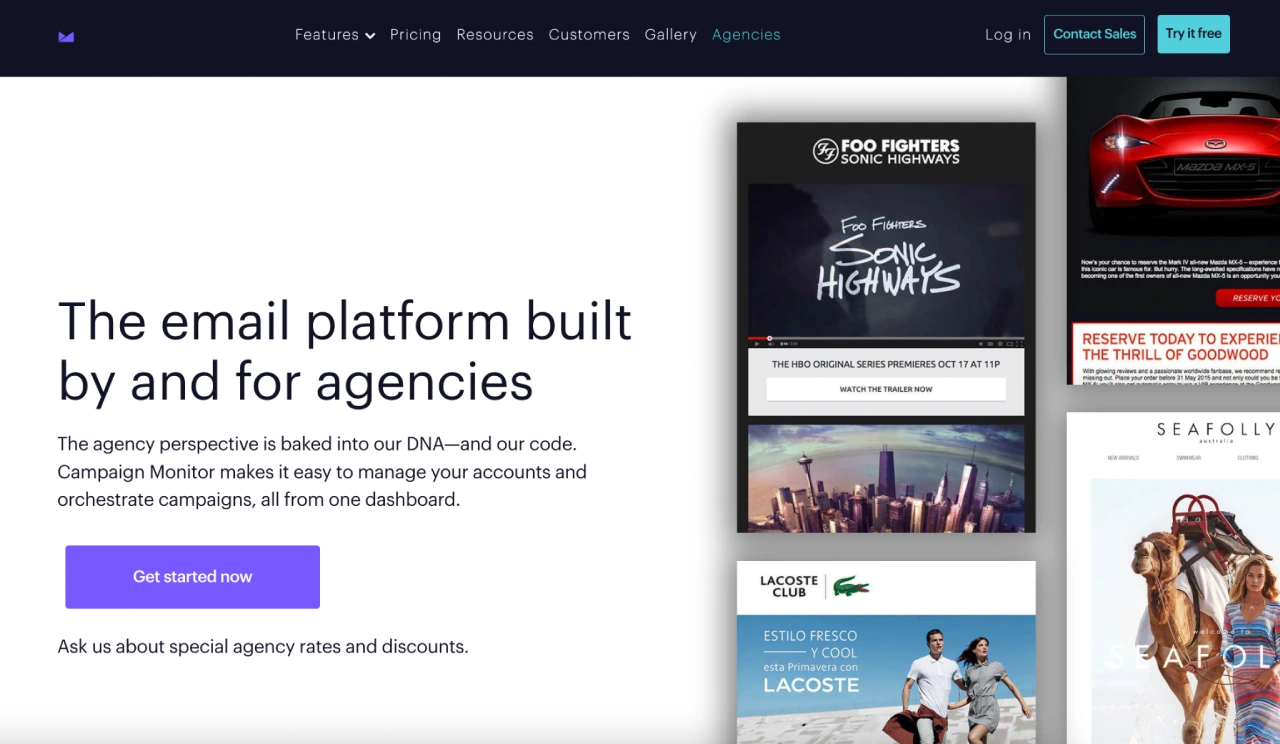
As noted in the industry-leading workflows, Campaign Monitor stands out as an anchor for email marketing. Because it features parent/child account structures, it allows agencies to manage dozens of distinct client brands within a single interface, ensuring that email templates, dynamic content, and automated journeys remain consistent even as the agency scales.
Official Perspectives: The 3C Model
Industry experts suggest that the most successful agencies adopt the "3C Model" to navigate the noise of AI integration:
1. Context: Centralize Data First
Before any AI tool touches a task, it must have access to the right context. If you don’t feed your CRM data, style guides, and performance history into your AI layer, you will inevitably receive generic, unusable output. Centralizing data is the prerequisite for "smart" automation.
2. Content: Generate Fast, Refine Faster
AI should be treated as a junior associate—it is excellent at drafting and iterating but requires a senior lead for final polish. Agencies that attempt to automate the entire process without a "human-in-the-loop" review often see their brand reputation suffer. Use AI to handle the "heavy lifting" of the first draft, then use your human team to inject the nuance, humor, and empathy that AI still struggles to replicate.
3. Control: Automate with Guardrails
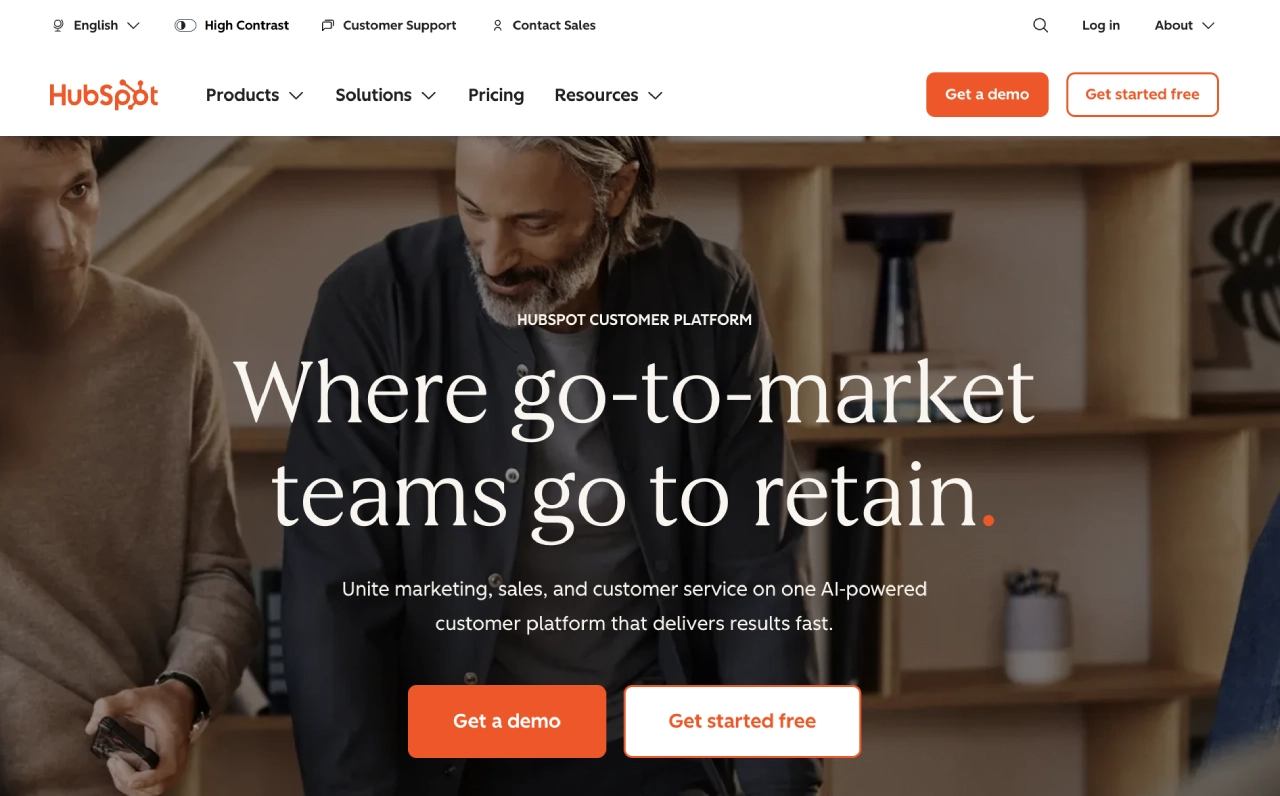
The most common point of failure for agencies is the lack of a formal approval workflow. If you are using Zapier or HubSpot to automate client communications, you must implement "circuit breakers." For instance, all automated email campaigns should be set to "Draft" status for human review before they are allowed to go live.
Implications for Agency Operations and Margins
The Hidden Cost of "All-in-One" Suites
There is a pervasive myth that "all-in-one" platforms save money. In reality, these platforms often lock agencies into high-cost tiers for features they don’t use. A lean "best-of-breed" stack—anchored by a flexible email engine like Campaign Monitor—allows agencies to swap out individual components as better AI tools emerge, without needing to overhaul their entire operating system.

Risk Management and Compliance
Agencies carry the legal burden of the content they produce. When utilizing generative AI:
- Hallucinations: AI can invent facts. Always treat data-heavy copy as a draft that requires fact-checking.
- IP Ownership: Ensure that the AI platforms you use for commercial work provide full copyright ownership of the generated assets.
- Data Privacy: Never input sensitive client data into public, non-enterprise-grade AI tools.
Protecting Your Total Cost of Ownership (TCO)
As you scale, costs associated with AI tools will climb sharply. To keep your TCO predictable:

- Consolidate Seats: Don’t provide every team member with a seat for every tool. Assign "Power Users" to manage specific software.
- Monitor Token Usage: For tools that scale by usage, set monthly caps to prevent budget overruns.
- Review Monthly: Perform a quarterly audit of your stack. If a tool hasn’t demonstrably improved a client’s ROI or saved your team at least five hours of work per week, cut it.
The Path Forward: Controlled Scale
The future of agency work isn’t about replacing humans with AI; it’s about empowering humans with "super-leverage." The agencies that will thrive in the next three years are those that focus on controlled scale.
By prioritizing a foundation of reliable communication—centered around robust email automation and integrated reporting—agencies can safely experiment with new content and ad-creative tools without putting their core delivery at risk.
If your agency is currently struggling to balance the speed of AI with the quality your clients demand, start by auditing your current communication stack. Does it provide the flexibility to manage multiple brands? Does it allow for deep personalization through segmentation? If not, the shift to a more sophisticated email engine like Campaign Monitor might be the missing link in your pursuit of a margin-friendly, high-velocity workflow.

The verdict: Build your stack like an architect, not a collector. Choose tools that build upon one another, maintain human oversight as your non-negotiable safeguard, and keep your client’s ROI as the ultimate north star. When you treat your tech stack as a strategic asset rather than a collection of subscriptions, you transform AI from a source of chaos into your agency’s most powerful competitive advantage.
