
The Great Rewiring: Why AI Agents Are Redefining the Marketing Landscape for 2026
As we approach the threshold of 2026, the marketing world is not merely undergoing a technological upgrade; it is experiencing a foundational structural shift. The era of the "AI-augmented marketer" is being rapidly eclipsed by the rise of the "agentic ecosystem." This transition, which will be detailed in the upcoming Martech for 2026 report, signifies a move away from simple automated tools toward autonomous AI agents capable of negotiation, transaction, and complex decision-making.
On December 2, industry leaders will gather to dissect these findings, but the preview is clear: the divide between internal-facing marketing agents and external-facing buyer agents is where the next decade of competitive advantage will be won or lost.
The Rise of the Agentic Stack: Main Facts
The primary takeaway from the latest research is that AI agents are no longer experimental—they are ubiquitous. According to the AI & Data in Marketing study, a staggering 90.3% of participants are currently utilizing AI agents within their martech stacks.
It is important to qualify this data: these participants are not casual users. They represent high-level operations at some of the most influential B2B and B2C brands globally. These professionals are characterized by a pragmatic approach to technology; they are not seeking "shiny object" syndrome but are instead integrating agents to solve concrete problems in content production, campaign distribution, and data analysis.
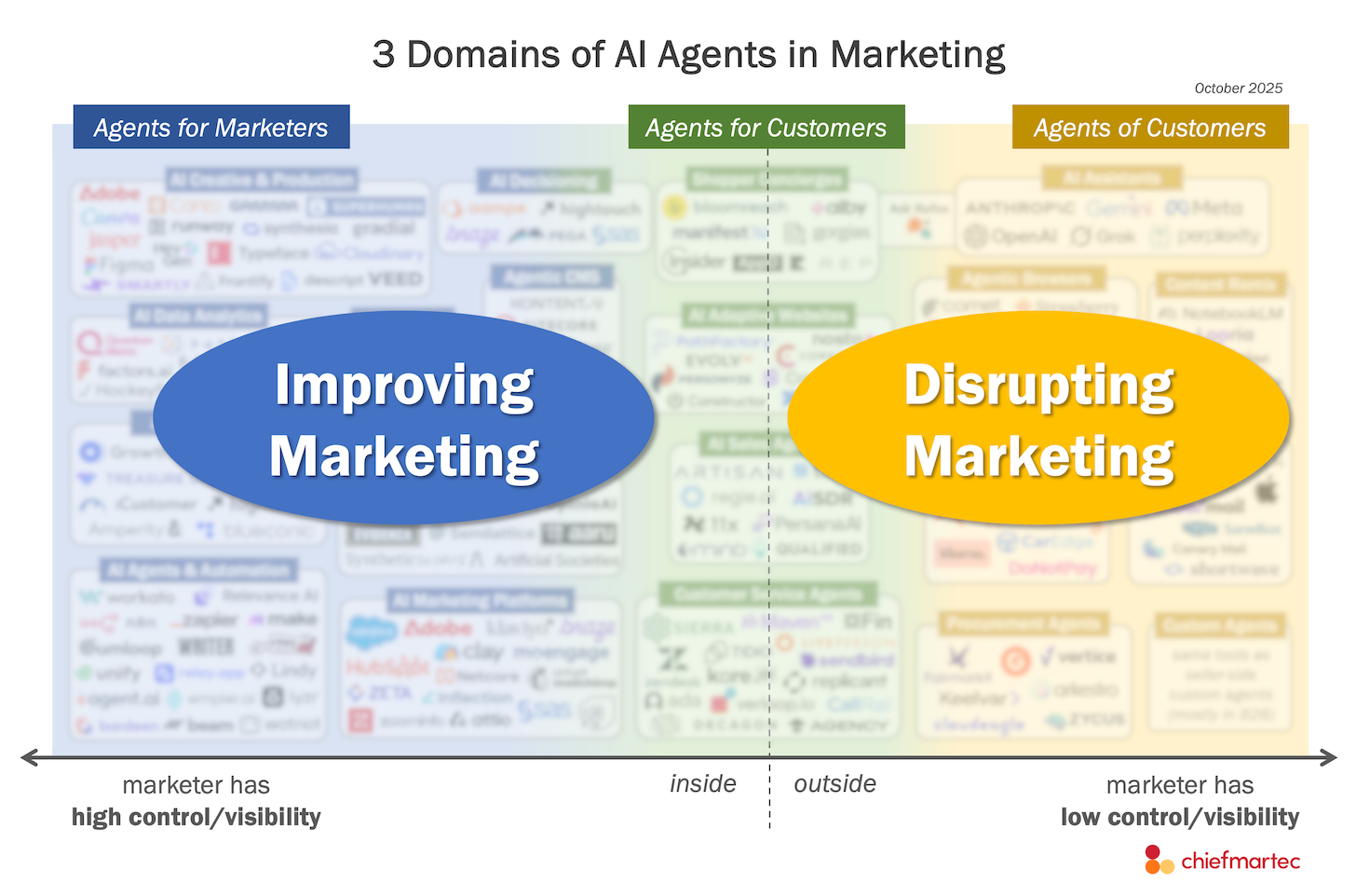
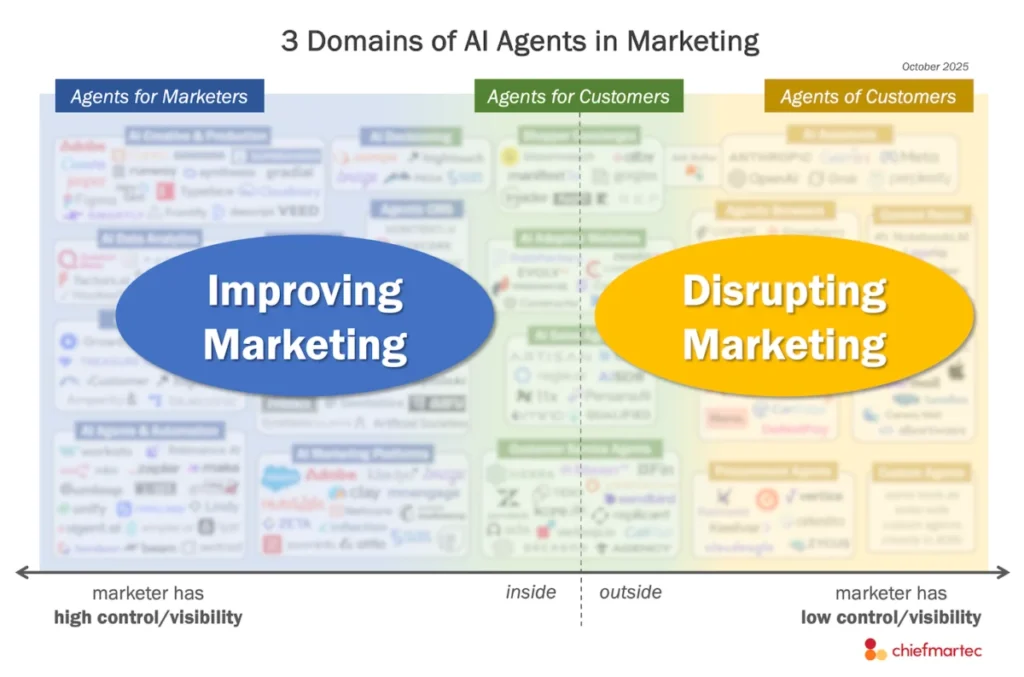
The defining characteristic of these agents is not their computational complexity, but their "reporting line." Most existing agents are employee-facing. They serve the marketer, acting as force multipliers that allow teams to brainstorm, execute, and scale with unprecedented efficiency. While this is a significant evolutionary step, it remains an incremental improvement on the status quo.
A Chronology of the Agentic Shift
To understand how we reached this point, we must look at the timeline of the "Buyer-Side" revolution.
- 2023–2024 (The Era of Generative Infancy): Marketers experimented with LLMs to create copy, social media posts, and basic code. The focus was on "doing more with less"—an efficiency-first mindset.
- Early 2025 (The Proliferation of Outbound Agents): B2B sales teams deployed AI SDRs (Sales Development Representatives). These agents were designed to spam prospects at scale, creating a noisy environment where human buyers were forced to filter out an endless stream of AI-generated outreach.
- Late 2025 (The Buyer Strikes Back): Tech giants like OpenAI, Google, and others shifted the power dynamic. With features like "Instant Checkout" and agentic search, the focus shifted from helping the seller to empowering the buyer.
- 2026 (The Emergence of Agent-to-Agent Commerce): We are now entering an era where AI agents will interact directly with other AI agents, bypassing human intervention entirely in the transactional phase of the buyer’s journey.
Supporting Data: The Disconnect Between Strategy and Execution
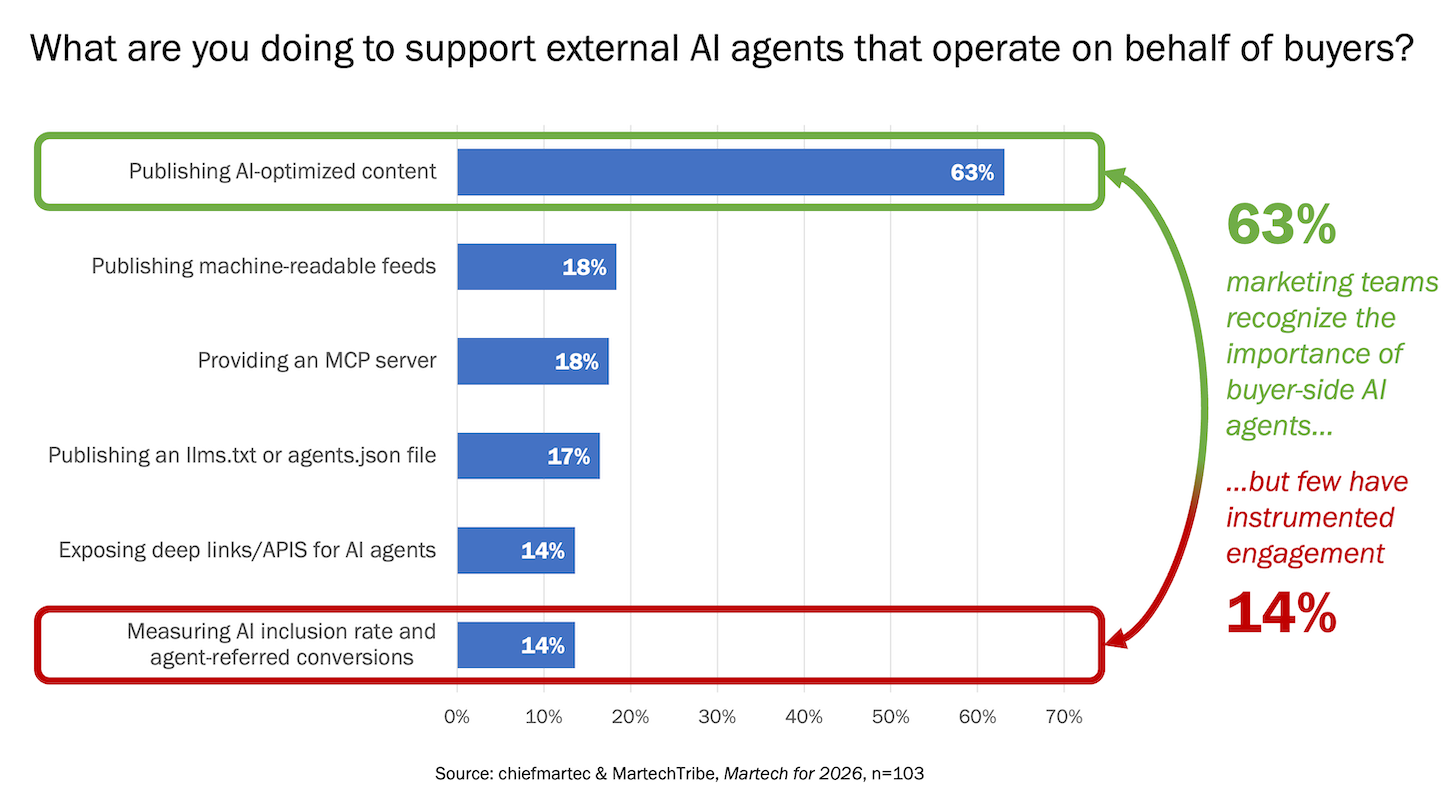
While 63% of marketing teams acknowledge that their buyers are shifting toward AI-driven search and discovery behaviors, there is a dangerous lag in implementation. Our research reveals that only 14% of these organizations have successfully instrumented their systems to accommodate this shift.
This "instrumentation gap" represents the primary challenge for the coming year. Marketers are currently "chasing a bullet train with a bicycle." They are optimizing for human-centric SEO—a 25-year-old playbook—while the buyer’s journey is being fundamentally rewritten by interfaces like ChatGPT, Claude, and Perplexity.

The data suggests that the "Great Rewiring" of the buyer’s journey is not a future possibility; it is a present reality. Companies that fail to adapt their content strategies to be discoverable by AI agents—rather than just human-driven search engines—risk losing total visibility in the digital marketplace.
Official Perspectives: The End of Traditional Sales Dynamics
The shift toward agentic interaction has introduced an ironic turn of events in the corporate world. For months, sales organizations championed the use of AI to automate outreach. Now, those same organizations are facing the consequences of their own innovation: the "Buyer-Side Agent."
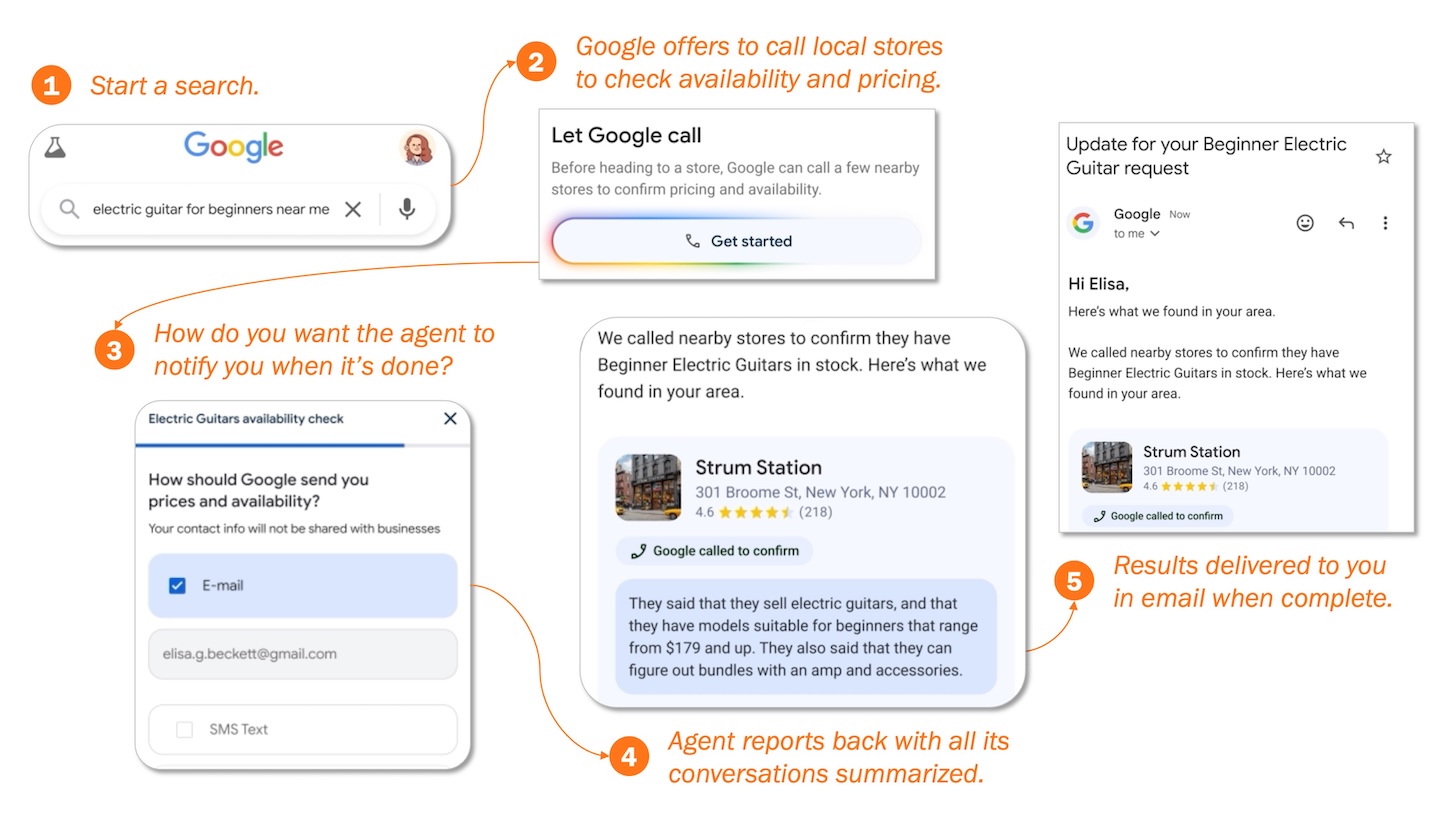
Google’s recent implementation of Gemini’s ability to make voice calls to local businesses to check stock, pricing, and availability marks a watershed moment. No longer does a buyer need to visit a landing page, fill out a form, or speak to a human receptionist. An agent does the legwork, potentially disrupting the entire lead-generation model that has sustained B2B and retail businesses for decades.
Executives are now forced to reckon with a new reality:
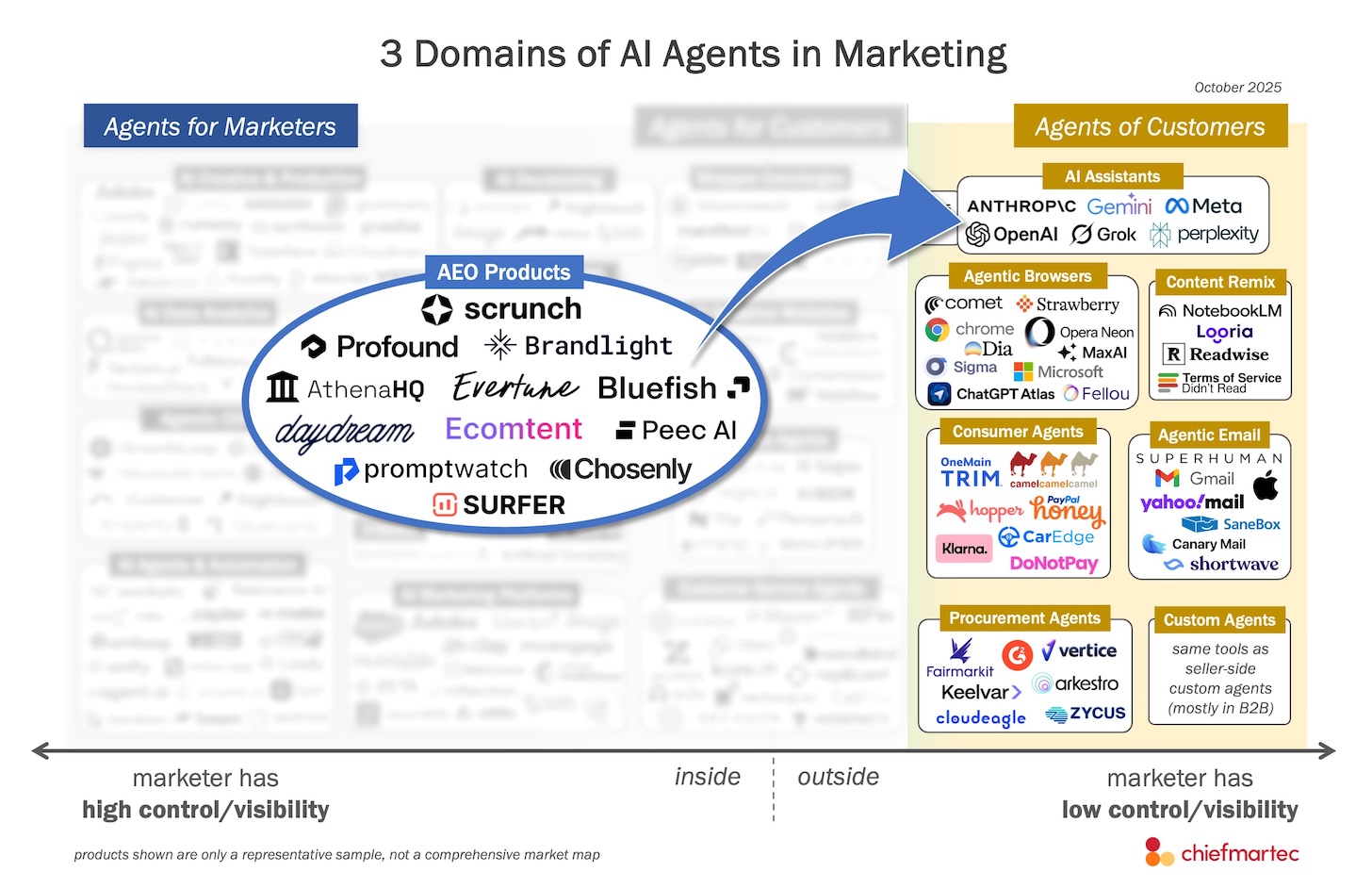
- For the Seller: The goal is no longer just "lead capture." It is "agent discoverability."
- For the Buyer: The goal is frictionless transaction. If a brand’s infrastructure is not compatible with a buyer’s AI agent, the buyer will simply choose a competitor who is.
Implications: The Future of Marketing to "Intelligent Intermediaries"
The implications of this shift are profound. As we move into 2026, the concept of "marketing" will broaden to include "agent-facing optimization."
1. The Death of the Traditional Funnel
The linear path of awareness, consideration, and conversion is being replaced by an "agentic loop." Buyers will increasingly rely on AI to filter choices based on proprietary preferences, budget constraints, and real-time availability. If your brand is not "agent-friendly," you are effectively invisible.
2. Efficiency as a Competitive Necessity
The "do more with less" cliché, once a hollow executive mantra, is now a technical requirement. Businesses that cannot provide machine-readable, actionable data to buyer-side agents will be left behind. This means APIs, structured data, and real-time inventory synchronization are no longer "IT projects"—they are the core of your marketing strategy.
3. The Move Toward Agent-to-Agent (A2A) Interaction
While the current state of AI agents "harassing" humans via phone calls or emails is inefficient, it is merely an intermediate stage. We are rapidly approaching a standardized protocol for A2A communication. When an agent representing a buyer can communicate directly with a brand’s inventory system or customer support agent, the friction of the modern sale will drop to near zero.
4. Reclaiming Control
The challenge for marketers is to regain the visibility they are losing. As buyers hide behind AI assistants, the "cookie" and the "tracking pixel" become less effective. Marketers must pivot to building direct, transparent relationships with these AI intermediaries, ensuring that when an agent asks, "Who should I buy from?", your brand is the clear, data-backed answer.
Conclusion: Preparing for 2026
The Martech for 2026 report serves as a survival guide for this new epoch. As we step back to evaluate the broader implications, it becomes clear that the year ahead will be defined by how well organizations bridge the gap between their legacy operations and the agent-first future.
The transition to agentic marketing is not a simple adoption of new software; it is a fundamental reconfiguration of the relationship between buyer and seller. For those willing to embrace the change, the rewards—increased efficiency, higher conversion rates, and a deeper connection to the modern, empowered consumer—are substantial.
To learn more about how to navigate these challenges and to access the full 100+ page research report, we invite you to register for our Martech for 2026 webinar on December 2. Join us as we unpack the strategies that will define the next chapter of marketing.
Special thanks to our research sponsors: GrowthLoop, Hightouch, Intuit Mailchimp, MetaRouter, Progress, SAS, and Treasure Data. Their support ensures this critical research remains accessible to the entire marketing community.
