
The Definitive Guide to Facebook & Instagram E-commerce Apps: Scaling Social Sales in 2026
In the modern digital landscape, the line between social media engagement and online storefronts has effectively vanished. With Meta’s platforms serving as the primary discovery engine for billions of global users, the ability to seamlessly bridge your inventory with Facebook and Instagram is no longer a luxury—it is a competitive necessity. As of June 2026, the ecosystem of e-commerce integration tools has matured, offering specialized solutions that go far beyond simple catalog syncing.
Whether you are a solo entrepreneur operating a lean storefront or a high-volume merchant managing a complex multi-channel inventory, selecting the right integration app is the cornerstone of a successful social commerce strategy. This guide explores the top 10 Facebook e-commerce applications, evaluating their capabilities in catalog management, ad tracking, and conversion optimization.
The Evolution of Social Commerce: Understanding the Landscape
The "Social Commerce" revolution has undergone a distinct shift. In the early 2020s, the focus was on native, in-app checkouts. Today, the strategy has recalibrated toward "Discovery-to-Storefront" synchronization. Meta has moved away from acting as a payment processor, instead positioning Facebook and Instagram as the ultimate top-of-funnel engines.
Today, shoppers discover products via Reels, Stories, and curated feeds, but they complete transactions on your proprietary website. This pivot has made the role of third-party e-commerce apps critical. These tools do not just upload product names and prices; they facilitate the complex "handshake" between your store’s backend and the Meta Pixel/Conversion API, ensuring that every click is tracked and every ad dollar is accounted for.
Quick Comparison: Choosing Your Integration Partner
| App | Best For | Starting Price | G2/Capterra Rating |
|---|---|---|---|
| Ecwid by Lightspeed | First-time sellers/No website | $29/mo | 4.7 / 4.6 |
| CedCommerce | All-in-one Shopify sync | Free / $13/mo | 4.8 |
| AdTribes | WooCommerce catalog sync | Free / $79.60/yr | 4.7 |
| Feedonomics | Enterprise BigCommerce | $29/mo | N/A |
| Meta for Adobe | Magento/Adobe Commerce | Free | 3.9 |
| Flexify | Ad creative control (Shopify) | Free / $29/mo | 4.1 |
| Omega Pixel | Advanced tracking (Shopify) | Free / $20.99/mo | 4.8 |
| Pixel Manager Pro | Advanced tracking (WooCommerce) | Free / $149/yr | 4.9 |
| Channable | Large-scale multi-channel | €59/mo | 4.5 |
| LitCommerce | Marketplaces + Social | Free / $29/mo | 4.8 |
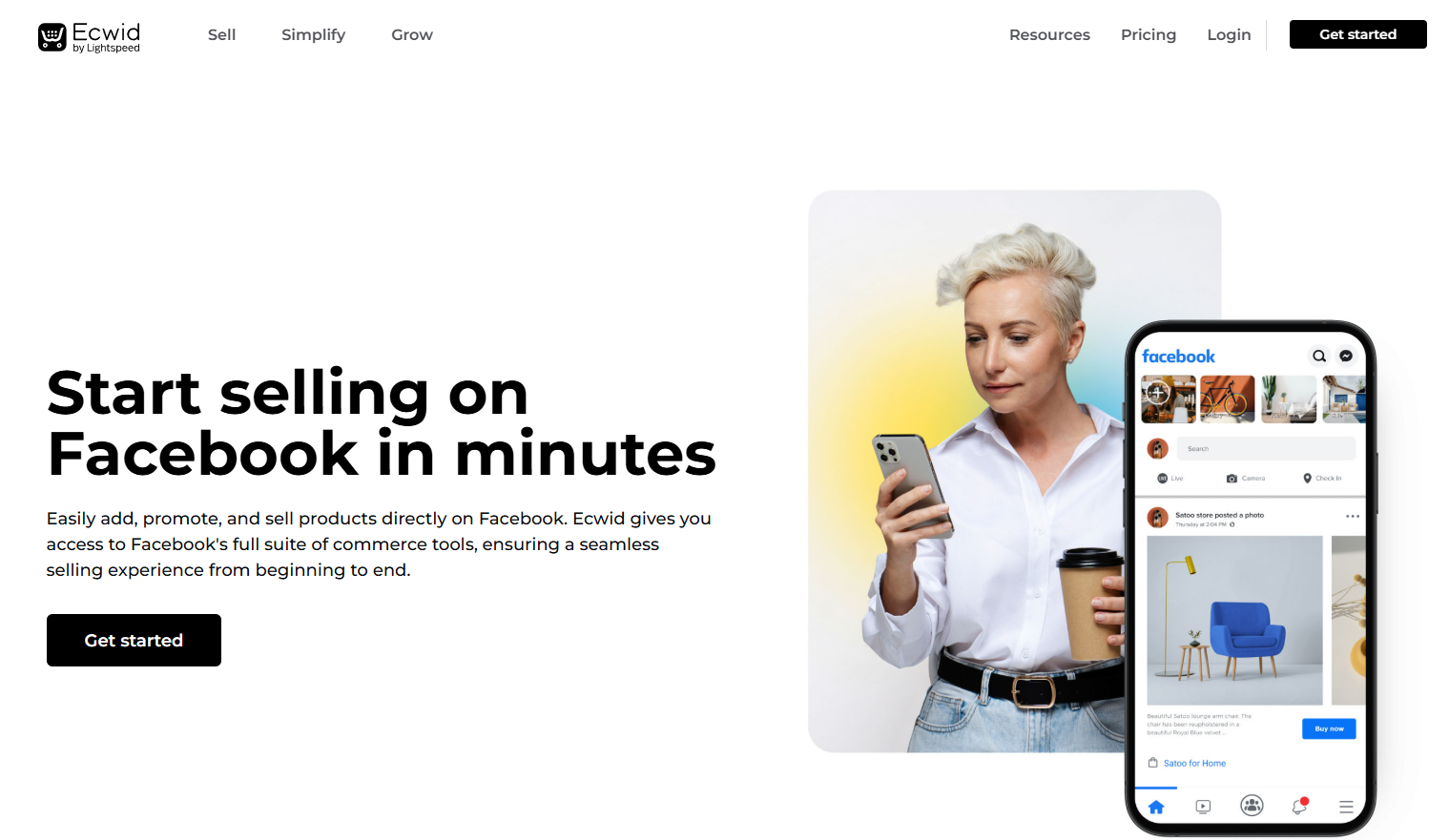
1. Ecwid by Lightspeed: The Gateway for Small Business
Ecwid remains the gold standard for entrepreneurs who haven’t yet built a standalone e-commerce website. It functions as an "embeddable" store, meaning it can live on a Facebook Page, a blog, or even a standalone landing page.
Why it matters: It removes the technical friction of building a full-scale web server. For small businesses, Ecwid provides a "plug-and-play" experience that allows for inventory management and social selling without needing to hire a web developer.
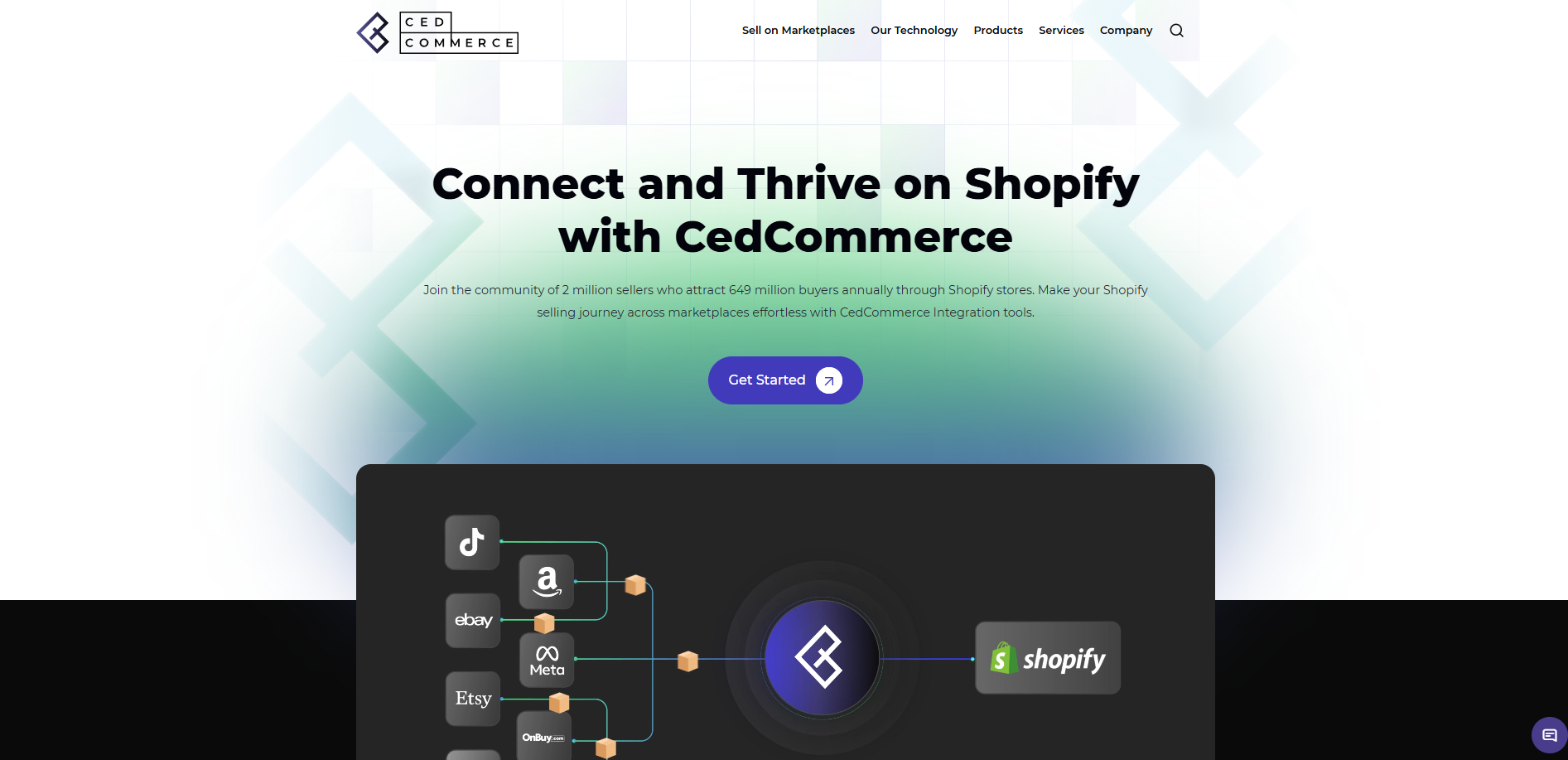
2. CedCommerce: The Shopify Powerhouse
For Shopify merchants, the official Meta app can sometimes feel restrictive. CedCommerce fills this gap by offering a more robust suite of tools that includes real-time catalog syncing and integrated ad campaign management.
Implications: By combining the Pixel, Conversion API, and feed management into one dashboard, CedCommerce reduces the need for "app bloat," which often slows down site performance.
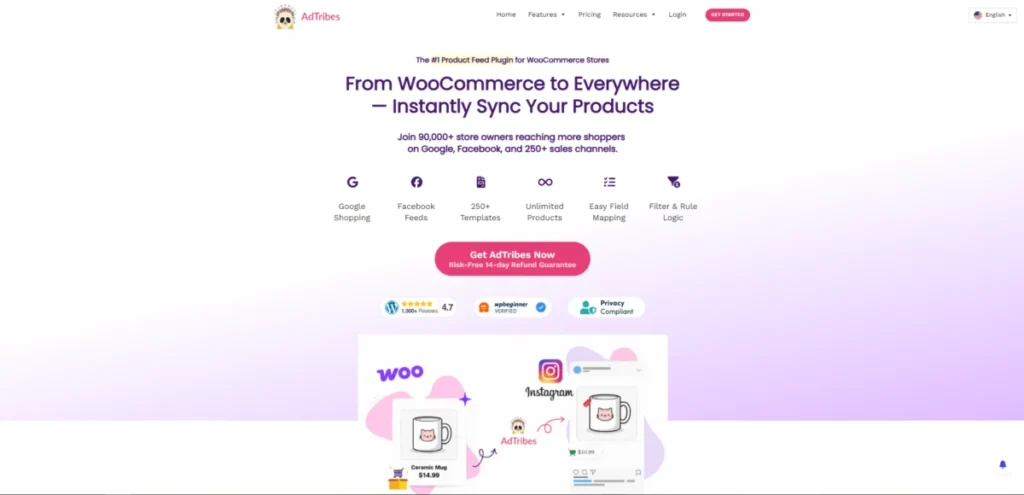
3. AdTribes Product Feed PRO: WooCommerce Optimization
WordPress users often struggle with the limitations of the official WooCommerce/Facebook integration. AdTribes offers a rules-driven engine that allows store owners to filter their feeds.
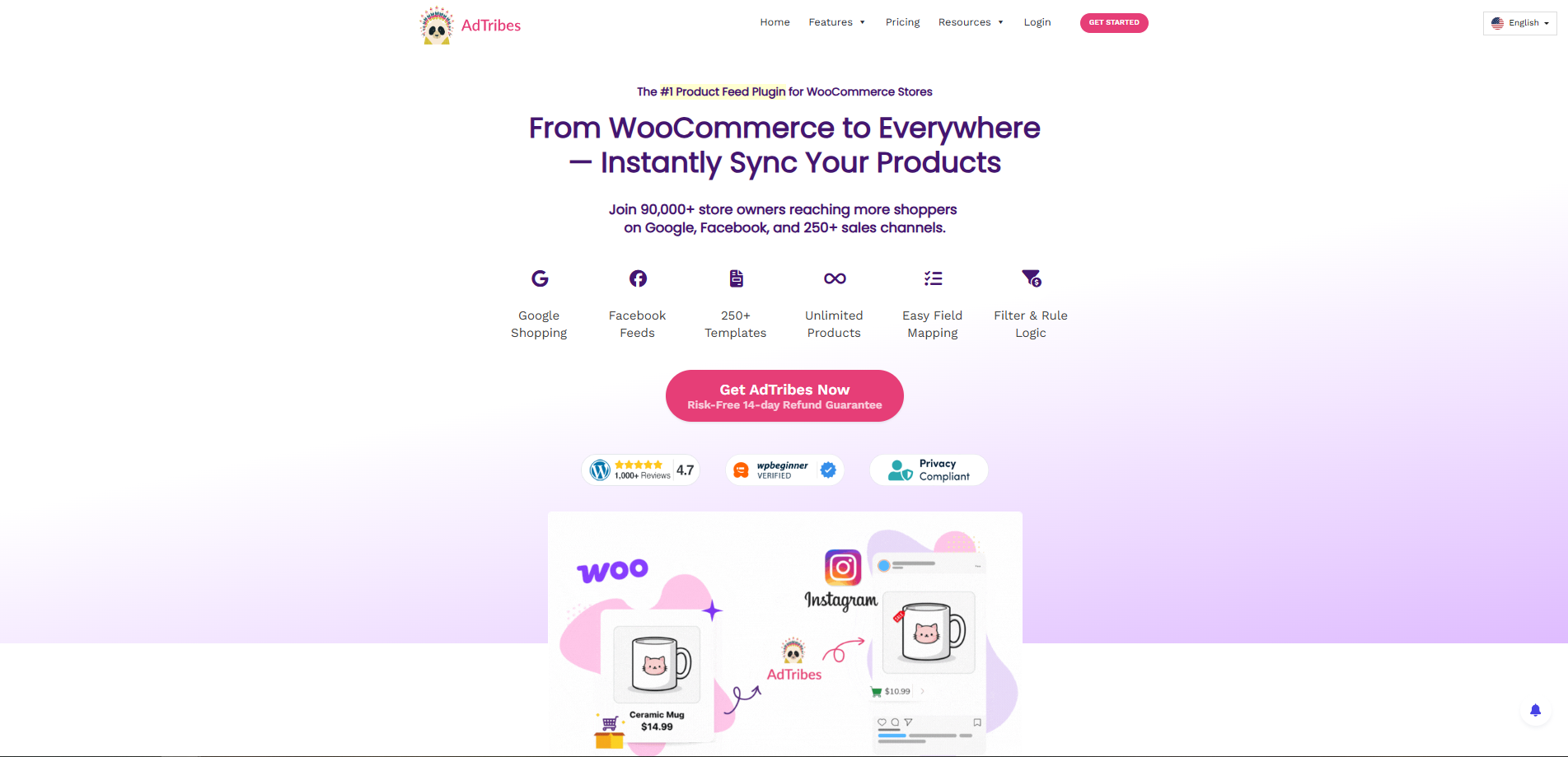
Strategic Advantage: If you have 5,000 products but only want to promote the 500 with the highest margins on Facebook, AdTribes allows you to create specific exclusion rules that the basic plugins simply cannot handle.
4. Feedonomics Surface: The BigCommerce Enterprise Choice
Feedonomics represents the "managed" side of social commerce. It is designed for high-volume stores that cannot afford downtime or feed errors.
Supporting Data: In an era where data quality dictates ad performance, feed errors (like incorrect pricing or missing stock levels) are the leading cause of wasted ad spend. Feedonomics acts as an automated quality control layer, ensuring that what the shopper sees on Instagram is exactly what they find on your site.
5. Meta for Adobe Commerce: The Official Standard
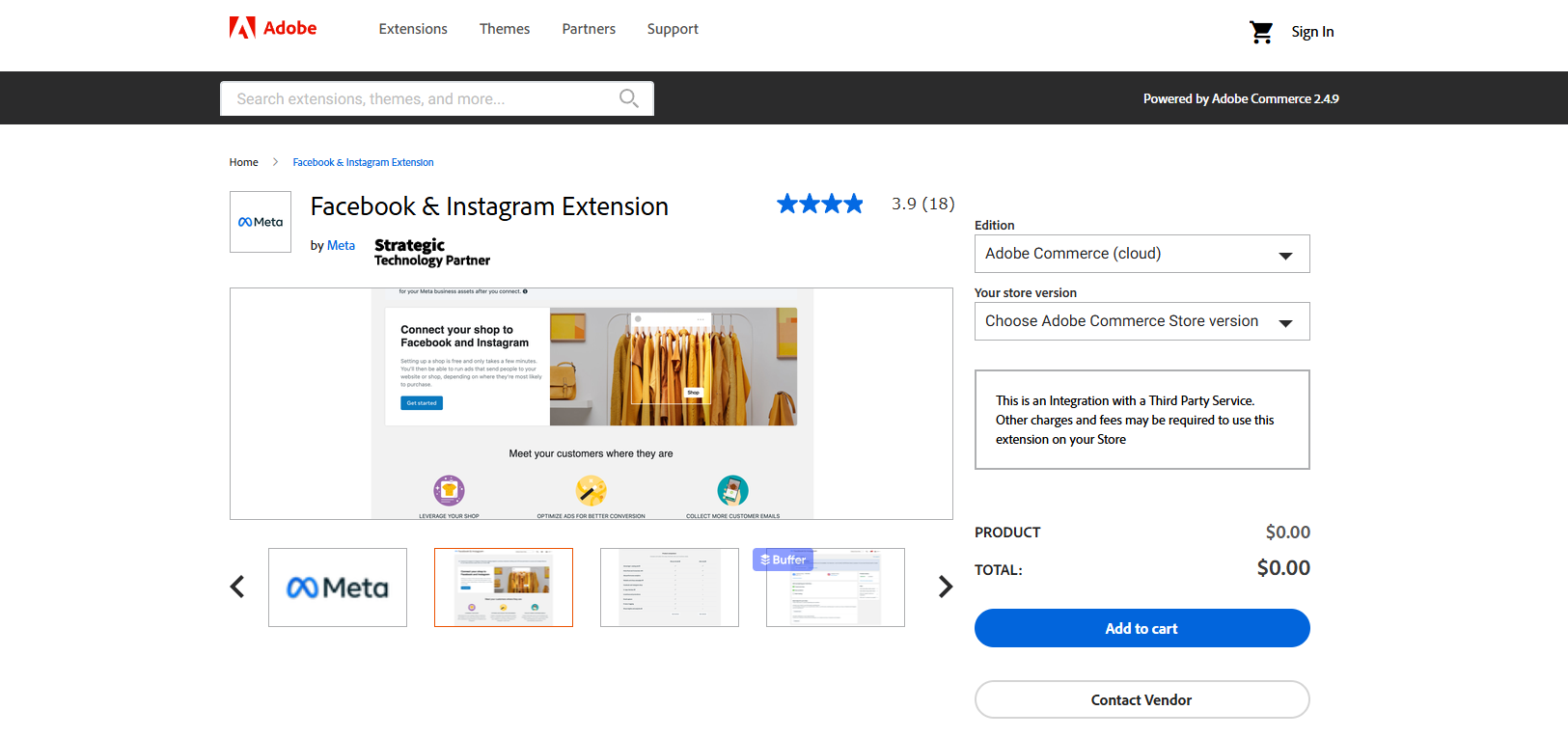
For large-scale operations running on Magento/Adobe Commerce, the official Meta extension remains the primary choice. It is a free, robust tool that covers the basics of catalog integration.
The Trade-off: While it is free and officially supported by Meta, it requires significant technical expertise to configure properly. It lacks the "hand-holding" features found in third-party premium apps.
6. Flexify: Fine-Tuning Your Ad Creative
The biggest mistake modern advertisers make is using generic catalog images for dynamic ads. Flexify changes this by allowing merchants to overlay branding, logos, and promotional text onto product images within the feed itself.
Implication: Higher CTR (Click-Through Rate). Ads that stand out in a cluttered feed perform significantly better, and Flexify is the tool that makes that visual differentiation possible at scale.
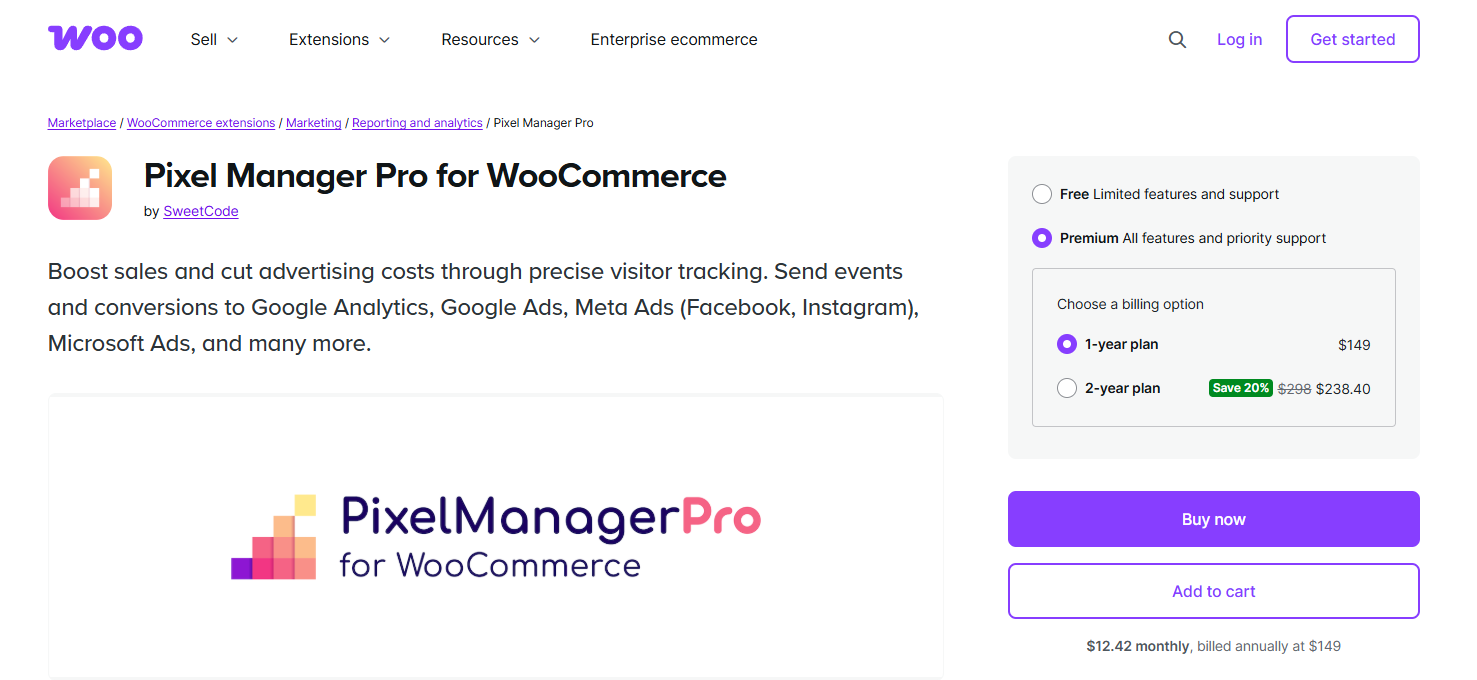
7. Omega Facebook Pixel Meta Feed & 8. Pixel Manager Pro
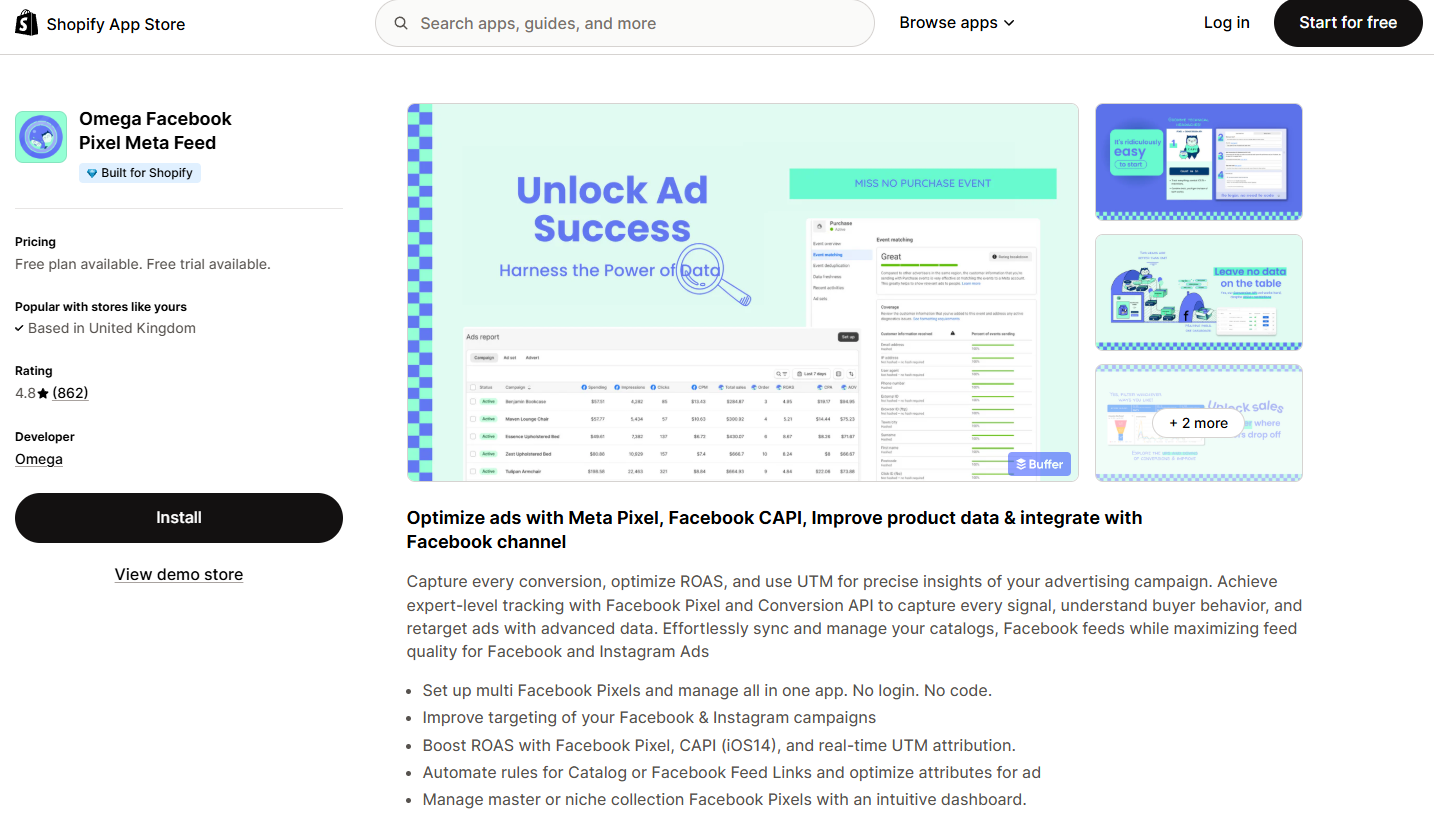
These two tools—one for Shopify and one for WooCommerce—address the "Privacy Crisis." With browser-based tracking (like cookies) becoming increasingly unreliable due to iOS updates and privacy legislation, server-side tracking via the Conversion API (CAPI) is mandatory.
The Technical Reality: Omega and Pixel Manager Pro move tracking from the browser to the server. This ensures that even when a user has an ad-blocker enabled, your store can still pass purchase data back to Meta, allowing your algorithms to optimize your ad delivery effectively.
9. Channable: Multichannel Command Center
If your business is selling on Facebook, Instagram, Amazon, eBay, and TikTok, you cannot manage your feeds manually. Channable provides a central hub to manage data feeds across every channel you occupy.
Chronology of Growth: As brands expand, the complexity of product data becomes a bottleneck. Channable allows for "IF/THEN" logic, automatically updating your catalog across all platforms the moment a change is made in your master inventory.
10. LitCommerce: Bridging Marketplaces and Social
LitCommerce is uniquely positioned for brands that treat social media as just one pillar of their sales strategy. It synchronizes your inventory across social channels and marketplaces simultaneously.
Why choose it? It is the ideal tool for brands transitioning from a "social-only" business model to a full-scale retail operation.
Implications for Future Growth: The Data-Driven Strategy
The decision to implement one of these apps should be based on your store’s specific maturity phase.
- Phase 1 (Validation): If you are just starting, choose Ecwid.
- Phase 2 (Growth): If you are scaling on Shopify/WooCommerce, prioritize CedCommerce or AdTribes.
- Phase 3 (Optimization): If your ad spend exceeds $5,000/month, you must implement a dedicated tracking tool like Omega or Pixel Manager Pro.
- Phase 4 (Enterprise): If you are managing multiple channels, Channable is the only logical choice to prevent manual errors.
Official Meta Stance on Third-Party Tools
Meta has consistently encouraged the use of integrated partners, noting that businesses using the Conversion API and automated catalog syncing see, on average, a 10-15% improvement in Return on Ad Spend (ROAS). By relying on these apps, you are not just simplifying your workflow—you are feeding the Meta AI the high-quality, real-time data it needs to find your ideal customers.
Conclusion: Final Verdict
Social commerce is no longer an experiment; it is the frontline of modern retail. As of mid-2026, the gap between the winners and losers in the social space is defined by how well they bridge their internal inventory with Meta’s discovery engines. Whether you choose the granular control of Flexify or the massive scale of Channable, the goal remains the same: create a seamless journey that turns a "like" into a "purchase."
Prices and performance metrics mentioned in this guide are accurate as of June 2026. Always review the latest documentation from the respective app developers before implementation, as API integrations with Meta are subject to frequent updates.
