

The Ultimate Guide to Facebook Ad Specifications: Maximizing Reach in 2025
In the modern digital marketing ecosystem, visual real estate is the most valuable currency. For brands leveraging the Meta ecosystem, understanding the technical nuances of Facebook ad specifications is no longer just a "best practice"—it is a fundamental requirement for campaign success. With over 80% of Facebook users accessing the platform via mobile devices, the way your creative is displayed across different placements can be the deciding factor between a conversion and a bounce.
This guide provides a comprehensive breakdown of Facebook (Meta) ad specifications, helping you optimize your assets for maximum engagement, brand recall, and ROI.

The Strategic Importance of Ad Specs
Before diving into pixel counts and aspect ratios, it is critical to understand why these specs exist. Meta’s algorithm favors assets that provide a seamless, native experience for the user. When an ad is improperly sized, it is either cropped awkwardly or fails to fill the designated space, leading to poor user experience.
"Facebook ad sizes" and "Meta ad sizes" are interchangeable terms; because Facebook is a primary pillar of the Meta family, the specifications are consistent across the platform’s diverse ad inventory. Whether you are running a simple image ad in the Feed or a complex, interactive Collection ad, adhering to these technical standards ensures your message reaches your audience with professional polish.

Chronology of Evolution: From Fixed Rules to Automated Optimization
Historically, Meta was notorious for the "20% text rule," which strictly limited the amount of text allowed on ad images. Marketers spent hours auditing their creative to ensure compliance. However, in recent years, Meta has pivoted toward a more flexible approach. While they no longer enforce a hard limit on text, the platform’s internal data consistently shows that images with minimal text perform significantly better.
Today, the focus has shifted toward "Advantage+ placements." This algorithmic approach allows Meta to automatically adjust your ad’s display based on where it is most likely to convert. Consequently, the burden on marketers has shifted from "pixel-perfect design for every single slot" to "designing high-quality assets that adapt well to various aspect ratios."
Supporting Data: Selecting the Right Format
Choosing the right format is not just about aesthetics; it’s about user behavior. Consider the following data-backed recommendations:
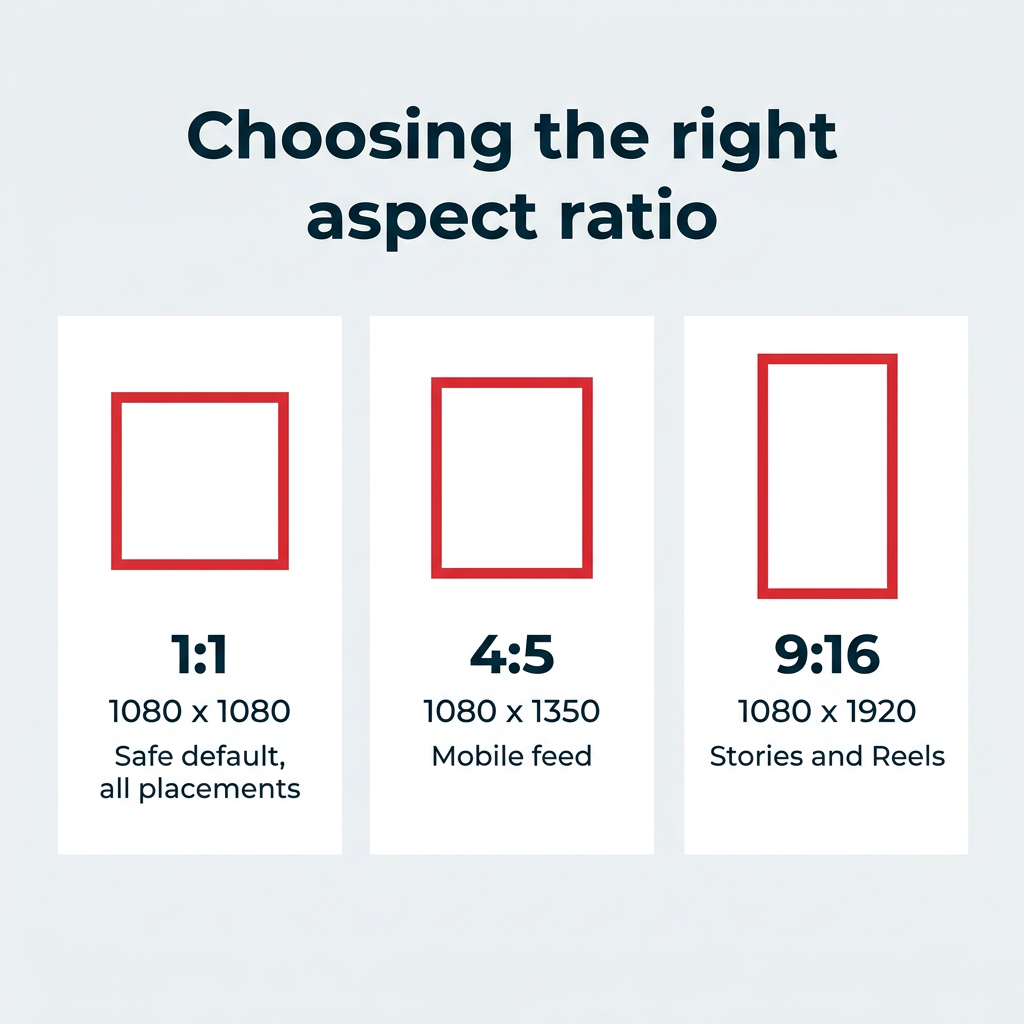
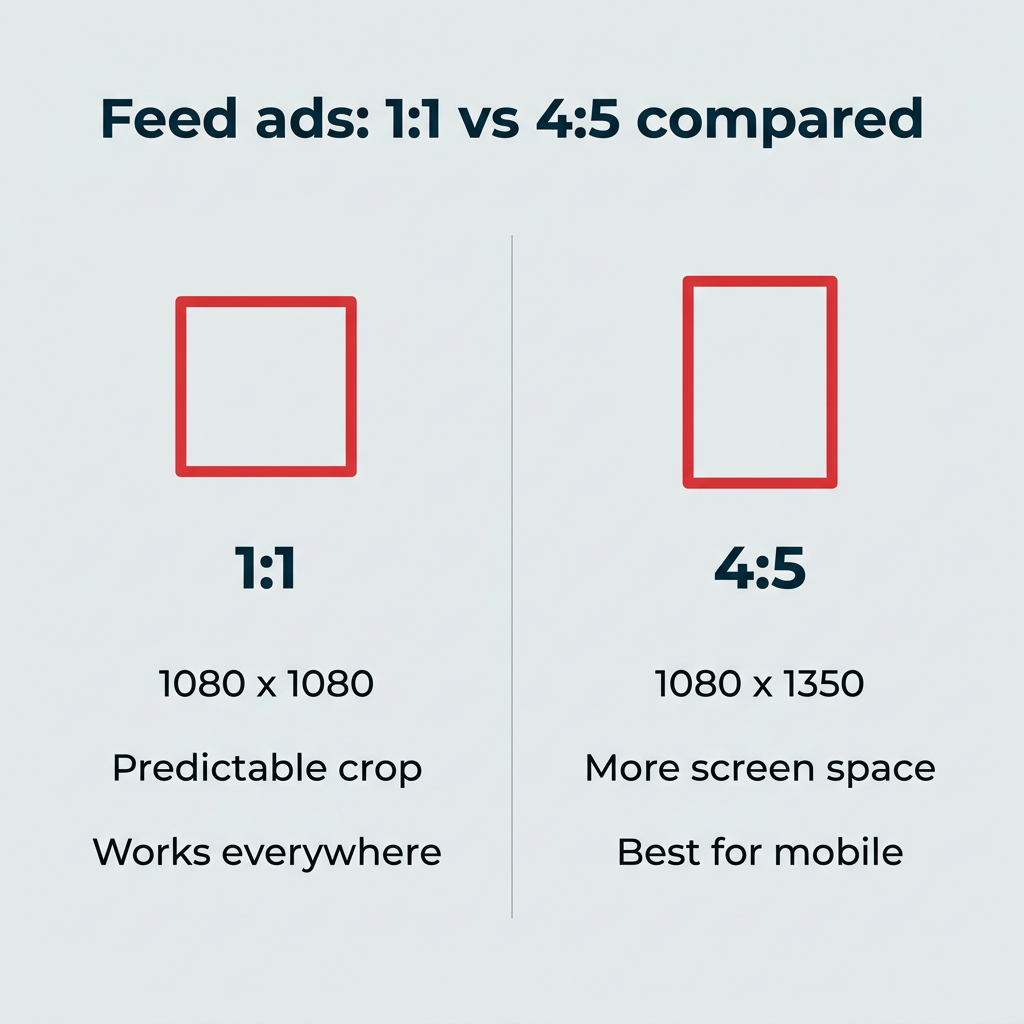
- The 4:5 Mobile Advantage: For the mobile feed, the 4:5 aspect ratio is the gold standard. It occupies more vertical screen space than a 1:1 square, effectively pushing competitors’ content out of the user’s view and capturing more attention.
- The 1:1 Safety Net: If your campaign budget is constrained or you are using automated placements, 1:1 (1080 x 1080 pixels) is the most reliable "all-rounder." It is compatible with almost every placement, from the Feed to Marketplace and Search results.
- Vertical Immersion (9:16): With the meteoric rise of Reels and Stories, 9:16 (1080 x 1920 pixels) is mandatory for high-impact, full-screen storytelling.
Quick Reference: Primary Ad Specifications
| Placement | Recommended Size (px) | Aspect Ratio | File Type | Max Size |
|---|---|---|---|---|
| Feed (Image) | 1440 x 1440 or 1440 x 1800 | 1:1 or 4:5 | PNG, JPG | 30MB |
| Feed (Video) | 1440 x 1440 or 1440 x 1800 | 1:1 or 4:5 | MP4, MOV, GIF | 4GB |
| Stories | 1440 x 2560 | 9:16 | PNG, JPG, MP4 | 30MB/4GB |
| Reels (Video) | 1440 x 2560 | 9:16 | MP4, MOV, GIF | 4GB |
| Carousel | 1080 x 1080 (min) | 1:1 | PNG, JPG, MP4 | 30MB/4GB |
Deep Dive into Key Ad Placements
1. Facebook Feed: The Digital Storefront
The News Feed remains the primary hub for advertising. Because users scroll rapidly, your visual needs to stop the thumb immediately. Using 4:5 for mobile is crucial to maximize visibility. Ensure your focal point is centered so that the "Sponsored" label or the call-to-action button doesn’t obscure your branding.
2. Carousel Ads: Interactive Storytelling
Carousel ads allow for up to 10 images or videos in a single ad unit. They are highly effective for e-commerce, allowing brands to showcase a product catalog or tell a multi-part story. When using Collection ads, the primary video or image acts as the anchor, while the catalog items appear underneath, creating a "mini-storefront" experience.
3. Reels and Stories: The 9:16 Powerhouse
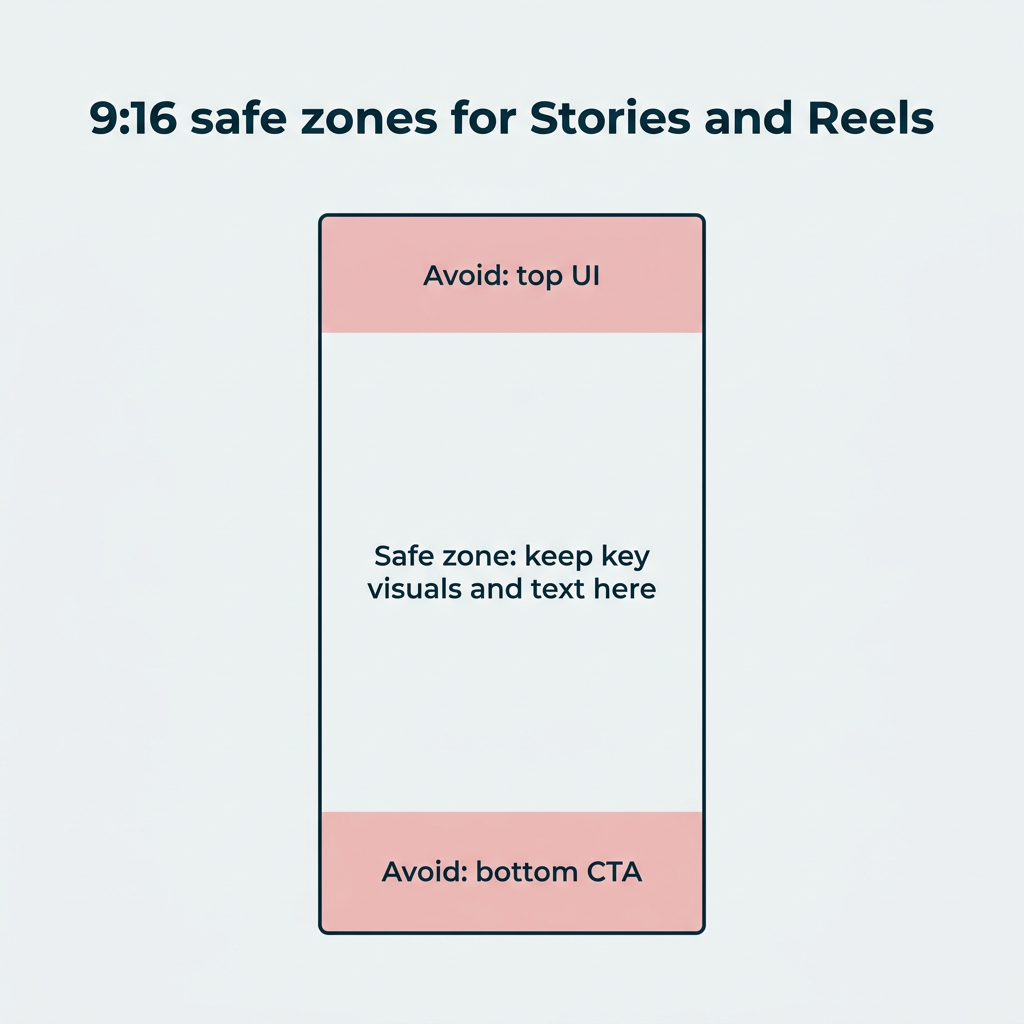
Reels have become the most significant driver of organic and paid reach on the platform. Because these are full-screen, the "safe zone" is critical. Avoid placing text or logos in the top 250px or bottom 250px, as this is where the user interface (UI) overlays (like your profile name, caption, and the "Shop Now" button) sit.

4. Niche Placements: Marketplace and Search
Marketplace ads are excellent for high-intent users who are already in a shopping mindset. Since these ads often appear in a grid or list view, high-resolution imagery is essential to stand out. Similarly, Search results ads capture users looking for specific solutions, meaning your copy should align perfectly with the likely search intent.
Official Responses and Best Practices
Meta’s official guidelines emphasize "Creative Diversity." They suggest that advertisers should not just focus on one size, but rather provide a variety of assets that the platform can optimize.
Key Takeaways from Meta’s Creative Guidelines:
- Design for Sound-Off: Always include captions for video ads. Many users consume content in public or in quiet environments.
- The "Hook" Matters: Within the first three seconds of a video ad, you must communicate the value proposition.
- Limit Text Overlays: While not strictly forbidden, heavy text on images is often penalized by lower engagement rates. Let your imagery do the heavy lifting.
Implications for Your Marketing Strategy
The primary implication for modern marketers is the need for agile production workflows. You can no longer rely on a single master creative for a global campaign. Your design team must be able to resize and reformat assets efficiently.

How to Scale Your Production:
- Template Your Assets: Use tools like Canva, Adobe Express, or Photoshop templates to quickly swap content into 1:1, 4:5, and 9:16 formats.
- Test and Learn: Use A/B testing to see if your audience responds better to a 1:1 square or a 4:5 portrait in the feed.
- Audit Your Analytics: Check your "Paid Ad Analytics" to see which placements are driving the lowest Cost-Per-Acquisition (CPA). If your Reels ads are underperforming, it may be a design issue regarding the "safe zones" being ignored.
Frequently Asked Questions (FAQ)
Q: What is the best all-purpose size if I am limited on time?
A: 1080 x 1080 pixels (1:1). It is the most versatile and will render correctly across almost every placement in the Meta ecosystem.
Q: Why does my text get cut off in Reels?
A: You are likely ignoring the "safe zones." Because the UI overlays (caption, profile icon, like/comment buttons) occupy the top and bottom of the screen, you must keep all vital information in the center 1080 x 1420 area.

Q: Does file size affect ad performance?
A: While Meta allows up to 4GB for video, overly large files can lead to slower loading times on mobile networks. Aim for high quality but optimize your compression to ensure the ad loads instantly for the user.
Q: Is the 20% text rule officially dead?
A: Yes. However, the platform’s algorithm still favors cleaner, less cluttered images. Use text sparingly for the best reach.

Conclusion
Success on Facebook in 2025 is predicated on the marriage of creative strategy and technical precision. By adhering to these standardized ad specifications, you minimize the risk of your message being lost in translation. As you build your next campaign, remember that while the technology and the algorithms change, the need for clear, visually arresting, and correctly formatted content remains the constant.
Use the table provided as your primary reference, keep your assets clean, and always prioritize the mobile experience. Your conversion rates will thank you.
