

Beyond Sellfy: The Definitive Guide to Ecommerce Alternatives for 2026
For many years, Sellfy has occupied a comfortable niche in the creator economy. Its “all-in-one” promise—a platform where you could launch a digital product store in under ten minutes—offered a lifeline to artists, streamers, and solopreneurs. However, as the digital commerce landscape matures in 2026, the cracks in that simplicity have begun to show.
For growing businesses, "simple" often begins to feel synonymous with "restrictive." Creators are finding that they require more robust SEO controls, advanced marketing automation, deeper design customization, and more favorable fee structures as they scale. If your business has outgrown the limitations of a basic storefront, you are likely looking for an alternative that balances power with user experience. This guide examines the top 11 alternatives to Sellfy, providing a comprehensive look at the state of ecommerce in 2026.

The Landscape of Modern Ecommerce: Why Creators Are Moving
The evolution of online selling over the last few years has shifted from simple "download delivery" to "ecosystem building." Modern creators are no longer just selling files; they are managing memberships, handling complex international tax compliance, and leveraging AI to automate customer service.
Chronology of the Shift
- 2020–2022: The "Gold Rush" era, where speed-to-market was the only metric that mattered. Platforms like Sellfy and Gumroad dominated by removing technical barriers.
- 2023–2024: The "Optimization" era. Businesses realized that high transaction fees on "free" platforms were eating into margins, leading to a migration toward self-hosted or low-fee solutions.
- 2025–2026: The "AI Integration" era. Sellers now demand platforms that include AI assistants for copywriting, SEO optimization, and inventory management, moving away from manual, static platforms.
1. Shopify: The Gold Standard for Scaling
Shopify remains the undisputed heavyweight of the ecommerce world. In 2026, it is no longer just a store builder; it is a full-stack business operating system.
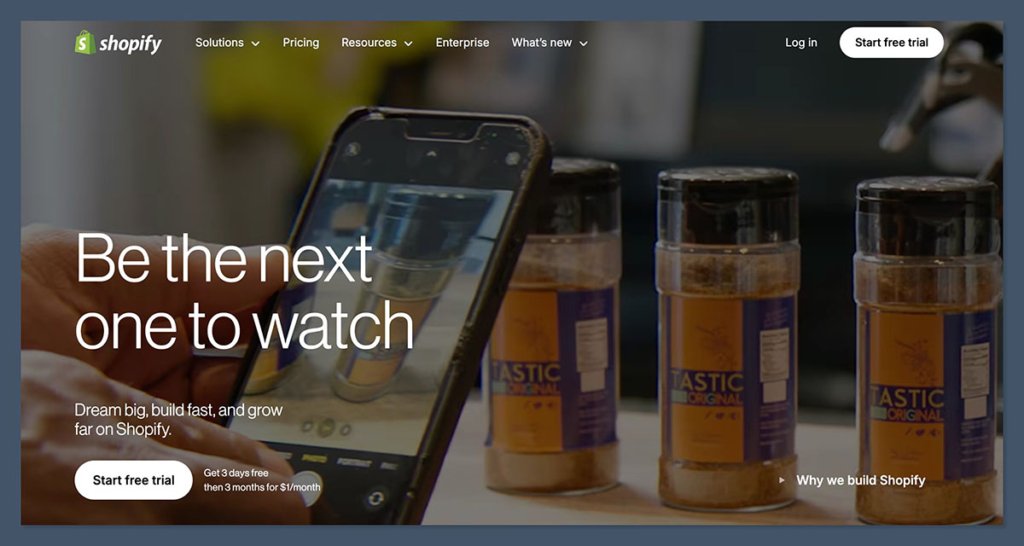
Implications for your business: If your goal is to transition from a side-hustle to a full-time enterprise, Shopify is the only logical choice. Its ecosystem of apps and its native AI assistant, Shopify Sidekick, allow you to manage tasks that would otherwise require a team of three.
- Best for: Businesses ready to scale.
- Key Advantage: Unmatched app ecosystem and inventory management.
- The Trade-off: The learning curve is steeper than Sellfy, and costs can escalate quickly if you rely heavily on third-party plugins.
2. Wix & Squarespace: The Aesthetic Powerhouses
If your brand identity is your primary asset, moving to a drag-and-drop builder like Wix or Squarespace is the natural evolution.
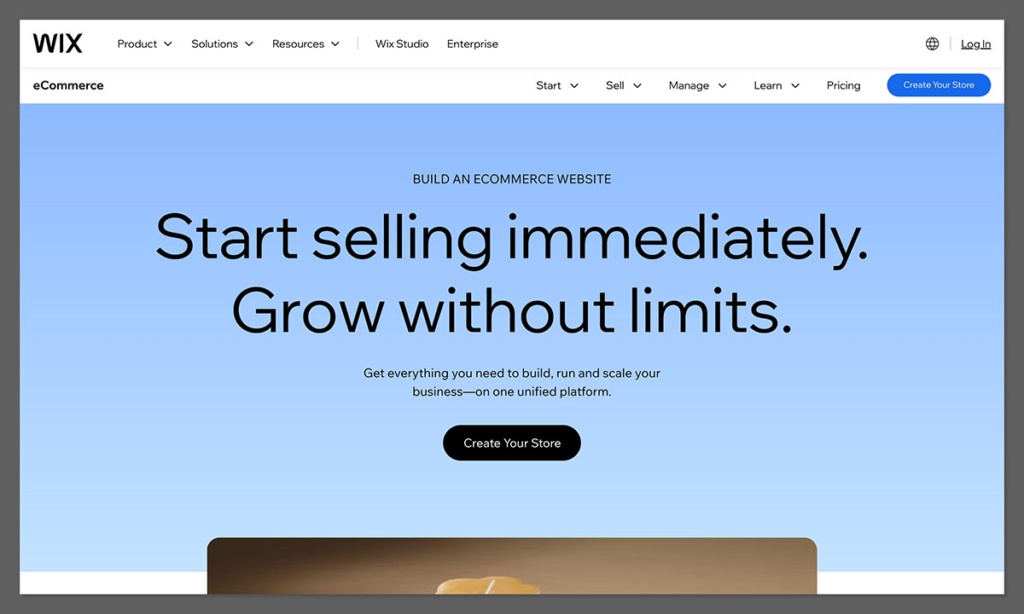
Wix: The Customization King
Wix’s AI-powered design tools (Wix ADI) have revolutionized how quickly a boutique store can be launched. With its recent updates in 2026, Wix has bridged the gap between "pretty" and "functional," offering advanced payment gateways and abandoned cart recovery.
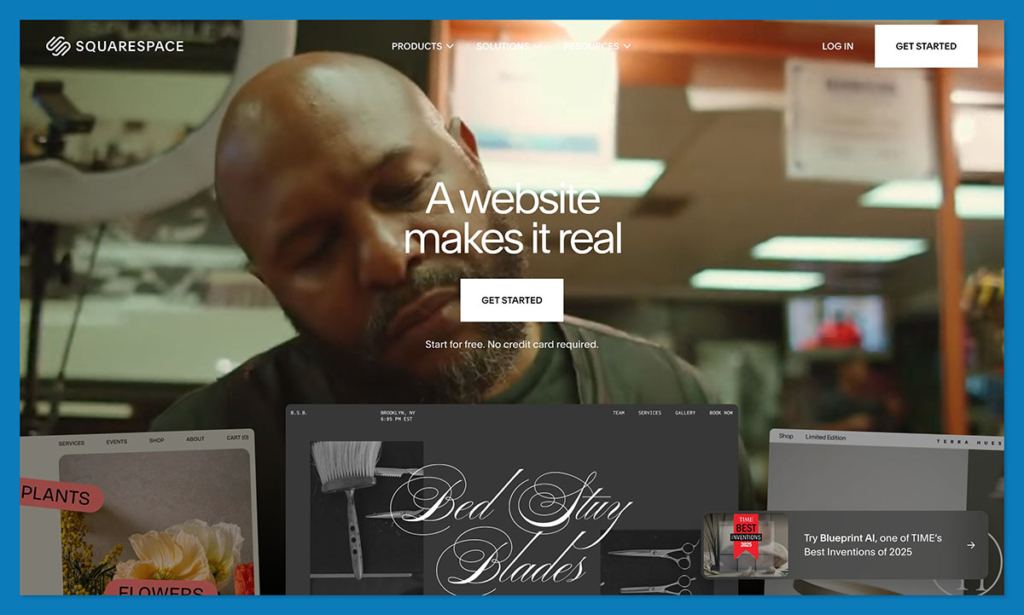
Squarespace: The Creative’s Choice
Squarespace remains the premier choice for visual artists. Its templates are curated for maximum impact, and its commerce features are clean, intuitive, and perfectly suited for high-end digital products or premium physical goods.
3. WooCommerce: The SEO-First Strategy
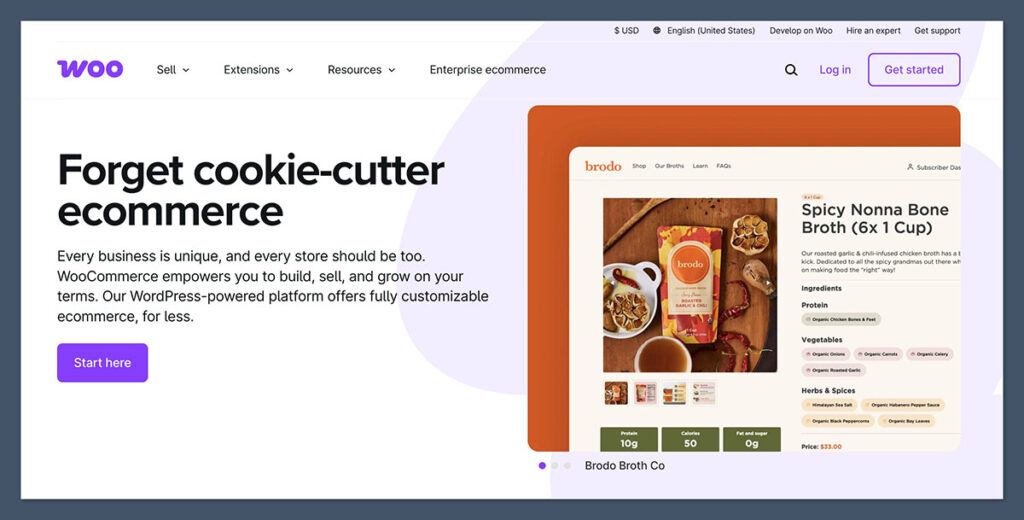
For those who prioritize organic traffic, WooCommerce is the ultimate tool. By leveraging the WordPress ecosystem, you gain absolute control over your SEO, data ownership, and site architecture.
Supporting Data: While it requires more maintenance (hosting, security, updates), stores running on WooCommerce often report lower long-term overhead costs compared to SaaS platforms that take a percentage of every sale. It is the preferred choice for content-led businesses that use a blog as their primary lead-generation engine.
4. Creator-Specific Platforms: Podia, Teachable, and Fourthwall
The rise of the "creator-first" platform has fundamentally changed how we monetize expertise.
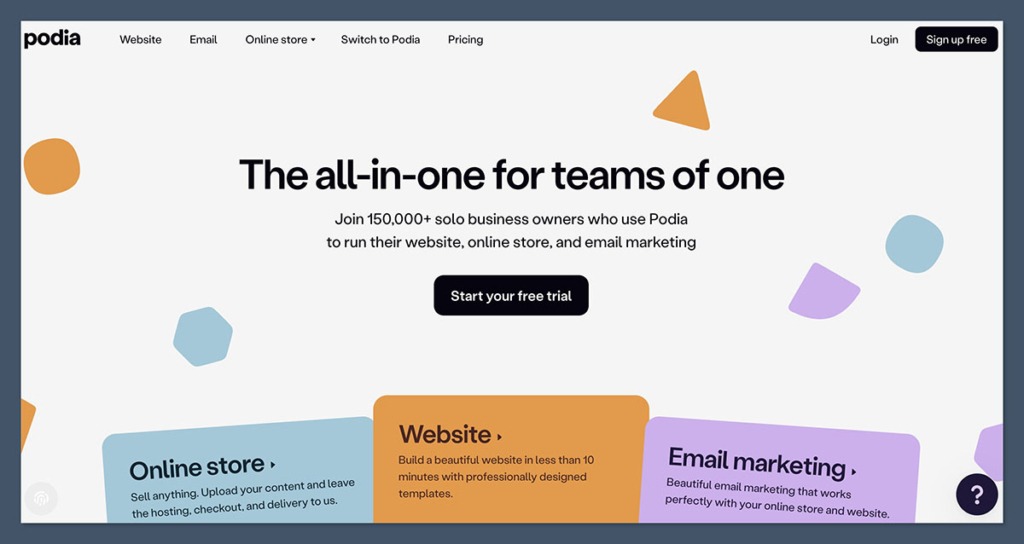
- Podia: The best choice for those who want to bundle courses, webinars, and digital downloads in one dashboard. It removes the need for fragmented tech stacks.
- Teachable: The industry standard for educators. If your "product" is a multi-module curriculum, Teachable’s reporting and student management tools are vastly superior to generalist ecommerce platforms.
- Fourthwall: A rising star for content creators. Its ability to handle physical merch fulfillment alongside digital content is a game-changer for YouTubers and streamers who want to monetize without touching logistics.
Comparative Analysis: The Fee vs. Flexibility Matrix
When evaluating these platforms, one must look at the "hidden" cost of doing business.
| Platform | Fee Structure | Scalability | Best For |
|---|---|---|---|
| Shopify | Monthly Fee | High | Growing Brands |
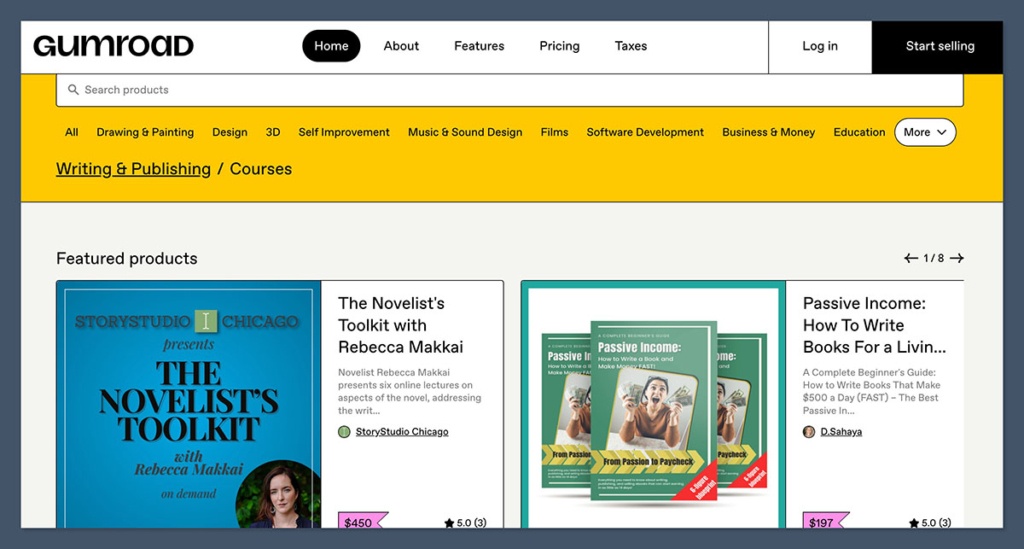
| Gumroad | 10% Flat | Low | Quick Launches |
| Payhip | Sliding Scale | Medium | Transparent Budgeting |
| WooCommerce | Self-Hosted | High | SEO & Control |
| Big Cartel | Tiered/Free | Low | Niche Artists |
Official Perspectives and Industry Insights
Industry analysts note that the "Platform Migration" trend of 2026 is driven by Data Ownership. Unlike early-stage creators who were content to let platforms hold their customer lists, established businesses are now prioritizing platforms that offer robust API access and direct access to customer email data.
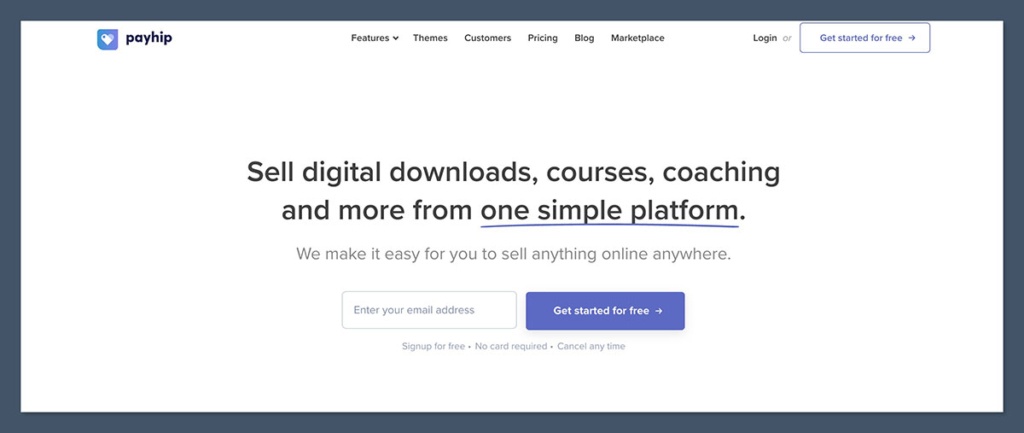
Platforms like Payhip have responded to this demand by keeping their interface remarkably simple while offering "pro" features like affiliate management and VAT/tax handling, which are often missing from cheaper, entry-level solutions.
Choosing Your Path: How to Decide
To determine which platform is the right successor to Sellfy, ask yourself three questions:
- What is the volume of my traffic? If you are driving thousands of visitors monthly, a flat monthly fee (Shopify/Wix) is almost always cheaper than a percentage-based fee (Gumroad/Ko-fi).
- Is my product "dynamic" or "static"? If you are selling courses or memberships, choose Podia or Teachable. If you are selling physical items or varied digital catalogs, choose Shopify or WooCommerce.
- How much time do I want to spend on maintenance? If the answer is "none," stick to SaaS platforms (Shopify/Squarespace). If the answer is "I want total control," go with WooCommerce.
Final Implications for the Future
The decision to switch platforms is not merely technical; it is a strategic milestone. By moving away from restrictive, entry-level tools, you are signaling that your business is no longer an experiment. You are entering a phase of professionalization.
Whether you choose the brute-force power of Shopify, the creative freedom of Squarespace, or the surgical precision of Teachable, ensure that your next platform supports your 2027 goals. The most successful businesses in 2026 are those that view their storefront not just as a point of sale, but as the hub of their digital brand identity. Do not let a lack of features become the ceiling for your potential revenue. Evaluate your needs today, map them against the strengths of these alternatives, and make the move that secures your growth for the years to come.
