

The Data-Driven Revolution: How CPG Giants are Redefining Social Video Strategy
In the modern digital landscape, the "spray and pray" approach to social media is officially dead. For Consumer Packaged Goods (CPG) brands—which have historically relied on broad-reach television advertising—the shift toward social video has been both a necessity and a daunting challenge. However, a new vanguard of market leaders, including Red Bull, Heineken, Charlotte Tilbury, and Old Spice, has moved beyond mere participation. They are rewriting the rules of engagement by transforming raw data into highly deliberate, audience-informed strategies.
These brands are no longer guessing what resonates with their consumers. Instead, they are leveraging deep-dive analytics to dictate everything from video duration and platform selection to the most unorthodox creator partnerships. This article explores the mechanics of this transformation and the data-backed insights that are driving the next generation of CPG marketing.
The New Paradigm: Data Over Assumptions
For decades, the gold standard for CPG marketing was frequency: if you put the product in front of enough eyes, sales would follow. Today, that assumption is being challenged by platform-specific performance data.
A successful social video strategy in 2026 is defined by a shift from intuition to intelligence. Brands that win are those that prioritize engagement metrics over vanity metrics, source creators based on cultural resonance rather than category proximity, and pivot instantly when performance data suggests shifting audience behaviors. As the digital ecosystem becomes more fragmented, the ability to read the "pulse" of a platform has become the single most important competitive advantage.
Chronology of a Shift: From Reach to Resonance
Red Bull: The Short-Form Efficiency Play
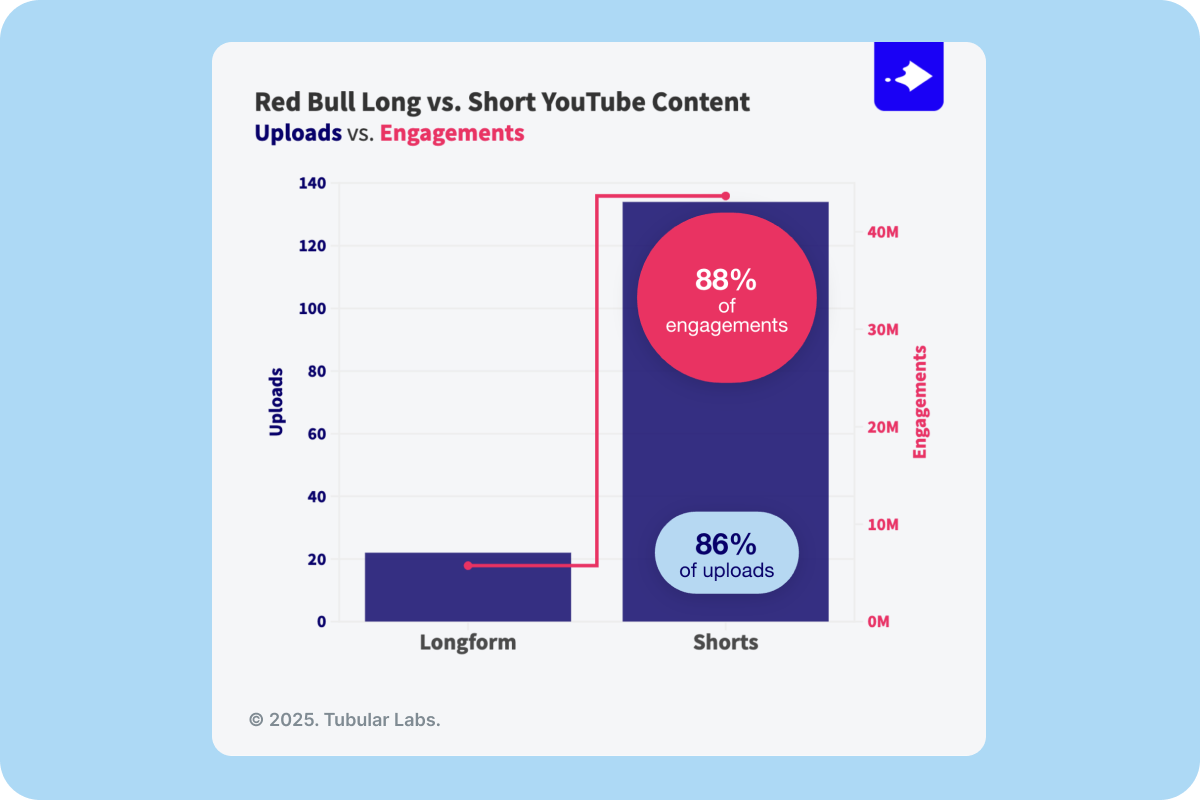
Red Bull has long been the gold standard for content marketing, but their recent pivots demonstrate a granular understanding of the modern video landscape. With 77% of global YouTube views in 2025 coming from videos under 60 seconds, the beverage giant met the trend head-on.
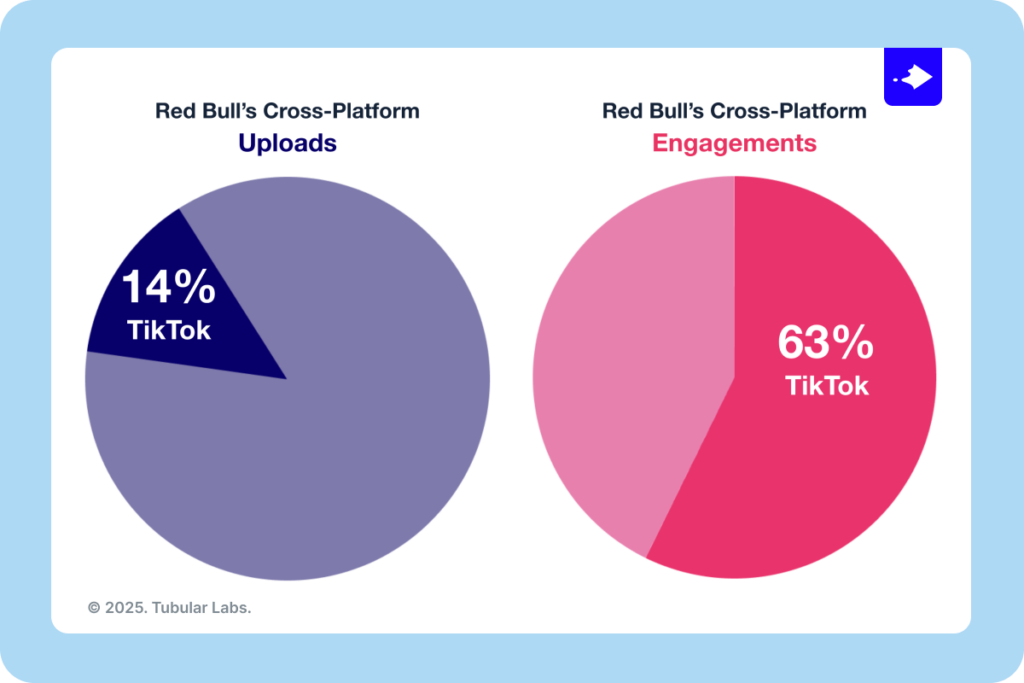
However, Red Bull’s data revealed a critical nuance: the same content does not perform equally across all platforms. While their YouTube engagement remained consistent with their volume of uploads, their TikTok strategy defied conventional wisdom. Despite accounting for a mere 14% of their total cross-platform uploads, TikTok drove 63% of their total engagement. This discrepancy highlights a fundamental truth: The highest-volume platform is rarely the highest-impact platform. By analyzing these gaps, brands can reallocate their creative investment to where it actually moves the needle.
Heineken: The Power of Cultural Fit
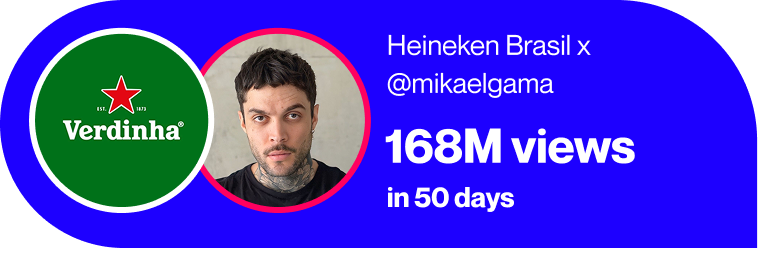
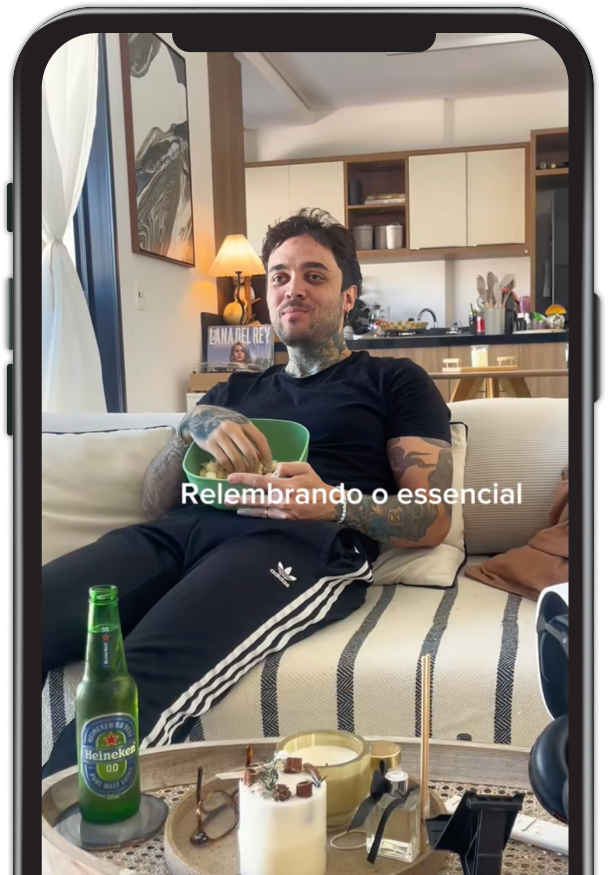
In 2025, Heineken made a move that left traditionalists scratching their heads: they partnered with Brazilian men’s fashion creator Mikael Gama. On the surface, a beer brand partnering with a fashion influencer lacks "category fit." Yet, the data told a different story.
Over a 50-day period, the partnership generated 168 million views and 1 million engagements. Gama, who started with a modest following of 136,000, became the most-viewed Brazilian influencer in the first half of 2025. The success of this campaign was predicated on cultural fit. Gama’s audience didn’t care that he wasn’t a "beer influencer"—they trusted his aesthetic, his taste, and his lifestyle. By prioritizing the audience’s trust over industry labels, Heineken unlocked a massive, untapped consumer segment.
Charlotte Tilbury: Breaking Category Barriers
Charlotte Tilbury took the "unexpected partnership" concept to an institutional level by becoming the first female-founded beauty brand to partner with Formula 1’s F1 Academy. This was a strategic gamble on audience overlap between the high-octane world of motorsports and the precision-based world of beauty. The result was a masterclass in cross-pollination. By identifying shared values between the two disparate groups, the brand managed to penetrate a demographic that rarely intersects with beauty marketing, proving that audience intelligence can bridge the gap between seemingly unrelated industries.
Old Spice: Scaling Without Flooding
Old Spice serves as a cautionary tale against the "content mill" approach. As one of YouTube’s top-performing CPG brands, they achieved their dominance not by out-posting their competitors, but by out-thinking them. By moving away from high-frequency, low-value uploads and toward a model of purposeful, high-impact content, they maintained their reach while increasing efficiency. Their strategy relies on a mix of YouTube Shorts, strategic partnerships, and a constant eye on adjacent demographics, proving that growth is a byproduct of quality and target-precision, not just noise.
Supporting Data: The Pillars of Modern Strategy
The common denominator across these success stories is a departure from traditional demographic modeling. Instead, these brands are layering in:
- Search Affinity: Understanding what consumers are actively looking for, rather than just what they are browsing.
- Shopping Affinity: Analyzing the purchasing patterns of audiences to determine which creator partnerships are likely to result in actual conversions.
- Audience Overlap: Identifying where two distinct tribes—such as motorsports fans and beauty enthusiasts—share common ground.
The data confirms that when brands layer these insights into their creative process, the ROI becomes more predictable. Reliance on vanity metrics like "follower count" is increasingly viewed as an amateur approach, as it fails to account for the depth of the relationship between a creator and their audience.
Official Perspectives: The Industry View
Marketing analysts at Tubular Labs have emphasized that the "social video puzzle" is not one-size-fits-all. However, they note that the foundational levers remain the same. The consensus among industry experts is that the traditional "marketing funnel" has been replaced by a "content loop."
In this loop, performance data feeds into the creative brief, which dictates the production of the video, which is then measured, analyzed, and used to inform the next cycle. Brands that refuse to adopt this iterative, data-backed approach are finding it increasingly difficult to compete in an environment where algorithmic changes occur daily.
Implications for Future Campaigns
What does this mean for the future of CPG marketing? The implications are three-fold:
- The Death of the "Category Expert": Brands should move toward creators who share the values and aesthetic of their brand, even if their content niche is entirely unrelated. The trust an audience has in a creator is a transferable asset.
- Platform Nuance is King: A strategy that works on YouTube Shorts will likely fail on TikTok or Instagram Reels if the brand does not account for the distinct "cultural rhythm" of each platform.
- Audience Overlap is the New Frontier: The easiest way to grow is not by fighting for more space in a crowded room, but by finding a new room where your brand is a fresh, welcome addition.
Key Takeaways for Your Strategy
To transition your brand from a "good" social video strategy to a "great" one, consider these action items:
- Question Best Practices: Just because a platform or format is popular doesn’t mean it’s right for your brand. Let your own engagement data be the final arbiter.
- Prioritize Cultural Fit: When vetting partners, look beyond their category. Analyze their audience’s shopping habits, search interests, and demographic overlap to ensure they align with your goals.
- Audit Your Uploads: Quality over quantity. Use performance data to identify which videos are driving actual audience expansion and which are simply adding to the noise.
- Leverage Audience Intelligence: Utilize tools that map where your current customers spend their time outside of your direct category. This will identify your next potential partnership or expansion opportunity.
The era of intuitive marketing is closing. As we move further into 2026 and beyond, the most successful CPG brands will be those that treat data not as a bureaucratic requirement, but as the creative heartbeat of their entire organization. By letting the data lead, these brands aren’t just reacting to trends—they are setting them.
