
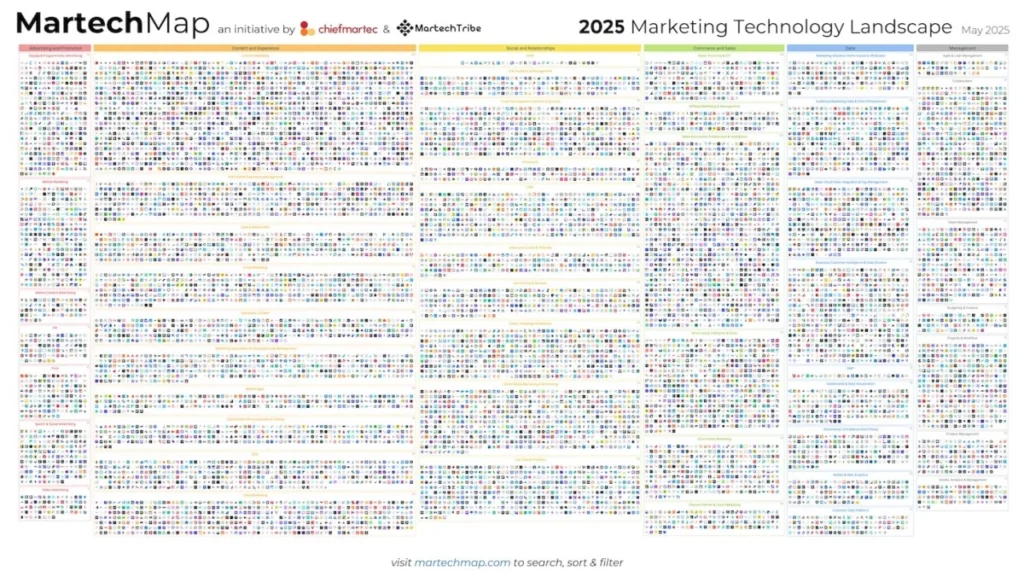
The Martech Explosion: 15,384 Solutions and the Rise of the ‘Hypertail’
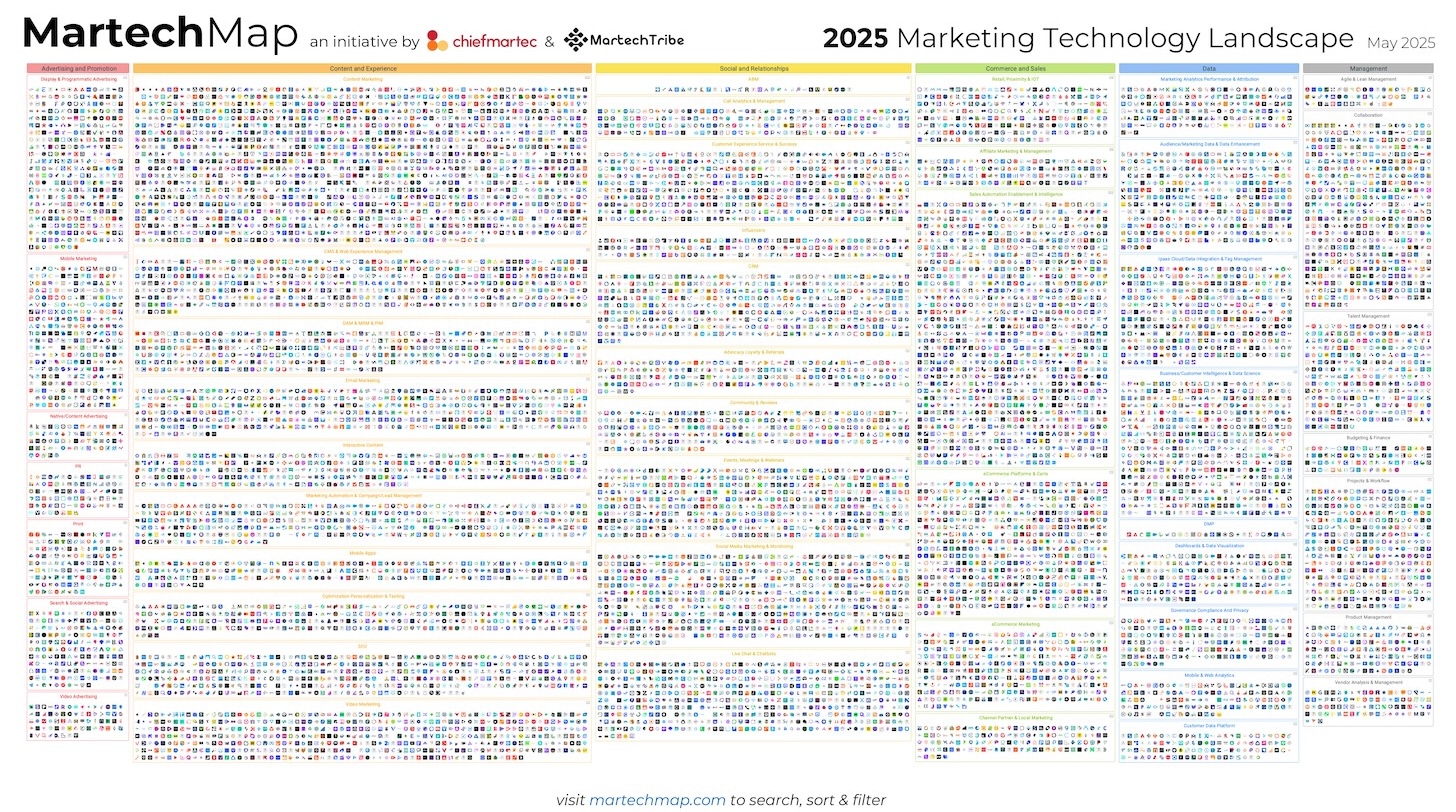
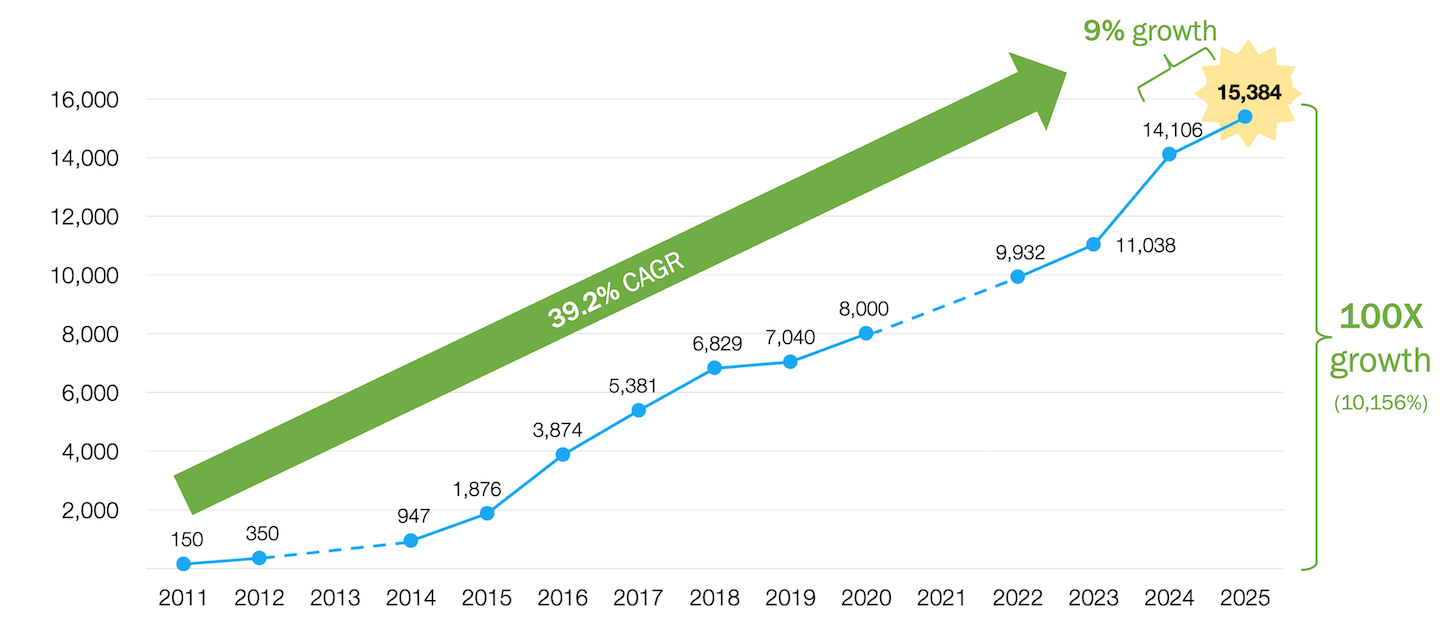
The landscape of marketing technology has officially hit a new milestone. According to the State of Martech 2025 report, the global marketing technology ecosystem has expanded to 15,384 distinct solutions. This represents a 9% year-over-year increase, continuing a relentless upward trajectory that has defied repeated predictions of market saturation and consolidation.
While the headline number of 15,384 is staggering, the story behind these figures is one of profound structural evolution. We are witnessing a transition from a centralized era of monolithic software suites to a decentralized, AI-driven environment characterized by both massive consolidation of legacy tools and an unprecedented proliferation of "hypertail" custom applications.
A Chronology of Growth: From 150 to 15,000+
To understand the current state of martech, one must look back to the origin of the industry’s most famous visualization. Fifteen years ago, Scott Brinker, editor of chiefmartec.com, introduced a single slide to a room of Chief Marketing Officers to illustrate the "Rise of the Marketing Technologist." At the time, marketing was just beginning to pivot toward a technology-integrated discipline—a concept that felt radical in an era before the widespread adoption of cloud-native marketing stacks.
In 2011, the first official marketing technology landscape was published, featuring a mere 150 solutions across a handful of categories. Since then, the market has expanded by a staggering 10,156%.
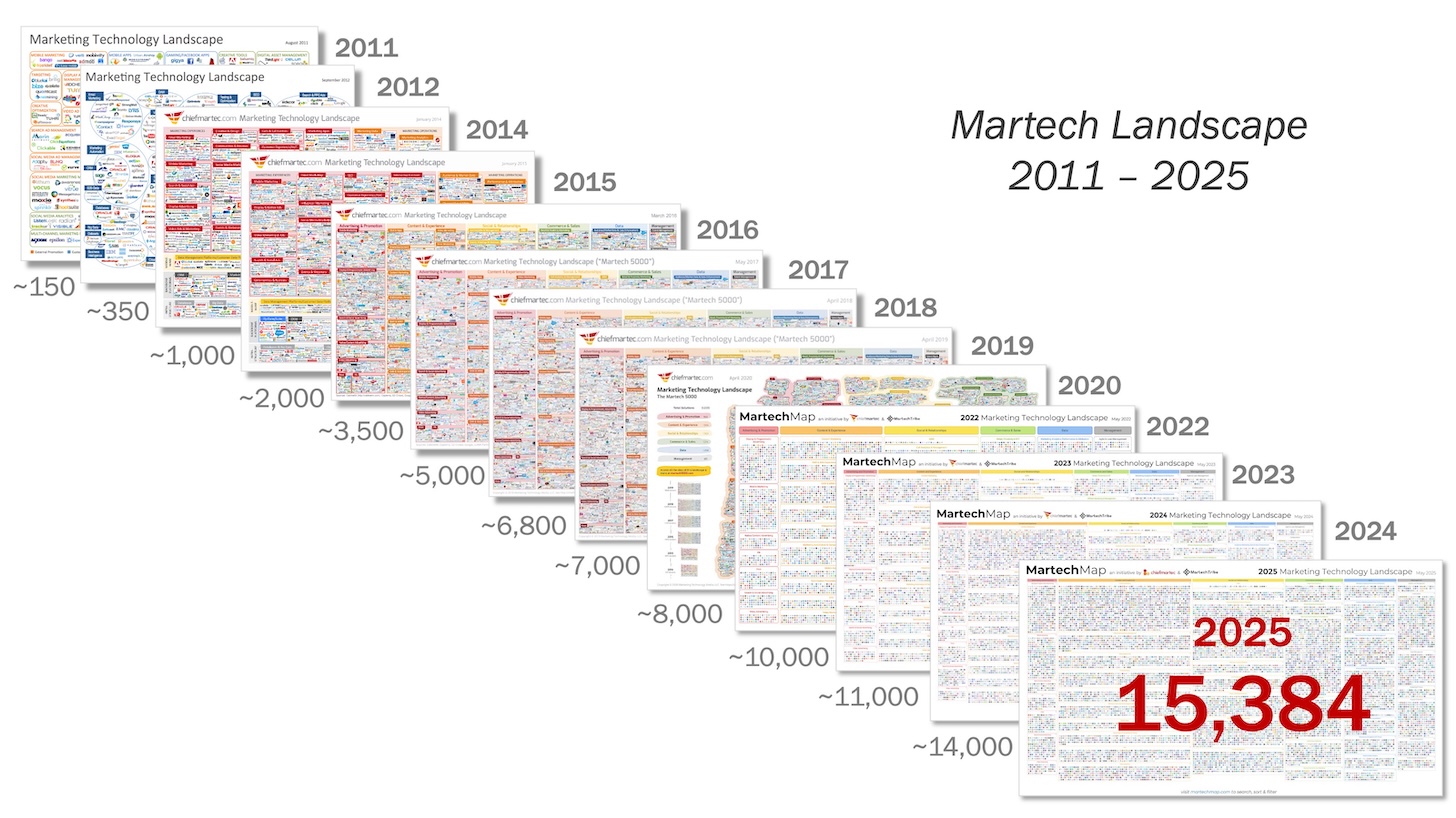
- 2011: The inaugural landscape tracks 150 solutions.
- 2014–2018: The "Gold Rush" era; martech grows by thousands of vendors as SaaS becomes the default business model.
- 2021–2023: Despite economic headwinds, AI-native products begin to flood the market, causing a surge in content and sales-focused tooling.
- 2025: The landscape reaches 15,384 products, with 49 distinct categories, marking a 100x increase from the inception of the project.
Supporting Data: The Anatomy of Market Dynamics
The growth of the 2025 landscape was not merely an accumulation of new logos. The researchers behind the report—led by Scott Brinker and Frans Riemersma—evaluated 11,133 new candidates, ultimately qualifying only 2,489 for inclusion. This rigorous vetting process highlights the selective nature of the current market.
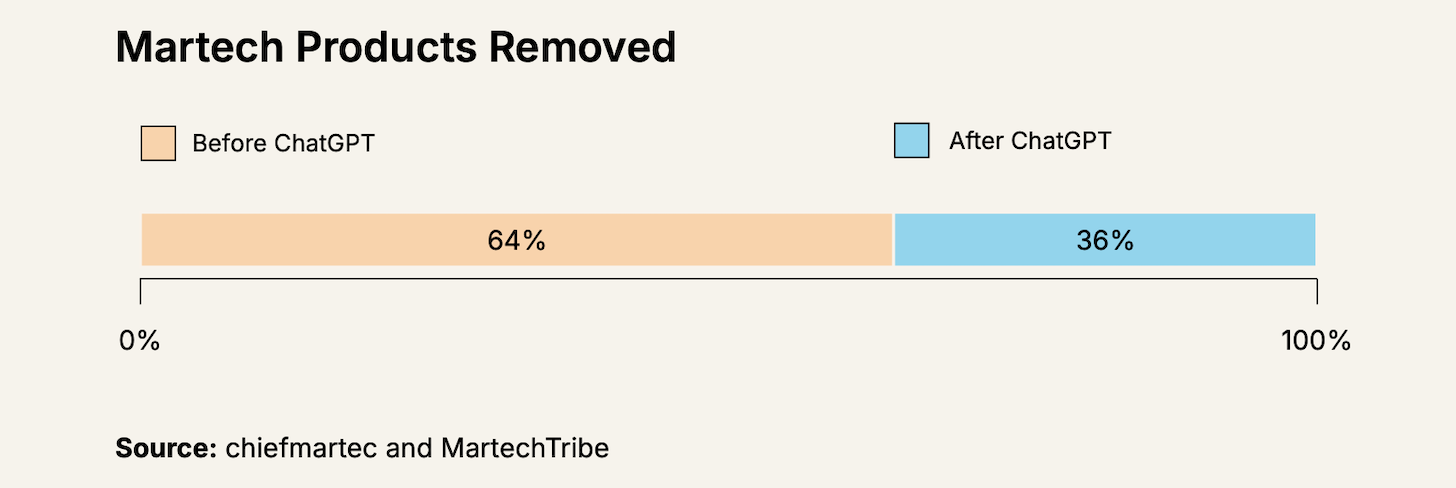
Crucially, the landscape also saw a significant "pruning" effect. A total of 1,211 products were removed from the previous year’s list, representing an 8.6% churn rate. Interestingly, two-thirds of these exits were legacy products from the 2010–2020 era. This provides empirical evidence that the "consolidation phase" is finally taking hold among the older guard of marketing software, even as new AI-native startups continue to emerge.
Growth by Sector
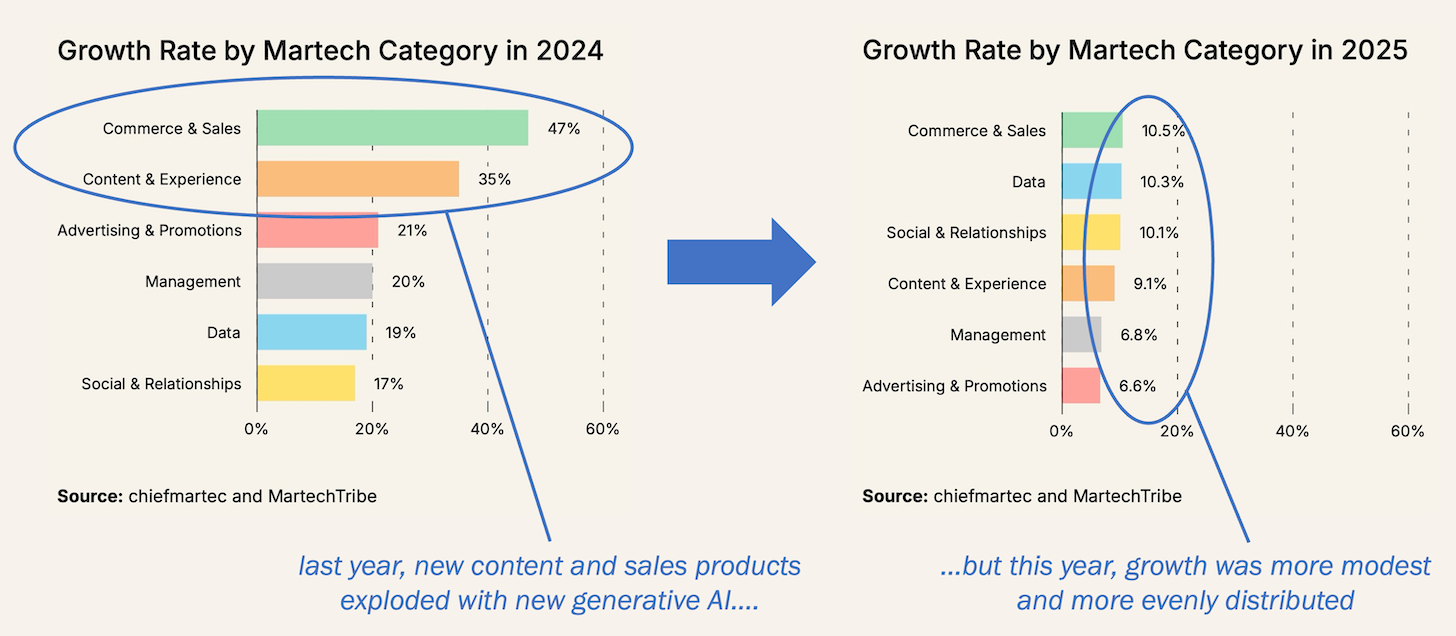
While last year saw an explosive 35% to 47% growth in content and sales-specific tools—largely driven by the arrival of generative AI—the 2025 data shows a more measured, distributed growth. Each of the six major martech domains experienced a steady 7% to 10% increase. A notable outlier was the SEO category, which grew by 24% (from 212 to 262 products), proving that despite rumors of its demise, SEO is evolving into "AI Optimization" (AIO) as brands scramble to stay relevant in the age of LLM-based search.
The Shifting Center: Where Does the Data Live?
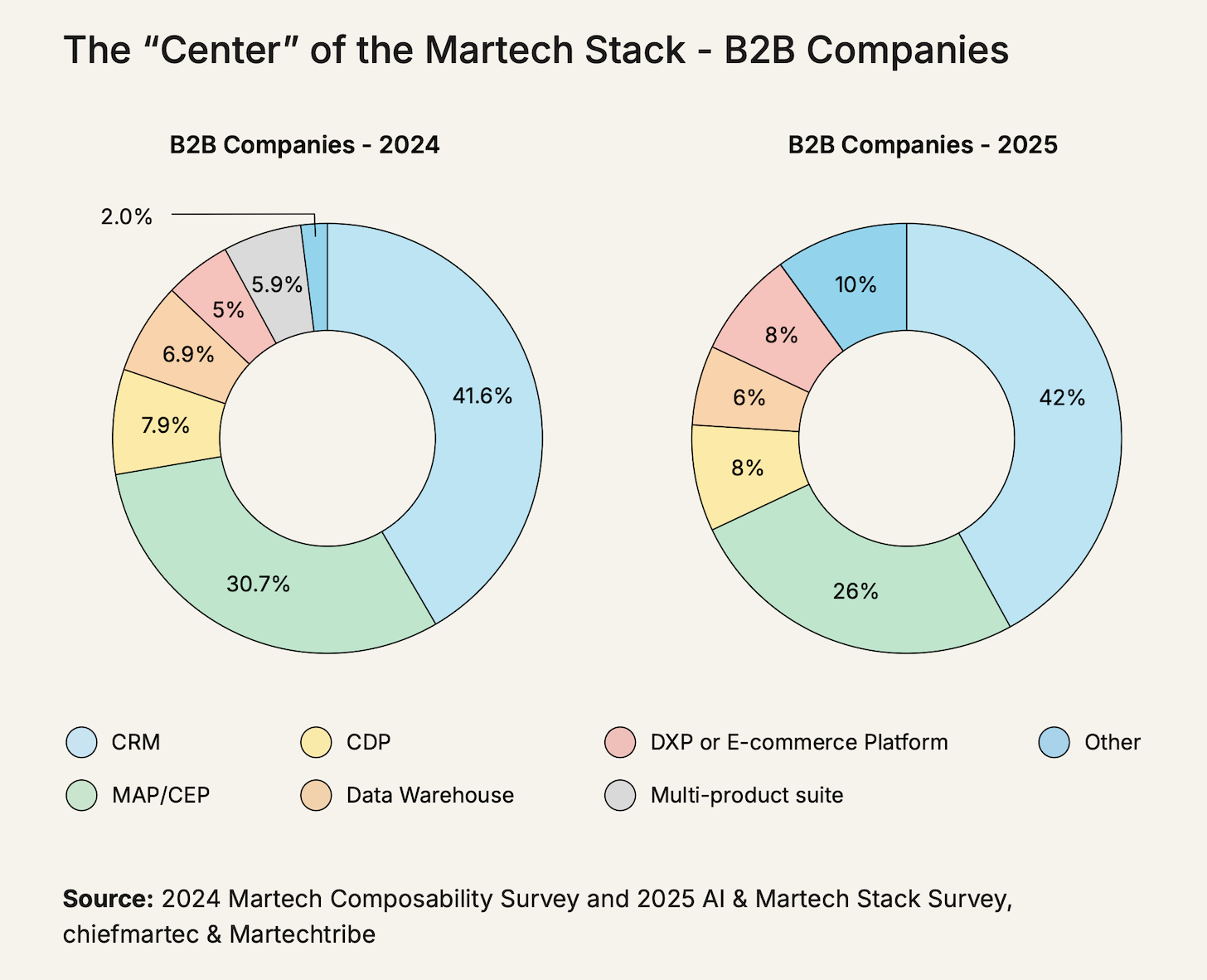
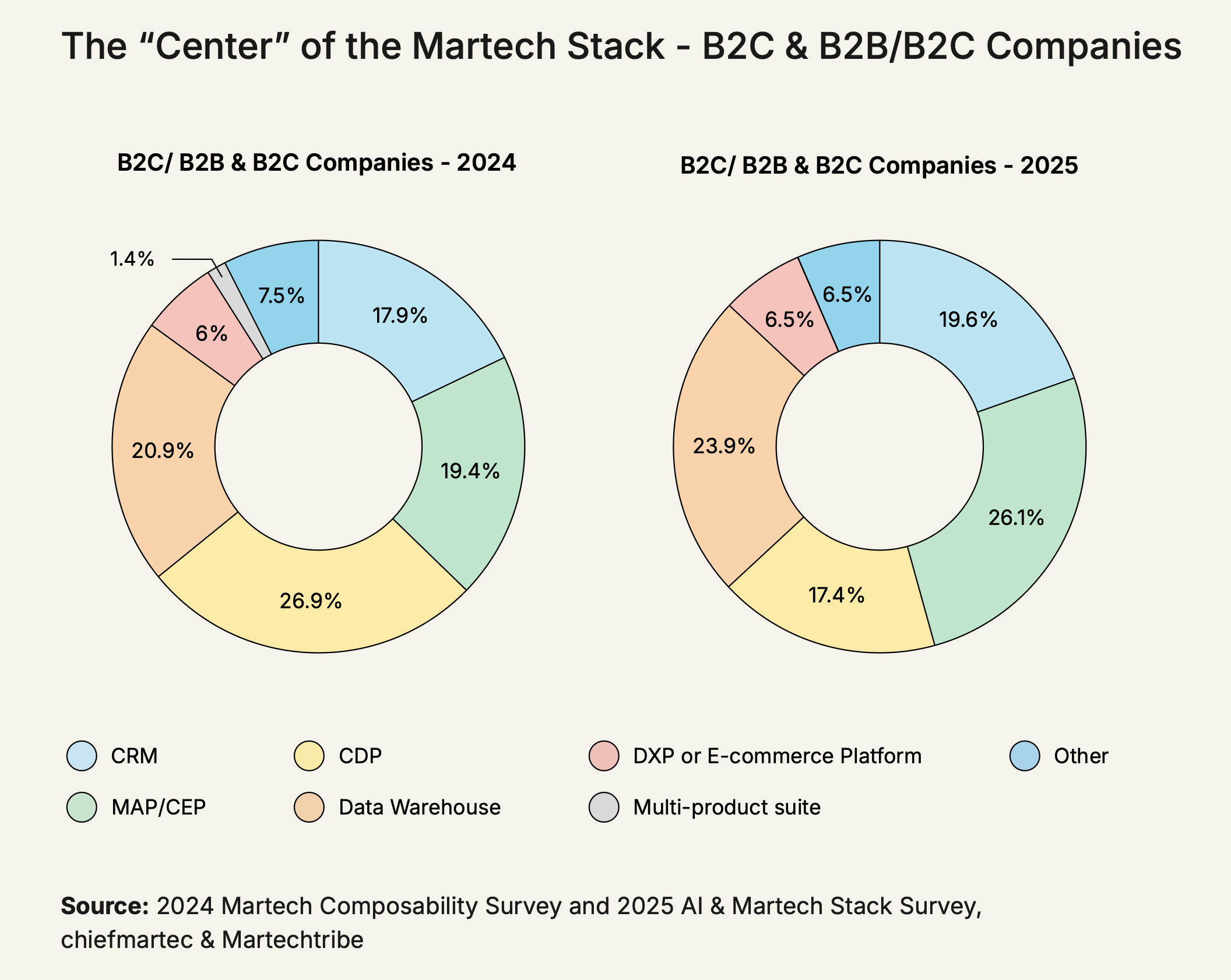
The report also sheds light on the internal architecture of modern marketing organizations. For B2B firms, the "center of gravity" remains stable, with most teams anchored by either their Customer Relationship Management (CRM) or Marketing Automation Platform (MAP).
However, the B2C sector is undergoing a tectonic shift. Customer Data Platforms (CDPs) have seen a decline in perceived centrality, dropping from 26.9% to 17.4% in survey responses. This decline does not suggest that CDPs are failing, but rather that their functionality is being "unbundled" or re-integrated into other layers.
- The Data Layer: Cloud data warehouses have risen in prominence (growing from 20.9% to 23.9% as the center).
- The Engagement Layer: MAPs and Customer Engagement Platforms (CEPs) have expanded to fill the void, suggesting that marketers prefer to act on data directly within their engagement tools rather than routing it through a separate, middle-tier CDP.
The "Hypertail": The Next Frontier
Perhaps the most transformative finding of the 2025 report is the emergence of the "hypertail"—a vast, invisible ecosystem of custom-built applications. While the 15,384 solutions on the landscape represent commercial, off-the-shelf software, these are increasingly being augmented by custom apps built on low-code/no-code platforms.
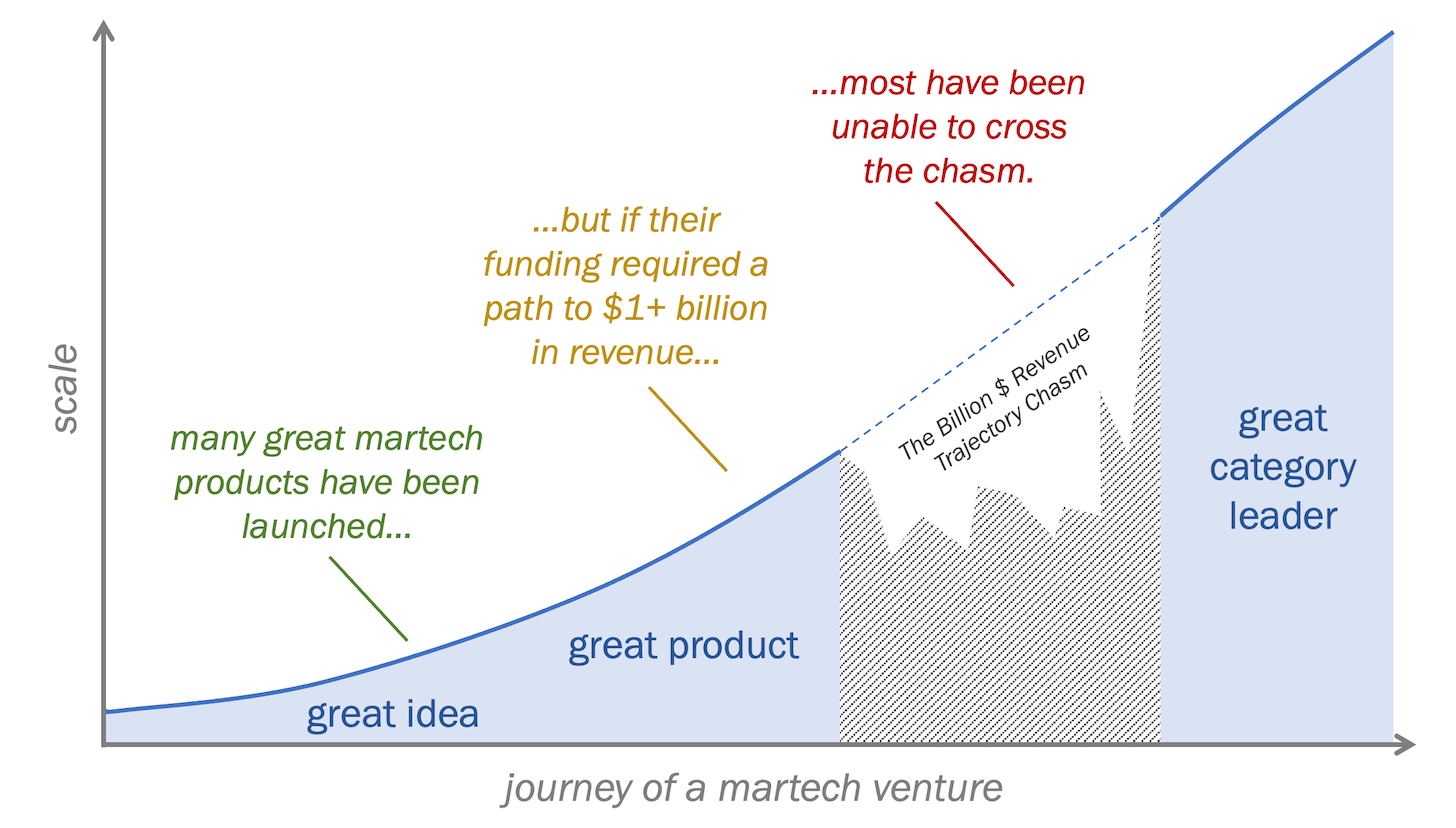
The catalyst for this is the democratization of development through generative AI. Developers and "citizen developers" alike are now utilizing AI assistants to build lightweight, purpose-specific applications in hours rather than months. This phenomenon, often referred to as "vibe coding," allows marketers to solve highly specific operational bottlenecks without purchasing expensive enterprise software.
This trend mirrors the disruptive innovation patterns described by Clayton Christensen. AI is lowering the barrier to entry for software creation, allowing non-technical marketers to become creators. When one considers the billions of queries currently being handled by AI models like ChatGPT and Claude—which often generate and execute custom scripts behind the scenes—the true number of "martech" applications in use likely reaches into the trillions.
Implications for the Modern CMO
The implications of this data for modern leadership are significant. The era of the "all-in-one" suite appears to be receding in favor of a "composable" architecture. Marketing leaders must now balance three distinct layers:
- The Foundational Platform: The core CRM or Data Warehouse that maintains the "single source of truth."
- The Best-of-Breed Ecosystem: The commercial tools that provide specialized functionality (the 15,384 solutions).
- The Hypertail: The agile, custom-built applications that provide competitive differentiation.
The challenge for the Chief Marketing Officer is no longer just selecting the right vendor; it is managing the fluidity of a stack that is increasingly decentralized. As the report indicates, even as financial pressures mount, tech stacks are expanding. This suggests that marketing organizations are not necessarily looking for fewer tools, but for better integration and more automated, AI-driven orchestration of those tools.
Conclusion: The Resilience of Innovation
The 2025 Martech Landscape serves as a testament to the resilience of the industry. Despite the "death of martech" narratives that emerge every time a major platform consolidates, the sheer volume of innovation continues to accelerate. The transition from commercial software reliance to a hybrid model of commercial tools and custom-built AI agents is the new reality.
For those attempting to navigate this complexity, the full State of Martech 2025 report offers a vital roadmap. It provides a sobering look at which categories are maturing, which are in decline, and where the next wave of "hypertail" innovation is likely to emerge. In an industry where the only constant is change, the ability to integrate these 15,384+ solutions—and the trillions of custom agents they support—is the new definition of marketing excellence.
The full report, including in-depth analysis of category shifts and industry-wide benchmarks, is available for download as an ungated resource at martechday.com.
