
Navigating the Shift: A Comprehensive Guide to Managing Company Change Announcements
In the modern business landscape, change is the only constant. Whether it is a strategic rebrand, a corporate merger, a name change, or a simple update to contact infrastructure, the way a company communicates its evolution determines its future. A transition is more than a legal or aesthetic shift; it is a critical touchpoint in the lifecycle of a brand. When executed with precision, these announcements serve as a powerful tool for customer retention and market repositioning. When handled poorly, they risk alienating loyal clients and damaging hard-won brand equity.
This guide explores the strategic imperative of company change announcements, providing a framework to ensure that your next transition is perceived not as a disruption, but as an exciting evolution.
The Strategic Importance of Formal Communication
At its core, a company change announcement is a formal bridge between an organization’s past and its future. It is a vital instrument for maintaining transparency, preventing confusion, and safeguarding the trust that defines the customer relationship.
Protecting Brand Equity and Deliverability
One of the most immediate risks during a rebrand or domain change is the degradation of "sender reputation." If your customers do not recognize the name or email address hitting their inbox, they are likely to label your communication as spam. This can trigger automated filters, damaging your deliverability for future campaigns. A well-orchestrated announcement acts as a "bridge," allowing customers to map their existing relationship onto your new identity before the official switch occurs.

Minimizing Churn and Negative Sentiment
Abrupt, unexplained changes are a primary driver of customer frustration. When a customer receives an email from an unfamiliar entity, the impulse is often to unsubscribe or report the message as malicious. Providing clear context—explaining both the what and the why—significantly mitigates this risk. Data suggests that announcements providing historical context see substantially higher engagement rates and lower complaint volumes than those that simply "rip the band-aid off."
A Strategic Chronology: The Lifecycle of a Transition
Effective change management is not a singular event; it is a phased process. Successful organizations treat the announcement as a series of touchpoints rather than a one-time blast.
Phase 1: The Planning Stage (4–6 Weeks Prior)
During this phase, internal teams must define the narrative. Why are you changing? How does this benefit the customer? Prepare your creative assets—new logos, updated brand guidelines, and draft copy—ensuring consistency across all platforms.
Phase 2: The Initial Alert (2–4 Weeks Prior)
Send an initial "Heads Up" communication. This should be sent from your existing, recognized "From" address. The goal here is to establish the link between the old and the new. Use clear, concise subject lines that state the change directly.

Phase 3: The Reminder (1 Week Prior)
Target your "non-openers." If a segment of your audience missed the first email, this is your opportunity to ensure they are not blindsided on the day of the switch.
Phase 4: The "Go-Live" (The Day Of)
On the day of the transition, send a confirmation email. This should focus on the immediate action required by the user, if any (e.g., updating a bookmark, whitelisting a new domain).
Phase 5: Post-Transition Support (1–4 Weeks After)
Monitor your support channels for an influx of questions. Use this time to address FAQs and reinforce the brand’s commitment to the customer. After roughly a month, you can begin to phase out transition-specific messaging.
Executing the Announcement: A Seven-Step Framework
1. Lead with Clarity in the Subject Line
Your subject line is the most important element of your announcement. Avoid cleverness in favor of clarity.

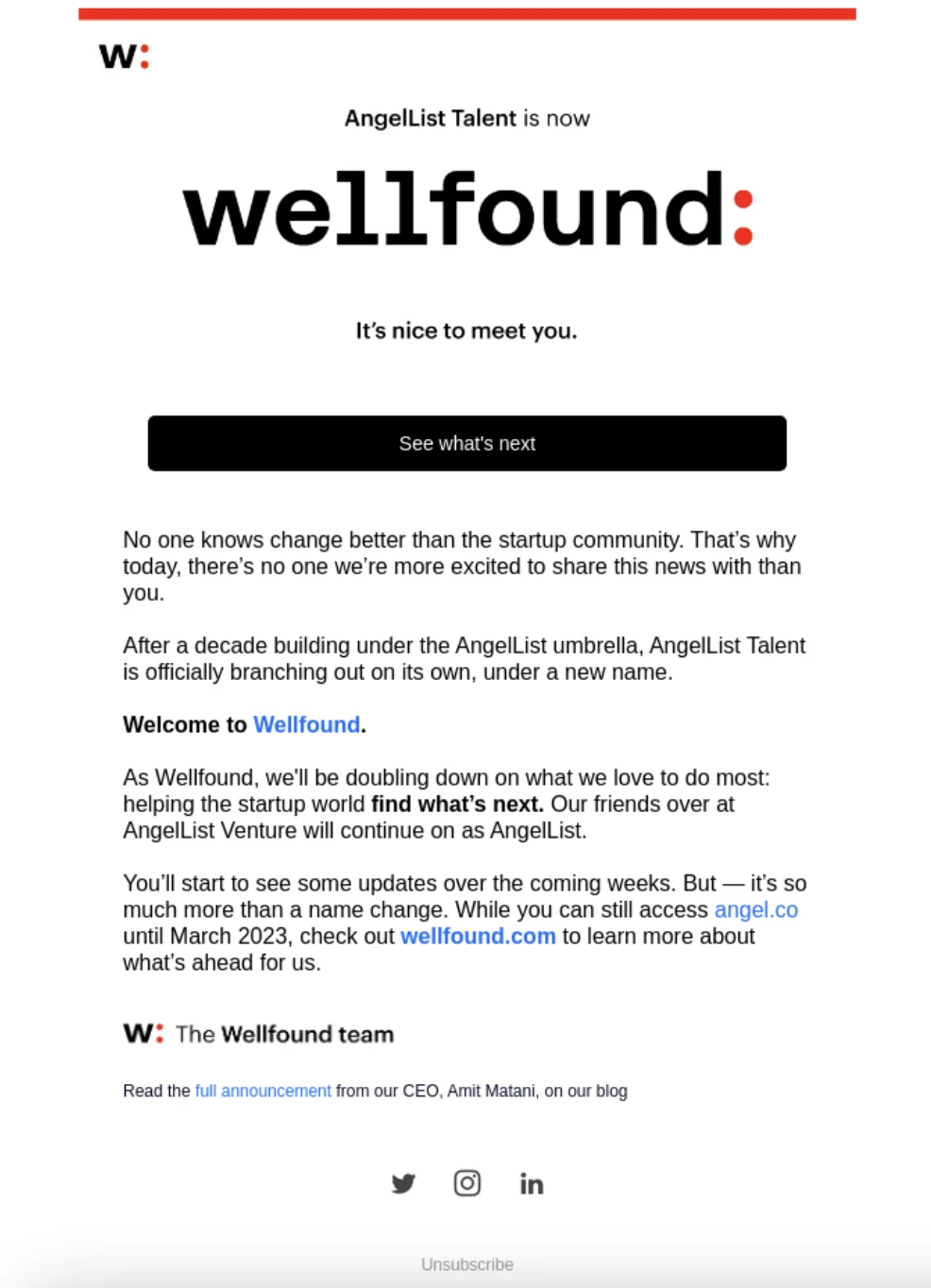
- Name change: "[Old Name] is now [New Name]"
- Merger: "Exciting news: [Company A] and [Company B] are joining forces"
- Contact change: "Important: Our email address is changing"
2. Leverage Your Recognized Sender Identity
Always send the first announcement from the email address your customers already trust. Do not switch to a new domain in the middle of an announcement campaign. Transitioning the "From" name gradually allows customers to associate the two entities as one.
3. Articulate the "What" and the "Why"
Be specific. Customers need to know what is changing (the brand name, the physical address, the domain) and what is staying the same (the service quality, the support team, the core mission).
4. Address Potential Concerns Proactively
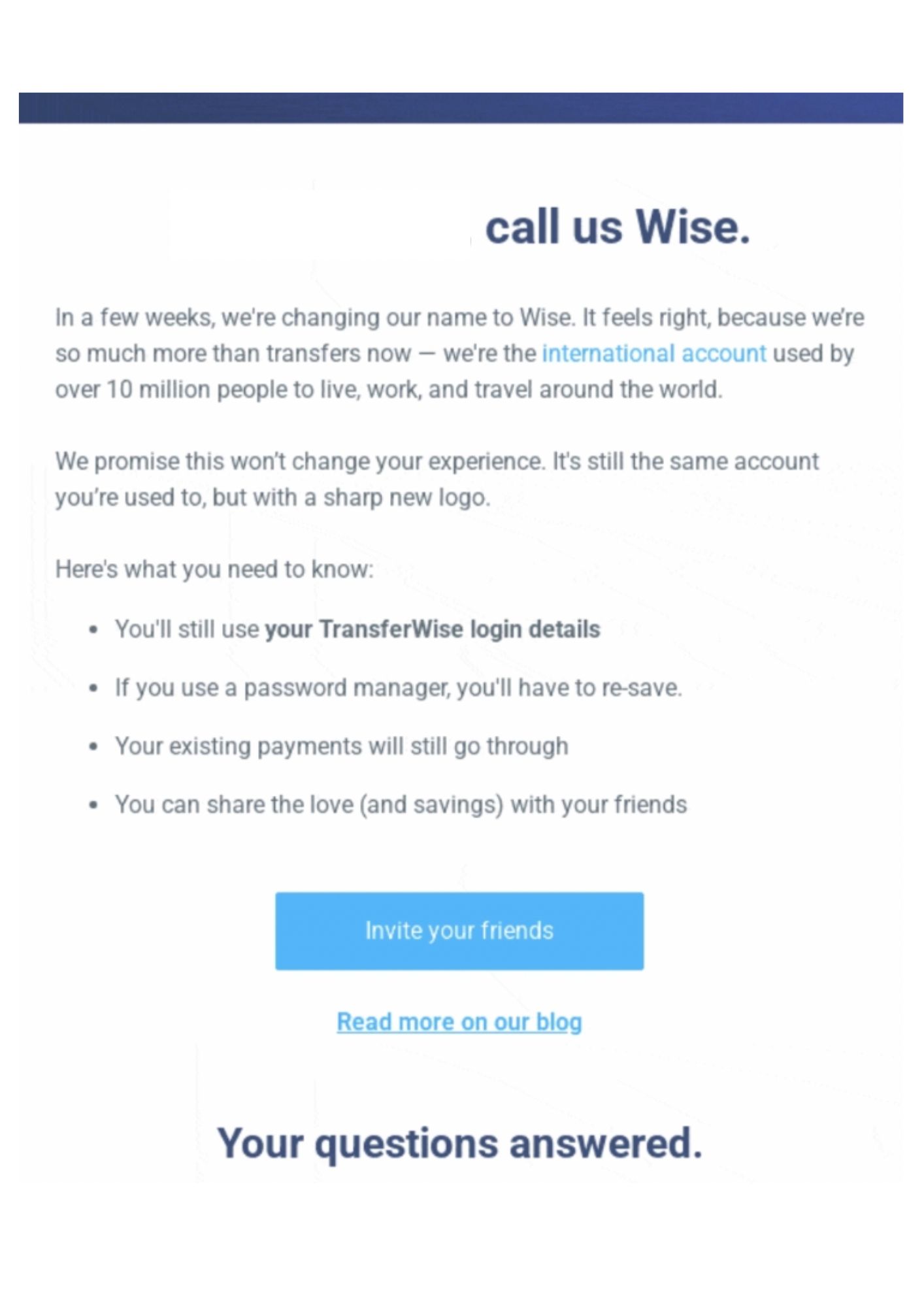
Anticipate the customer’s worries. Will their account be affected? Do they need to update payment information? Are they losing access to historical data? A brief FAQ section within the email can prevent a flood of support tickets and reduce customer anxiety.
5. Showcase the New Identity
For rebrands, introduce the new visual identity prominently. However, ensure that visual markers of your previous brand are present so that the transition is visually coherent. Think of it as a "Formerly known as…" signal.
6. Provide a Clear Call-to-Action (CTA)
Every communication needs a purpose. Whether it is to "Read the Full Announcement," "Explore the New Site," or simply "Whitelist our New Email," ensure your CTA is distinct and compelling.
7. Plan for Multi-Channel Synchronization
Email is the cornerstone, but it cannot stand alone. Synchronize your message across social media, your website, and in-app notifications. If you have an app, use push notifications to ensure the message reaches users who may not check their email regularly.
Handling Customer Concerns: The "Professional Response" Toolkit
Even the most thorough announcement will invite questions. Preparing your customer service team with scripted, empathetic responses is vital.
- The "Unrecognized Sender" query: Acknowledge their caution. "We understand the concern. We recently rebranded from X to Y to better serve our growing community. We appreciate you taking the time to verify this."
- The "Why" query: Connect the change to the customer. "We are evolving to offer you faster service and more robust features. Our core values and team remain exactly the same."
- The "Action Required" query: Be direct. "No action is required on your part. Your account and data are safe and fully migrated."
Implications and Measuring Success
The success of a company change announcement should be measured through both quantitative and qualitative metrics.

Email Analytics:
- Open Rate: Are your existing customers seeing the news?
- Click-Through Rate: Are they clicking to learn more?
- Unsubscribe Rate: Did the announcement trigger a mass exodus? (If so, the messaging may have been too abrupt or lacked clarity).
Business Metrics:
- Support Ticket Volume: A spike in tickets regarding "who are you?" indicates an ineffective announcement.
- Conversion Rate: Are users successfully navigating the new site or domain?
Long-Term Indicators:
- Brand Sentiment: Use social listening tools to monitor how the public is receiving the change.
- Customer Lifetime Value (CLV): Monitor if churn rates increase following the transition.
The Bottom Line: Turn Change into Opportunity
A company transition is a high-stakes moment, but it is also an opportunity to re-engage your audience and showcase your company’s growth. By prioritizing transparency, maintaining a familiar sender reputation, and ensuring a multi-channel approach, you can turn a potentially disruptive event into a milestone of progress.
Remember the golden rule of corporate communication: Change is inevitable, but confusion is optional. By guiding your customers through the transition with clear, empathetic, and timely communication, you do more than just announce a change—you reaffirm your commitment to the people who make your business possible.
Disclaimer: This guide provides general information regarding communication strategies and should not be construed as legal, financial, or tax advice. Always consult with professional advisors before finalizing corporate transitions.
