
The Science of Precision: A Comprehensive Guide to Email A/B Testing for Modern Marketers
In the hyper-competitive landscape of digital marketing, intuition is no longer a viable strategy. As inboxes become increasingly crowded, the difference between a high-converting campaign and a message that languishes in the “Promotions” tab often comes down to minute details. This is where email A/B testing—the systematic process of comparing two versions of an email to determine which performs better—becomes an indispensable tool for marketing professionals.
By isolating variables and measuring recipient behavior with mathematical rigor, A/B testing allows teams to move beyond guesswork, transforming raw data into actionable insights that drive revenue, engagement, and long-term brand loyalty.
What Is Email A/B Testing?
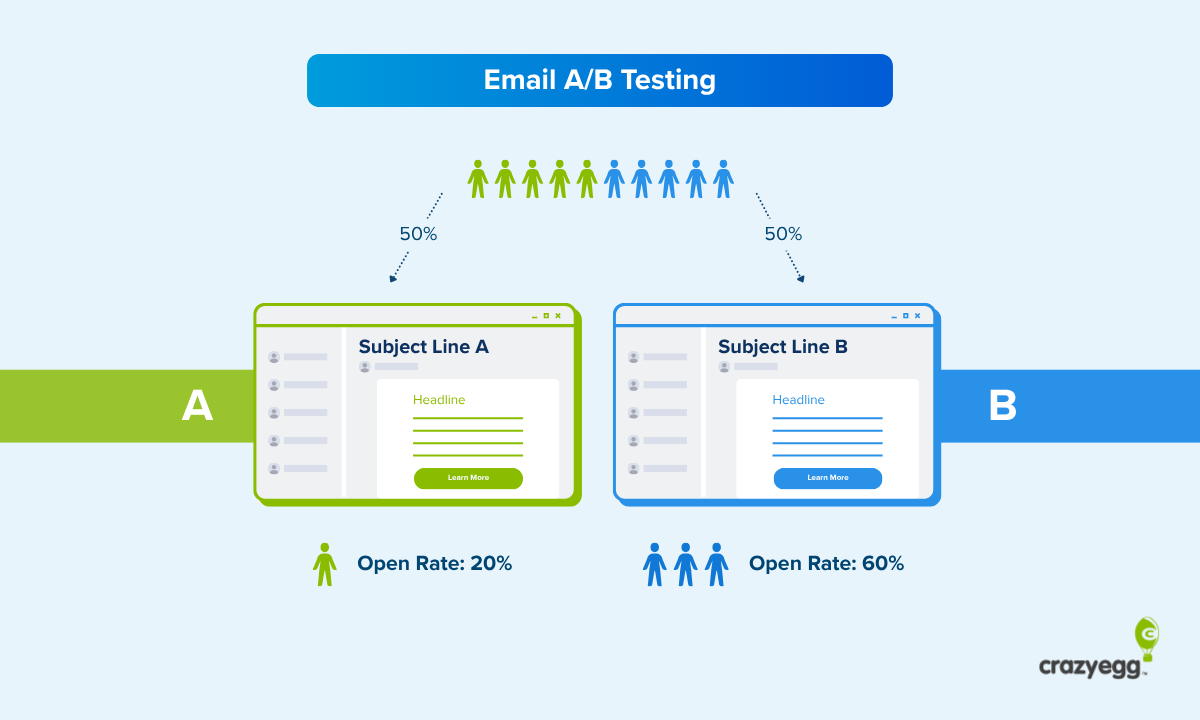
Email A/B testing, frequently referred to as split testing or bucket testing, is a controlled experimental method. At its core, it involves sending two distinct versions of an email—Version A (the control) and Version B (the variant)—to two randomly selected, mutually exclusive segments of an audience.
The “control” represents the baseline, while the “variant” introduces a single, deliberate change. This could range from a rewritten subject line to a different button color or an entirely new value proposition. Because email engagement is highly quantifiable—recipients either open, click, ignore, or unsubscribe—it provides a sterile environment for testing that is arguably more accurate than social media or web traffic analysis.
Chronology of an Effective Email A/B Test
To achieve reliable, reproducible results, marketers must follow a structured, nine-step experimental lifecycle:
- Define the Hypothesis: Never test for the sake of testing. Begin with a clear question, such as: “Does a benefit-driven subject line lead to a higher open rate than a curiosity-driven one?”
- Select the Variable: Choose only one element to test at a time. Changing multiple elements simultaneously creates "noise," making it impossible to attribute the results to a specific change.
- Determine the Segment: Select a representative sample size from your contact list. Ensure the segments are randomized to avoid demographic or behavioral bias.
- Establish Success Metrics: Decide beforehand what defines a “win.” Is it the open rate, click-through rate (CTR), or the final conversion/purchase rate?
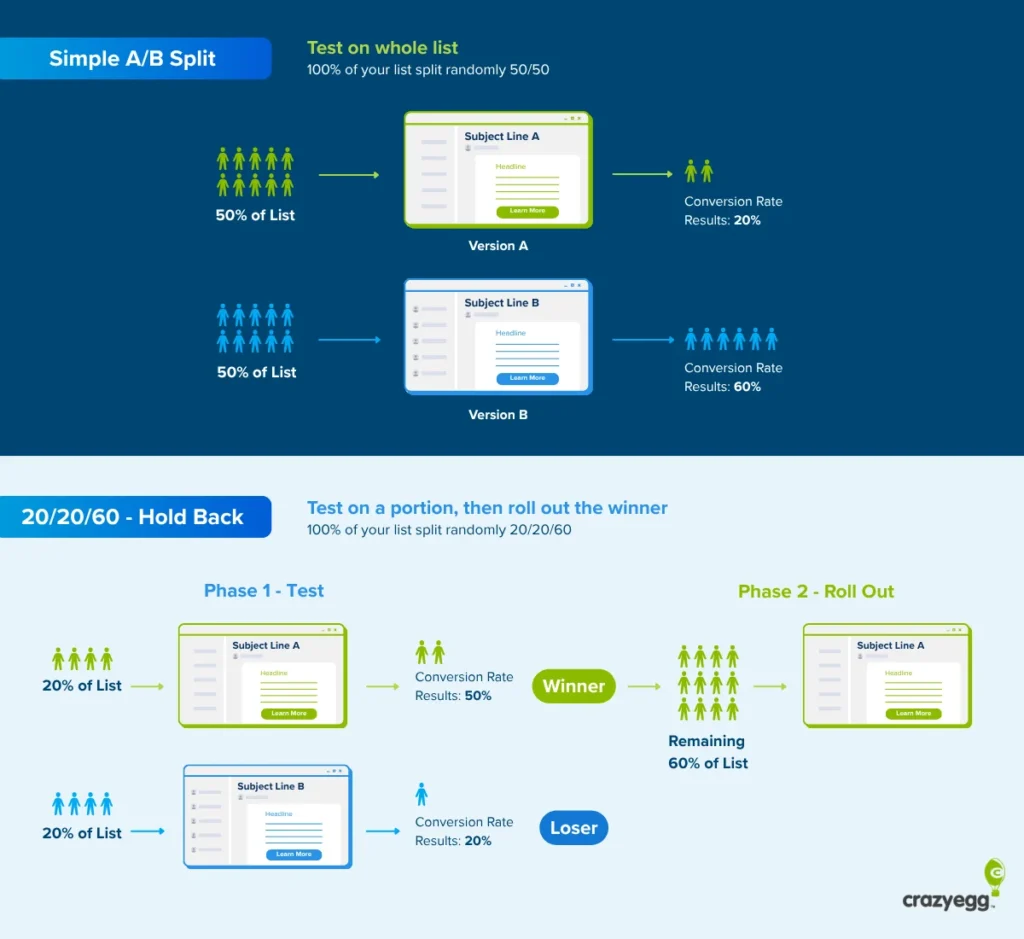
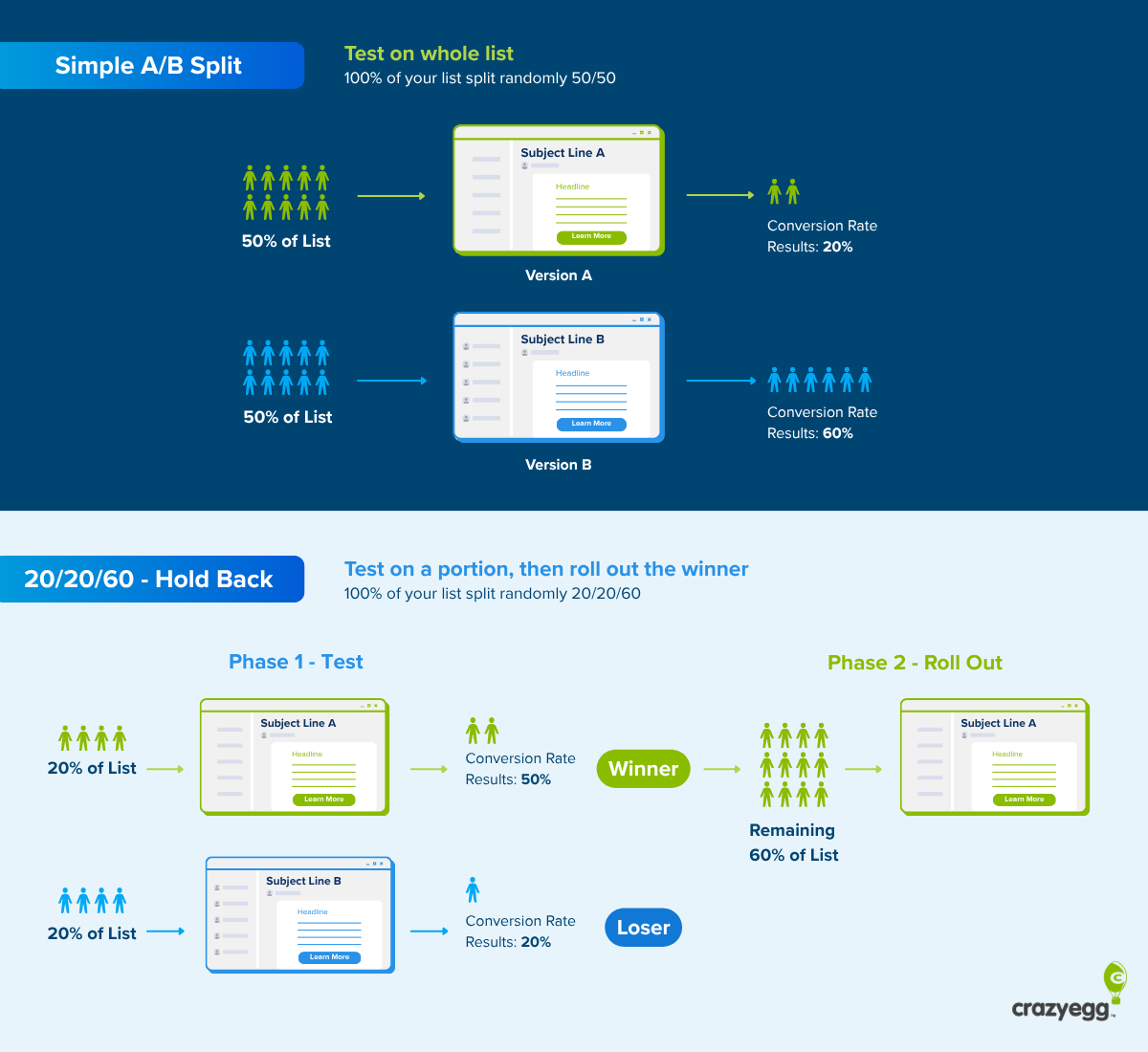
- Choose the Split Strategy: Decide if you will split your entire list 50/50, or use a “winner-takes-all” approach where a small sample (e.g., 20%) is tested first, and the winning version is sent to the remaining 60%.
- Run the Test: Launch the campaigns simultaneously to ensure external factors (like time of day or major news events) do not skew the data.
- Monitor and Collect Data: Allow sufficient time for the test to reach statistical significance.
- Analyze the Results: Compare the performance against your initial hypothesis.
- Apply and Iterate: Roll out the winning element to future campaigns and use the findings to inform your next hypothesis.
Supporting Data: What to Test (and What to Ignore)
Not all variables are created equal. Marketing resources are finite, and testing should focus on high-impact levers that move the needle.
The High-Impact Levers
- Subject Lines: The most critical factor for open rates. Test the use of emojis, personalization, length, and tone.
- Call-to-Action (CTA): The primary driver of conversion. Test button copy (e.g., "Get My Guide" vs. "Download Now"), button color, and placement.
- Offer/Value Proposition: Does a 20% discount perform better than free shipping? This directly impacts your bottom line.
- Sender Name: Does an email from "John at Company X" perform better than simply "Company X"?
Low-Impact Tweaks (Use Sparingly)
Small cosmetic adjustments, such as font size, background colors, or image placement, are often distractions. These should only be tested if you possess a massive email volume that allows for high-velocity, high-significance testing. For smaller lists, focusing on these minor details will likely result in a waste of time without providing meaningful data.
Ensuring Results You Can Trust: The Math of Marketing
A common pitfall in email marketing is declaring a "winner" too early. To ensure your results are valid, you must move beyond vanity metrics and focus on statistical significance.
The A/A Test Validation
Before running a major experiment, perform an A/A test. This involves sending two identical emails to two different groups. If one group significantly outperforms the other, your testing platform or methodology is flawed. It indicates a bias in your list segmentation or tracking software that must be rectified before actual testing begins.
Statistical Significance
The industry standard is a 95% confidence level, meaning there is less than a 5% probability that your results occurred by chance (a p-value of <0.05). If your testing tool shows 75% confidence, it is merely a directional indicator, not a definitive conclusion. To reach true significance, aim for a sample size of at least 1,800 to 10,000 recipients per variant, depending on your baseline conversion rate.
The Role of AI in Modern Experimentation
Artificial Intelligence has revolutionized the speed at which marketers can test. Modern platforms like HubSpot, Klaviyo, and Mailchimp have integrated generative AI to handle the labor-intensive aspects of testing.
- Asset Generation: AI can draft dozens of variations for subject lines and CTA copy, allowing marketers to test a wider array of psychological triggers without the heavy manual labor.
- Predictive Analytics: AI models can now analyze historical subscriber behavior to score contacts, predicting exactly when a user is most likely to open an email. This allows for “AI-led segmentation,” where the system sends the email to different segments at different times, optimizing the likelihood of conversion.
Implications: The Ethics and Risks of Testing
While testing is a powerful tool, it carries risks if handled carelessly. Marketers must monitor unsubscribe rates and spam complaints as closely as they monitor open rates. A test that drives a 10% increase in clicks but leads to a 2% spike in unsubscribes is a failure.
Furthermore, "testing fatigue" is a real phenomenon. If you test your audience too frequently with low-value experiments, you risk annoying your subscribers, leading to list decay. Always ensure that the testing process provides value to the user, not just the data scientist.
Frequently Asked Questions
Q: How do I test without an enterprise ESP?
If you lack a sophisticated Email Service Provider (ESP), you can use add-ons like Gmass for Gmail, which automates split testing. Alternatively, manually split your list using spreadsheet randomization and use UTM parameters in your links to track results within Google Analytics.
Q: What if my list is too small?
If your list is under a few thousand subscribers, forget about formal statistical significance. Focus on "sequential testing"—send Version A one week and Version B the next. While not scientifically perfect, it will provide directional insights that are better than no testing at all.
Q: A/B vs. Multivariate Testing: What’s the difference?
A/B testing is surgical; you change one thing to see its specific impact. Multivariate testing changes multiple elements (e.g., subject line, image, and CTA) to see which combination performs best. Multivariate testing is powerful but requires massive traffic volumes to achieve valid results, making it impractical for most mid-sized businesses.
Conclusion
Email A/B testing is the bridge between creative intuition and data-driven success. By adhering to a rigorous methodology—starting with clear hypotheses, ensuring statistical significance, and leveraging AI for efficiency—marketers can transform their email programs from simple broadcasting tools into precision-targeted revenue engines. Remember: the goal is not to win the test, but to learn from the test.
