
The Digital Campus: Mastering Social Media Strategy for Higher Education in 2026
In the modern academic landscape, the ivory tower has gone digital. As we navigate 2026, the traditional methods of university marketing—brochures, campus tours, and static websites—are no longer the primary drivers of institutional growth. Today, the reputation of a college or university is forged in the digital fires of social media. For administrators, recruiters, and communications teams, mastering these platforms is no longer a "nice-to-have" peripheral task; it is a fundamental pillar of institutional success.

Main Facts: The New Enrollment Frontier
The shift toward social-first engagement is driven by cold, hard data. According to recent research from RNL, 56% of prospective students identify social media as the most influential factor when they are in the initial stages of exploring colleges. This discovery phase occurs long before a student ever sets foot on campus for a physical tour or submits an application.

The implications are clear: the "digital front door" of an institution is its social media presence. If a university’s social footprint is outdated, overly formal, or disconnected from the lived experience of its students, it risks losing prospective applicants before the enrollment process even begins. Furthermore, in 2026, students are increasingly prioritizing institutions that align with their personal values. Social media serves as the primary lens through which they evaluate these institutional ethics, whether through faculty research highlights, sustainability initiatives, or student-led activism.
Chronology of the Social Shift
The evolution of higher education social media has been marked by three distinct phases:
- The Broadcast Era (2010–2016): Universities treated social platforms like digital press releases. Content was top-down, highly polished, and primarily used for broadcasting announcements and event recaps.
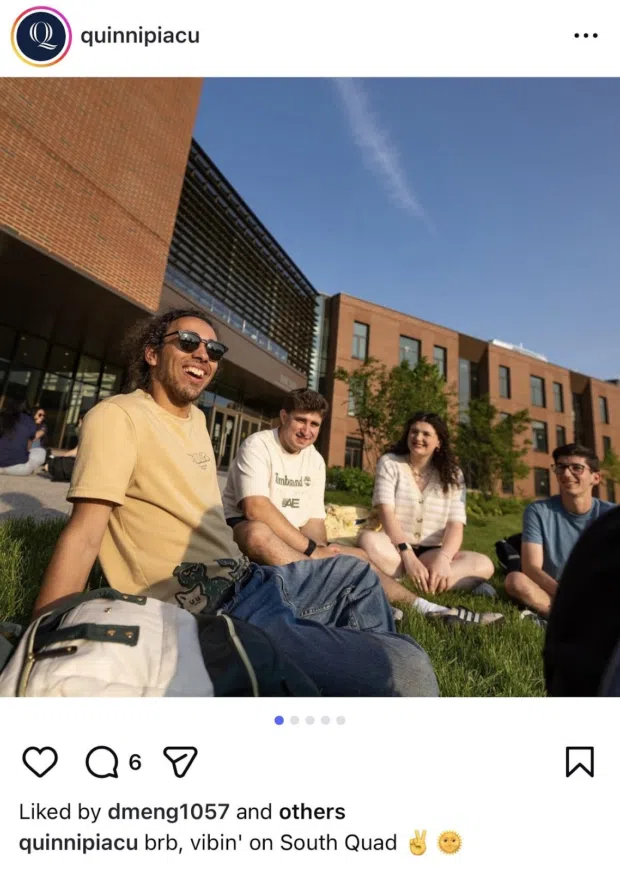
- The Community Era (2017–2022): Institutions began to recognize the power of peer-to-peer connection. The rise of student ambassadors and influencer-style content marked a pivot toward more relatable, human-centric storytelling.
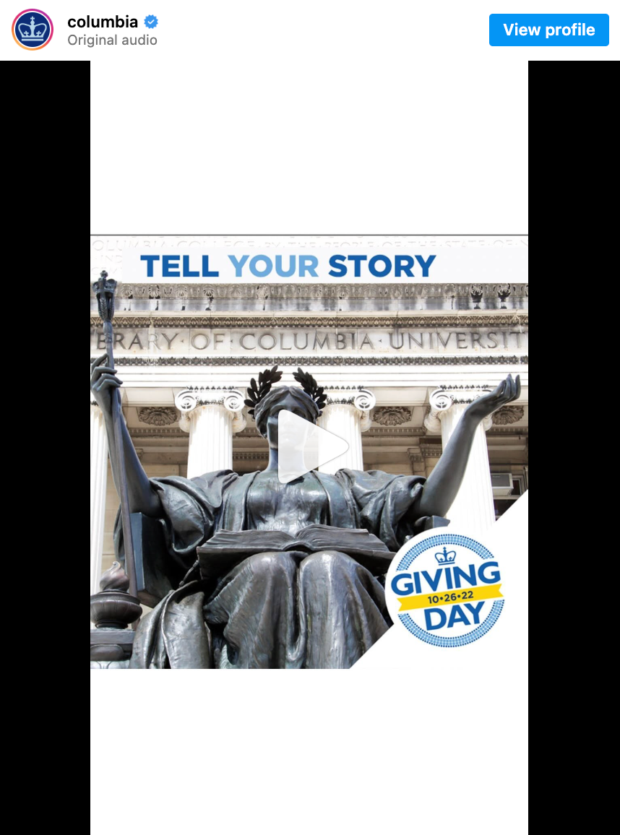
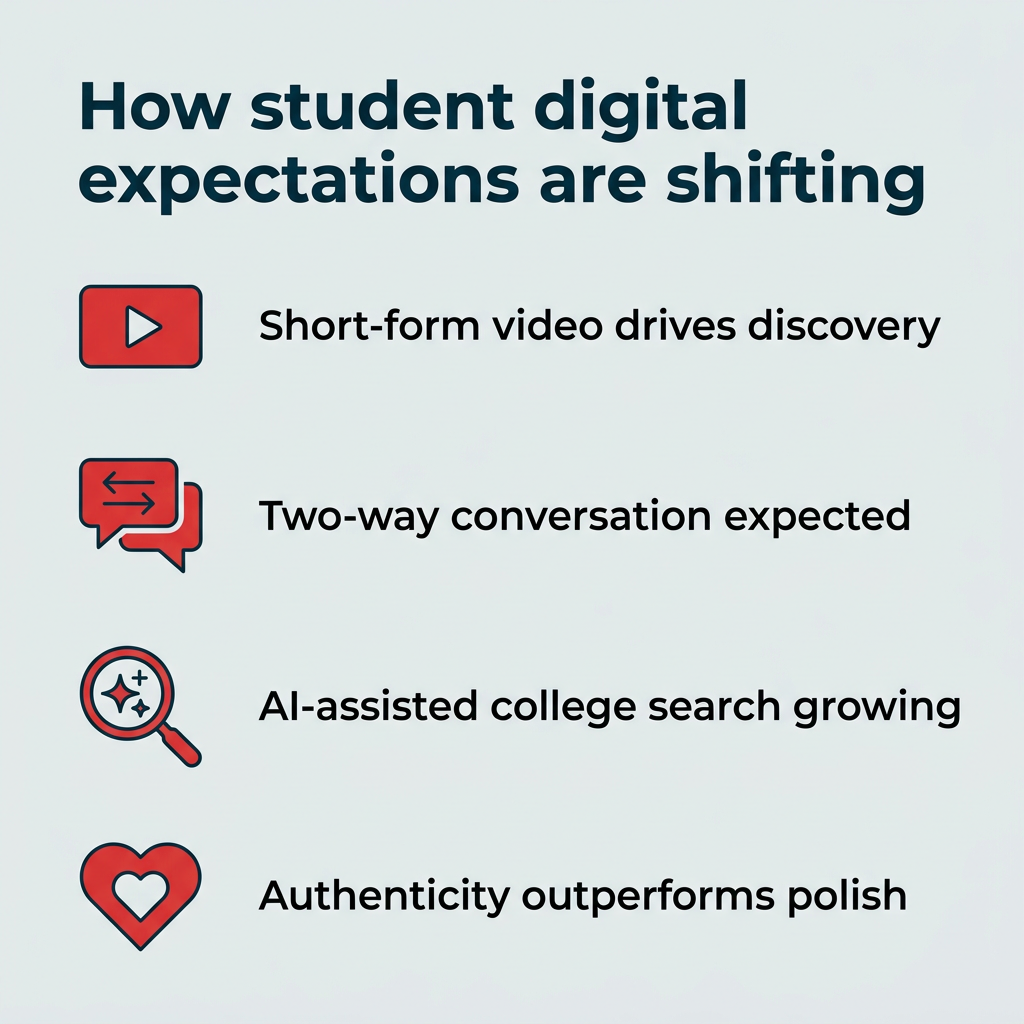
- The Authenticity and AI Era (2023–Present): In 2026, the pendulum has swung toward radical authenticity. Gen Z and Gen Alpha students possess high "BS detectors." They reject corporate-speak in favor of raw, unpolished, short-form video content that offers a "day-in-the-life" perspective. Simultaneously, institutions are integrating AI-powered listening tools to decode student sentiment in real-time, allowing for proactive crisis management and personalized engagement.
Supporting Data: Why Platforms Matter
The efficacy of a social strategy depends entirely on platform-audience alignment. A "one-size-fits-all" approach is a recipe for failure.
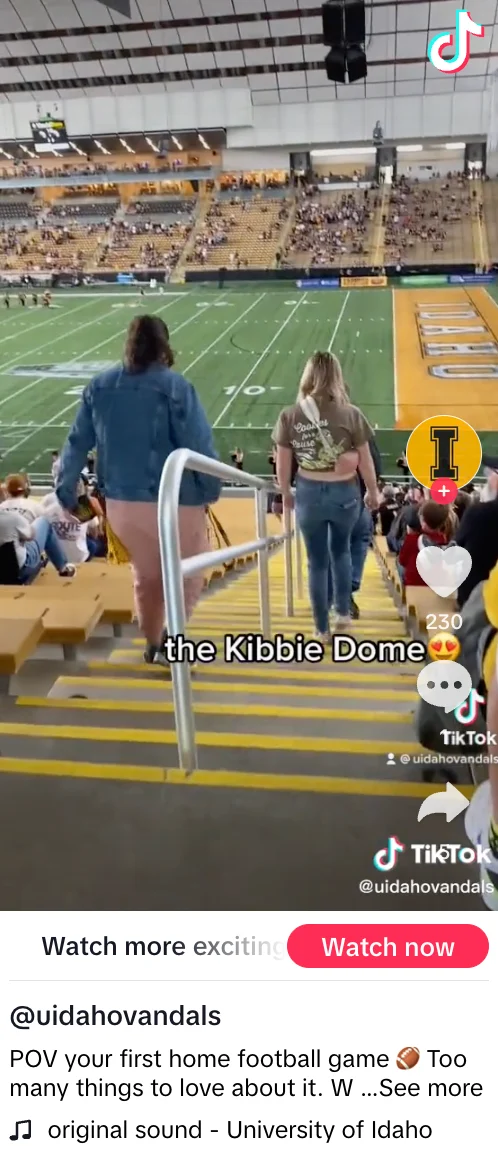
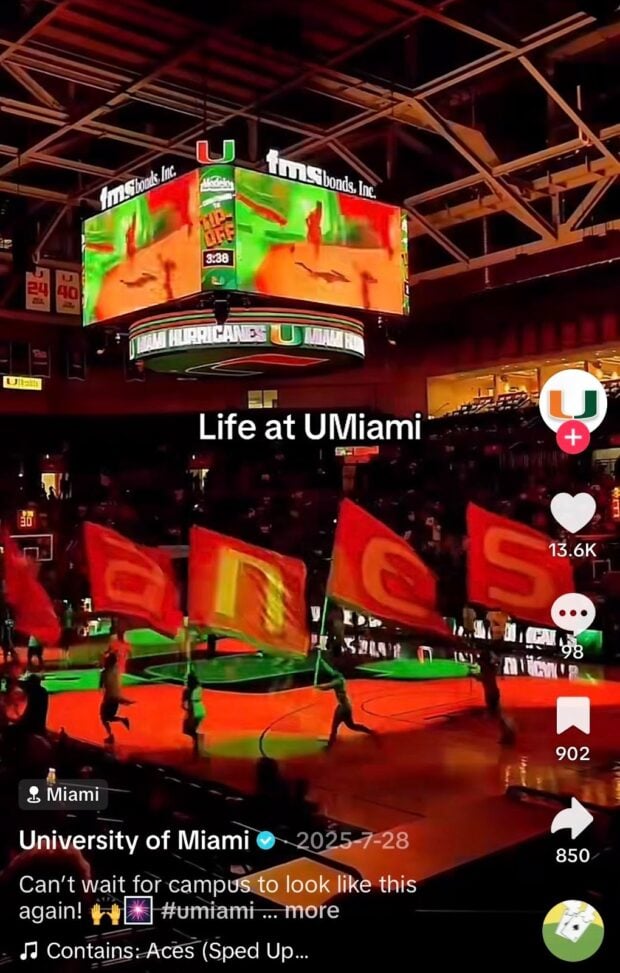
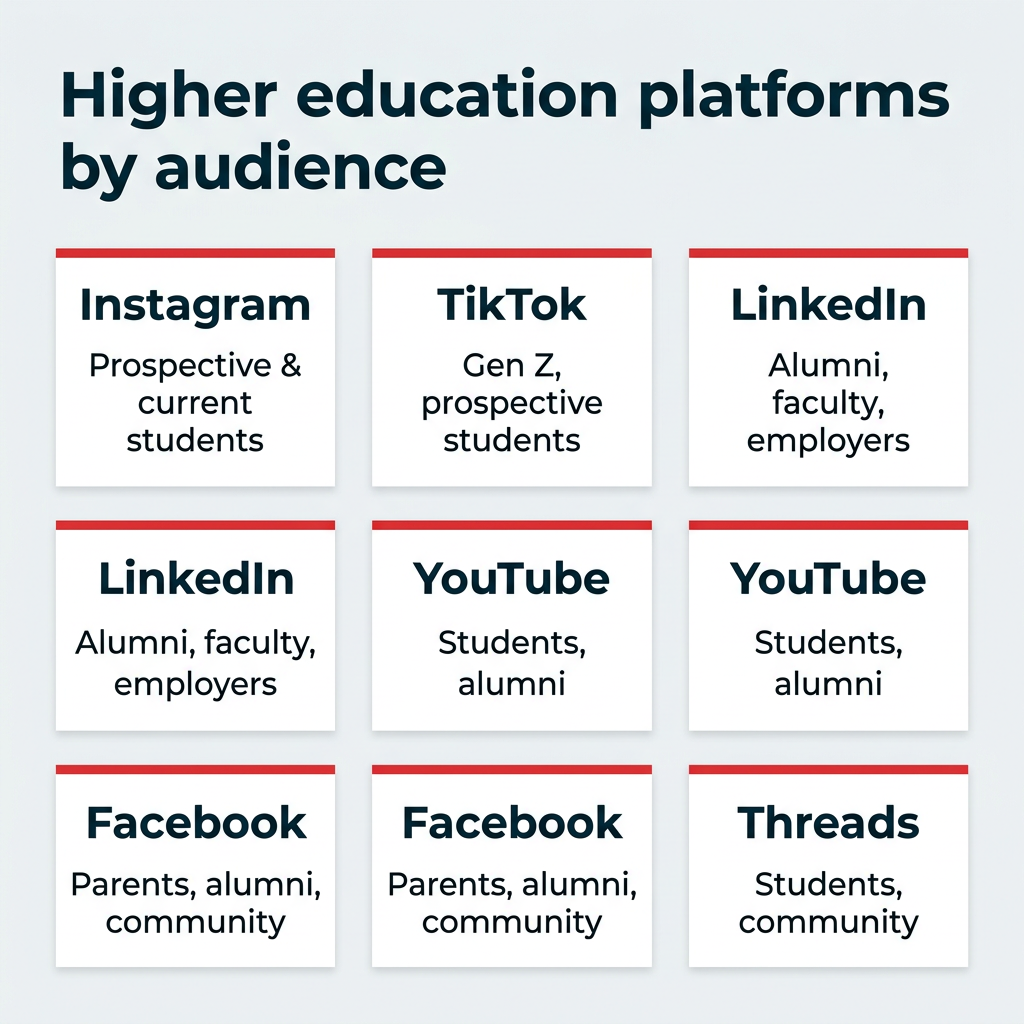
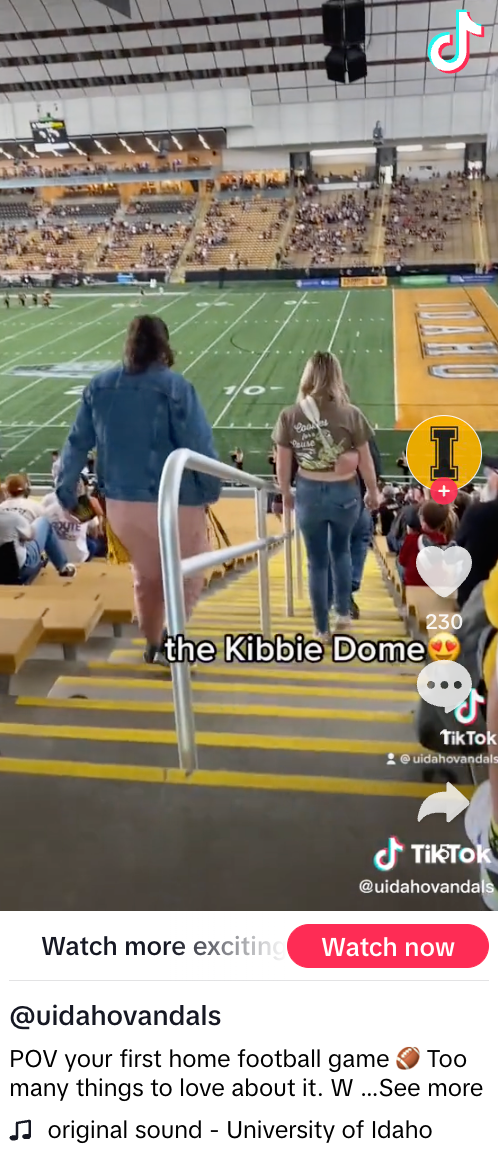
- TikTok & Instagram: These remain the undisputed champions for prospective student recruitment. Short-form video—specifically Reels and TikTok trends—drives discovery and brand affinity.
- LinkedIn: The professional backbone for alumni relations, research output, and faculty recruitment. It is the primary channel for adult learners and industry partners.
- Facebook: While usage among younger demographics has plateaued, it remains a vital "community hub" for parents, older alumni, and local community stakeholders.
- YouTube: The archive and lecture hall. It serves as the home for long-form content, such as virtual campus tours, commencement livestreams, and deep-dive academic features.
When institutions fail to segment their messaging by platform, they experience "channel fatigue." For instance, posting a formal university press release to TikTok will almost certainly fall flat, whereas a high-energy student takeover on the same platform can generate thousands of organic impressions.
Strategic Implications: Building a "Social Campus"
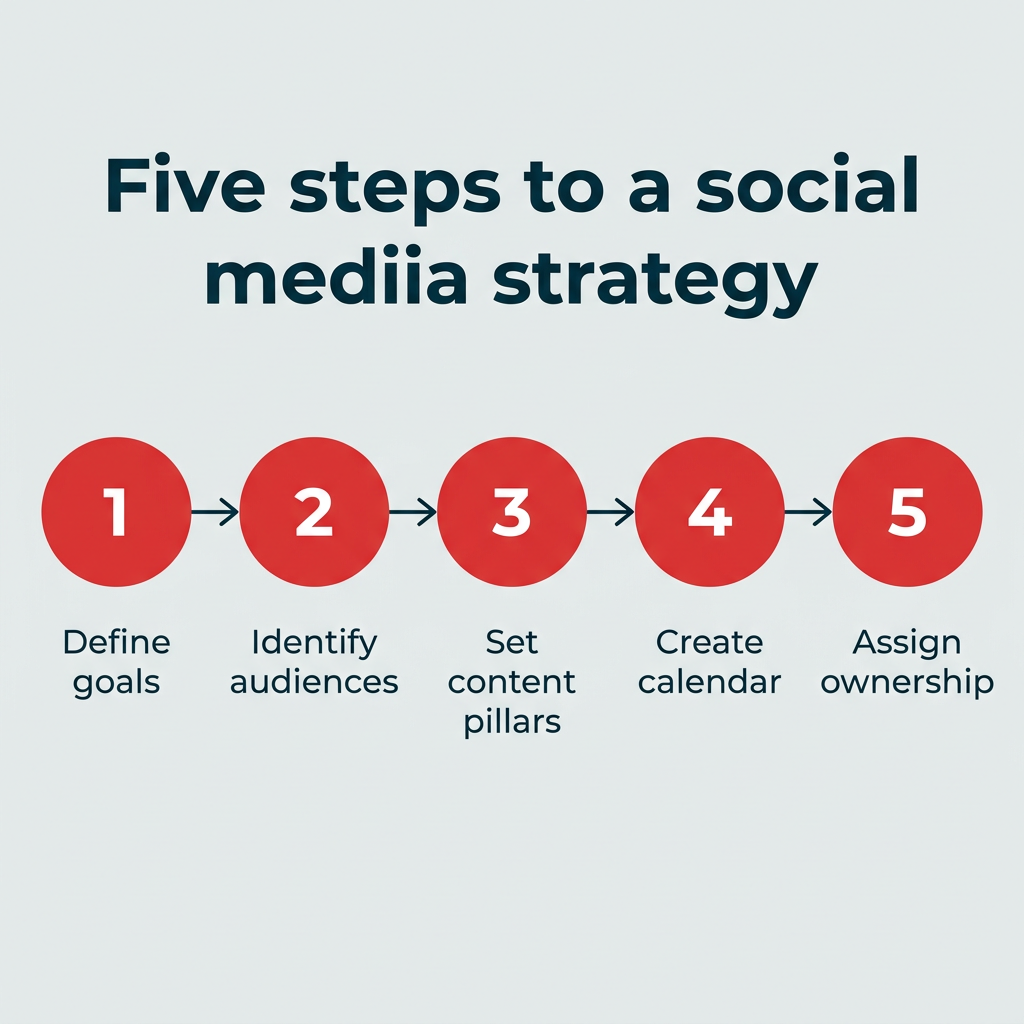
To thrive, universities must transition from fragmented departmental silos to a unified "social campus." This involves three core pillars:
1. Governance and Guidelines
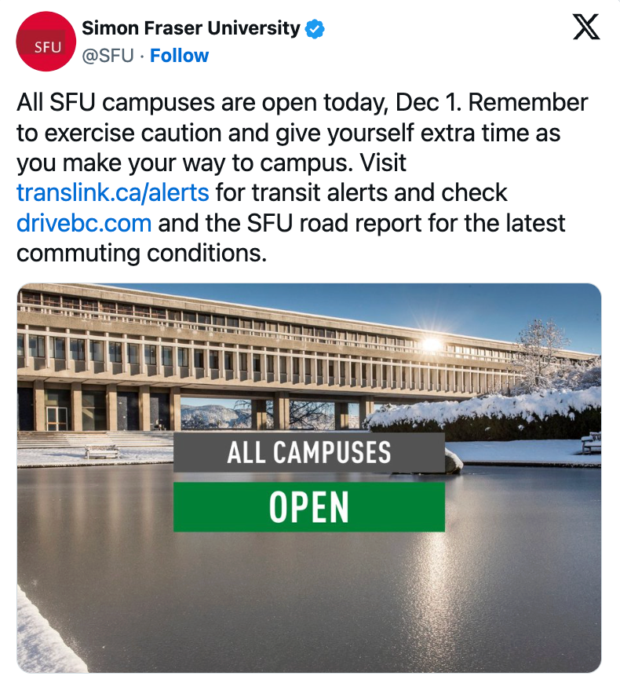
With multiple departments—athletics, admissions, student life, and individual colleges—all managing their own accounts, the risk of brand misalignment is significant. Institutions must implement robust social media guidelines. These should define the brand voice, establish crisis response protocols, and provide clear workflows for approvals. By empowering departments to be creative while maintaining a consistent institutional guardrail, universities can scale their reach without sacrificing quality.
2. The Power of Advocacy
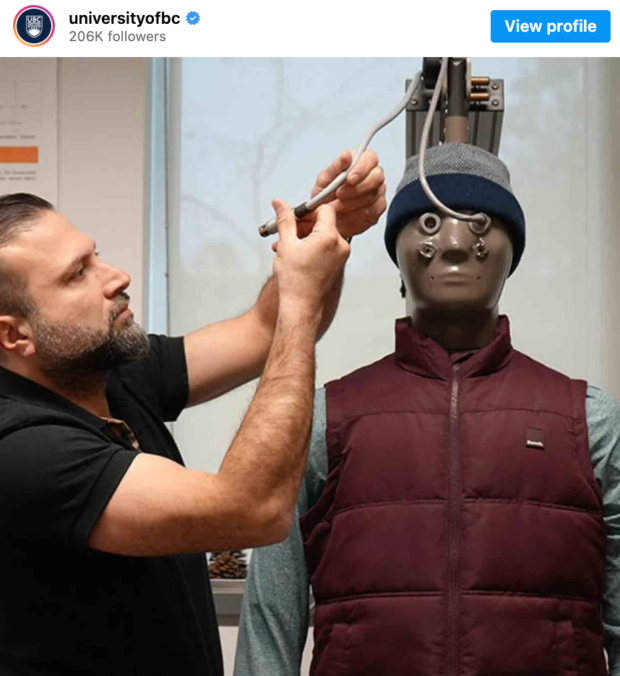
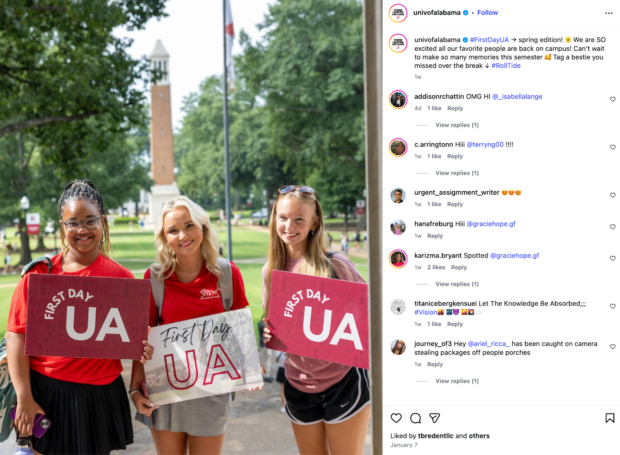
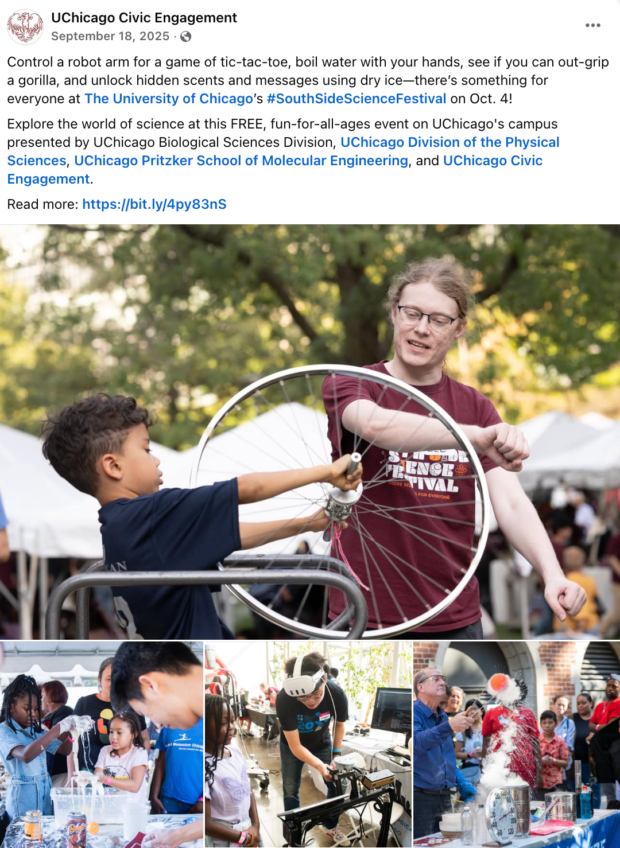
The most trusted voices on social media are not the institutional ones; they are the students, faculty, and alumni. Implementing an employee and student advocacy program is a force multiplier. When students share their experiences on their own channels, the reach is exponentially higher and the trust factor is significantly stronger. Tools that facilitate the sharing of "on-brand" assets to these ambassadors allow for a decentralized but coherent social strategy.
3. Data-Driven ROI
The "black box" of social media ROI is finally being opened. By integrating social media platforms with Customer Relationship Management (CRM) systems, universities can track the entire funnel—from a student clicking a link on an Instagram Reel to completing an application. This allows communications teams to prove the tangible value of their efforts to university leadership, justifying budget increases for social media staffing and tools.
Official Responses and Best Practices
Industry leaders are currently coalescing around a standard set of best practices to ensure sustainability in their social operations:
- Listen, Don’t Just Broadcast: Social listening tools are essential. By monitoring hashtags and keywords related to the campus, administrators can identify brewing issues—from dissatisfaction with cafeteria food to student safety concerns—before they escalate into public relations crises.
- Livestreaming as a Standard: Whether it is a Q&A session with the Dean or a major sporting event, live video creates a sense of "being there." It is the highest-engagement format available to modern institutions.
- The "Human-First" Content Mix: The most successful universities follow the 5-5-5 rule: spending time discovering content, engaging with community comments, and creating original, student-led media. The goal is to facilitate conversation rather than lecture the audience.
The Future of Institutional Engagement
As we look toward the remainder of 2026 and beyond, the competitive advantage will belong to the institutions that treat their social channels as digital extensions of the campus experience.
Social media is no longer a secondary communication channel; it is the environment where the university’s mission is defined and defended. By fostering authentic communities, empowering student voices, and rigorously measuring the impact of every interaction, higher education institutions can ensure that their brand remains vibrant, relevant, and resonant in an increasingly digital world.
The institutions that succeed will be those that realize they aren’t just selling a degree; they are curating a digital community that students, faculty, and alumni are proud to call home. As the digital landscape continues to evolve, the ability to adapt to new platforms—and new ways of thinking—will be the defining characteristic of the successful university of the future.
