
The Art of Digital Authority: A Comprehensive Guide to Crafting High-Impact Website Content
In the modern digital ecosystem, your website acts as your brand’s headquarters. When executed with precision, website content does more than fill space—it builds visibility, establishes professional authority, articulates unique business value, and serves as a high-conversion engine that transforms casual browsers into loyal customers.
However, the bar for quality has been raised. With the proliferation of AI-driven search experiences and sophisticated LLM assistants answering user queries directly on search engine results pages (SERPs), the "click" has become a precious commodity. To thrive today, your content must not only be informative; it must be distinct, authoritative, and compelling enough to earn the user’s attention—and the algorithm’s citation.
This guide distills the lessons learned from producing over 700 digital assets over the last five years, offering a blueprint for creating content that educates, engages, and converts, while leveraging analytics to optimize for long-term growth.
What Is Website Content? The Foundational Pillars
Website content is the sum total of every element a visitor encounters on your domain. It is the language of your brand, encompassing the text on your homepage, the narrative of your product pages, the depth of your blog posts, and the utility of your visual and interactive assets.
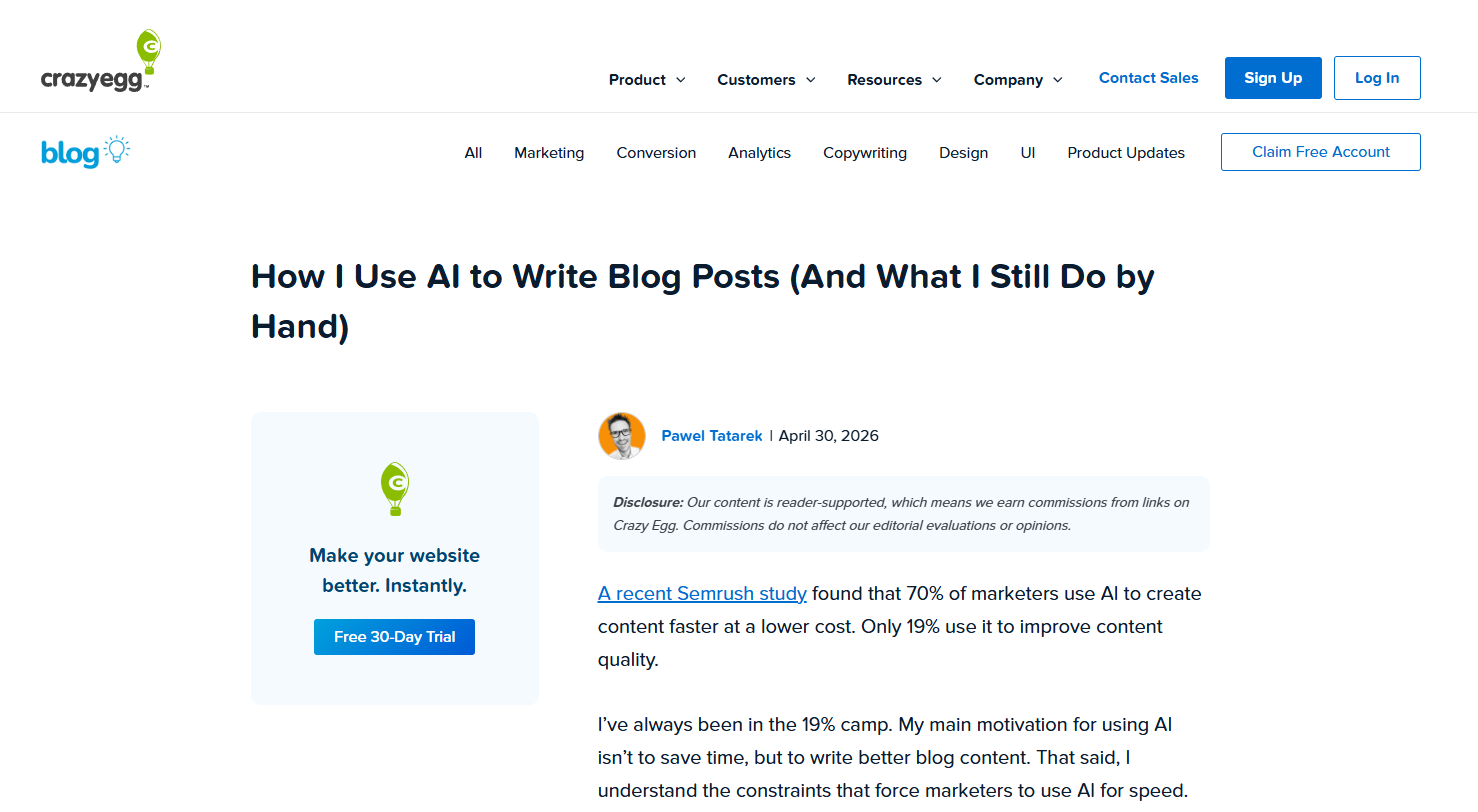
Content is not a decorative layer; it is the foundation of user experience (UX). While design dictates how a site looks, content dictates how a site functions as a business asset. Great content is essential to:
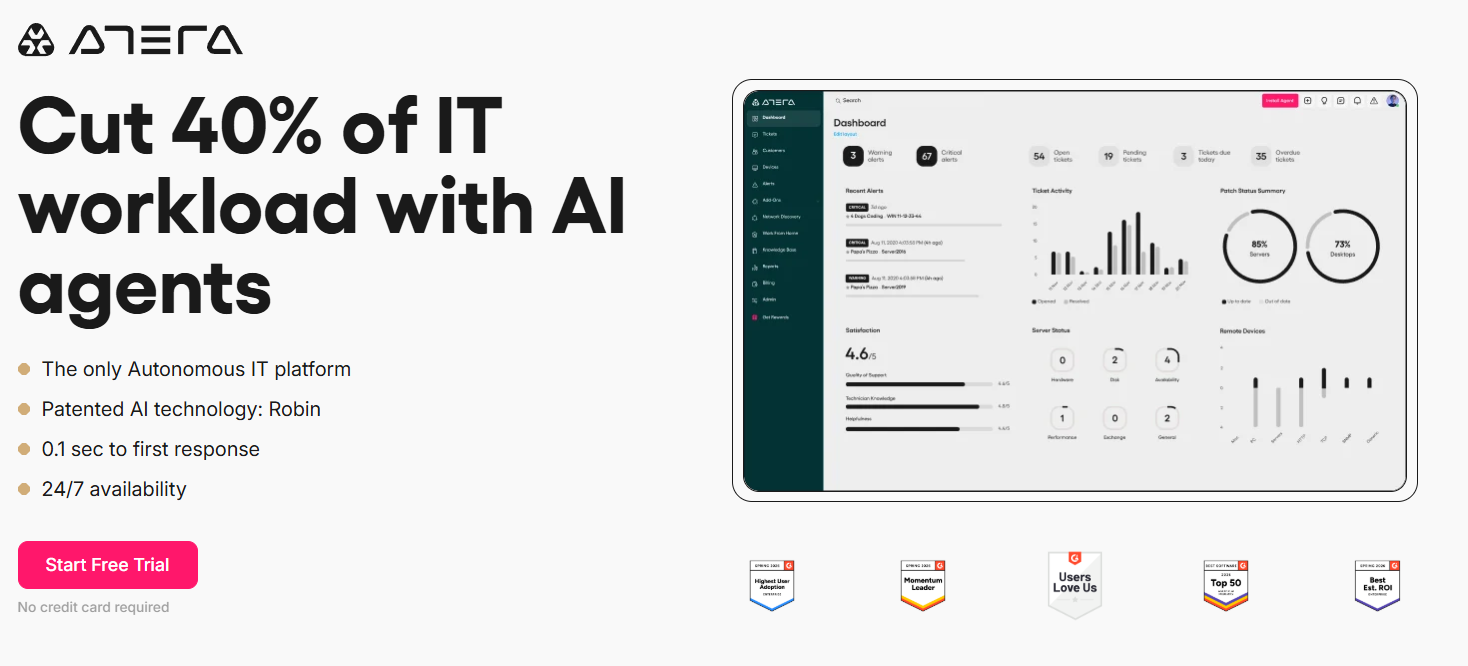
- Establish Brand Authority: Positioning your company as a subject matter expert.
- Drive Organic Visibility: Communicating relevance to search engines.
- Facilitate Conversion: Guiding visitors through the customer journey toward a specific action.
The Taxonomy of Content: A Multi-Modal Approach
Effective websites recognize that users consume information differently. A balanced strategy integrates four primary types of content to ensure accessibility and engagement.

1. Textual Content
Text remains the backbone of the web. From mission statements to long-form editorial, text provides the context for your products. It is the most crawlable format for search engines and remains the primary driver for SEO-driven traffic.
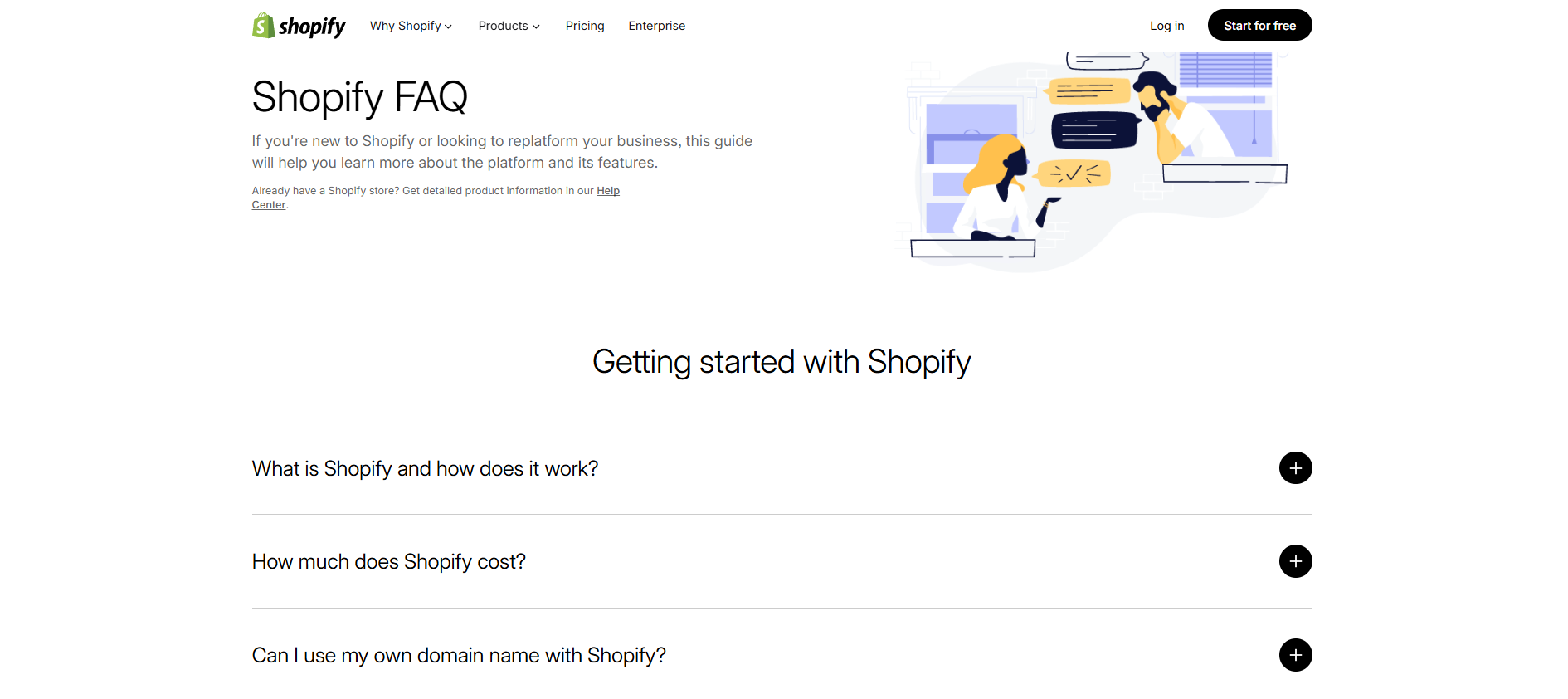
2. Visual Content
In an era of dwindling attention spans, visual content—photography, infographics, GIFs, and product renderings—is often more persuasive than text. Visuals break up "walls of text," improve retention, and offer a significant advantage in visual search discovery.
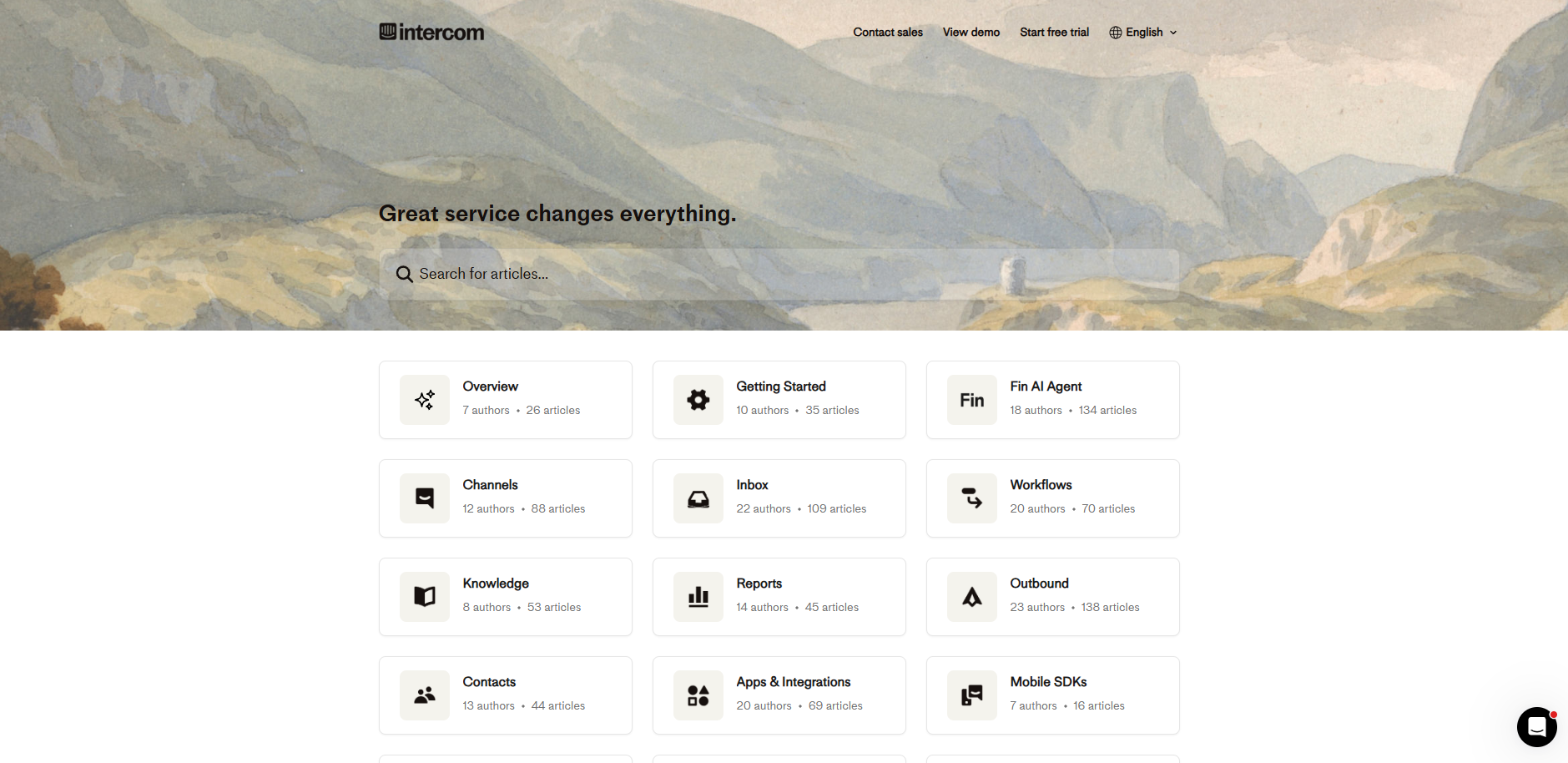
3. Interactive Content
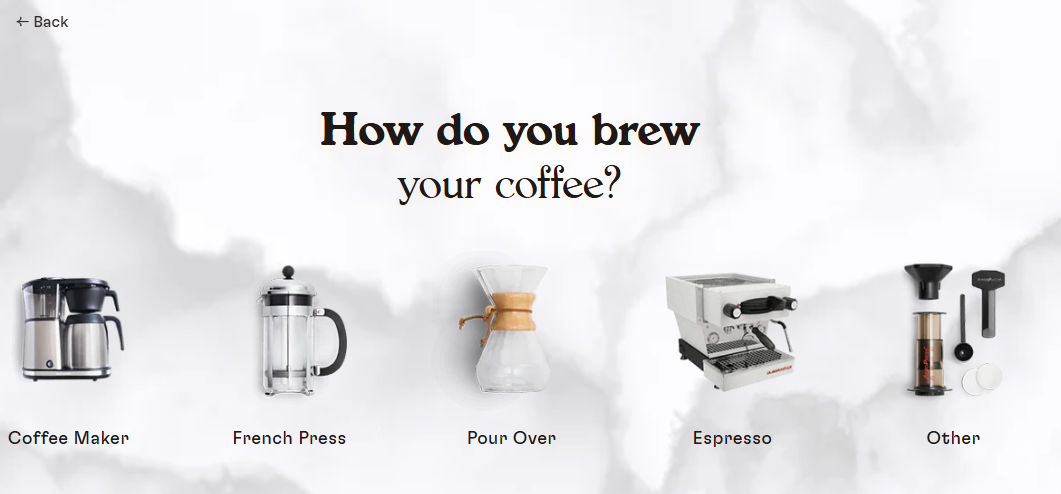
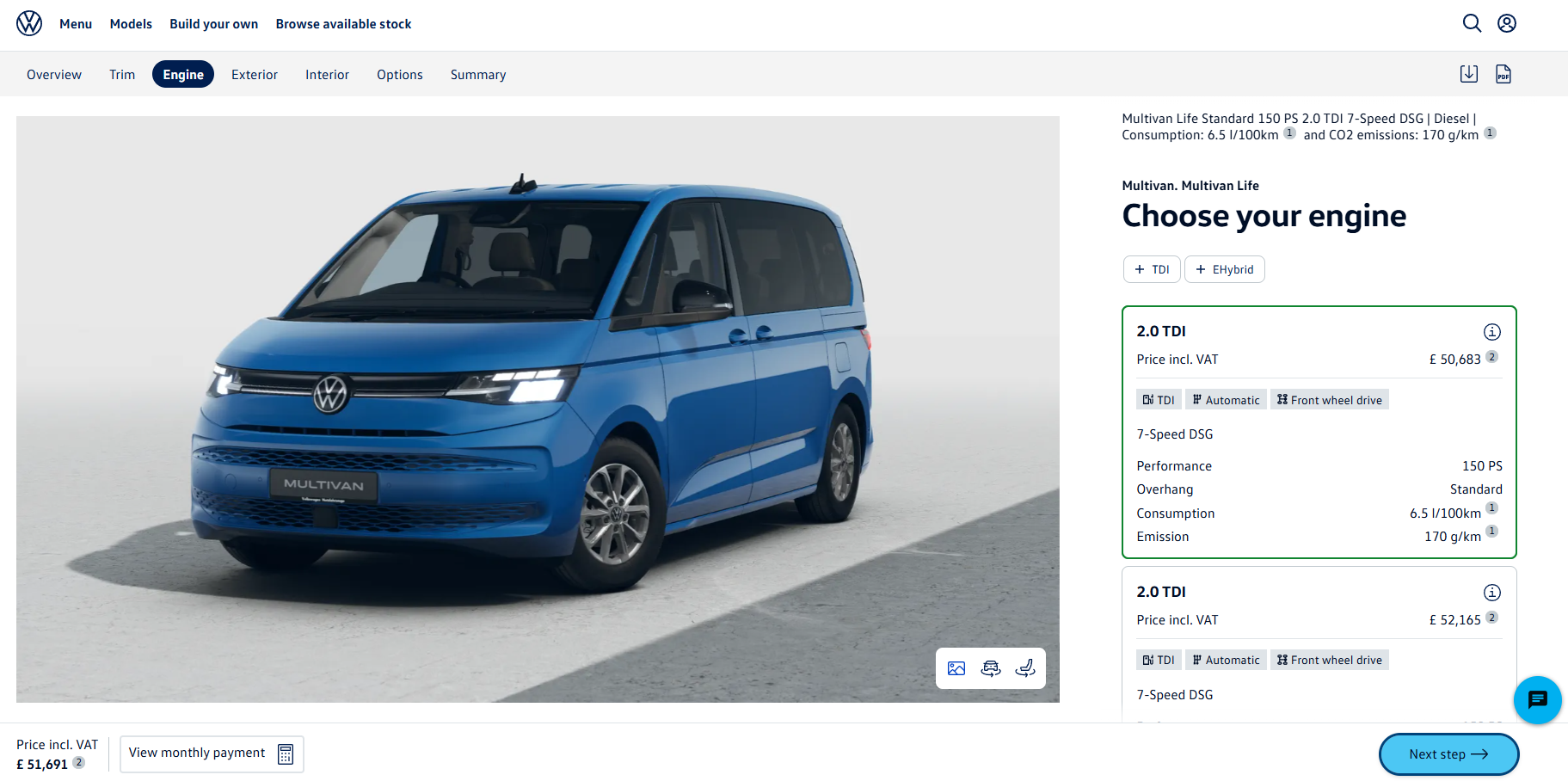
This category requires active engagement, such as calculators, quizzes, or configuration tools. By providing a tangible result for the user’s input, interactive content builds trust and provides high-value data to the brand.
4. Audio Content
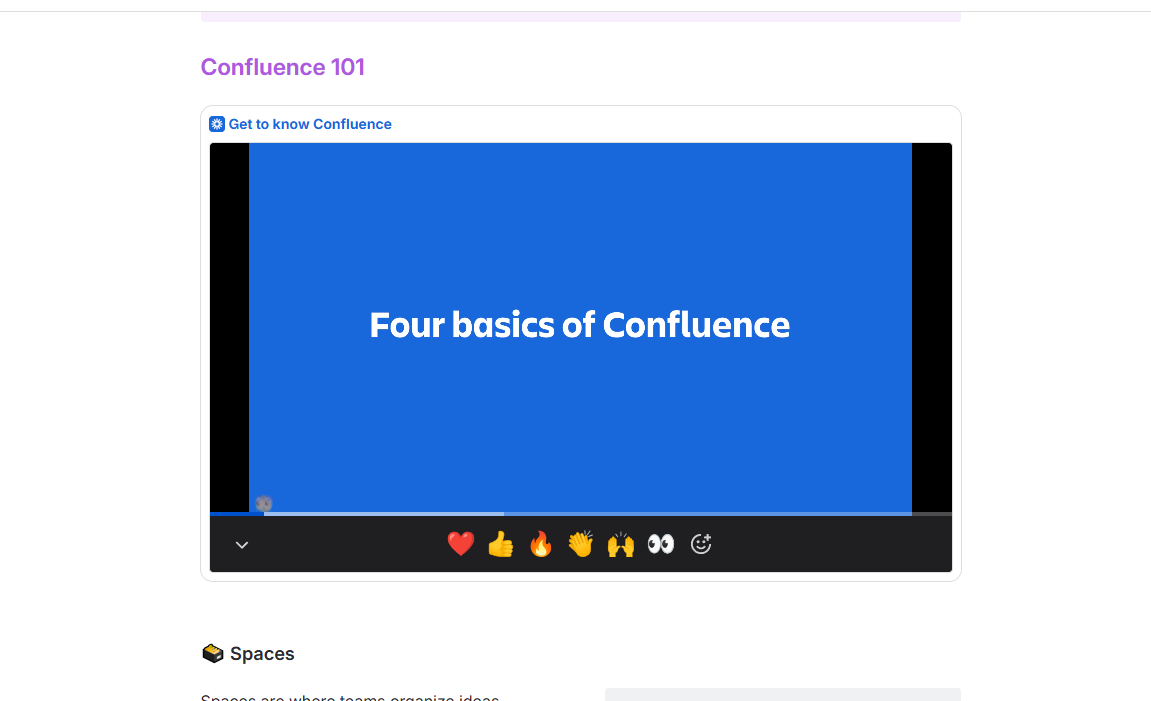
Often the most overlooked, audio serves as a critical accessibility feature. Embedding audio versions of long-form articles allows your audience to consume your insights while multitasking, effectively extending your reach into the "commuter" and "on-the-go" demographics.
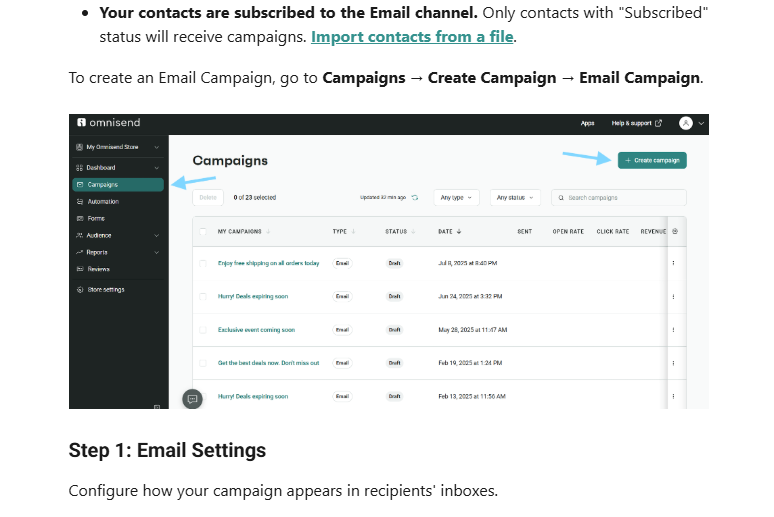
10 Best Practices for High-Quality Content Creation
Creating content that resonates requires a move away from generic "filler" and toward a reader-centric, evidence-based strategy.

1. The Single-Job Principle
Every page must have one, and only one, objective. Whether it is a landing page designed to capture a lead or a blog post meant to educate, if a page tries to do too much, it achieves nothing. Define the goal, and ensure the Call to Action (CTA) supports that singular mission.
2. The Problem-First Philosophy
Do not lead with your product’s features. Lead with the user’s pain point. By articulating the challenge your customer faces, you demonstrate empathy and understanding. Only after the problem is validated should you introduce your product as the logical solution.
3. Communicating at the Reader’s Level
Avoid the trap of over-simplification. If you are writing for B2B executives or software engineers, "explaining it to a five-year-old" will alienate your audience. Mirror the language, terminology, and tone used by your customers in forum discussions and support calls.
4. The Inverted Pyramid
Modern web users decide within seconds if a page is worth their time. Utilize the "Bottom-Line Up Front" (BLUF) approach: summarize the key takeaway in the opening paragraph, then use the remainder of the content to provide nuance, evidence, and technical details. This structure is also favored by AI search models, which prioritize the top third of a page for source citations.
5. Formatting for Skim-ability
Most users do not read; they scan. To accommodate this, use descriptive subheadings (H2s and H3s), bulleted lists, short paragraphs, and bolded key takeaways. This allows the user to grasp the essence of your argument even if they only spend thirty seconds on the page.
6. Establishing E-E-A-T
Experience, Expertise, Authoritativeness, and Trustworthiness (E-E-A-T) are the benchmarks for modern content. Use data-backed claims, original research, and expert quotes to ensure your content is not just an opinion, but a credible source.
7. Creating Defensible Content
If your content can be replicated by a competitor, you have no competitive advantage. Infuse your assets with "hard-to-copy" elements: proprietary internal data, original case studies, personal anecdotes, and unique insights that can only come from your specific experience.
8. AI as an Assistant, Not a Creator
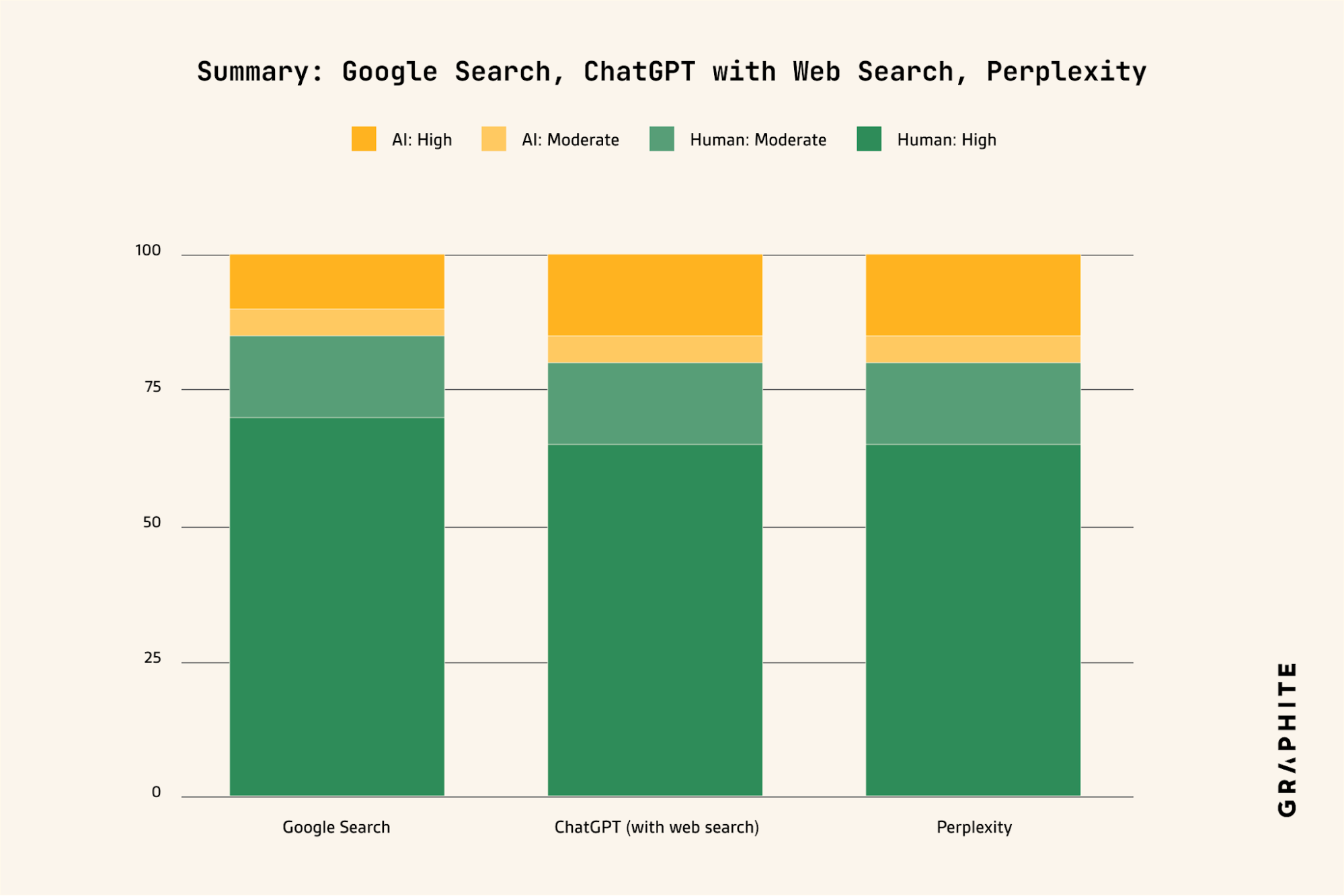
While generative AI can draft text, it often lacks the logical depth and original experience required for high-authority content. Use AI to brainstorm, structure, or research, but ensure the final output is human-refined. Studies have shown that users—and search engines—are increasingly detecting and penalizing purely synthetic, generic content.

9. The Discipline of Content Freshness
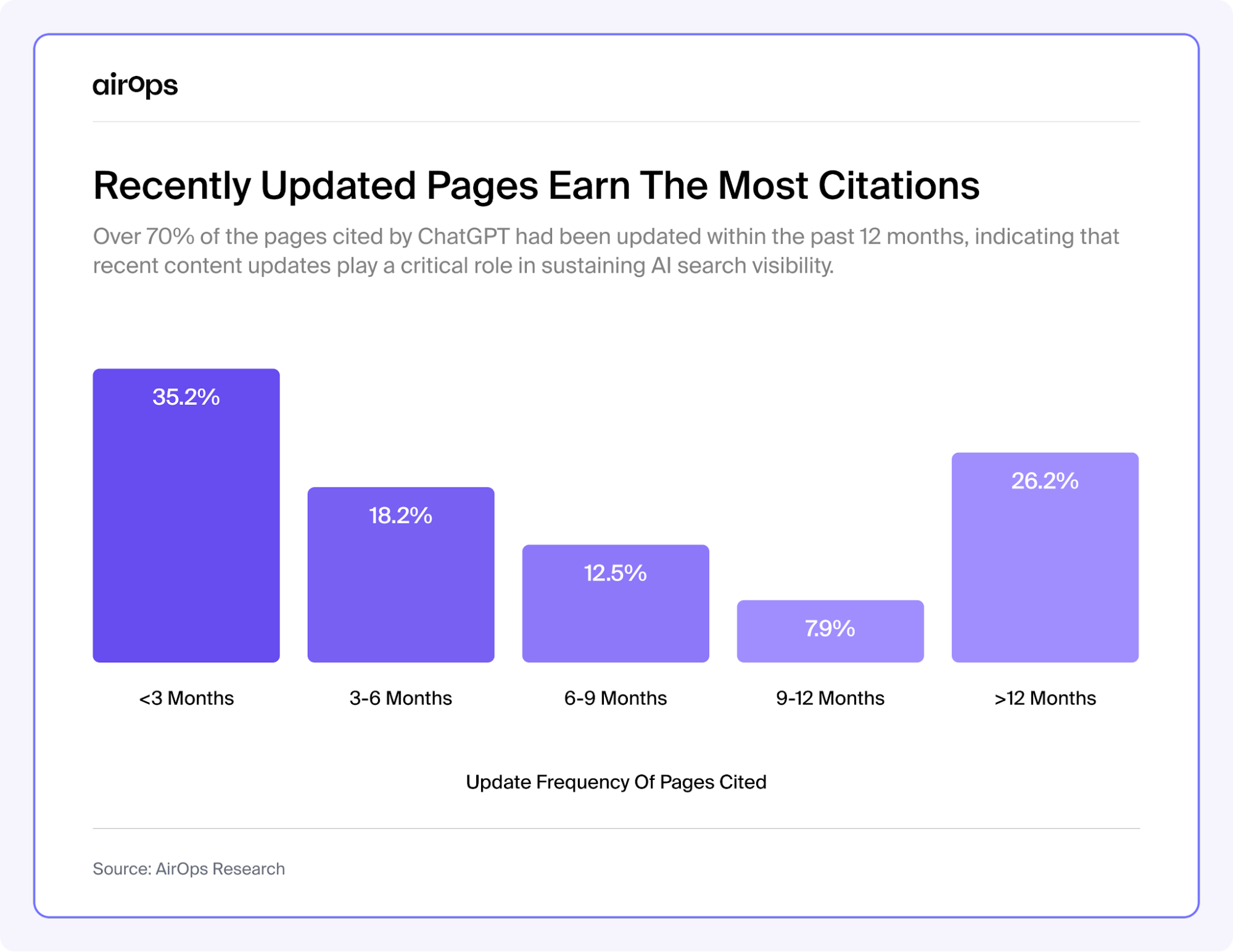
Content is not "set it and forget it." Industry landscapes shift, and your content must shift with them. Establish a cycle—ideally every 3 to 12 months—to update statistics, verify links, and ensure your messaging remains aligned with the current state of your product or service.
10. Holistic Search Optimization
SEO is now interconnected with AEO (Answer Engine Optimization). By focusing on user intent, readability, and authority, you are naturally optimizing for the bots. Ensure your technical SEO is clean, but never sacrifice the reader’s experience for the sake of keyword density.

Measuring Success: The Analytics Feedback Loop
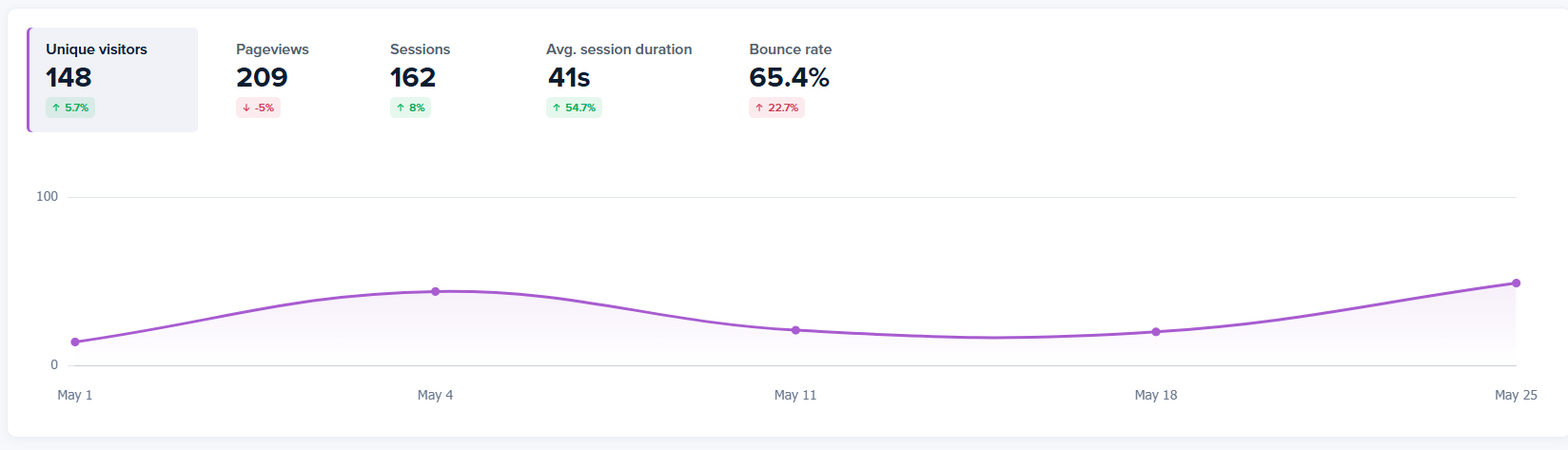
You cannot optimize what you do not measure. A data-driven approach to content involves more than just looking at pageviews.

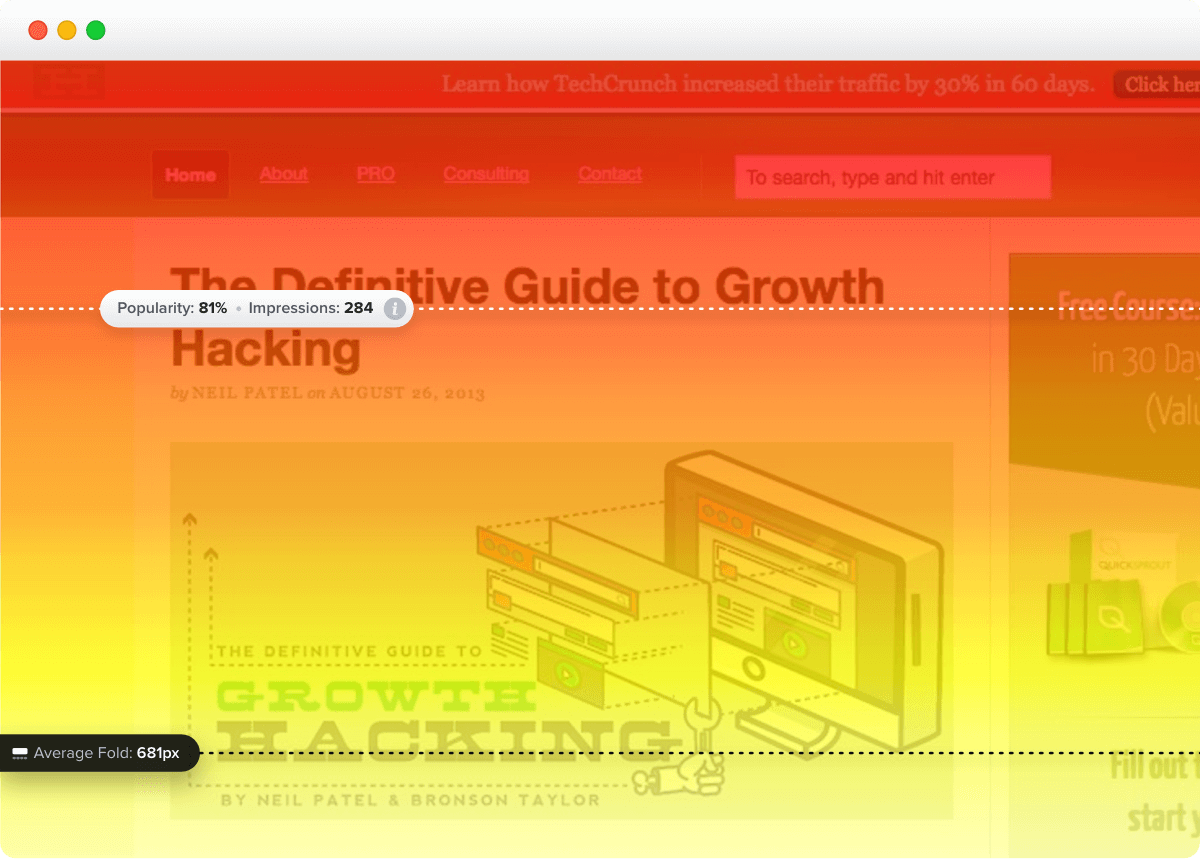
- Behavioral Analytics: Use tools like heatmaps and scrollmaps to see exactly where users stop reading or which elements they ignore.
- Conversion Funnels: Track the path a user takes from a blog post to a product page to a checkout.
- Feedback Loops: Incorporate "Usefulness Ratings" (star ratings or simple thumbs-up/down) to get qualitative data on whether your content actually solved the user’s problem.
- A/B Testing: Always be testing. Whether it’s a headline, a CTA button color, or a layout change, minor adjustments can yield significant lifts in conversion rates.
Conclusion: The Path Forward
In an era where AI can synthesize generic information in seconds, the value of human-centric content has never been higher. By prioritizing your unique data, personal experience, and deep understanding of customer pain points, you build a content strategy that is not only visible but essential.
Publishing is only the first step. The true work lies in the constant iteration, the analysis of engagement, and the relentless pursuit of relevance. By treating your website as a living asset rather than a static brochure, you ensure that your brand remains the primary authority in your industry.
Frequently Asked Questions
Q: Is there a difference between content and copy?
A: Yes. Copy is a subset of content. It is the persuasive text (headlines, CTAs, landing page text) designed specifically to drive an immediate action. Content is the broader umbrella that includes educational blog posts, videos, and interactive tools.
Q: How long should my content be?
A: Length is secondary to relevance. While AI tends to cite content in the 500–2,000 word range, the true goal is to fully answer the user’s intent. If you can answer it in 400 words, do so. If it requires 3,000 words to cover the nuances, provide the depth.
Q: Why is my content not ranking?
A: Often, it is a lack of search intent alignment. Ensure your content directly answers the specific questions users are asking. If your content is accurate but lacks original insights, it may be perceived as "thin" by search algorithms. Focus on adding proprietary data or unique perspectives that cannot be found elsewhere.
