
The AI Marketing Revolution: How to Scale Strategy in 2026
In the modern marketing landscape, Artificial Intelligence has evolved from a futuristic concept into an operational necessity. As we move through 2026, the competitive divide is no longer measured by budget, but by the velocity of execution. AI tools are no longer just "time-savers"; they are the fundamental architects of a new marketing paradigm where data-driven personalization and automated precision dictate market share.
The real expense for modern agencies is not the subscription fee for software—it is the catastrophic loss of time spent on manual tasks, generic messaging, and decisions made in the dark. Agencies that leverage AI are pulling ahead by executing faster, personalizing deeper, and optimizing campaigns in real-time.
The Evolution of AI in Marketing: A Chronology of Progress
The adoption of AI in marketing has followed a distinct, rapid trajectory:
- 2022–2023: The Generative Awakening. The rise of accessible LLMs (Large Language Models) introduced marketers to AI-assisted copywriting and image generation. Early adoption was largely experimental, focused on overcoming "blank page syndrome."
- 2024–2025: Integration and Orchestration. Tools began to move out of silos. Instead of using ChatGPT as a standalone chat window, marketers began embedding AI agents into CRMs, email platforms, and workflow orchestrators like Zapier, allowing for multi-step automation.
- 2026: The Era of Autonomous Personalization. Today, we see a shift toward "predictive marketing." Tools no longer just execute commands; they analyze historical sales data to predict consumer behavior, automatically adjusting send times, content variations, and offer structures to maximize ROI before a human even reviews the campaign.
Supporting Data: Why Efficiency Matters
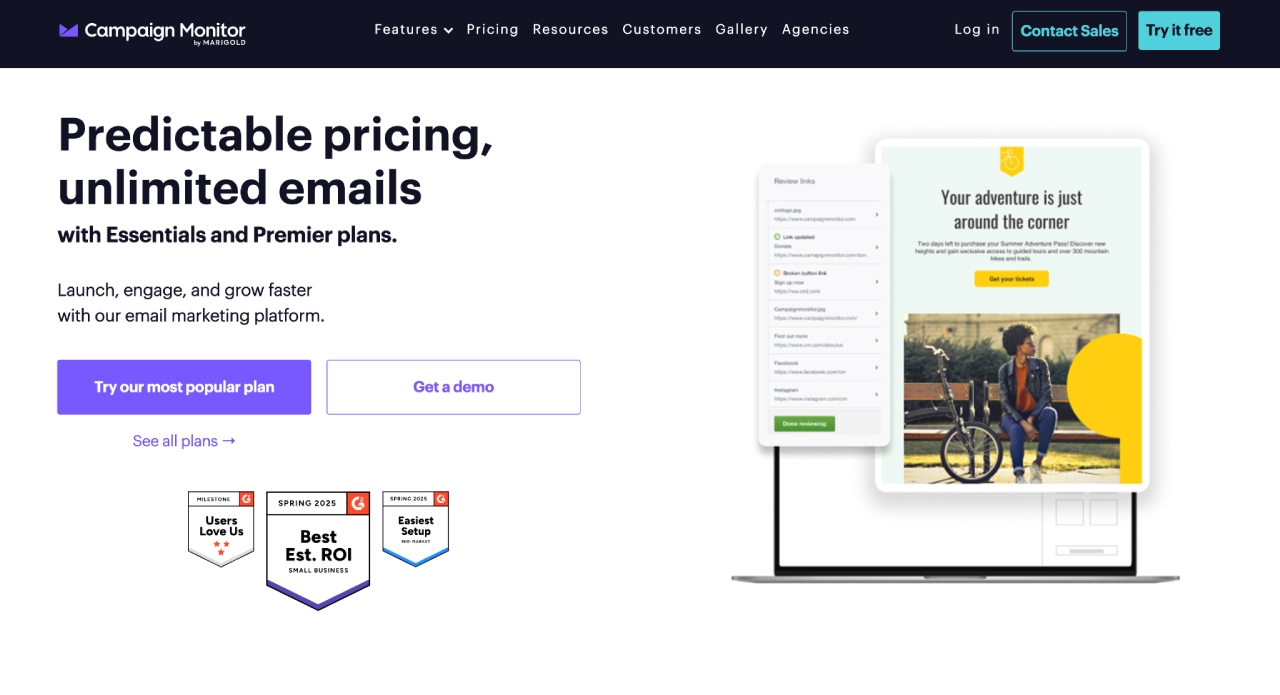
The shift to AI is driven by a clear mandate for efficiency. In a world of fragmented attention, manual marketing is too slow to compete. For instance, brands utilizing platforms like Campaign Monitor have reported significant performance leaps. One retail giant, On, successfully drove 20% of its total e-commerce sales through AI-driven email marketing, with personalized sends yielding 10% higher engagement across global segments.
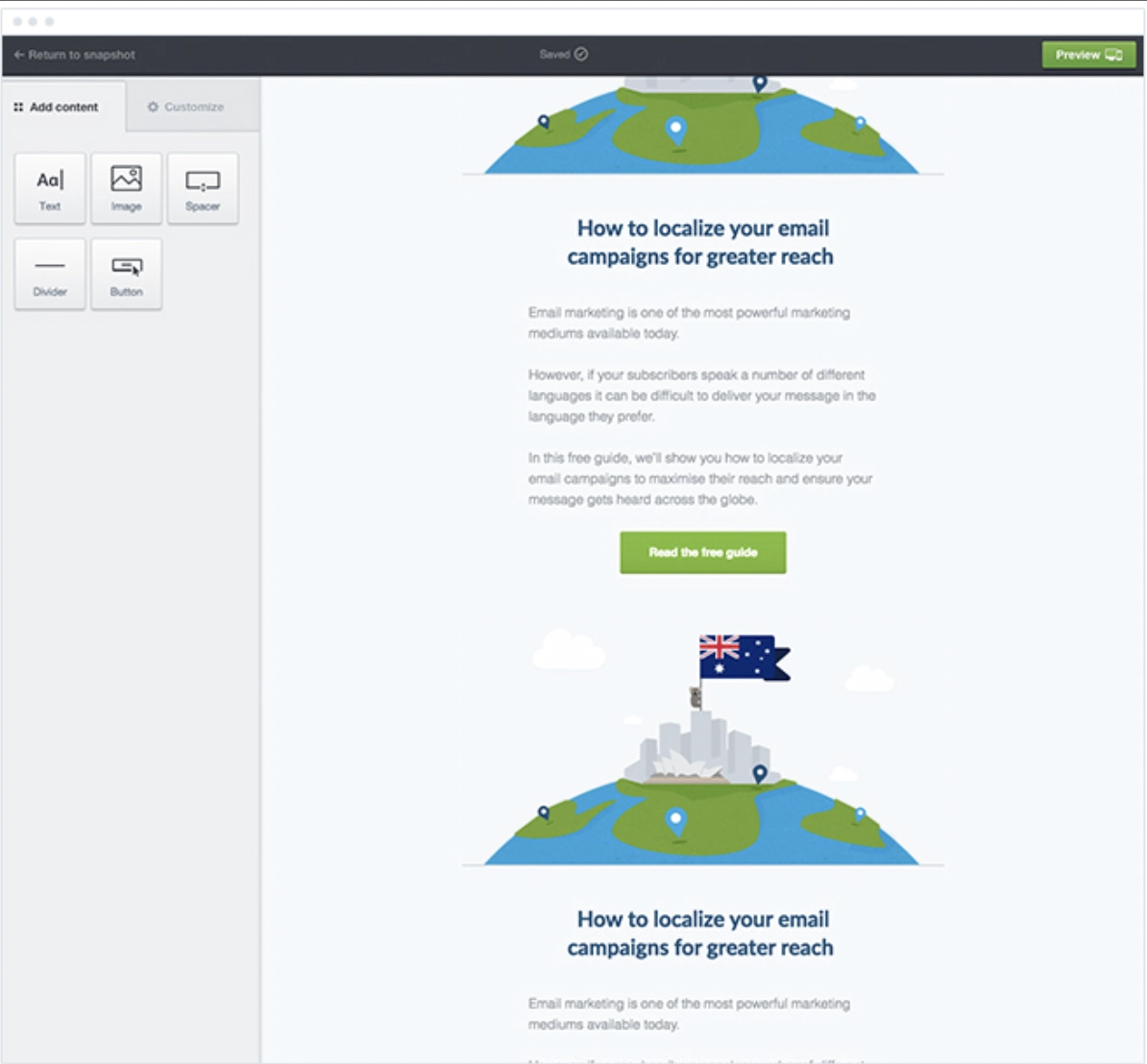
The data confirms a simple truth: businesses that remove the "busywork" of tagging data, drafting repetitive copy, and building manual journeys are the ones seeing higher conversion rates and lower churn.
The 2026 AI Marketing Stack: Essential Tools
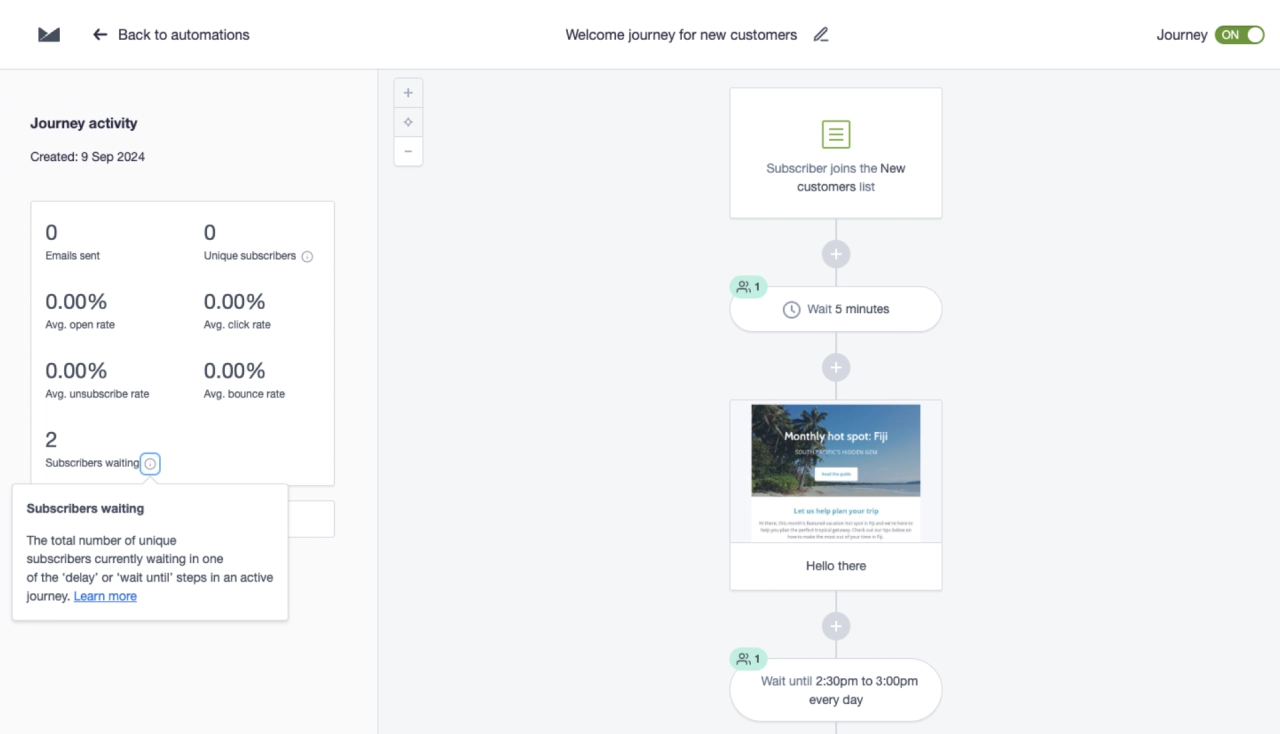
To navigate this landscape, marketers must categorize their needs. Here is a breakdown of the leading tools currently shaping the industry.
1. Email Marketing & Customer Journeys
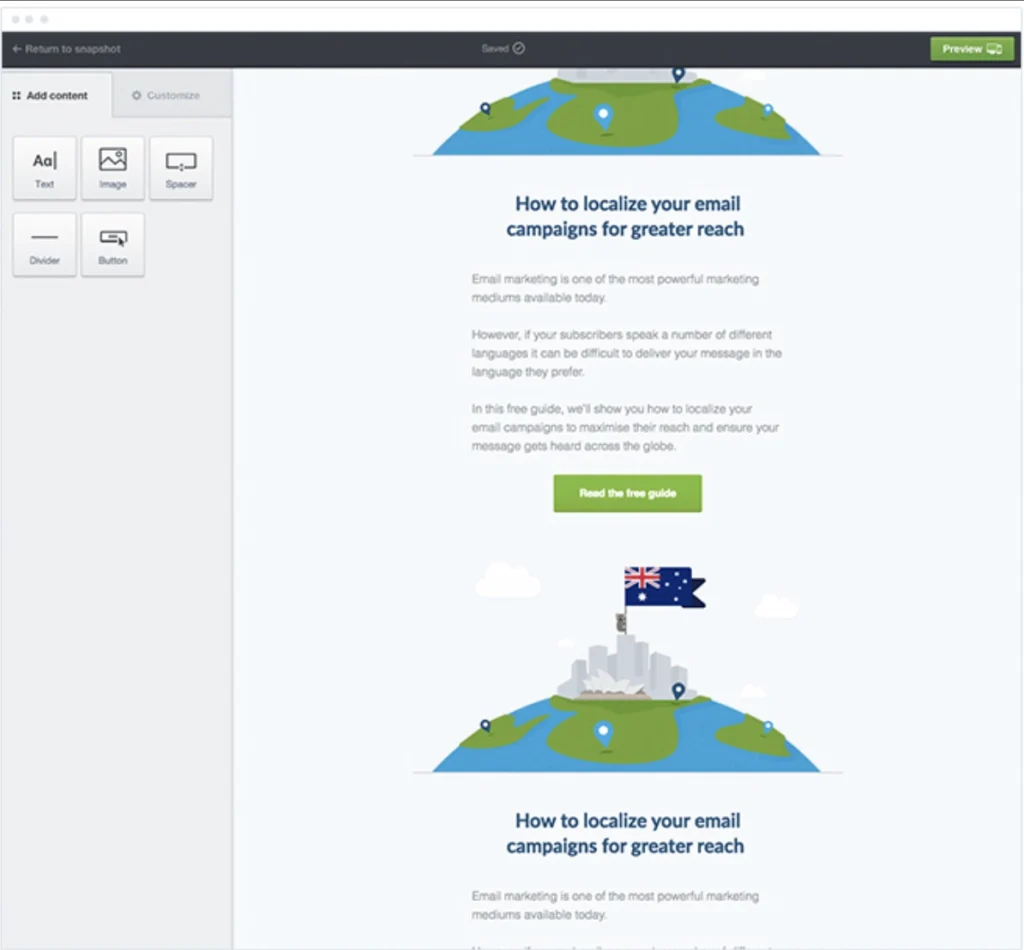
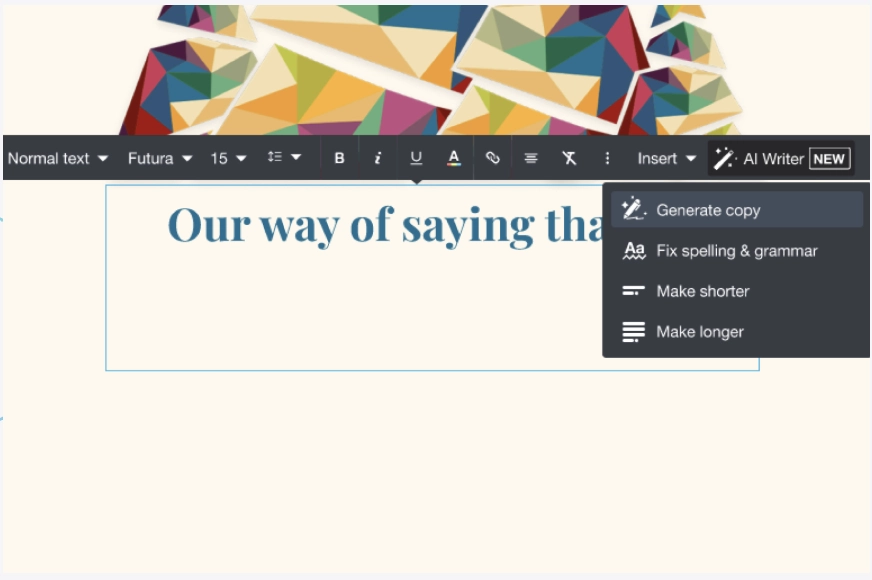
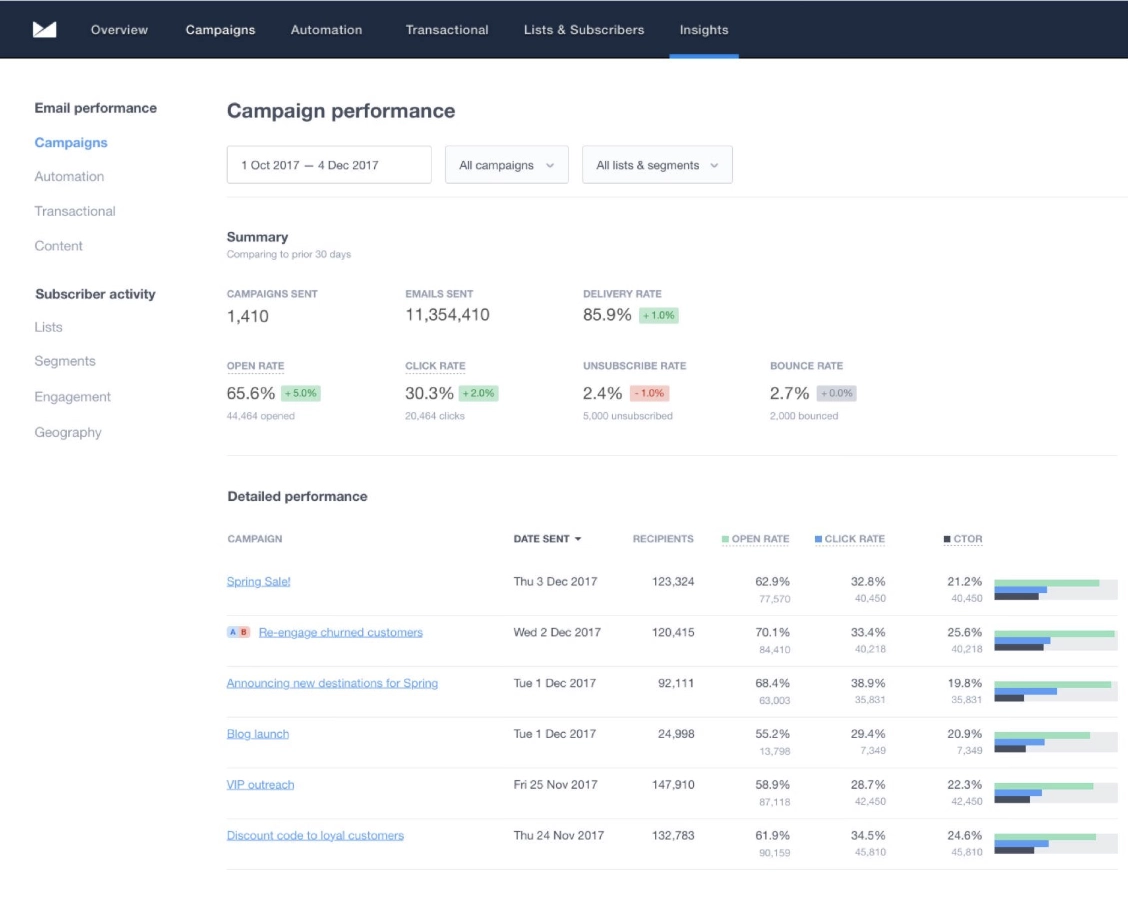
- Campaign Monitor: A powerhouse for multi-location brands. Its AI Writer and dynamic content features allow for hyper-personalization at scale. It acts as the backbone for lifecycle marketers who require brand consistency.
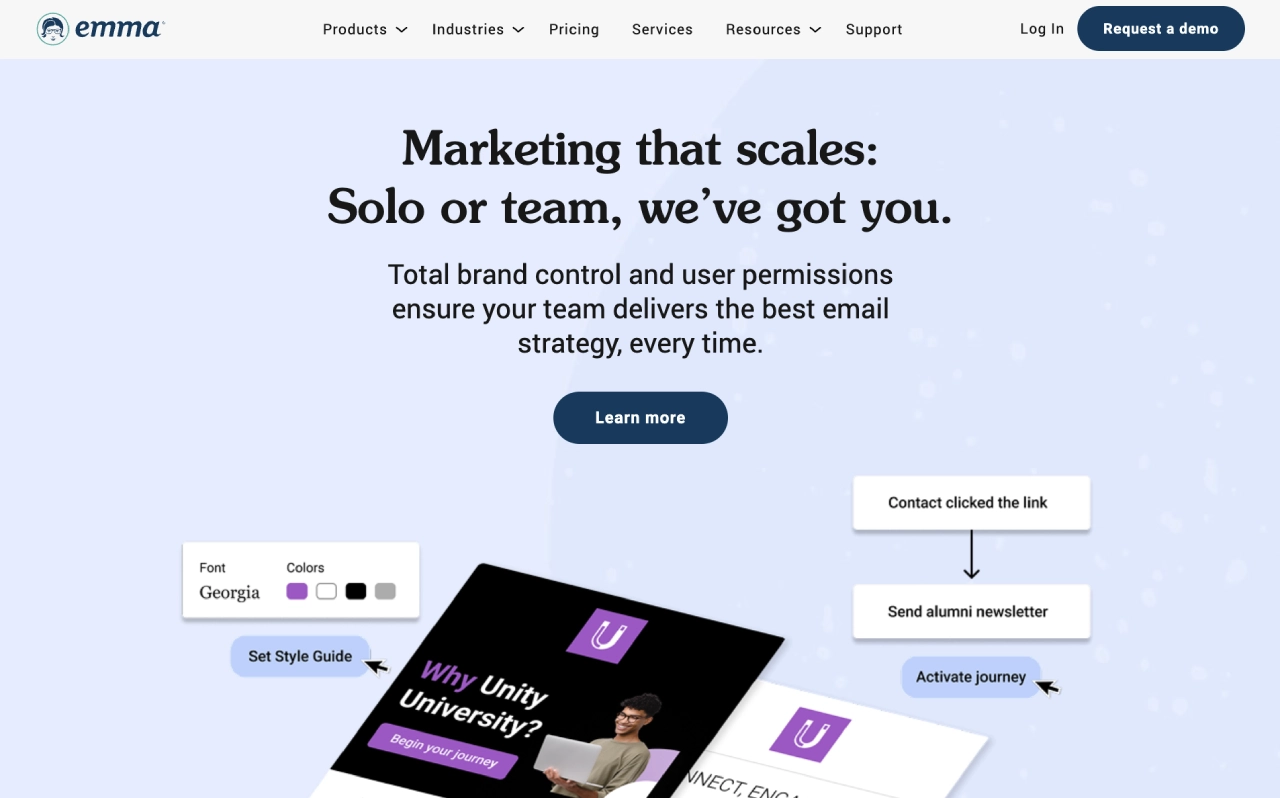
- Emma: Specifically engineered for the complexities of franchises and universities. It features locked templates and centralized governance, ensuring local teams remain on-brand while using AI for local copy optimization.
2. Content Creation & SEO
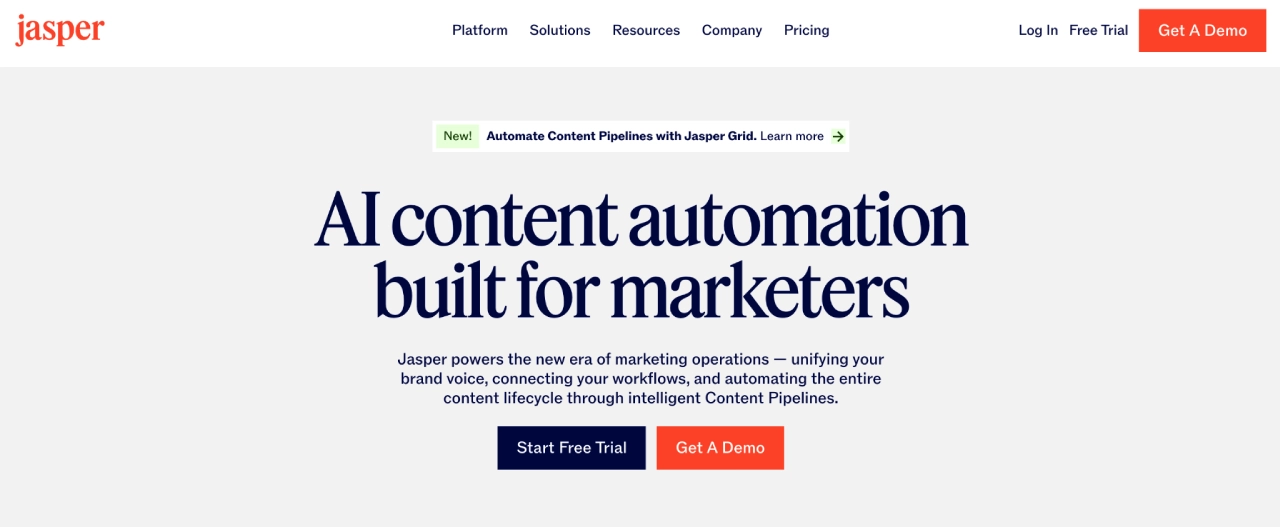
- Jasper: The gold standard for long-form content that maintains a strict "brand voice." It is essential for content teams that need to produce high volumes of briefs, articles, and ad variations without losing their unique identity.
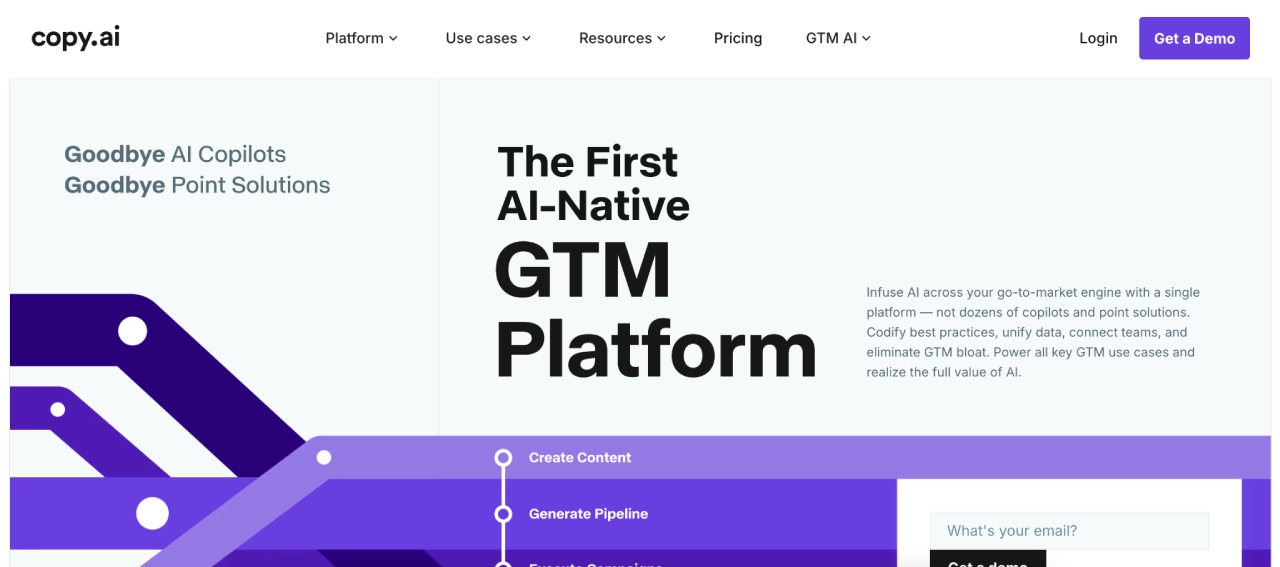
- Copy.ai: Focused on structured workflows. It excels at turning a single, high-level brief into a multi-channel campaign, bridging the gap between strategy and execution.
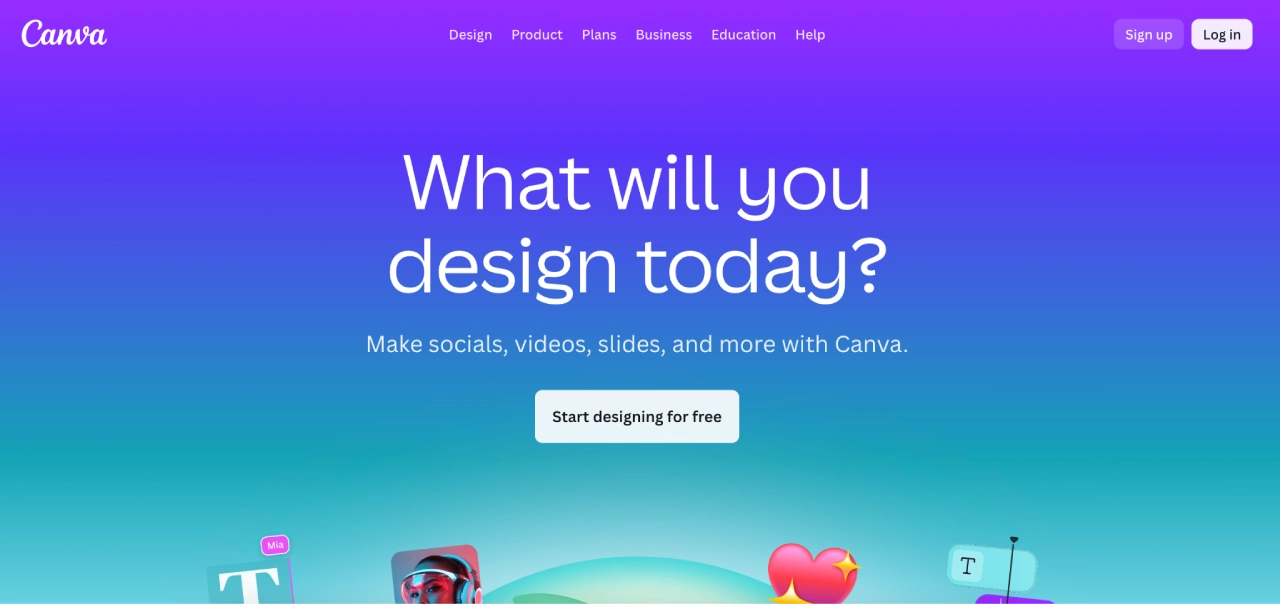
- Canva AI: Democratizing design. By enabling non-designers to generate high-quality social graphics and video assets from simple prompts, it removes the production bottleneck that often stalls social teams.
3. On-site Conversion & SMS
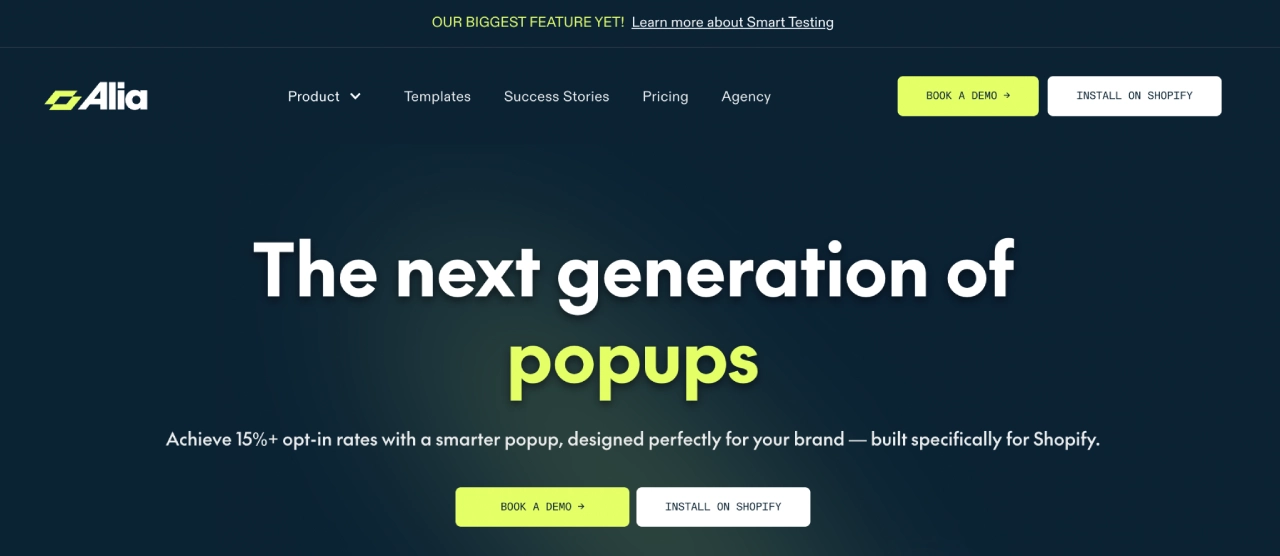
- Alia Popups: Leverages zero-party data to tailor the onsite experience. By automatically testing variants, it ensures that high-intent visitors receive the right offer at the precise moment of potential conversion.
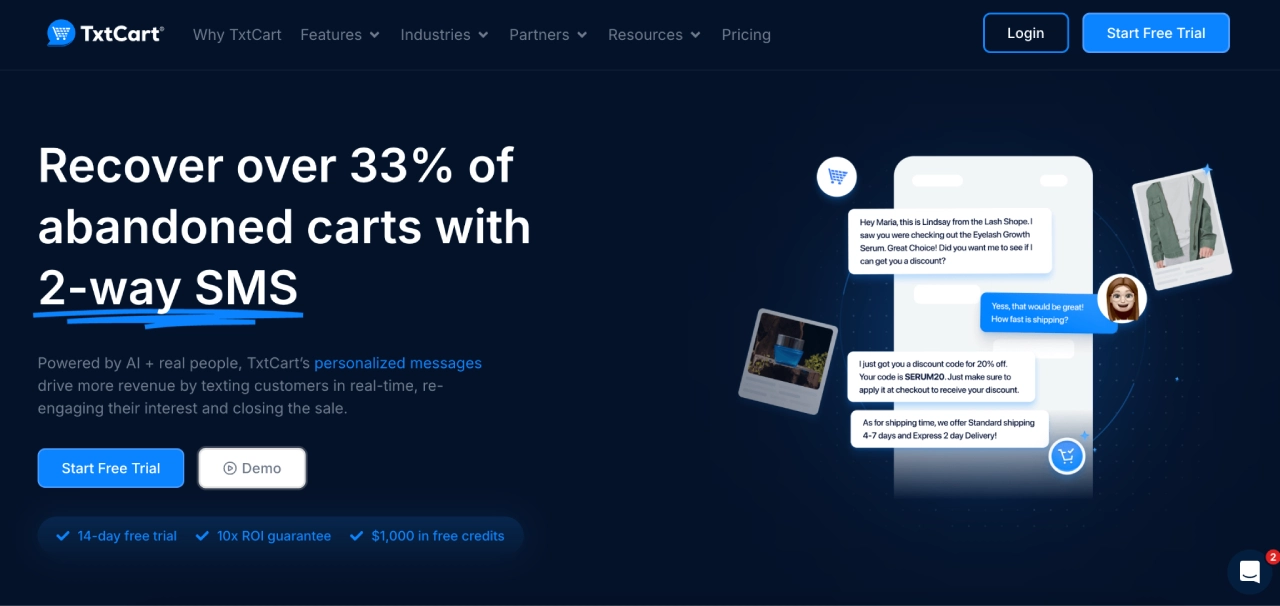
- TxtCart: An AI-driven SMS solution that acts as a virtual sales associate. By managing 2-way conversations for cart recovery and product inquiries, it turns passive SMS marketing into an active revenue driver.
4. Enterprise-Grade Orchestration
- HubSpot AI: A comprehensive CRM-integrated solution. It is ideal for mid-market and enterprise teams that want to unify their sales and marketing data with AI-assisted email, lead scoring, and forecasting.
- Salesforce Einstein: The enterprise apex. It provides predictive analytics, lead scoring, and automated "next-best actions" across the entire Salesforce ecosystem, making it indispensable for large-scale sales organizations.
Implications for Modern Marketing Teams
The integration of these tools has profound implications for the structure of marketing departments.
The Shift in Human Capital
As machines handle the "heavy lifting"—drafting, tagging, and routine scheduling—the role of the human marketer is shifting toward strategy, oversight, and creative direction. The most valuable team members in 2026 are no longer the "doers" of manual tasks, but the "orchestrators" who know how to set up the AI agents and interpret the output.
The 7-Point Selection Framework
When choosing a tool, avoid "shiny object syndrome." Use this framework to ensure your tech stack is an asset, not a burden:
- Integration: Does it play nice with your current CRM and ESP?
- Brand Alignment: Can the AI learn your tone, or does it sound generic?
- Use Case Fit: Does it solve a genuine bottleneck?
- Compliance: Does it respect data privacy and avoid "hallucinations"?
- Scalability: Do costs remain manageable as you grow?
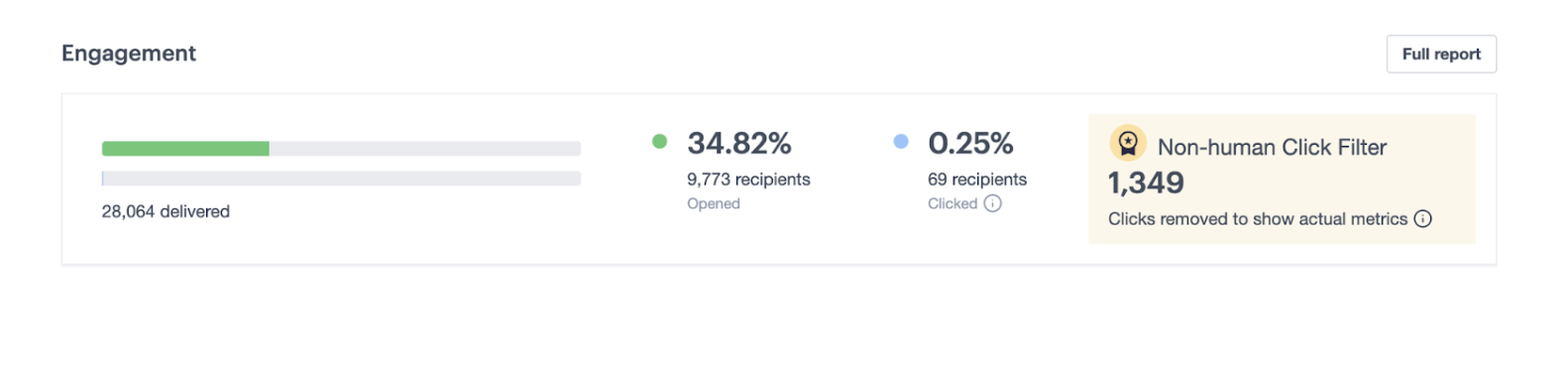
- Measurability: Can it prove its ROI with clean, bot-filtered data?
- Usability: Can your team actually use it, or does it require a PhD?
The 3P Model for Strategic Growth
To ensure long-term success, organizations should evaluate every new tool through the 3P Model:
- Productivity: Does it measurably decrease time spent on tasks?
- Precision: Does it improve the accuracy of targeting or personalization?
- Performance: Does it correlate directly to revenue, retention, or conversion growth?
The Role of Human Oversight
Despite the power of these tools, human oversight remains the "X-factor." AI is prone to "drift"—a gradual deviation from a brand’s core values or tone. The most successful campaigns are those where AI produces the raw material, and a human refines the message, injects emotional resonance, and ensures that the call-to-action (CTA) aligns with real-world consumer motivations.
Conclusion: The Path Forward
The tools available in 2026 are designed to empower, not replace, the marketer. By focusing on personalization, automation, and data-driven insights, teams can transcend the limitations of manual execution.
If you are still launching campaigns the "slow way," you are falling behind. Start by auditing your current workflow. Identify one category—be it email, SMS, or content creation—where your team is spending the most time on manual repetition, and test an AI-driven solution. As proven by brands like the Australian Red Cross, which achieved a 75% increase in conversions through smarter, segmented AI-driven email, the rewards for making the switch are significant.
The future of marketing is not about doing more work; it is about doing smarter work. Embrace the tools that allow your team to pivot away from the keyboard and toward the strategy that defines your brand’s growth.
Disclaimer: This article provides general information regarding marketing tools and strategies. It does not constitute financial, legal, or tax advice. All content is provided "as is," and readers are encouraged to perform their own due diligence before adopting new software solutions.
