
The Digital Shift: Why Email Marketing is the New Engine of Automotive Sales
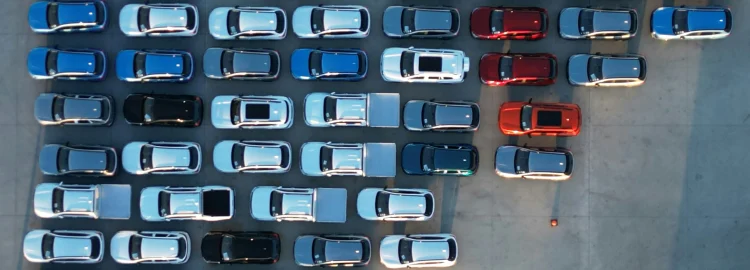
The landscape of the automotive industry has undergone a seismic shift. For decades, the dealership lot served as the primary nexus of the car-buying experience. Prospective buyers would wander through rows of vehicles, relying on physical brochures and the expertise of on-site salespeople to navigate their options. Today, that traditional model is rapidly losing ground to a digital-first reality. As foot traffic declines and consumer behavior migrates toward online research, successful dealerships are pivoting to meet customers in the one place they check daily: their personal inboxes.
The Evolution of the Automotive Sales Funnel
For the better part of the 20th century, automotive marketing relied on a "push" strategy. Massive investments in local radio spots, billboards, and direct mail were designed to drive physical foot traffic to the showroom floor. While these traditional channels remain relevant for brand awareness, they are no longer sufficient to close the deal.
Modern buyers are significantly more informed than their predecessors. Research indicates that the average buyer now spends weeks—if not months—scrutinizing reviews, comparing financing rates, and configuring vehicle trims online before ever stepping onto a lot. This creates a "silent" phase in the buying journey where the dealer is often invisible. Email marketing acts as the bridge during this critical window, providing a low-cost, high-impact method to influence decisions long before the prospect engages with a sales representative.
Chronology of the Modern Buyer’s Journey
To understand the efficacy of email, one must examine the timeline of a contemporary automotive acquisition:
- The Research Phase: The prospect identifies a need and begins scouring OEM websites and third-party review platforms. This is where a strategically placed lead-capture form on a dealership website turns a passive visitor into an identified lead.
- The Nurture Phase: Once an email address is captured, the dealership initiates an automated nurture sequence. This might include educational content on vehicle safety, comparisons of different models, or invitations to download a brochure.
- The Intent Phase: The buyer moves toward action, perhaps filling out a credit pre-qualification form. Automated triggers recognize this intent, immediately sending personalized follow-ups that encourage the next logical step: booking a test drive.
- The Transactional Phase: The sale is made, but the journey continues. Post-purchase communication—such as service reminders, warranty tips, and accessory promotions—ensures the brand remains top-of-mind for future trade-ins or service appointments.
- The Advocacy Phase: Loyal customers are segmented for re-engagement campaigns, keeping them within the dealership’s ecosystem for years to come.
Supporting Data: The ROI of Email in Auto Retail
The shift toward email marketing is not merely anecdotal; it is driven by clear, measurable performance metrics. Unlike radio or billboard advertising, where ROI is often obscured by attribution challenges, email provides granular data.
Industry benchmarks suggest that automotive businesses leveraging segmented email lists see significantly higher open rates—often exceeding 25%—when compared to generic, "blast" marketing emails. Transactional emails, such as service appointment confirmations or payment reminders, consistently see the highest engagement, as they provide value that the recipient is actively seeking.
By integrating email platforms with Customer Relationship Management (CRM) systems and inventory management software, dealerships are now able to track a direct line from a specific email campaign to a booked test drive or a completed vehicle purchase. This visibility allows marketing teams to optimize their strategy in real-time, doubling down on high-performing subject lines and content themes while abandoning approaches that fail to generate leads.
Official Perspectives: The Role of Automation
For the average automotive business, marketing departments are lean—if they exist at all. Often, the responsibility of communicating with customers falls on the same individuals managing the service bay or balancing the inventory ledger. This is where automation has become the industry’s greatest force multiplier.
According to marketing technology experts at platforms like Campaign Monitor, the "set it and forget it" nature of modern email automation is a game-changer. By building workflows that trigger automatically based on user behavior, dealerships can ensure that no lead is left unattended. If a customer begins a credit application but abandons it, an automated reminder email can nudge them back to the portal within hours. This prevents potential revenue from "slipping through the cracks" and frees up human staff to focus on high-touch sales interactions rather than manual follow-ups.
Strategies for Success: Content That Drives Action
The efficacy of email hinges on the quality and relevance of the content. Automotive businesses are finding success by diversifying their email types:
Promotional and Seasonal Campaigns
These remain the cornerstone of the industry. Limited-time offers on end-of-month inventory or seasonal service specials (such as winter tire changeovers) work best when they are hyper-targeted. By using segmentation, a dealership can ensure that a customer interested in fuel-efficient sedans isn’t receiving promotions for heavy-duty trucks.
Transactional Reminders
These emails represent the highest trust-building opportunities. Confirmation emails, payment notices, and warranty alerts are expected by the customer. When these are professionally branded and helpful, they reinforce the dealership’s reputation for reliability.
Inventory-Specific Notifications
Nothing feels more personal to a buyer than receiving an email about the exact vehicle they were looking at on the website. By leveraging browsing data, dealerships can send "New Arrival" alerts or price-drop notifications on specific models, creating an immediate sense of urgency.
Community and Brand Campaigns
Not every email needs to be a sales pitch. High-performing dealerships use email to share community stories, staff spotlights, and local news. This humanizes the brand, building the trust required to win a customer’s business when they are finally ready to sign on the dotted line.
Implications for the Future of Dealerships
The rise of email marketing in the automotive space has profound implications for how dealerships will operate in the next decade. First, it democratizes marketing. A small, independent dealership with a limited budget can now compete with large franchise groups by utilizing sophisticated, automated workflows that were once the exclusive domain of national brands.
Second, it changes the internal culture of the dealership. As teams move toward a data-driven approach, the focus shifts from "getting bodies in the door" to "cultivating long-term relationships." The goal is no longer just the immediate sale, but the lifetime value of the customer.
Third, the integration of technology is becoming a baseline requirement. Dealerships that resist integrating their CRM and website with automated marketing platforms will likely find themselves at a distinct competitive disadvantage. The ability to "meet the customer where they are" is no longer an optional strategy—it is a survival imperative.
Overcoming the "High Resource" Myth
A prevalent misconception in the automotive industry is that effective digital marketing requires a massive budget and a dedicated team of coders and designers. This couldn’t be further from the truth. Modern, drag-and-drop email builders and pre-built templates allow even the most tech-averse staff member to create professional, mobile-responsive communications.
Furthermore, the barrier to entry is lower than ever. Modern platforms prioritize "out-of-the-box" functionality, meaning that complex integrations—connecting your website, your inventory, and your email engine—can be accomplished without extensive IT support. By automating the mundane aspects of customer communication, dealerships are finding that they can achieve higher conversion rates with significantly less manual effort.
Conclusion: The Path Forward
The automotive industry will continue to evolve, but the core need for human-to-human connection will remain. Email marketing, when executed with strategy and intent, serves as the most effective tool to maintain that connection in a digital world. By shifting from a transactional, high-pressure mindset to a relationship-based, automated approach, automotive businesses can drive measurable growth, streamline their internal operations, and ensure that they remain the first choice for the modern, informed buyer.
As the industry continues to look toward a future where online and offline experiences blend seamlessly, those who master the inbox will be the ones who dominate the showroom. Whether you are a small local dealership or a large regional network, the message is clear: your next sale isn’t just waiting on the lot—it’s waiting in your inbox.
