
Unlocking Success: The Strategic Imperative of Customer Insights and Analytics
In today’s hyper-competitive marketplace, some brands consistently resonate with their audience, building unwavering loyalty and driving sustained growth. This seemingly effortless connection is not born of magic, but rather the meticulous application of customer insights and analytics – a powerful synergy that transforms raw data into actionable intelligence.
By systematically analyzing market trends, diligently gathering diverse data points, and genuinely listening to customer feedback, businesses can transcend guesswork to craft truly exceptional customer experiences and execute strategic, profit-driven moves. This article delves into the critical role of customer insights and analytics, exploring their definitions, strategic purpose, and the comprehensive methodologies modern businesses employ to harness their transformative power, ultimately staying ahead of the curve and cultivating a loyal customer base.
The Foundation: Defining Customer Insights and Analytics
To effectively leverage these powerful tools, it’s crucial to first establish a clear understanding of what they entail and how they interrelate. While often used interchangeably, customer insights and customer analytics represent distinct yet complementary facets of a unified strategy.

What Are Customer Insights?
Customer insights represent the profound understanding derived from the analysis and interpretation of customer data, designed to inform strategic business decisions and enhance the overall customer experience. These insights are not merely data points; they are the "aha!" moments that reveal the underlying motivations, preferences, pain points, and behaviors of your target audience.
The process of gathering these insights involves a multifaceted approach:
- Identifying Trends: Recognizing patterns in customer behavior over time or across different segments.
- Collecting Quantitative Data: Numerical data that can be measured and analyzed statistically, such as purchase history, website traffic, conversion rates, and demographic information.
- Collecting Qualitative Data: Non-numerical data that provides rich, descriptive information, such as customer feedback from surveys, interviews, focus group discussions, and social media comments.
- Analyzing Customer Feedback: Systematically processing direct input to uncover sentiment, opinions, and suggestions.
In essence, customer insights aim to answer the fundamental "why" behind customer actions and preferences. Why do customers choose one product over another? Why do they abandon their shopping carts? Why do they return to a specific brand repeatedly? Unlocking these deeper truths empowers businesses to anticipate needs, innovate effectively, and build stronger relationships.

The Role of Customer Analytics
Customer analytics, while closely related to insights, focuses more on the technological and methodological framework used to process and interpret customer data. It encompasses the tools, techniques, and processes employed to collect, measure, analyze, and report on customer behavior, interactions, and data trends.
Think of customer analytics as the engine that powers the discovery of customer insights. It provides the technological infrastructure and statistical methodologies necessary to generate the raw findings that insightful interpretation then transforms into actionable intelligence.
Common customer analytics techniques include:

- Customer Segmentation: Dividing customers into distinct groups based on shared characteristics (demographic, behavioral, psychographic) to tailor marketing efforts and product offerings.
- Predictive Analytics: Using historical data to forecast future customer behavior, such as predicting churn, identifying potential high-value customers, or estimating future sales.
- Churn Analysis: Identifying customers at risk of leaving and understanding the reasons behind their dissatisfaction to implement retention strategies.
- Sentiment Analysis: Analyzing text data from customer feedback, social media, and reviews to determine the emotional tone and overall attitude towards a brand, product, or service.
- Customer Lifetime Value (CLTV) Modeling: Estimating the total revenue a business can expect from a single customer throughout their relationship with the company.
- Customer Journey Mapping: Visualizing the entire customer experience from initial awareness to post-purchase support, identifying touchpoints and potential friction points.
- A/B Testing: Comparing two versions of a webpage, app feature, or marketing campaign to determine which performs better based on specific metrics.
These techniques, powered by robust analytics platforms, provide the structured data and patterns from which profound customer insights can be extracted.
The Strategic Imperative: Why Customer Insights Matter
In a rapidly evolving global market, businesses that prioritize customer insights gain a significant competitive edge. The purpose of collecting and interpreting this data extends far beyond mere understanding; it serves as a cornerstone for sustainable growth, innovation, and unwavering customer loyalty.
By developing strong customer insights, organizations can answer critical questions that directly impact their bottom line and long-term viability:

- Who are our most valuable customers? (Identifying high-value segments for targeted efforts)
- What motivates their purchasing decisions? (Informing product development and marketing messaging)
- What are their unmet needs or pain points? (Driving innovation and problem-solving)
- How do they interact with our brand across different channels? (Optimizing omnichannel experiences)
- What factors lead to customer satisfaction or dissatisfaction? (Improving service and product quality)
- Which marketing channels yield the highest return on investment? (Optimizing marketing spend)
- How can we personalize their experience to foster deeper engagement? (Building loyalty and advocacy)
- What new products or services would genuinely resonate with our audience? (Informing product roadmap)
Ultimately, customer insights enable businesses to make data-driven decisions that foster superior customer satisfaction, reduce churn, optimize operational efficiency, and accelerate long-term revenue growth. They shift businesses from reactive problem-solving to proactive, customer-centric strategy formulation.
Unlocking Understanding: Comprehensive Methods for Gathering Customer Insights
Gaining truly valuable customer insights requires a strategic blend of diverse data collection methods and tools. The modern business must look beyond superficial metrics to delve into the rich tapestry of customer behavior and sentiment. This section explores the primary approaches to gathering these insights.
1. Strategic Market Research
Gaining customer insights doesn’t always necessitate an existing customer base. Market research is a critical foundational step, particularly for new ventures or product launches, extending to potential customers who might eventually buy from you. It acts as a pre-emptive strike, helping businesses understand their viability and positioning within a target market.
Market research answers fundamental questions vital for strategic planning:
- Who is our ideal customer? (Defining target demographics, psychographics, and behaviors)
- What are their needs, desires, and pain points? (Informing product-market fit)
- What is the current competitive landscape? (Identifying direct and indirect competitors, their strengths, and weaknesses)
- What market trends and opportunities exist? (Spotting emerging demands or shifts in consumer behavior)
- What is the potential market size and growth rate? (Assessing viability and scalability)
Furthermore, market research is instrumental in refining pricing strategies by providing insights into customer willingness to pay and competitive pricing benchmarks. While hiring specialized market research firms offers in-depth, expert-driven analysis, several accessible tools empower businesses to conduct robust research independently.
Key Market Research Tools:
- Statista: A widely recognized data aggregation platform, Statista compiles public third-party data into easily digestible formats, often featuring compelling visualizations. Beyond aggregated statistics, it conducts proprietary surveys and analyses, offering exclusive insights across numerous industries. Its value lies in providing comprehensive overviews and reports, making it an indispensable resource for understanding broad market trends and industry specifics. A free account offers substantial access, with premium plans unlocking deeper analytical capabilities.
- Similarweb: This powerful tool specializes in digital market intelligence, allowing businesses to analyze website performance, including those of competitors. It reveals audience demographics, traffic sources, and user journeys across various online channels. Beyond basic traffic insights, Similarweb offers advanced competitive benchmarking, industry research, and even investment-related data. While primarily a paid platform, its free website traffic checker provides a useful glimpse into its capabilities, demonstrating its potential for deep competitive analysis.
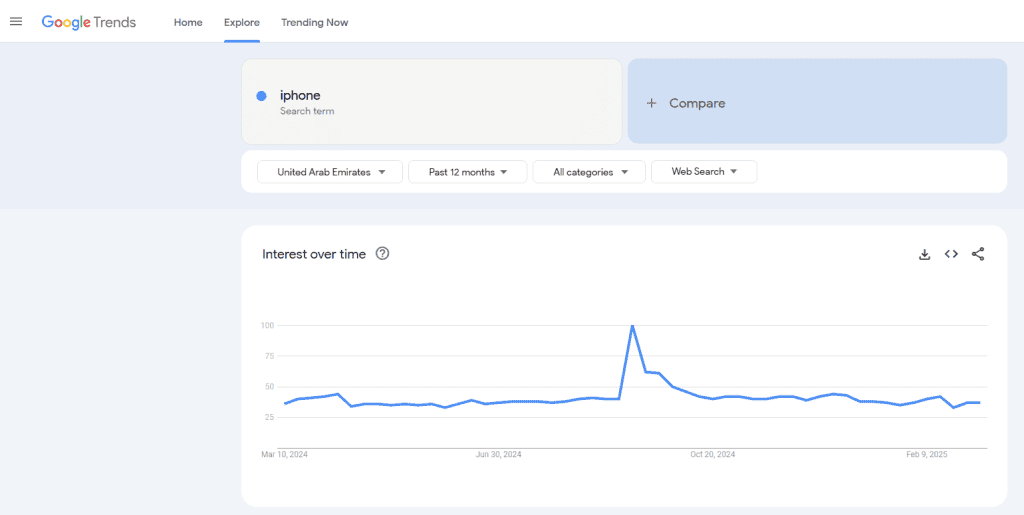
- Google Trends: A free and invaluable tool from Google, Google Trends allows users to explore the popularity of search queries over time and across different regions. It’s exceptionally useful for identifying trending topics, understanding seasonal demand, analyzing audience interests, and developing timely content strategies. Businesses can leverage it to discover emerging opportunities, anticipate shifts in consumer behavior, and stay ahead of competitors by monitoring market interest in relevant keywords and topics.
- Engaging Professional Services: While DIY tools offer significant capabilities, complex market research often benefits from the expertise of specialized firms or freelance consultants. These professionals bring industry-specific knowledge, advanced methodologies, and the capacity to interpret intricate data, providing strategic guidance on market positioning, pricing, and nuanced customer behavior. Combining internal research with expert insights can build a robust foundation for critical business decisions.
2. Harnessing Website Data
For businesses operating online, website data represents a direct and unfiltered source of customer insights. Every click, scroll, and page view tells a story about user behavior, revealing preferences, pain points, and engagement levels.

The primary ways to access this critical data include:
- Built-in Analytics Platforms: Many e-commerce platforms (e.g., Shopify, WooCommerce) and content management systems (e.g., WordPress) offer basic analytics dashboards that provide fundamental metrics like page views, bounce rates, and conversion numbers.
- Dedicated Web Analytics Tools: Advanced platforms designed specifically for in-depth analysis of user behavior on websites and applications.
- Behavioral Analysis Tools: Specialised tools that capture visual and qualitative data on user interactions, such as heatmaps and session recordings.
While built-in analytics provide a foundational understanding, integrating more powerful dedicated tools is highly recommended for deeper insights and actionable intelligence.
Leveraging Web Analytics Platforms:
-
Google Analytics 4 (GA4): As the latest iteration of Google’s industry-leading web analytics platform, GA4 offers a fundamentally different and more advanced approach to tracking user behavior. Its event-driven data model provides unparalleled flexibility in understanding the entire customer journey across websites and mobile apps. GA4 helps businesses understand:
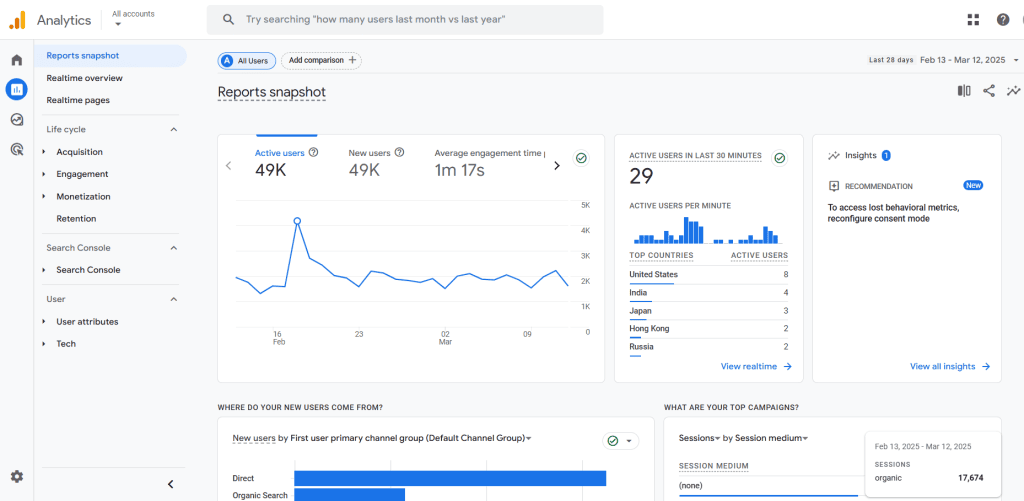
- User acquisition channels: Where users are coming from (organic search, social media, paid ads).
- User engagement: How users interact with content (scrolling, video plays, downloads).
- Conversion paths: The steps users take before completing a desired action (purchase, lead submission).
- User demographics and interests: Insights into the audience composition.
- Cross-device and cross-platform behavior: A unified view of users across different touchpoints.
- Predictive capabilities: Leveraging machine learning to forecast future trends like churn probability or potential revenue.
GA4’s robust features allow for highly customized reporting and deep segmentation, making it indispensable for data-driven optimization.
-
Microsoft Clarity: This powerful and entirely free behavioral analysis tool is a game-changer for understanding why users don’t convert. Microsoft Clarity is renowned for its intuitive heatmaps and session recordings, which provide visual insights into user interactions.
- Heatmaps: Visually represent where users click, scroll, and move their mouse on a page, highlighting areas of interest or friction.
- Session Recordings: Anonymous replays of individual user sessions, allowing businesses to observe actual navigation patterns, struggles, and successes.
- AI-powered Insights: Clarity leverages artificial intelligence to summarize session recordings and identify common user frustrations or "rage clicks" in seconds, eliminating the need for manual review of countless videos.
Its ease of installation, negligible impact on website performance, and a clear commitment to remaining free make Microsoft Clarity an essential tool for qualitative web analysis, complementing the quantitative data provided by GA4.
3. Decoding Social Media Data
In an era dominated by digital communication, social media platforms have become indispensable channels for gathering customer insights. Billions of users actively share opinions, engage with content, and interact with brands, creating a rich repository of public sentiment and behavioral data. If a business lacks an active social media presence, market research tools can identify which platforms their ideal customers frequent.
Every major social media platform (e.g., Meta, Instagram, TikTok, X/Twitter, LinkedIn) offers built-in analytics tools that provide valuable insights into audience demographics, content performance, and engagement metrics. However, each platform cultivates a distinct user mindset – TikTok users, for instance, prefer quick, visually driven content, while LinkedIn users seek professional networking and industry insights.

Integrated Social Media Analytics with GA4:
To gain a holistic view and overcome the siloed nature of platform-specific analytics, integrating social media tracking with a centralized tool like Google Analytics 4 (GA4) is crucial. GA4 offers two primary advantages for analyzing social media traffic:
-
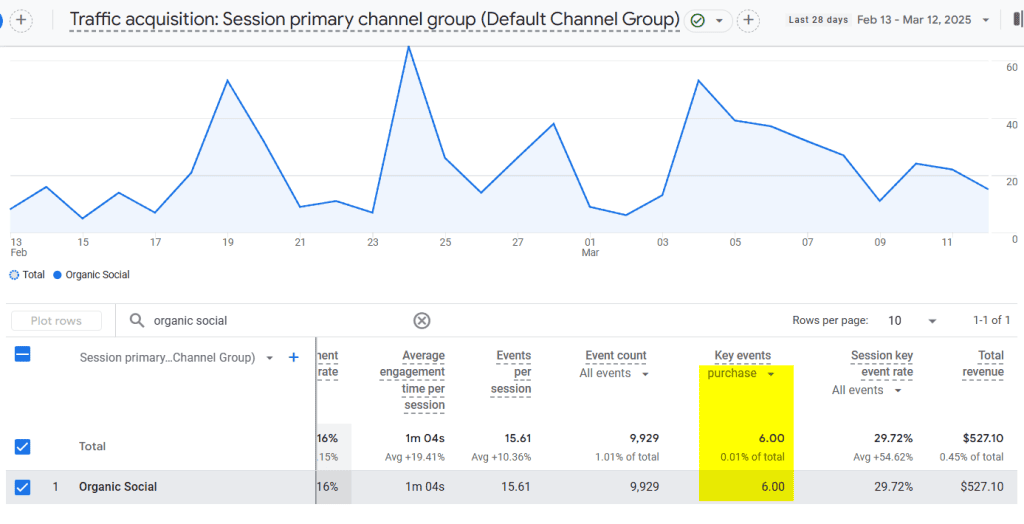
Centralized Performance Analysis: GA4 consolidates performance data from all social media sources into a single, comprehensive view. This eliminates the need to jump between different platforms’ analytics dashboards, allowing for seamless comparison and advanced analysis. By setting up a simple sales funnel within GA4—categorizing actions into awareness, engagement, and conversions (known as Key Events)—businesses can determine which social media sources are most effective at each stage of the customer journey. For example, a "Traffic Acquisition" report in GA4 can quickly reveal how many purchases originated from organic social channels, providing a clear picture of ROI.
-
Understanding User Behavior Beyond Social Media Analytics: While platform-native analytics can show click-through rates, they often fall short in explaining what happens after users arrive on your website. GA4 fills this gap by answering deeper behavioral questions:
- Which social media visitors spend the most time on your site?
- Do users from Instagram convert at a higher rate than those from Facebook?
- What content do social media users engage with most once they land on your pages?
- Are there specific social media campaigns that drive higher-value actions?
- Do users acquired from social media return to your site more frequently?
Unlike social media analytics, which can be biased towards engagement metrics, GA4 provides unfiltered, comprehensive insights into how social traffic contributes to overall business objectives, helping to identify unmet needs that users might not explicitly voice on social platforms.
The Power of Social Listening:
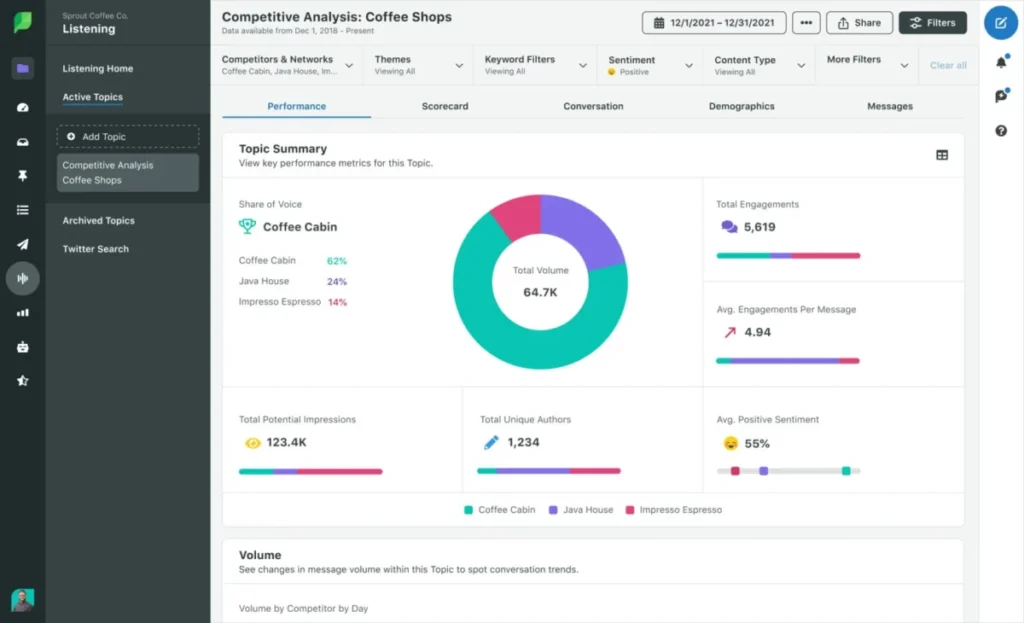
Beyond direct analytics, social media listening involves proactively monitoring online conversations, brand mentions, and relevant industry topics across social platforms, forums, and blogs. Tools like Mention or Sprout Social automate this process, sifting through vast amounts of data to identify:
- Brand Sentiment: Public perception and emotional tone associated with your brand.
- Competitive Intelligence: What customers are saying about your competitors.
- Emerging Trends: New topics, hashtags, or consumer needs gaining traction.
- Crisis Management: Early detection of negative sentiment or potential PR issues.
- Influencer Identification: Discovering key voices discussing your industry or products.
Social listening provides invaluable qualitative insights, offering a real-time pulse on market dynamics and consumer opinions.
4. Direct Customer Feedback Channels
While behavioral data and market trends offer indirect insights, direct customer feedback provides the most authentic and unvarnished perspective into audience thoughts, wants, and expectations. Regularly collecting and analyzing this feedback is paramount for uncovering opportunities to improve products, services, and the overarching customer experience.
Diverse Feedback Mechanisms:
- Feedback Widgets: These small, embedded applications or pop-ups on websites offer a convenient way to solicit real-time feedback. They can pose direct questions, conduct mini-surveys, or allow customers to rate their experience instantaneously. Widgets are excellent for capturing contextual feedback related to specific pages or features, making it easy for users to report issues or share quick opinions without interrupting their browsing.
- Focus Groups: Designed to reveal what no analytics tool can, focus groups involve small gatherings (typically 5-10 participants) led by a moderator. They aim to gain in-depth, qualitative insights into customer preferences, motivations, and emotional responses. Unlike structured surveys, focus groups foster open-ended discussions, allowing participants to elaborate on their thoughts and interact with each other. This method is particularly effective for exploring complex topics, testing new concepts, or uncovering hidden emotions about a product, service, or brand. A structured methodology, including careful participant selection and skilled moderation, is crucial for extracting valuable data.
- Surveys: Surveys remain one of the most effective and scalable methods for collecting structured customer insights. Tools like SurveyMonkey, FreeOnlineSurveys, or even Google Forms enable businesses to create and distribute questionnaires tailored to specific needs. Ready-made templates can expedite the process, offering pre-set questions aligned with industry best practices for various topics like customer satisfaction (CSAT), net promoter score (NPS), or product feedback. While free tools like Google Forms require more manual design effort, they offer flexibility. The key lies in crafting clear, unbiased questions and ensuring efficient distribution to the target audience.
- Polls: Shorter and simpler than surveys, polls are used to quickly gather opinions on specific questions, often with multiple-choice answers. They are ideal for quick validation, gauging immediate reactions, or fostering audience engagement. Content creators frequently use polls to decide on future topics, and businesses can use them to test preferences for new features or marketing messages. Free tools like DirectPoll.com allow for easy creation and distribution, displaying results in accessible graphs and charts.
- Customer Reviews: Found on dedicated platforms (e.g., Trustpilot, Yelp), e-commerce sites (e.g., Amazon), or even Google Maps, customer reviews are a rich source of unsolicited feedback. Analyzing reviews provides direct insights into customer pain points, expectations, and overall satisfaction with products or services.
- Automated Review Analysis: For businesses with a high volume of reviews, automated tools (e.g., Sprout Social’s listening capabilities) can connect to various review sources and perform sentiment analysis, identifying common themes, keywords, and trends across thousands of reviews without manual reading.
- Manual Review Analysis: For those on a budget or with fewer reviews, a manual approach is effective. Browser extensions can help download and compile reviews, which can then be fed into AI tools like ChatGPT for sentiment analysis and key insight extraction. A strategic approach involves first focusing on 3-star and 4-star reviews, as these often provide balanced perspectives, highlighting both strengths and areas for improvement. Subsequently, analyzing extreme ratings (1-star and 5-star) can reveal critical failures or exceptional successes, tempered by an understanding of potential biases.
From Data to Decisions: Best Practices and Strategic Implications
The true power of customer insights is realized when they transcend mere data points and actively inform business strategy across all departments. This requires not only effective data gathering but also robust interpretation, integration, and ethical consideration.

Integrating Insights Across Business Functions
Customer insights should not be confined to a single department; they are a shared resource that can elevate performance across the entire organization:
- Marketing: Insights optimize campaign targeting, messaging, channel selection, and personalization, leading to higher conversion rates and improved ROI.
- Product Development: Understanding unmet needs and pain points directly informs the creation of new features, products, or services that genuinely resonate with the market.
- Sales: Insights equip sales teams with a deeper understanding of customer motivations and objections, enabling more effective pitches and tailored solutions.
- Customer Service: Analyzing feedback helps identify common issues, improve support processes, and empower service agents to address customer concerns proactively and empathetically.
- Strategy and Leadership: High-level insights inform overall business direction, market expansion, competitive positioning, and long-term vision.
Ethical Considerations and Data Privacy
As businesses delve deeper into customer data, ethical considerations and data privacy become paramount. Compliance with regulations like GDPR, CCPA, and other regional laws is not just a legal obligation but a cornerstone of building customer trust.
- Transparency: Clearly communicate to customers how their data is being collected, stored, and used.
- Consent: Obtain explicit consent for data collection and processing, especially for sensitive information.
- Security: Implement robust security measures to protect customer data from breaches and unauthorized access.
- Anonymization/Pseudonymization: Where possible, anonymize or pseudonymize data to protect individual privacy while still allowing for aggregate analysis.
- Value Exchange: Ensure that customers perceive a clear benefit in exchange for sharing their data (e.g., personalized experiences, improved services).
An ethical approach to data management fosters trust, which is invaluable for long-term customer relationships.
The Future of Customer Insights
The field of customer insights is continuously evolving, driven by technological advancements and shifting consumer expectations.

- Artificial Intelligence (AI) and Machine Learning (ML): AI and ML are increasingly automating the analysis of vast datasets, identifying complex patterns, predicting behavior with greater accuracy, and even generating insights from unstructured data (e.g., natural language processing for sentiment analysis).
- Hyper-Personalization at Scale: AI-driven insights enable businesses to deliver highly personalized experiences, recommendations, and communications to individual customers, moving beyond broad segmentation.
- Real-time Insights: The ability to capture, process, and act on data in real-time is becoming critical for dynamic industries, allowing for immediate responses to changing customer needs or market conditions.
- Omnichannel Experience Optimization: As customers interact across more touchpoints, integrating insights from all channels (online, offline, mobile, IoT) to create a seamless, consistent, and personalized omnichannel journey will be key.
- Predictive Customer Service: AI-powered insights will anticipate customer issues before they arise, allowing for proactive outreach and resolution, further enhancing satisfaction.
Conclusion
In the dynamic landscape of modern commerce, the ability to genuinely "click" with customers is no longer a matter of intuition but a strategic discipline powered by customer insights and analytics. This deep dive has illuminated the critical definitions, strategic importance, and comprehensive methodologies required to unlock invaluable intelligence about your audience. From rigorous market research and the meticulous analysis of website and social media data to the direct engagement offered by feedback channels, there is no single best approach. Instead, a synergistic combination of these methods is essential for building a truly holistic understanding of customer motivations and behaviors.
Businesses that embrace a continuous cycle of data collection, analysis, interpretation, and action will not only drive enhanced customer satisfaction and foster unwavering loyalty but also secure a distinct competitive advantage. The journey from raw data to actionable insights is a testament to continuous learning and adaptation, ensuring that every strategic decision is rooted in a profound understanding of what your customers genuinely want and need. For those seeking immediate wins in transforming user experiences into effortless journeys that boost conversions, leveraging these insights, as explored in resources like "Using Analytics to Improve User Experience in 8 Steps," offers a clear roadmap to success.
