
The Industrial Renaissance of the Knowledge Graph: Why Semantic Data is Finally Scaling
Decades ago, the promise of the “Semantic Web”—a vision of an interconnected, machine-readable internet built on graphs, ontologies, and rigorous data standards—felt like a technological inevitability. For those of us working in the trenches of early semantic development, it felt like the future. Then, the financial crisis of 2008 hit, drying up venture capital and shifting the industry’s focus toward shorter-term survival. The semantic dream, while theoretically elegant, was often dismissed as too complex and too difficult to scale.
Fast-forward to today, and the "Semantic Web" has quietly returned, but under a more practical, industrial alias. In asset-intensive sectors like manufacturing, energy, and infrastructure, the knowledge graph has moved from an academic curiosity to the strategic backbone of the next generation of industrial AI.
The Convergence of Intelligence and Infrastructure
The shift is no longer hypothetical. Major industrial titans are aggressively integrating graph-based architectures into their software stacks, recognizing that if AI is the engine of the future, data is the fuel—and that fuel must be structured, contextualized, and interconnected to be useful.
Siemens and the Intelligence Center X
The acquisition of Altair Engineering by Siemens in 2024 served as a watershed moment. While much of the media coverage focused on the surface-level "simulation" capabilities of the merger, the real story lay buried in the infrastructure: the integration of Cambridge Semantics. By June, Siemens had unveiled "Intelligence Center X," a platform designed to act as the central nervous system for industrial AI. While the low-code Mendix platform provides the user interface, the true engine is "Graph Studio," a product born from the Cambridge Semantics/RapidMiner stable. This signals a clear shift: Siemens is betting that mastering the complexity of industrial data through graphs is the key to maintaining a competitive edge.
AVEVA, Schneider Electric, and the Cognite Play
The movement is not confined to Siemens. At the recent AVEVA World in Milan, CEO Caspar Herzberg laid out a clear roadmap for a "digital twin builder" and an "industrial knowledge graph." This wasn’t just a corporate buzzword; it was a foundational commitment to the power of connected data.
The strategy took a massive leap forward this week with the announcement that Schneider Electric—the parent company of AVEVA—intends to acquire Cognite for approximately $3.1 billion. Cognite’s "Data Fusion" platform is arguably the industry gold standard for AI-ready data, and at its core lies a sophisticated knowledge graph. This acquisition is a clear indicator that the market for high-quality, contextualized industrial data is consolidating rapidly.
A Brief Chronology: From Academic Dreams to Industrial Reality
To understand why this is happening now, one must look at the evolution of the technology:
- The Early 2000s (The Theoretical Era): Semantic web standards (RDF, OWL) were established. Pioneers, including those of us involved in the original metadata efforts, believed that global, interoperable data was just around the corner. We underestimated the barrier to entry for large-scale implementation.
- 2010 (The Google Pivot): Google’s acquisition of Metaweb brought the concept of a “Knowledge Graph” into the public consciousness. It proved that graphs could handle search and entity resolution at scale, but the technology remained largely proprietary to Big Tech.
- 2018–2022 (The Mendix and Industrial Maturity): Siemens’ acquisition of Mendix set the stage for low-code integration. Simultaneously, companies like Cognite and Kongsberg Digital (now Falkor) began refining the industrial knowledge graph to handle physical assets—pumps, turbines, and sensors—rather than just web pages.
- 2024–2025 (The Integration Wave): The acquisition of Altair by Siemens and the pursuit of Cognite by Schneider Electric mark the maturation of the market. The “graph” is now considered an essential component of any industrial digital platform.
Why Graphs are the "Secret Sauce" for Industrial AI
The fundamental problem with industrial data is its "siloed" nature. An engineer might have data about a machine’s vibration in one system, its maintenance history in a second, and its financial depreciation in a third. In a traditional relational database, connecting these points is an expensive, brittle, and manual process.
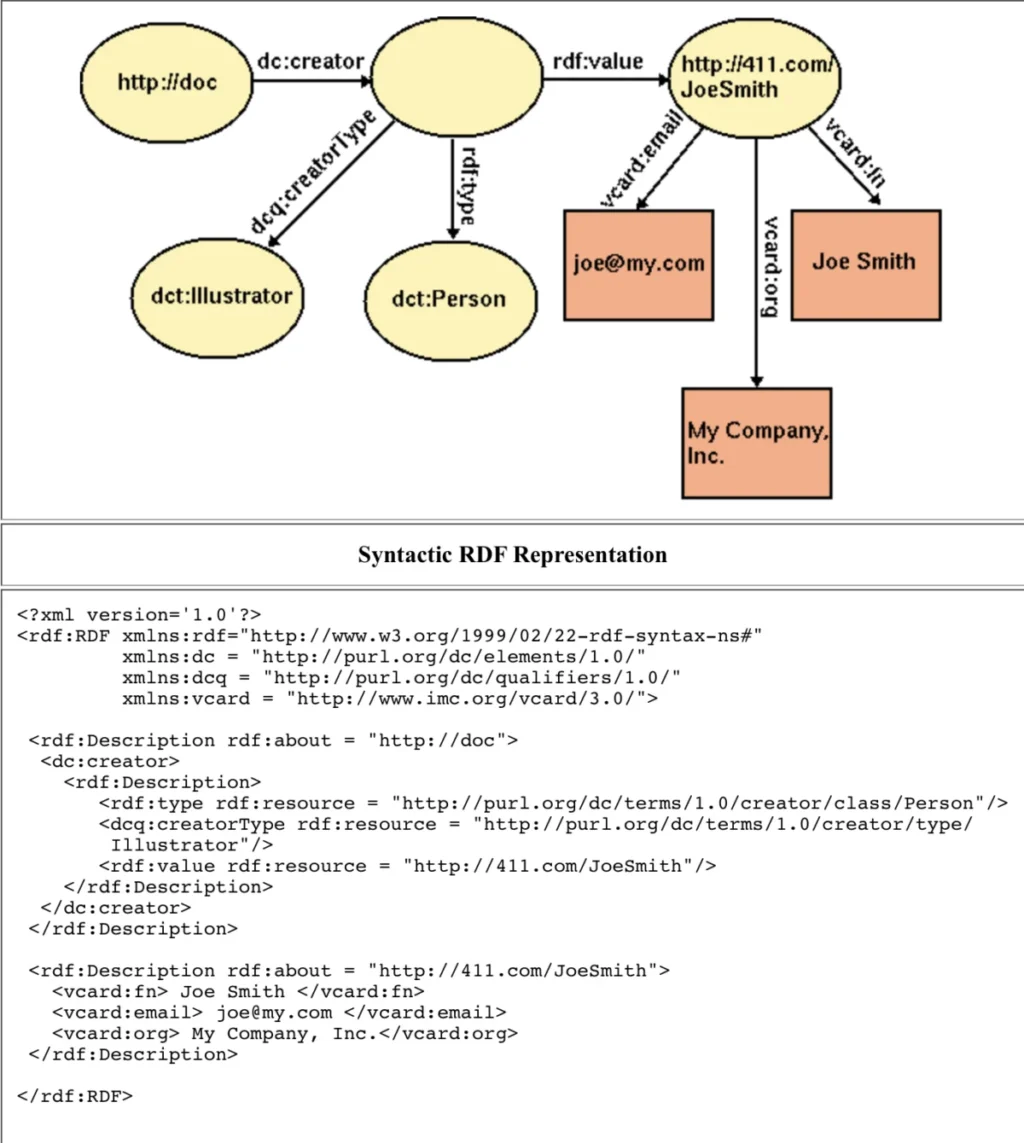
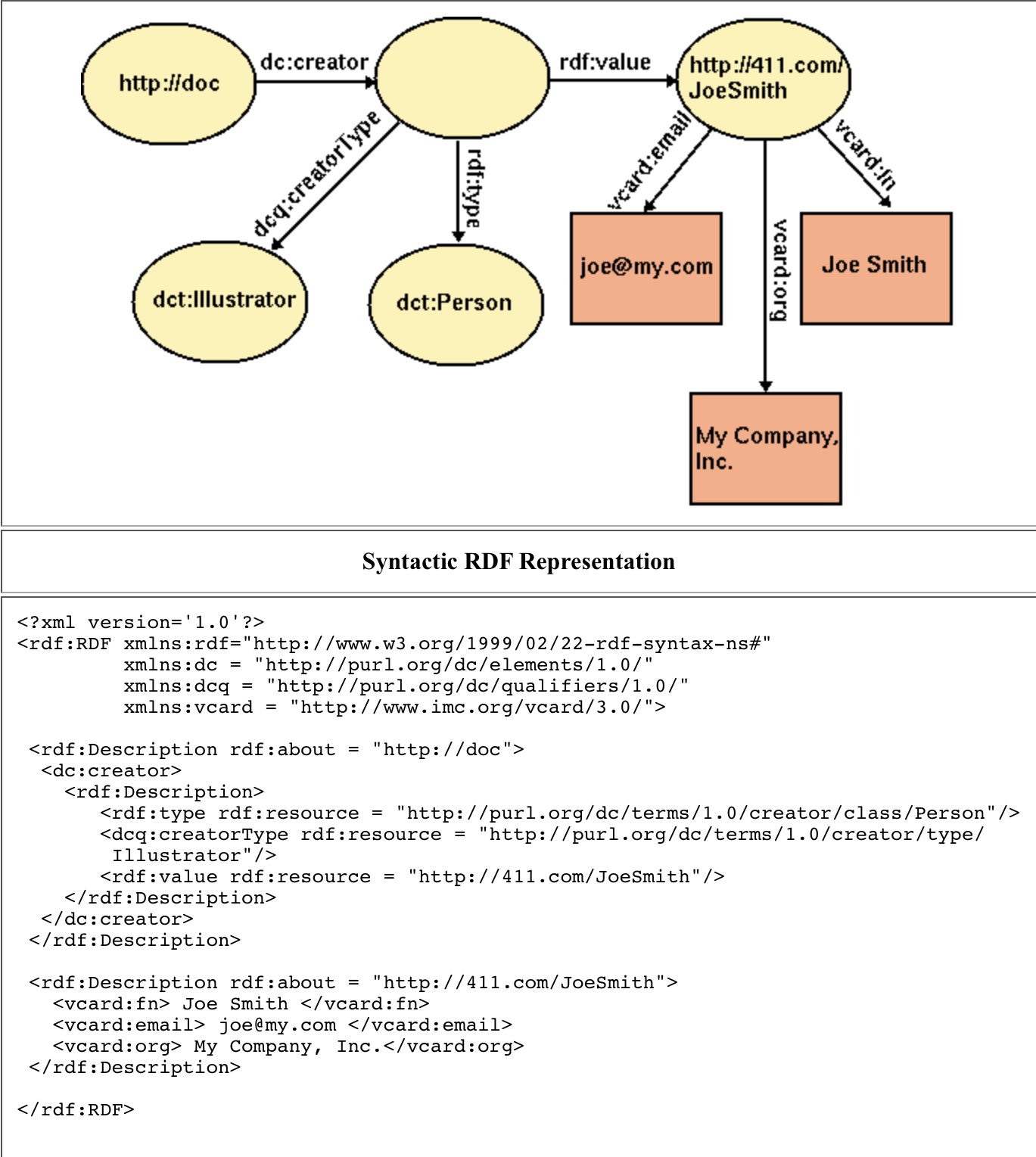
A knowledge graph, by contrast, treats data as a network of relationships. It doesn’t just store "Part A" and "Part B"; it stores the fact that "Part A" is a component of "Engine X," which is currently undergoing "Maintenance Y," which is funded by "Budget Z."
Supporting Data: The Complexity of Asset-Intensive Environments
In asset-intensive industries, the sheer volume of data is overwhelming. Forrester research indicates that:
- Interoperability is the primary blocker: 65% of industrial firms report that their data is trapped in disconnected legacy systems.
- Context is king: Without a graph to provide context, AI models—particularly Large Language Models (LLMs)—often hallucinate or provide technically inaccurate recommendations because they lack a "source of truth" regarding how a physical asset is constructed.
- The "Digital Twin" Mandate: A true digital twin is impossible without a graph. If a digital twin is meant to mirror a physical asset, the data model must be as flexible and interconnected as the physical machine itself.
Industry Implications: What This Means for You
The maneuvering of these "big beasts"—Siemens, Schneider, and their peers—has profound implications for any organization currently navigating a digital transformation.
1. The Death of the "Black Box"
Vendors are no longer selling just software; they are selling the ability to connect disparate data environments. If your current software vendor cannot articulate how their platform handles semantic relationships (the "graph" of your business), you are likely buying into a new, more modern silo.
2. The Rise of the Data Architect
The role of the data architect is becoming as critical as the software engineer. The ability to model ontologies—the formal definitions of how entities in your business relate to one another—is now a core business competency. Companies that fail to define their own data models will be forced to accept the models imposed upon them by their primary software providers.
3. A Call for Skepticism and Due Diligence
While the graph is the solution to many problems, it is not a magic wand. There is a significant difference between a robust, scalable knowledge graph and a "graph-washing" marketing campaign. When evaluating new platforms, practitioners should ask:
- How are relationships stored and queried? Is it a true graph database, or a relational database with a graph-like user interface?
- What is the effort required for ontology maintenance? A graph that is too rigid to adapt to business changes will eventually fail, just as the early systems did.
- How does this integrate with my existing LLM strategy? A knowledge graph provides the "grounding" that prevents AI hallucinations. If your vendor cannot explain how their graph feeds your AI, you are missing half the value.
Conclusion: A New Chapter
It is, perhaps, a strange irony that I have spent the last few weeks in boardrooms and at conferences discussing the very technologies I worked on twenty years ago. The tools have evolved, the scale has increased, and the stakes are much higher, but the fundamental logic remains the same: data is only as powerful as its connections.
The industrial giants are betting billions that the graph is the missing link to true industrial intelligence. For those of us who have lived through the history of this space, it is a vindication of a long-held belief. For those currently building their digital roadmaps, it is a clear signal that the future is not just in the software you buy, but in the intelligence you build into the connections between your assets.
If you are currently wrestling with the implementation of knowledge graphs in an asset-intensive environment, or if you are questioning what these market shifts mean for your specific architecture, the conversation is just beginning. As we look toward the next five years of industrial innovation, the companies that master their data graph will be the ones that define the new standard for efficiency, safety, and operational excellence.
