
Beyond Beehiiv: A Comprehensive Guide to Scaling Your Email Marketing Strategy (2026 Edition)
In the rapidly evolving landscape of creator-led media and digital marketing, Beehiiv has carved out a significant niche. Renowned for its newsletter-first approach, integrated referral programs, and rapid growth tools, it has become the go-to platform for thousands of independent publishers. However, as organizations scale, the requirements for sophisticated automation, enterprise-level audience management, and deep-funnel analytics often outpace what a newsletter-centric platform can provide.
For brands, agencies, and high-growth media teams, the "outgrowing" phase is a common milestone. When your needs shift from simple content distribution to complex, multi-channel customer journeys, it becomes necessary to look toward more robust alternatives. This guide analyzes the current email marketing ecosystem, drawing on thousands of user reviews across G2, Capterra, and Reddit to identify the best platforms for brands seeking greater control, clearer ROI, and deeper technical integration.

The Growth Dilemma: Why Creators Outgrow Beehiiv
While Beehiiv excels at building top-of-funnel reach, professional teams often report hitting a "ceiling" as they move into more mature phases of operation. According to community feedback, the primary pain points driving users to migrate include:
- Limited Automation: While Beehiiv handles basic sequences well, teams requiring complex, multi-step, conditional logic—triggered by external CRM data or specific behavioral events—often find the platform restrictive.
- Analytics Depth: For data-driven marketers, the desire for cross-channel performance tracking, predictive analytics, and granular revenue attribution often necessitates a move to a more mature ESP (Email Service Provider).
- Design & Governance: Enterprise teams require strict brand governance, including template locking, multi-user permissions, and approval workflows—features not prioritized in creator-focused tools.
- Integration Ecosystem: As businesses scale, their tech stack grows. While Beehiiv has expanded its integrations, it often lacks the native, deep-level API connections found in established platforms like Campaign Monitor or ActiveCampaign.
Top Beehiiv Alternatives: A Comparative Overview
When evaluating a migration, it is critical to align your choice with your specific operational goals. Below is a snapshot of the leading market alternatives as of January 2026.
| Tool | Best For | Key Advantage | Starting Price |
|---|---|---|---|
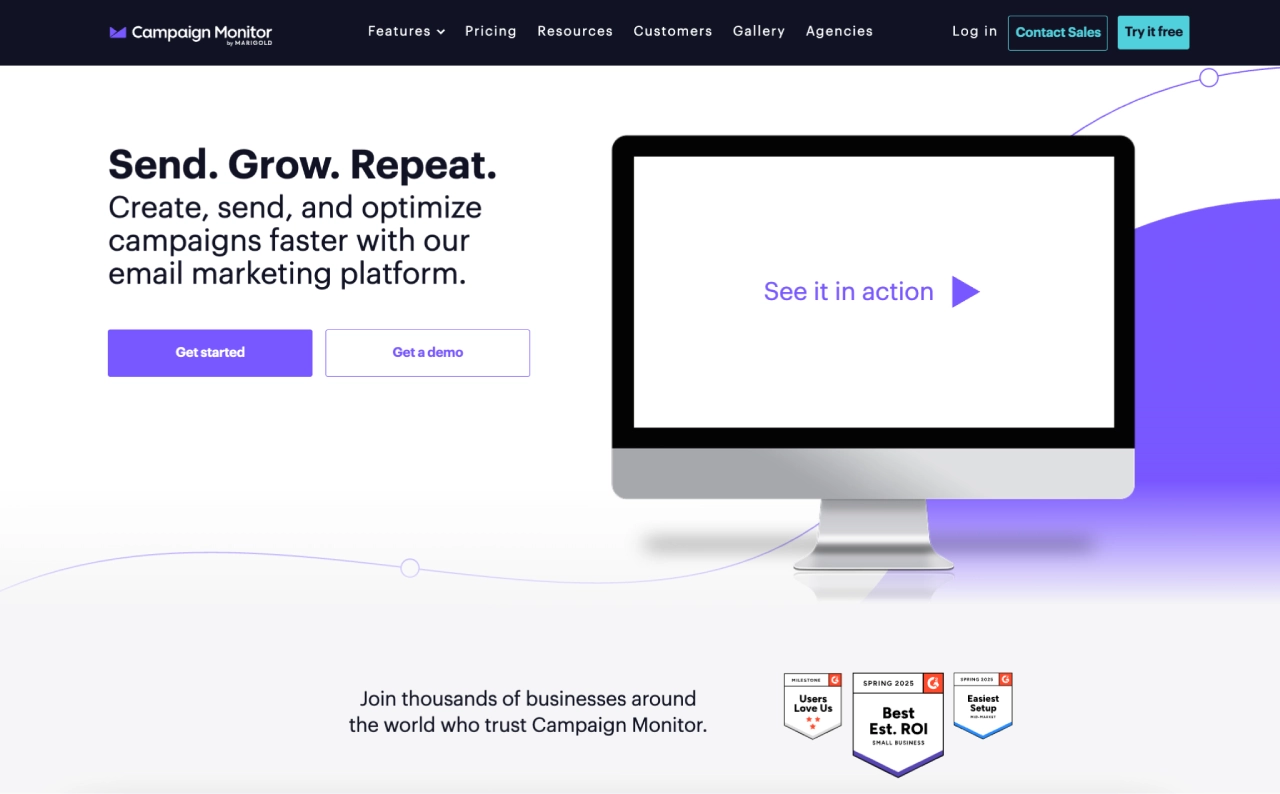
| Campaign Monitor | Professional Teams | AI-powered builder; 250+ integrations | $12/mo |
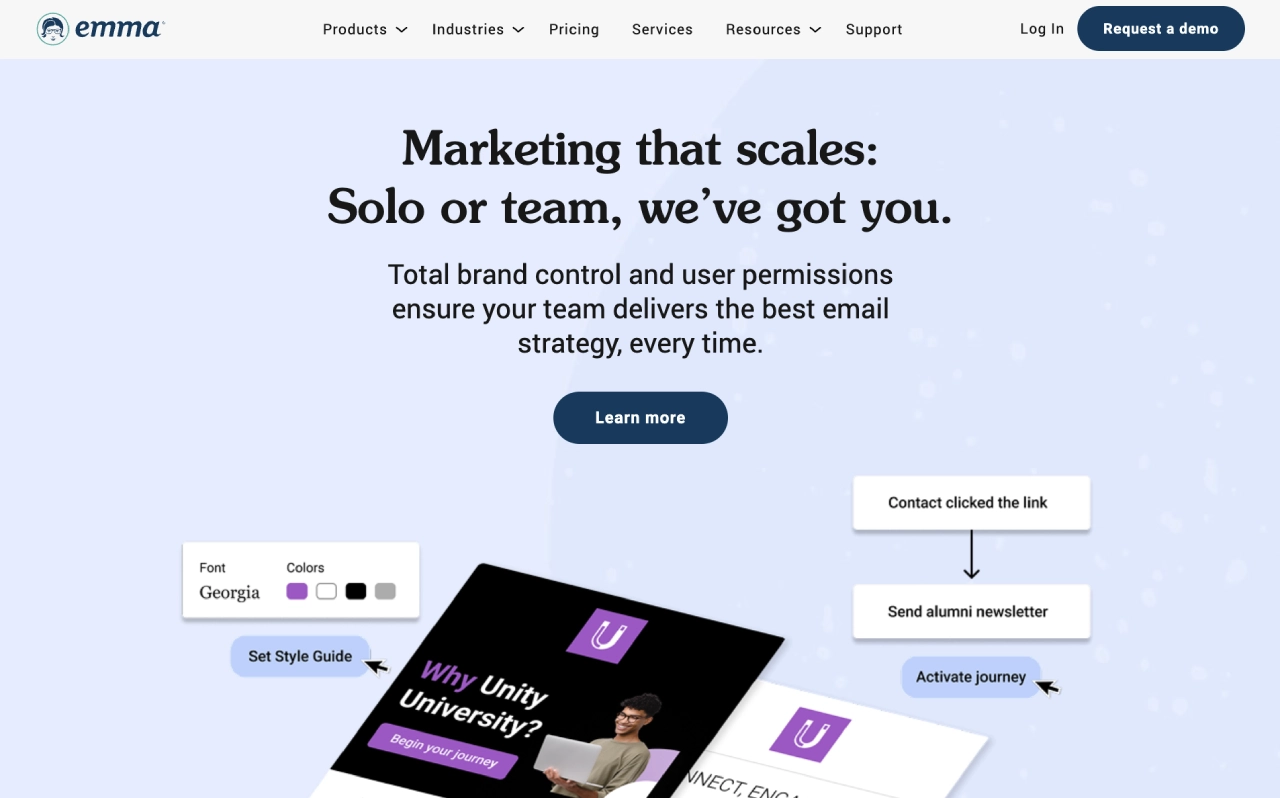
| Emma by Marigold | Enterprises | Brand governance; multi-account structure | $99/mo |
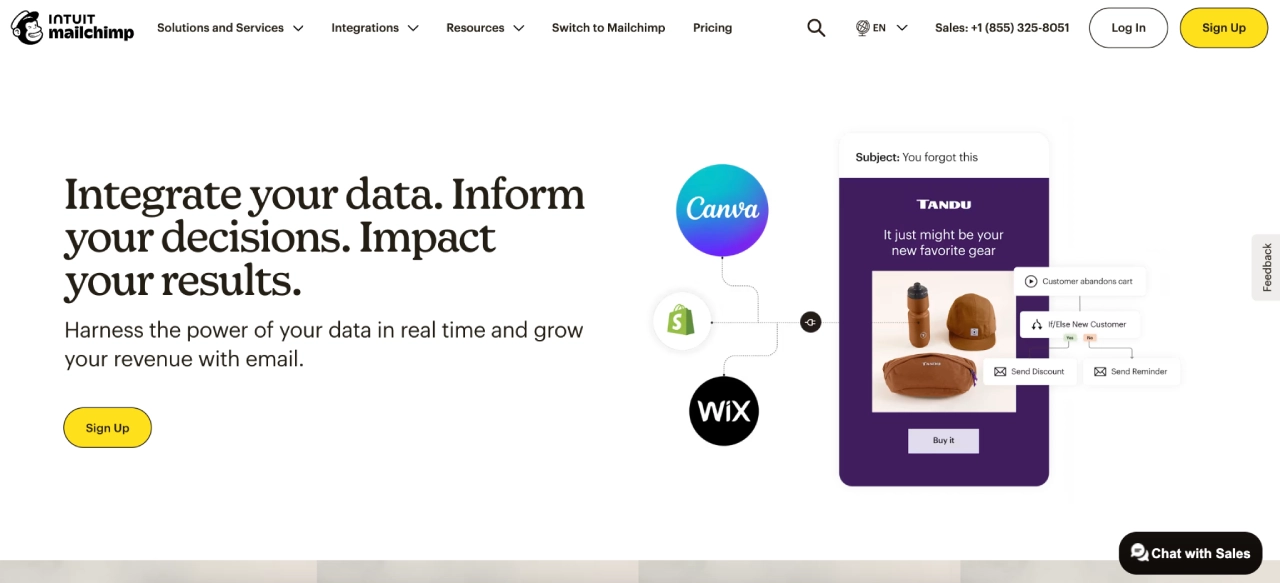
| Mailchimp | Small Business | All-in-one marketing suite | Free/$13/mo |
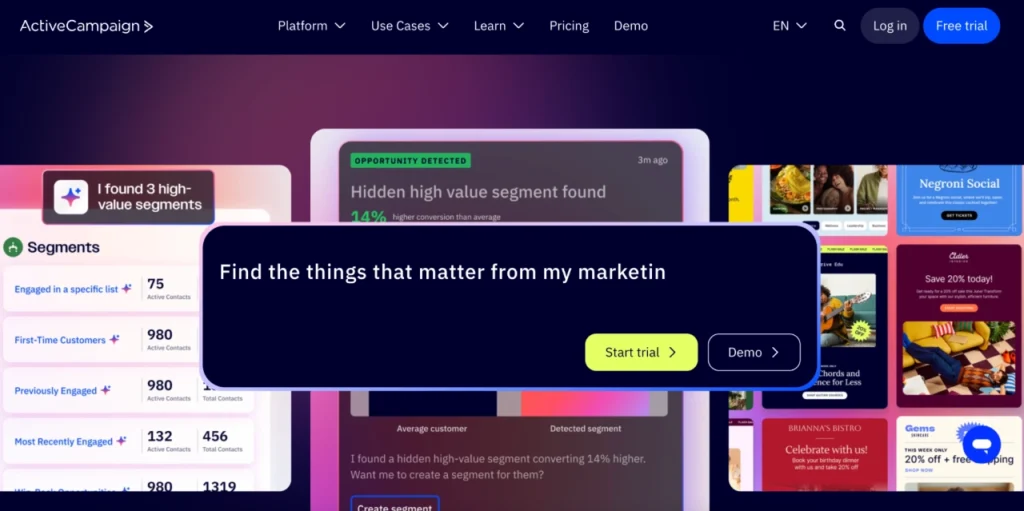
| ActiveCampaign | Automation Power Users | Advanced CRM & multi-step logic | $15/mo |
| Klaviyo | Ecommerce | Unified customer data & predictive AI | Free/$45/mo |
1. Campaign Monitor: The All-Rounder for Professional Teams
Campaign Monitor stands out as the most comprehensive alternative for teams that value a balance between high-end power and ease of use. With over 20 years of industry experience, it offers a level of stability and deliverability that newer platforms often struggle to match.
Why it Wins
For teams transitioning from Beehiiv, the primary benefit is the AI-powered email builder. It allows for the rapid creation of professional-grade campaigns without requiring HTML expertise, while still offering the flexibility for custom code when necessary. Its 250+ native integrations make it a superior choice for businesses running complex tech stacks.
Key Differentiator
Unlike platforms that force a steep learning curve, Campaign Monitor provides a sophisticated, yet intuitive interface. The "Premier" tier offers advanced features like send-time optimization and inbox previews, which are essential for maximizing engagement in crowded markets.
2. Emma by Marigold: Governance for the Enterprise
For mid-to-large organizations managing multiple sub-brands or regional offices, Emma is the gold standard. It addresses the "governance" issue directly, allowing corporate administrators to lock templates and assets, ensuring brand consistency across decentralized teams.
Operational Implications
The platform’s "Mailing Score" provides actionable insights into campaign health, moving beyond simple open rates to look at audience sentiment and engagement trends. For organizations where brand safety is paramount, the approval workflow feature is a non-negotiable upgrade from simpler newsletter platforms.
3. Mailchimp: The "All-in-One" Powerhouse
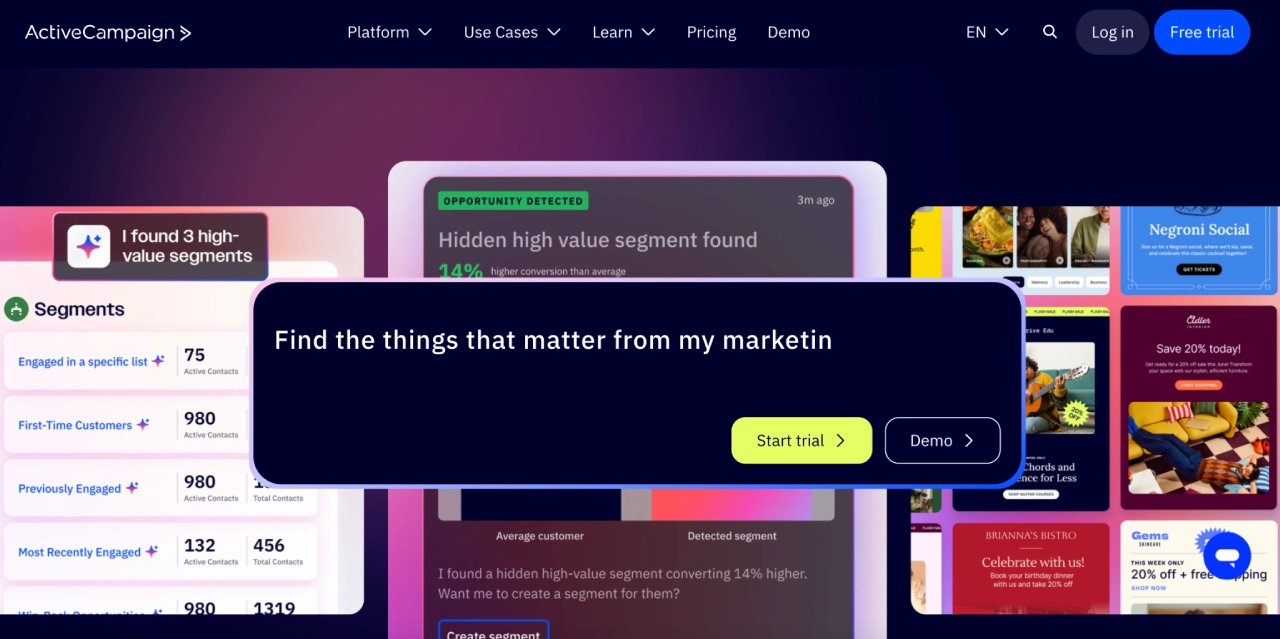
Mailchimp remains the most recognizable name in the industry for a reason. By moving away from simple newsletters to a full-scale marketing suite, it offers website building, social media scheduling, and SMS marketing under one roof.
Supporting Data
With over 11 million users, the platform’s strength lies in its Predictive Segmentation. By leveraging historical purchase data and engagement patterns, Mailchimp helps businesses calculate Customer Lifetime Value (CLV), allowing for highly personalized targeting that is difficult to achieve in simpler tools.
4. ActiveCampaign: Automation at Scale
If your primary pain point with Beehiiv is the lack of "intelligent" automation, ActiveCampaign is the logical next step. It is not just an email tool; it is a marketing automation platform with a built-in CRM.

The Automation Edge
ActiveCampaign uses an AI-driven automation builder that allows for complex, multi-step workflows. Whether you are nurturing B2B leads through a long sales cycle or triggering specific emails based on onsite behavior, ActiveCampaign’s logic-based triggers are among the best in the industry.
5. Klaviyo: The Ecommerce Specialist
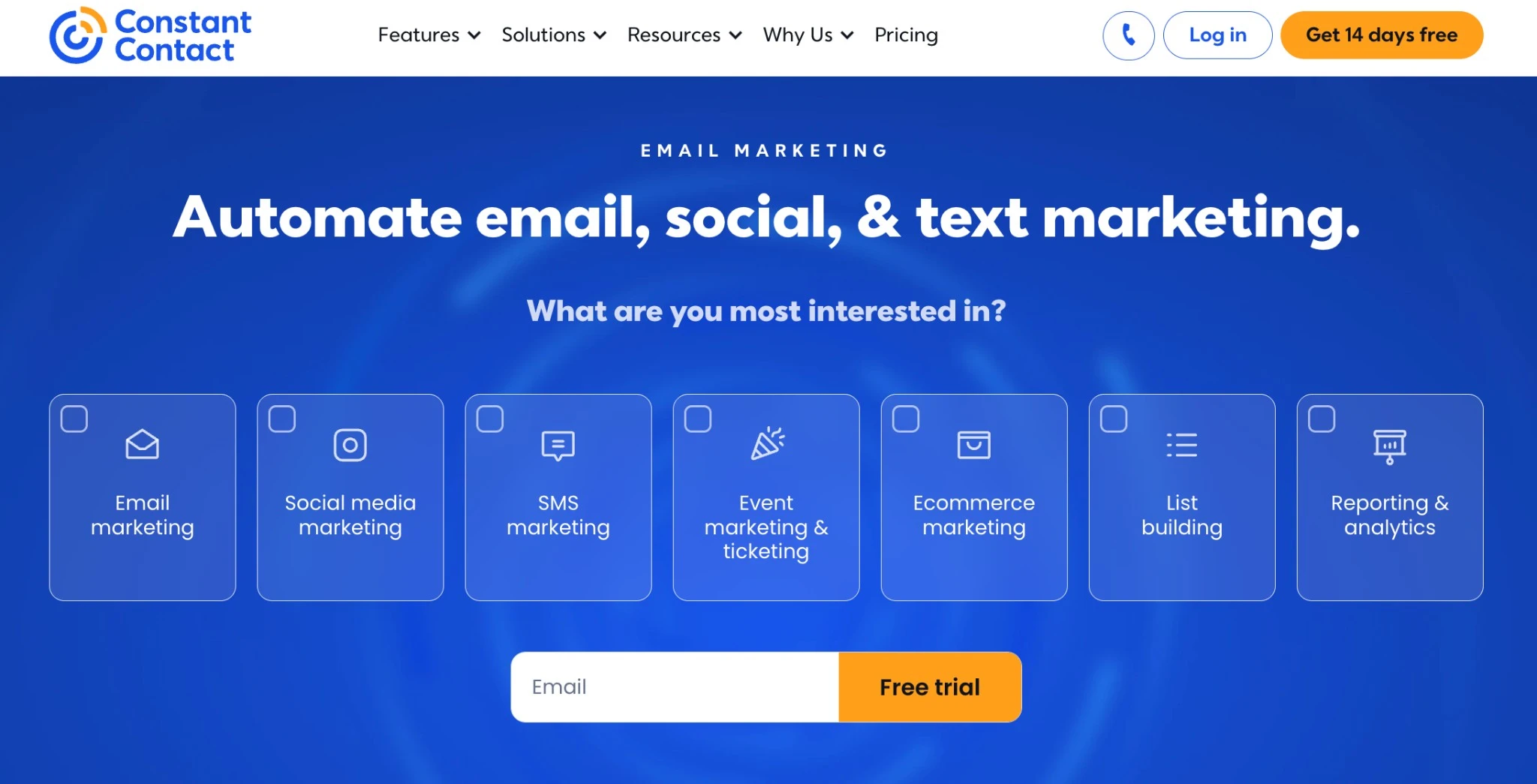
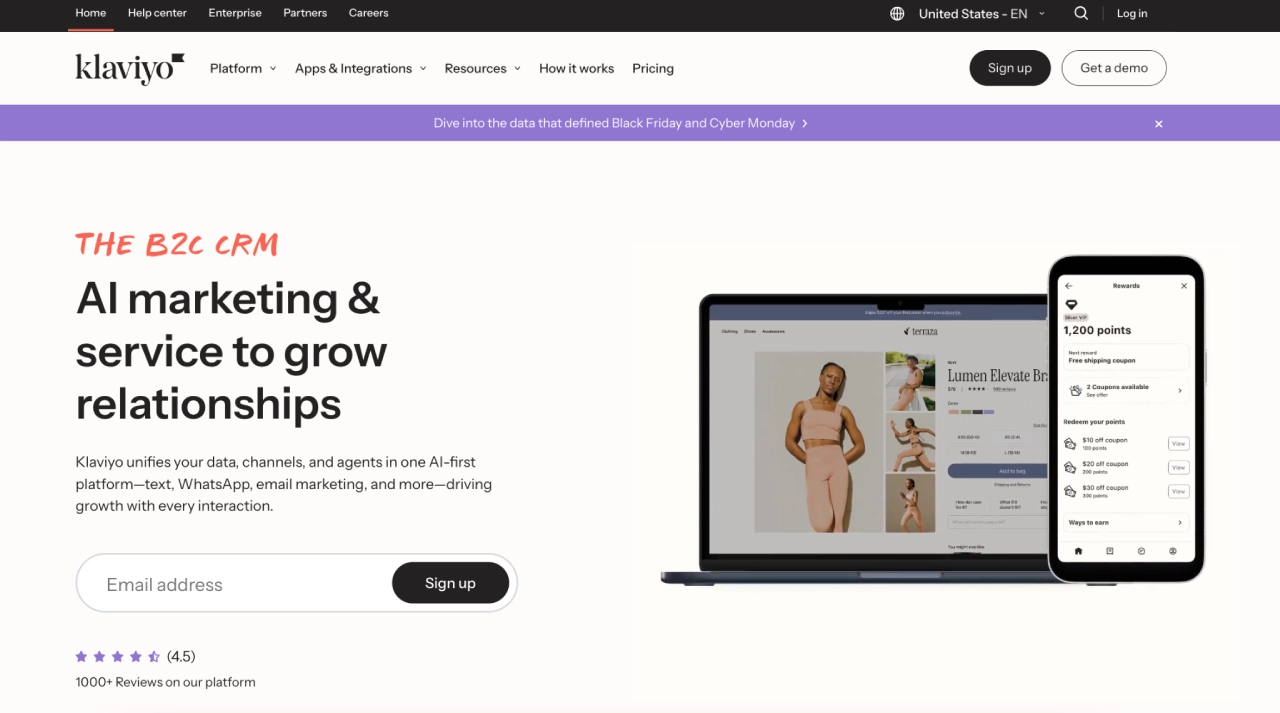
For brands whose primary goal is driving revenue via direct-to-consumer (DTC) sales, Klaviyo is the industry leader. It is built entirely around the concept of Unified Customer Data.
Why it Matters
Klaviyo integrates directly with platforms like Shopify and WooCommerce, pulling in every transaction and event. This allows for hyper-personalized automation flows, such as "back-in-stock" notifications or "post-purchase" cross-sell campaigns that are natively tailored to the individual’s purchase history.
Chronology of the Shift: From Content to Commerce
The market shift away from "content-only" tools mirrors the broader evolution of the creator economy.
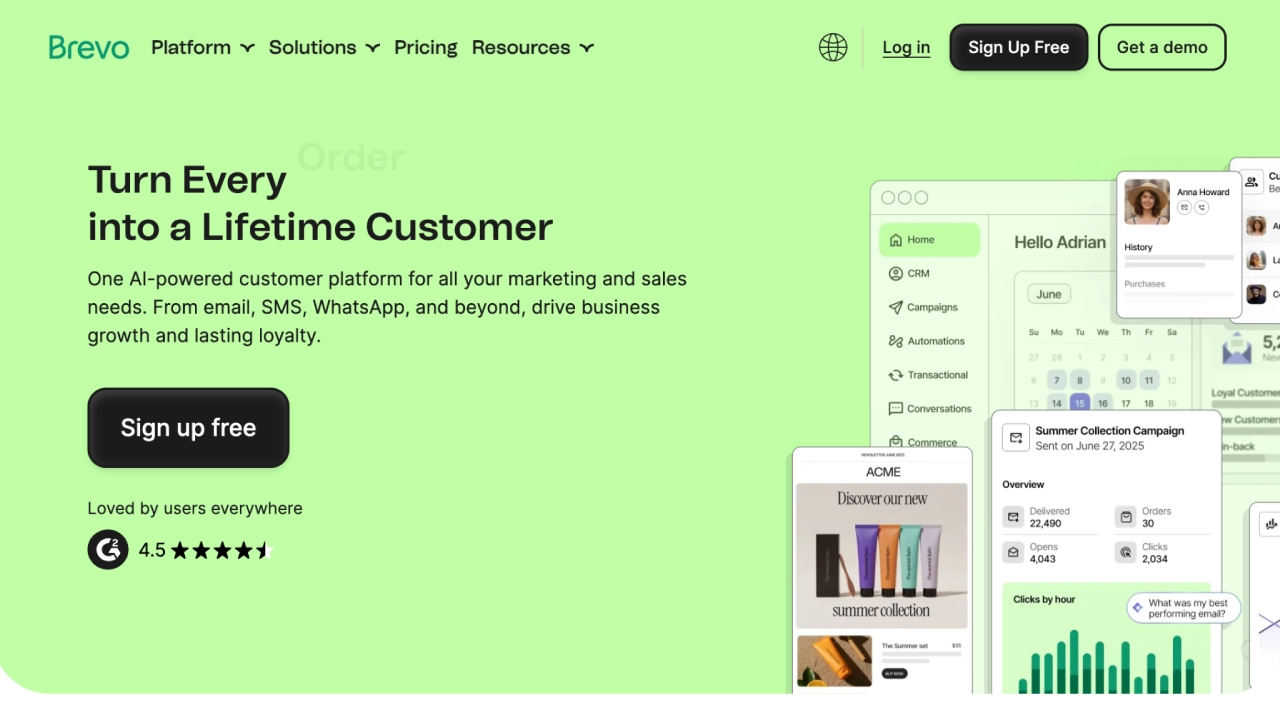
- 2020–2022: The rise of the newsletter-first platform. Creators focused on audience growth and simple monetization (paid subscriptions).
- 2023–2024: The "Integration Era." Brands began realizing that newsletters were just one part of a larger customer journey, leading to a surge in demand for platforms that could bridge email with SMS, web push, and CRM.
- 2025–2026: The AI Integration phase. As of January 2026, the focus has shifted entirely to AI-driven personalization, predictive deliverability, and automated content generation. Platforms that cannot offer these AI efficiencies are seeing higher churn rates among sophisticated, high-growth users.
Implications of Migrating Your Platform
Migrating an ESP is not a decision to be taken lightly. Before initiating a switch, teams should consider:
- Deliverability Audits: Moving from a newer platform to a mature one often improves deliverability, but you must ensure your sender reputation is transferred correctly via proper DKIM/SPF setup.
- Cost Structure Changes: Many enterprise-grade platforms (like Emma or Klaviyo) have higher entry price points than Beehiiv. However, they often offer higher ROI through better segmentation and automation.
- Migration Support: Look for platforms that offer complimentary migration assistance. Brands like Campaign Monitor have dedicated teams to help move templates, contact lists, and automation workflows to minimize downtime.
Official Responses and Industry Outlook
While platform representatives often emphasize their unique "feature sets," the consensus from industry analysts is clear: The era of the "one-size-fits-all" email tool is over.
"We are seeing a bifurcated market," says Sarah Jenkins, an email strategy consultant. "On one side, creators want simplicity and speed. On the other, businesses want data control and multi-channel orchestration. A platform that attempts to be both often ends up being neither."
Beehiiv’s own product roadmap has focused on adding more creator-centric growth tools, such as its "Boosts" network. However, for companies that view email as a critical revenue-generating channel rather than just a content medium, the shift to tools like Campaign Monitor or ActiveCampaign is becoming a standard operational procedure.

The Verdict: How to Choose
If you are at a crossroads, consider your primary objective:
- If you need professional-grade, reliable email marketing that is easy to use: Go with Campaign Monitor. It provides the most balanced feature set for growing teams.
- If you are an Ecommerce brand: Use Klaviyo or Omnisend for their native integration with your store.
- If your priority is complex, logic-heavy automation: ActiveCampaign is the undisputed champion of the workflow.
- If you are managing brand identity across multiple teams: Emma by Marigold is the only logical choice for enterprise-level governance.
Regardless of which tool you choose, the transition should be viewed as an investment in your infrastructure. By choosing a platform that aligns with your 2026 business goals, you ensure that your email strategy scales alongside your brand, rather than acting as a bottleneck to your growth.
Disclaimer: This report is provided for informational purposes only and does not constitute financial, legal, or tax advice. Features and pricing are accurate as of January 2026 and are subject to change. Consult with platform representatives for custom quotes and specific integration requirements.
