
Mastering the Digital Frontier: A Strategic Guide to High-Performance Website Content
In an era where generative AI provides instant answers to complex queries, the traditional role of website content has undergone a seismic shift. Today, simply "having a blog" or "optimized product pages" is no longer enough to secure visibility. To thrive in the current search landscape, content must move beyond basic information delivery; it must earn the user’s click and provide a level of unique insight that AI assistants are compelled to cite.
Based on an analysis of over 700 content assets developed over the last five years, this guide outlines the evolution of digital content and the rigorous standards required to drive engagement, authority, and conversion in a competitive, algorithm-driven marketplace.
Defining the Modern Digital Ecosystem
Website content is the sum total of every interaction a visitor has with your digital domain. It is not merely the text on your homepage; it is a multifaceted experience encompassing product descriptions, long-form educational articles, high-fidelity imagery, instructional video content, and interactive digital tools like calculators and configurators.
The primary objective of this content is to function as a foundation for business value. Whether it is building brand visibility, establishing subject matter expertise, or guiding a prospect through the sales funnel, every asset must serve a clear, measurable purpose.
The Four Pillars of Website Content
To capture and hold user attention, modern websites must move beyond "walls of text." A balanced strategy employs a blend of four distinct content types:
- Textual Content: The backbone of the web. This includes landing page copy, blog posts, and white papers. While it remains the primary driver for SEO, its efficacy depends on readability and depth.
- Visual Content: Photography, infographics, and GIFs are not just decorative. They are essential for breaking up dense information and are increasingly critical for visual search discoverability.
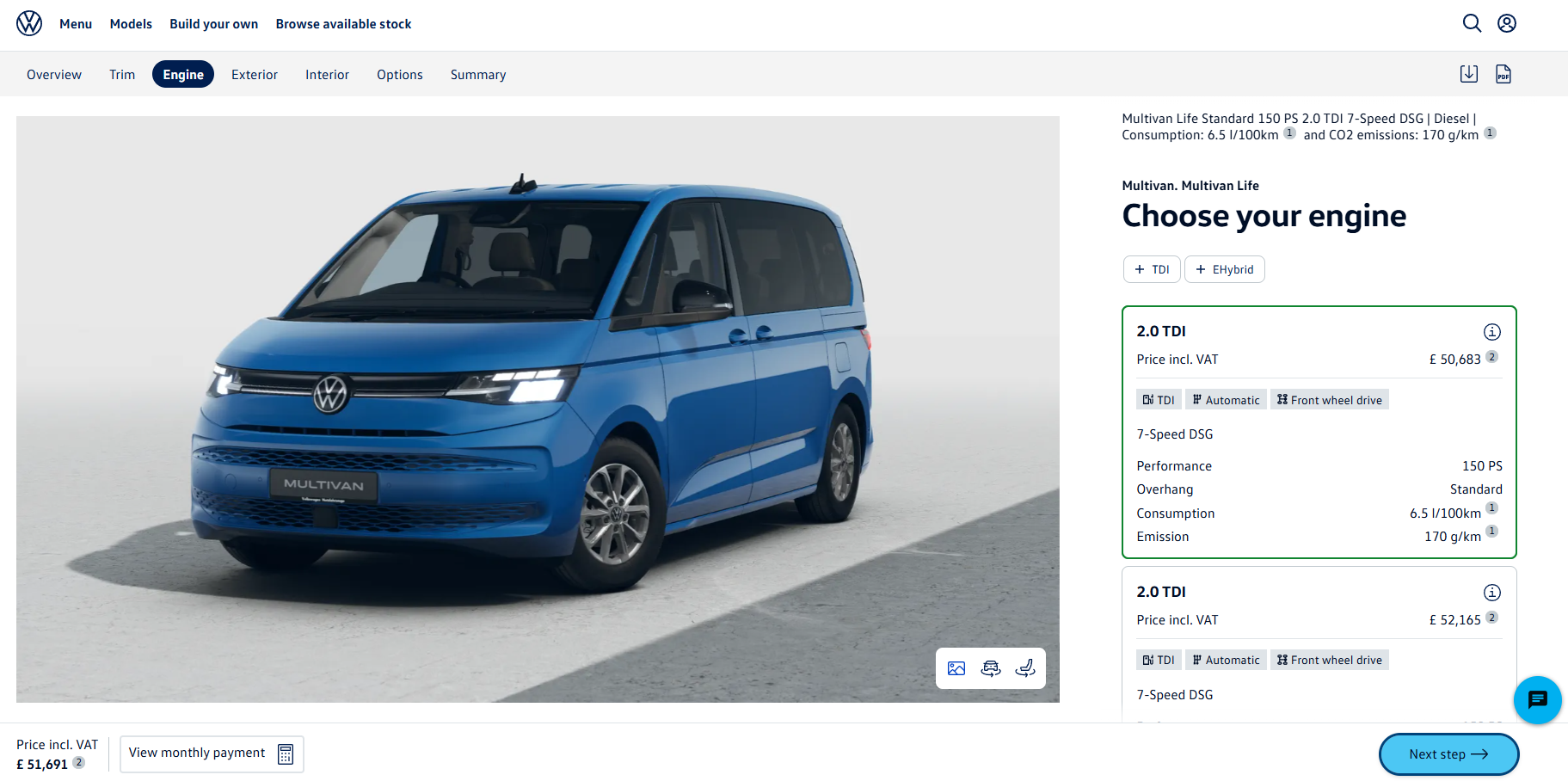
- Interactive Content: This includes tools like mortgage calculators, product configurators, or diagnostic quizzes. These assets require active participation, which significantly increases dwell time and provides tangible value to the user.
- Audio Content: A growing segment, often used as an alternative format for long-form articles, allowing users to consume content while commuting or multitasking.
10 Best Practices for High-Impact Content
Creating content that resonates requires a shift from "production for production’s sake" to a user-centered, data-backed approach.

1. The Principle of Singular Purpose
Every page on your website must have one clear job. If a page is designed to drive demo bookings, the call to action (CTA) should be singular and prominent. When a page attempts to serve multiple masters—e.g., selling a product while also asking for newsletter signups and social media follows—it dilutes user attention and lowers conversion rates.
2. Prioritizing the User’s Problem
Before discussing product features, start with the user’s pain point. By mirroring the language found in customer reviews, support transcripts, and forum discussions, you demonstrate empathy and authority. The goal is to prove you understand the problem so thoroughly that the reader naturally assumes you have the best solution.
3. Context-Aware Readability
The advice to "write for a five-year-old" is often reductive. True professional content adjusts to its audience. If you are targeting software engineers, use the technical terminology they expect. If you are targeting B2B executives, focus on ROI and strategic impact. Use jargon only when it serves as a shortcut for a sophisticated audience.
4. The Inverted Pyramid Structure
In a digital world, you have seconds to capture interest. Adopt the "bottom-line up front" (BLUF) approach. Summarize the key takeaway in your introduction. This not only satisfies human readers who want immediate answers but also aligns with how modern AI systems prioritize information, often favoring data found in the top third of a page.
5. Formatting for the Skimmer
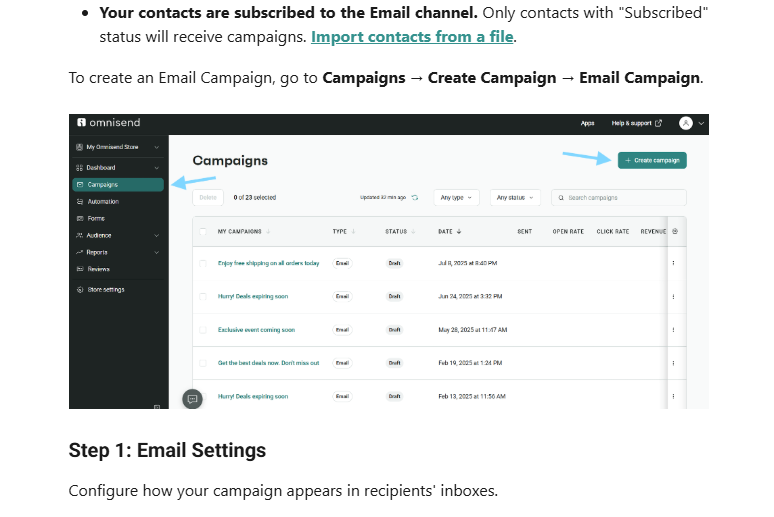
Nielsen Norman Group research consistently shows that web users rarely read line-by-line. They scan. Use H2 and H3 subheadings, bullet points, short paragraphs, and bold text to make your content scannable. If a user can grasp your core argument by simply scrolling, you have succeeded.

6. Establishing E-E-A-T
Experience, Expertise, Authoritativeness, and Trustworthiness (E-E-A-T) are the gold standards for modern search engines. Build trust by citing original research, showcasing credentials, and linking to reputable primary sources.
7. Creating Defensible Content
If your content can be replicated by a competitor, it offers no long-term advantage. To make your content "hard to copy," integrate:
- Proprietary data and original surveys.
- Personal anecdotes and unique case studies.
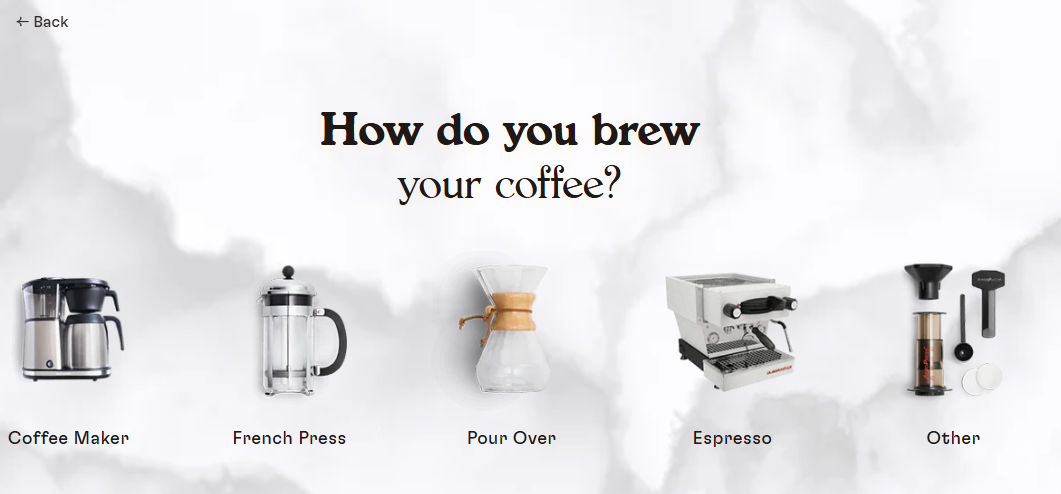
- Original photography or custom charts that aren’t stock photos.
8. AI as an Auxiliary Tool
While generative AI can draft text, it is prone to hallucinations and lacks the nuance of human experience. Use AI to expedite research, structure outlines, or summarize notes, but ensure that the final output is refined by a human who understands your brand voice and the specific needs of your audience.
9. The Necessity of Content Currency
Content is not a "set it and forget it" asset. Search engines and AI models reward fresh, updated information. Schedule a recurring audit every 3 to 12 months to refresh statistics, update product screenshots, and ensure the content still reflects the current market reality.
10. Holistic SEO and AEO
SEO is no longer just about search engines; it is about "Answer Engine Optimization" (AEO). By writing clear, authoritative, and well-structured content, you position your brand to be the primary source for AI-driven search interfaces like ChatGPT and Perplexity.
Measuring Performance: The Feedback Loop
Publishing is only the beginning. To determine if your content is performing, you must employ robust analytical tools:

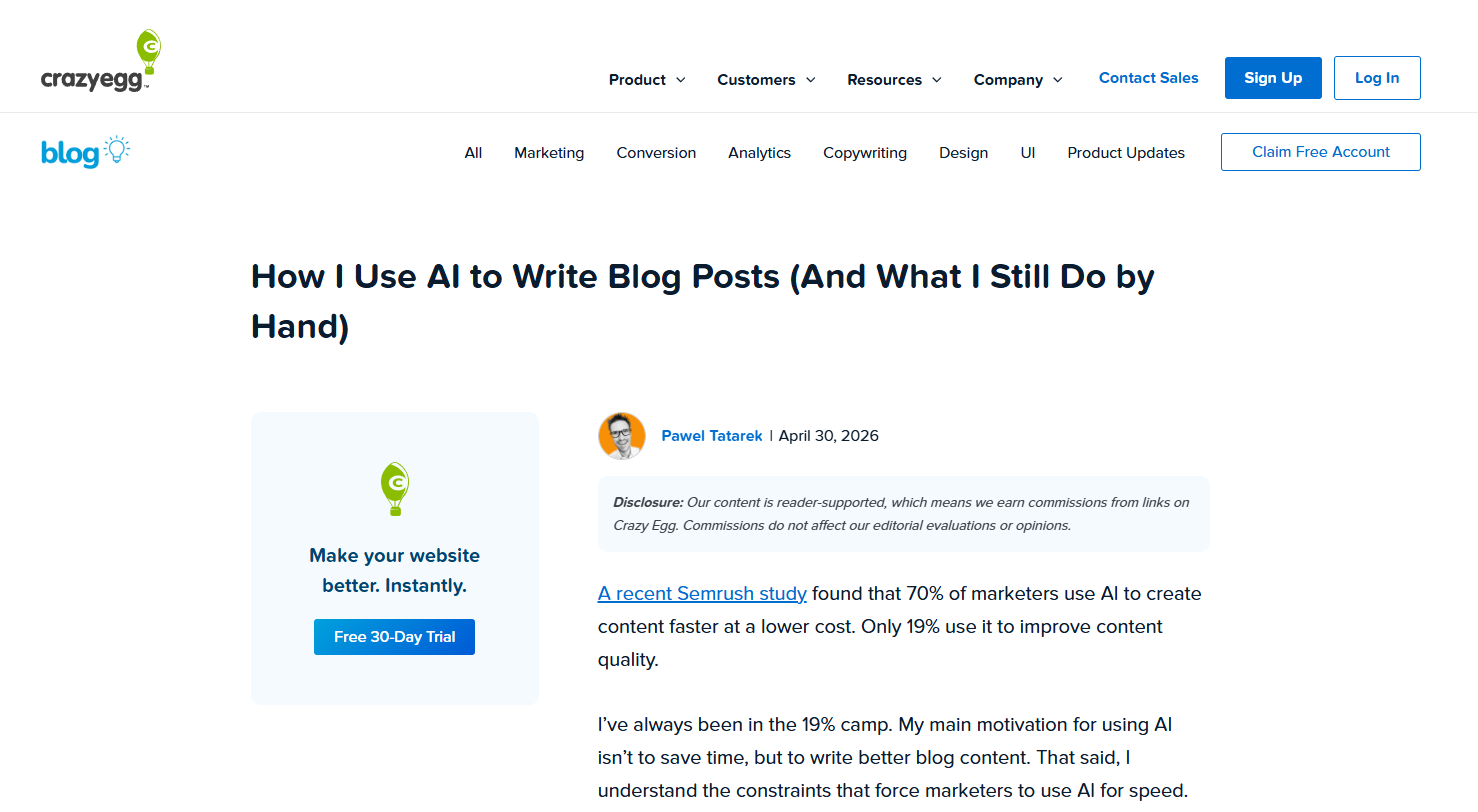
- Heatmaps: Tools like Crazy Egg allow you to see exactly where users are clicking and how far they are scrolling, revealing if your CTAs are in the right position.
- Conversion Funnels: Tracking how many users move from a blog post to a product page provides insight into the "return on investment" of your content.
- Direct Feedback: Simple, one-click rating widgets at the end of articles can tell you immediately if your content actually helped the user.
Strategic Implications for the Future
The digital landscape is becoming increasingly crowded, yet the opportunity for high-quality content has never been greater. As AI filters out the "noise" of generic, mass-produced content, the premium on human-centric, experience-based, and data-driven content will rise.
Companies that treat their website content as a strategic asset—investing in original research, maintaining content freshness, and relentlessly optimizing based on user behavior—will not only survive the AI shift but will thrive by becoming the definitive sources of truth in their respective industries.

Frequently Asked Questions (FAQs)
Q: Is there a difference between web content and web copy?
A: Yes. Web copy is a subset of content; it is persuasive text specifically designed to drive an immediate action (e.g., headlines, buttons). Web content is the broader, holistic term that includes educational blog posts, videos, and interactive tools.
Q: Does length matter for SEO?
A: There is no "perfect" word count. The ideal length is the amount required to fully answer the user’s intent. However, data suggests that the most cited content by AI models usually falls within the 500–2,000 word range, as this length provides enough depth without overwhelming the reader.

Q: How does content marketing differ from general web content?
A: Web content is the static material living on your site. Content marketing is the strategic, ongoing process of creating and distributing that content across multiple channels (social, email, search) to build an audience and convert them into customers.
