
The Digital Toy Box: Exploring the Intersection of Generative AI and Personal Nostalgia
Last Revised: June 22, 2025
In an era defined by rapid technological advancement, the boundaries between reality and digital artifice are becoming increasingly porous. For Mike, a dedicated blogger and tech enthusiast, the frontier of this transformation lies in the creation of personalized, custom-designed action figures. Utilizing the sophisticated generative capabilities of OpenAI’s latest models—specifically the o3 and o4-mini iterations—he has embarked on a creative project that blends high-tech AI prompting with the intimate, analog joy of 1960s and 70s nostalgia.
What began as a creative exercise following a week-long Flower Power Cruise has blossomed into a comprehensive digital catalog of custom figures. Yet, this journey is not without its hurdles. As the project demonstrates, the current state of generative AI is a double-edged sword, characterized by both remarkable creative potential and the persistent, often humorous, challenge of "AI hallucinations."
The Genesis of the Project: From Cruise Ships to Custom Figures
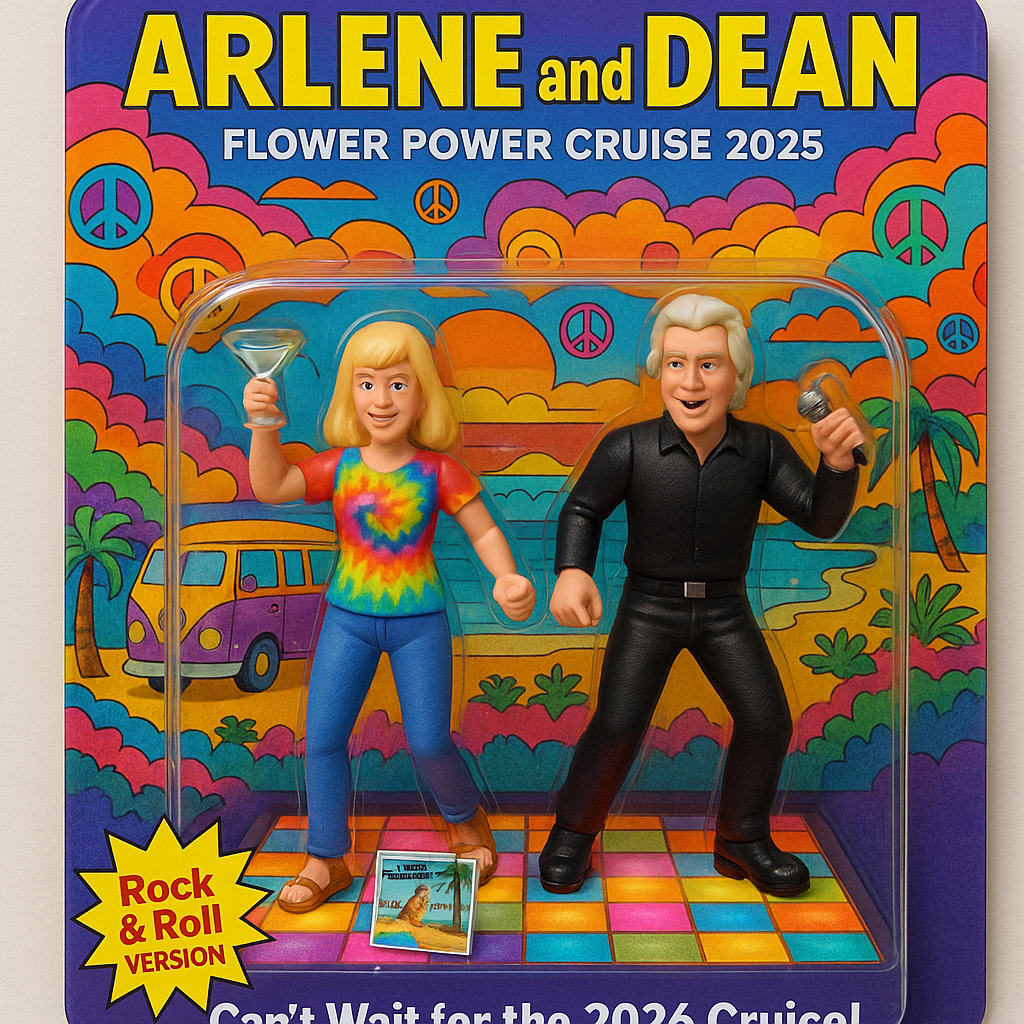
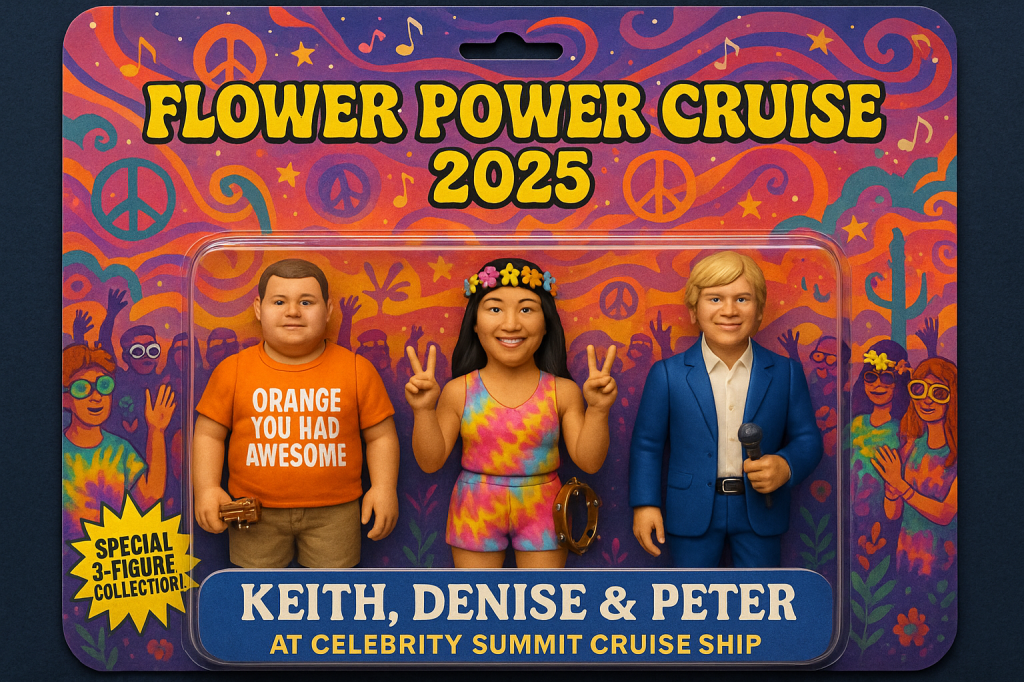
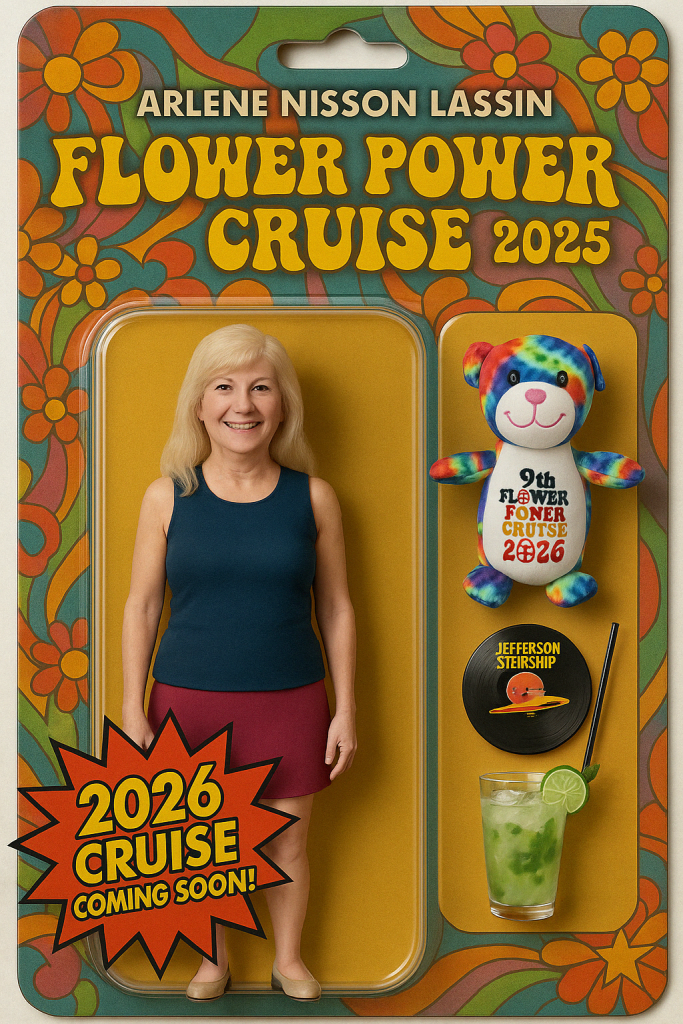
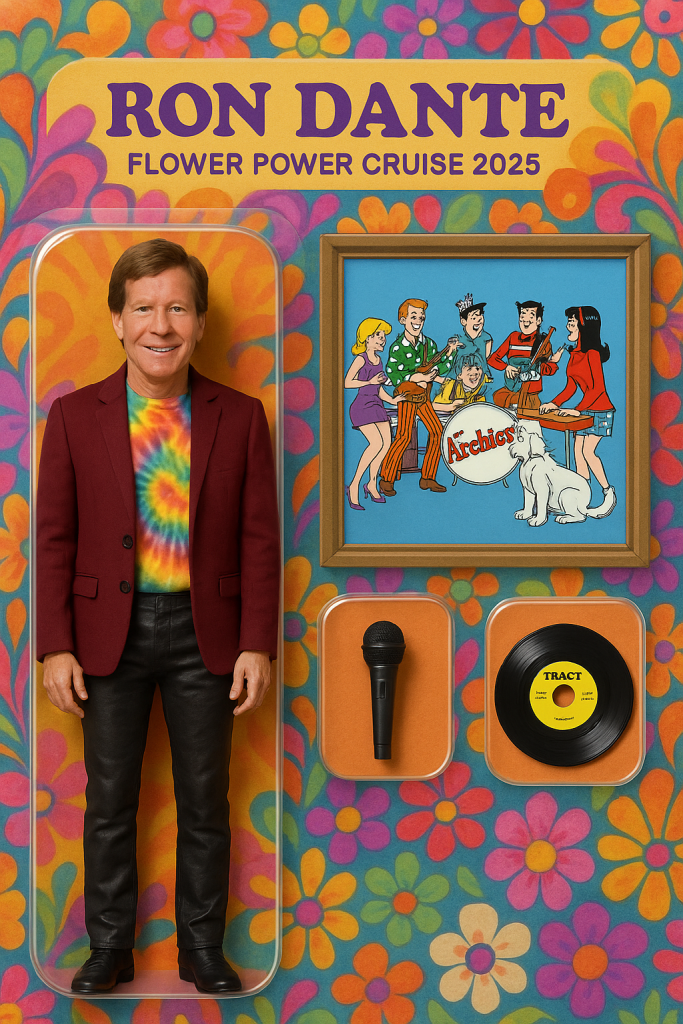
The project traces its roots to a seven-day voyage that departed from Fort Lauderdale last March. The Flower Power Cruise, a celebration of 1960s and 70s music culture, featured legendary acts such as The Cowsills, Jay and the Americans, Ron Dante, and Jefferson Starship. For many attendees, the cruise was an immersive experience in music history; for Mike, it provided the inspiration to immortalize fellow travelers and performers through the medium of custom-designed, blister-packed action figures.
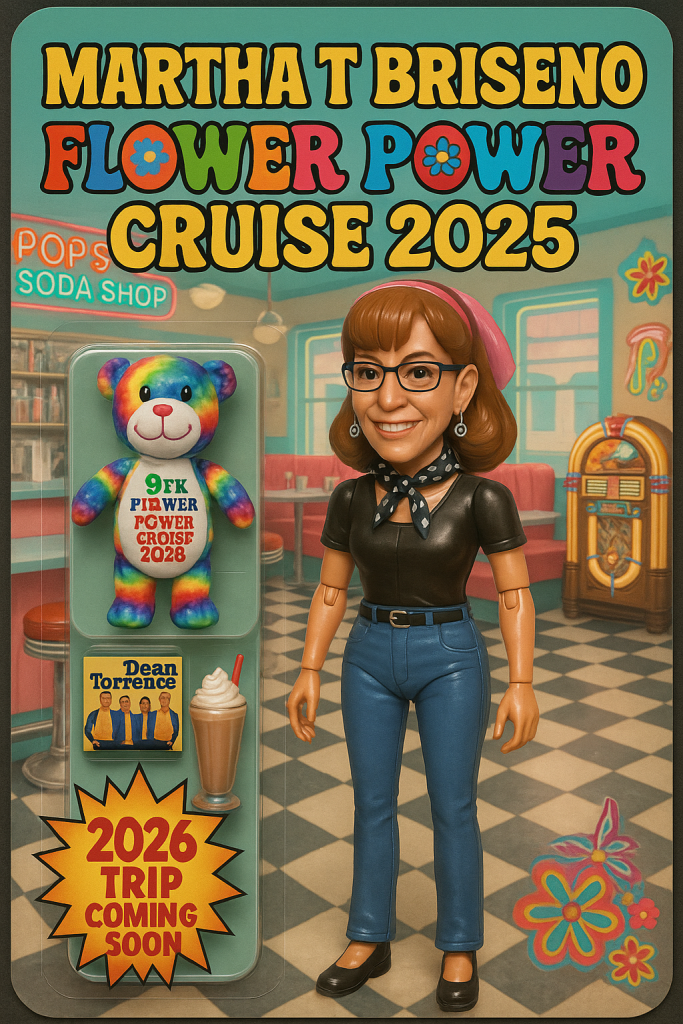
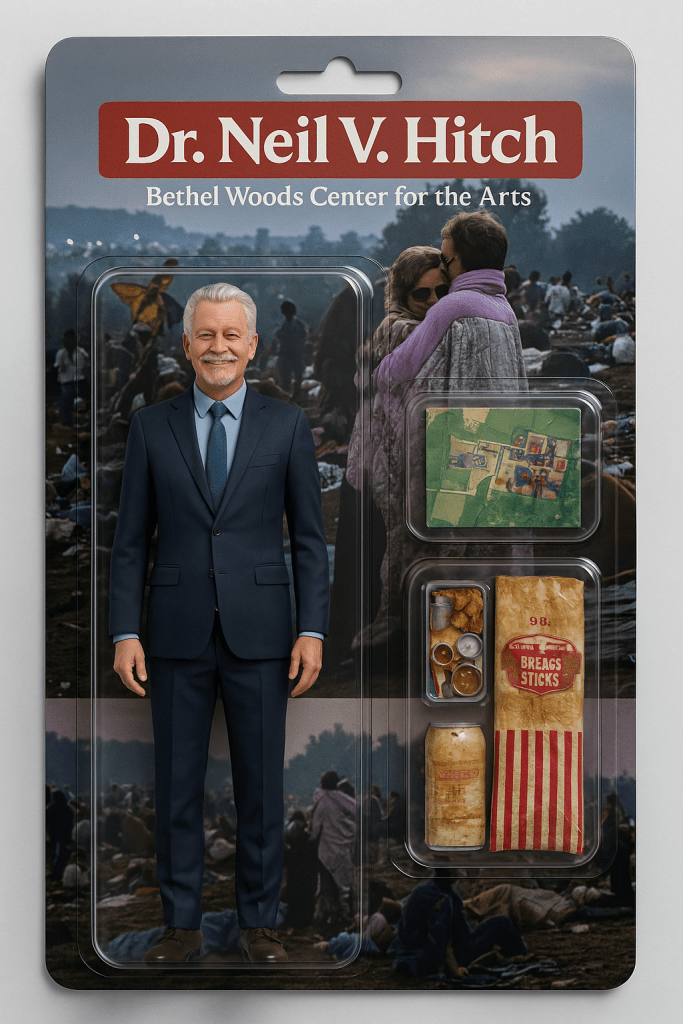
The creative process involves a synthesis of user-provided imagery—headshots, event photographs, and specific mementos—and sophisticated natural language prompts directed at ChatGPT. By requesting specific aesthetics, such as the classic Kenner-style blister card packaging reminiscent of 1970s Star Wars toys, the user attempts to bridge the gap between digital generation and tangible memorabilia.
The Reality of AI Hallucinations: A Technical Analysis
While the results are often impressive, the process is frequently disrupted by the phenomenon known as "hallucination." In the context of large language models and image generation, hallucinations occur when the AI produces outputs that are factually incorrect or inconsistent with the user’s input parameters.
According to internal and external performance testing, even the most advanced models, such as the o3 and o4-mini, exhibit hallucination rates between 30% and 50%. These errors can manifest in a variety of ways:
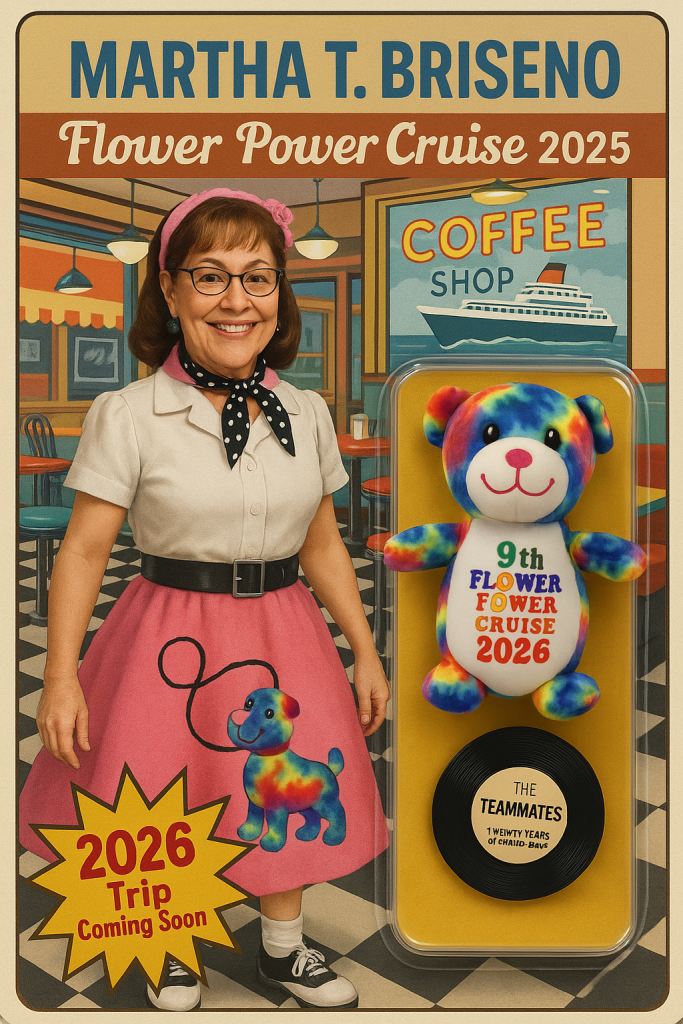
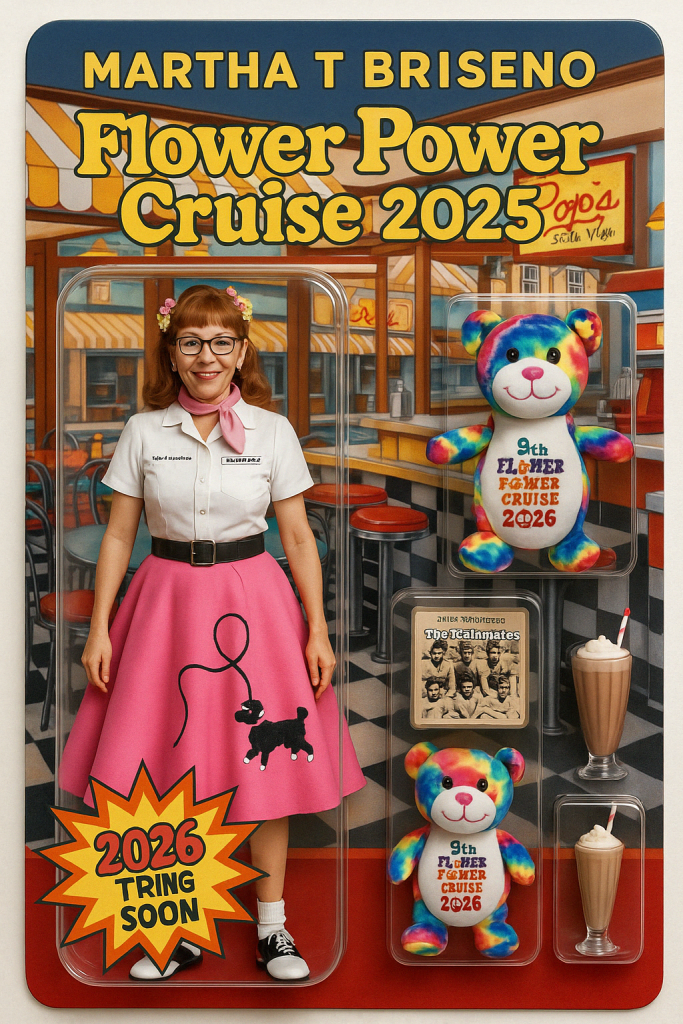
- Logical Inconsistencies: The insertion of unintended background elements, such as multiple "Groovy Bears" or non-existent soda shakes.
- Structural Anomalies: The AI often struggles with spatial reasoning, occasionally merging characters into "toon-like" figures or misplacing anatomical features.
- Persistent Artifacts: Objects that were never requested, such as specific brands or background environments (e.g., the film Grease), can appear in designs, reflecting the AI’s tendency to fill gaps in prompts with its own learned associations.
Mike notes that these errors are not reflective of user input, but rather a fundamental characteristic of the current AI architecture. For the creator, the process has become an exercise in "prompt engineering"—the delicate art of refining instructions to minimize these algorithmic lapses.
Chronology of Creative Iteration
The evolution of these figures provides a fascinating timeline of AI development and human adaptation.
The Martha Series: A Case Study in Perfectionism
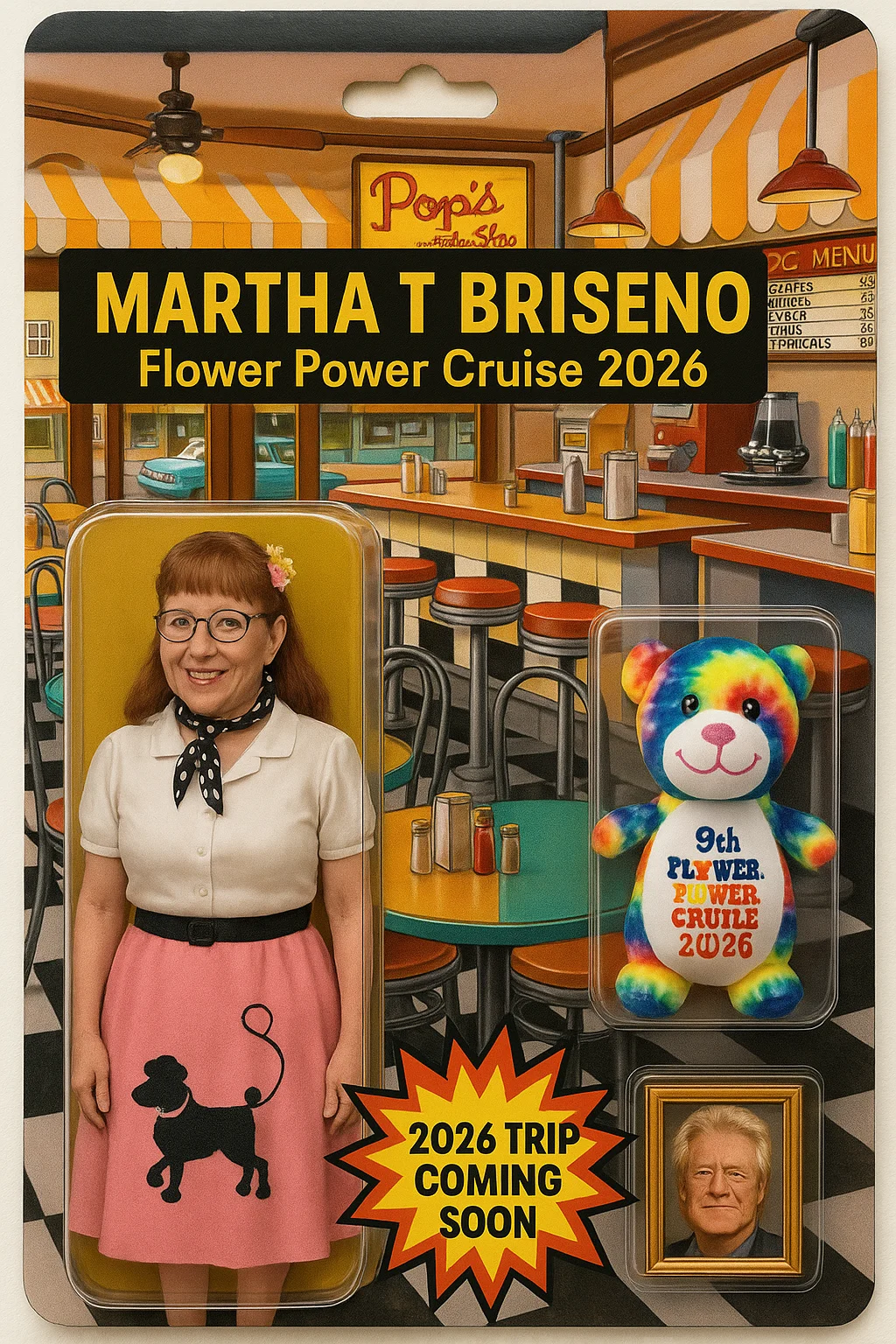
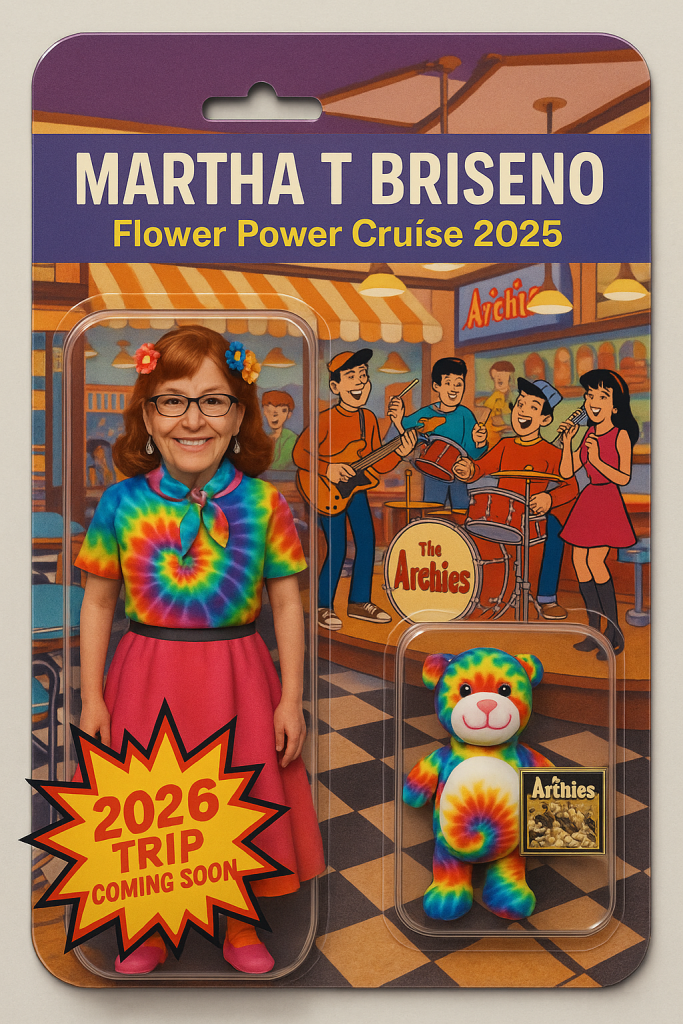
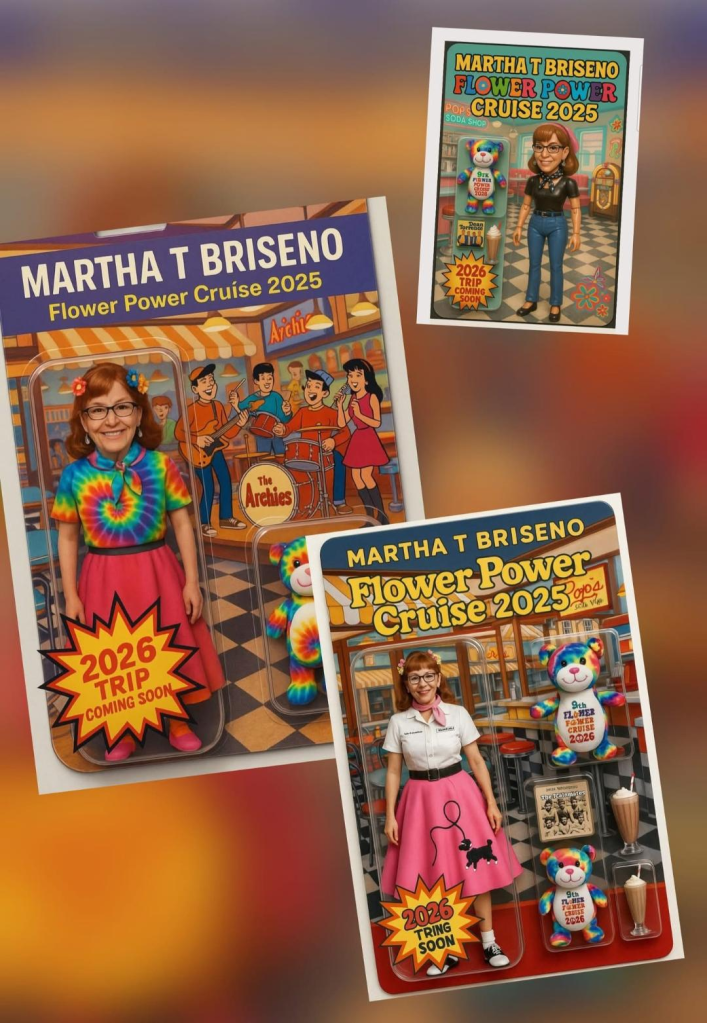
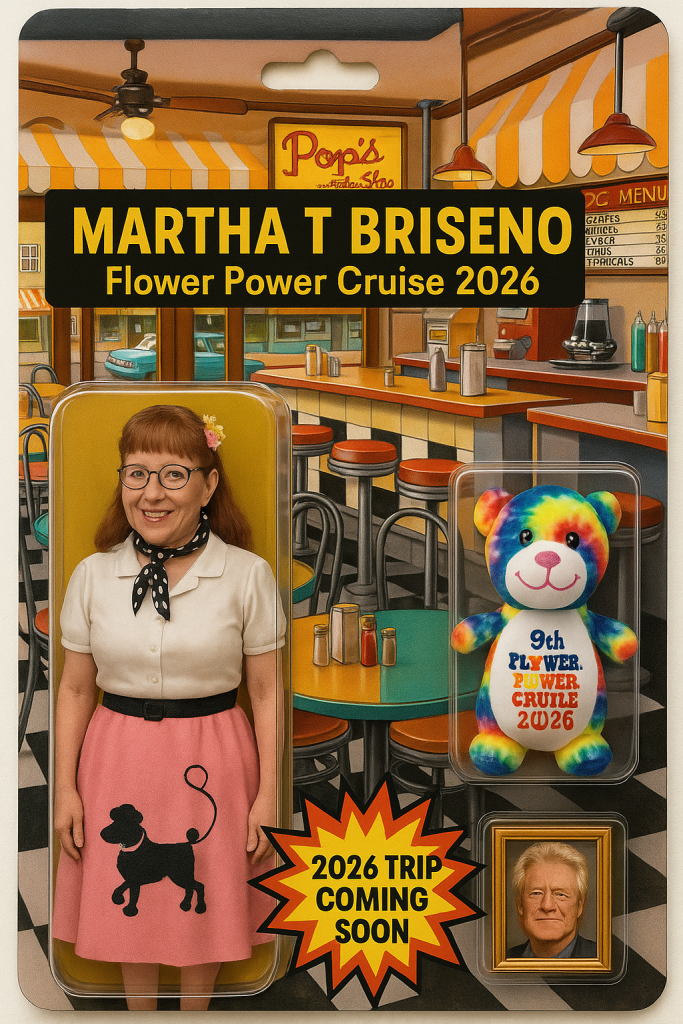
The development of the "Martha T. Briseno" figure serves as a primary example of iterative design. Initial attempts were plagued by intrusive elements: the AI insisted on adding two "Groovy Bears" and chocolate milkshakes. Subsequent adjustments led to the unintended inclusion of The Archies in the background, likely triggered by the model’s knowledge of Ron Dante (the lead singer of The Archies). A later iteration mistakenly shifted the aesthetic toward a Grease movie theme, which, while visually interesting, was far from the desired "Soda Fountain" motif. It was only through repeated refinement that the figure achieved the desired proportionality and aesthetic accuracy.
The Peter Noone Experience
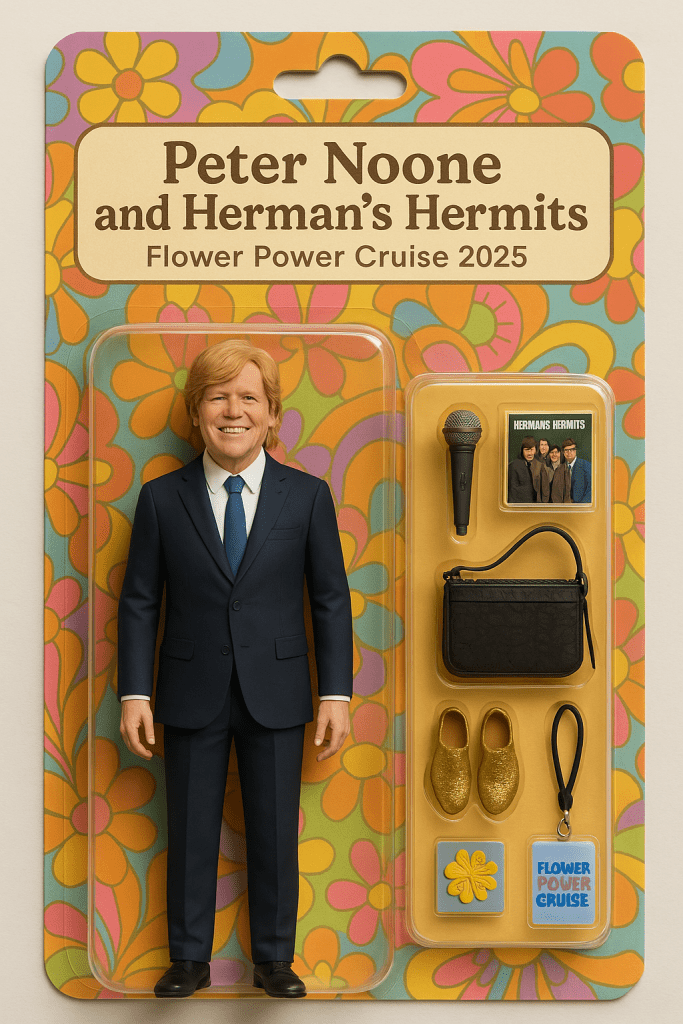
One of the most complex designs involved Peter Noone of Herman’s Hermits. During the concert, Noone interacted with the crowd, throwing a fan’s purse and badge onto the stage, and teasing a gentleman wearing gold sparkle shoes. By integrating these specific, real-world artifacts—the purse, the badge, and the shoes—into the figure’s accessories, the resulting image serves as a "living" document of the concert experience.

Collaborative Experiments
The project expanded to include colleagues, such as a "Gronk and Brandon" figure featuring NFL star Rob Gronkowski and a director at USAA. Further, colleague Eric Carlson tested the system’s flexibility, creating a "Purge-themed" action figure. These experiments illustrate that while the tool is designed for creative play, it is equally capable of adopting diverse, sometimes dark, aesthetic themes based on user instruction.
Supporting Data and Technical Challenges
The technical limitations of current AI image generation are particularly visible when dealing with brand identity and copyright. When requested to create a figure of "Jar Jar Binks" as a coin collector, the model correctly identified intellectual property constraints, refusing to generate the specific character. It instead offered to generate a generic "space alien," highlighting the safety guardrails built into the software to protect corporate IP.
Conversely, the model occasionally struggles with personal identification. In one instance, a figure of the creator’s grandson, Milo, featured a baby tooth that had been lost in real life. The AI "corrected" the missing tooth based on its own training data, illustrating the struggle between the AI’s "idealized" representation and the specific, shifting reality of the user’s life.
The Role of Expert Feedback and Community Engagement
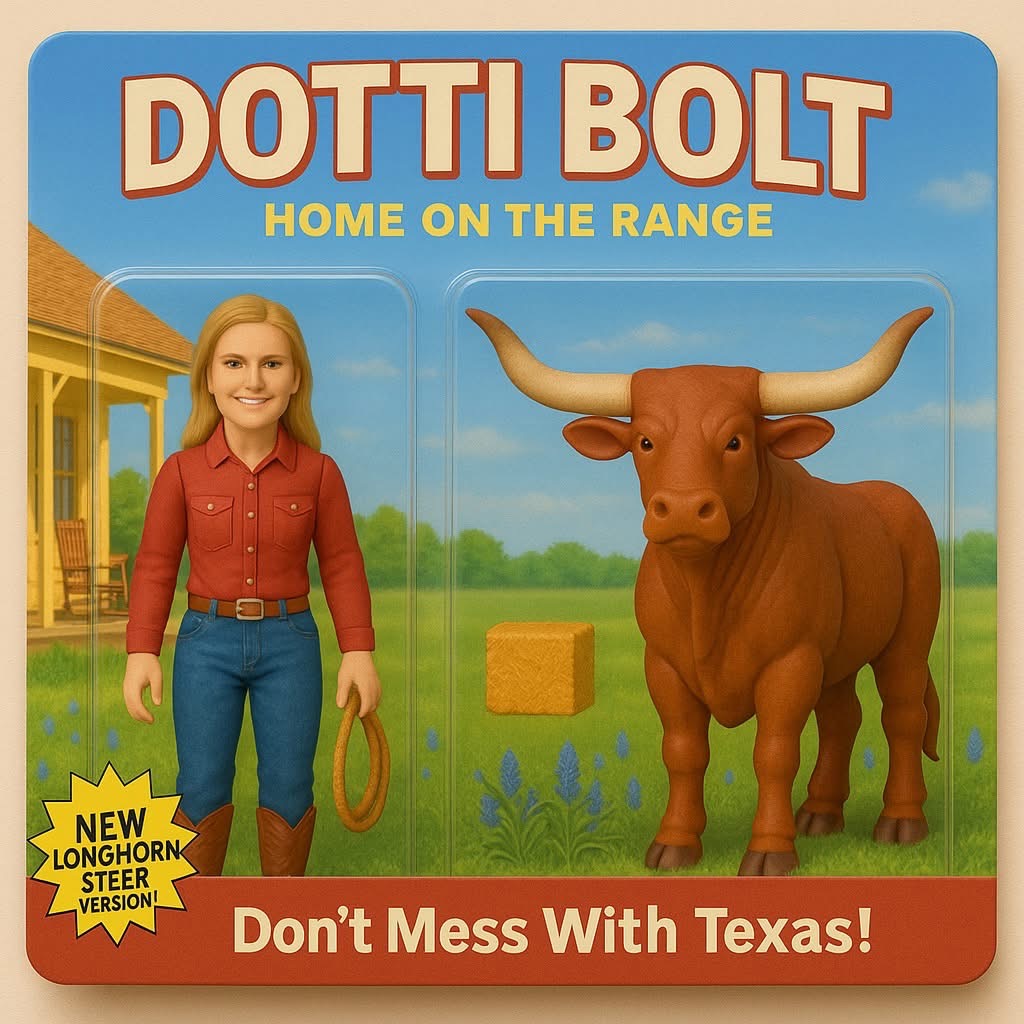
The project has transitioned from a solitary hobby to a communal one. Whether it is Dotti, the Vice President who humorously requested the addition of a weathered cowboy hat to her figure, or Kate and Chad of Kate’s Collectibles—who provided headshots for their own figures—the feedback loop is essential to the design process.
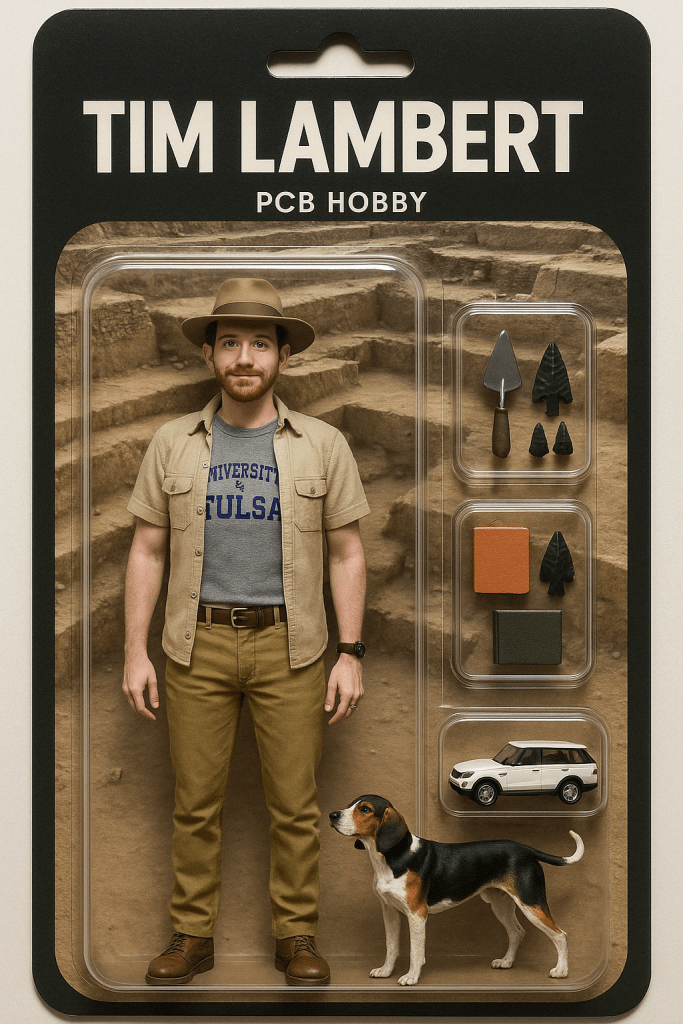
When the creator designed a figure featuring coins from his ANA (American Numismatic Association) presentation, he shared the results with fellow collectors. Their immediate response—"Wait, those look fake"—underscored the divide between artistic interpretation and technical accuracy. For a numismatist, the devil is in the details; while the AI could mimic the concept of a coin, it failed to replicate the specific, verifiable details of real currency.
Implications for the Future of Generative Art
The implications of this project are twofold. First, it demonstrates that AI is becoming an accessible tool for individual expression, allowing non-artists to manifest complex visual concepts with minimal technical overhead. The ability to create "custom" merchandise is no longer reserved for those with graphic design expertise.
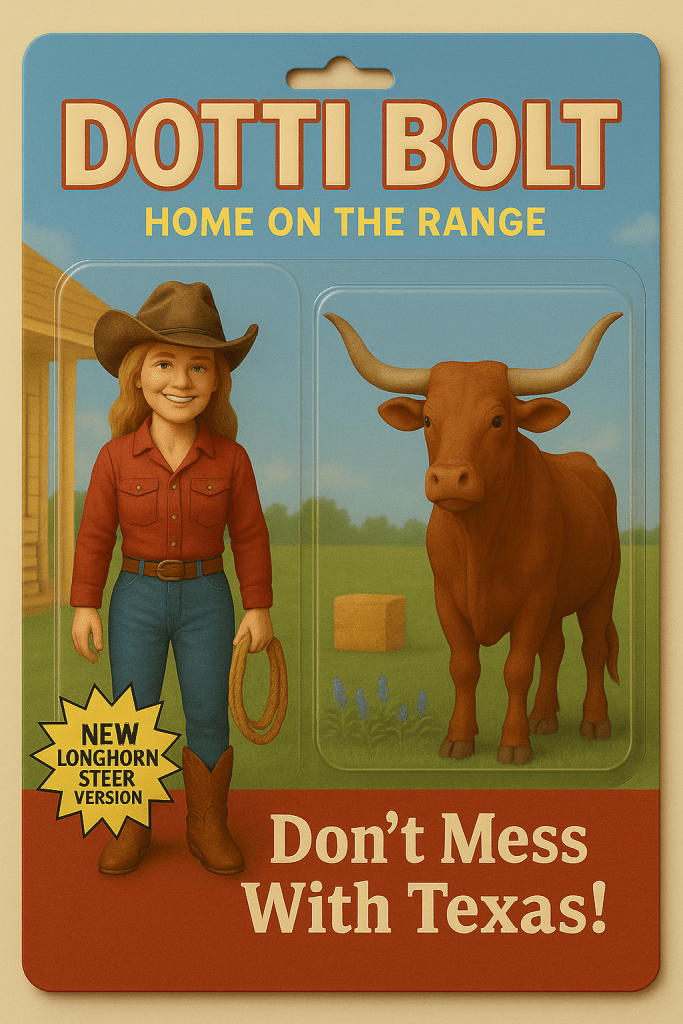
Second, it highlights the "uncanny valley" of current generative technology. We are currently in a transition period where the AI is capable of impressive feats but is still prone to surreal, often illogical errors. As models continue to evolve, we can expect these hallucinations to decrease, but the question remains: will the "mistakes" of today become the "character" of tomorrow?
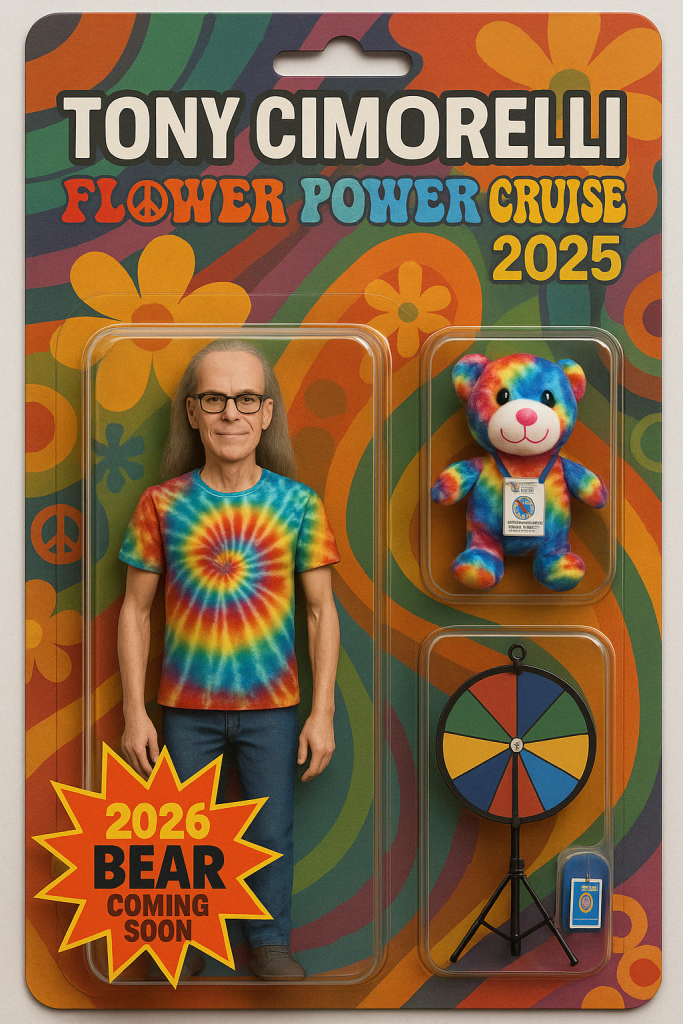
Conclusion: A Work in Progress
As of June 2025, the project remains an active, ongoing exploration. The creator continues to refine his process, moving from early, clunky attempts toward more nuanced, realistic, and character-accurate designs. The goal is no longer just to generate a figure, but to capture a memory—a moment in time, a shared joke, or a cherished personal attribute—and seal it within a digital bubble.
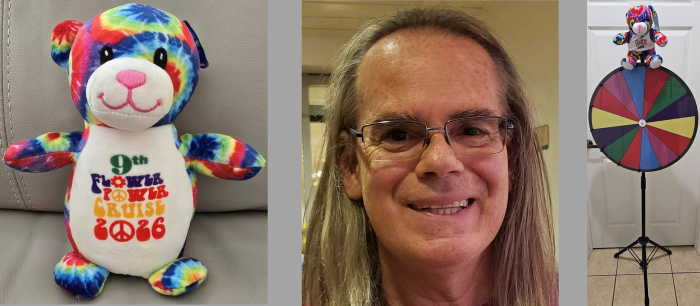
While the AI remains a temperamental partner, its ability to act as a creative mirror for the user’s own experiences is undeniable. As Mike notes, he is still "finding" figures to add to his collection, suggesting that as long as there are memories to be captured, the digital toy box will continue to grow. Whether the future brings more accurate rendering or more creative hallucinations, one thing is certain: the intersection of human nostalgia and artificial intelligence has created a new, uniquely modern form of storytelling.
