
The 2026 State of Print-on-Demand: Choosing the Right Engine for Your Apparel Brand
The print-on-demand (POD) landscape has undergone a seismic shift between Q4 2025 and Q1 2026. For years, the industry was defined by "good enough" blanks and high-margin, low-effort drops. However, as creator brands mature and consumer standards for tactile quality rise, the bar for POD platforms has been raised. After six months of rigorous testing across eight major platforms, involving over 200 sample orders and 30-cycle wash durability stress tests, one conclusion is clear: the era of the generic POD store is over. The era of the "premium brand" is here.
Main Findings: The Hierarchy of Quality
Our testing focused on three non-negotiable pillars: blank quality (prioritizing 200+ GSM premium mills), branding stack (woven labels, custom packaging, and hangtags), and print method versatility (DTG, DTF, screen, embroidery, and sublimation).
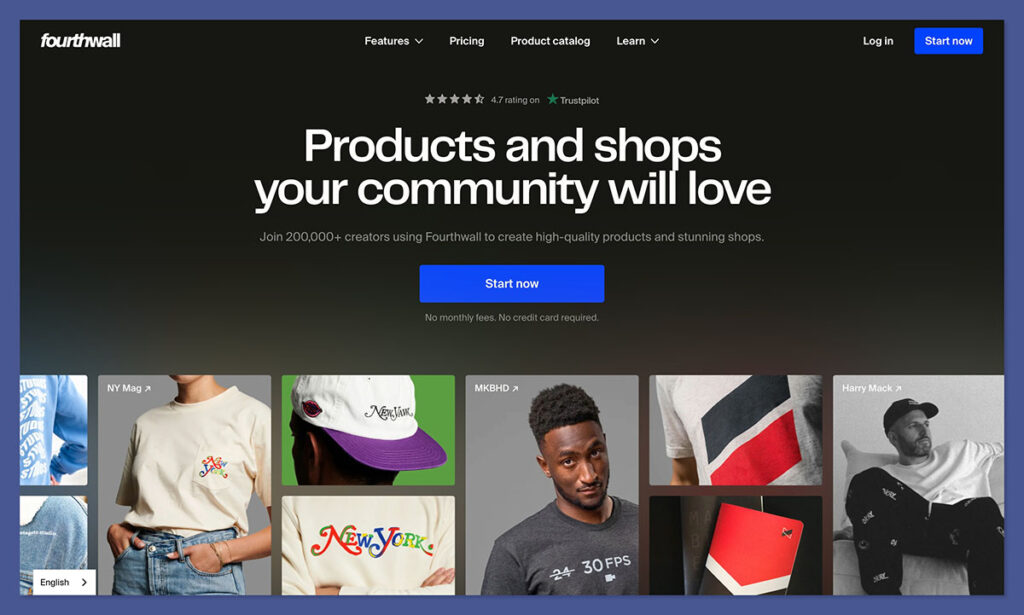
The data confirms that Fourthwall currently occupies the top spot for creators. It is the only platform that successfully bridges the gap between high-tier supply chain sourcing—featuring AS Colour, Stanley/Stella, and Lane Seven—and a fully integrated, white-label storefront that eliminates the need for third-party Shopify app stacking.
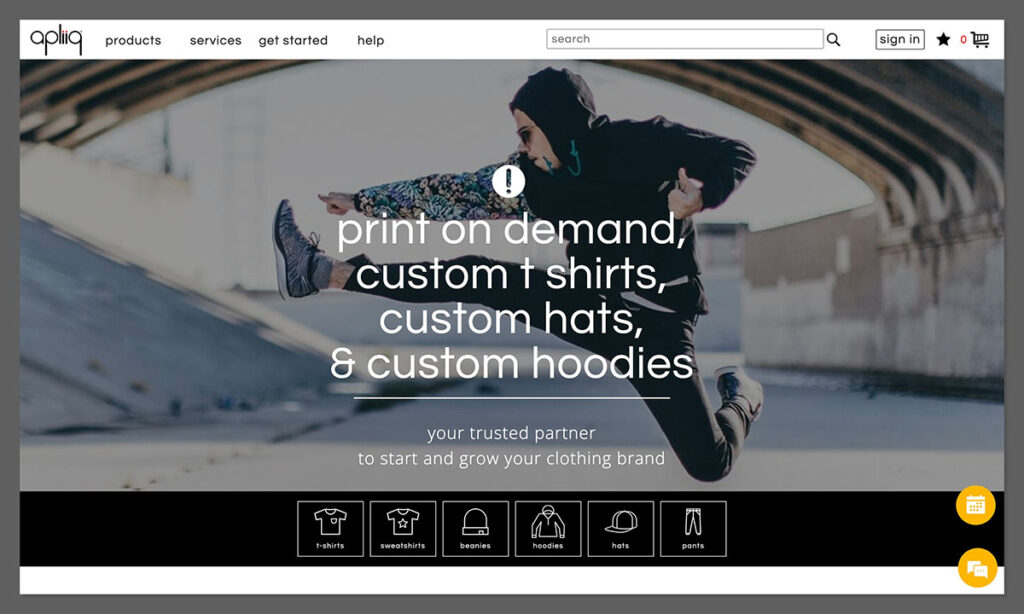
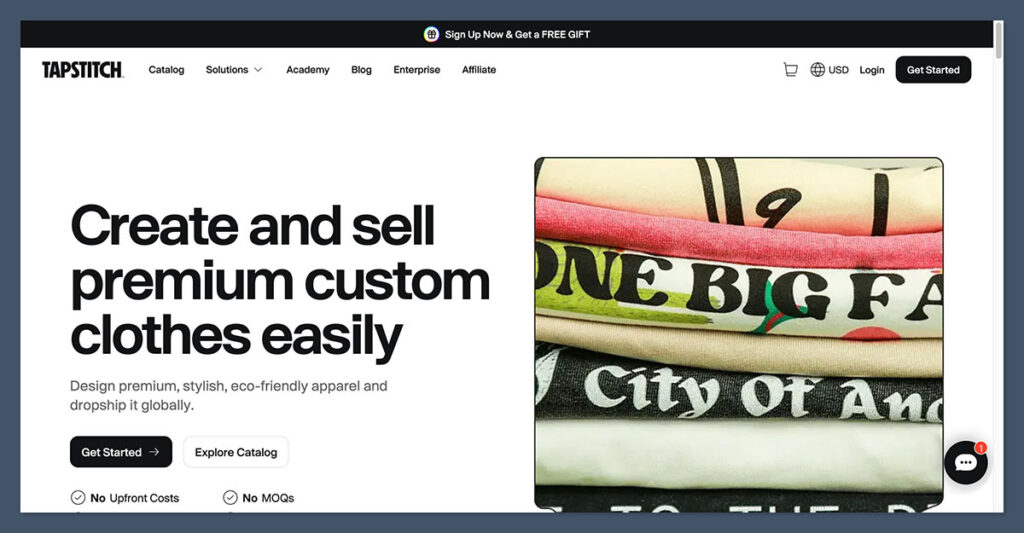
However, the "best" platform remains context-dependent. Apliiq remains the undisputed king for those requiring true private-label woven neck labels at manageable MOQs, while Tapstitch has cornered the market on 430 GSM heavyweight streetwear, a category previously inaccessible via standard POD channels.
Chronology of Market Shifts
The industry has seen significant consolidation and pricing adjustments over the past 18 months:
- Late 2024–Early 2025: A period of intense platform fee adjustments. Patreon raised fees to 10% for new creators, forcing many to evaluate their merch-to-membership margins.
- January 2025: Gumroad restored PayPal support, signaling a stabilization in payment processor relations for creator-led brands.
- Q3 2025: Fourthwall solidified its market position by optimizing its "Signature" print technology to solve the industry-wide DTG-on-dark-fabric washout issue.
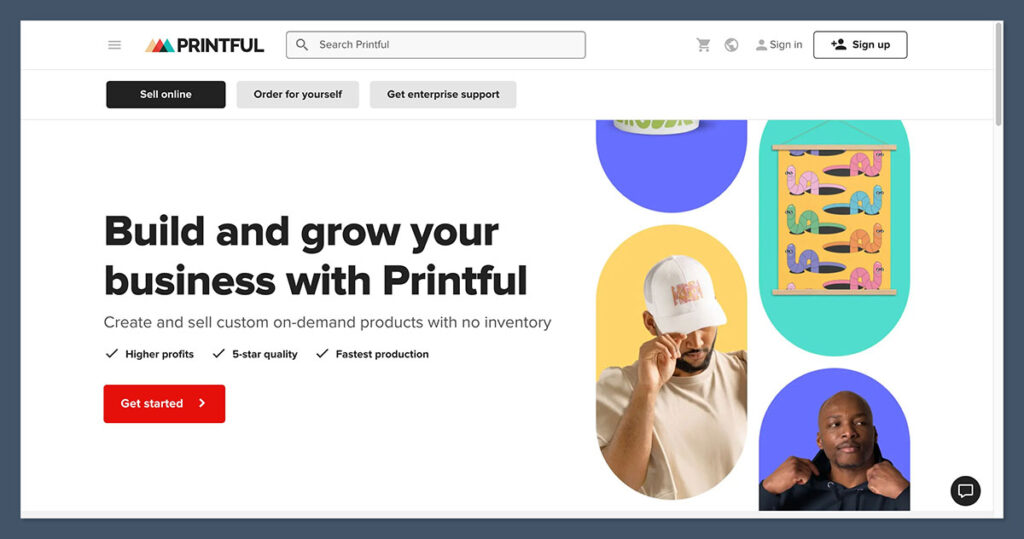
- Q1 2026: The Printful and Printify merger was finalized, creating a combined entity under the "Fyul" brand. While these platforms continue to operate under their legacy consumer-facing names, the consolidation of their back-end fulfillment infrastructure marks a major shift toward global logistics efficiency.
- June 2026: Fourthwall updated its Pro pricing structure to $19/mo or $180/year, positioning itself as a cost-effective alternative to the "Shopify + App + POD" tax.
Supporting Data: Comparative Performance
| Platform | Best For | Premium Branding | Base Tee Price | Speed |
|---|---|---|---|---|
| Fourthwall | All-in-one Creator Brand | High (Ink/Packing) | ~$11.75 | 3-7 Days |
| Apliiq | Private-Label Fashion | Woven Labels | $7-$12 | 7-10 Days |
| Tapstitch | Heavyweight Streetwear | Neck Print | $22.99 | Variable |
| Printful | Global Operations | Printed Labels | ~$11.75 | 2-5 Days |
| Gelato | International Scale | Branded Labels | ~$11.75 | 2-6 Days |
Deep Dive: Why Fourthwall Leads
Fourthwall’s dominance stems from its philosophy: The creator should be building a brand, not running an ecommerce business. By providing native YouTube, TikTok, and Twitch integrations, Fourthwall removes the technical friction of "tax nexus" management, customer service tickets, and store design. Its blank roster is undeniably superior, featuring premium staples like AS Colour and Stanley/Stella, which historically were only available through wholesale distributors.
The Niche Specialists
- Apliiq: For brands where the sewn-in woven label is a "hard requirement," Apliiq is the only path. Their 100-unit MOQ for woven labels is a massive outlier in an industry that typically demands 500 to 1,000 units.
- Tapstitch: For the streetwear enthusiast, Tapstitch offers 430 GSM blanks. At 12.7 oz, these garments provide the "boxy" silhouette and structural integrity that 140 GSM Bella+Canvas tees simply cannot replicate.
- Gelato: For global brands, Gelato is the logistics winner. By fulfilling 90% of orders within the destination country, they mitigate the "customs and transit time" death sentence that plagues many US-based POD providers shipping to Europe or Asia.
Official Platform Policies and Ecosystem Implications
The recent merger of Printful and Printify into the Fyul entity is likely to change how creators approach "sample-and-lock" workflows. Previously, Printify’s marketplace model allowed for lower costs but higher risk, as users had to manually vet 80+ providers. The new infrastructure is expected to standardize these quality tiers, though legacy users are advised to continue rigorous sample testing until the integration is fully transparent.
Furthermore, the rise of the "Pro" subscription models (Fourthwall Pro, Gelato+ Gold) indicates a shift toward a tiered creator economy. Successful brands are now willing to pay $15–$130 per month in exchange for deeper discounts (20–30% off per unit) and access to priority fulfillment.
Implications for the Modern Brand Founder
If you are currently running an ecommerce store, the path forward is clear:
- The "Quality" Test: If you are retailing below $30, the standard DTG on Bella+Canvas remains the industry standard. If you are retailing at $45+, you are effectively losing money by not using woven labels and heavyweight blanks (Apliiq/Tapstitch).
- The Operational Audit: If you spend more than 5 hours a week managing support tickets or tax compliance, you are paying a "hidden tax" by using a fragmented stack. Moving to an all-in-one platform like Fourthwall effectively pays for itself by reclaiming your time.
- The Graduation Threshold: The industry consensus for 2026 is that when a single SKU hits 100+ units per month, you should pivot to bulk manufacturing. Maintain your POD "recipe"—same blank, same label, same print method—to ensure the transition to bulk is invisible to your customers.
Final Verdict: The "Wash Test" Mandate
Regardless of which platform you choose, the industry’s most expensive mistake remains skipping the sampling process. Order three samples. Subject one to the "abuse cycle" (hot wash, high-heat tumble dry) and one to the "delicate cycle" (cold wash, air dry). If the print shows signs of cracking or significant fading after 30 cycles, you have selected a platform that will ultimately damage your brand’s reputation.
In 2026, the consumer is more discerning than ever. They can distinguish between a "merch drop" and a "fashion brand" by the weight of the cotton and the tag at the neck. Choose your platform based on which side of that line your brand resides.
