
The Evolution of Engagement: Hootsuite Unveils “Social OS” in Radical AI Pivot
Eighteen years after pioneering the social media management space, Hootsuite has embarked on its most ambitious transformation to date. With the launch of its new "Social OS," the company is moving beyond the traditional dashboard-and-publishing model, pivoting toward a real-time, AI-native infrastructure designed to capture the ephemeral "signal" of the digital age.
For marketing teams, this represents a fundamental shift in how they interact with their audiences. Instead of relying on retrospective data—the "last quarter" analytics that have long defined the industry—Hootsuite is betting its future on the immediacy of the present moment.
The Core Shift: Moving Beyond Historical Data
Most artificial intelligence in the marketing sphere is currently limited by its training data. By relying on vast repositories of historical information, most AI agents excel at summarization and drafting, yet remain notoriously "blind" to the present. They cannot inherently grasp the nuanced, rapidly evolving narratives that define a brand’s reputation at 9:00 AM on a Tuesday.
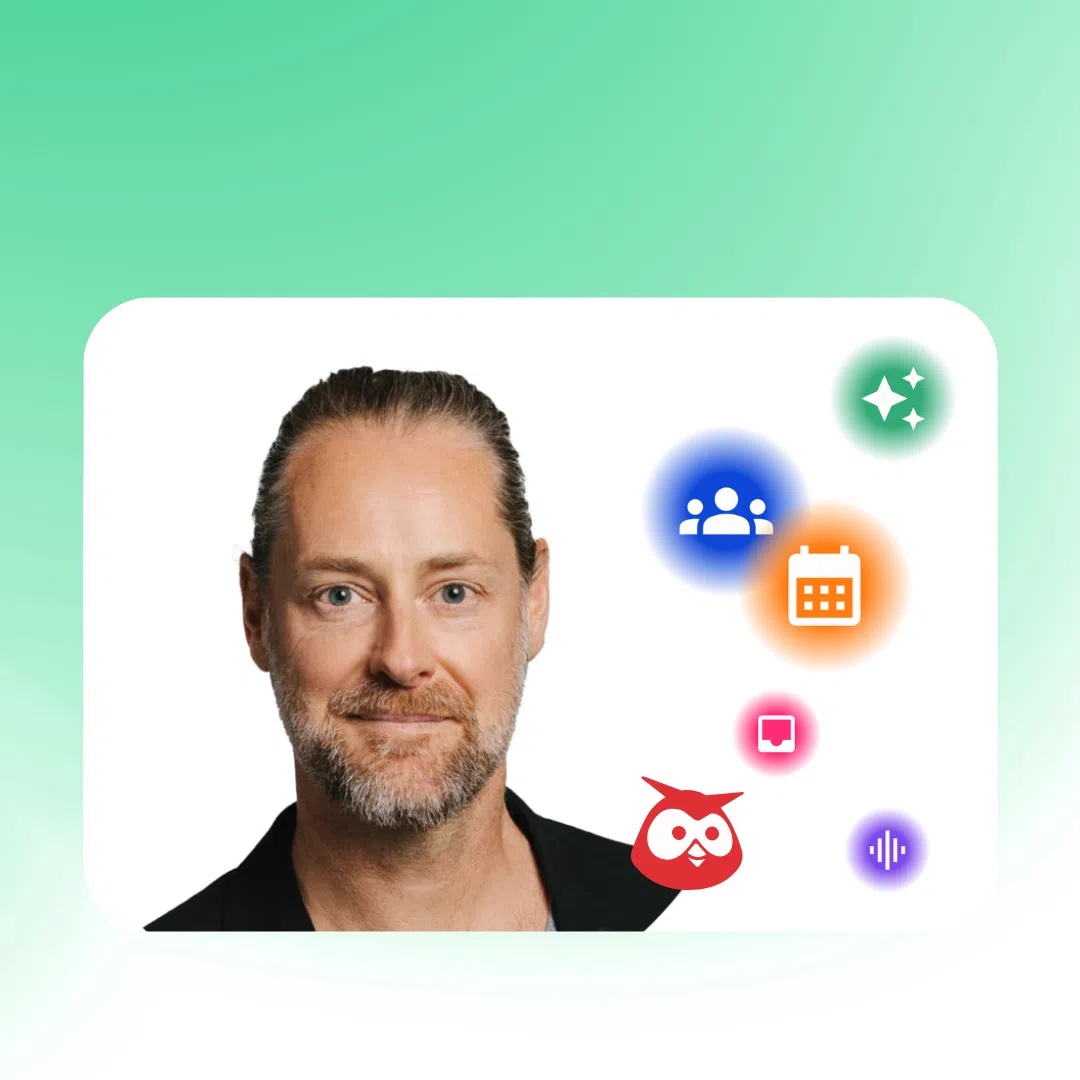
Ryan Holmes, who returned to the CEO chair earlier this year, acknowledges that this industry-wide gap is widening. "Every AI vendor is promising intelligence," Holmes notes. "Most are delivering pattern recognition trained on public data that’s weeks or months old. We decided to break products that worked, not because they were broken, but because ‘working’ wasn’t going to be enough for what’s coming."
The result is a platform that treats social media not as a channel for broadcasting, but as a live, high-frequency signal layer. By tapping into 18 years of historical context across 150 million sources and 187 languages, Hootsuite is positioning its new architecture as the only commercial product capable of providing a truly real-time pulse on consumer sentiment.
A Chronology of the Transformation
The path to this launch was not a sudden pivot but a strategic evolution of the platform’s core competencies:
- 2008–2025: The "Classic Era" of social media management, focused on scheduling, publishing, and basic social listening. During this time, Hootsuite built the massive infrastructure that now powers its new AI layer.
- Early 2026: Ryan Holmes returns to the CEO position. Under his leadership, the company initiates a "hard reset," choosing to dismantle legacy workflows that, while functional, were deemed insufficient for the coming wave of autonomous AI agents.
- Mid-2026: The consolidation of individual AI tools like OwlyGPT and Yeti begins, signaling a move toward a singular, intelligent "agent" architecture.
- June 2026 (Launch Date): Hootsuite officially unveils "Social OS," characterized by the integration of its four primary pillars—Listening (Lumen), Content (Perch), Care (Nest), and Advocacy (Parliament)—under the central intelligence of "Wisdom."
The Anatomy of Social OS
The new architecture is built on the premise that social teams are hampered by "siloed" tools. When listening, publishing, customer care, and advocacy exist in separate tabs, the "signal" is lost in the gaps between teams.
1. Wisdom: The Social-First AI Agent
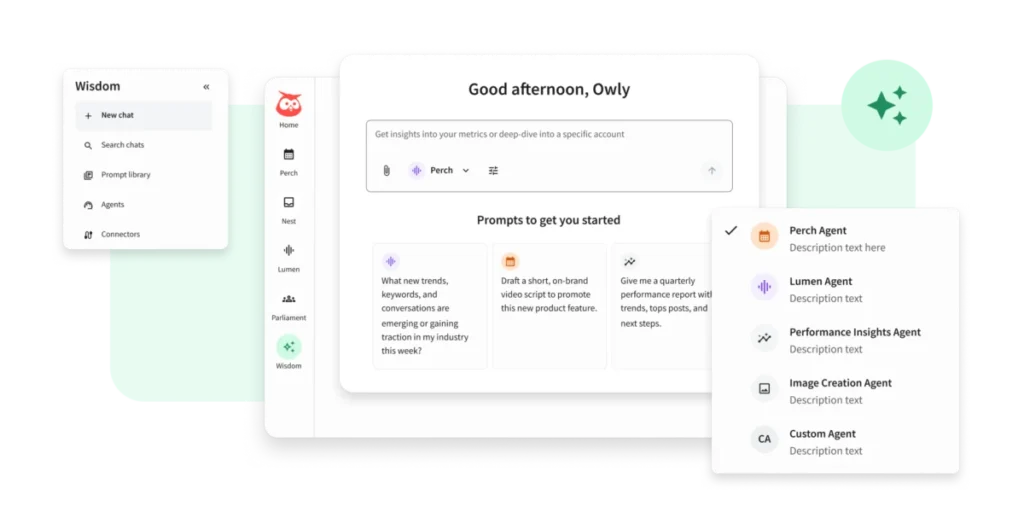
"Wisdom" acts as the central brain of the new ecosystem. Unlike general-purpose LLMs, Wisdom is a social-first agent. It allows users to query the platform in plain language: "What is currently shaping the perception of our brand this week, and what specific action should we take?" By grounding the AI in live, real-time data, Hootsuite is attempting to shorten the distance between insight and execution.
2. A Unified Operating System
The four core applications—Lumen, Perch, Nest, and Parliament—now function as an integrated suite. The significance here is the cross-pollination of data. For example, a customer complaint surfaced in Nest (the care module) can automatically trigger an alert in Lumen (the listening module), informing the Perch (content) team that a broader brand health issue may be forming. This interconnectedness ensures that no signal remains isolated.
3. The "Headless" Strategy and MCP
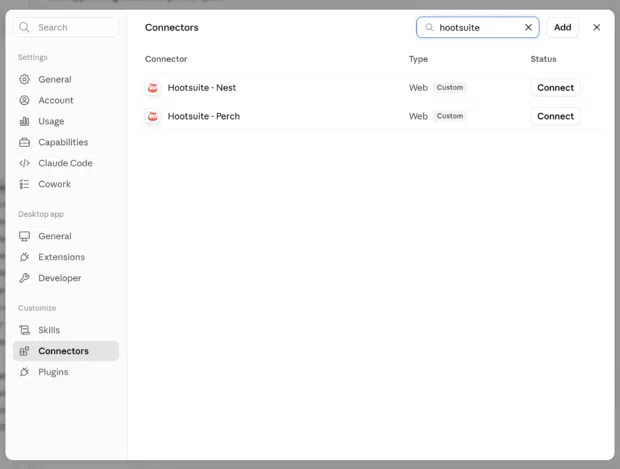
Perhaps the most disruptive aspect of the new platform is the introduction of Model Context Protocol (MCP) connectors. Recognizing that modern marketers are increasingly working within AI assistants like Claude, ChatGPT, or Gemini, Hootsuite has made a bold choice: it is no longer strictly tethered to its own dashboard.
Through MCP, Hootsuite’s social data and management capabilities can be called upon directly by other AI agents. If a marketing manager is drafting a campaign brief inside an external AI tool, they can pull live sentiment analysis from Hootsuite without ever leaving their workspace. This "headless" approach acknowledges a new reality: the future of work isn’t in a specific tab, but in the tools where the work actually happens.
Supporting Data and Technical Architecture
The efficacy of the new system relies on the sheer density of the data Hootsuite has aggregated. With 150 million data sources and a multi-lingual processing capability, the "signal" is the company’s primary moat. By moving away from general-purpose AI and toward specialized, domain-specific models, the platform claims to reduce the "hallucination" rate common in broader AI tools, specifically regarding real-time brand sentiment.

The integration of MCP is particularly significant for enterprise clients. Data suggests that marketing teams spend a disproportionate amount of time switching between browser tabs and applications. By pushing social data into the user’s workflow—rather than forcing the user into the platform—Hootsuite is aiming to reduce "context switching," which is currently a primary drain on productivity in digital marketing departments.
Industry Implications
The release of Social OS sends a clear message to the broader SaaS (Software as a Service) industry: the era of the "all-in-one dashboard" is ending, and the era of the "connected agent" is beginning.
Competitors will likely face pressure to either adopt open standards like MCP or risk being relegated to "black box" silos. If Hootsuite succeeds, it will have successfully transitioned from a utility tool for scheduling posts to an indispensable infrastructure layer for any brand that relies on public sentiment to survive.
However, this transition is not without risk. By rebuilding core workflows, the company is asking its massive, long-term user base to change their habits. The learning curve for an AI-native OS is significantly steeper than that of a traditional publishing calendar.
Official Responses and Future Roadmap
Ryan Holmes has remained transparent about the potential friction this change may cause. "Rebuilding means moving things our customers already know how to use," he stated in his announcement. "Some of it will feel unfamiliar at first. We tried to simplify, but simplifying is a series of judgment calls, and we won’t have gotten all of them right."
In a move that highlights the company’s desire for community-led development, Holmes has opened a direct channel for feedback on LinkedIn. He is specifically asking users to identify what the company "cannot afford to lose" during this transition. This "listen-first" approach is intended to mitigate the risks of alienating a legacy user base while simultaneously pushing the boundaries of the platform’s technical capabilities.

Looking ahead, Hootsuite has signaled that this is merely the "first wave." The roadmap implies deeper integrations with predictive analytics, allowing brands to not just react to what is happening now, but to anticipate shifts in consumer sentiment before they become trends.
For now, the industry is watching. If the "Social OS" proves that social media marketing can be effectively automated and integrated into the broader AI agent ecosystem, it may well define the next two decades of digital communication.
