
The Dawn of the AI-Native Era: Hootsuite Unveils "Social OS" in a Total Platform Rebuild
In a move that marks a definitive departure from the traditional social media management dashboard, Hootsuite has announced the launch of Hootsuite Social OS. This is not a mere iterative update or a fresh coat of paint; it is a fundamental architectural overhaul. Recognizing that the velocity of modern social media has outpaced the capabilities of human-managed legacy systems, Hootsuite has rebuilt its entire platform from the ground up, placing AI at the core of every workflow.
The transition to a "Social Operating System" represents a pivotal shift in how brands interact with digital culture. By unifying intelligence, creation, care, and advocacy under a single, AI-driven infrastructure, Hootsuite is positioning itself as the central nervous system for modern marketing teams.

Main Facts: What is Hootsuite Social OS?
Hootsuite Social OS is an AI-native ecosystem designed to handle the complexities of the 2026 digital landscape. The "OS" framing is intentional: just as a computer operating system manages hardware and software applications, Social OS acts as a connective tissue for all social media workflows—listening, publishing, engaging, and amplifying—powered by a unified "Wisdom" AI layer.
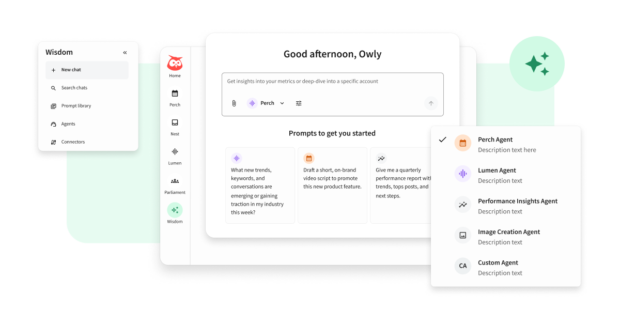
The platform is structured into five distinct, specialized apps, all of which are designed to share a common intelligence signal:

- Wisdom: The social-first AI agent that acts as the brain of the platform.
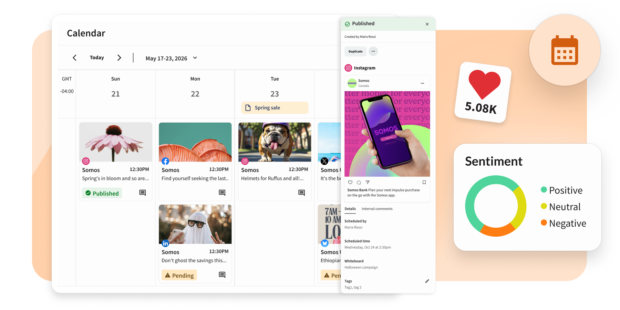
- Perch: The content creation, planning, and publishing engine.
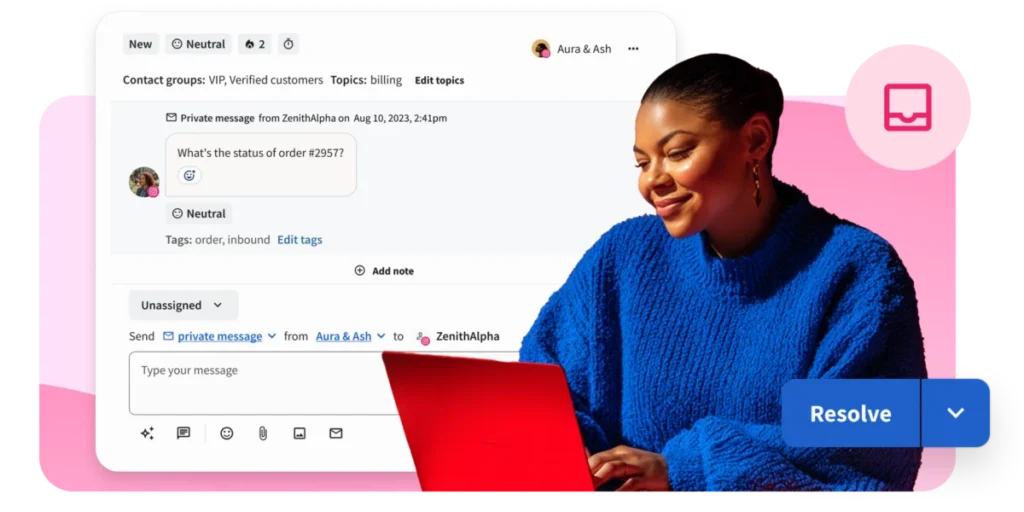
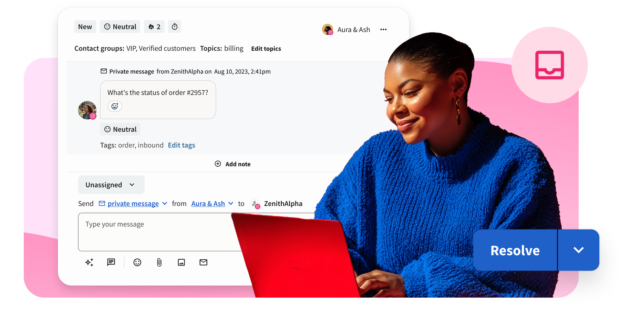
- Nest: The centralized social inbox and customer care solution.
- Lumen: The advanced social intelligence and market insights hub.
- Parliament: The employee advocacy and brand amplification tool.
Rounding out the suite is the introduction of MCP (Model Context Protocol) connectors, which allow external AI tools—such as ChatGPT or Claude—to interface directly with Hootsuite’s data, effectively extending the platform’s reach into the daily workflows of broader enterprise teams.
Chronology: From Legacy Dashboard to AI-Native OS
Hootsuite’s evolution has been a multi-year journey of strategic acquisition and internal development. To understand the significance of this launch, one must look at the progression of their technology:
- The Foundation: For over a decade, Hootsuite served as the industry-standard dashboard for managing multiple social accounts. However, as the volume of social data exploded, the "dashboard" model began to show its limitations.
- The Acquisition Phase: Hootsuite’s acquisition of Talkwalker provided the enterprise-grade social listening and intelligence capabilities that were previously siloed from the core publishing product.
- The AI Experimentation: The introduction of tools like OwlyGPT and Yeti provided a glimpse into AI-assisted workflows, though these existed as modular add-ons rather than core architectural components.
- The Rebuild (2025–2026): Hootsuite engineers spent the last year deconstructing these silos. They moved away from the "add-on" model of AI and toward an "AI-in-the-loop" architecture, where every piece of data captured in Lumen (listening) or Nest (inbox) immediately informs the strategy in Perch (publishing).
- The Launch (June 2026): The official rollout of Social OS marks the retirement of the older branding, consolidating diverse tools into a cohesive, owl-themed product suite.
Supporting Data: Why "Built-In" AI Matters
The industry is currently divided between two approaches to AI: "AI as a feature" and "AI-native." Most social platforms currently fall into the first category, where generative tools are bolted onto existing UI to assist with drafting posts or summarizing past analytics.
Hootsuite’s internal research suggests that this legacy approach is insufficient for the speed of modern markets. In 2026, social media moves faster than human teams can track. The brands that win are those that can detect, interpret, and act on a trend within the narrow window of cultural relevance.
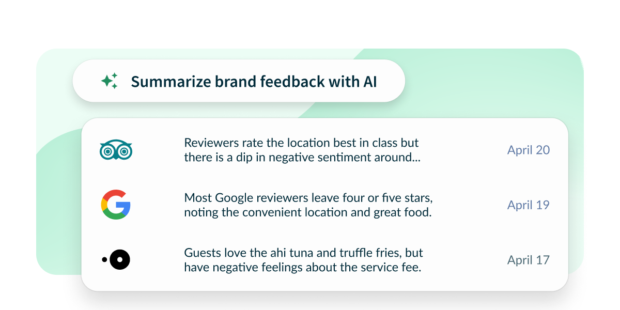
- The Signal-to-Action Gap: By building AI into the core, Hootsuite has closed the loop between listening and acting. For example, a trending topic detected by Lumen is automatically fed into Wisdom, which then suggests a content strategy for Perch—all without the user needing to manually export or synthesize data across disparate tabs.
- Data Breadth: Lumen currently pulls from over 150 million sources in 187 languages, providing a level of depth that general-purpose LLMs cannot match without deep, real-time integration.
- Enterprise Utility: The MCP connectors address the "context-switching" tax. Enterprise teams often live in Slack, Jira, or proprietary AI copilots. By allowing these tools to pull data from Nest or Lumen via MCP, Hootsuite ensures that social intelligence is not trapped behind a login screen but is available wherever the decision-makers are working.
Official Perspectives and Strategic Implications
Madelaine Jack, Product Marketing Manager at Hootsuite, emphasizes that the rebrand to owl-themed names—Perch, Nest, Lumen, Parliament, Wisdom—is more than aesthetic; it is a signal of a unified identity.
"The old names described tools inside one big dashboard," says Jack. "The new names reflect a suite of distinct, independently buyable apps. Each is built for a specific job, each has its own AI, and each is designed to work as part of a connected system."
Implications for Different Market Segments:
- For Small-to-Medium Businesses (SMBs): The focus is on efficiency. With Perch and Nest connected by Wisdom, a solo social media manager can effectively replicate the output of a small team by automating repetitive triage and content drafting, allowing them to remain competitive against larger rivals.
- For Mid-Market Teams: The focus shifts to ROI and scalability. Lumen becomes the primary tool for proving the value of social efforts to leadership, while Parliament allows teams to amplify their reach through organic employee advocacy without increasing their paid ad spend.
- For Enterprise Organizations: The priority is governance and risk management. With complex, global structures, enterprise teams need the assurance that their AI-assisted publishing is compliant and that their brand reputation is protected in real-time. The forthcoming Vigil app will further solidify this, focusing on automated compliance and governance.
The Road Ahead: The Future of Social Intelligence
The launch of Hootsuite Social OS represents a "line in the sand" moment for the social media management industry. As we move through 2026, the question for CMOs and social media managers is no longer "Does my platform have AI?" but rather "Is my platform an AI-native system?"
By choosing to rebuild rather than patch, Hootsuite has signaled that the future of brand management is not about managing a feed—it is about orchestrating an entire ecosystem of real-time signals.
For users, the transition is supported by a 14-day free trial across the suite, encouraging teams to test the "connected loop" workflow. Whether it is through the conversational interface of Wisdom or the deep-data insights of Lumen, the new platform aims to turn the chaotic, high-velocity world of social media into a manageable, actionable, and ultimately profitable enterprise.
As Hootsuite retires its legacy tools, the focus shifts to how quickly users can adapt to this new operating system. However, the early consensus suggests that for those who master the "Wisdom" layer, the ability to act before the window of opportunity closes may well define the winners of the next decade of social media marketing.
