
The Modern Musician’s Blueprint: Navigating the 2026 Ecommerce Landscape
Selling music in 2026 is no longer a passive act of uploading tracks to streaming services and waiting for royalty checks. For the independent artist, the touring band, and the studio producer alike, ecommerce has evolved into the central nervous system of a sustainable career. The days of relying solely on third-party aggregators are waning; today’s most successful artists are building digital empires that treat music, merchandise, and fan interaction as a singular, cohesive business.
Whether you are launching your first limited-edition vinyl drop, selling sample packs to aspiring producers, or managing a high-tier membership community, the platform you choose to host your store is the most critical decision in your professional toolkit. In this guide, we analyze the current landscape of music ecommerce, providing a roadmap for artists to turn their creative passion into a scalable enterprise.
The Evolution of Artist Monetization: A Chronology
The transformation of music ecommerce has been rapid.
- The Early 2000s: The era of the "Band Website" dominated by custom HTML, basic PayPal "Buy Now" buttons, and a heavy reliance on third-party physical distributors.
- The 2010s: The rise of dedicated creator platforms like Bandcamp and Big Cartel democratized access to storefronts, allowing artists to manage digital downloads and simple merch lines without needing a web developer.
- The 2020s: The "Creator Economy" boom introduced membership models and subscription-based tiers (Patreon, Ko-fi).
- 2026 and Beyond: We are now in the "Integrated Ecosystem" era. Modern musicians require platforms that act as an all-in-one hub—integrating print-on-demand (POD), Merchant of Record (MoR) tax handling, direct-to-fan communication, and automated digital delivery.
Supporting Data: Selecting the Right Platform
To determine the best fit for your career, we tested 11 industry-leading platforms across eight specific criteria: ease of setup, digital delivery, physical product support, pricing, musician-specific features, design quality, scalability, and support.
Quick Comparison Table
| Platform | Best For | Starting Price | Free Plan? | Key Benefit |
|---|---|---|---|---|
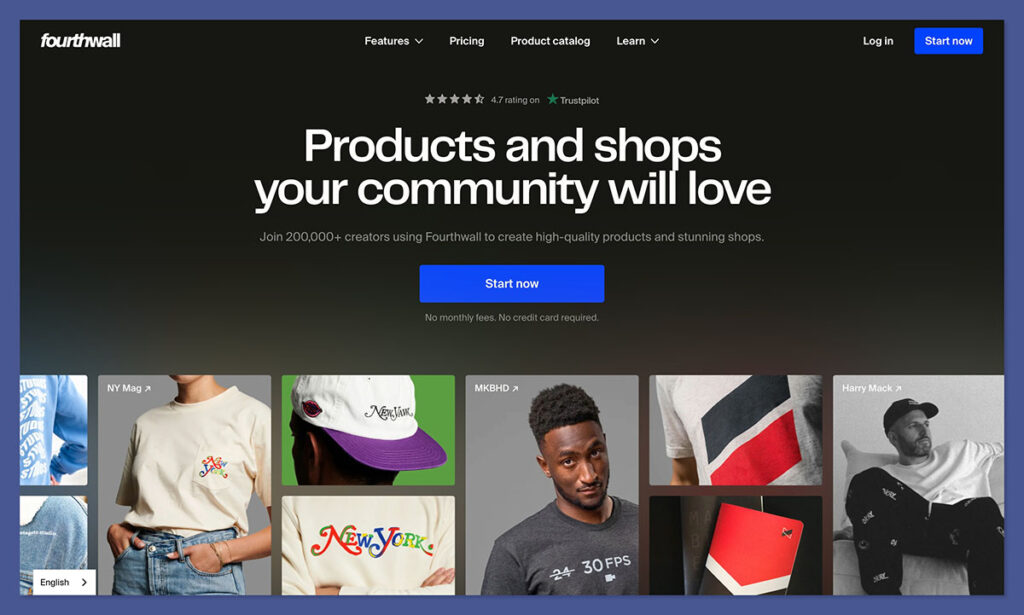
| Fourthwall | Merch + Memberships | Free | Yes | Premium POD, MoR tax handling |
| Shopify | Scalable Merch Biz | $29/mo | No | Full control, enterprise-grade |
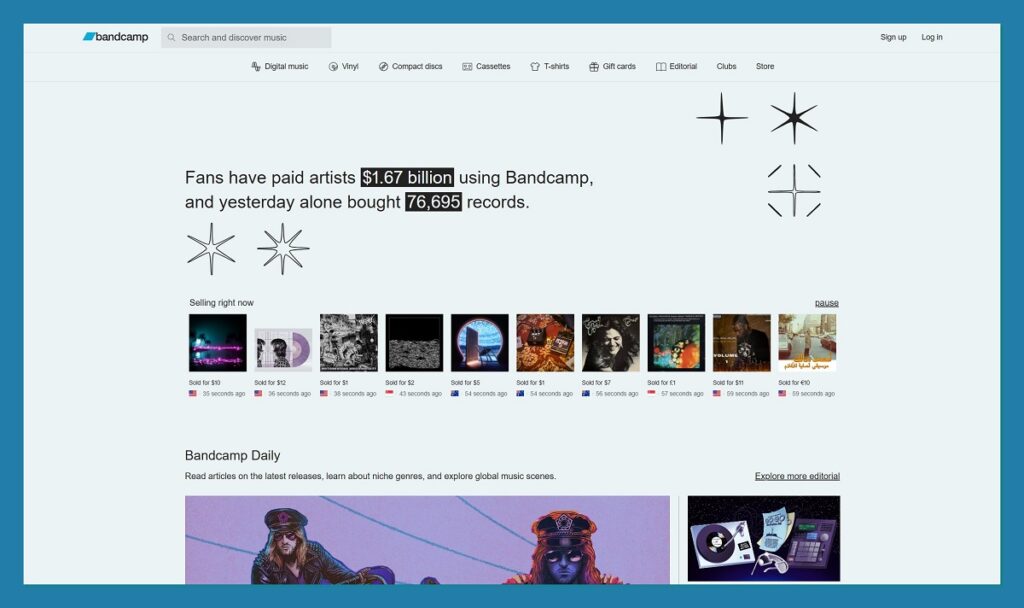
| Bandcamp | Direct Music Sales | Free | Yes | Artist-first, community focus |
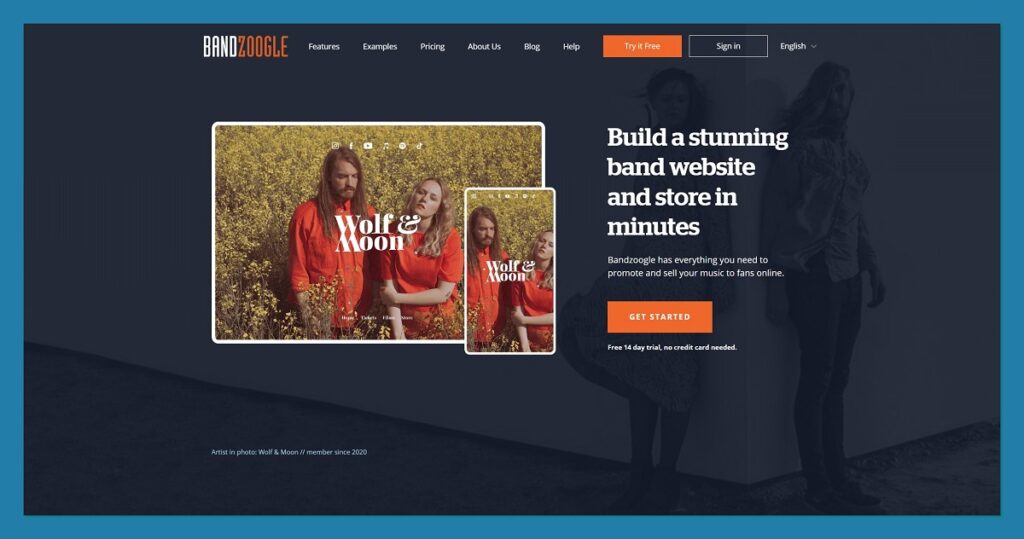
| Bandzoogle | All-in-one Site | $11/mo | No | EPK, Ticketing, Store |
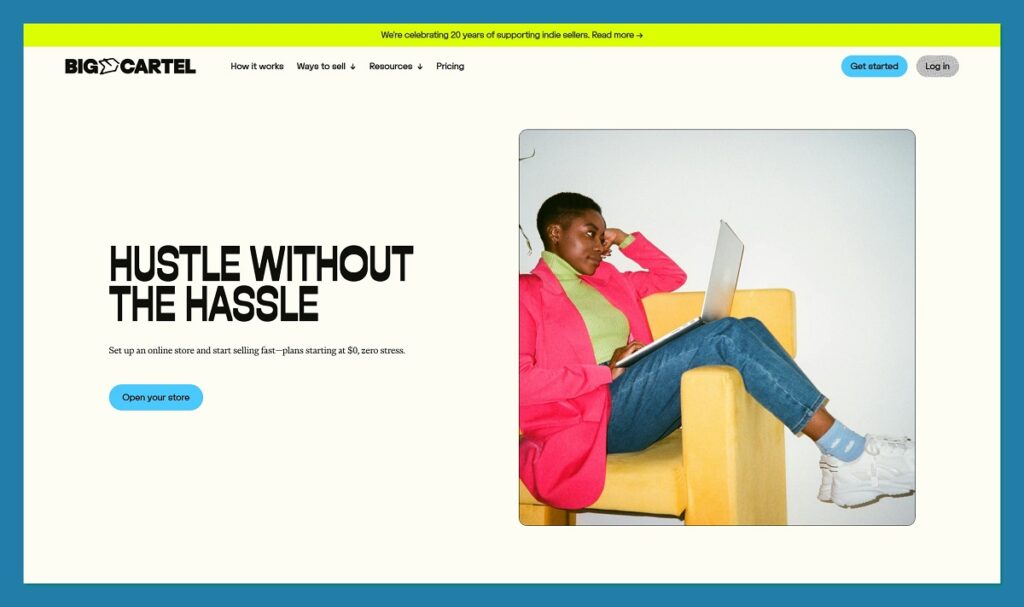
| Big Cartel | Small Indie Drops | Free | Yes | Simple, no platform fees |
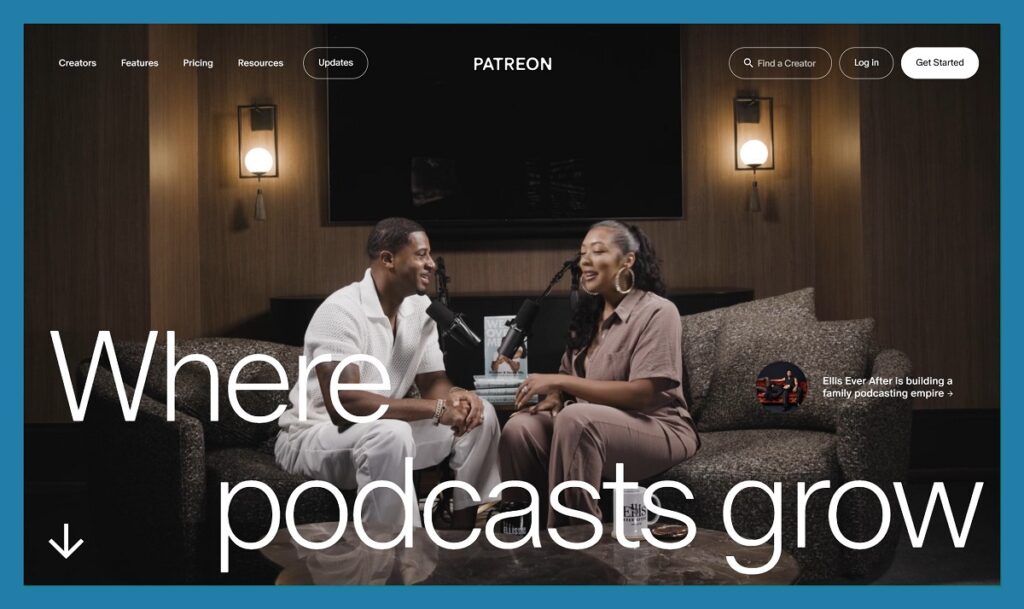
| Patreon | Recurring Support | 10% Rev | No | Community-gated content |
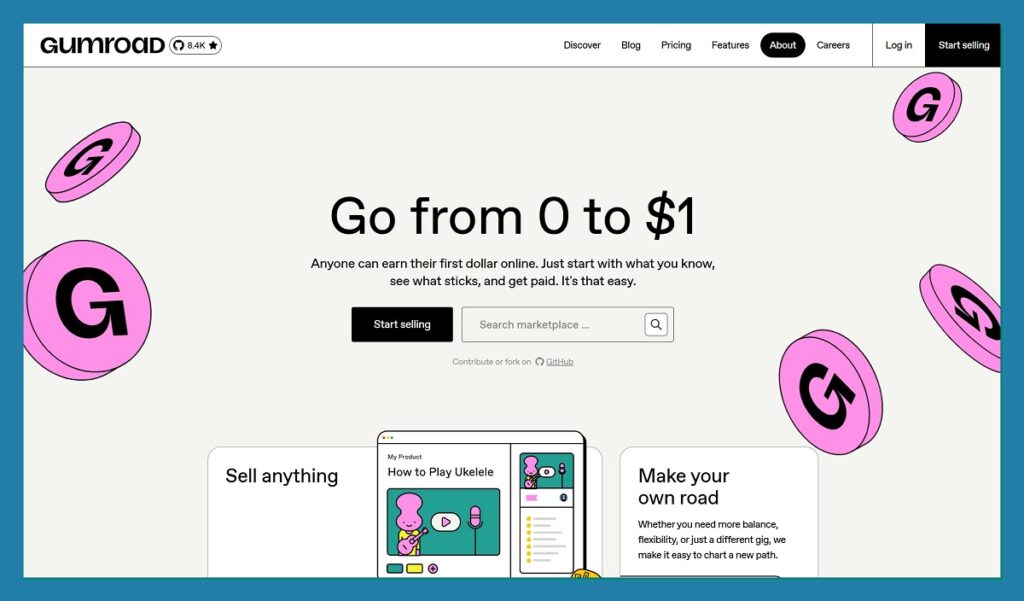
| Gumroad | Digital Goods/Packs | 10%+$0.50 | Yes | Frictionless checkout |
Deep Dive: The Top-Tier Solutions
1. Fourthwall: The "Hidden Gem" for Modern Creators
Fourthwall has emerged as the definitive choice for artists who want to avoid the "administrative nightmare" of running a business. By acting as the Merchant of Record (MoR), Fourthwall takes on the burden of sales tax collection and compliance, allowing the artist to focus entirely on creative output. Its integration with the YouTube Merch Shelf makes it a powerhouse for artists with an active video presence.
2. Shopify: The Gold Standard for Scalability
For the artist planning to move thousands of units annually, Shopify remains unrivaled. While it carries a steeper learning curve and a monthly cost, the introduction of AI-powered tools like "Sidekick" has lowered the barrier to entry. It is the only platform that can truly scale from a garage-based startup to a global logistics operation.

3. Bandcamp: The Musician’s Home
Bandcamp remains the moral compass of the industry. It is the only platform that prioritizes the album-listening experience. It is not designed for mass-market merch, but for the artist who views their music as a piece of art worth paying for. Its "Pay What You Want" model is a proven psychological lever for increasing fan support.
Official Perspectives: Managing the "Business of Art"
We spoke with industry consultants and independent label managers who emphasize that fragmentation is the enemy of growth.
"The most common mistake I see," says a prominent music marketing strategist, "is artists trying to patch together five different websites. You want to minimize the number of clicks between a fan seeing your content and checking out. If you have to send them from your social media to your website, then to a third-party store, you lose 60% of your potential sales in that friction."
Implications for the Independent Artist
The implication is clear: choose one "primary" hub. Whether that is a full website (Bandzoogle, Squarespace) or a specialized storefront (Fourthwall, Shopify), your fans should know exactly where to go for "the official experience."
How to Choose the Right Platform: A Decision Matrix
1. Defining Your Product Mix
- Digital Files Only: Bandcamp (Music) or Gumroad (Lessons, Sample Packs).
- Merch-Heavy: Shopify or Big Cartel.
- All-in-One/Community: Fourthwall or Bandzoogle.
2. Assessing Your Technical Comfort
If you are comfortable with plugins and coding, WooCommerce is the most powerful tool on the market, offering total ownership of your data and SEO. However, if you are a "plug-and-play" artist, the managed environment of Squarespace or Wix offers a superior design-to-effort ratio.
3. The "Hidden" Costs of Growth
Beware of "free" platforms. While platforms like Bandcamp or Patreon take a higher percentage of your revenue, they do not require a monthly subscription fee. This is ideal for artists just starting out. Conversely, once your revenue exceeds $2,000–$3,000 per month, moving to a fixed-fee model like Shopify often results in higher take-home pay due to lower transaction processing fees.
Frequently Asked Questions (FAQ)
Do I need an LLC to sell merch?
In most jurisdictions, you can start as a sole proprietor. However, once you begin crossing state or national borders for sales, you should consult a tax professional regarding sales tax nexus. Platforms like Fourthwall mitigate this by acting as the Merchant of Record.
Can I use multiple platforms?
Yes. A hybrid approach is common: use Bandcamp for your music releases, Shopify for your physical merch, and Patreon for your fan community. The key is to keep them linked clearly on your central artist website.
How do I handle international shipping?
If you are doing it yourself, shipping internationally is a headache. We highly recommend using Print-on-Demand (POD) services integrated into Shopify or Fourthwall. These services have warehouses globally, ensuring your fans in Europe or Asia aren’t hit with massive shipping fees and customs duties.
Conclusion: The Path Forward
The "best" platform is the one that removes the most friction between your art and your audience. For some, this is the simple, high-design interface of Squarespace. For others, it is the logistical power of Shopify.
In 2026, the barrier to entry has never been lower, but the expectation for a professional, seamless, and branded experience has never been higher. Evaluate your catalog, define your growth goals, and pick a partner that allows you to spend 90% of your time in the studio and only 10% in the back office. The technology is finally mature enough to support the dream of a sustainable, independent career—the rest is up to your music.
