
The AI Agency Dilemma: How to Build a Stack That Drives Revenue Instead of Chaos
In the modern marketing landscape, the promise of Artificial Intelligence is intoxicating: infinite content, hyper-personalized campaigns, and automated data analysis. Yet, for many marketing agencies, the rapid adoption of these tools has resulted in a "tech sprawl" that erodes margins, creates inconsistent brand messaging, and overwhelms teams with maintenance debt.
The real competitive advantage today isn’t simply "using AI"; it is curating a tech stack that enhances delivery speed, protects profitability, and ensures that every piece of output remains on-brand. This guide examines how top-tier agencies are pivoting from chaotic, fragmented AI usage toward a structured, high-ROI operational model.
The Core Facts: Why Most AI Stacks Fail
The primary reason AI initiatives fail in agency environments is a lack of integration. When agencies treat AI as a collection of "one-off" subscriptions—a generator for social posts here, a chatbot for research there—they create operational silos.
The Reality of Modern Agency Costs:
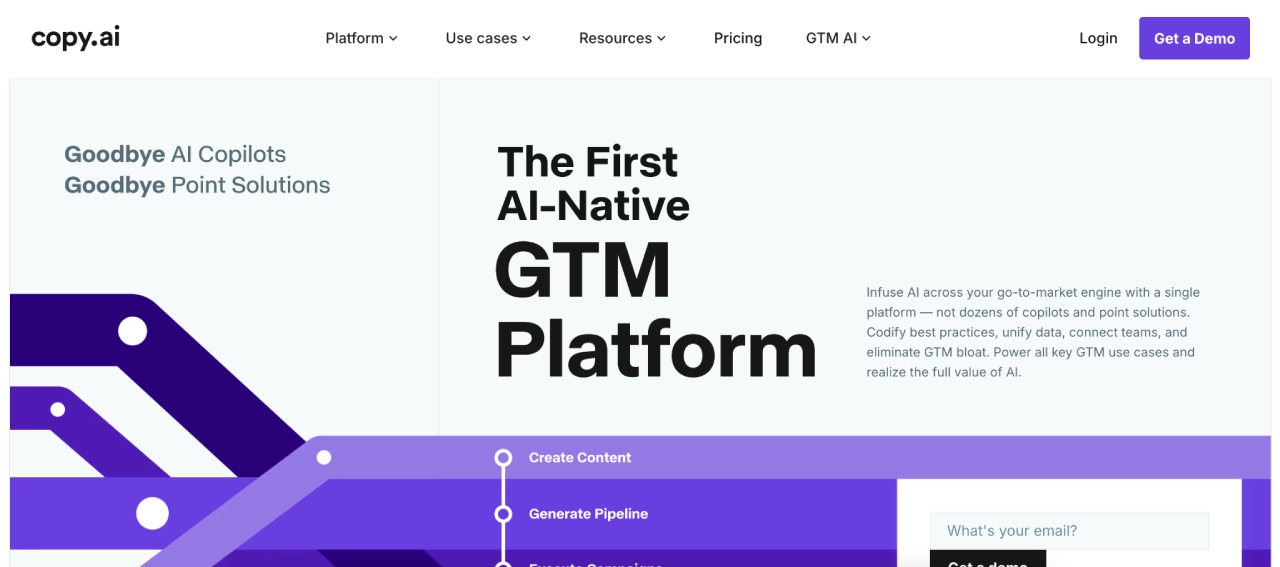
- Tool Bloat: Many agencies currently pay for 5–10 overlapping AI subscriptions.
- The "Human-in-the-Loop" Tax: AI output often requires more time to edit than it takes to write from scratch if the initial prompt lacks context.
- Margin Erosion: Hidden costs, such as token consumption, seat-based pricing, and API usage fees, often scale faster than client billables.
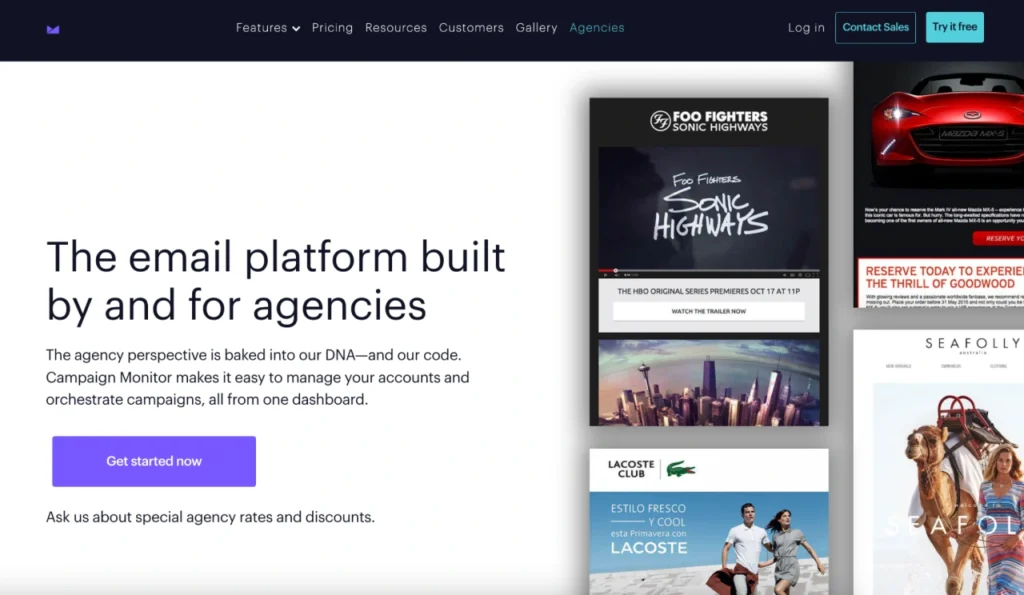
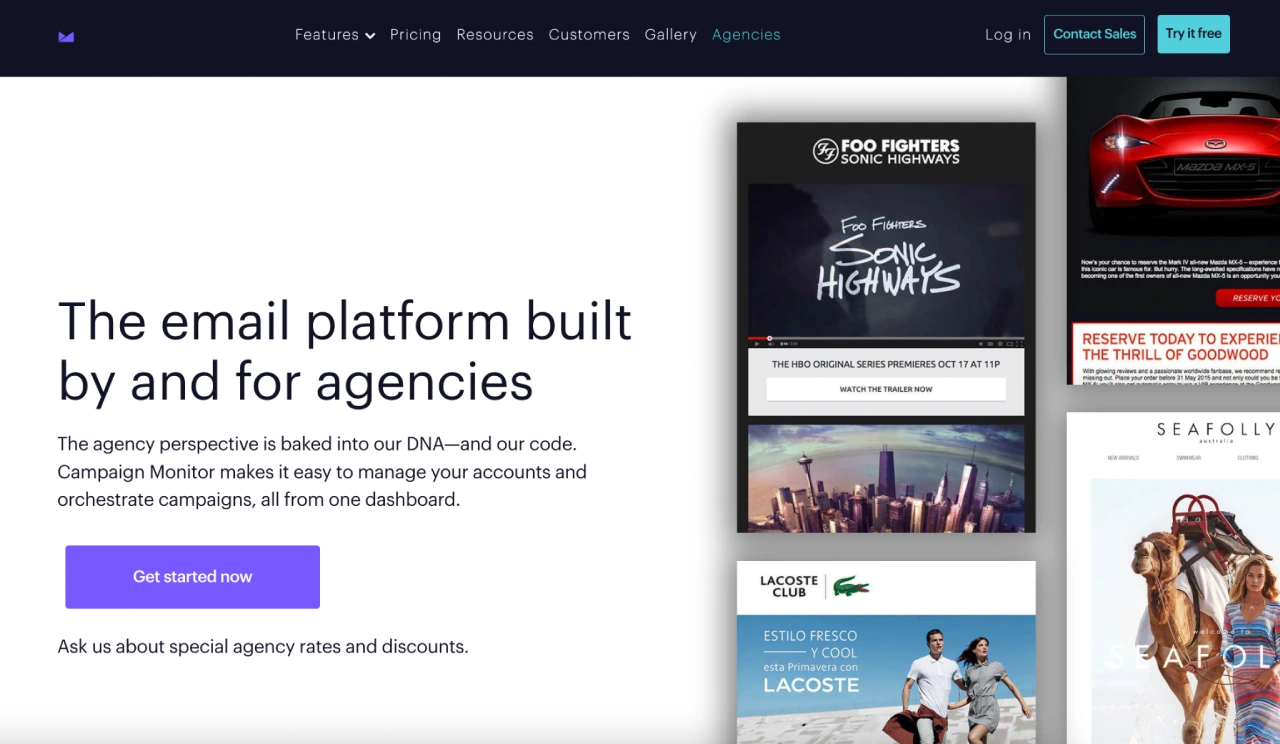
Success requires a foundational layer—a "North Star" tool—like Campaign Monitor, which provides the stable infrastructure (email journeys, segmentation, and reporting) that ensures AI-generated content actually lands in the inbox in a way that converts.

Chronology: The Evolution of the AI-Enhanced Workflow
To understand where we are, we must look at the rapid maturation of marketing technology:

- The "Experimental" Phase (2022–2023): Agencies began testing basic LLMs for brainstorming and social captions. Productivity spiked, but quality was erratic.
- The "Agentic" Phase (2024): The shift from simple text generation to "agentic" workflows—where tools like Copy.ai or Jasper began to connect to CRM data and brand voice profiles—began to stabilize outputs.
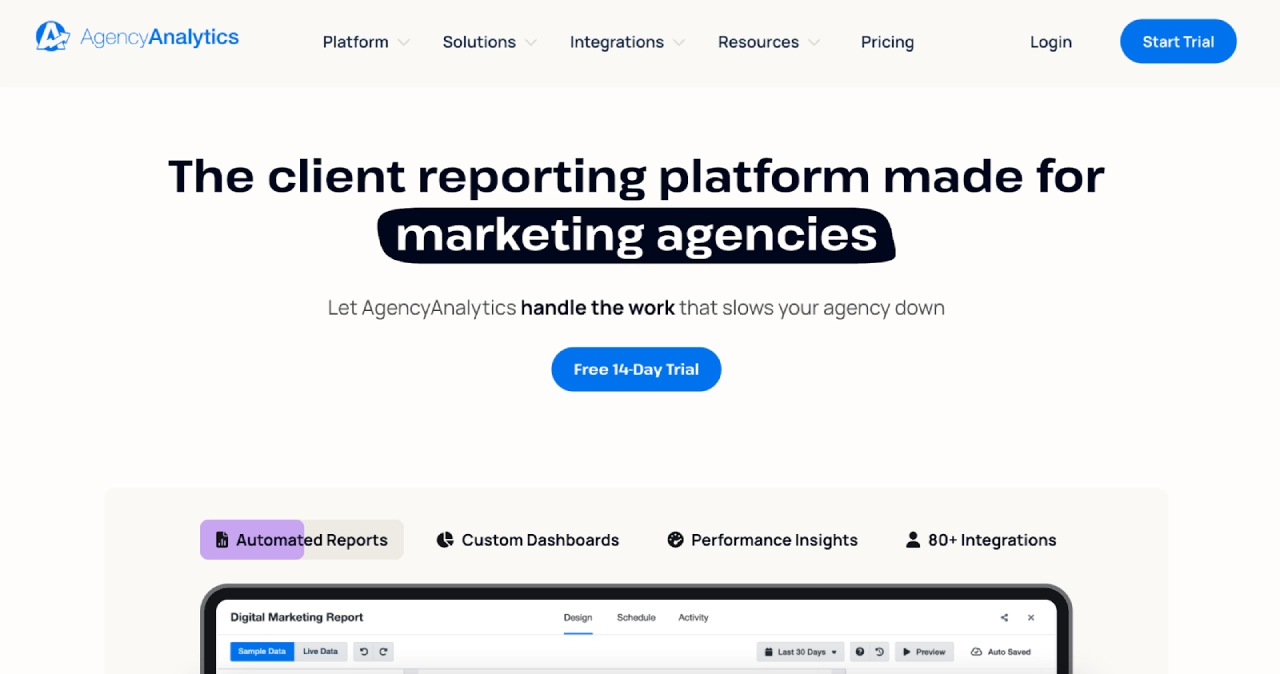
- The "Optimization & Governance" Phase (2025–Present): Agencies are now prioritizing "Control" over "Scale." The focus has moved toward ensuring that AI outputs meet strict compliance standards and align with multi-client reporting requirements via tools like AgencyAnalytics and Supermetrics.
Supporting Data: The 17 Essential Tools for Scalable Operations
Agencies that are thriving in the current climate generally categorize their AI stack into four specific pillars. Below is a breakdown of the leading tools currently defining the space.
| Category | Recommended Tool | Standout Feature |
|---|---|---|
| Email/Automation | Campaign Monitor | Multi-client (parent/child) management & dynamic journeys |
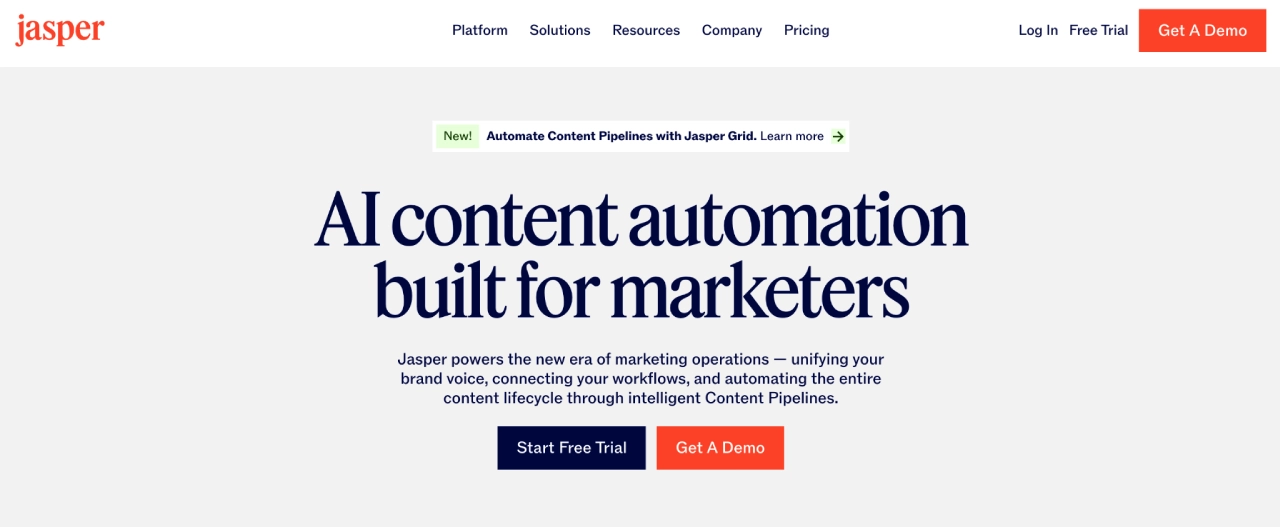
| Content Ops | Jasper / Copy.ai | Brand Voice integration & agentic workflows |
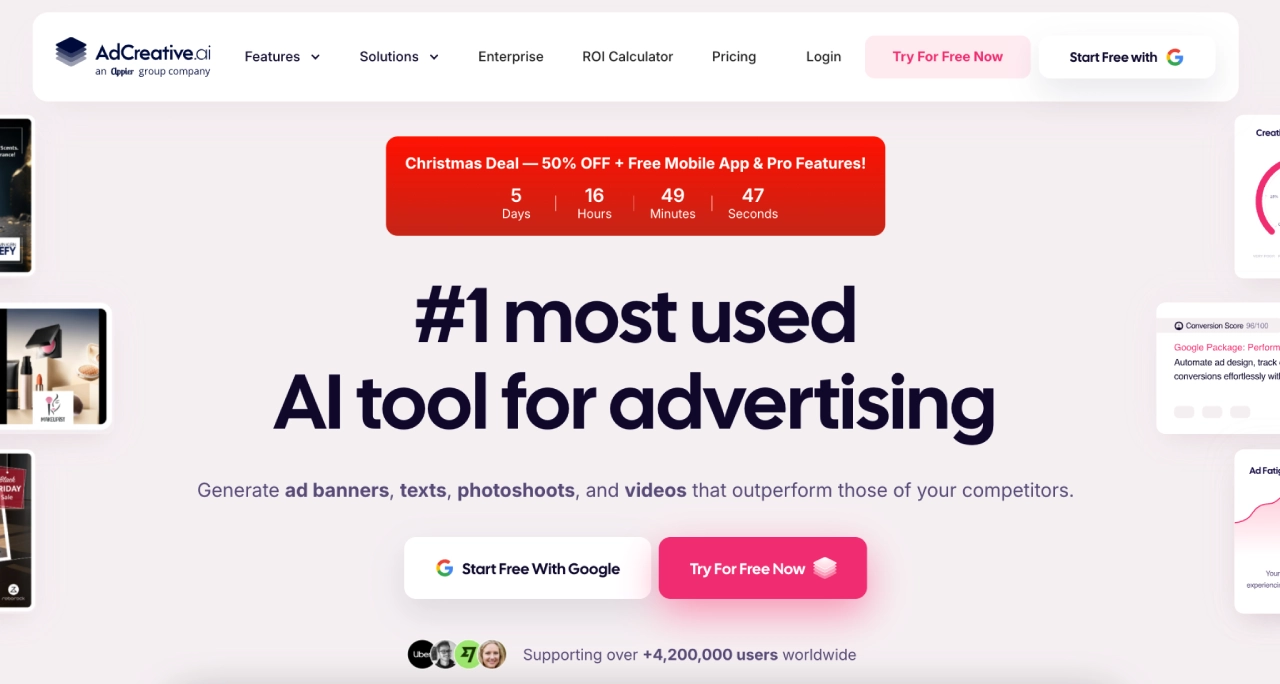
| Ad Management | Madgicx / AdCreative.ai | Predictive creative scoring & fatigue detection |
| Data/Analytics | Supermetrics / AgencyAnalytics | Cross-channel integration & white-label reporting |
| Visual/Creative | Midjourney / DALL·E 3 | High-fidelity conceptual generation |
The "Campaign Monitor" Advantage
For agencies, the email channel is the heartbeat of client revenue. While content tools generate the "what," Campaign Monitor manages the "how" and "when." Its strength lies in its ability to handle multi-client environments, allowing agencies to deploy standardized, high-performance automated journeys (welcome, post-purchase, re-engagement) across a diverse roster of clients without manually building from scratch each time.
Official Perspectives: The "3C Model" for Sustainable Growth
Industry experts suggest that agencies should adopt the 3C Model to prevent the "chaos" associated with rapid AI adoption:
1. Context (The Input Layer)
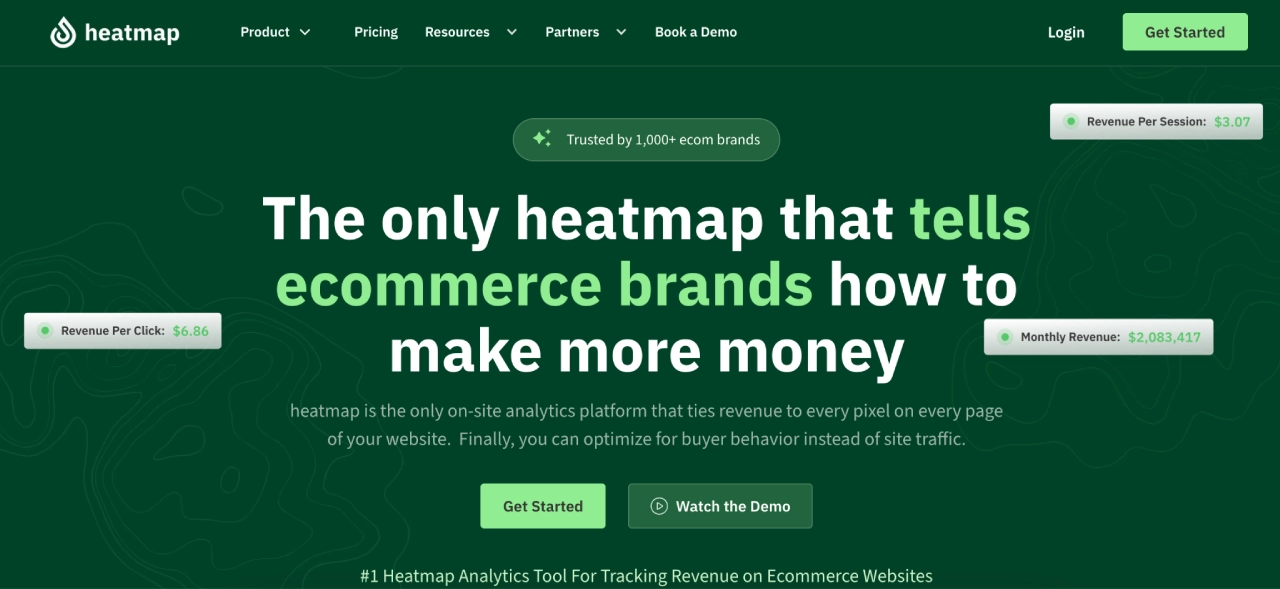
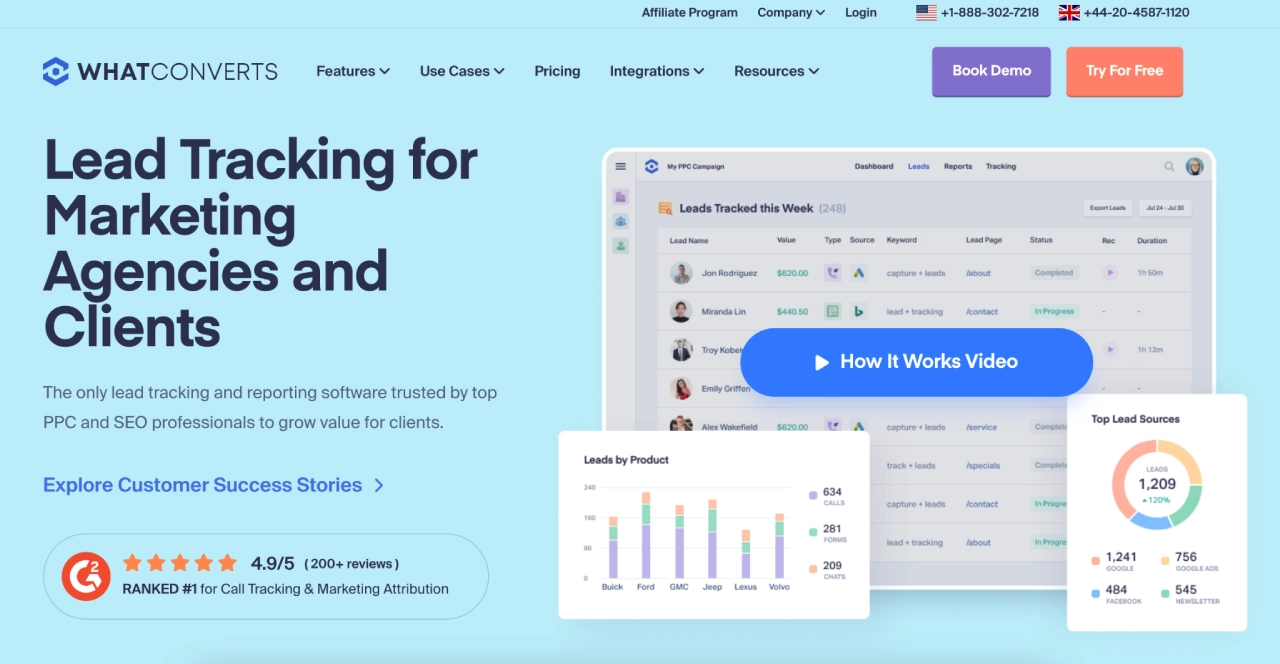
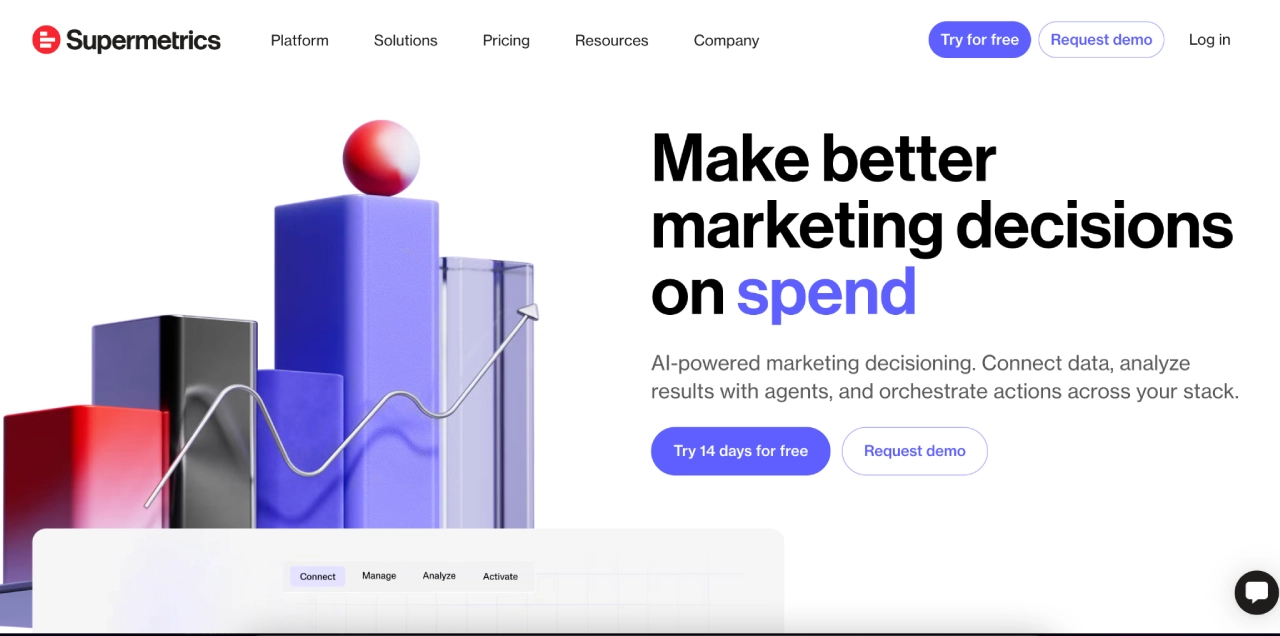
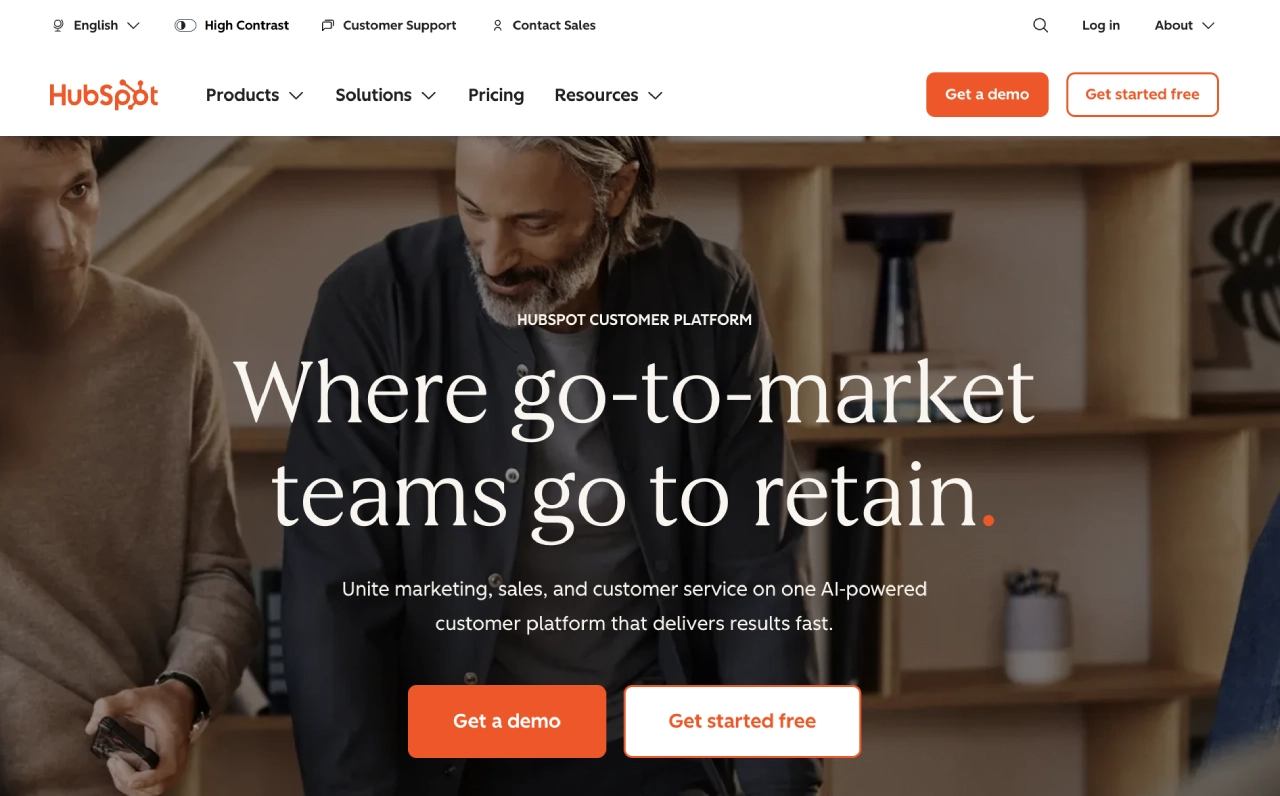
Before an AI can generate a successful email or ad, it needs to be fed the right data. Centralizing your audience and performance metrics is non-negotiable. Tools like HubSpot or WhatConverts act as the "source of truth," ensuring that AI doesn’t work in a vacuum.
2. Content (The Execution Layer)
This is where tools like Jasper and AdCreative.ai shine. The key is using these tools to draft at 80% completion, leaving the final 20%—the human touch, the empathy, and the strategic positioning—to your team. This prevents the "generic" feel that often plagues AI-written copy.
3. Control (The Guardrails Layer)
This is the most neglected pillar. Agencies must implement review workflows that check for hallucinations, compliance, and brand consistency. Utilizing Zapier to create automated checkpoints—such as forcing an AI-generated draft into a human-only approval queue—is essential for risk management.

Operational Implications: Managing Total Cost of Ownership (TCO)
As AI usage increases, so does the risk of "cost creep." To keep margins healthy, agencies must shift from a "per-tool" mindset to a "per-output" mindset.
- Audit for Usage: Monthly, review the active usage of every AI seat. If a tool isn’t being used to generate revenue-impacting assets, cut it.
- Consolidate Features: Avoid "all-in-one" platforms that claim to do everything but excel at nothing. Instead, use a "best-of-breed" stack where each tool serves a distinct, high-value purpose.
- The "Human-Cost" Calculation: When calculating the ROI of a tool, include the time taken for human editing. If a $30/month tool saves an employee 5 hours of work, the ROI is clear. If it adds 2 hours of editing, it is a liability.
Risk Mitigation: The Safety Checklist
Before scaling any AI tool across a client portfolio, ensure your agency has addressed these six operational risks:
- Hallucinations: AI can confidently lie. Always treat AI-generated data as a "draft" requiring fact-checking.
- Brand Voice Drift: AI tends to default to "average" marketing speak. Use custom instructions and brand guidelines to force the model to adhere to the client’s specific tone.
- Data Compliance: Never feed PII (Personally Identifiable Information) into public LLMs. Ensure your tools are enterprise-compliant.
- IP Rights: Understand the commercial usage rights of the images generated by Midjourney or DALL·E 3.
- Hidden Costs: Be wary of tools that charge per credit or per generation. These costs can spiral during high-volume periods.
- Human Oversight: Never allow an AI to auto-publish. Every customer-facing touchpoint must be reviewed by a human strategist.
The Verdict: Quality Over Quantity
The "all-in-one" suite is often a trap. It promises simplicity but delivers mediocre results and lock-in. A more resilient strategy is to build a "lean" stack—one anchored by a reliable, battle-tested engine like Campaign Monitor for email, and supplemented by specialized tools that focus on specific, high-intent outputs.
By focusing on the 3C Model (Context, Content, Control), agencies can transform AI from a source of operational chaos into a powerful engine for predictable growth. The goal is not to automate for the sake of automation, but to free up your team to focus on the high-level strategy that AI cannot replicate.
Ready to start? Begin by auditing your current email workflows. If you aren’t using dynamic segmentation and automated journeys to drive revenue, that is your first "quick win." Integrate that with a refined content creation workflow, and you will see your margins stabilize and your client satisfaction climb.

For more information on streamlining your agency’s email marketing at scale, explore the Campaign Monitor Agency Tools.
Disclaimer: This article provides general information regarding marketing technology and should not be construed as financial, legal, or tax advice. Always consult with professional advisors before implementing new software or changing your agency’s operational infrastructure.
