
Beyond the Silo: How Data-Driven Intelligence is Revolutionizing Brand Partnerships
In the hyper-competitive landscape of digital marketing, the perennial question for CMOs and brand strategists remains: “How do I identify the best partnerships to reach our brand goals?” For decades, the industry standard has relied on surface-level metrics—vanity KPIs like views, basic engagement rates, and follower counts. However, as the digital ecosystem becomes increasingly fragmented, these metrics are proving to be incomplete.
The new frontier of strategic growth is found in social video intelligence. By moving beyond traditional demographic assumptions and into the granular world of behavioral data, brands are now uncovering unexpected, high-impact collaboration opportunities that defy industry silos.
Why Traditional Targeting is Obsolete
For years, marketing strategy has been built on the foundation of the "neat box." The logic was simple: beauty enthusiasts only care about makeup tutorials; gamers only care about hardware specs; and foodies only care about recipes. This rigid classification system has led to redundant, echo-chamber marketing that limits brand reach.
In reality, audiences are multidimensional. A consumer who spends their morning watching a skincare routine on YouTube may spend their afternoon analyzing the latest aerodynamics in a Formula 1 recap. Traditional targeting fails to capture this fluidity. Social video analytics allow marketers to map these intersectional interests, revealing the hidden paths between seemingly disparate industries.
Chronology of a Paradigm Shift: The Data-Led Revolution
The shift toward cross-category partnerships didn’t happen overnight. It was catalyzed by the maturation of video intelligence platforms, which began aggregating petabytes of social media consumption data.

- Phase 1 (The Discovery Era): Brands began noticing that their audiences were interacting with content far outside their core categories.
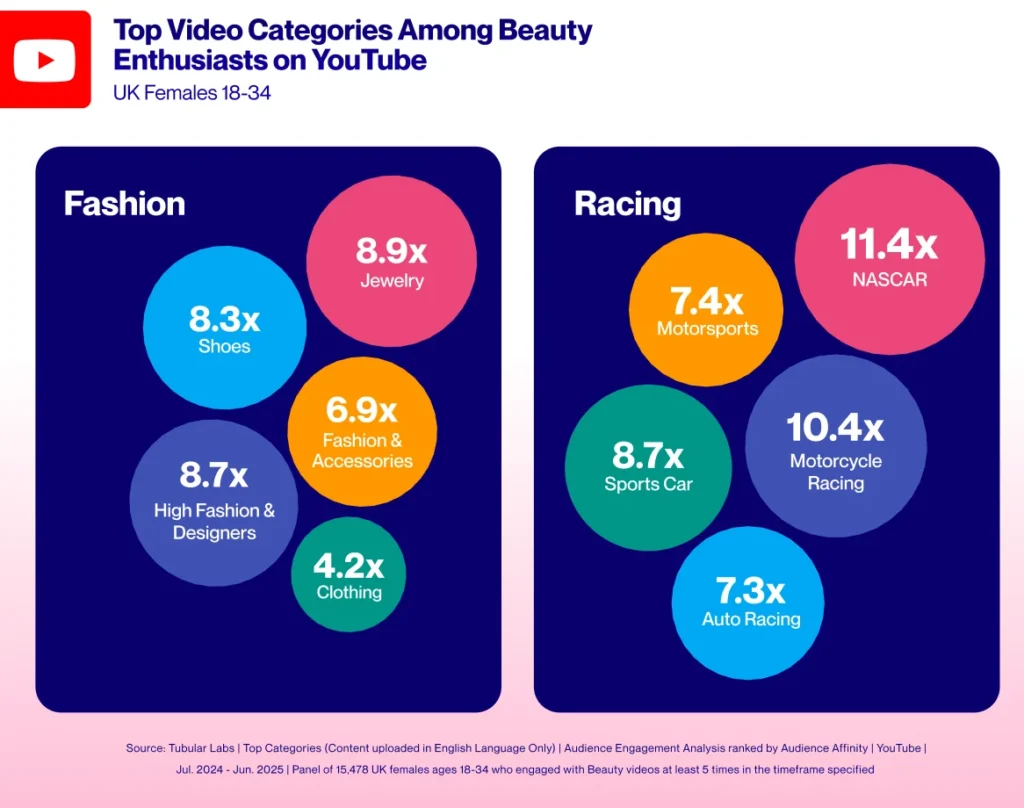
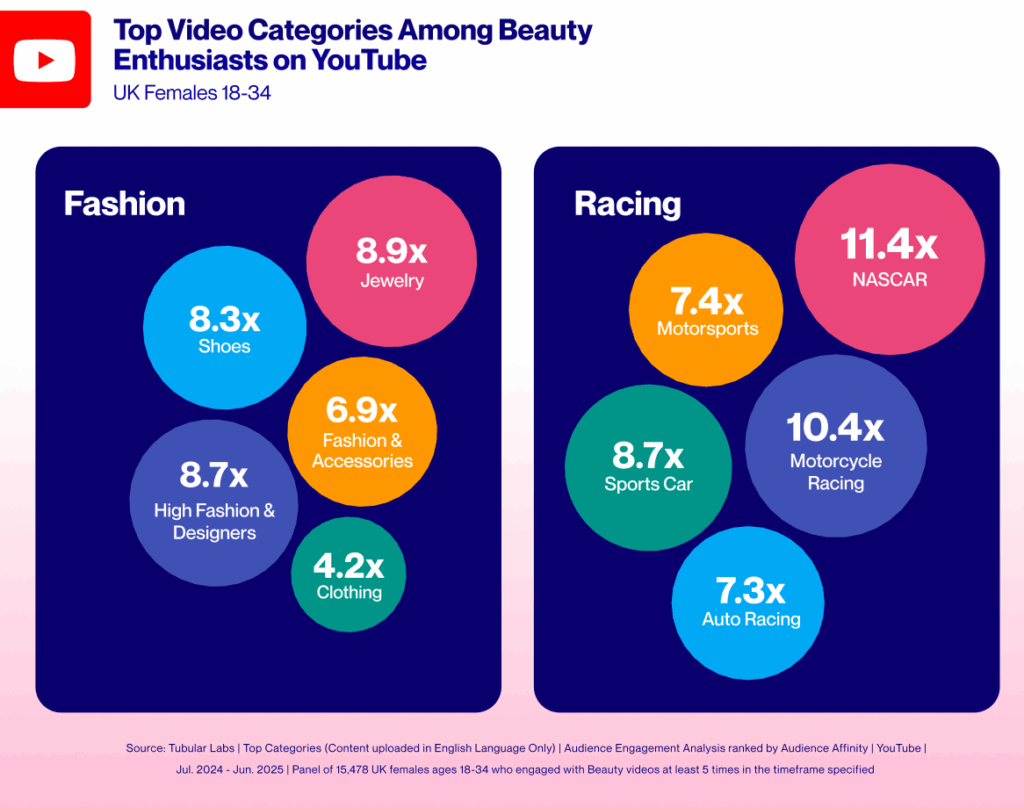
- Phase 2 (The Validation Era): Platforms like Tubular Labs began quantifying these overlaps. For instance, data revealed that UK female beauty viewers were 11.4x more likely to engage with motorsport content than the general population.
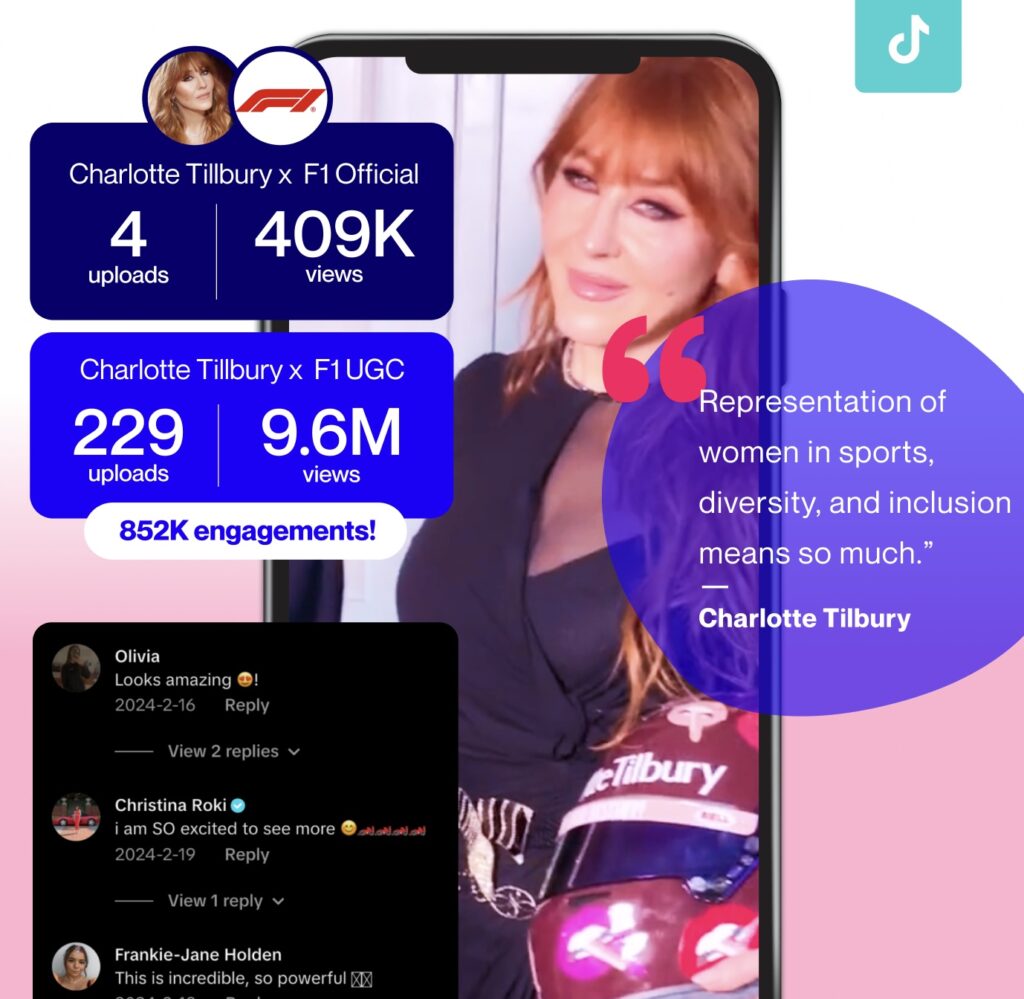
- Phase 3 (The Implementation Era): Early adopters like Charlotte Tilbury and Riot Games transitioned from speculative collaborations to data-backed, high-stakes partnerships.
Case Studies: When Worlds Collide
The Charlotte Tilbury x Formula 1 Academy Collaboration
At first glance, the luxury cosmetics market and high-octane motorsport seem to occupy different orbits. However, the data told a different story. By analyzing the overlap between beauty and racing, Charlotte Tilbury identified a massive, underserved segment.
The partnership became a milestone in marketing history. As the first beauty brand to partner with the F1 Academy, the campaign wasn’t just a branding exercise; it was a performance powerhouse. By aligning the prestige of luxury beauty with the adrenaline of racing, the brand achieved significant cross-pollination. The result was a dramatic increase in brand sentiment among a demographic that had previously been overlooked by traditional motorsport sponsors.
The Riot Games x Fenty Beauty Phenomenon
The gaming sector has historically been dominated by male-centric marketing, often ignoring the massive and growing female gaming population. Tubular’s analytics revealed a strong, latent affinity between female gamers and major beauty powerhouses like YSL, NYX, and L’Oréal.
Riot Games, the studio behind the global juggernaut Arcane, recognized this insight and executed a limited-edition collaboration with Fenty Beauty. The collection didn’t just sell products; it integrated the fantasy world of Arcane into the physical beauty routines of fans. The campaign went viral because it invited the audience to participate in the storytelling rather than simply viewing a static ad. It proved that when a brand treats its audience as a participant, the return on investment transcends traditional advertising.
Supporting Data: The Power of Behavioral Insights
The success of these campaigns is not coincidental. It is rooted in the shift from "interest-based" targeting to "consumption-based" targeting.
When analyzing cross-category behavior, data scientists look at:
- Audience Affinity Scores: Determining how much more likely a viewer of Category A is to watch Category B.
- Cross-Platform Sentiment: Tracking how brand mentions evolve as they jump from gaming platforms to lifestyle vlogs.
- Consumption Velocity: Measuring how quickly a new partnership triggers engagement across disparate communities.
The bonus research in this sector is equally telling. Recent analysis into "Food and Nostalgic Entertainment" reveals that a cookware brand was able to generate millions of views by leveraging the cultural cachet of a legacy pop-culture franchise. By moving away from "culinary influencers" and toward "nostalgia-driven entertainment," the brand successfully expanded its total addressable market.
Official Perspectives: The Experts Speak
Industry analysts at Tubular Labs emphasize that the "unexpected" nature of these partnerships is their greatest asset. According to recent reports on cross-category synergy, the most successful brands are those that treat data as a compass rather than a map.
"The goal is not to find a partner that matches your brand’s current audience, but to find a partner that captures the audience your brand wants to become," notes a lead strategist at Tubular. "When you follow the data, you aren’t just buying ad space; you are buying entry into a community that is already primed for your narrative."
Implications for Future Marketing Strategies
What does this mean for the future of the CMO’s toolkit? It implies that the era of the "siloed budget" is ending. To remain competitive, brands must adopt a framework for identifying partnerships that focuses on behavior over demographics.
A Four-Step Framework for Strategic Partnerships:
- Behavioral Mapping: Utilize social video intelligence to identify the "secondary interests" of your core customers. If your customers love cooking, what else are they watching? Are they watching DIY home renovation? Are they watching historical documentaries?
- Affinity Scoring: Quantify the strength of those overlaps. Look for a minimum of a 5x–10x affinity increase compared to the general population.
- Cultural Alignment Audit: Ensure the partnership, while unexpected, maintains brand integrity. The intersection must feel authentic to the viewer, even if it is surprising.
- Participatory Design: Build the campaign around user participation. Use tools like co-created content, limited-edition product drops, or interactive social challenges that bridge the two communities.
Conclusion: The End of Guesswork
In the past, choosing a partner was often a subjective exercise—a "gut feeling" about which celebrity or brand might fit. Today, that approach is a liability. With the right social video intelligence, marketers no longer have to guess. They can map the digital behaviors of their audience to identify exactly where the next big trend will emerge.
The most successful brands of the next decade will not be the ones that dominate their own category; they will be the ones that master the art of crossing into others. By leveraging data-driven insights, brands can turn "unexpected" into "inevitable," ensuring that every partnership investment delivers measurable, scalable, and—most importantly—meaningful results.
As we look ahead, the brands that win will be those that embrace the complexity of their audiences. They will stop treating consumers as monoliths and start treating them as the multifaceted individuals they are. In this new era, the data is clear: the most effective path to growth is often the one that looks the most unconventional.
Ready to transform your partnership strategy? Stop guessing and start analyzing. Request a demo with Tubular Labs today to uncover the unexpected data points that could define your brand’s next breakthrough collaboration.
