
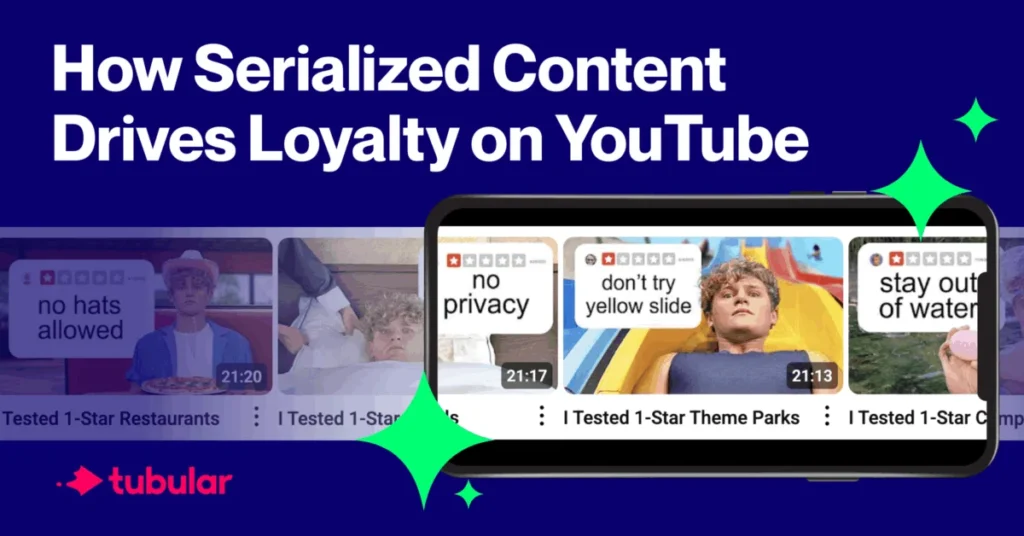
The Serialized Revolution: How YouTube is Redefining the Modern Television Experience
As the traditional "linear" television model continues to fragment, a surprising transformation is occurring in the living rooms of millions: the television screen has become the primary portal for YouTube. With this shift in hardware usage comes a fundamental change in viewer psychology. Audiences are no longer just looking for "snackable" viral clips; they are seeking immersive, episodic experiences that mirror the comfort and cadence of traditional TV.
This migration toward the "Big Screen" experience has empowered creators and brands to adopt a time-honored strategy: serialization. By producing content that drives regular, repeated tune-ins, digital storytellers are transforming their channels into modern-day networks, effectively competing for the same attention spans once dominated by cable giants.
The Evolution of the Digital "Tune-In"
For years, the golden rule of YouTube was the "short and snappy" video—content designed to hook a viewer within seconds. However, data from platforms like Tubular Labs suggests that long-form, serialized content is the new engine of growth. As viewers increasingly log into YouTube via smart TVs and gaming consoles, the platform is evolving from a repository of clips into a streaming service of its own.
Serialized content provides a structural advantage: it builds a habit. When a creator releases a consistent, multi-part series, they are not just releasing a video; they are creating a calendar event. This strategy mimics the "appointment viewing" culture that made shows like Friends or The Sopranos staples of American culture. Today, that mantle is being carried by creators who treat their channels as episodic programming blocks.
Case Study I: The 50-State Marathon (Ryan Trahan)
In mid-2025, creator Ryan Trahan provided a masterclass in modern digital serialization. His project, "50 States in 50 Days," was a monumental undertaking that redefined what a travel vlog could be. Moving away from his typical content, Trahan launched a daily, long-form series that required immense logistical coordination and a high level of narrative commitment.
The Power of Daily Consistency
The strategy worked because it was unrelenting. By committing to a daily release schedule, Trahan turned his channel into a "daily show." Each 20–25 minute episode functioned as a chapter in a larger, cohesive story. This consistency is crucial: it utilizes YouTube’s playlist functionality to guide viewers from one episode to the next, effectively lowering the barrier for "binge-watching."
Data-Driven Impact
The results were staggering. In June, Trahan’s U.S. watch-time surged by 120% month-over-month, reaching 569.8 million minutes. This performance placed him at No. 24 among all U.S. accounts, positioning him ahead of established, multi-billion-dollar media entities and mainstream news organizations. His success underscores a vital truth: when a creator offers a high-quality, long-form narrative, the audience will follow them regardless of the competition.
Case Study II: Branded Entertainment (State Farm’s Gamerhood)
If Ryan Trahan represents the independent creator’s path, State Farm’s Gamerhood represents the future of corporate brand strategy. Launched in 2022 and now in its fourth season, Gamerhood is a prime example of a brand stepping into the role of a traditional network producer.
Niche Engagement at Scale
Gamerhood is a gaming-themed competition show that integrates the brand’s identity—insurance—into the high-octane world of esports and streaming. By adopting a reality TV competition format, State Farm taps into a genre that is already beloved by millions.
On August 1, the season four premiere drew 152,000 live viewers, a number that would make many cable shows envious. The brand has mastered the art of "endemic content"—creating entertainment that feels organic to the YouTube ecosystem while keeping the brand top-of-mind.
Metrics of Success
Driving tune-in for branded content is notoriously difficult. Yet, State Farm has achieved a level of stickiness that traditional advertising cannot replicate. With over 5 million minutes watched in some months, the brand has proven that if the content is compelling enough, viewers will willingly engage with a corporate sponsor for hours at a time.
Case Study III: The Pivot to Long-Form (Vice’s Naked Truths)
Vice Media’s recent revival of Naked Truths highlights how legacy digital publishers are adapting their back catalogs to the new long-form reality. Originally a series of short-form, 1–5 minute clips focusing on self-confidence, the revamped Naked Truths has shifted into a high-production, long-form documentary series.
The Economic Incentive
The transition isn’t just creative; it’s financial. By increasing episode lengths to 15+ minutes, Vice creates natural "ad breaks" within the flow of the content. This structure mimics traditional linear television, providing a viable path for monetization without requiring a deal with a streaming network.
The new series, which explores the raw, hidden corners of U.K. life, has averaged 65,000 views per upload in its early stages. While modest compared to mass-market hits, the engagement depth is significantly higher than the original short-form iteration. It demonstrates that legacy publishers are pivoting their entire production pipelines to accommodate the "Big Screen" YouTube viewer.
Chronology of the Shift: From Clips to Series
- 2010–2015: The "Clip" Era. YouTube is primarily viewed on desktop or mobile. The focus is on viral, short-form content designed to be shared via social media links.
- 2016–2020: The Rise of the Creator-Influencer. Creators begin to professionalize, using high-end production values. The "vlog" becomes a staple, but remains mostly unscripted and loose in structure.
- 2021–2023: The Streaming Integration. Smart TV sales accelerate. YouTube’s interface is updated to look more like Netflix or Hulu. Viewers begin to treat YouTube as their primary TV service.
- 2024–Present: The Serialization Boom. Creators and brands move toward "TV-like" programming—serialized, long-form, and event-based—to capture the growing "lean-back" audience.
Supporting Data and Industry Implications
The transition to serialized content is backed by a clear trend in how audiences interact with devices. According to industry analysis, watch-time for long-form content on connected TVs is growing at a faster rate than mobile-first content.
Why This Matters for Creators
- Monetization Stability: Longer videos allow for more mid-roll advertisements, increasing the Revenue Per Mille (RPM) for creators.
- Audience Loyalty: Serialized content turns passive viewers into "subscribers" who feel invested in the outcome of a journey or competition.
- Algorithm Favorability: The YouTube algorithm favors "Session Time"—the amount of time a viewer spends on the platform after clicking a video. A series naturally encourages the viewer to watch the next episode, signaling high relevance to the algorithm.
Why This Matters for Brands
- Beyond the 30-Second Spot: Brands are learning that they don’t need to buy a commercial during someone else’s show; they can be the show.
- Trust and Authenticity: By producing "edutainment" or competition shows, brands build a narrative relationship with the consumer, which is far more durable than a traditional ad buy.
Looking Ahead: The Future of the "YouTube Channel"
As we look toward the future, the distinction between a "YouTuber" and a "Network Executive" will continue to blur. The successful entities of the next decade will be those who can blend the raw, authentic voice of the creator with the structural rigor of traditional television production.
For creators and publishers, the lesson is clear: stop thinking in terms of individual uploads and start thinking in terms of "seasons." By developing a clear narrative arc, maintaining a consistent release cadence, and focusing on the "Big Screen" user experience, creators can build lasting media empires.
The era of the "one-off" viral video is not over, but it is no longer the path to long-term sustainability. The future belongs to those who can keep the viewer coming back, week after week, episode after episode, until the channel itself becomes the destination. As YouTube continues to dominate the living room, the creators who adapt to this serialized reality will lead the next generation of entertainment.
