
The New Frontier of Digital Visibility: Why LLM Ranking Is the Next SEO
For two decades, the digital marketing world has lived and breathed by the gospel of Google Search. If you weren’t on the first page, you were effectively invisible. But the digital landscape has undergone a seismic shift: the "Blue Link" era is fading. Today, consumers are increasingly bypassing traditional search engines in favor of Large Language Models (LLMs) like ChatGPT, Claude, Gemini, and Perplexity.
These AI assistants are no longer just chatbots; they are the new arbiters of consumer choice. If Google Search was the map, LLMs are the tour guide—they don’t just provide links; they curate, synthesize, and recommend. For brands, this marks the birth of a new discipline: LLM Ranking.
The Evolution of Search: From Blue Links to Conversational Answers
The transition from keyword-based search to conversational AI is the most significant change in information discovery since the launch of the World Wide Web. Historically, SEO was about optimizing for crawlers and backlinks to rank on a Search Engine Results Page (SERP).
Today, "LLM Rankings" represent your brand’s visibility inside the actual generated text of an AI response. When a user asks an AI, "What is the best CRM software for a small startup?" the response they receive is a definitive recommendation. If your brand isn’t in that answer, you aren’t just buried on page two—you’ve been excluded from the conversation entirely. You have lost a highly qualified lead to a competitor before the user even clicked a link.
The Chronology of the AI Shift
- 2022: The public launch of ChatGPT triggers a massive pivot in user behavior, as people realize they can get direct answers instead of a list of blue links.
- 2023: Search giants like Google and Microsoft (via Bing/Copilot) scramble to integrate generative AI into their search products, effectively turning search engines into "Answer Engines."
- 2024: The proliferation of specialized models like Claude and Perplexity creates a fragmented landscape where users choose specific AI tools based on their intent (e.g., coding, research, or creative writing).
- 2025: Marketing teams begin formalizing "AIO" (AI Optimization) as a core strategy, moving beyond traditional SEO to ensure brand presence within AI training sets and real-time inference responses.
Why You Cannot Afford to Ignore LLM Rankings
Ignoring the mechanics of AI visibility today is akin to ignoring the rise of Google in 2005. You can survive for a while, but you are ceding the future to competitors who are actively training their digital footprints to be "AI-friendly."
1. The Death of the "Click"
LLMs provide the answer directly within the chat interface. This means the traditional metric of "click-through rate" is becoming obsolete. The new metric is "Inclusion Rate"—how often your brand is cited as a solution when your target demographic asks a relevant question.
2. High-Intent Traffic
AI-driven recommendations are often higher quality than standard search results. When a user asks an AI for a recommendation, they are expressing a specific need or intent. Being the AI’s chosen solution carries an implicit "stamp of approval" that carries significant weight in the consumer’s decision-making process.
3. The Fragmentation of Search
Back in the day, optimizing for Google meant you covered the market. Today, users have options. A developer might use Claude, a student might use Gemini, and a professional might use Perplexity. Because each model weighs information differently, your brand’s visibility can vary wildly across platforms. You need to be present everywhere your audience goes.
The "Big Four" and the API Advantage
While there are dozens of models, the current market is dominated by four key players:
- OpenAI (ChatGPT): The market leader with massive consumer adoption. Its influence on brand perception is currently unmatched.
- Google Gemini: Holds a strategic advantage through its deep integration into the Google ecosystem and existing SERP data.
- Anthropic (Claude): Known for superior reasoning and writing, it is the preferred choice for power users and enterprise professionals.
- Perplexity: The "search-first" AI that acts as a bridge between traditional web search and generative answers.
To track your ranking, you cannot simply use the free web interfaces. You must utilize API-based testing. Why? Because the web version of a tool can be inconsistent and personalized based on your history. API access allows you to run "clean room" queries—controlled, repeatable, and scalable tests that provide an objective snapshot of how your brand performs in a neutral environment.
The Process: How to Track and Measure AIO
Since there is no "LLM Search Console" provided by the tech giants, marketers must build their own systems. The process typically follows this lifecycle:
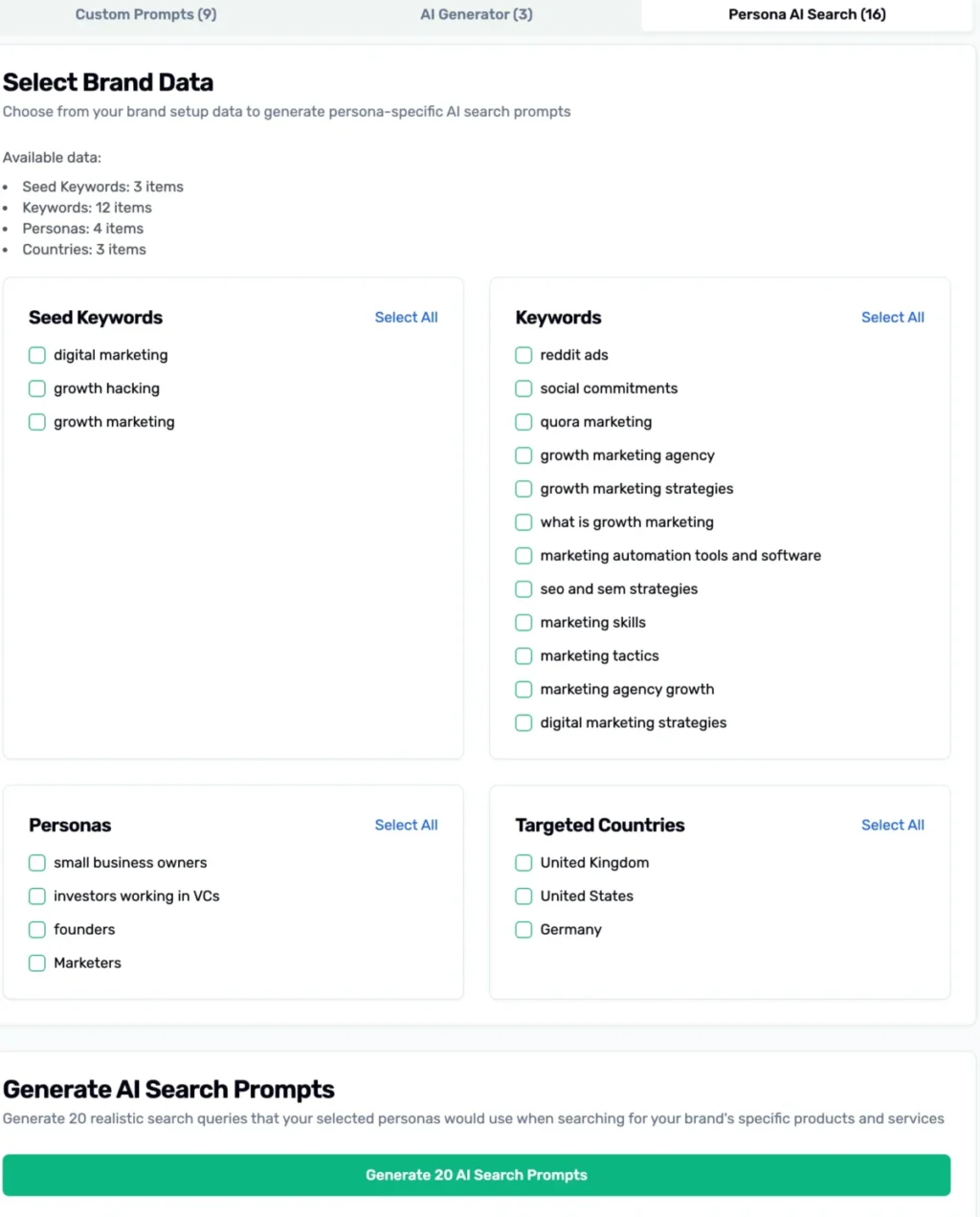
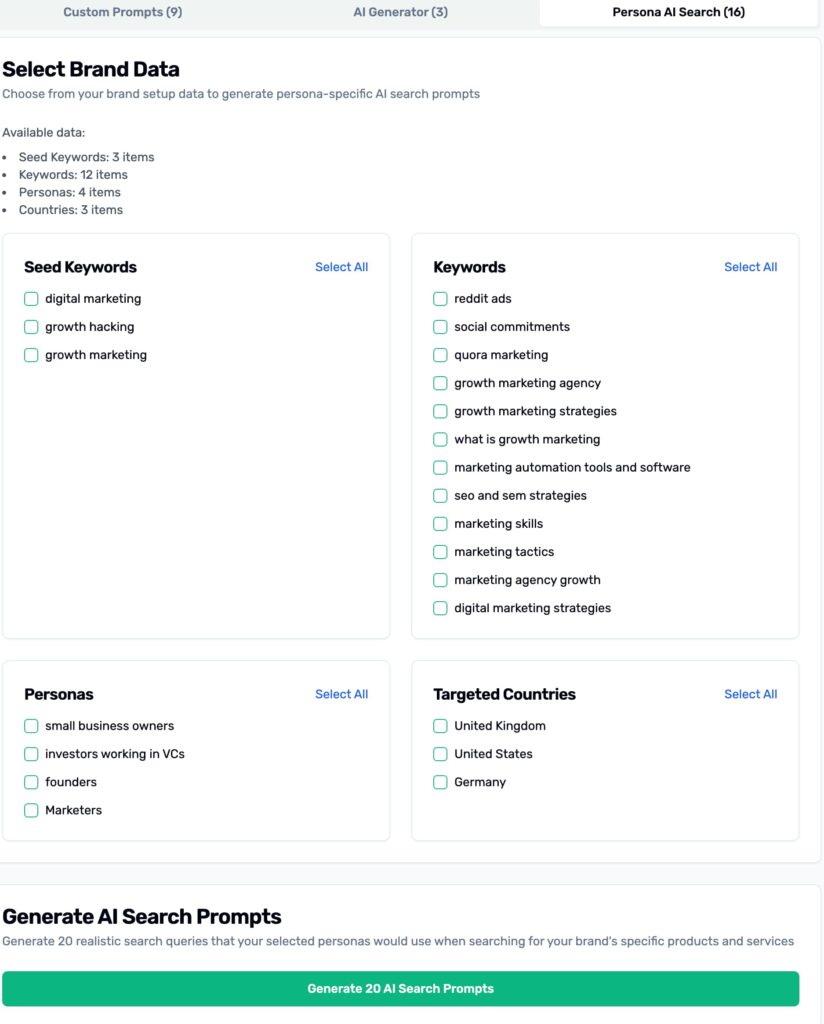
- Build a Query Library: Create a comprehensive set of prompts that mirror real-world user behavior. This includes "Best of" lists, product comparisons, and "how-to" queries related to your industry.
- Run Iterative Tests: Execute these prompts across all major models.
- Analyze Sentiment and Attribution: It’s not enough to be mentioned. Is the sentiment positive? Are you mentioned alongside your competitors? Is the AI providing accurate information about your pricing and features?
- Influence the Data: Once the baseline is established, you can refine your content strategy to emphasize the attributes that LLMs prioritize—such as clear, authoritative documentation, transparent pricing, and favorable third-party mentions.
The Mathematics of Visibility: A Cost-Benefit Reality Check
Tracking LLM rankings is not free. It involves significant costs in API credits, data storage, and the human capital required to analyze the output.
Consider the "Scale Problem": If you want to track 1,000 keywords across 4 models, and you run those tests 5 times a day to account for model updates and randomness, you are looking at 20,000 queries daily. Even at a fraction of a cent per query, the costs mount rapidly.
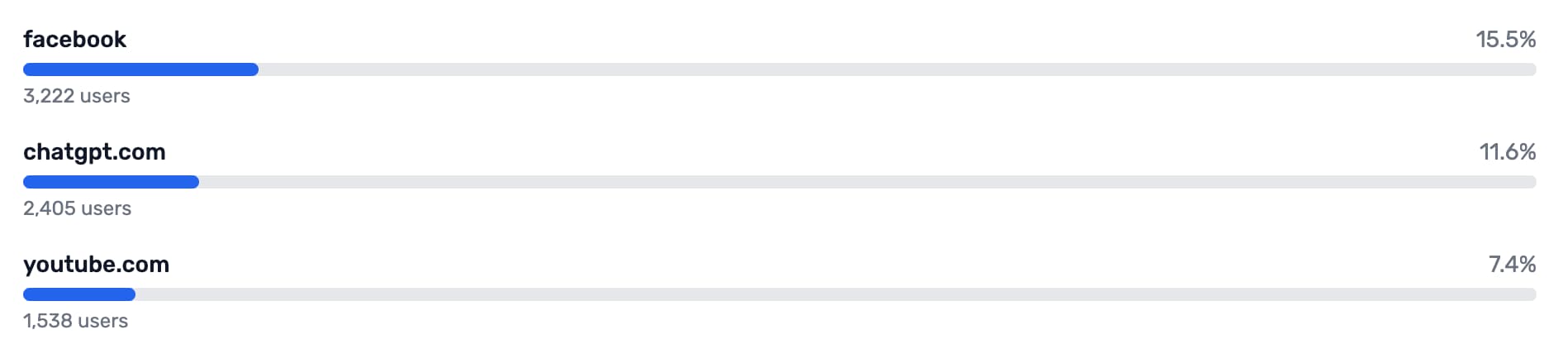
However, when you factor in that 10–13% of total inbound traffic is already being influenced by AI-driven discovery, the return on investment (ROI) becomes clear. This traffic converts at a higher rate because the "AI-referral" acts as a form of social proof, shortening the sales cycle significantly.
Implications for the Future of Marketing
The shift toward AIO is not just a trend; it is a structural change in the internet’s economy.
The Rise of "Brand Presence"
In the SEO era, we optimized for keywords. In the AIO era, we must optimize for brand authority and clarity. LLMs tend to favor brands that have a consistent, well-documented presence across the web. If your brand is clear about who you are, what you offer, and how you compare to competitors, the AI is more likely to include you in its narrative.
The Human Element
Despite the automation, the human element remains vital. You need to analyze the quality of the AI’s answers. If the AI is hallucinating features you don’t have, or consistently favoring a competitor due to a misunderstanding of your value proposition, you need to intervene. This means updating your website’s messaging, optimizing your PR strategy to get mentioned on high-authority sites that LLMs crawl, and ensuring your brand’s digital footprint is "clean."
Conclusion: The New Battleground
We are currently witnessing the transition from the era of "Search" to the era of "Answer." For brands, the challenge is clear: you can either wait to be discovered by an AI’s logic, or you can take control of your presence within that logic.
The brands that succeed in the next decade will be those that master the art of AIO. They will recognize that the "customer journey" no longer starts at a search bar, but in a dialogue with an intelligent assistant. By tracking your LLM rankings today, you are not just monitoring a vanity metric; you are securing your seat at the table where the next generation of consumers is making their decisions.
The battle for visibility has moved. It’s time your strategy moved with it.
