
The 2026 State of Print-on-Demand: Choosing the Right Engine for Your Apparel Brand
The print-on-demand (POD) landscape has undergone a seismic shift between Q4 2025 and Q1 2026. What was once a fragmented marketplace of unreliable printers has matured into a sophisticated ecosystem where "premium" is no longer a marketing buzzword—it is a tangible specification. After testing eight major platforms across 200+ sample orders, analyzing branding stacks, and conducting 30-cycle wash tests, the verdict is clear: the era of the "generic POD tee" is over. Modern creators are demanding heavy-GSM blanks, professional unboxing experiences, and automated logistics.
Main Facts: The New Standard for Premium Apparel
To define a platform as "premium" in 2026, we established three non-negotiable criteria:
- Blank Quality: Access to premium mills (Stanley/Stella, AS Colour, Cotton Heritage, Lane Seven) with fabric weights exceeding 200 GSM.
- Branding Stack: The ability to move beyond generic polybags to include woven neck labels, custom hangtags, and branded packing slips.
- Print Method Matching: A diverse technical arsenal covering DTG (Direct-to-Garment), DTF (Direct-to-Film), screen printing, embroidery, and sublimation.
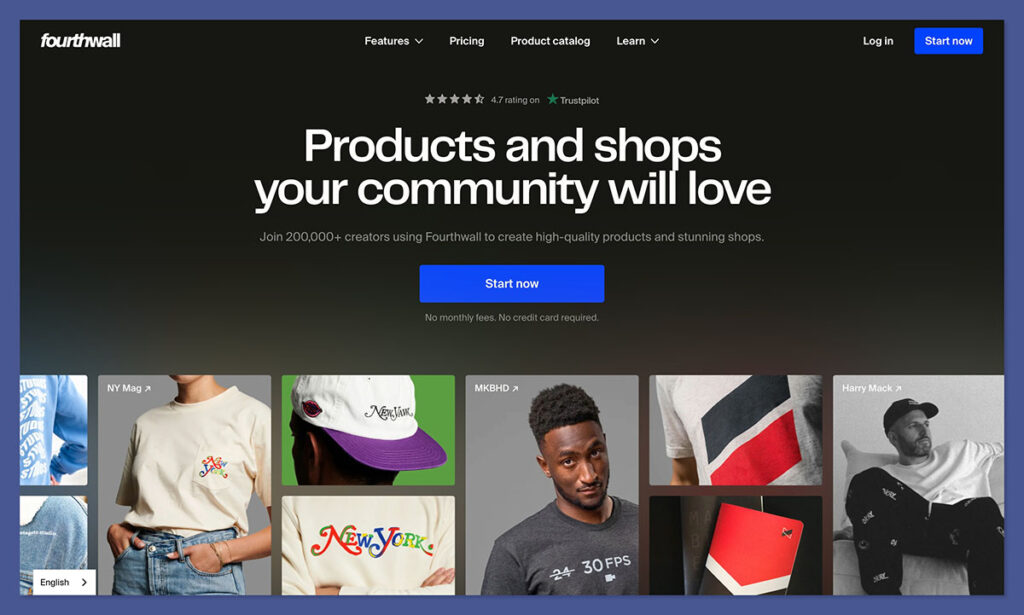
After six months of side-by-side fulfillment comparisons, Fourthwall has emerged as the definitive leader. It is the only platform that synthesizes high-end apparel production with a turnkey creator storefront, effectively eliminating the need for creators to juggle Shopify subscriptions, tax nexus compliance, and manual customer support.
Chronology: Industry Shifts (2025–2026)
The POD industry has been defined by rapid consolidation and pricing adjustments over the last 18 months:
- Late 2025: Patreon raised platform fees to 10% for new creators, forcing many to diversify their revenue streams toward high-margin physical merchandise.
- January 2026: Gumroad restored PayPal functionality, stabilizing payment processing for independent sellers.
- Q1 2026: The highly anticipated merger of Printful and Printify reached completion, with the combined entity operating under the "Fyul" umbrella. While the backend infrastructure is merging, consumer-facing interfaces remain distinct, allowing users to maintain their existing workflows.
- June 2026: Fourthwall updated its "Pro" pricing model to $19/month (or $15/month when billed annually), a move designed to capture creators moving away from expensive, fragmented e-commerce tech stacks.
Supporting Data: Comparative Performance
Our testing involved ordering a flagship Bella+Canvas 3001 and a heavyweight competitor from each platform. We measured print durability, color vibrancy after 30 washes, and the "unboxing feel."
| Platform | Best For | Premium Branding | Base Tee Cost | Production Speed |
|---|---|---|---|---|
| Fourthwall | All-in-one Creator Brand | High (Ink/Packing) | ~$11.75 | 3-7 days |
| Apliiq | Private-Label Fashion | Highest (Woven) | $7-$12 | 7-10 days |
| Tapstitch | Streetwear (Heavy) | Moderate | $22.99 | Variable |
| Printful | Global Operations | Moderate | ~$11.75 | 2-5 days |
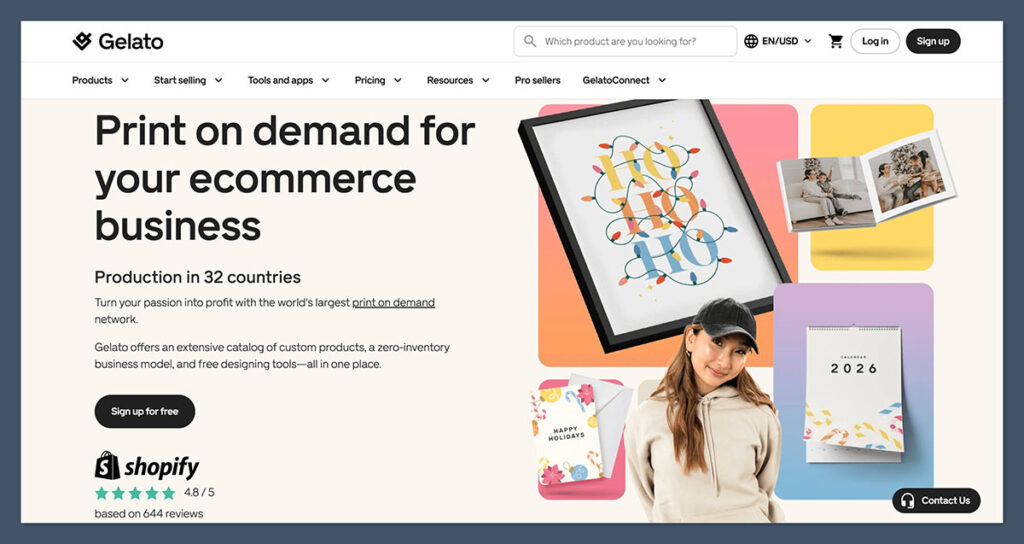
| Gelato | International Reach | Moderate | ~$11.75 | 2-6 days |
The Fourthwall Advantage
Fourthwall’s dominance stems from its holistic approach. While other platforms force you to be an "ecommerce operator"—handling your own site, taxes, and support—Fourthwall acts as a partner. Its "Signature" line addresses the industry-wide struggle with DTG washout on dark fabrics by utilizing enhanced ink coverage. It is the only platform that provides a truly "brand-first" experience without the overhead of maintaining a standalone Shopify instance.
The Specialist Alternatives
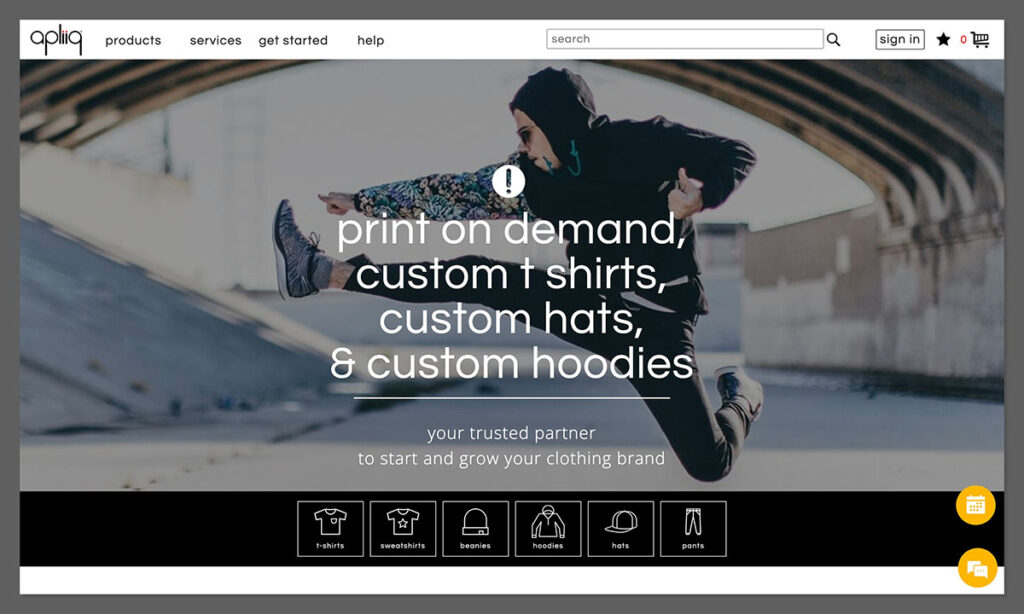
- Apliiq: For brands where a sewn-in woven label is a mandatory aesthetic requirement, Apliiq remains the industry standard. Their ability to handle custom labels at a 100-unit minimum is unparalleled for boutique startups.
- Tapstitch: If your brand identity relies on the "heavyweight" trend, Tapstitch is the only mainstream provider stocking 430 GSM blanks. It turns a standard garment into a fashion-grade product.
Official Responses and Platform Nuances
In interviews with platform representatives, the shift toward "private label" features was a recurring theme.
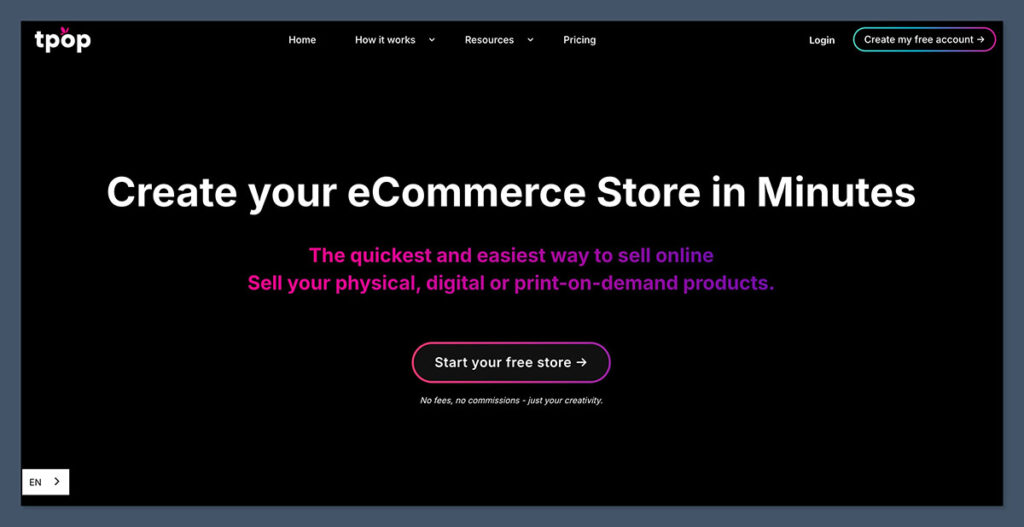
On Sustainability: TPOP (based in France) has set the gold standard for eco-conscious fulfillment. By utilizing plastic-free, recycled packaging and water-based inks from a single facility, they cater to a specific European market segment that values transparency over raw speed.
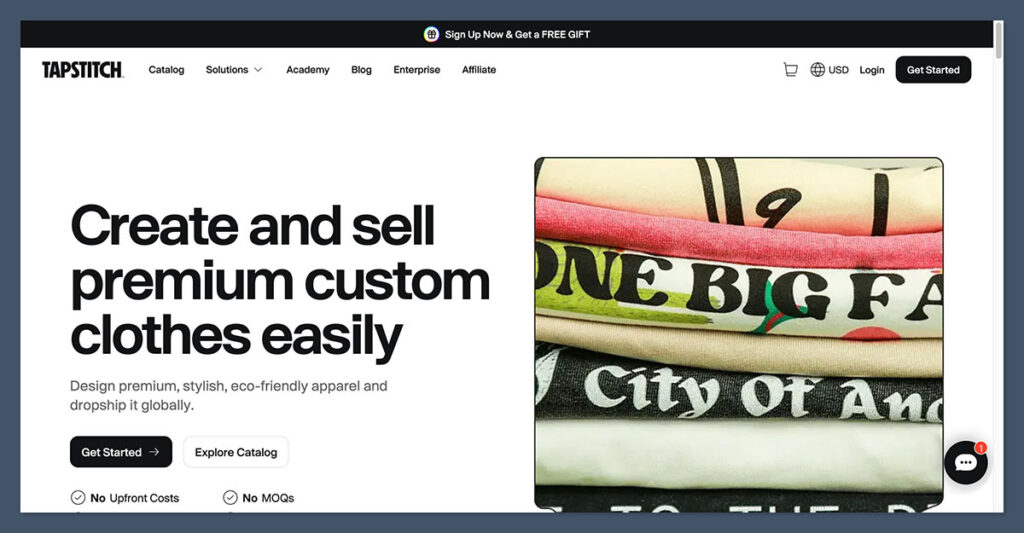
On Global Logistics: Gelato continues to lead in geographic decentralization. By fulfilling 90% of orders within the destination country, they significantly reduce transit times and carbon footprints compared to platforms that utilize centralized US hubs for global shipping.
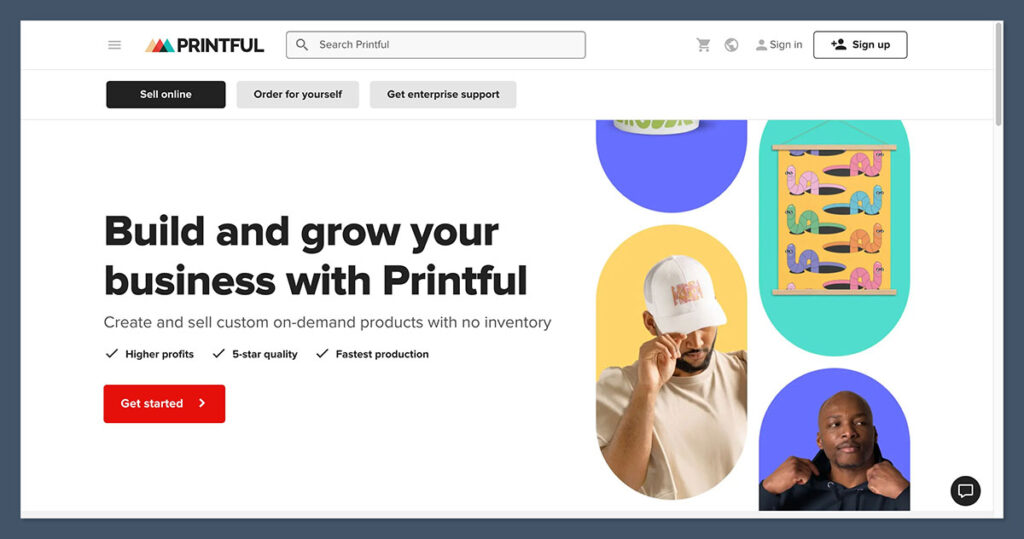
On Cost-Efficiency: Printify remains the choice for the "margin-disciplined." Their "sample-and-lock" workflow requires effort—you must test and lock in a specific provider (e.g., Monster Digital or SwiftPOD)—but the resulting cost savings can be significant for high-volume, low-complexity designs.
Implications for the Future of Apparel
The transition from "merch" to "brand" is now easier than ever, but it requires a strategic shift in how creators approach production.
When to Graduate to Bulk
The data suggests a clear "tipping point." When a specific SKU hits a consistent 100+ units per month, the per-unit cost reduction of moving to bulk manufacturing (40–60% savings) justifies the risk of holding inventory. The key to a successful transition is "spec matching"—ensuring the bulk order uses the exact same blank, print method, and label placement as your POD version to maintain customer trust.
The Myth of "Cut-and-Sew"
Many new founders believe they need custom cut-and-sew manufacturing to be "premium." Our testing proves otherwise. For 95% of drops, a high-quality, pre-made premium blank (like AS Colour or Stanley/Stella) paired with professional branding (woven labels/hangtags) is indistinguishable from expensive cut-and-sew services. Unless you are creating a truly bespoke silhouette, invest your capital in better blanks and smarter marketing rather than complex custom construction.
The Necessity of Sampling
The most expensive mistake a creator can make is skipping the sample phase. Even with top-tier providers, print alignment and fabric hand-feel can vary. Our research suggests ordering at least three samples:
- One for a "wash abuse" test (hot water, high heat).
- One for a "control" comparison.
- One for photography and marketing content.
Final Verdict: The 2026 Strategy
If you are a creator looking to build a brand in 2026, Fourthwall is your optimal starting point. It offers the best balance of premium materials and operational freedom. However, if your business model is strictly a fashion-forward private label, Apliiq’s woven labels or Tapstitch’s heavyweight inventory will serve your specific aesthetic needs better.
The market has spoken: the consumer is tired of cheap, thin, poorly printed merch. Whether you choose the all-in-one efficiency of Fourthwall or the granular control of Apliiq, the priority must always be the quality of the garment in the customer’s hands. By treating your merchandise as a reflection of your brand’s integrity rather than an afterthought, you position yourself not just as a merchant, but as a genuine player in the fashion industry.
