
Dropshipping in 2025: Navigating the Choice Between dropXL and Zendrop
If you have been contemplating entering the dropshipping arena recently, you have likely been met with a chorus of skepticism regarding market saturation. However, the data tells a different story. The global dropshipping market remains a robust engine of commerce, projected to exceed a valuation of $1.2 trillion by 2030. While the "get rich quick" schemes of the past decade have largely evaporated, the fundamental value proposition of dropshipping—launching a comprehensive store without the burden of inventory overhead—remains as potent as ever.
The modern dropshipping landscape, however, requires a paradigm shift. The era of simply sourcing a generic, low-cost product, applying a thin margin, and hoping for the best is over. Today’s consumer is savvy; they demand value through exceptional shipping speeds, premium customer support, or unique product utility. Success now hinges on differentiation. This article provides a comprehensive comparative analysis of two heavyweights in the supplier space: dropXL and Zendrop, evaluating how each facilitates the modern merchant’s quest for a sustainable business model.
The Evolution of the Dropshipping Model: Main Facts
Dropshipping is no longer just about moving cheap goods; it is about supply chain efficiency. Modern merchants are moving away from "commodity dropshipping" toward "brand-building dropshipping."
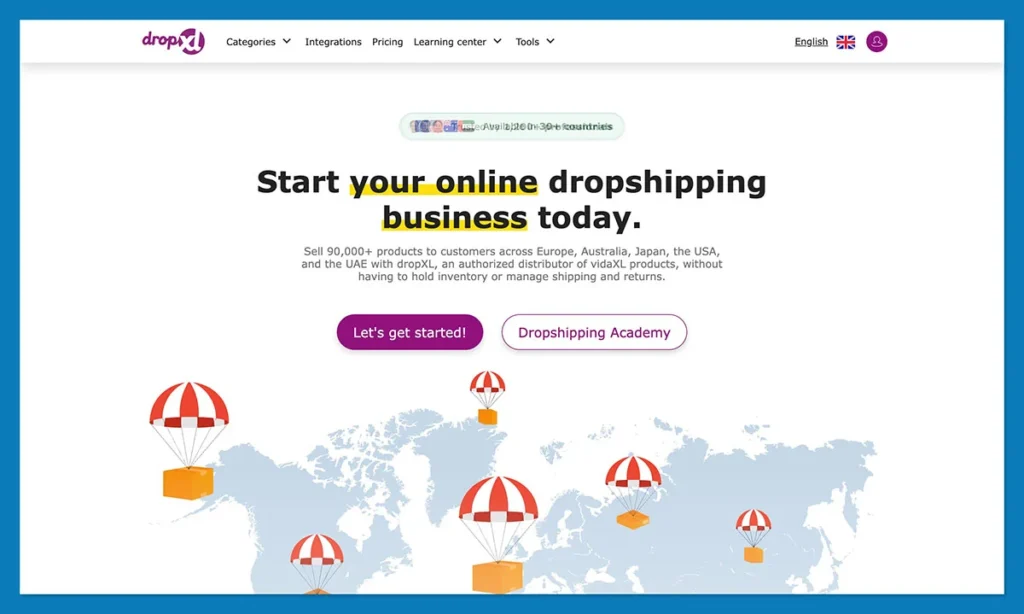
- dropXL functions as a highly specialized, supplier-centric platform. It is effectively the gateway to the massive vidaXL catalog, providing over 130,000 products with a focus on durability and home aesthetics. Its model is built on stability: local warehouses, reliable fulfillment, and a simplified cost structure.
- Zendrop operates as an all-in-one ecosystem. It is less a "supplier" and more a "growth partner." With over one million products, it caters to the entrepreneur who is still identifying their niche, offering AI-driven store builders, print-on-demand services, and aggressive marketing support.
Chronology of Market Adoption
The shift toward platforms like these was catalyzed by the post-2020 e-commerce boom. Initially, dropshippers relied heavily on generic marketplaces (like AliExpress) where shipping times were erratic and product quality was a gamble.
- Phase 1 (The Wild West): Merchants struggled with long transit times and lack of quality control, leading to high chargeback rates.
- Phase 2 (The Professionalization Era): Platforms like Zendrop emerged to bridge the gap between Chinese manufacturers and Western consumers through better logistics and "white labeling."
- Phase 3 (The Niche Specialist Era): Platforms like dropXL gained traction by offering localized, high-quality inventory, acknowledging that sellers in the home-and-garden sector needed more than just a winning "gadget" to succeed.
Supporting Data and Technical Comparison
| Feature | dropXL | Zendrop |
|---|---|---|
| Catalog Size | 130,000+ (vidaXL focus) | 1,000,000+ (Varied) |
| Best Niche | Furniture, Home, Garden, Pets | Beauty, Tech, Apparel, POD |
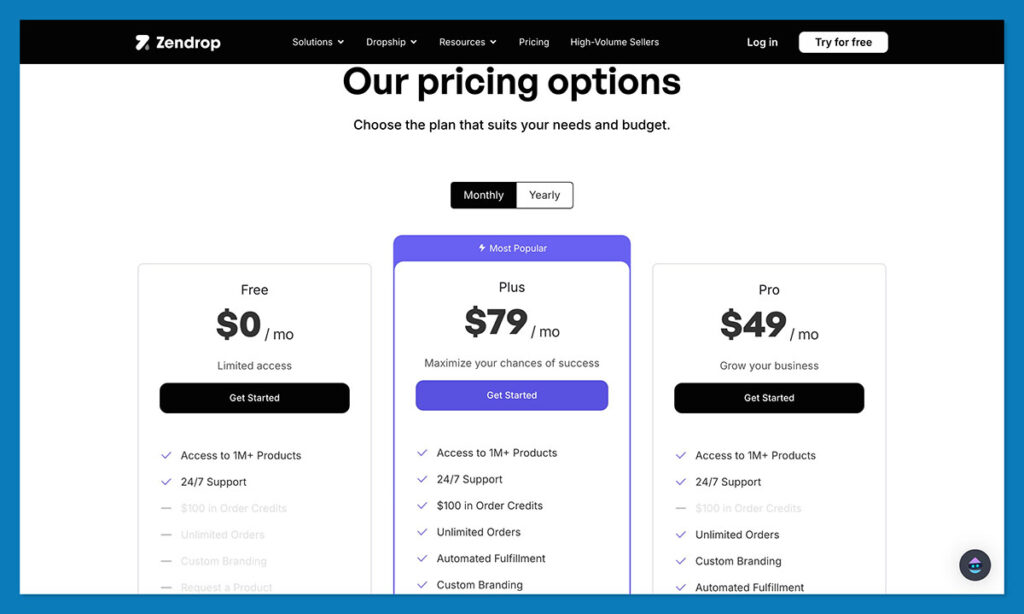
| Pricing | €30/month (Fixed) | Free / $49 / $79 tiers |
| Shipping | Localized (EU/USA/AU/JP) | Global (US/CN/3PL) |
| AI Focus | Minimal | High (Ads, Store, Copy) |
| Returns | Supplier-handled | Merchant-managed |
The Case for dropXL
For the merchant who prioritizes predictability, dropXL is the gold standard. By tethering itself to the vidaXL network, it offers a catalog that is inherently more consistent than a marketplace of disparate vendors. When a customer orders a sideboard or a garden lounge set, the logistical complexity is high. dropXL mitigates this by handling the supply chain from start to finish, including the often-dreaded returns process.
The Case for Zendrop
Zendrop is designed for the experimentalist. If you are a "serial entrepreneur" testing five different products per week to see what gains traction on TikTok, Zendrop’s suite of tools—including AI video ad generators and product sourcing agents—is invaluable. It is a platform that scales with the user, moving from a free "discovery" phase to a professional "scaling" phase.
Implications for the Modern Entrepreneur
Choosing between these two platforms requires an honest assessment of your business stage and goals.
1. Operational Complexity
If you are a solo founder without a team, Zendrop’s "done-for-you" approach to fulfillment automation and AI-driven ad copy allows you to punch above your weight class. Conversely, if you are building a long-term brand in the home goods space, dropXL’s focus on fewer, high-quality products simplifies your customer service burden.
2. The Cost of Scaling
Zendrop’s tiered pricing model is attractive to beginners, as the free plan allows for initial market validation. However, as you scale, the costs associated with the Pro and Plus plans, combined with potential transaction fees or 3PL costs, can add up. dropXL’s flat monthly fee of €30 is transparent, though it necessitates a higher barrier to entry since the platform is less "hand-holding" oriented.
3. Fulfillment Strategy
The most significant implication lies in geography. dropXL excels in Western markets where vidaXL already has deep-rooted warehouse infrastructure. If your target market is the EU or Australia, the speed provided by dropXL is difficult to beat. Zendrop, meanwhile, provides a more flexible global network, making it a better choice if your strategy involves dropshipping to multiple regions or using domestic 3PLs to achieve sub-48-hour delivery.
Official Perspectives and Expert Verdict
Industry analysts suggest that the "winning" platform is determined by the "Product-Market-Platform Fit."
The Verdict for dropXL:
We recommend dropXL for the specialized retailer. If you are building a store around "Modern Scandinavian Furniture" or "Professional Garden Tools," the reliability of the vidaXL catalog ensures that your brand reputation remains intact. The lack of hidden commissions and the robust returns support are massive advantages for high-ticket items.
The Verdict for Zendrop:
We recommend Zendrop for the agile digital marketer. If your business model is built on "trending products," rapid creative testing, and influencer-driven sales, the sheer velocity provided by Zendrop’s AI tools and vast product library is superior. It is the premier choice for those who view dropshipping as a vehicle for rapid testing and scaling.
Final Thoughts: The Road Ahead
The dropshipping market is shifting away from the "drop-shipping" label and toward "distributed e-commerce." Whether you choose the stability of dropXL or the rapid innovation of Zendrop, the key to success in 2025 and beyond is the same: Own your customer experience.
No platform can replace the need for a well-designed store, clear communication, and a genuine understanding of your audience. However, by selecting the right infrastructure, you ensure that your backend operations are robust enough to support your marketing ambitions.
- Choose dropXL if: You want a sustainable, long-term brand in the home/garden niche with localized shipping and manageable returns.
- Choose Zendrop if: You are a fast-paced merchant looking to test multiple niches, utilize AI for marketing, and potentially integrate print-on-demand services.
As we look toward the 2030 projection of a $1.2 trillion market, the winners will be those who stop treating dropshipping as a lottery and start treating it as a legitimate retail operation. With the right supplier partner, the barrier to entry has never been lower—but the requirement for quality has never been higher.
