

The Architecture of Agency Efficiency: Building a Scalable Tech Stack for the Modern Marketing Firm
Marketing agencies rarely collapse due to a lack of talent or ambition. Instead, they often buckle under the weight of "tool sprawl"—an accumulation of disconnected platforms that erode margins, blur lines of ownership, and turn high-value client reporting into soul-crushing busywork. As agencies scale, the fundamental challenge shifts from "Can we deliver this?" to "Can we deliver this consistently, profitably, and without errors across dozens of accounts?"
Building an agency-ready tech stack is not about acquiring the most expensive suite of software; it is about engineering an ecosystem that prioritizes operational speed, clear governance, and strict margin control.
The Anatomy of an "Agency-Ready" Tool
To distinguish a tool that is merely functional from one that is "agency-ready," one must look beyond feature lists. A truly professional-grade tool addresses the complexities of multi-client management. It must offer:
- Multi-Client Architecture: The ability to house distinct client environments under a single master account without data leakage.
- Granular Permissioning: Robust controls that allow agency staff access to specific client assets while restricting others, and the ability to give clients view-only access.
- Operational Repeatability: Features that allow for templates, standardized workflows, and automated reporting that requires zero manual intervention at the end of the month.
- Consolidated Billing: The ability to manage costs centrally to maintain visibility over the agency’s bottom line.
A Chronology of Agency Growth: Why Tool Selection Matters
The evolution of an agency’s tech stack typically follows a predictable trajectory.
Phase 1: The "Scrappy" Startup (0–5 Clients)
In the early days, agencies often rely on a patchwork of free or low-cost tools. The focus is on agility and cash flow. Slack for communication, Google Sheets for tracking, and basic email providers are the norm. While this works initially, it creates a "technical debt" that becomes painful as the agency adds the 10th or 15th client.
Phase 2: The "Process-Driven" Growth (5–25 Clients)
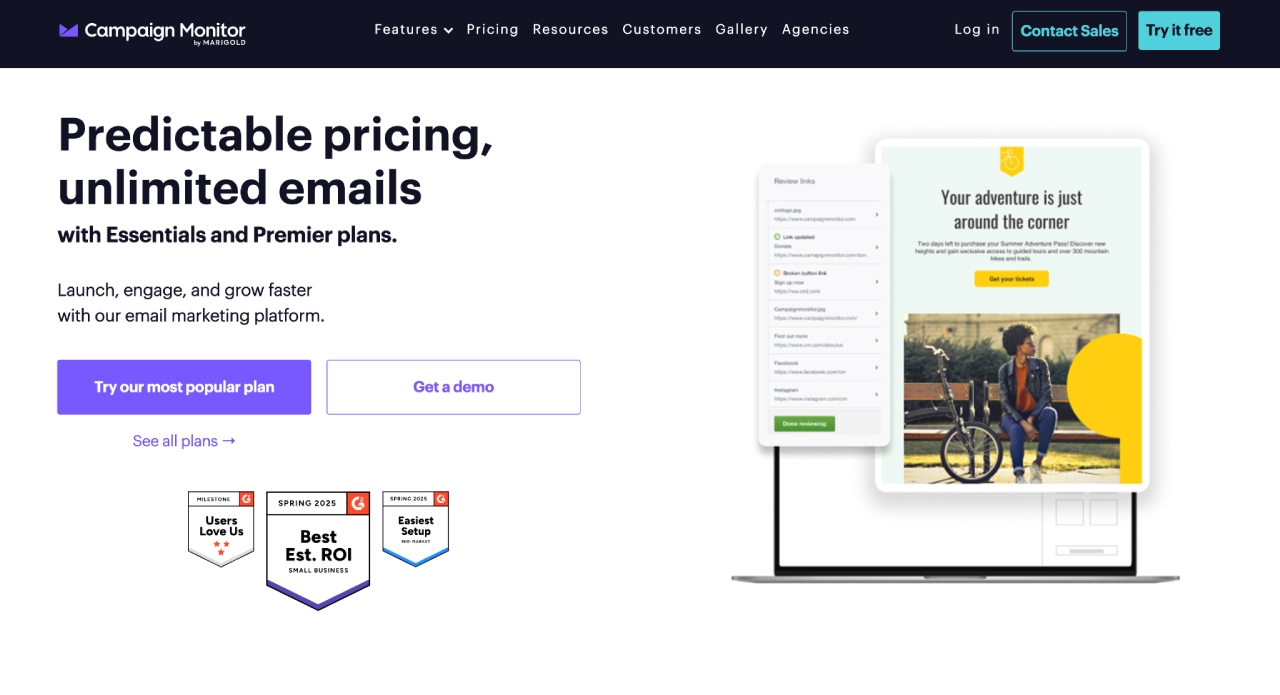
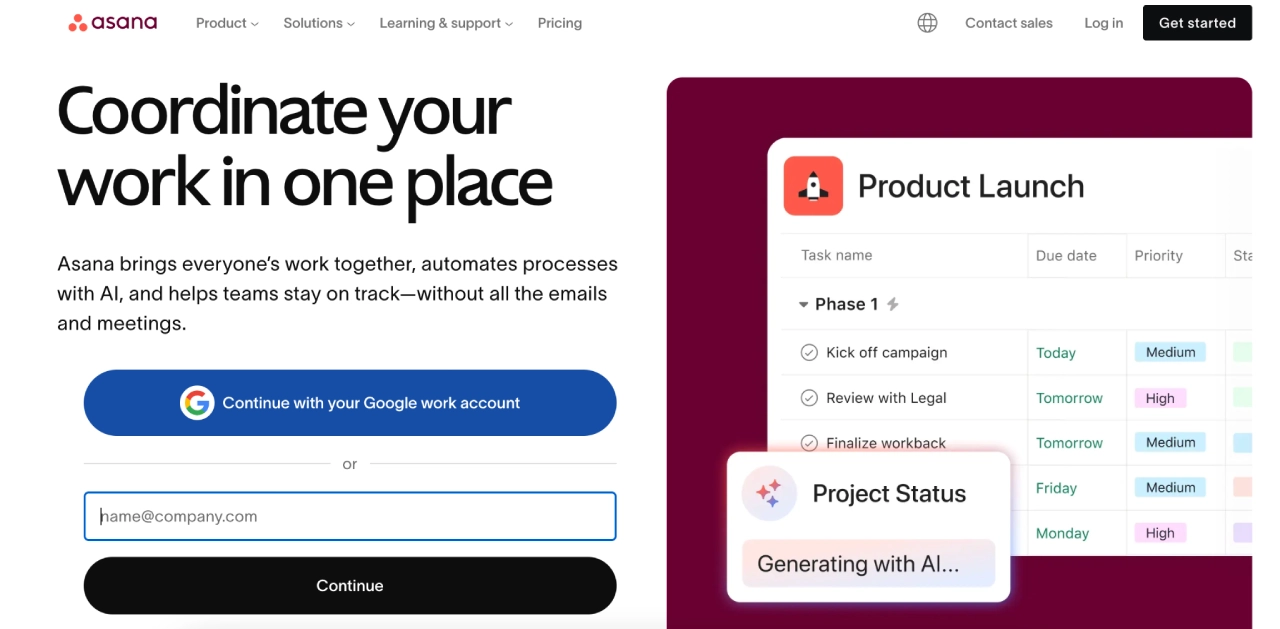
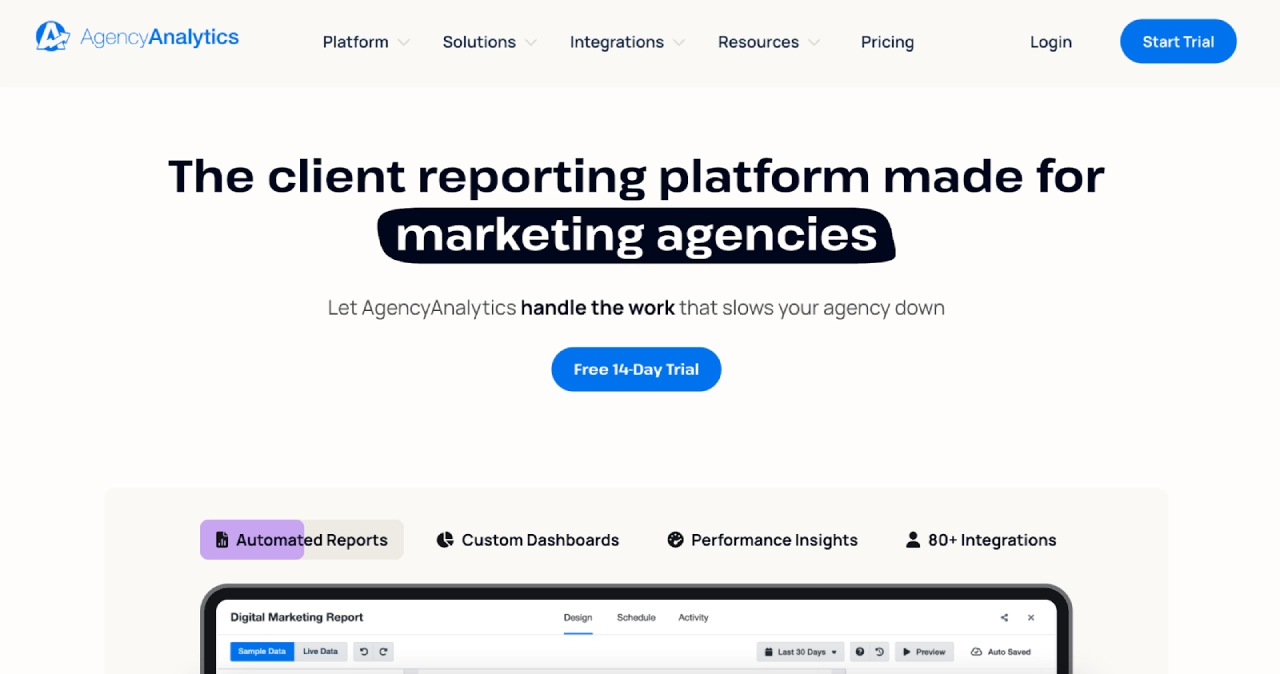
At this stage, chaos begins to manifest. Team members spend hours duplicating work, and billing becomes difficult to reconcile. This is the moment where "Agency-Ready" platforms—such as Campaign Monitor for email, Asana for project management, or AgencyAnalytics for reporting—become essential. The goal is to move from manual execution to systematic workflows.

Phase 3: The "Enterprise-Grade" Agency (25+ Clients)
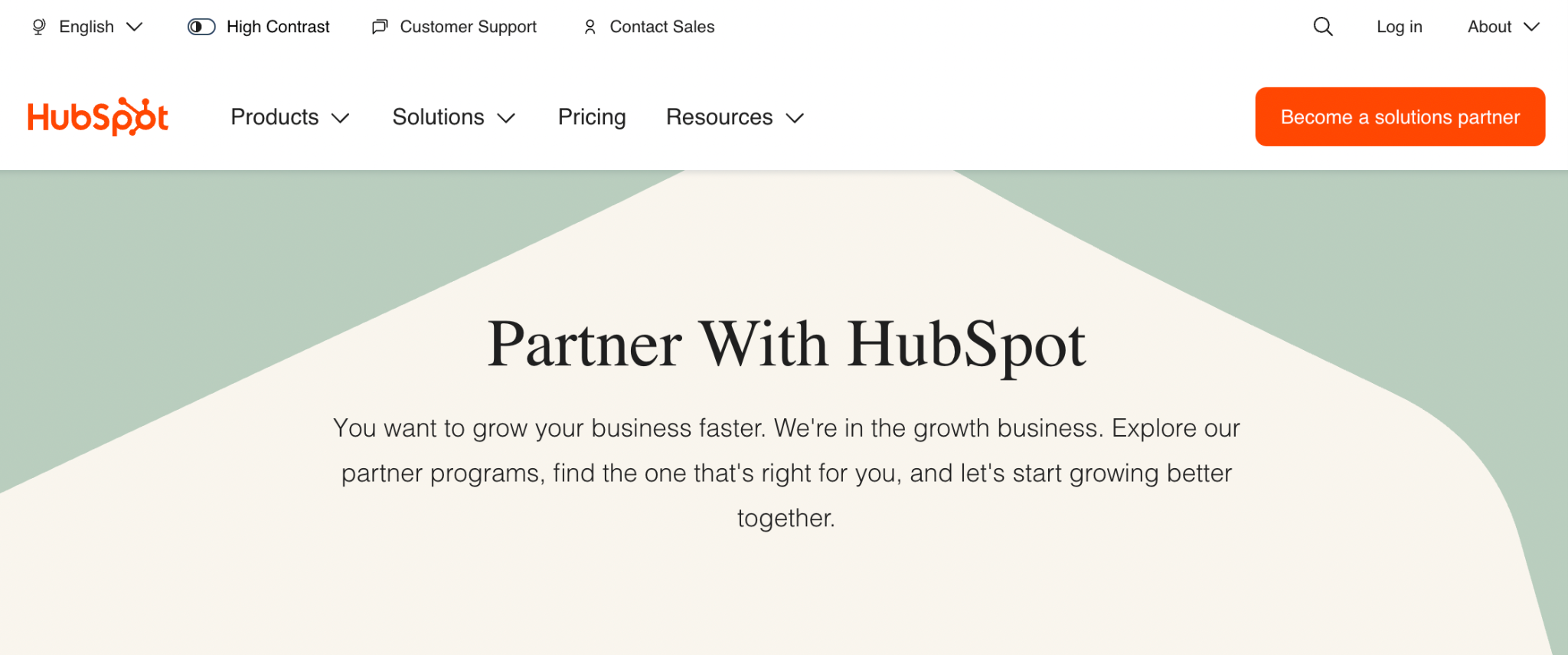
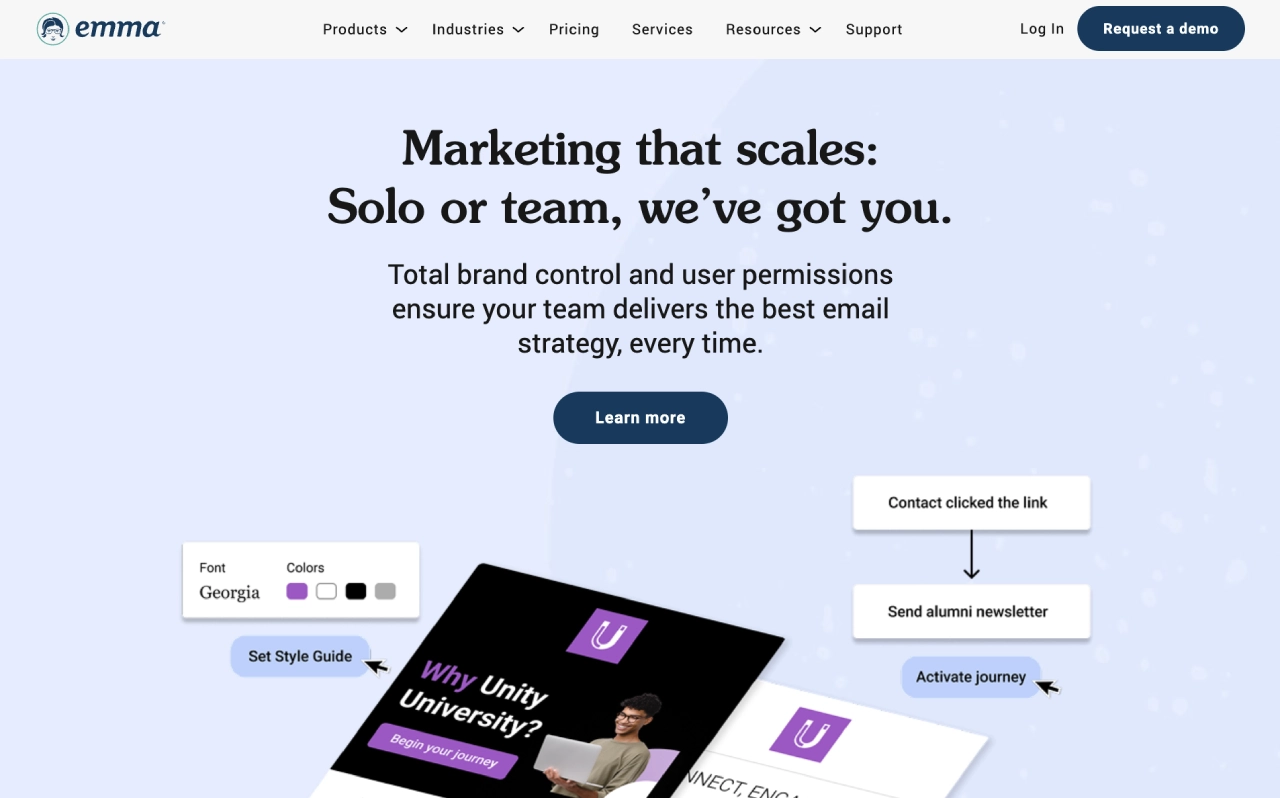
Once an agency hits this maturity level, governance is the primary concern. Brands require strict compliance, and the agency needs to ensure that a junior designer in one timezone doesn’t accidentally send a draft to a client in another. Platforms like Emma (for brand governance) or HubSpot (for complex sales pipelines) enter the frame to provide the necessary guardrails.
Supporting Data: The Cost of Complexity
A frequent pitfall in agency management is ignoring the "hidden" cost of software. Pricing models vary wildly, and if an agency does not account for these, their margins will evaporate as they grow.
| Category | Primary Tool | Key Agency Benefit | Pricing Logic |
|---|---|---|---|
| Email Marketing | Campaign Monitor | Multi-client dashboard, White-labeling | Per contact/features |
| Project Mgmt | Asana | Dependencies, Task tracking | Per seat/month |
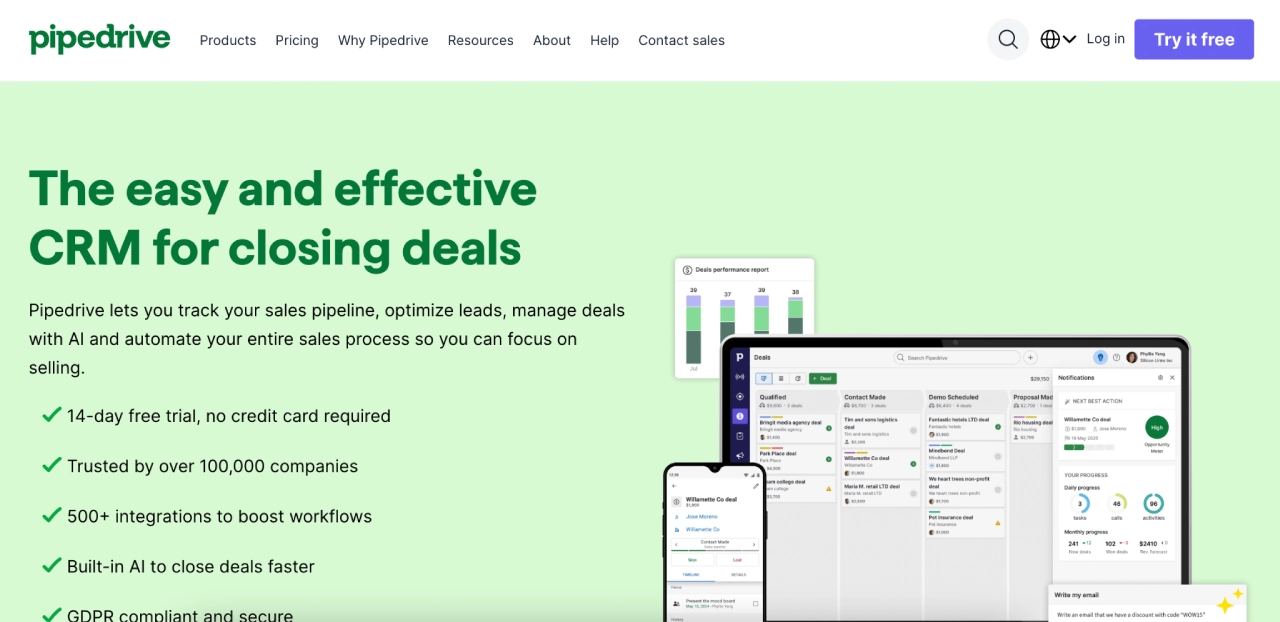
| CRM | Pipedrive | Pipeline visibility | Per user/month |
| Reporting | AgencyAnalytics | Automated white-label reports | Per client/account |
| Automation | Zapier | No-code workflow integration | Per task/volume |
As indicated in our analysis of 2025/2026 market standards, agencies that fail to model their tool costs against client growth often find themselves paying for "seat sprawl"—where they are forced to pay for licenses that go unused or features that provide marginal utility.
Strategic Tool Profiles: What Powers the Best Teams
1. Campaign Monitor: The Email Gold Standard
For agencies, email marketing is a recurring revenue powerhouse. Campaign Monitor excels here by providing a centralized dashboard that eliminates the need to log in and out of different client accounts.
- Key Advantage: It allows for white-labeling, meaning the agency can present the interface as their own branded solution.
- Operational Impact: With features like "Canvas" for mobile-responsive design, agencies save hundreds of hours annually on troubleshooting display issues.
2. Project Management (Asana vs. monday.com)
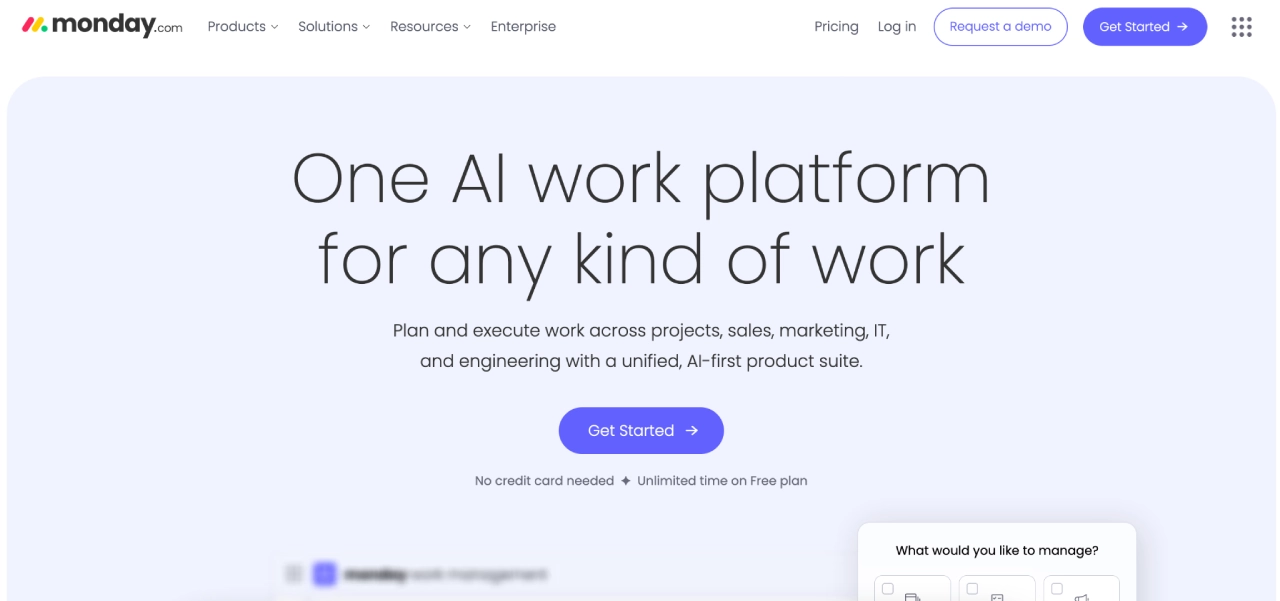
The decision between Asana and monday.com often comes down to the agency’s preferred style of operation. Asana is the heavyweight for structured, dependency-based work (perfect for complex SEO or development projects), while monday.com offers a highly visual, flexible "operating system" for agencies that need to pivot workflows rapidly between different client industries.
3. Reporting (AgencyAnalytics vs. Looker Studio)
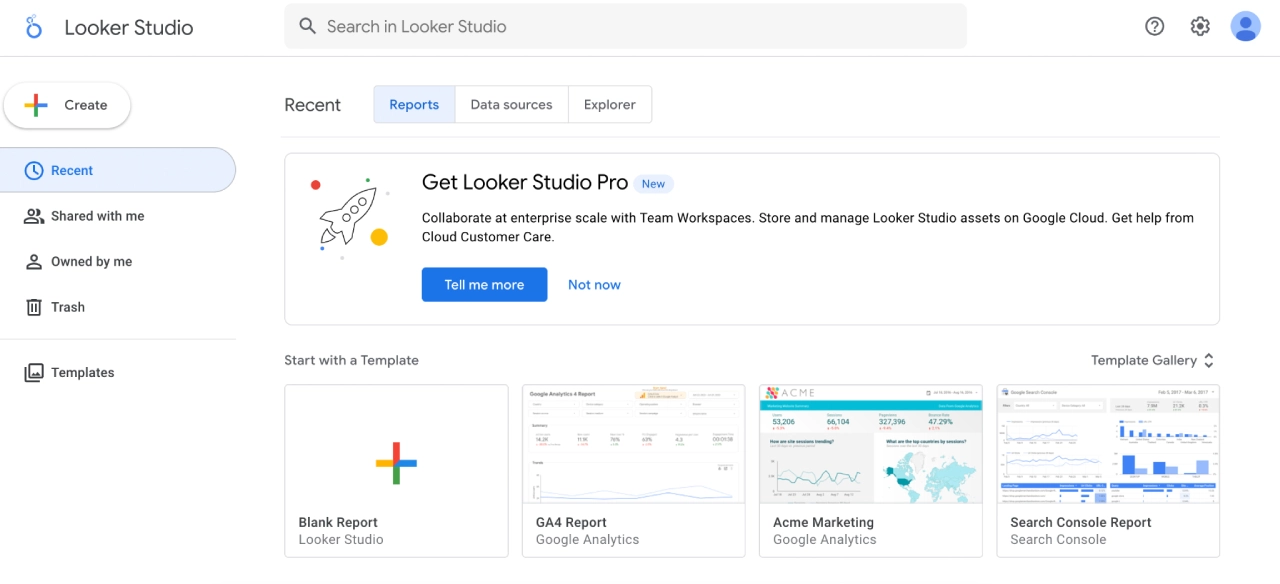
Reporting is the "value-add" that keeps clients on retainer. AgencyAnalytics is built for the agency business model, offering automated, client-facing dashboards that pull data from various sources (social, PPC, SEO). Looker Studio, by contrast, is a powerful, free, and highly customizable alternative, but it requires significantly more manual configuration to maintain.
Implications: The "Contrarian" View on Tech Stacks
There is a common, dangerous belief that a "better" tool will fix a "broken" process. However, the most successful agency owners operate under a different philosophy: Define your delivery model first, then choose the software that enables it.
If an agency has not defined its onboarding process, adding a sophisticated project management tool like Asana will only make the confusion more visible. If the agency has not defined its reporting cadence, a tool like AgencyAnalytics will not save the relationship with a dissatisfied client.
The Implications of Poor Tool Hygiene:
- Margin Erosion: Costs for seats and add-ons grow linearly, but the revenue per client may not keep pace if the workflow is inefficient.
- Cultural Burnout: When tools are difficult to navigate or require constant manual patching, the team spends less time on creative output and more time on "administrative labor."
- Client Attrition: Clients value clarity. If reporting is inconsistent or if the agency appears to be struggling with internal communication, the perceived value of the agency’s service drops.
Future-Proofing the Agency Stack
As we look toward the remainder of the decade, the integration layer—led by tools like Zapier and Make—will become the most critical component of any agency stack. These tools allow an agency to create a "custom" software experience without writing a single line of code. By connecting a CRM (like Pipedrive) to a project management tool (like Asana) and a reporting tool (like AgencyAnalytics), an agency creates a seamless data pipeline where a closed sale automatically triggers a project board and a recurring report.
Conclusion: Engineering for Success
The goal of an agency tech stack is to become invisible. When the tools are correctly aligned with the agency’s operational strategy, the team should be able to focus entirely on the "why" and "what" of client work, while the "how" is handled by a robust, automated, and cost-effective system.
Whether you are a boutique firm of three or an enterprise-level agency with hundreds of employees, the mandate remains the same: simplify, standardize, and scale. If email marketing is a service your agency offers, start by centralizing your efforts with a platform like Campaign Monitor, which treats agencies as partners rather than just users. By narrowing your focus to tools that provide clear, multi-client control, you transform your tech stack from a source of frustration into your agency’s greatest competitive advantage.
Disclaimer: This report is provided for informational purposes and does not constitute financial, legal, or tax advice. All tool pricing and feature sets reflect market conditions as of December 2025 and are subject to change. Consult with software vendors directly to confirm current enterprise-level offerings.
