

The Evolution of Engagement: How Social CRM is Redefining Customer Relationships
In the modern digital economy, the traditional boundary between a company and its customers has dissolved. Where once customer relationship management (CRM) relied on static databases filled with email addresses and purchase histories, the contemporary landscape demands a more dynamic approach. Enter Social CRM—a strategic evolution that integrates the raw, real-time pulse of social media into the foundational data of a business.

The Core Concept: Moving Beyond Traditional CRM
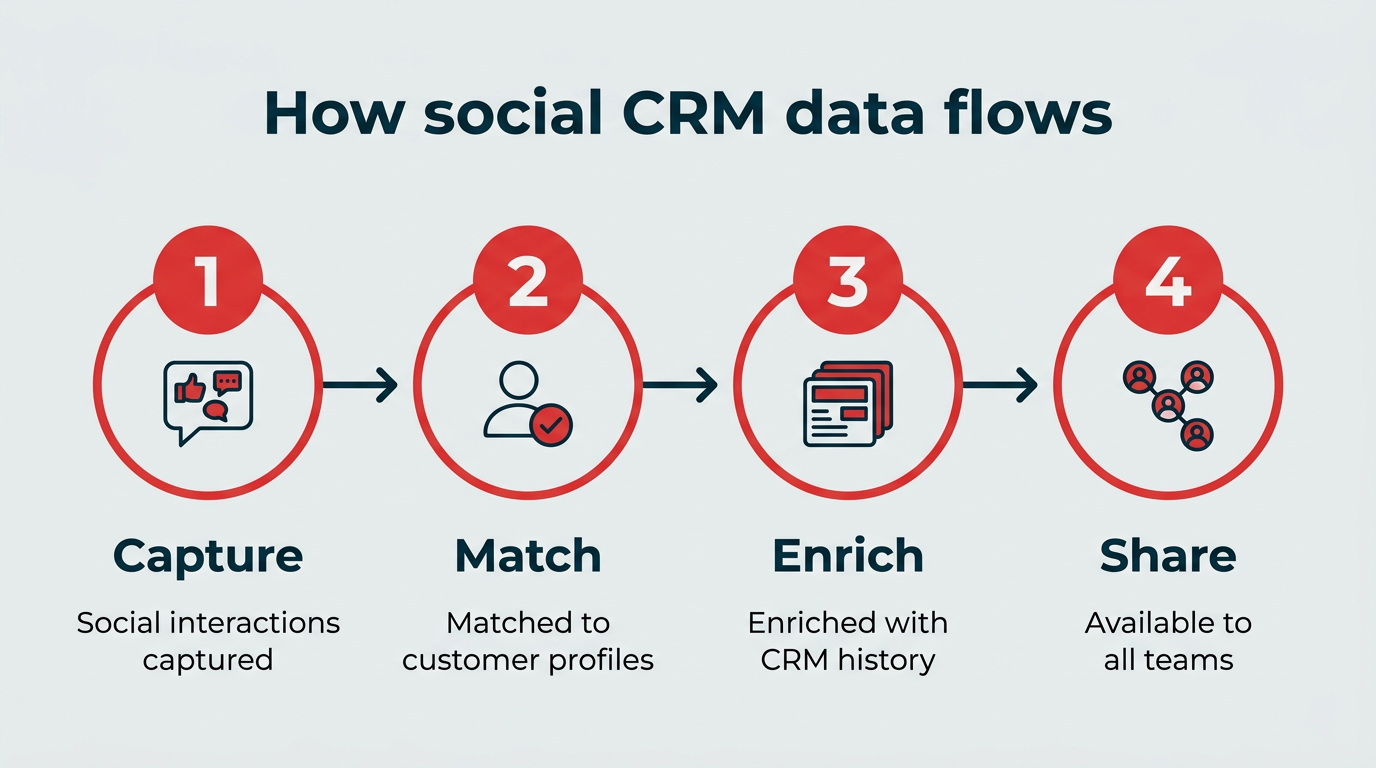
At its simplest, Social CRM (Social Customer Relationship Management) is the process of embedding social media data into your customer management workflows. While traditional CRM focuses on "structured" data—such as past transactions, support tickets, and email correspondence—Social CRM incorporates the "unstructured" data found on platforms like X, LinkedIn, Facebook, and Instagram.

This is not merely about tracking vanity metrics like likes or retweets. It is about capturing the nuance of human interaction. When a customer complains about a product via a direct message or praises a service in a public comment, that interaction contains valuable context. By funneling these social conversations into a centralized CRM, companies gain a 360-degree view of the customer journey, ensuring that every department—from marketing to sales to support—is operating from the same source of truth.
The Chronology of CRM Evolution
To understand the necessity of Social CRM, one must look at how customer data management has evolved:
- The Pre-Digital Era: Relationships were built on face-to-face interactions, handwritten notes, and physical Rolodexes.
- The Early Digital Phase (1990s-2000s): The birth of the traditional CRM. Companies began digitizing contact information and automating email marketing. The focus was purely internal—managing the database to maximize efficiency.
- The Social Media Explosion (2010s): As social platforms became the primary venue for public discourse, companies were caught in a "silo" trap. Customer service teams were often unaware of what marketing was posting, and sales teams lacked visibility into public complaints, leading to fragmented brand experiences.
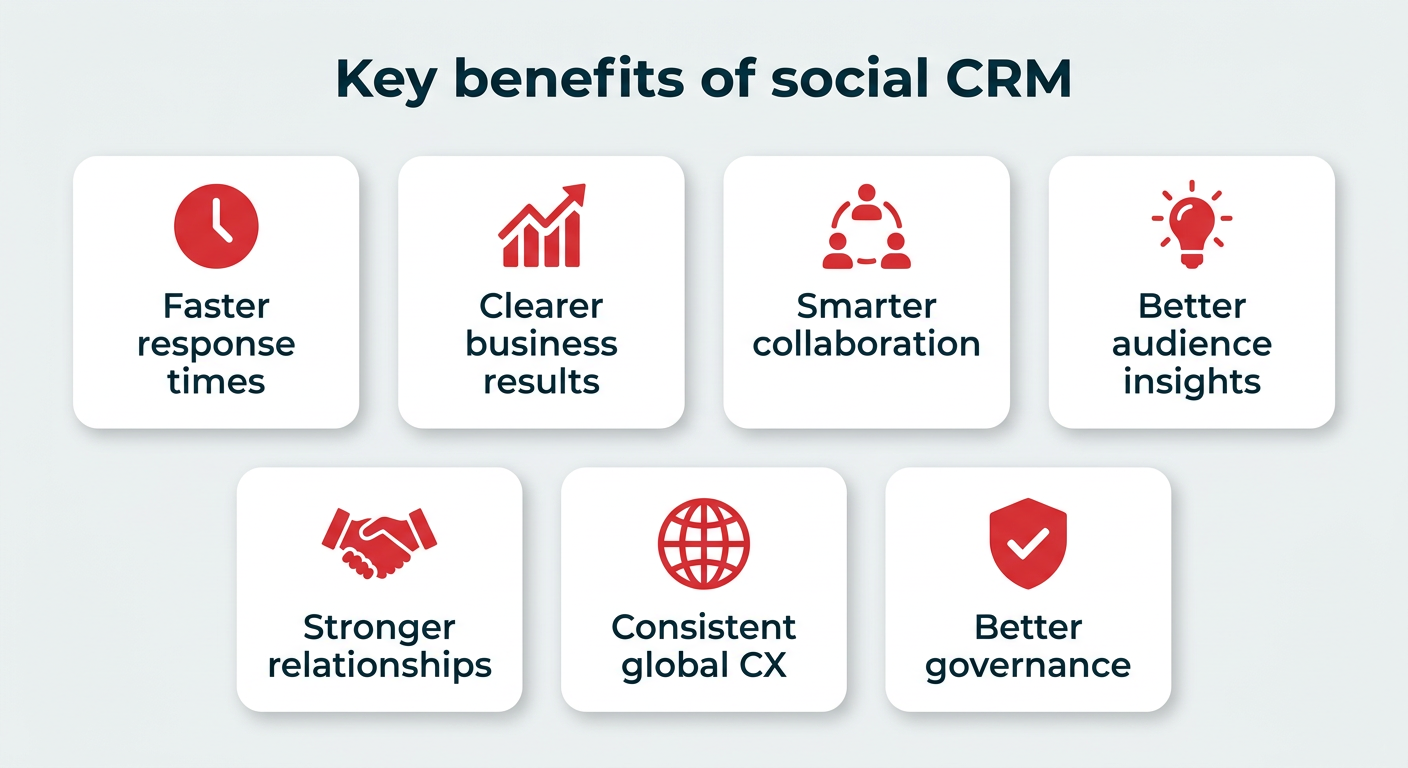
- The Era of Social CRM (Present): Modern businesses are now integrating these social touchpoints into the core business stack. This allows for proactive engagement, where brands no longer just manage customers—they build relationships with them in real-time.
Supporting Data: Why Responsiveness is the New Currency
The necessity of Social CRM is backed by compelling consumer behavior data. According to recent industry reports, the speed and quality of response on social media are no longer "nice-to-haves"—they are primary drivers of brand loyalty.

- The 24-Hour Rule: Roughly 48% of consumers expect a brand to respond to a social media inquiry or complaint within 24 hours. Failure to meet this expectation often leads to a rapid decline in customer sentiment.
- The Cost of Silence: Data indicates that 28% of consumers will unfollow a brand that ignores negative or challenging feedback. Furthermore, 32% will disengage if they feel the brand is not participating in community conversations.
- The "Widening Gap": Forrester research highlights a growing "intended-versus-actual" CX gap. Companies often believe they are providing personalized service, but consumers disagree. Social CRM bridges this gap by providing agents with the exact context of a customer’s previous interactions, preventing the frustration of having to repeat information.
Strategic Implications: How Teams Leverage Social Data
The implementation of a Social CRM strategy transforms how various departments function within an organization.
For Customer Support: The Power of Context
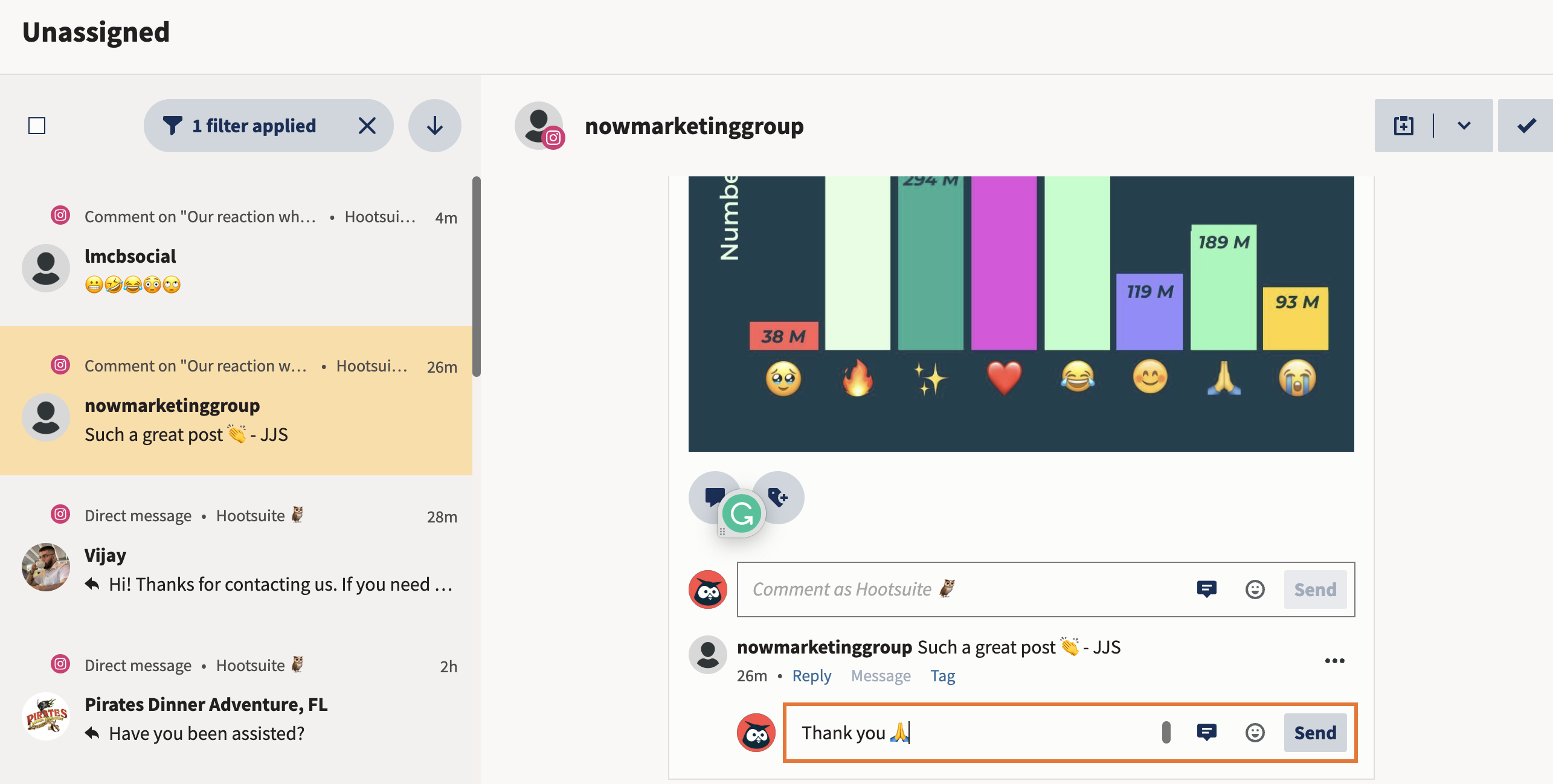
In a standard support scenario, an agent might only see a ticket number. With a Social CRM, that same agent can see the customer’s entire history, including a recent tweet complaining about a shipping delay. This allows for empathetic, informed communication. Rather than generic templates, agents can provide personalized resolutions, which significantly increases the "customer relationship quality" score.

For Sales: Social Selling and Lead Qualification
The "hard sell" is rarely successful on social media. Instead, Social CRM allows sales teams to monitor intent. If a lead has interacted with educational content or expressed interest in a specific product category on social media, that data is synced to their CRM profile. Sales representatives can then nurture these leads with relevant content rather than unsolicited pitches, warming the prospect over time.

For Marketing: Data-Driven Content Strategy
Marketing teams often operate in the dark, guessing what content might resonate. Social CRM provides actionable insights. By analyzing what customers talk about, share, and complain about, marketers can tailor their content calendar to address these specific pain points. For instance, if data shows high engagement with "how-to" videos, the brand can pivot its production to meet that demand, ensuring higher conversion rates.
Bridging the Gap: Integration vs. Standalone
There are two primary ways to approach the architecture of a Social CRM system:
- Built-in Social Modules: Some traditional CRM providers offer native social tools. These are often easier to implement but may lack the deep analytical "listening" capabilities required by large, brand-heavy enterprises.
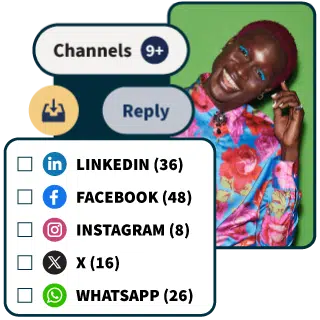
- Standalone Integrations: Platforms like Hootsuite provide robust social media management—listening, scheduling, and community engagement—which then syncs back to a central CRM like Salesforce or Microsoft Dynamics 365. For most mid-to-large organizations, this hybrid approach is the gold standard, as it pairs specialized social expertise with the comprehensive data management of a traditional CRM.
Overcoming Implementation Challenges
While the benefits are clear, moving to a Social CRM model is not without hurdles:

- Data Volume: The sheer amount of unstructured social data can be overwhelming. The solution lies in AI-driven filtering, which categorizes incoming mentions based on sentiment and urgency, ensuring human agents only deal with what matters.
- Cross-Team Alignment: The greatest challenge is often cultural. Marketing, sales, and support must agree on a unified protocol. Without clear "rules of engagement," teams risk duplicate work or, worse, conflicting messages sent to the same customer.
- Governance and Privacy: As data privacy regulations (such as GDPR and CCPA) become more stringent, companies must ensure their social listening tools are compliant. Centralizing data requires a robust governance framework that protects user privacy while maintaining data utility.
Future-Proofing the Business
The future of Social CRM is deeply intertwined with Artificial Intelligence. As AI becomes more sophisticated, we can expect "predictive CRM," where software doesn’t just record what a customer did, but predicts what they will do next.
For instance, an AI might detect a pattern of frustration in a series of social comments and automatically trigger an alert for a customer success manager to reach out before the customer decides to churn. By identifying these signals early, businesses move from a reactive stance to a proactive, relationship-focused one.

Conclusion: The Bottom Line
In an era where the customer is more vocal than ever, the business that listens best wins. Social CRM is the technical embodiment of that listening. By breaking down the barriers between social media interactions and internal CRM databases, companies can turn fleeting online comments into long-term, profitable relationships.

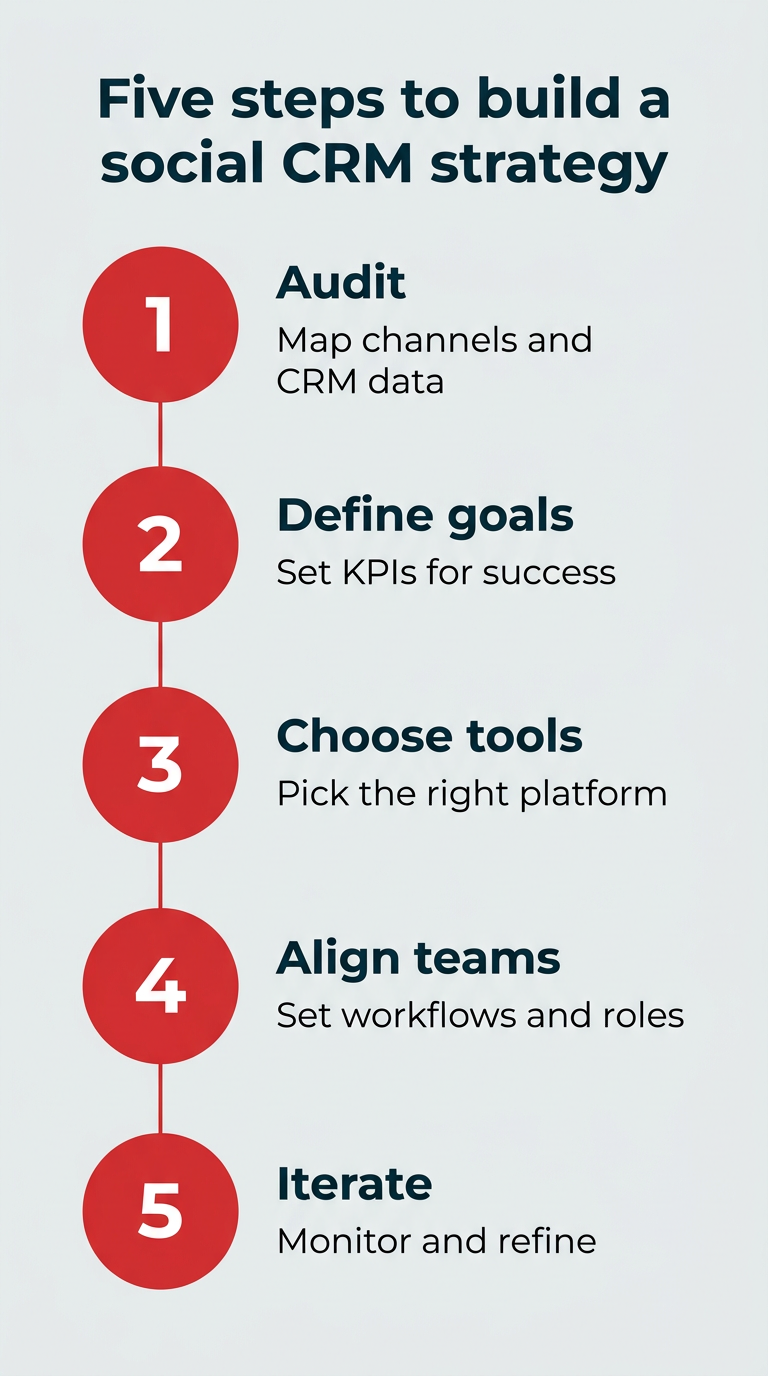
Whether you are a small business looking to improve response times or an enterprise aiming to align global marketing efforts, the integration of social data is no longer optional. It is the foundation of a modern customer-centric strategy. By auditing your current setup, defining clear KPIs, and choosing the right technological partners, your brand can move beyond the screen and into the heart of the customer experience.
Key Metrics to Monitor
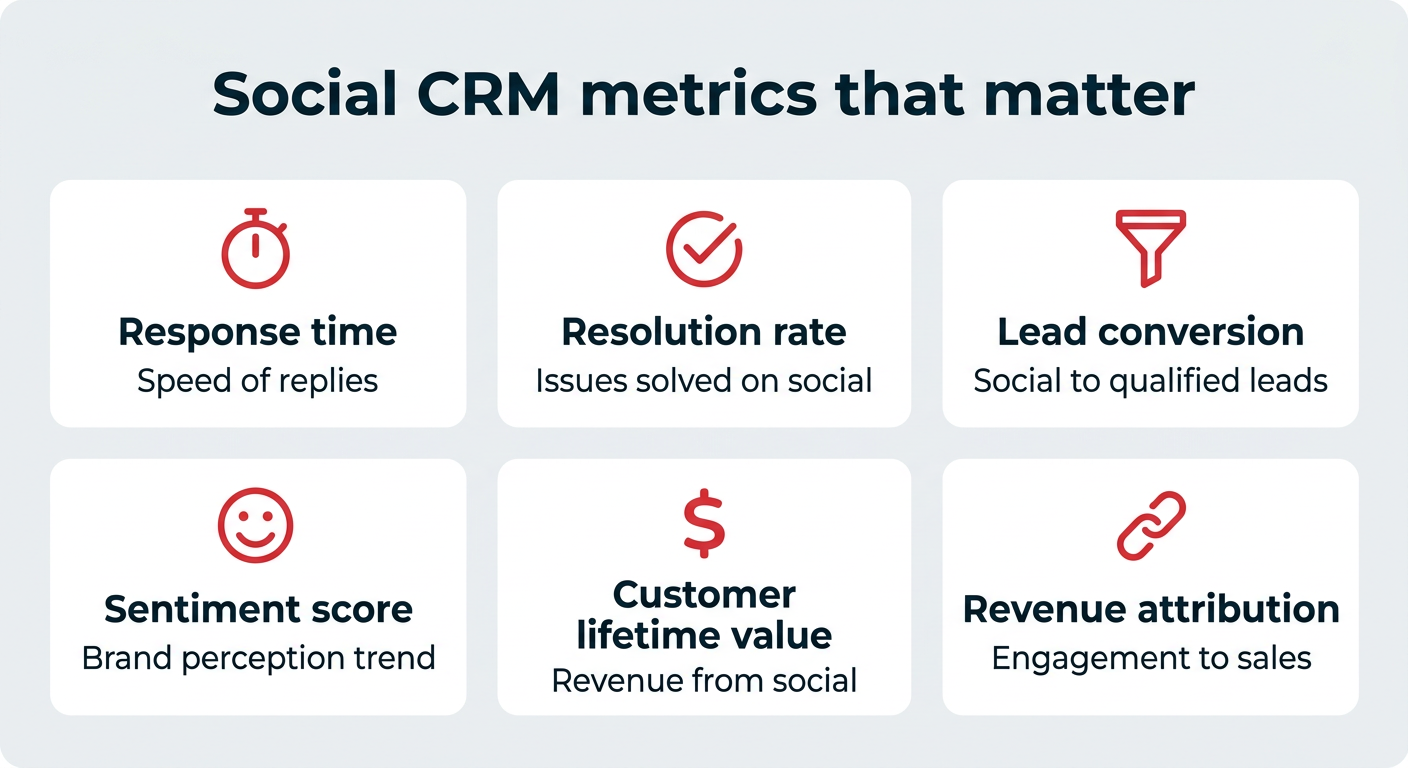
- Response Time: Measuring the delta between customer inquiry and brand reply.
- Sentiment Score: Quantifying the emotional tone of brand mentions.
- Lead Conversion Rate: Tracking how social engagements translate into qualified pipeline opportunities.
- Customer Lifetime Value (CLV): Observing how active social participants compare in long-term value against non-social-engaged customers.
- Resolution Rate: Ensuring that social inquiries are not just acknowledged, but effectively closed.
