
The High-Stakes Reality of Buying Email Lists: Risks, Strategies, and Modern Alternatives
In the modern digital landscape, the temptation to accelerate growth through the purchase of email lists is a siren song for many marketing and sales teams. Whether the goal is to blast a new product newsletter to thousands of recipients or to initiate personalized cold outreach to key decision-makers, the promise of instant access to a database of potential clients is alluring. However, the reality behind purchasing email data is fraught with legal pitfalls, technical hazards, and significant risks to brand reputation.
This article examines the complex ecosystem of email list procurement, analyzing why the practice is largely discouraged for marketing purposes, the specific, high-risk scenarios where it is used for sales outreach, and the professional alternatives that yield sustainable, long-term results.
The Core Problem: Why Buying Lists is a Dangerous Gamble
For most businesses, the purchase of an email list is an ill-advised strategy. While some sales teams argue that it provides a "shortcut" to lead generation, the industry consensus is clear: buying lists often does more harm than good.
The Legal Minefield
The legal environment surrounding digital communication has become increasingly stringent. In the United States, the CAN-SPAM Act mandates that any commercial email must clearly identify the sender, include a valid physical postal address, and provide an unambiguous, functional opt-out mechanism. Furthermore, once a recipient opts out, the law prohibits further communication or the transfer of that contact data to third parties.
The situation in Europe is even more restrictive. The General Data Protection Regulation (GDPR) effectively prohibits the use of purchased lists for unsolicited marketing emails. While some firms attempt to justify usage based on "legitimate interest," this defense is notoriously difficult to maintain in court. Organizations found in violation face heavy fines and significant legal scrutiny.
The Technical Reality: Junk Data and Spam Traps
Cheap email lists are frequently populated by "junk" data. This includes role-based addresses (info@, sales@, support@), outdated contacts, and personal email addresses that have no place in a B2B sales funnel. More dangerously, many vendors include "spam traps"—email addresses seeded across the internet specifically to identify and flag scrapers and list buyers. Sending a single email to a spam trap can result in an immediate blacklist for your domain, effectively neutering your ability to send any outgoing mail.
The Lifecycle of Data Decay
Industry research indicates that B2B contact data decays at a rate of 20% to 30% per year. People change job titles, transition to different departments, or move to entirely new organizations. Consequently, even a high-quality list purchased today will be significantly less valuable in just six months. This rapid decay makes the initial investment in a static list a depreciating asset from the moment of purchase.
Implications for Domain Reputation and ESP Compliance
Perhaps the most immediate threat to a business that buys an email list is the reaction from Email Service Providers (ESPs) and Inbox Service Providers (ISPs).
The Stance of Major ESPs
Platforms such as Mailchimp, Klaviyo, HubSpot, and ActiveCampaign have strict "zero-tolerance" policies regarding third-party lists. Their business models rely on maintaining high deliverability rates for all users. If you upload a purchased list and trigger a wave of bounces or spam complaints, the ESP will not hesitate to suspend your account. In many cases, these suspensions are permanent, and refunds are rarely granted.
The Mechanics of Blacklisting
Algorithms employed by Gmail, Outlook, and other providers monitor "sender reputation." They track metrics such as:
- High Bounce Rates: Indicates the list is not maintained or verified.
- Low Open/Engagement Rates: Suggests the audience has no interest in your content.
- High Spam Complaint Rates: A red flag that you are sending unsolicited, unwelcome content.
When these metrics hit certain thresholds, your domain is blacklisted. Once your domain reputation is damaged, even your legitimate, transactional, and opt-in emails may start landing in the spam folder, causing a catastrophic failure of your communication infrastructure.
Strategic Alternatives to Buying Lists
Given the risks, high-performing growth teams are shifting their focus toward sustainable, permission-based list building.
1. In-House List Building
The most effective way to secure a responsive list is to build it yourself. By creating high-value content—white papers, industry reports, webinars, or gated tools—you provide prospects with a compelling reason to opt into your database. While this method requires time and patience, it results in an audience that is inherently interested in your brand, leading to significantly higher conversion rates.
2. Strategic List Rental
If you need immediate access to a specific audience, consider "renting" a list rather than buying one. In this scenario, you pay a third party to send your message to their audience. Because the third party is the one sending the email, they retain the risk, and you never actually gain access to the recipient’s personal data. This maintains compliance while leveraging the "editorial trust" that the list owner has built over years.
3. Subscription Databases
For ongoing cold outreach, a subscription to a reputable contact database is often more efficient than a one-time purchase. These vendors provide access to dynamic, updated records. Because the data is refreshed continuously, the problem of decay is minimized. When you stop your subscription, you lose access to the platform, but you have at least engaged with verified, current data during your tenure.
Evaluating Vendors: What to Demand Before Buying
If your business decides that purchasing or subscribing to a database is essential, you must perform rigorous due diligence. Do not take marketing claims at face value.
- Documented Sourcing: Ask for a clear explanation of how the data was collected and the history of consent. If they cannot provide proof of compliance, walk away.
- Verification Protocols: Inquire about the last time the records were verified. A reputable vendor should run real-time SMTP verification at the point of export.
- Security Certifications: Look for vendors that maintain SOC 2 Type II or ISO 27001 certifications. These indicate that the company treats data handling with the necessary rigor.
- Money-Back Guarantees: Beware of "replacement guarantees" that simply offer you more of the same low-quality data. Demand a financial guarantee for bounce rates that exceed a specific, reasonable threshold.
Market Landscape: Reputable Providers
The market for B2B data is diverse, with providers specializing in different sectors and use cases.
ZoomInfo: The Enterprise Choice
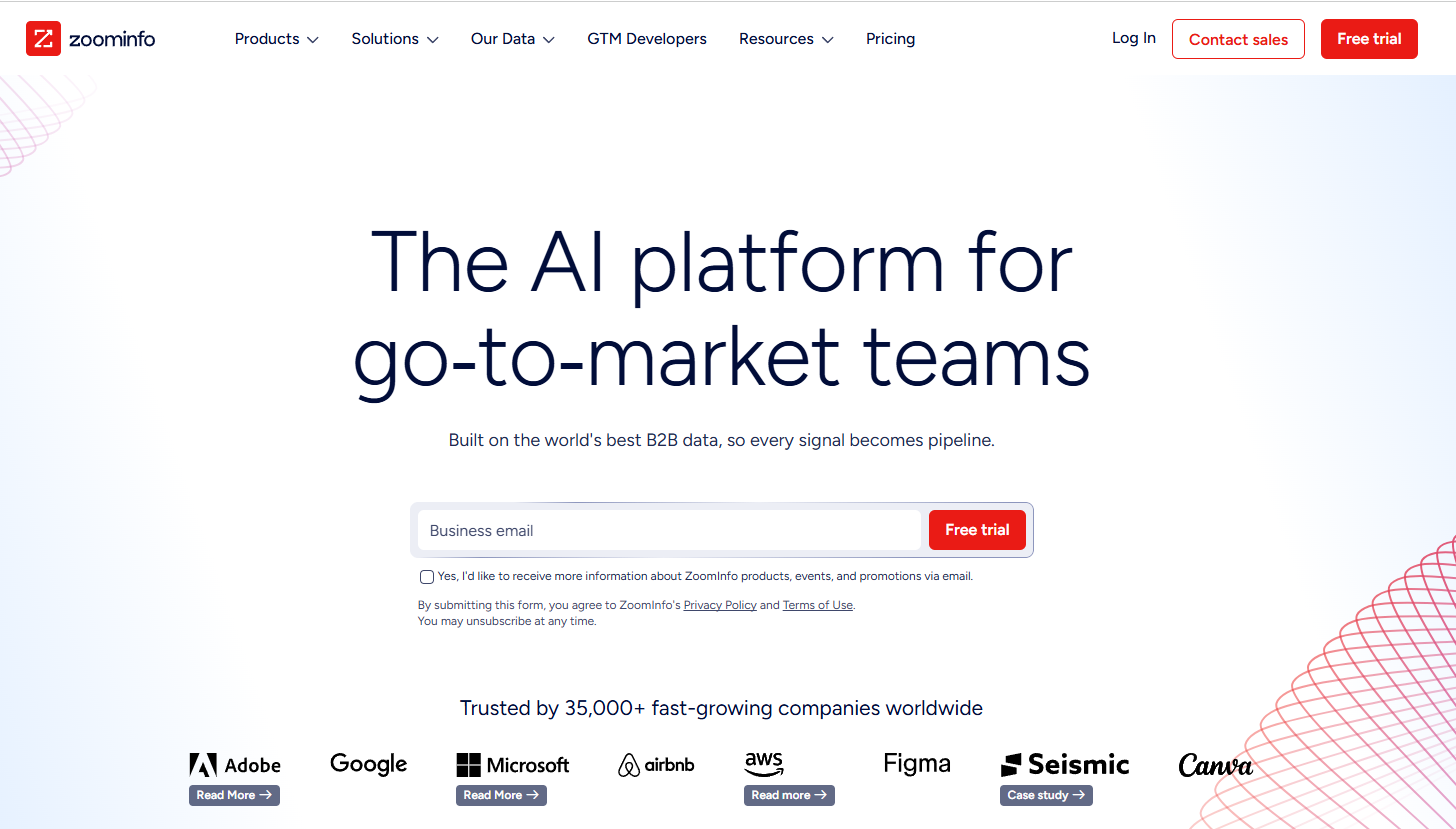
ZoomInfo is the industry standard for large North American teams. With over 420 million contacts, its strength lies in deep firmographic data and buyer-intent signals. It is an enterprise-grade solution that integrates deeply with Salesforce and HubSpot.
Cognism: The GDPR Specialist
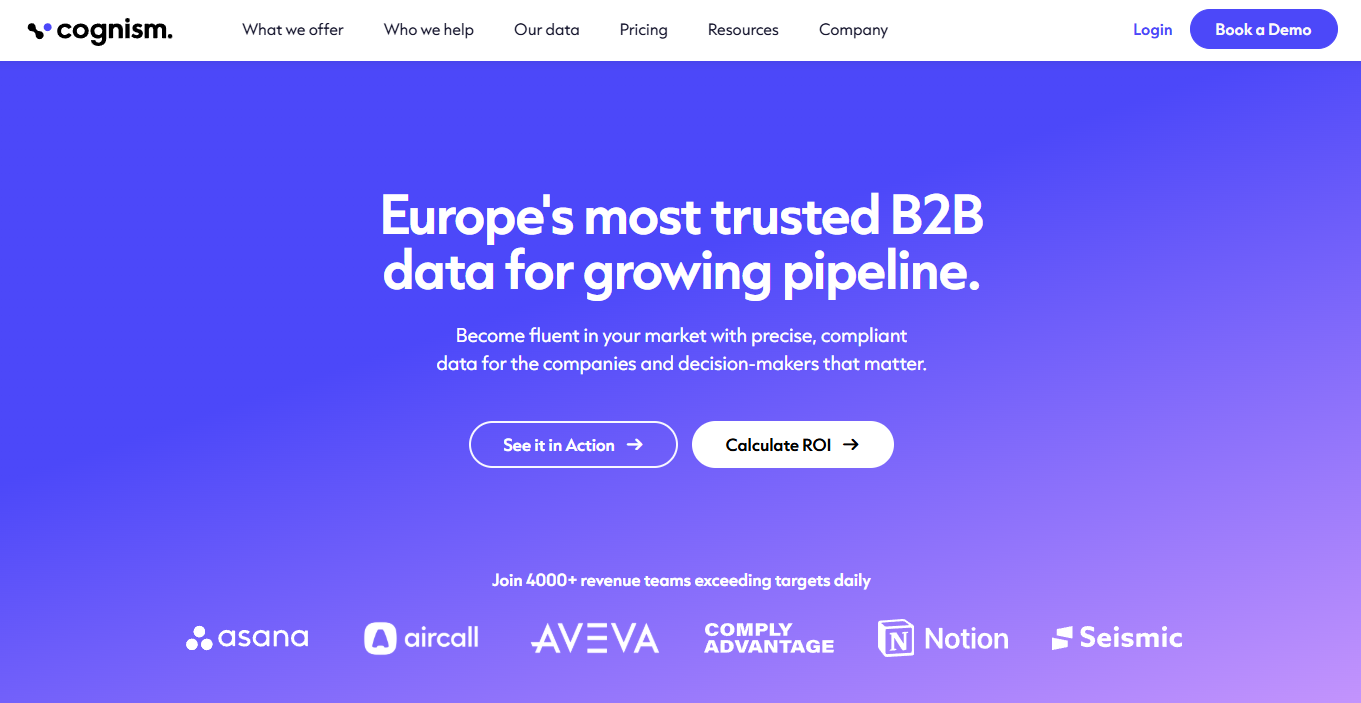
For teams focused on the European market, Cognism is the preferred choice. It offers 440 million contacts with a focus on mobile numbers and high compliance standards, making it the most robust option for navigating strict GDPR requirements.
Apollo: The Mid-Market Powerhouse
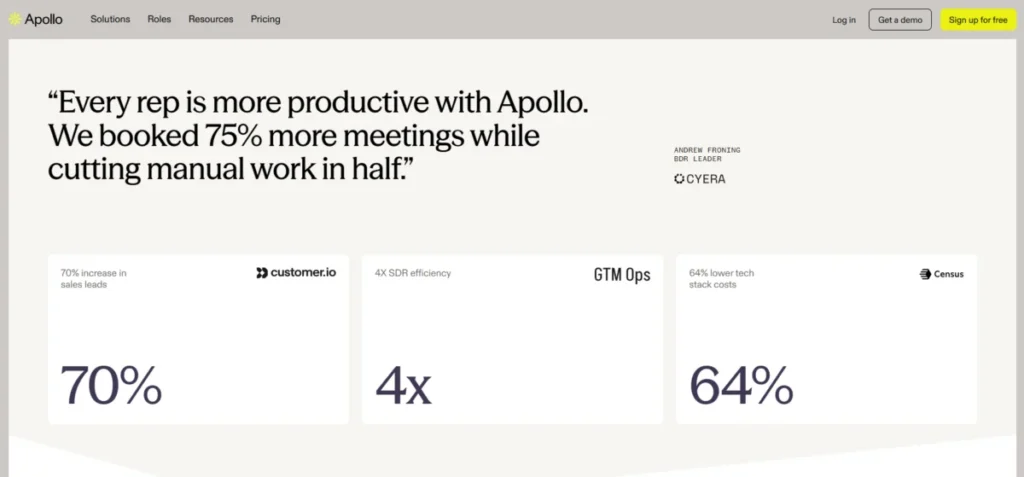
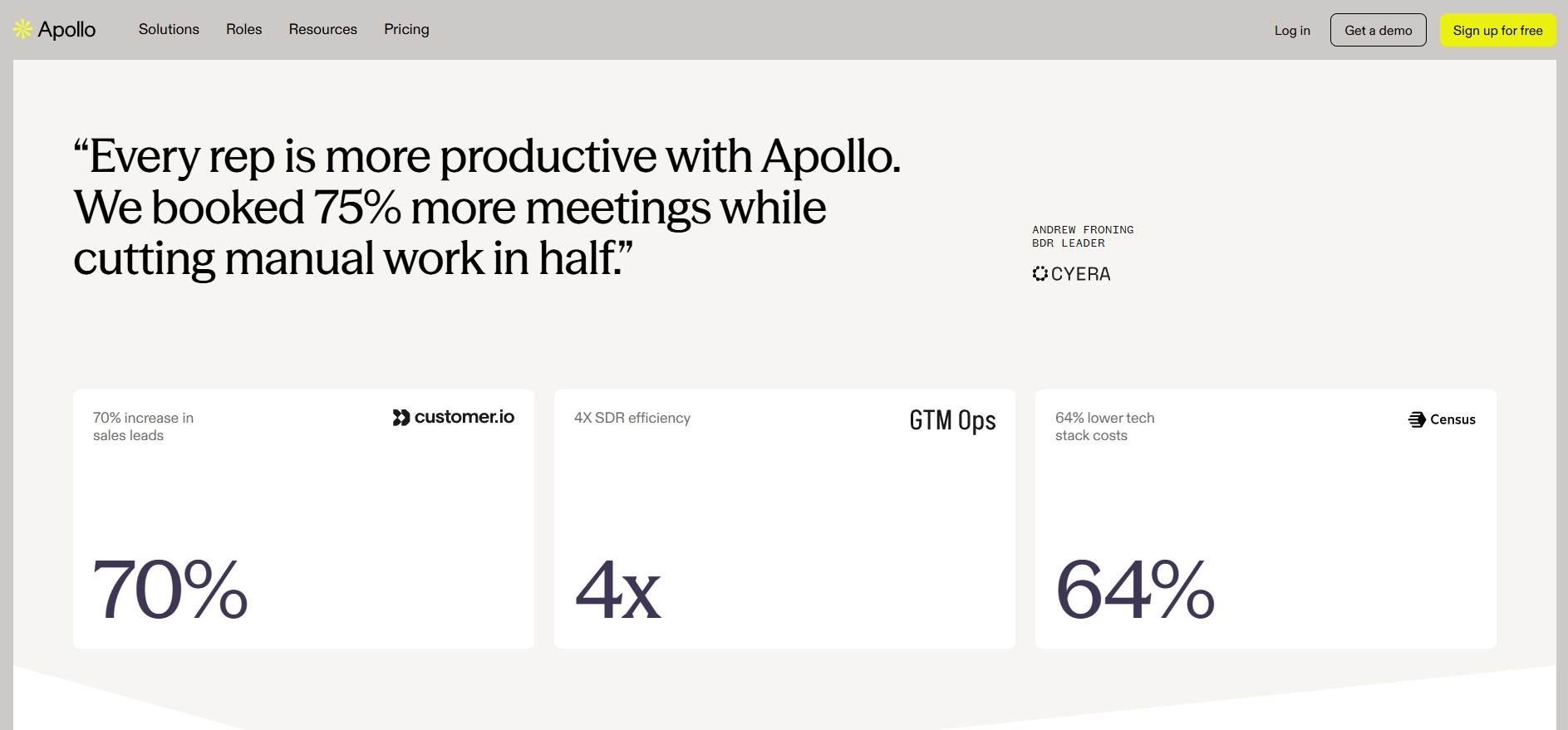
Apollo has gained massive popularity due to its balance of affordability and utility. It provides access to over 230 million contacts and includes built-in cold email sequencing tools, making it an all-in-one solution for small-to-mid-sized businesses.
BookYourData and LeadsPlease: The "One-Off" Sellers
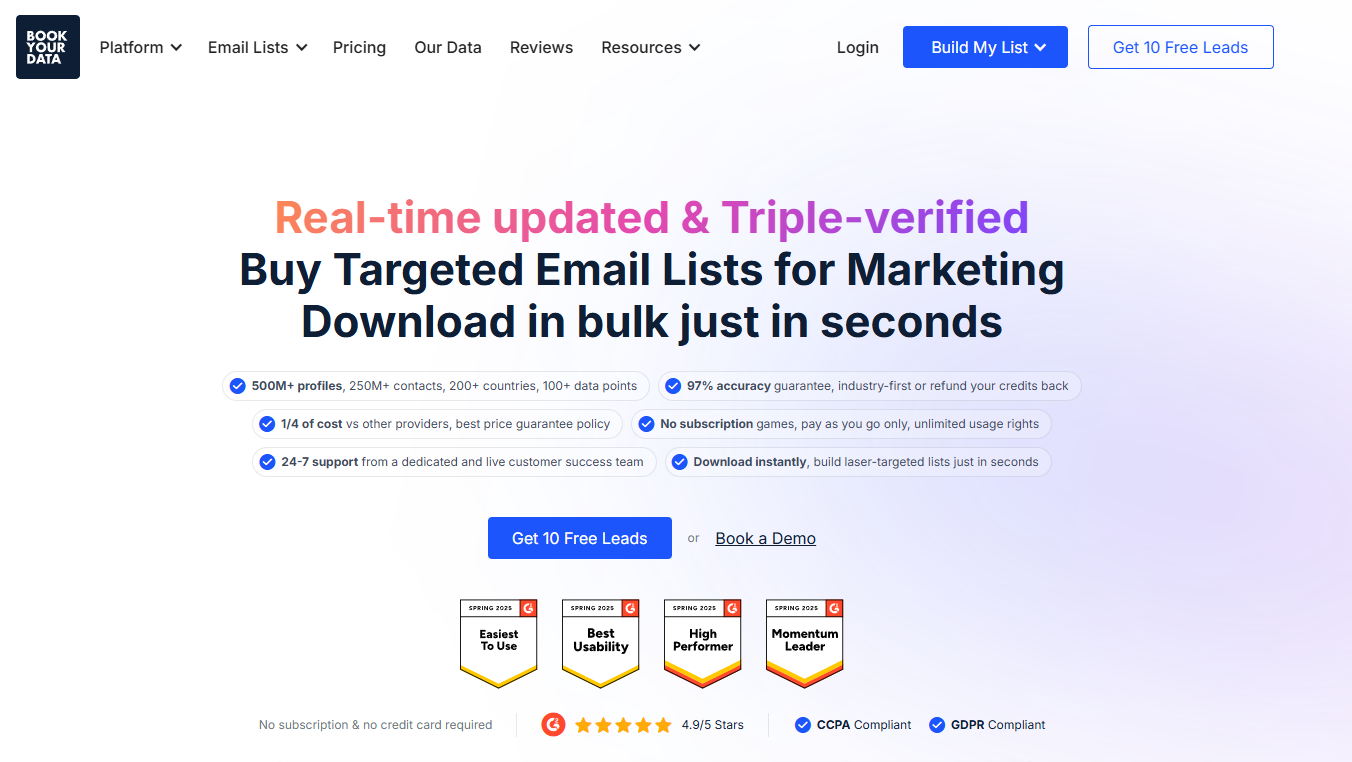
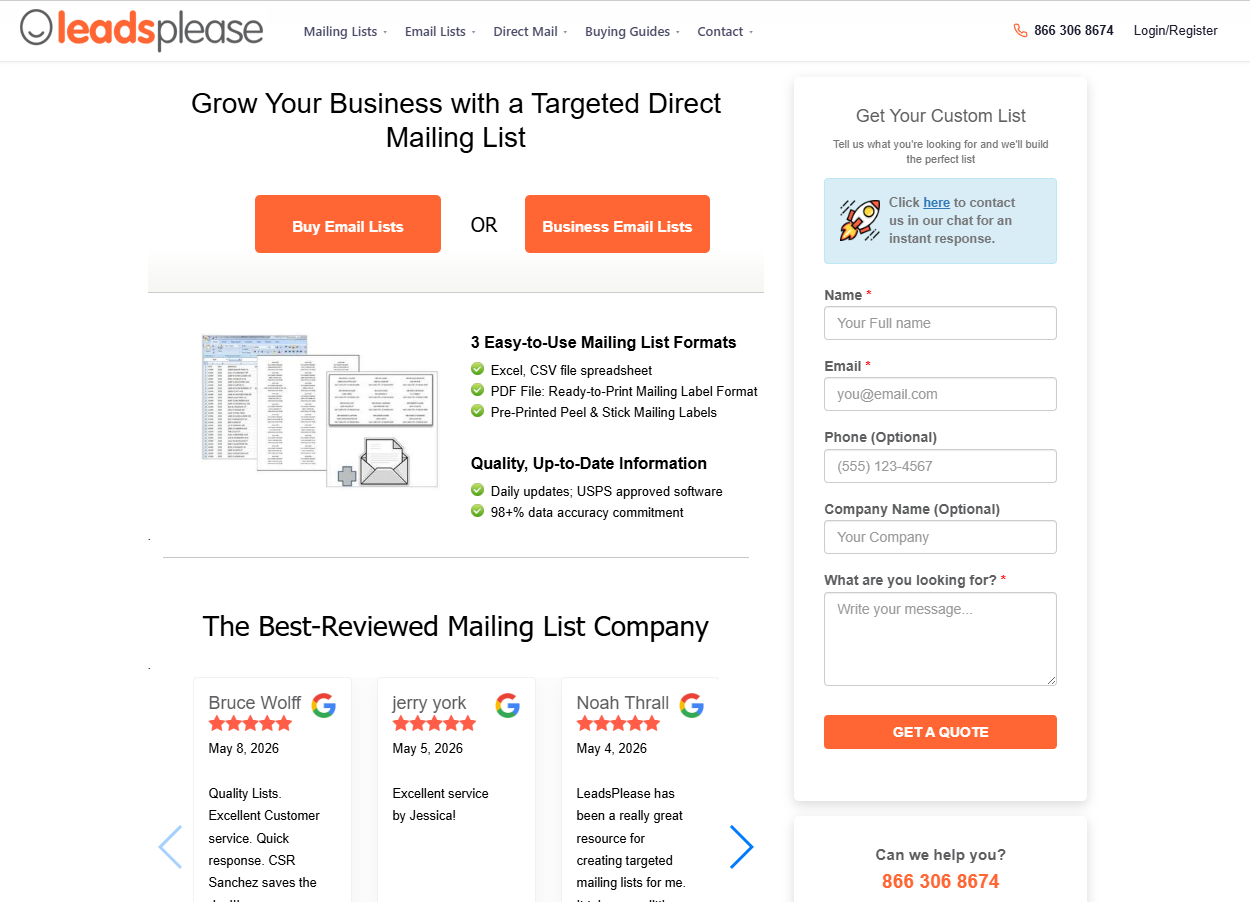
These providers are better suited for teams that need a one-time list for a specific campaign and do not wish to commit to a long-term, expensive subscription. They allow for pay-as-you-go access, which can be useful for testing new markets.
Lusha and Saleshandy: Integrated Prospecting
Lusha excels in Chrome-extension-based prospecting, making it a favorite for individual sales reps who need to verify data while browsing LinkedIn. Saleshandy, by contrast, focuses on the "sending" side, bundling a database with cold email outreach tools and inbox warm-up features.
Conclusion: The Path Forward
The decision to purchase an email list is rarely a purely marketing-driven one; it is a calculation of risk versus reward. While there are legitimate use cases for high-quality, verified data in a cold outreach capacity, the risks of domain blacklisting, legal penalties, and wasted investment are substantial.
For long-term success, companies should move toward a hybrid model: use reputable databases to supplement your outreach efforts while simultaneously investing in a robust, in-house list-building program. By prioritizing quality over quantity and respecting the recipient’s inbox, you ensure that your brand remains a welcome presence rather than a persistent nuisance.
