
The Digital Podium: Predicting the Breakout Stars of the 2026 Milano-Cortina Winter Olympics Through Social Data
As the global sporting community sets its gaze on the snow-dusted peaks of Northern Italy, the countdown to the 2026 Milano-Cortina Olympic Winter Games has entered its final, frenetic phase. While traditional broadcast television remains the crown jewel of Olympic coverage, the modern fan experience is increasingly forged in the crucible of social video.
Olympic years invariably trigger a seismic surge in interest for niche athletics, pulling sports that typically reside in the shadows of the mainstream into the blinding light of global scrutiny. But which sports will emerge as the true breakout winners of the upcoming Games? By dissecting viewership data from 2025—a pivotal pre-Olympic year—we can identify the trends, personalities, and narratives poised to dominate the digital conversation in 2026.
The Ice Skating Dominance: A Cultural Phenomenon
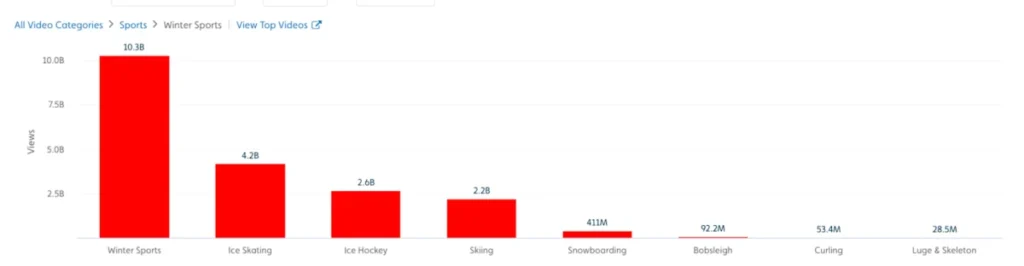
When analyzing the landscape of winter sports content, one discipline stands head and shoulders above the rest: ice skating. According to data provided by Tubular Labs, ice skating content generated a staggering 4.2 billion views across social platforms in 2025. This figure is not merely a testament to the sport’s popularity; it is a clear indicator of its role as a cultural touchstone that transcends the boundaries of traditional athletics.
Figure Skating: The Engagement King
Figure skating alone was responsible for 2.2 billion of those views, accompanied by a staggering 36.8 million total engagements. The sport’s ability to capture the public imagination is unparalleled. While the Olympic Games are historically synonymous with high-stakes athletic drama, figure skating adds a layer of aesthetic performance—costume, choreography, and technical precision—that invites audiences far beyond the typical sports fan.
Beyond the Rink: Fashion and Lifestyle
The implications for content creators are profound. Ice skating has transcended its status as a "sport" to become a pillar of lifestyle content. Fashion, hair, and beauty influencers have begun to weigh in on the iconic aesthetics of the sport, creating a massive intersection between high-performance athletics and lifestyle vlogging. Furthermore, “how-to” content—videos teaching the basics of skating—has seen a rise in popularity, even among audiences who lack immediate access to ice rinks. This democratization of interest suggests that the 2026 Games will be fueled not just by the competition itself, but by the surrounding cultural ecosystem.
Skiing’s Digital Ascent: From Niche to Mainstream
With more than 20 distinct disciplines represented in Milano-Cortina, skiing is arguably the backbone of the Winter Games. The 2025 data confirms that this is not just a sport of physical prowess, but one of massive digital consumption.
A Metric Analysis of Vertical Sports
In 2025, skiing-related videos on YouTube amassed 2.2 billion views. The distribution of this interest is telling:
- Freestyle and Alpine Skiing: These two disciplines accounted for approximately one-third of the total viewership. With over 6,000 unique uploads throughout the year, these categories maintained a consistent average of 128,000 views per video.
- Ski Jumping: Though the volume of content is lower, the intensity of engagement is higher. Ski jumping videos averaged an impressive 426,000 views per video, suggesting that the "high-risk, high-reward" nature of the sport creates a stickier viewing experience for digital audiences.
The Rise of the Niche Creator
The success of creators like Anthony Robert highlights a key shift in sports marketing. Robert’s content strategy—which involves treating skiing as a broad content lens rather than a narrow competitive result—saw viewership peaks even during the summer months. This "off-season" engagement is a masterclass in audience retention. For sporting goods brands, the lesson is clear: content that focuses on the lifestyle, culture, and technical nuances of skiing is as valuable, if not more so, than the event coverage itself.
Chronology: Building the Narrative toward Milano-Cortina
To understand the trajectory toward February 2026, one must view the preceding months as a deliberate buildup:
- Q1-Q2 2025 (The Foundation): Initial social trends began to favor short-form skating content, with TikTok and Instagram Reels serving as the primary drivers for viral moments.
- Q3 2025 (The Diversification): Niche sports like bobsleigh and skeleton saw a rise in "behind-the-scenes" storytelling. The focus shifted from competition highlights to the daily lives of athletes, humanizing the competitors.
- Q4 2025 (The Preparation): Brands began aligning with high-performing athletes and content creators. The data from this period showed a shift toward long-form YouTube documentaries and training-log style content.
- Q1 2026 (The Current Moment): We are currently witnessing the "Olympic Hype Cycle." Viewership is consolidating around specific breakout stars and viral training moments, setting the stage for the Games’ opening ceremonies.
Storytelling in the Niche: The Bobsleigh Effect
Bobsleigh has long held a unique position in the Olympic consciousness. Since the release of the 1993 film Cool Runnings, the sport has been defined by the "sprinter-to-bobsledder" narrative. Modern social media has allowed this storytelling to evolve from cinema to reality.
Behind the Scenes: The Athlete as Creator
The Great Britain bobsled team provides a perfect case study. By utilizing social video to document the grueling, often unglamorous process of training, they have successfully captured 317,000 views per video. This transparency is the future of Olympic coverage. When fans feel they are part of the team’s journey, their investment in the outcome of the race increases exponentially. This strategy is not limited to bobsleigh; it is a blueprint for any niche sport hoping to capture the spotlight in Milano-Cortina.
Implications for Publishers and Brands
As we look toward the 2026 Games, the data points toward a fundamental shift in how the Olympics are consumed.
The NBC/Digital Duality
While NBC retains the exclusive broadcast rights to the Games, the "second screen" experience has become the primary screen for many. Publishers who lean into niche sports—such as curling, snowboarding, and the aforementioned sliding sports—will likely see the highest ROI on their content.
The Branding Opportunity
Brands that act now to partner with athletes in these high-growth, niche sectors will find themselves with a significant advantage. The data suggests that fans are looking for authenticity, "how-to" expertise, and personal narratives. The brands that facilitate these stories, rather than just sponsoring the final event, will be the ones that win the digital conversation.
Conclusion: The Path Forward
The Milano-Cortina 2026 Winter Games are set to be the most digitally integrated in history. While the traditional powerhouses of figure skating and skiing will continue to draw the largest audiences, the real winners will be the sports and athletes who understand the mechanics of modern social engagement.
The 2025 viewership trends serve as a roadmap for what to expect in February 2026. We are moving toward a landscape where the "breakout star" is not just the person who crosses the finish line first, but the person who best leverages their platform to connect with fans on a human level.
As we approach the opening ceremonies, publishers, brands, and fans alike should pay close attention to these data-backed trends. The digital podium is being constructed right now, and the athletes who have mastered the art of social storytelling are already ahead of the pack. For those looking to measure the next breakout trend or gain a competitive edge in the crowded digital market, the data is not just a set of numbers—it is the blueprint for the future of sports media.
To delve deeper into the data shaping the 2026 Olympic cycle, consult the latest Sports Snapshot report from Tubular Labs and prepare for a winter season defined by unprecedented digital engagement.
