
Beyond the Widget: Redefining Live Chat Lead Generation for the Modern Web
In the digital landscape of the mid-2010s, a simple “Can I help you?” popup was considered the pinnacle of website conversion technology. Today, that approach is not only obsolete—it is actively ignored by sophisticated users who have developed “banner blindness” toward static, intrusive chat windows.
As consumer behavior shifts toward instant gratification and hyper-personalization, live chat has evolved from a simple support utility into a mission-critical engine for lead generation. For businesses operating in high-consideration sectors—such as B2B SaaS, premium e-commerce, and specialized professional services—live chat is no longer just a "nice-to-have." It is the primary bridge between anonymous traffic and qualified revenue.
The Evolution of the Conversation: Main Facts
Live chat lead generation relies on the premise of real-time human-to-human interaction at the exact moment of peak buyer intent. Unlike traditional web forms, which act as a “black hole” for data—where users submit information and wait days for a response—live chat provides an immediate feedback loop.
The modern framework for this process is simple yet nuanced:
- Detection: A visitor lands on a high-value page.
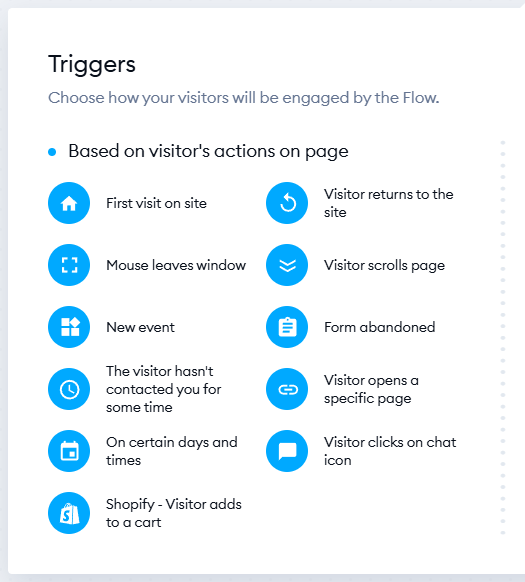
- Engagement: An intelligent trigger fires, not based on time, but on behavioral intent.
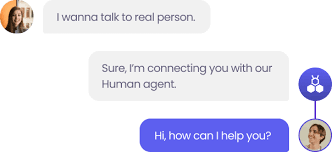
- Qualification: An AI-powered bot or a human agent screens the user.
- Conversion: The lead is captured, scheduled for a meeting, or moved directly into the sales pipeline.
The Chronology of Modern Chat Strategy
The strategy of yesterday relied on "spray and pray" tactics—firing a chat window five seconds after page load. Data now confirms this is counterproductive; it disrupts the user journey before the visitor has had a chance to consume the content they came for.
Modern strategy follows a refined timeline:
- Initial Exposure (0-30 seconds): The visitor explores the site. The chat widget remains unobtrusive, perhaps a labeled pill icon, building brand trust through presence without annoyance.
- Intent Recognition: The visitor scrolls deep into a pricing page or dwells on a product comparison table. This is the "Goldilocks" moment for engagement.
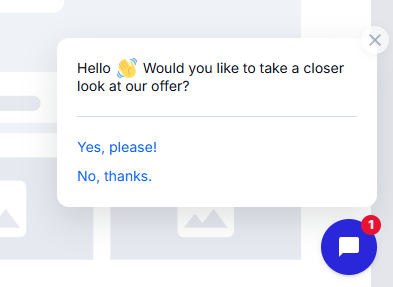
- The Proactive Trigger: The chat widget expands with a context-specific message, such as, “Need a breakdown of how our pricing scales for teams of 50+?”
- The Handoff: If the query requires human empathy or complex negotiation, the bot seamlessly transitions the session to a human agent, providing the agent with the chat history and lead context.
Supporting Data and Performance Benchmarks
To build a sustainable lead generation machine, one must move beyond anecdotal evidence and rely on industry benchmarks. According to a 2024 report by LiveChat, the average response time for effective lead capture currently hovers around 30 to 35 seconds. Any delay beyond 60 seconds risks a significant drop-off in conversion rates.
Furthermore, research by Chili Piper suggests that immediacy is the ultimate catalyst for growth. Their 2025 benchmark data indicates that allowing customers to book a meeting directly within the chat interface—rather than waiting for an email follow-up—can double inbound conversion rates, moving from an average of 30% to over 66%.
Designing for Human Behavior
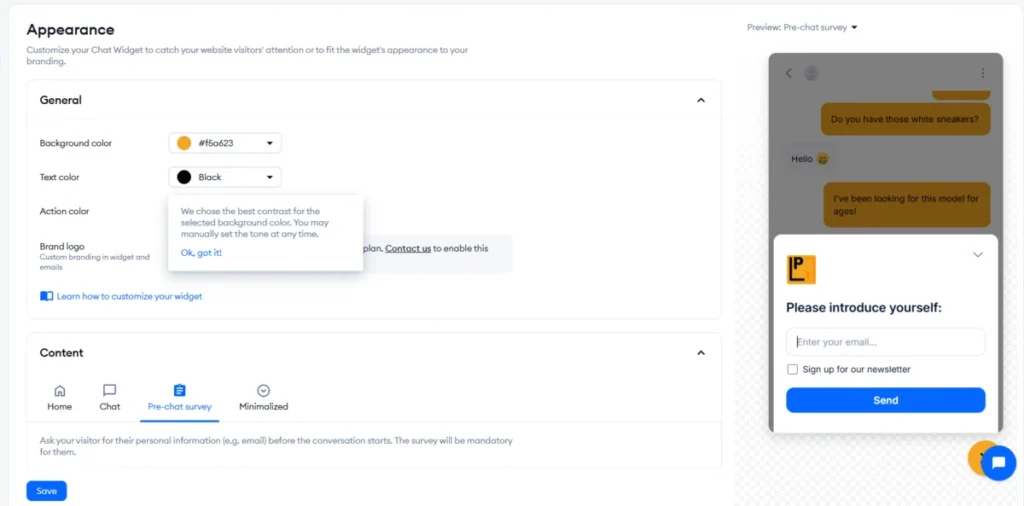
The visual and structural design of the widget is just as vital as the copy within it. Design must be “mobile-first.” With the majority of web traffic now originating from handheld devices, a desktop-centric chat window that obscures half the screen is a conversion killer.
Key Design Best Practices:
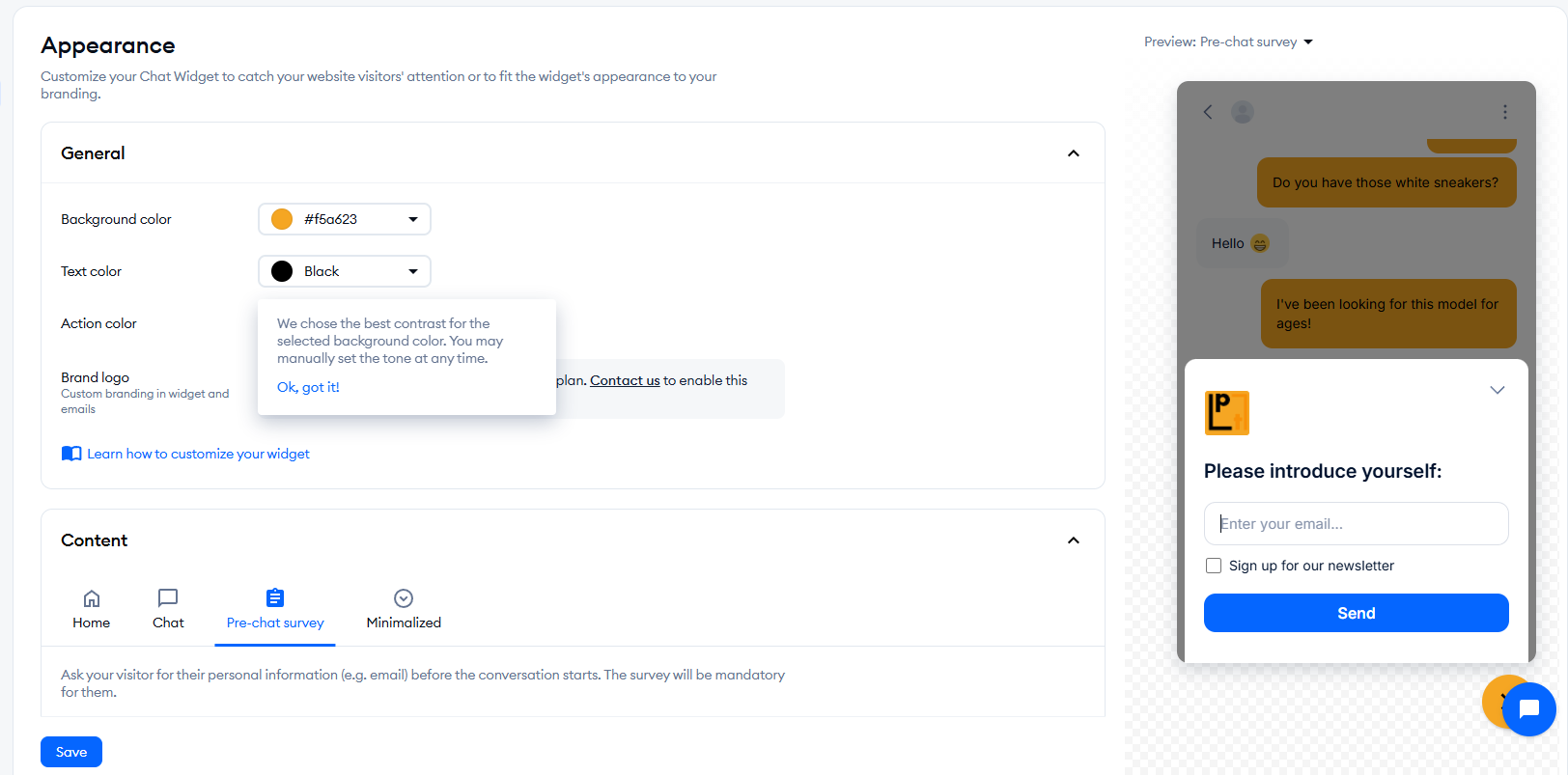
- Contrast and Placement: The widget must contrast with the background to be visible, but it should not fight for dominance with the primary CTA (Call to Action).
- The "Pill" Format: Instead of a generic chat bubble, use a labeled pill (e.g., “Speak to Sales”) to clarify the value proposition of clicking.
- Thumb Reach: On mobile, place the widget in a sticky position at the bottom-center or bottom-right to ensure it is accessible to the user’s thumb.
Tactical Implementation: 10 Pillars of Success
1. Trigger by Behavior, Not Clocks
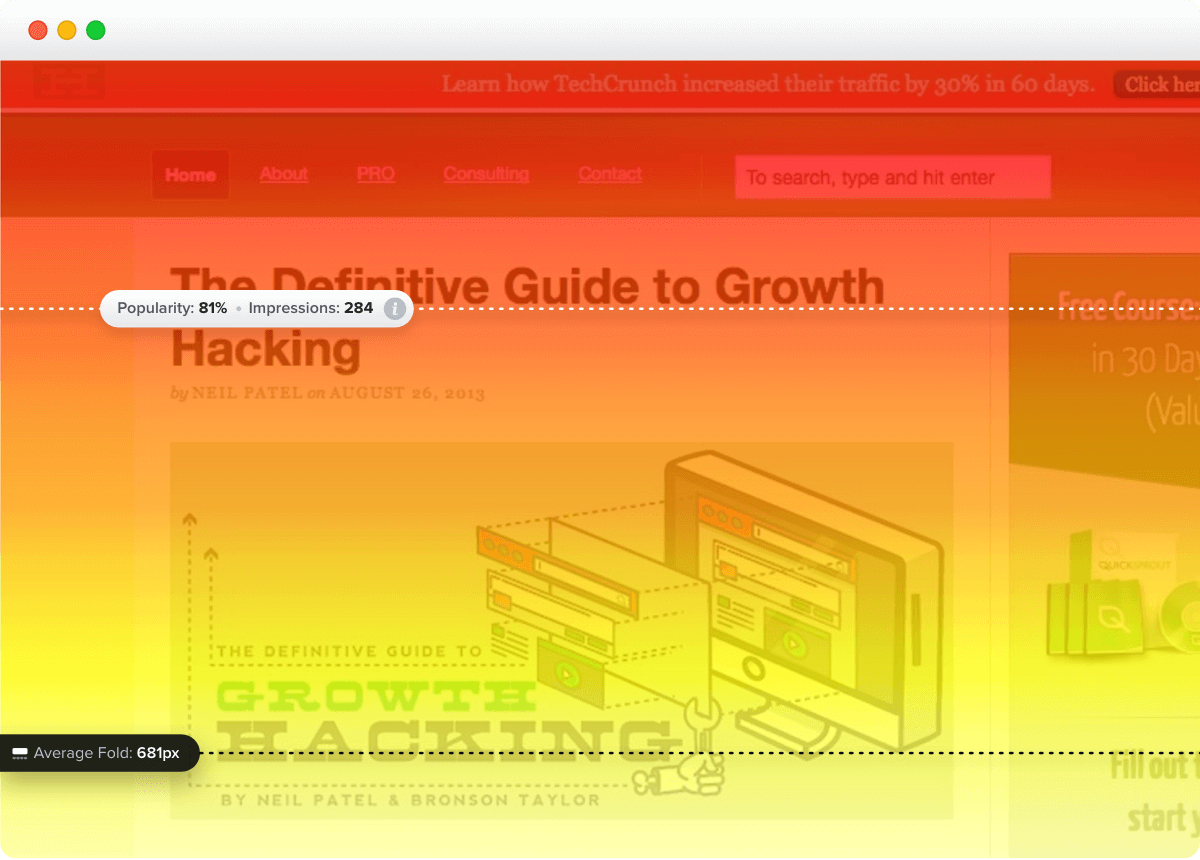
Stop using time-based triggers. Instead, use heatmaps and session recordings to identify "intent signals." If a user visits your pricing page twice in one session, that is a clear indicator that they are ready for a conversation.
2. Contextual Openers
Generic greetings are ignored. If a user is on your "Security Features" page, the opener should be: “Curious about our SOC2 compliance standards? I can send over our latest audit report.”
3. The Hybrid Chatbot Model
Don’t use AI to replace humans; use it to augment them. A bot should handle the mundane, 24/7 qualification tasks, ensuring that when a sales rep joins the chat, they are speaking to a high-intent, pre-qualified prospect.
4. Direct Meeting Scheduling
Remove the friction of "back-and-forth" emails. Integrate your CRM or calendar tool (like Calendly or Chili Piper) directly into the chat flow so a lead can secure a demo slot before they even leave the page.
5. Abandonment Recovery
Exit-intent triggers are powerful tools for cart or form abandonment. When a user moves their mouse toward the browser "close" button, a well-timed offer—"Still deciding? Let me answer your questions about our implementation timeline"—can be the difference between a bounce and a closed deal.
6. Lead Magnet Integration
Use the chat window to deliver value. If a user is reading a guide, offer an industry report or a calculator tool in exchange for their email address.
7. Multi-Channel Synchronization
Integrate WhatsApp, SMS, and iMessage into your chat strategy. This provides a "portable" conversation that follows the user even after they leave your website, keeping the thread alive on their personal device.
8. Account-Based Personalization (ABM)
For B2B firms, use IP-detection tools like ZoomInfo or Leadfeeder. When an employee from a target account visits your site, the chat can shift its tone to acknowledge their industry, without being overly invasive.
9. Rapid Response Protocols
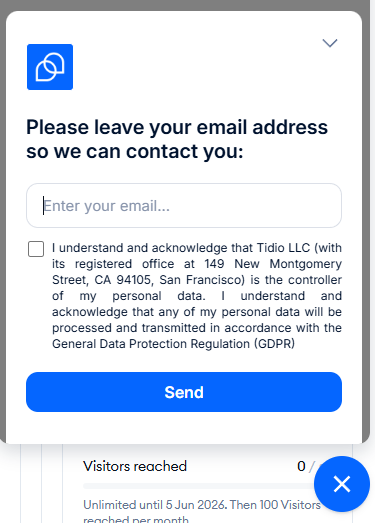
A slow chat is worse than no chat. If you cannot staff your chat 24/7, set clear expectations. If an agent is away, the widget should explicitly state, “We are offline, but leave your email and we’ll reach out by [Time].”
10. Continuous A/B Testing
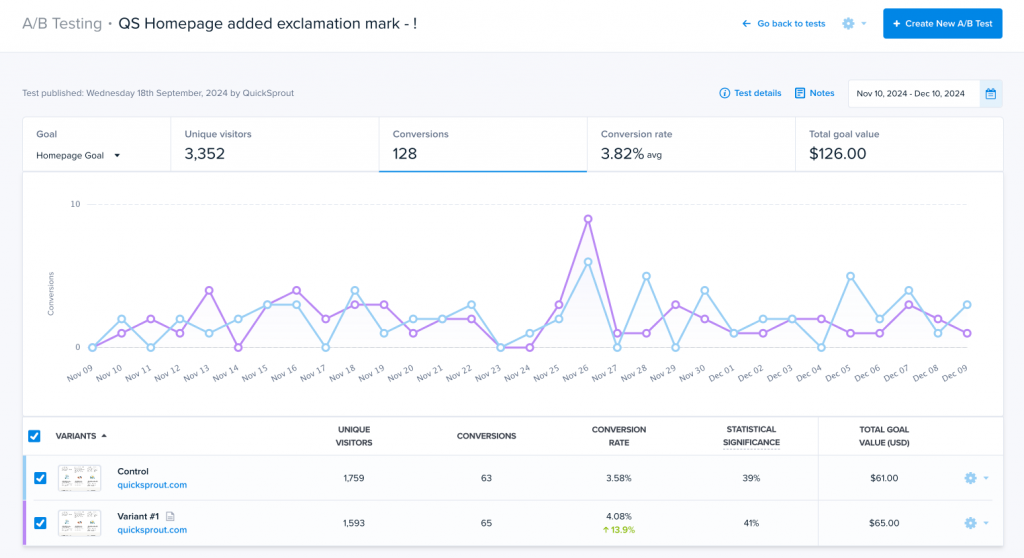
Never settle for your first draft. Use A/B testing to refine your microcopy, widget colors, and trigger thresholds. What works for a tech startup may not work for a boutique consultancy.
Official Industry Perspectives
Industry experts emphasize that the "owner" of the chat experience should be a collaboration between Marketing and Sales. Marketing holds the keys to the "top-of-funnel" experience—setting the triggers, crafting the brand voice, and optimizing the visual design. Sales owns the "middle-to-bottom" funnel, where the human element is required to address nuanced objections, provide demonstrations, and close the deal.
Regarding the rise of Generative AI, there is a clear consensus: AI is a phenomenal qualifier, but a poor closer. While tools like ChatGPT can answer basic queries and gather contact details, they lack the empathy and strategic reasoning required to navigate high-stakes, complex B2B sales cycles.
Implications for Future Growth
The era of passive, static lead generation is coming to an end. As we look toward 2026 and beyond, the competitive advantage will go to companies that treat their website not as a digital brochure, but as an interactive sales floor.
By shifting from "broadcasting" to "conversing," businesses can capture leads at their moment of peak interest, drastically shortening the sales cycle. However, this shift requires a commitment to data-driven design. The tools to analyze these interactions—heatmaps, session replays, and A/B testing—are more accessible than ever. The companies that thrive will be those that constantly observe their users, iterate on their findings, and prioritize the human experience in every digital interaction.
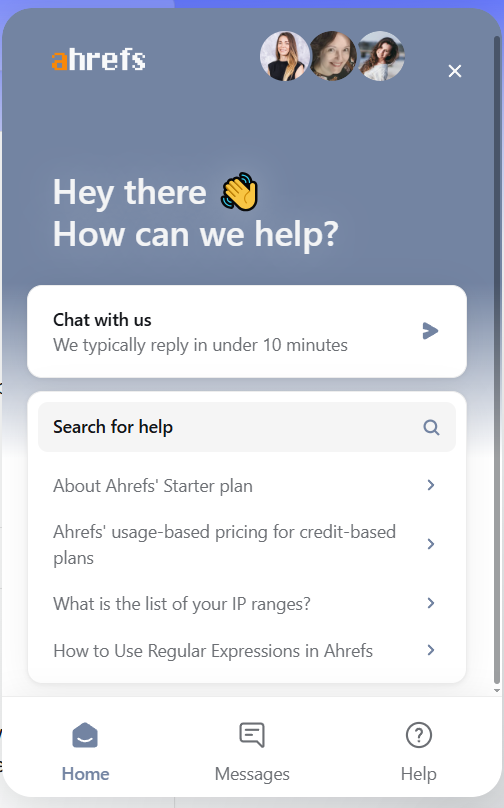
Ultimately, live chat is a commitment to availability. In a global economy where time is the most valuable currency, being present, responsive, and relevant is the only way to turn a casual visitor into a lifelong customer.
