
Beyond the Echo Chamber: A Comprehensive Guide to Bluesky in 2026
As the digital landscape undergoes a seismic shift in user preferences, the dominance of legacy social media platforms is no longer a foregone conclusion. Amidst this transition, Bluesky has emerged as a significant, decentralized force, evolving from an experimental project into a bustling digital town square boasting over 44 million users. For brands, marketers, and digital strategists, the question is no longer "What is Bluesky?" but rather "How can we effectively leverage this space in 2026?"
Main Facts: The Rise of the Federated Web
Bluesky is a decentralized, text-based social media application that operates on the AT Protocol (Authenticated Transfer Protocol). Unlike the walled gardens of X (formerly Twitter) or Meta’s Threads, which are controlled by centralized corporate entities, Bluesky’s architecture is built on open-source foundations.

This decentralization is the platform’s core value proposition. It ensures that the network is not beholden to the whims of a single CEO or shareholder group. Instead, it provides users with autonomy over their digital identities, moderation settings, and algorithmic experiences. While the interface—complete with feeds, reposts, and replies—feels familiar to veterans of Twitter, the underlying mechanics offer a level of transparency and portability that has attracted a diverse user base, ranging from tech enthusiasts to journalists and niche hobbyists.
Chronology: From Invite-Only to Mainstream Contender
The journey of Bluesky is one of steady, deliberate growth. Initially conceptualized under the umbrella of Twitter by former CEO Jack Dorsey, it began as an R&D project to explore decentralized social networking.

- 2023: The platform launched as a restricted, invite-only beta. This exclusivity created a sense of "digital scarcity," helping to foster a high-quality, early-adopter community.
- February 2024: The "gates" opened, and Bluesky transitioned to a public-facing platform, accessible to anyone with an internet connection.
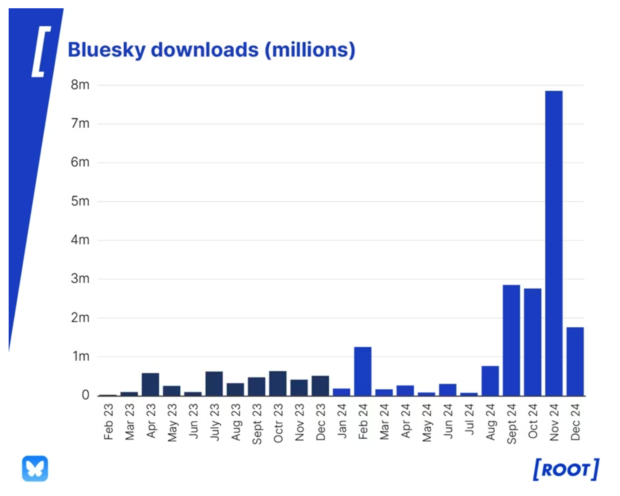
- November 2024: A pivotal moment occurred when the app surged to the #1 spot on the Apple App Store, driven by a wave of migration from users seeking an alternative to the increasingly contentious atmosphere on other platforms.
- 2025-2026: Bluesky solidified its staying power, surpassing 44 million registered accounts and proving that it was not merely a "flavor of the month" but a sustainable, growing ecosystem.
Supporting Data: Why Users are Migrating
The exodus from legacy platforms is backed by clear data. According to recent reports, the demographic profile of the average Bluesky user is concentrated in the 18-34 age bracket, with a significant skew toward male users in the United States.
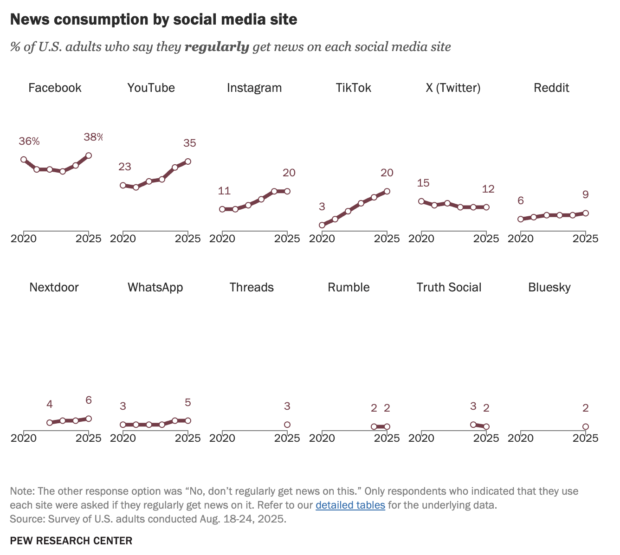
The most compelling statistic, however, relates to news consumption. Pew Research Center reports that while 12% of U.S. adults regularly consume news on X, only 2% do so on Bluesky. This gap highlights a crucial distinction: while X remains a battleground for breaking news and political discourse, Bluesky is carving out a niche as a space for community-building, technical discussion, and interest-based networking.

Engagement metrics further support this. Industry experts like Dana DiTomaso of Kick Point Playbook note that the "signal-to-noise" ratio on Bluesky is significantly higher than on legacy platforms. The absence of aggressive, ad-driven algorithms means that organic reach—while harder to come by—often results in more meaningful, high-intent interactions.
Comparing the Titans: Bluesky vs. The Competition
To understand where Bluesky fits, one must look at its primary competitors:

| Category | Bluesky | Mastodon | Threads |
|---|---|---|---|
| Users (2026) | 44M+ | 10.5M | 150M+ |
| Ads | No | No | Yes |
| Decentralization | Yes | Yes | Partly |
| Video Support | Up to 3 mins | Yes | Up to 5 mins |
While Threads commands a larger user base due to its integration with Instagram, its corporate-owned, ad-heavy model contrasts sharply with the "pure" social experience of Bluesky. Mastodon, while older and fully decentralized, suffers from a higher barrier to entry due to its server-based, federated structure, which can confuse non-technical users. Bluesky occupies the "Goldilocks" zone: decentralized and community-oriented, yet user-friendly enough for the average person to navigate.
Official Responses and Platform Vision
The leadership at Bluesky has been vocal about their mission. In various communications, they have emphasized that their goal is to provide a "public square" that is resilient to censorship and corporate manipulation.
In a statement regarding their growth, the team noted: "We want Bluesky to be a place where users can both find the latest news and stay in touch with their friends." By partnering with third-party tools like Hootsuite, they are signaling a desire to make the platform "business-ready" without sacrificing the ethos of the AT Protocol. This dual approach—retaining open-source values while enabling professional-grade management—is the key to their long-term viability.
Strategic Implications for Business
For brands, the absence of traditional advertisements is not a drawback; it is a tactical advantage. Without the "pay-to-play" barrier of ads, success on Bluesky is entirely merit-based.
1. Thought Leadership as Currency
Because the platform is still in a growth phase, early adopters are establishing themselves as industry authorities. Brands that share insightful, non-promotional content now are effectively "staking a claim" in their respective niches.
2. The Power of "Starter Packs"
Bluesky’s "Starter Pack" feature allows users to curate and share lists of accounts. Savvy brands are creating these packs to help users discover industry experts, thereby positioning themselves as a central hub for community knowledge.

3. A Testing Ground for Messaging
Many marketers are using Bluesky to "A/B test" creative concepts. Because the community is more inclined to offer direct, candid feedback than users on larger, more passive platforms, it serves as an excellent focus group for upcoming marketing campaigns.
4. Direct Access to Media
The high concentration of journalists on the platform provides a unique opportunity for PR professionals. Instead of relying on cold emails, businesses can engage with reporters in public, relevant conversations, building relationships that are based on genuine rapport rather than transactional pitches.

Navigating the Future: A Measured Approach
Should your business be on Bluesky in 2026? The answer depends on your objectives. If your goal is broad-reach, high-volume advertising, the platform is likely not your primary destination. However, if your goal is to build deep, authentic relationships with a highly engaged audience, establish thought leadership, or gain a competitive edge in social listening, Bluesky is an essential component of a modern social media strategy.
The most effective strategy for the coming year is to reserve your brand’s handle, begin active social listening to understand the sentiment of your specific niche, and experiment with conversational, value-driven content. In the rapidly evolving world of digital media, the brands that succeed will be those that prioritize community and authenticity over the short-term noise of traditional social media advertising.

As the platform continues to grow, it is clear that Bluesky is not just an alternative to X—it is a glimpse into the future of the decentralized web. By engaging with it now, you are not just participating in a new social network; you are adapting to a new paradigm of digital interaction.
