
The New Blueprint: Defining Social Media Leadership in the 2026 Enterprise
In the rapidly evolving digital landscape of 2026, social media has graduated from a tactical marketing channel to a cornerstone of enterprise operations. With global social ad spending projected to exceed $121 billion this year, the role of those who command these platforms has undergone a fundamental shift. Leading a social team today is no longer just about viral trends and engagement rates; it is about steering a complex, cross-functional business engine that impacts everything from recruitment and product development to legal compliance and executive strategy.
The Evolution of the Social Leader: A Strategic Necessity
A recent study by IBM underscores a critical shift in corporate priority: 69% of CEOs now state that organizational success is tethered to a leadership bench that possesses both deep strategic vision and the executive authority to act. In the social sphere, this means the distinction between "management" and "leadership" has never been more pronounced.
While a social media manager is the architect of execution—focusing on content calendars, daily engagement, and campaign performance—the social media leader is the orchestrator of outcomes. They move beyond the "how" of content creation to answer the "why" of business impact. They are tasked with connecting social performance to revenue, brand health, and long-term retention, operating in a high-stakes environment where a single decision can ripple across dozens of global markets.

The Core Competencies of 2026 Leadership
To navigate this terrain, effective leaders must master a blend of five core pillars. These skills determine the success or failure of an enterprise social strategy:
1. Strategic Goal Alignment
Great leaders do not chase every trend; they curate their strategy to mirror the company’s broader objectives. This requires the discipline to say "no." As Four-time Shorty Award-winning Strategist Shakivla Todd notes, "You don’t need to be everywhere, everything, all at once. That goes for viral trends and emerging platforms alike." A leader’s job is to protect team bandwidth by ensuring that every social initiative has a clear, measurable business objective.
2. AI Adoption and Governance
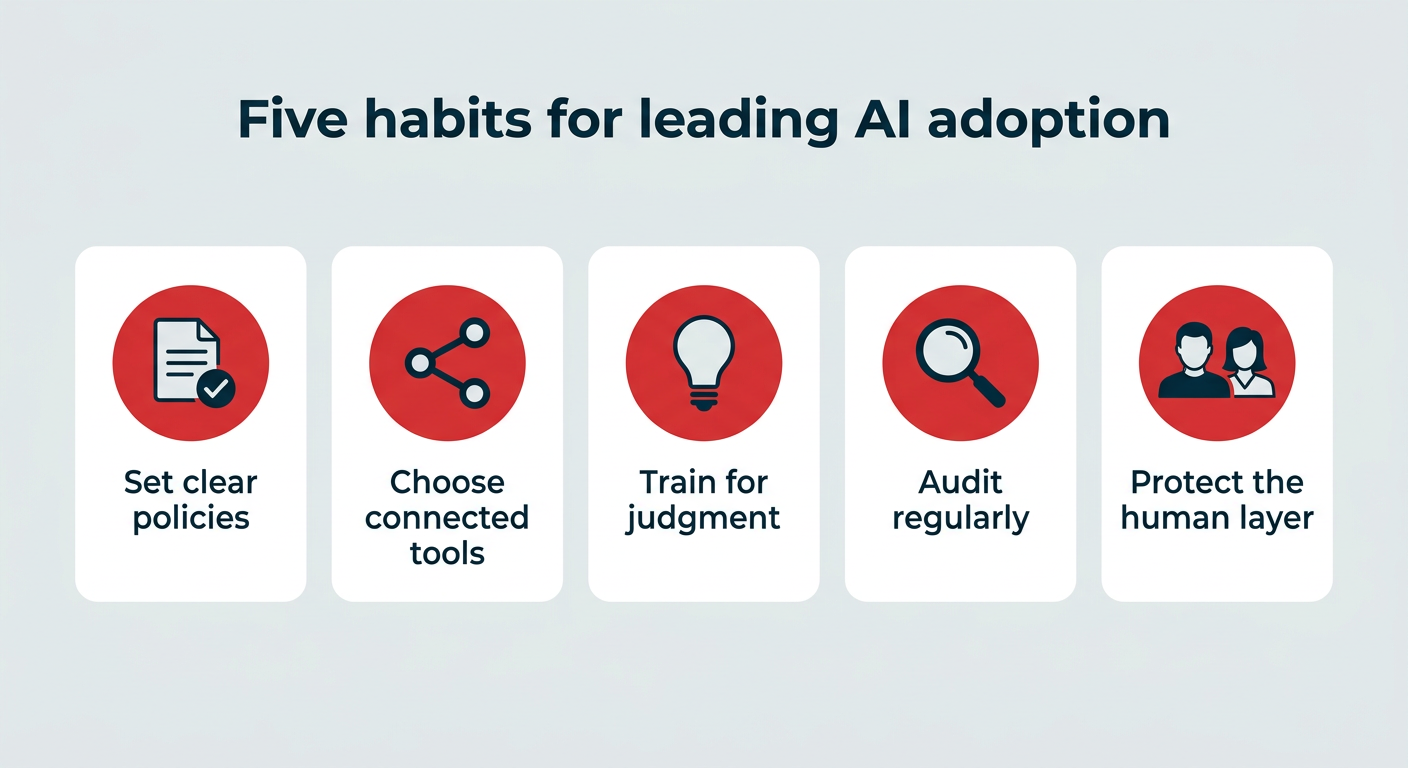
AI has moved from an experimental tool to an operational mandate. Leaders today are tasked with "governing the machine." This involves establishing approval workflows that account for AI-generated content and ensuring that automation does not dilute the brand voice. With AI-driven marketing automation expected to double by 2028, leaders must create a framework that empowers teams to move fast while maintaining strict brand safety.

3. Data Storytelling and Executive Influence
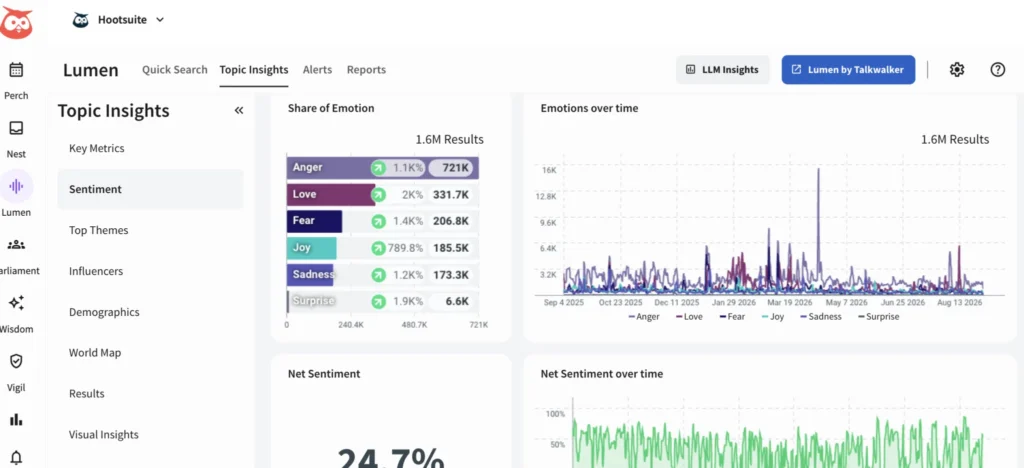
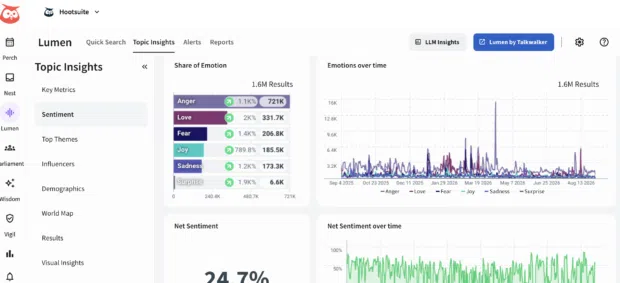
Raw numbers, such as "likes" or "reach," rarely influence budget committees. A leader’s value lies in their ability to translate these metrics into a narrative that executives understand. This includes qualitative data—such as screenshots of meaningful customer conversations and sentiment trends—that prove human connection and brand loyalty. By connecting social metrics to pipeline contribution, leaders elevate the department from a "cost center" to a strategic partner.
4. Crisis Leadership and Reputation Management
In an age of instant digital scrutiny, a brand’s reputation is tested daily. Strong leaders implement systems that allow for calm, consistent responses during volatility. This requires proactive monitoring of sentiment and clear, pre-defined protocols for handling public discourse, ensuring that the brand remains credible even when the internet is not.
5. Cross-Functional Collaboration
Social intelligence is the "missing link" for many departments. A strong leader bridges the gap between silos, feeding social insights to the product team, surfacing competitor messaging for sales, and highlighting employer brand sentiment for HR. By acting as an internal consultant, the social leader transforms social media data into a company-wide asset.
Chronology of the Shift: From Posting to Piloting
The transition of social media into a mature business function has occurred in three distinct phases:
- Phase 1 (The Wild West): Social media was primarily handled by interns or junior staff. The focus was on "being there" and posting content.
- Phase 2 (The Engagement Era): Brands began hiring dedicated managers. The focus shifted to building a following, community engagement, and driving traffic to websites.
- Phase 3 (The Operational Era, 2026 and beyond): Social media is now a critical business operating system. Leaders are accountable for P&L impact, compliance, and multi-year growth strategies.
Supporting Data: The Impact of Professional Leadership
The table below illustrates the critical differences in focus between management and leadership, highlighting why the transition is necessary for enterprise growth.
| Dimension | Social Media Management | Social Media Leadership |
|---|---|---|
| Primary Focus | Execution and output | Direction and outcomes |
| Scope | Channels and campaigns | Budgets and cross-functional systems |
| Core Metrics | Reach and engagement | Brand health and pipeline contribution |
| Decision-Making | Tactical, within guidelines | Sets the guidelines and frameworks |
| Time Horizon | Daily to quarterly | Quarterly to multi-year |
Official Perspectives: Navigating Uncertainty
Shakivla Todd, reflecting on the challenges of the current landscape, emphasizes that "Keeping up with the swiftness of social media is an Olympic sport." She advocates for a leadership style defined by agility. "I’ve learned to be comfortable with uncertainty," she says. "I don’t get too attached to plans. Perfectionist leaders will struggle in this space because you have to be comfortable testing, learning, and moving on quickly."
This sentiment is echoed by enterprise leaders who view "community" as the ultimate defensive moat. By restructuring teams to integrate social communications with Customer Experience (CX) departments, companies can move beyond mere "posting" to creating a seamless service layer that drives retention and loyalty.
The Role of the Social Media Director
The Social Media Director occupies the critical "bridge" role between day-to-day management and high-level leadership. They are the ones who test these strategies at scale. Their responsibilities include:
- Budget Oversight: Allocating resources across global regions.
- Governance Frameworks: Ensuring every post meets legal and brand compliance standards.
- Executive Reporting: Translating social performance into business language.
- Team Development: Coaching staff to move beyond tactical execution into strategic thinking.
Implications for the Future
The most significant implication of this new leadership paradigm is that social media teams can no longer exist in a vacuum. As companies move toward "connected systems" rather than "disconnected point tools," the role of the social leader will continue to expand into areas like data science, cybersecurity, and even corporate law.
To succeed, leaders must prioritize systems like the Hootsuite Social OS, which integrates publishing, listening, and compliance into a single dashboard. This allows for "structure without suffocation"—giving teams the freedom to create while providing the guardrails necessary for enterprise-level risk management.
The Path Forward: Conducting a Leadership Audit
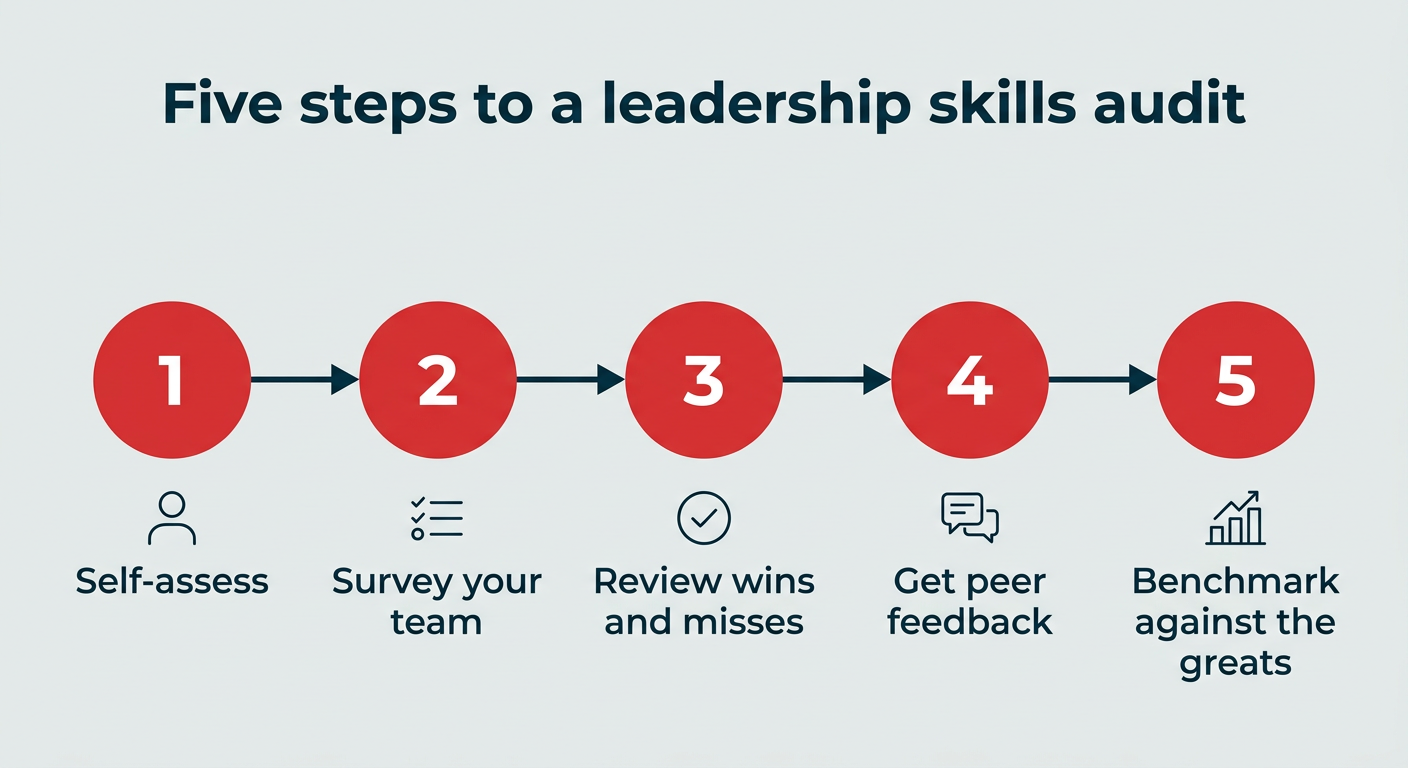
For those looking to ascend into leadership, the first step is a "leadership skills audit." This involves:
- Assessing your communication style: Are you speaking the language of your stakeholders (sales, product, HR) or just your own?
- Evaluating your decision-making: Do you empower your team, or are you a bottleneck?
- Reviewing your metrics: Are you measuring "vanity" or "value"?
By shifting the focus from vanity metrics like follower counts to impact-driven metrics like sentiment, efficiency, and revenue contribution, social media leaders can secure their place at the executive table. As the field continues to mature, those who can lead with both data-driven precision and human empathy will define the future of the brand-consumer relationship.
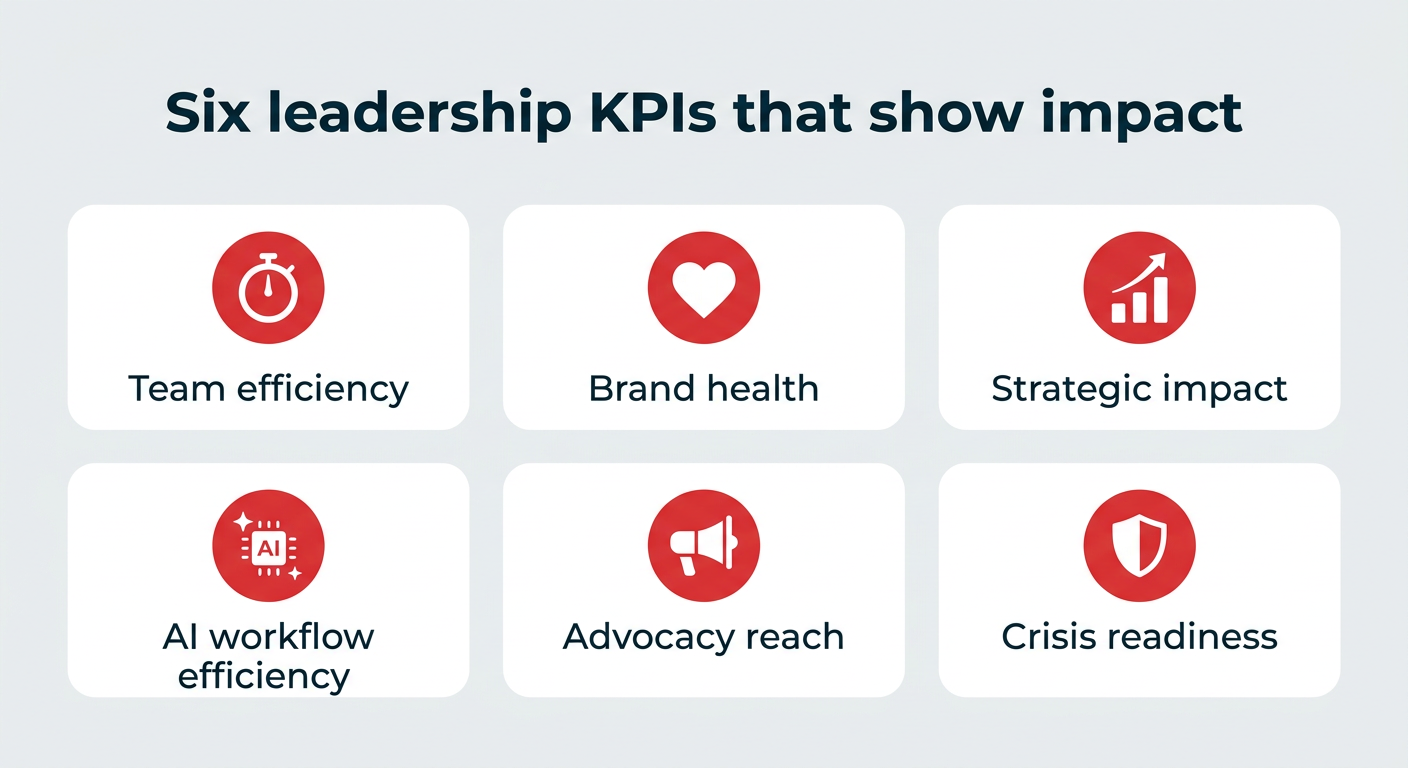
In 2026, the best social leaders aren’t just managing channels; they are building the infrastructure for the next generation of business growth. Through coaching, strategic advocacy, and a commitment to continuous learning, the next generation of social leaders will ensure their organizations don’t just participate in the conversation—they will lead it.
