As the most-watched sporting event on the planet, the FIFA World Cup commands unprecedented global attention. With the tournament jointly hosted across the vibrant cities of Canada, Mexico, and the United States, media companies, brands, and digital creators faced a high-stakes arena online. In an ecosystem saturated with real-time highlights, passionate fan reactions, and brand activations, standing out required more than just jumping on a trending hashtag. It demanded a masterclass in data-driven social video strategy.
To understand how content creators successfully captured eyeballs during the tournament, analysts examined comprehensive social video data from North American creators. By analyzing performance metrics across platforms like TikTok and Instagram, digital strategists have unlocked a blueprint for gold-medal-worthy social content.
Main Facts: The Battle for the Digital Pitch
The 2026 World Cup proved that the battle for audience attention is no longer fought exclusively on television networks or traditional sports channels. While legacy media houses wielded massive distribution power, individual influencers and cross-category brands proved that agility, audience understanding, and niche storytelling could yield staggering results.
Key insights from the data include:
The Power of Individual Creators: The single most-viewed social video of the tournament in North America did not come from a major sports broadcaster like ESPN or Fox Sports. Instead, it was an organic reaction reel published by internet personality iShowSpeed covering the Argentina versus Cape Verde match, which amassed an astonishing 240 million views.
Beyond Sports: While sports media naturally claimed the highest aggregate view counts during the tournament, creators and brands from completely unrelated niches successfully integrated World Cup themes into their content.
The Science of Duration and Timing: Algorithmic success relied heavily on matching video lengths to exact viewer attention spans and publishing during periods of peak audience consumption rather than arbitrary broadcast schedules.
Chronology: How the World Cup Digital Strategy Unfolded
To fully grasp how the social media landscape shifted over the course of the tournament, it helps to examine the timeline of content deployment and audience engagement.
Pre-Tournament: Setting the Stage and Anticipation
Months before the first whistle blew across North American stadiums, savvy creators and marketing teams began laying the groundwork. Brands identified potential crossover opportunities, mapping out content calendars that intersected with travel, food, fashion, and lifestyle. Data insights from previous major tournaments indicated that early-bird content building anticipation significantly lowered customer acquisition and engagement costs once the tournament officially kicked off.
Group Stage: The Volume and Chaos Phase
When the tournament commenced with 48 national teams battling through the group stages, the digital ecosystem experienced a massive surge in video volume. Sports media companies flooded feeds with match highlights, press conferences, and expert analysis. Simultaneously, top-tier creators capitalized on real-time emotional highs and lows. This was the window where viral moments—such as iShowSpeed’s record-breaking reaction video—peaked, proving that raw, authentic fan perspectives could effortlessly outpace polished, institutional broadcasts.
Knockout Rounds and Finals: Precision and Optimization
As the tournament narrowed down to the elimination rounds, content strategies shifted from pure volume to laser-focused optimization. Creators stopped guessing what their audiences wanted and began leaning heavily into analytics. By adjusting video durations to match viewer retention curves and recalibrating posting schedules to align with actual scrolling behavior (rather than traditional match times), successful channels carved out high-performance "whitespace" opportunities amidst the overwhelming noise of the finals.
Supporting Data: What the Analytics Reveal
Data is the ultimate arbiter of social media success. By diving deep into platform analytics from TikTok and Instagram during the tournament, analysts identified distinct patterns that separate viral hits from digital background noise.
Quality over Quantity: Editorial Authority vs. Volume
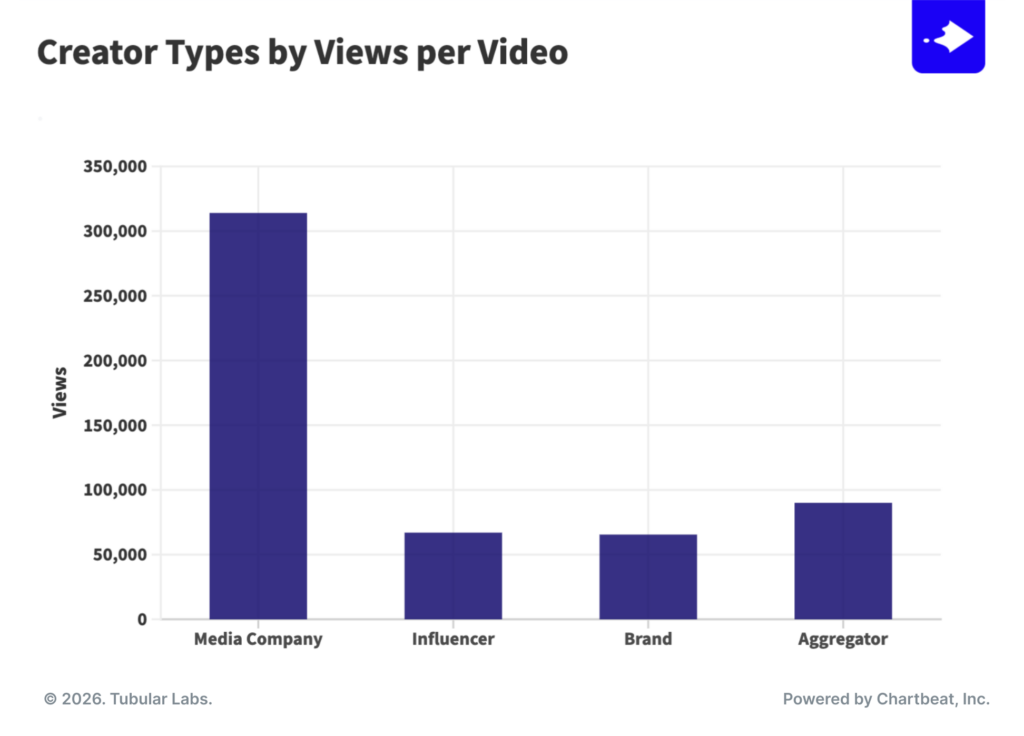
While high-volume posting can maintain baseline visibility, the data reveals a compelling nuance. Independent influencers can capture massive single-video spikes (as demonstrated by top-tier creator reactions), but media companies and editorial-led channels retain a distinct advantage in consistent distribution infrastructure. Name recognition and institutional authority act as a powerful force multiplier, ensuring that when major outlets publish, they capture a reliable, steady stream of engagement.
Cross-Category Integration: The Food & Drink Phenomenon
A tournament featuring 48 nations inherently transforms into a global cultural festival, opening doors for non-sports creators. Data from Instagram highlighted how categories like Food & Drink successfully commandeered the conversation without ever breaking down tactical formations or referee decisions.
Food creators adapted the World Cup into an inclusive cultural moment by leaning into universal experiences:
International Cuisine Spotlights: Showcasing traditional dishes and street foods representing the nations competing on the pitch.
Themed Cocktail Recipes: Crafting signature drinks inspired by participating countries.
By shifting the narrative from athletic performance to shared cultural lifestyle elements, non-sports creators tapped into entirely new demographics of viewers who might otherwise ignore sports-centric content.
Optimal Video Duration and Timing
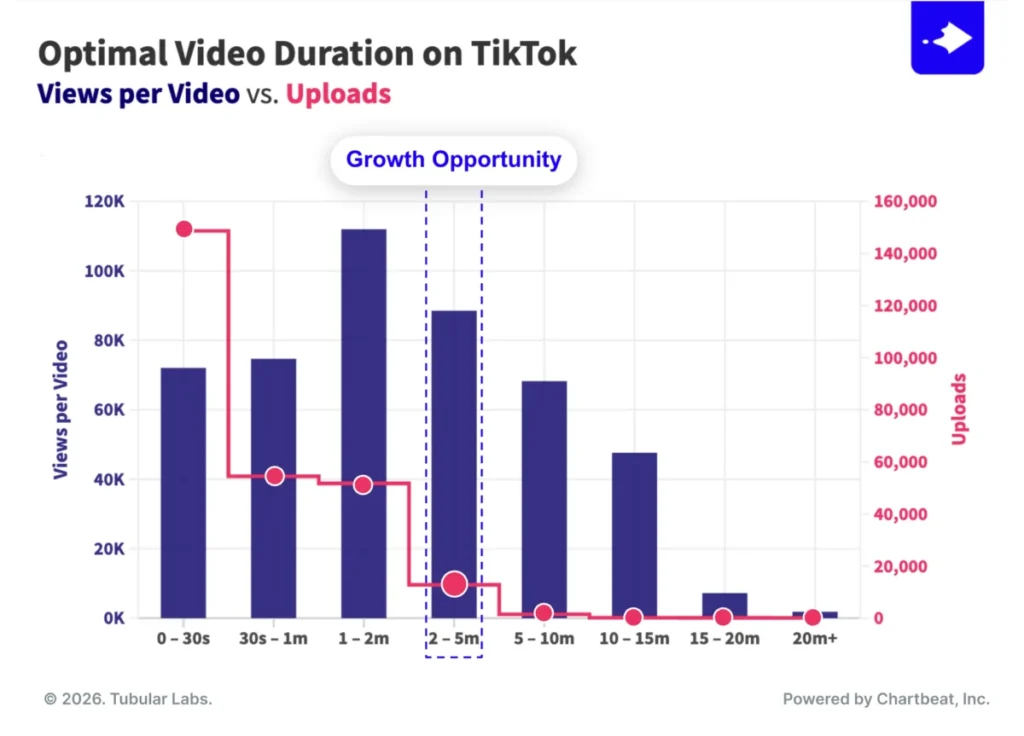
Audience retention is fickle, and guesswork is a creator’s worst enemy. The data clearly demonstrated that tailoring video lengths to match what audiences actually consume—rather than forcing content into arbitrary time limits—drastically improved overall viewing experiences and algorithmic favorability.
Furthermore, a significant disconnect was discovered between when creators thought they should post on Instagram and when audiences were actually active. By auditing historical performance data, digital strategists found that identifying off-peak posting windows with low competition allowed smart creators to capture hyper-engaged audiences who were scrolling outside of traditional peak hours.
Official Responses and Industry Perspectives
Digital marketing executives, social media platforms, and content strategists have heavily weighed in on the shifts observed during the North American World Cup.
Industry analysts point out that the blurring lines between traditional sports broadcasting and influencer culture mark a permanent evolution in digital media consumption. A spokesperson for digital media intelligence platforms noted:
"The 2026 World Cup was a watershed moment for social video. We are no longer living in an era where broadcasters dictate the entire narrative. Audiences crave authenticity, emotional proximity, and relatable cultural tie-ins. If your brand cannot find an organic bridge to a major global event, you risk becoming invisible."
Meanwhile, independent creators have emphasized the democratization of reach. The ability for a single creator in a bedroom to rival—and occasionally surpass—the view counts of century-old sports networks underscores the egalitarian nature of modern algorithmic distribution. Platforms like TikTok and Instagram have continually adjusted their recommendation engines to reward viewer retention and genuine engagement above sheer brand legacy, creating a fiercely competitive landscape where strategy trumps budget.
Implications: How to Win the Next Big Cultural Moment
The lessons learned from the North American World Cup extend far beyond soccer. Whether brands and creators are preparing for the next Olympic Games, a major entertainment awards show, or a global cultural phenomenon, the strategic takeaways remain universal.
1. Master the Art of Crossover Relevance
You do not need to operate within a specific niche to participate in a massive global conversation. Identify the natural overlaps between your industry and the cultural event at hand. Whether through lifestyle, food, fashion, or humor, find the authentic angle that speaks directly to your specific community.
2. Prioritize Data-Driven Optimization over Assumptions
Stop guessing when your audience is scrolling or how long they are willing to watch your content. Leverage advanced social video intelligence tools to audit your performance metrics. Align your video durations with audience retention sweet spots and experiment with alternative posting schedules to uncover low-competition whitespace.
3. Balance Reach with Authenticity
While institutional authority and distribution infrastructure provide a reliable safety net, raw, human-centric storytelling drives massive cultural spikes. The modern viewer can spot forced marketing from a mile away; winning content requires a delicate balance of professional polish and genuine, relatable enthusiasm.
By truly understanding your audience and leveraging granular data insights, you can ensure that your brand or channel captures attention—and keeps it—during the next great global event.