

The New Frontier of Social Media: Developing a Strategic Playbook for Bluesky
As the social media landscape undergoes a seismic shift toward decentralization, businesses are increasingly faced with a critical question: "Should we be on Bluesky?"
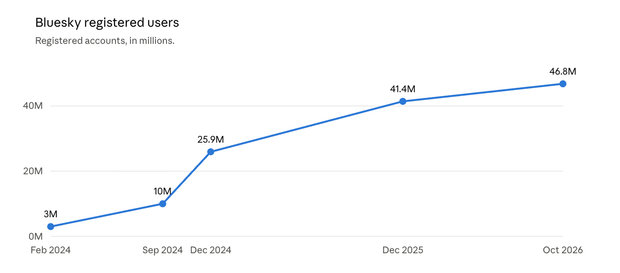
While platforms like X (formerly Twitter) and Instagram have long dominated the digital marketing sphere, the rise of Bluesky represents a fundamental change in how users interact, discover content, and define community. With over 46 million registered users as of October 2026—a surge of nearly 60% in the preceding year—Bluesky has moved beyond a niche experiment into a legitimate channel for brand communication and thought leadership.

This article explores the mechanics of this decentralized platform, the strategic imperatives for brands, and how to navigate a space that rewards genuine utility over paid promotion.
The Genesis of Bluesky: A Decentralized Evolution
At its core, Bluesky is a decentralized social network built on the AT Protocol. Unlike legacy platforms where a singular, opaque algorithm dictates the user experience, Bluesky allows for a level of user autonomy previously unseen in the mainstream social media space.

The platform allows users to choose their own feeds, follow specific topics, and curate their digital environments without being beholden to a "black box" algorithm. This architectural difference is the most important factor for brands to understand. On Bluesky, you are not necessarily competing for the attention of the masses; you are competing for the attention of specific communities that have chosen to view content relevant to their interests.
Why Traditional Strategies Fail on Bluesky
Most brands fail on emerging platforms because they attempt to port their existing content strategies from highly algorithmic platforms like X or LinkedIn. On those platforms, viral mechanics and paid reach often compensate for thin content. On Bluesky, the absence of an integrated ad network means that the old "pay-to-play" model is non-existent. Every brand starts on equal footing, and attention must be earned through high-value, authentic contributions.

Chronology of Growth: From Niche to Necessity
Bluesky’s growth trajectory has been marked by sudden, massive influxes of users, often triggered by geopolitical events or shifts in the broader social media landscape.
- Late 2024: Following the U.S. presidential election, the platform experienced a record-breaking surge as millions of users sought an alternative to the increasingly polarized environment of legacy social networks.
- 2025: A pivotal year of expansion. According to the company’s 2025 transparency report, the platform grew by approximately 60%, reaching 41.41 million registered users.
- October 2026: The platform officially surpassed the 46.8 million user mark. This growth signals that Bluesky has reached a "critical mass" stage where it can no longer be ignored by PR teams, research departments, and brand strategists.
Supporting Data: Who is Really on Bluesky?
To build an effective strategy, one must understand the demographic composition of the platform. Data from Similarweb in 2026 reveals a specific, albeit evolving, audience profile:
- Gender: 64% male, 36% female.
- Age: The largest cohort is the 18–24 age range, representing 32% of total visitors.
- Geography: The platform is heavily U.S.-centric (49% of web traffic), with significant user bases in the United Kingdom (9%), Japan (6%), Germany (6%), and Canada (5%).
Beyond these demographics, the platform is notable for its concentration of "high-value" users, including journalists, academics, software engineers, and industry researchers. This creates an environment where intellectual capital and expertise carry more weight than mass-market viral stunts.
Strategic Implications: Building a Presence Without Ads
Because Bluesky lacks a native advertising suite, the "marketing" must change. The goal is no longer acquisition through clicks, but community-building through reputation.
The 80/20 Rule for Content
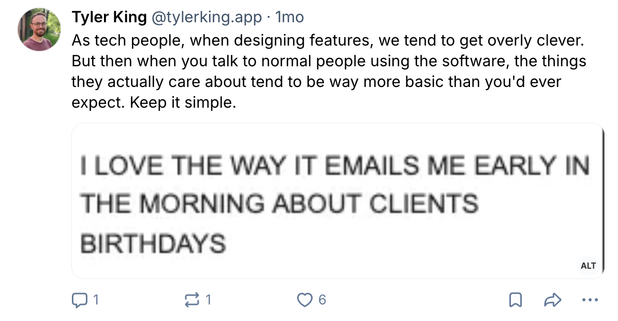
A robust content mix on Bluesky should adhere to the 80/20 principle: 80% of your activity should provide genuine, non-promotional value to your community, while 20% can be reserved for brand initiatives or product updates.
- Educational Content: Providing "how-to" guides, industry insights, or deep-dives into your specific field.
- Humanization: Highlighting the people behind the brand. Featuring your C-suite or lead developers in video content or casual Q&As helps bridge the gap between corporate entity and human participants.
- Community Participation: Engaging in threads that are relevant to your brand’s expertise without immediately pivoting to a sales pitch.
The Power of Custom Feeds
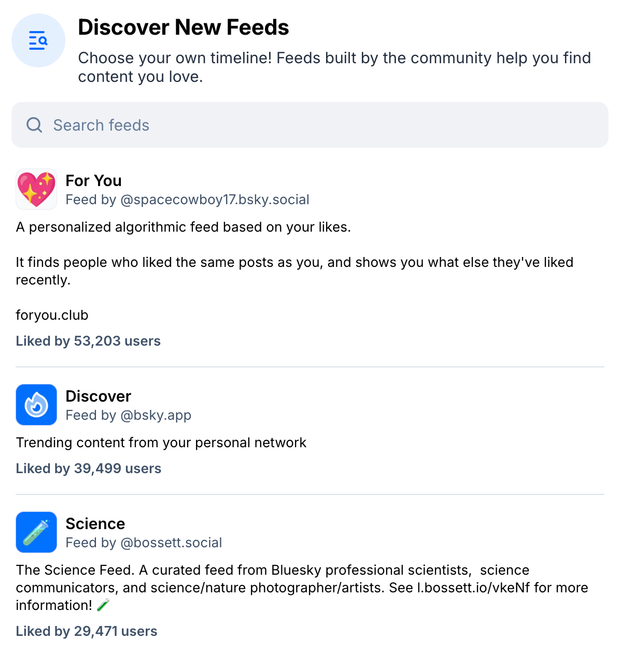
One of the most powerful tools at a brand’s disposal is the ability to engage with—or even create—custom feeds. If your brand is in the outdoor retail space, monitoring the "Backpacking" feed allows you to see exactly what pain points your customers have. By engaging in those conversations, you establish your brand as a helpful expert rather than an intrusive advertiser.
Official Responses and Expert Consensus
Industry experts, such as Ben Metcalfe of BlackFire Marketing, emphasize that Bluesky should be viewed as a "community-building channel" rather than a "paid acquisition channel."
"With no ad budgets to lean on, your growth will come from being useful in conversations, building or joining custom feeds, and, most importantly, giving people a reason to follow you," says Metcalfe.

The consensus among digital strategists is that the lack of an algorithmically-driven "feed of the day" is a feature, not a bug. It forces brands to be consistent. Because the Following feed is purely chronological, the "shelf life" of a post is shorter, requiring brands to maintain a steady, high-quality cadence rather than relying on one lucky post to go viral.
Practical Steps: A Step-by-Step Implementation
If your team has decided to take the leap, follow this framework to ensure your brand stands out:
- Define Your North Star: Are you looking to build authority, support customer service, or cultivate a niche community? Define this before your first post.
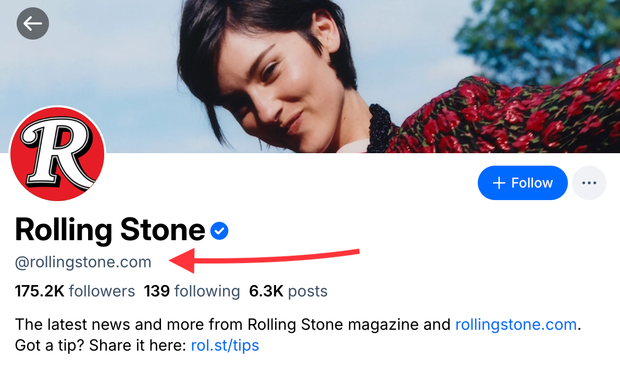
- Establish Identity: Use a custom domain handle (e.g., @yourbrand.com). It authenticates your brand and prevents impersonation.
- Identify Your Pillars: Choose three core topics your brand can speak on consistently.
- Monitor the Ecosystem: Use social listening tools to identify which custom feeds are most relevant to your industry.
- Schedule for Consistency: Use tools like Hootsuite’s Perch to plan your content calendar. Because the feed is chronological, your timing should be dictated by when your specific audience is most active, not when a broad algorithm suggests.
- Measure and Adapt: Leverage AI-driven insights—like Hootsuite’s Wisdom—to query your performance data in plain language (e.g., "What were our top-performing posts on Bluesky last week?") to refine your approach continuously.
Avoiding the "Corporate" Pitfall
The most common mistake brands make is treating Bluesky like a press release distribution channel. A sterile, overly-curated corporate tone is often met with cold receptions on the platform.
- Avoid: Posting links without context or commentary.
- Avoid: Long periods of silence followed by a flood of promotional content.
- Avoid: Ignoring the "social" in social media. If you don’t reply to comments or engage with other users, you will find it nearly impossible to grow your reach.
Conclusion
Bluesky is currently in a state of rapid maturity. It offers a unique opportunity for brands that are willing to play the "long game" of building genuine authority. While it lacks the automated reach of legacy platforms, it offers something arguably more valuable: a highly engaged, intellectually curious audience that values transparency and utility.

For the modern brand, success on Bluesky is not found by shouting louder than the competition, but by being the most helpful, human, and consistent voice in the room. As the digital landscape continues to decentralize, those who master the art of community-first engagement today will be the ones who define their industry’s discourse tomorrow.
