

The Architecture of Efficiency: How to Build a Scalable Agency Tech Stack
Marketing agencies rarely suffer from a lack of talent or ambition. Instead, they often collapse under the weight of their own "tool sprawl." In the modern digital landscape, agencies are increasingly prone to adopting disconnected systems that slow down delivery, dilute ownership, and turn essential reporting into an exhausting manual chore. As overhead costs rise through redundant seat licenses, overlapping feature sets, and hidden add-ons, the profitability of client accounts begins to erode.
This guide provides a comprehensive framework for building a lean, agency-ready tech stack that prioritizes operational speed, administrative clarity, and, most importantly, margin control.
The Anatomy of an "Agency-Ready" Tool
In the agency world, a tool’s value is not defined by its sheer number of features, but by its ability to provide control at scale. When an agency moves from five clients to fifty, the primary business risk shifts from "Can we execute this?" to "Can we execute this consistently, profitably, and without error?"
Tools that earn their keep in a high-growth agency environment share four critical characteristics:
- Multi-Tenant Architecture: Support for multiple client workspaces or "child" accounts that can be managed from a single "parent" dashboard.
- Granular Permissioning: The ability to restrict client access while granting team members specific levels of control, ensuring brand safety.
- Process Repeatability: Built-in templates and workflows that allow for the "rinse and repeat" delivery of services.
- Automated Reporting: Data visualization that pulls directly from APIs to eliminate manual spreadsheet cleanup at the end of each month.
A Chronology of Operational Evolution
As agencies mature, their stack typically evolves through three distinct stages of development. Understanding this trajectory is vital to avoiding premature investment in over-engineered software.
Phase 1: The Foundation (The "Doer" Stage)
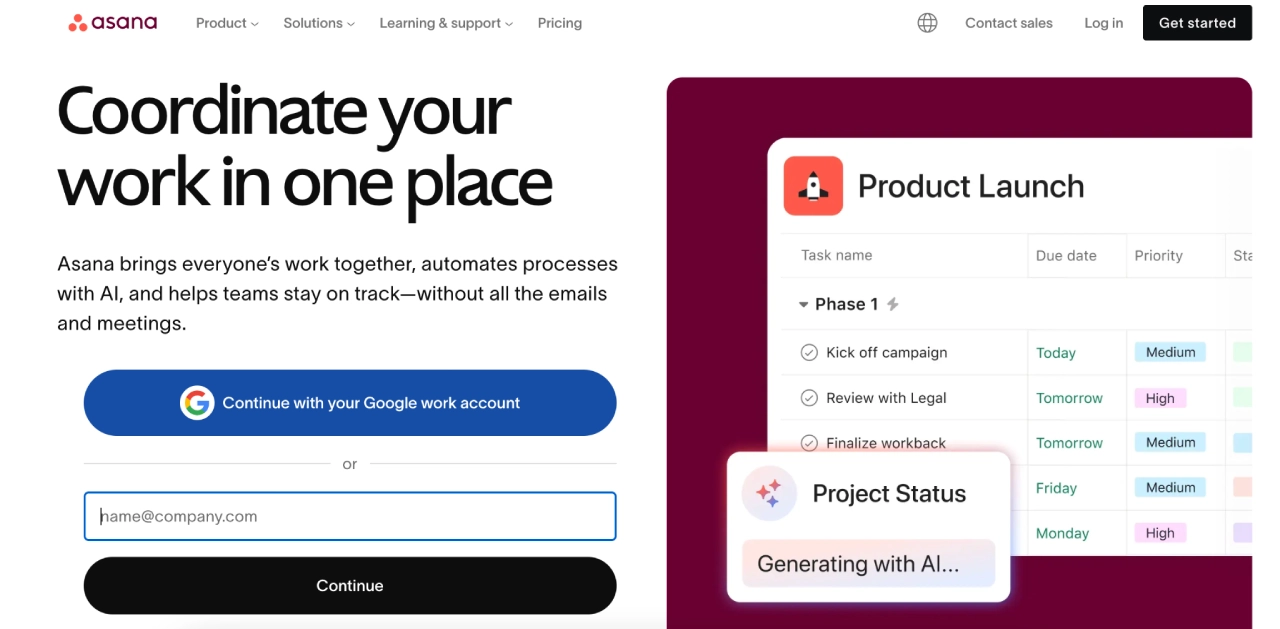
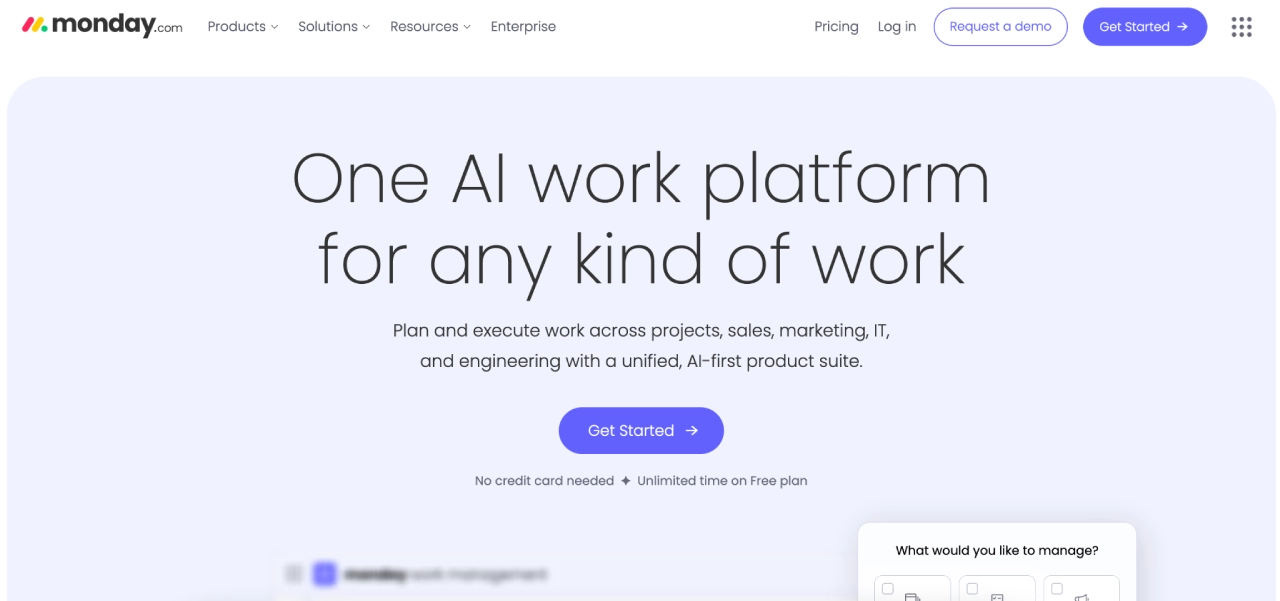
At this stage, the priority is survival and speed. Agencies rely on lean, general-purpose tools to handle communication and basic task management. The stack usually includes a collaboration tool (Slack), a simple design platform (Canva), and a flexible project management tool (Asana or monday.com). Automation is limited to basic task triggers via Zapier.
Phase 2: The Scaling Stage (The "Systematizer" Stage)
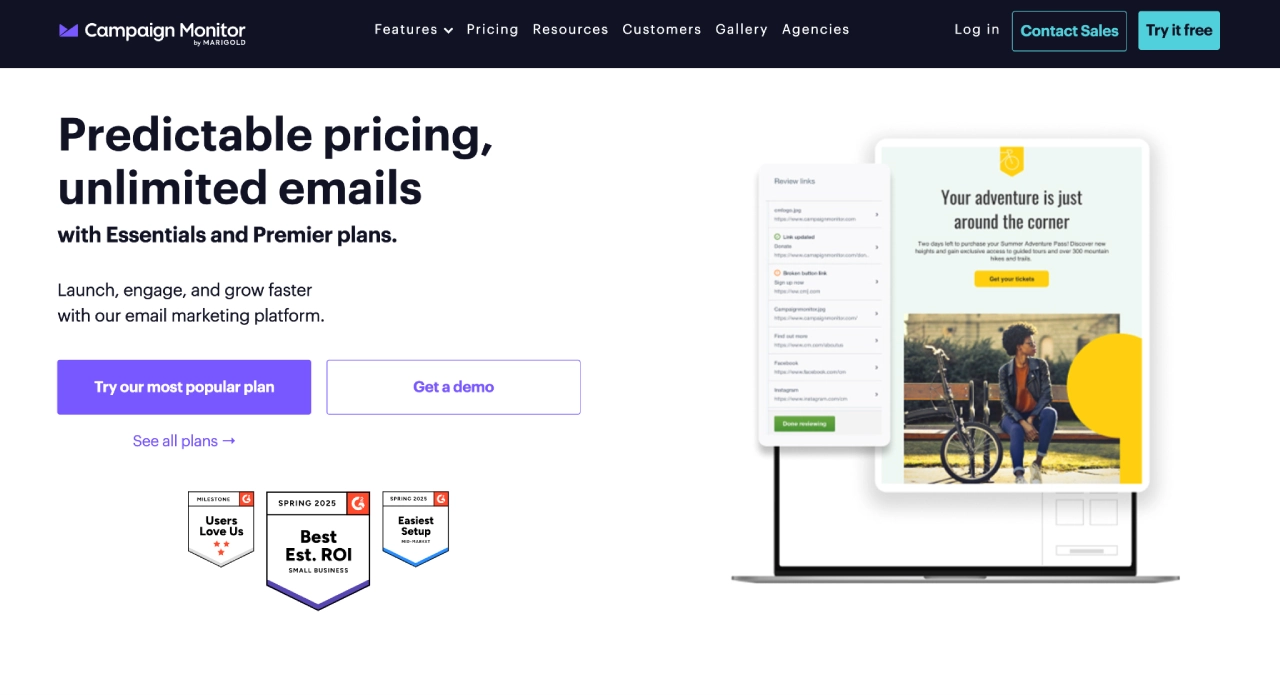
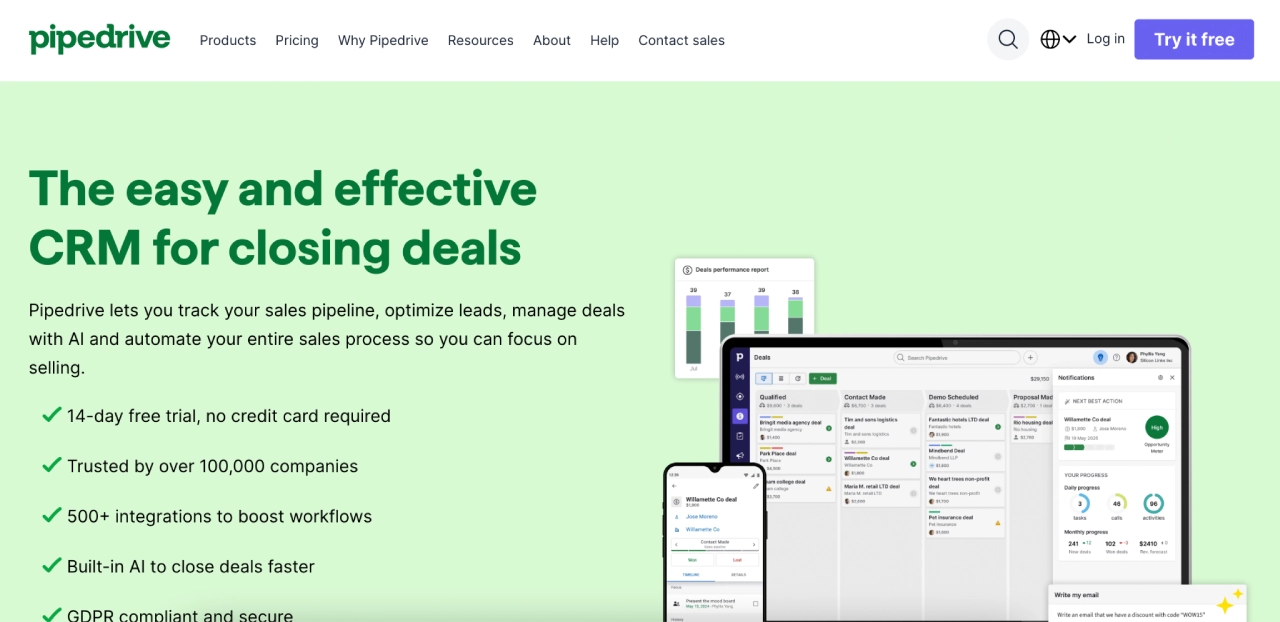
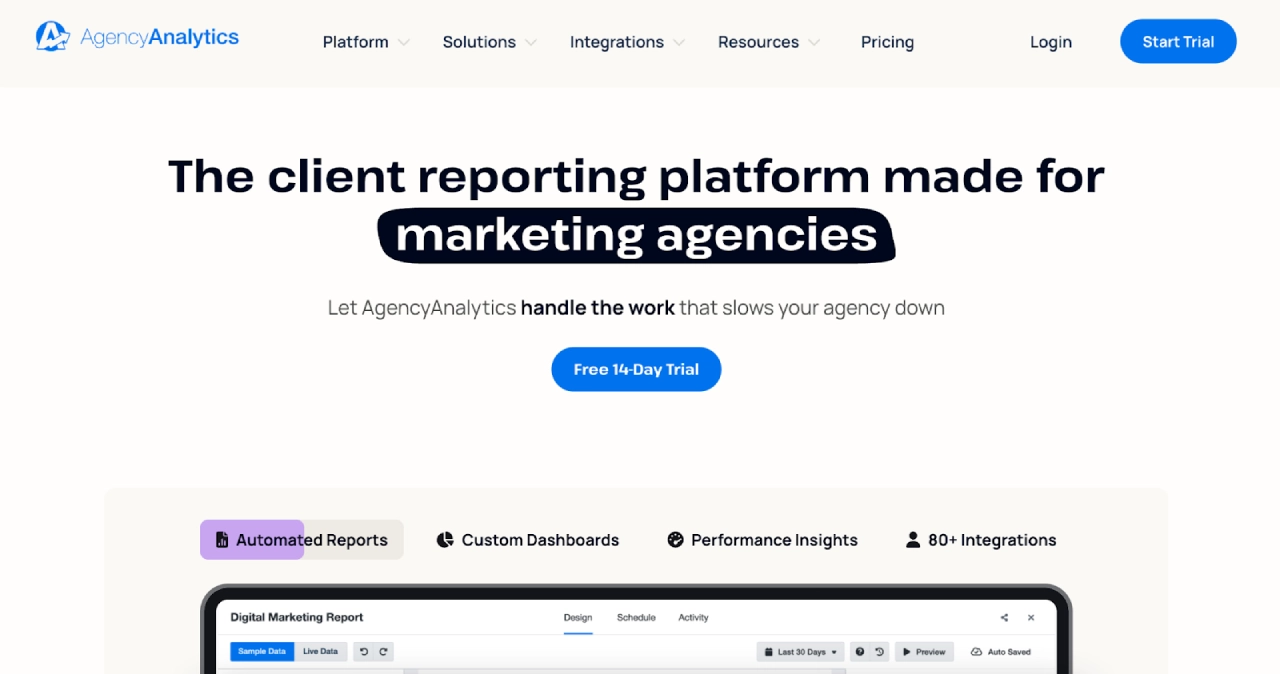
As client volume increases, the agency must professionalize its delivery. This is when the "Agency-Ready" tools become mandatory. The agency introduces dedicated email marketing platforms like Campaign Monitor for multi-client management, specialized reporting tools like AgencyAnalytics, and CRM systems like Pipedrive to manage the sales pipeline.
Phase 3: The Governance Stage (The "Enterprise" Stage)
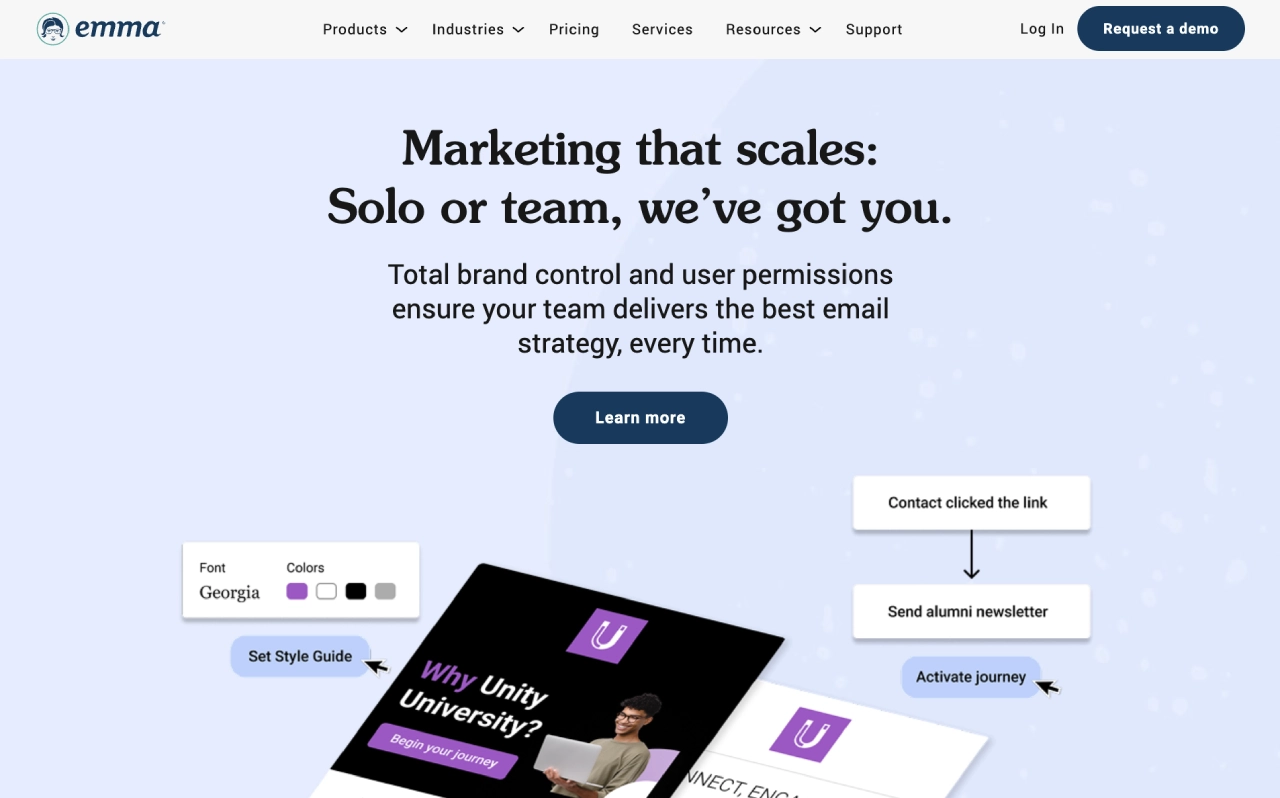
At the pinnacle of agency growth, the focus shifts to brand governance and compliance. Platforms like Emma are introduced to provide enterprise-grade controls for multi-location or multi-brand clients. At this point, the agency is no longer just "doing work"; it is managing a complex ecosystem of data, permissions, and service-level agreements.
Supporting Data: The Agency Tool Landscape
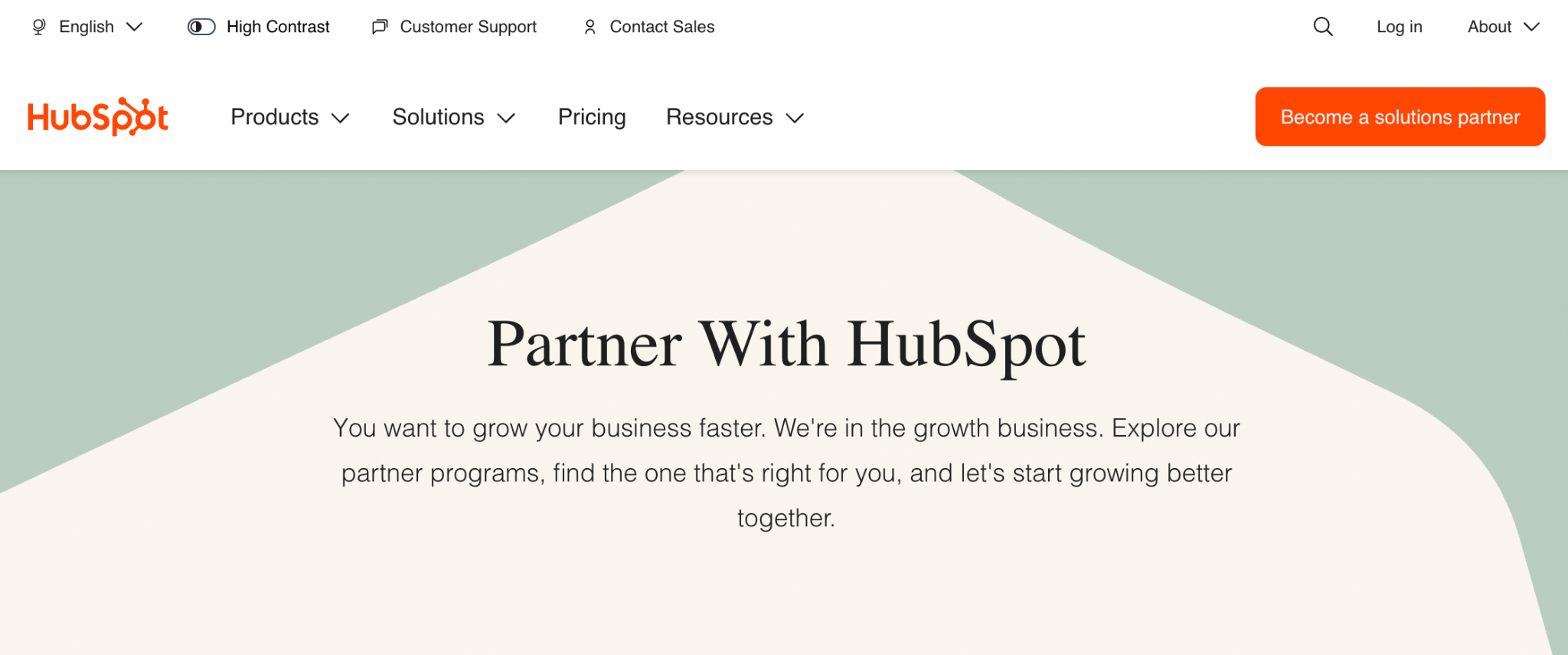
To help agencies evaluate their current investments, the following table summarizes the primary tools used by high-performing agencies as of late 2025.
| Tool | Category | Key Agency Advantage | Pricing (Approx.) |
|---|---|---|---|
| Campaign Monitor | Email Marketing | Multi-client dashboard, white-label | $12–$159/mo |
| Emma | Enterprise Email | Multi-brand/location governance | $99+/mo |
| Asana | Project Management | Dependency tracking | $10.99+/user/mo |
| monday.com | Workflow Ops | Visual, custom dashboards | $12–$24/seat/mo |
| HubSpot | CRM | Robust sales pipeline | $800–$3,600/mo |
| AgencyAnalytics | Reporting | Automated white-labeling | $79–$479/mo |
| Zapier | Automation | Universal integration | Free–$103/mo |
Note: Pricing reflects current market rates as of December 2025 and is subject to change based on vendor updates.
Deep Dive: Critical Components of a Winning Stack
1. Email Marketing: The Case for Multi-Client Management
Email marketing is one of the few channels that remains highly standardized. For agencies, the challenge is not writing the email, but managing the infrastructure for dozens of different clients. Campaign Monitor stands out here because it allows agencies to manage 40+ client accounts from a single interface. By offering white-labeling and consolidated billing, agencies can turn a high-touch manual process into a repeatable, margin-friendly product.
2. The Automation Layer: Zapier and Make
Automation is the "connective tissue" of a modern agency. While Zapier is the industry standard for simple "if this, then that" workflows, agencies with complex data needs often migrate to Make (formerly Integromat). Make’s visual builder allows for complex logic, such as routing leads from a specific client’s Facebook ad directly into their unique CRM or project management board.

3. Client Portals and Operations
As agencies grow, the "email thread" method of communication becomes a bottleneck. Platforms like AgencyHandy offer a dedicated client-facing portal. This centralizes billing, task status updates, and file deliverables, drastically reducing the time spent on "Where is this project?" client emails.
Official Perspectives: The "Less is More" Philosophy
Industry experts suggest that the most successful agencies are not those with the most tools, but those with the most discipline. The consensus is clear: Define your delivery workflow first, then choose tools that reinforce that model.
"Contrarian as it may sound," one agency consultant noted, "agencies rarely struggle because a tool is ‘bad.’ They struggle because they adopt software before they have defined their service boundaries. If you buy a complex project management tool before your team has a standardized process for client onboarding, you’re just automating chaos."
The Financial Implications of Tool Sprawl
The true cost of an agency tech stack is often hidden. When evaluating a new tool, agencies must look beyond the "per user" fee. Costs generally scale in three ways:
- Seat-Based Pricing: Scales with your headcount.
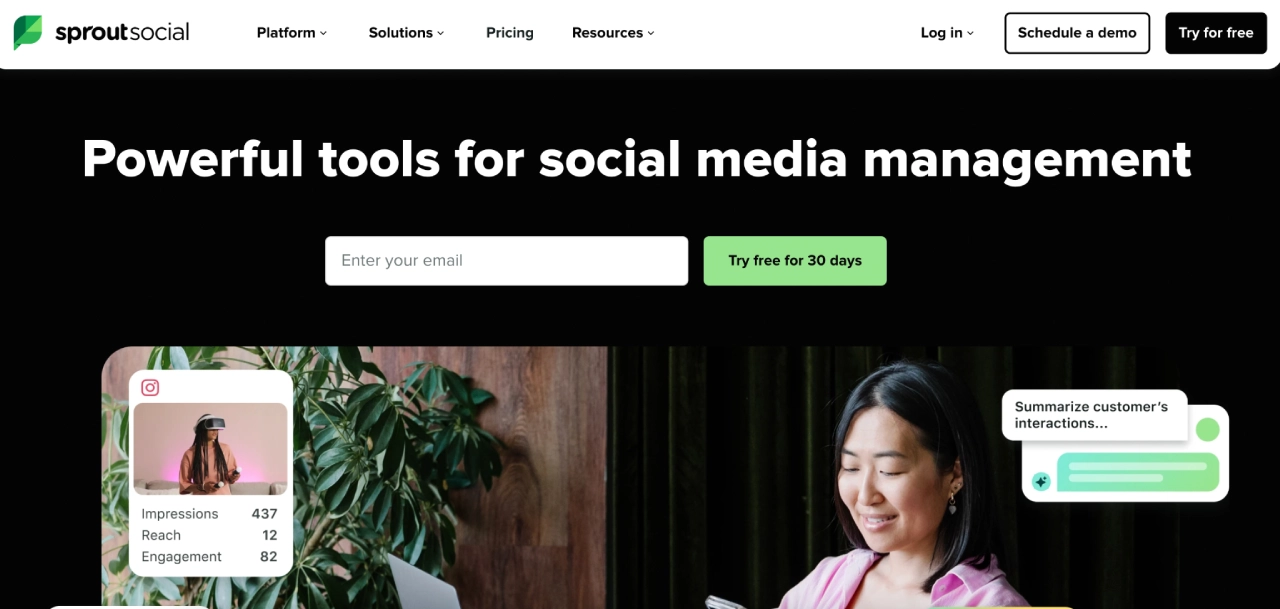
- Client-Based Pricing: Scales with your success (e.g., AgencyAnalytics).
- Volume-Based Pricing: Scales with your activity (e.g., Zapier tasks, email sends).
A tool that is affordable for five clients can become a significant drag on margins at fifty. Therefore, agencies should prioritize "fixed-cost" tools where possible, or tools that offer "all-in-one" capabilities to reduce the total number of vendor relationships.
Conclusion: Building for the Future
The best agency stacks are designed to be invisible. They exist to run in the background, allowing the creative and strategic talent to focus on delivering value to clients. When the stack is properly configured—with a clear separation between project management, reporting, communication, and automation—the agency becomes a scalable machine.

For agencies currently offering email marketing as a service, the goal should be to treat it as a standardized, measurable product. By leveraging tools like Campaign Monitor, agencies can eliminate the friction of multi-client management and reclaim hours of billable time each week.
As you refine your stack, remember: the goal is not to have the most sophisticated software, but to have the most manageable one. Start by auditing your current tools, identifying where they overlap, and ruthlessly trimming the excess. Your margins—and your sanity—will thank you.
Disclaimer: This article provides general information regarding agency operations and technology. It does not constitute financial, legal, or tax advice. Agencies should consult with professional advisors before making significant changes to their operational infrastructure.
