
The Architecture of Disruption: Scaling Lessons from Uber, Spotify, and Airbnb
In the modern digital economy, few companies have reshaped the global landscape as profoundly as Uber, Spotify, and Airbnb. These "category kings" did not merely introduce new products; they dismantled legacy industries, altered consumer behavior, and set new benchmarks for what it means to scale a business in the 21st century.
While their industries differ—transportation, music, and hospitality—their growth trajectories share a common DNA. By analyzing their rise from nascent startups to global titans, we can distill five fundamental growth strategies that continue to serve as a blueprint for businesses seeking to achieve accelerated, sustainable success.
1. The Culture of Perpetual Experimentation
At the heart of these companies lies a refusal to settle for a "fixed" product. They operate on the premise that the market is a moving target and that the only way to hit it is to iterate constantly.
Uber’s Pivot from Luxury to Utility
Uber’s journey began as "UberCab," an exclusive, high-end black car service for the elite. However, the company quickly realized that to achieve mass-market dominance, it had to pivot. Through constant experimentation with pricing models and service tiers—launching UberX, UberPOOL, and eventually UberEats—the company transformed from a niche luxury provider into a daily utility.

Airbnb’s Professionalization Experiment
In its infancy, Airbnb faced a significant hurdle: low-quality, amateurish photos on listing pages were causing potential guests to shy away. Recognizing this as a friction point, Airbnb launched a bold experiment: providing professional photography services to hosts. This data-backed hunch proved transformative, leading to higher booking rates and a permanent change in how the platform verified quality.
Spotify’s Personalized Feedback Loops
Spotify treats the music library not as a static archive, but as a dynamic experience. By experimenting with machine learning algorithms to generate "Discover Weekly" and other personalized playlists, Spotify turned the chore of searching for music into a frictionless experience. These experiments are not side projects; they are the engine of their user retention strategy.
2. Data-Driven Decision Making: Beyond Intuition
In the era of Big Data, these disruptors have moved beyond gut feelings, building their strategies on the bedrock of empirical evidence.
The Science of Dynamic Pricing
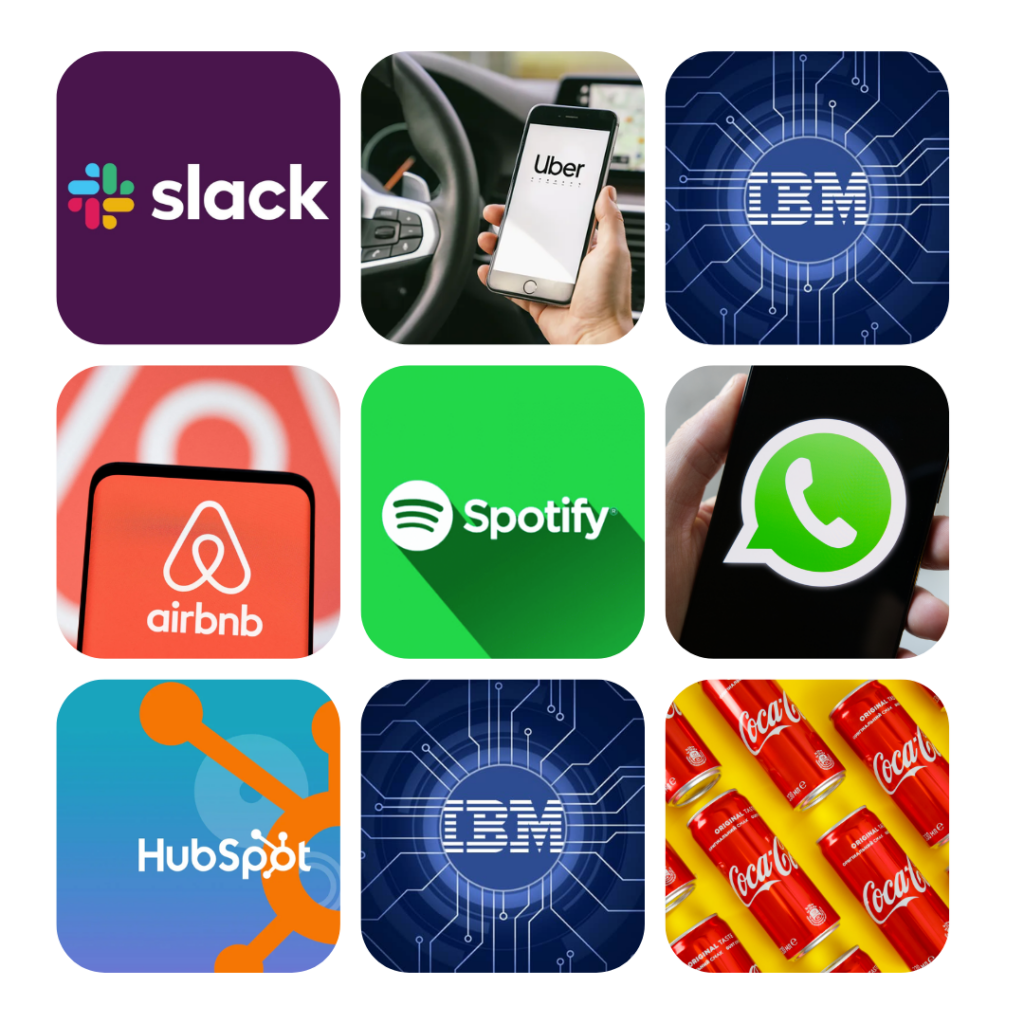
Uber’s surge pricing is perhaps the most famous example of data-driven market equilibrium. By utilizing real-time traffic data, weather patterns, and local events, Uber’s algorithms balance supply and demand dynamically. This ensures that the platform remains reliable even during peak periods, a feat that would be impossible without a sophisticated data infrastructure.
Algorithmic Search and Smart Pricing
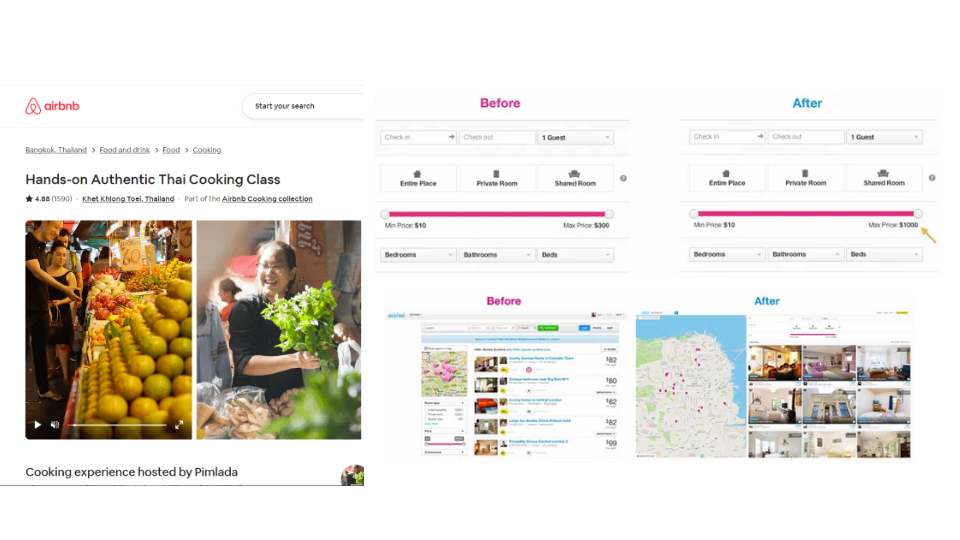
Airbnb employs similar logic. Their "Smart Pricing" tool provides hosts with algorithmic suggestions based on local demand trends and seasonality. By removing the guesswork from the host’s pricing strategy, Airbnb optimizes the marketplace for both the supplier and the consumer, creating a seamless, efficient transaction ecosystem.
3. The "Fail Fast" Philosophy
Innovation is inherently risky. To innovate, companies must be willing to fail—and more importantly, to fail cheaply and quickly.
Embracing the Pivot
Uber, Airbnb, and Spotify have all cultivated environments where failure is viewed as a necessary cost of research and development. When an experiment fails, the goal is not to assign blame, but to extract the lesson and iterate.
- Airbnb: Their "Experiences" feature was a significant pivot from their core accommodation business. While not every initial experience was a success, the willingness to iterate allowed them to turn a simple booking site into a full-service travel ecosystem.
- Spotify: The aggressive push into podcasts—including high-profile acquisitions like The Joe Rogan Experience—was a calculated risk. By treating content acquisition as an experiment in platform diversification, Spotify successfully insulated itself from the volatility of music licensing fees.
4. Cross-Functional Collaboration: Breaking the Silos
The "move fast and break things" mentality can lead to chaos without a unifying culture. These companies have mastered the art of cross-functional collaboration, ensuring that engineering, marketing, and design teams are not just talking to each other, but working toward the same North Star.
The Spotify "Squad" Model
Spotify is famous for its organizational structure, often referred to as the "Squad" model. By grouping employees from different disciplines—data scientists, designers, and engineers—into small, autonomous units, they minimize bureaucratic friction. This structure allows a team to own a specific feature from conception to deployment, fostering a sense of shared responsibility and rapid execution.
Uber’s Operational Integration
At Uber, the operations team works in lockstep with the product team. When the product team develops a new routing algorithm, the operations team is simultaneously gathering feedback from drivers on the ground. This feedback loop ensures that technical improvements are grounded in real-world application, preventing the disconnect that often stalls growth in large organizations.
5. The Obsession with Seamless User Experience (UX)
Ultimately, all the data and experimentation in the world are useless if the product is difficult to use. These companies have turned UX into their primary competitive advantage.
Redefining Expectations
- Uber: By making the transaction invisible—no cash, no hailing, no confusion—Uber changed the psychology of transport. The user interface (UI) is designed for a one-click experience, reducing cognitive load for the user.
- Airbnb: Trust is the currency of the sharing economy. Airbnb built a seamless UX by prioritizing verified profiles, secure, escrow-style payment systems, and robust review mechanisms. They turned the "stranger danger" of staying in someone else’s home into a safe, branded experience.
- Spotify: The platform is a masterclass in cross-device fluidity. A user can start a song on their laptop, switch to their phone, and finish on their smart speaker without a second of latency. This level of technical excellence creates a "sticky" ecosystem that users find nearly impossible to leave.
Implications for Today’s Startups
The success of these three giants offers a clear roadmap for the next generation of entrepreneurs.
- Iterate or Stagnate: If you aren’t running at least a dozen tests a month, you are likely falling behind.
- Let the Data Lead: Intuition is a starting point, but data is the validator.
- Institutionalize Failure: Create a culture where a failed experiment is celebrated as a "learning event."
- Flatten the Hierarchy: Silos are the enemy of innovation. Bring your designers and engineers together as early as possible.
- Remove Friction: Your product’s success is directly proportional to how much "work" the user has to do to achieve their goal. Reduce that work to zero.
The journey of Uber, Spotify, and Airbnb proves that exponential growth is not an accident. It is the result of a deliberate, disciplined, and relentless focus on the customer experience and an unwavering commitment to learning. As the digital landscape continues to evolve, these five pillars remain the gold standard for any company looking to disrupt the status quo.
By applying these lessons, modern startups can transform from small-scale ventures into global phenomena, proving that with the right strategy, the sky is not the limit—it is simply the next market to be disrupted.
