
The AI Marketing Revolution: Scaling Precision in a 2026 Landscape
The modern marketing landscape is no longer defined by who can shout the loudest, but by who can whisper the most relevant message to the right person at the exact right moment. As we navigate 2026, the adoption of Artificial Intelligence (AI) has shifted from a "competitive advantage" to a "table stakes" requirement. For agencies and in-house teams alike, the challenge is no longer about finding software that "saves time"—it is about selecting tools that fundamentally reshape the boundaries of what is possible.
The real expense in today’s marketing ecosystem is not the price tag on a SaaS subscription; it is the opportunity cost of hours squandered on manual data entry, generic, one-size-fits-all messaging, and strategic decisions made in the absence of actionable data. Agencies that have successfully integrated AI into their workflows are pulling ahead because they execute with greater speed, achieve deeper personalization, and optimize their performance continuously.
The Evolution of the Marketing Stack: A Chronology of Change
To understand where we are, we must look at how we arrived here.
- Pre-2022 (The Manual Era): Marketing was defined by "brute force" tactics. Teams spent weeks crafting email segments, manually A/B testing subject lines, and relying on static, historical reporting that was often months out of date by the time it reached a decision-maker.
- 2023–2024 (The Generative Explosion): The release of large language models (LLMs) triggered a gold rush. Marketers rushed to adopt generative AI for basic copywriting and image creation. However, many early adopters suffered from "prompt fatigue" and "generic content bloat," where speed replaced quality.
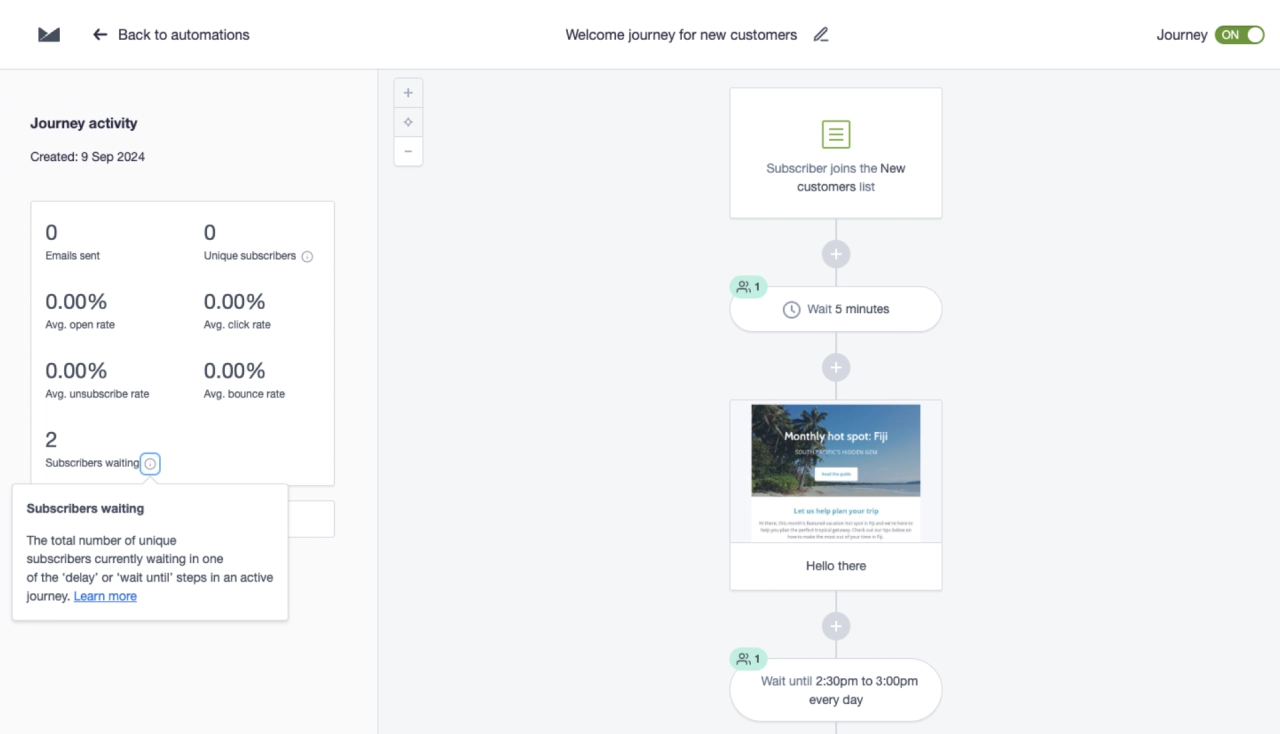
- 2025–2026 (The Era of Orchestration): We have now entered a phase of sophisticated integration. AI is no longer a standalone tool for writing a blog post; it is the connective tissue between CRM systems, customer journey mapping, behavioral analytics, and automated SMS retention. The winners of 2026 are those who have moved from "generative" AI to "predictive" and "orchestration" AI.
Supporting Data: The ROI of Intelligent Automation
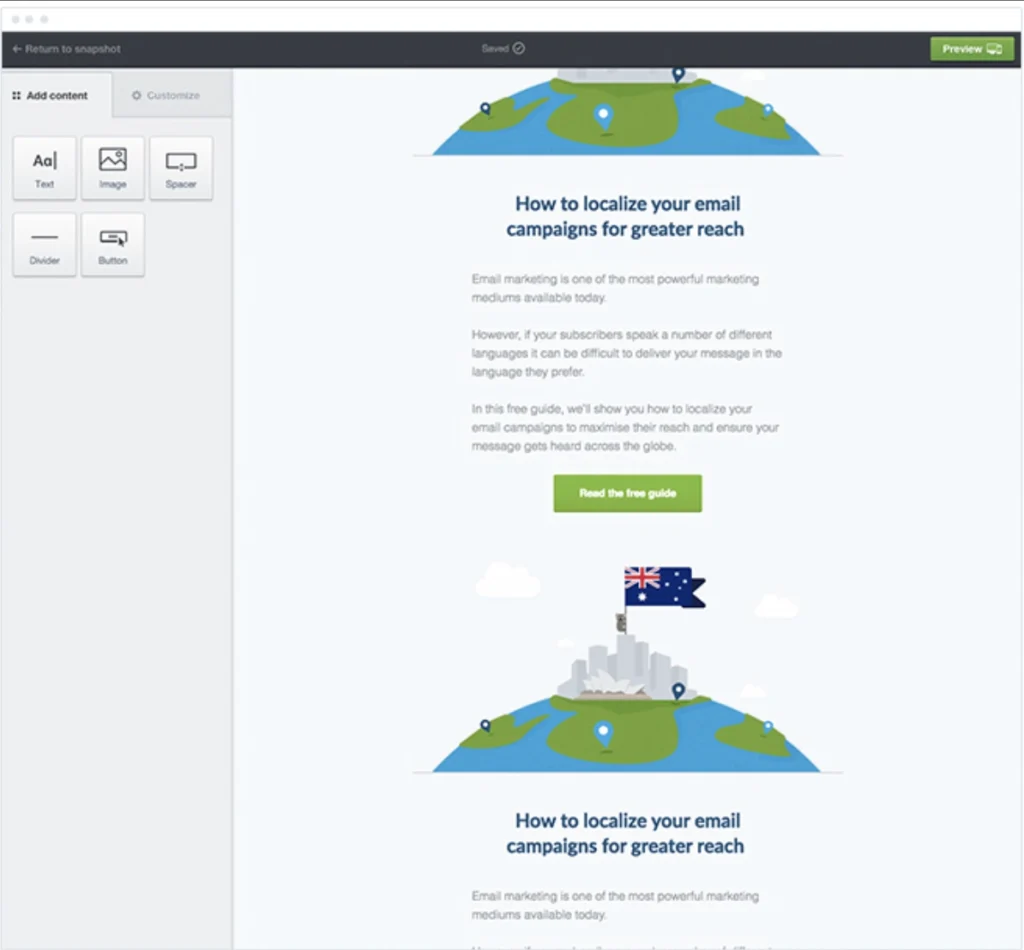
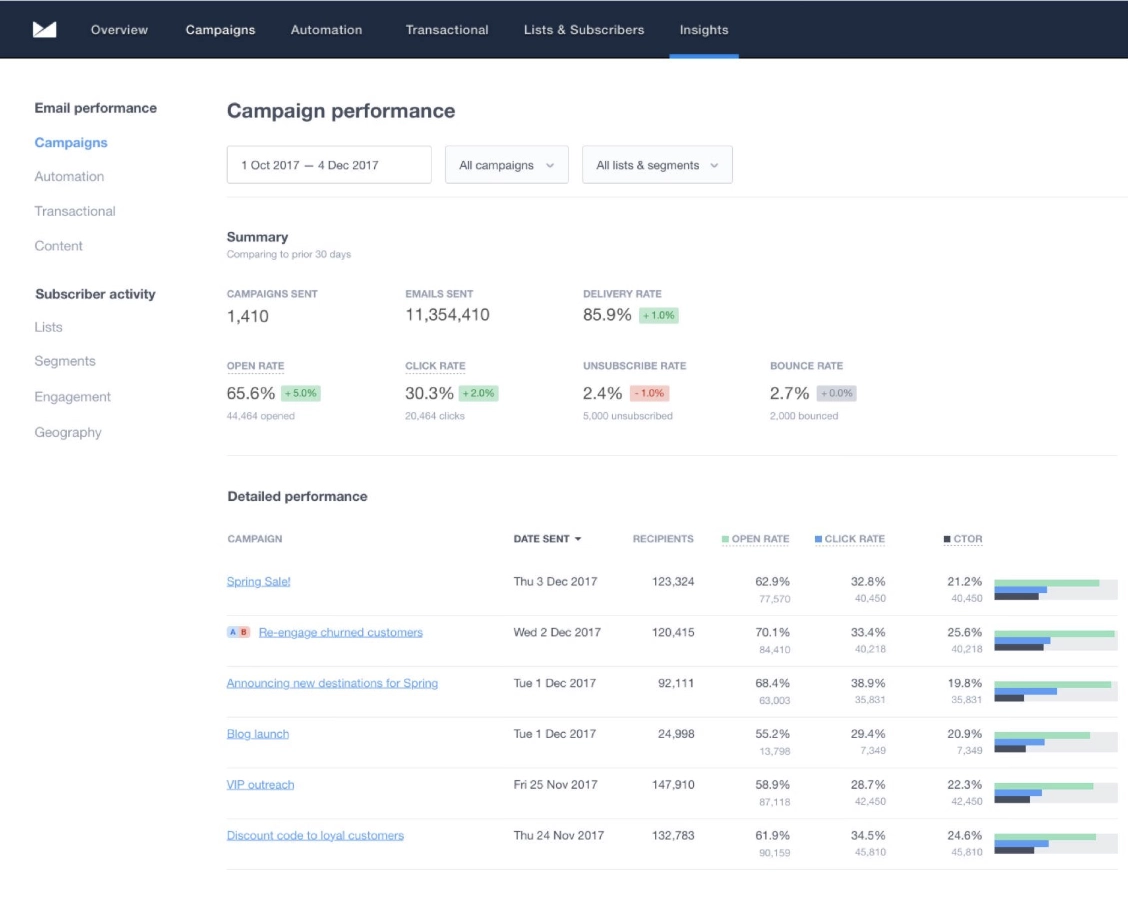
The data is clear: marketing automation, when powered by intelligent machine learning, produces compounding returns. For instance, brands utilizing platforms like Campaign Monitor have seen substantial shifts in performance. By leveraging AI-driven dynamic content, companies such as On have reported driving 20% of total e-commerce sales through email channels alone, with personalized sends yielding a 10% increase in engagement across global segments.
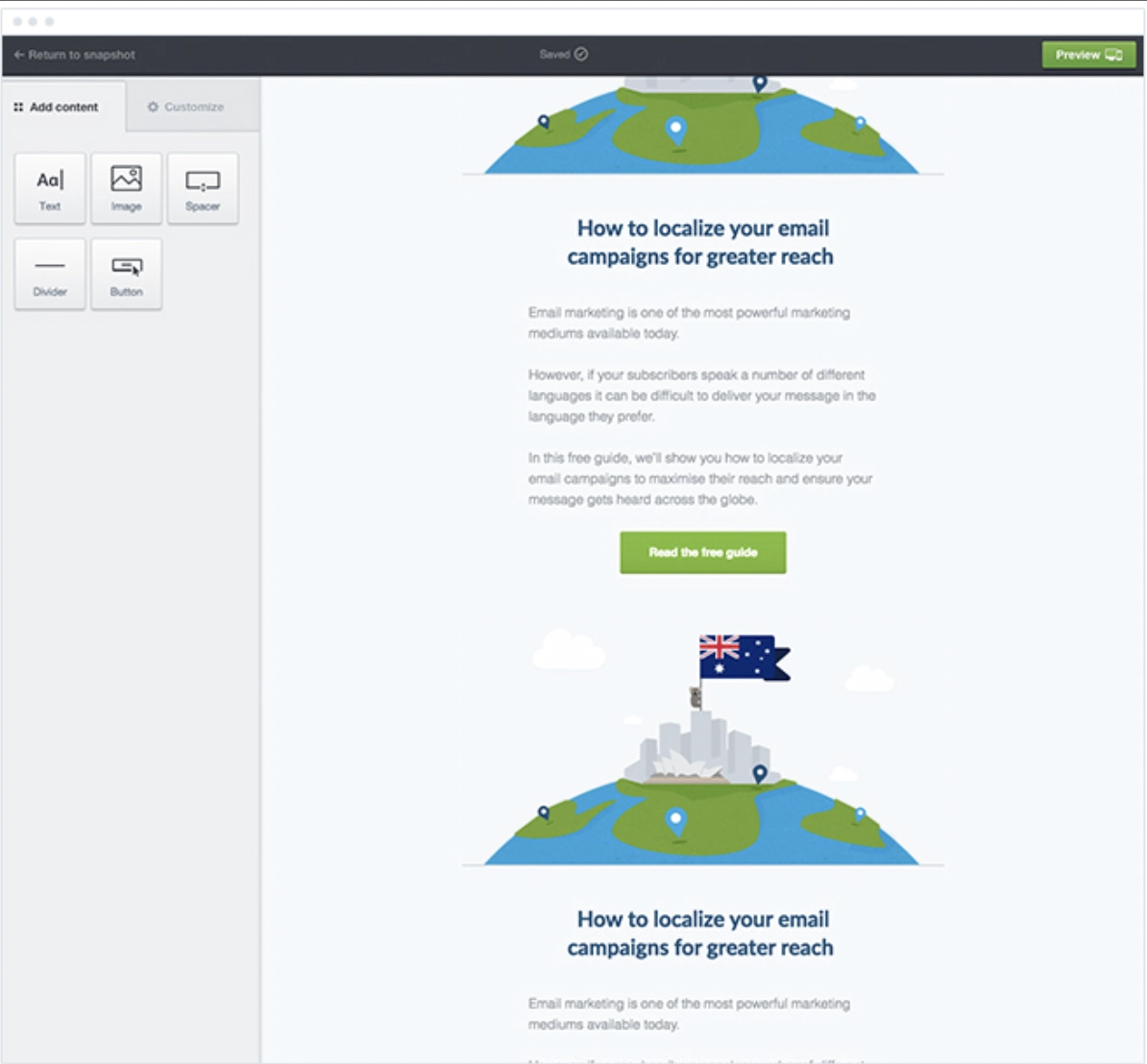
Similarly, the Australian Red Cross, through the implementation of advanced segmentation and automated journeys, achieved a 75% increase in conversions from a single campaign. These figures highlight the central truth of the modern era: AI allows for the granular personalization that was once only available to massive enterprise teams with unlimited budgets.
Categorizing the 2026 AI Marketing Toolkit
To navigate this landscape, it is helpful to view the tools through a lens of functionality and utility.
Email Marketing & Customer Journeys
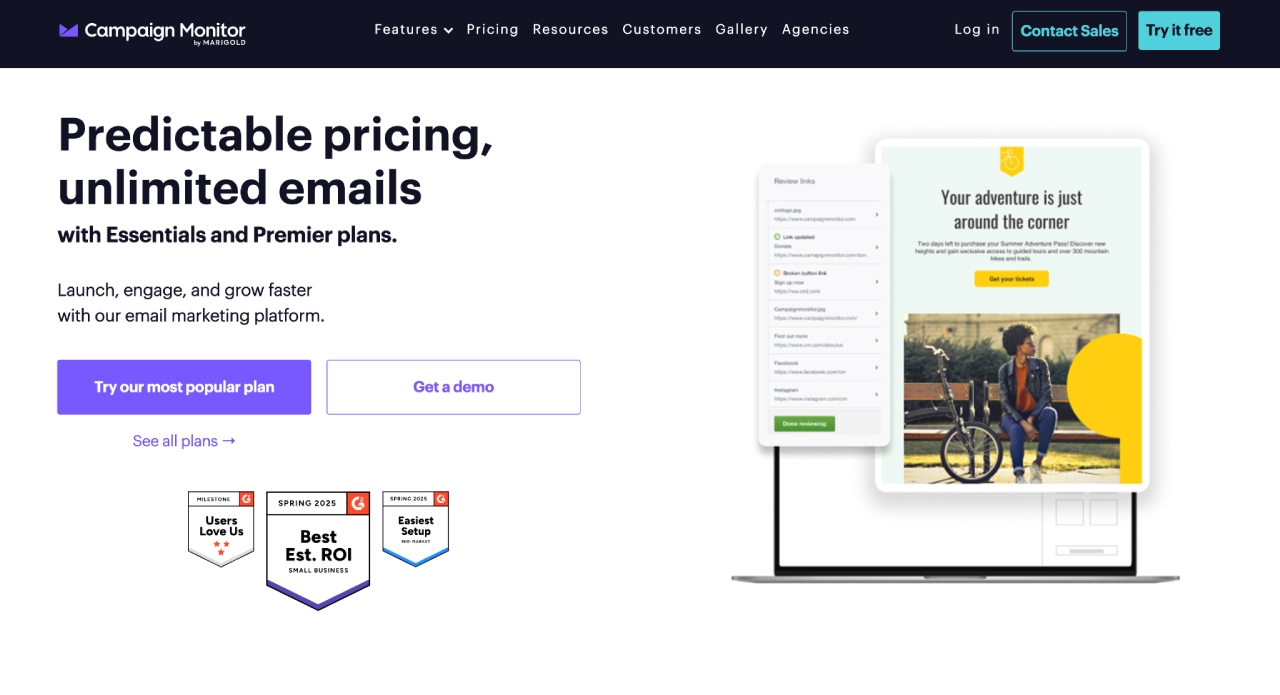
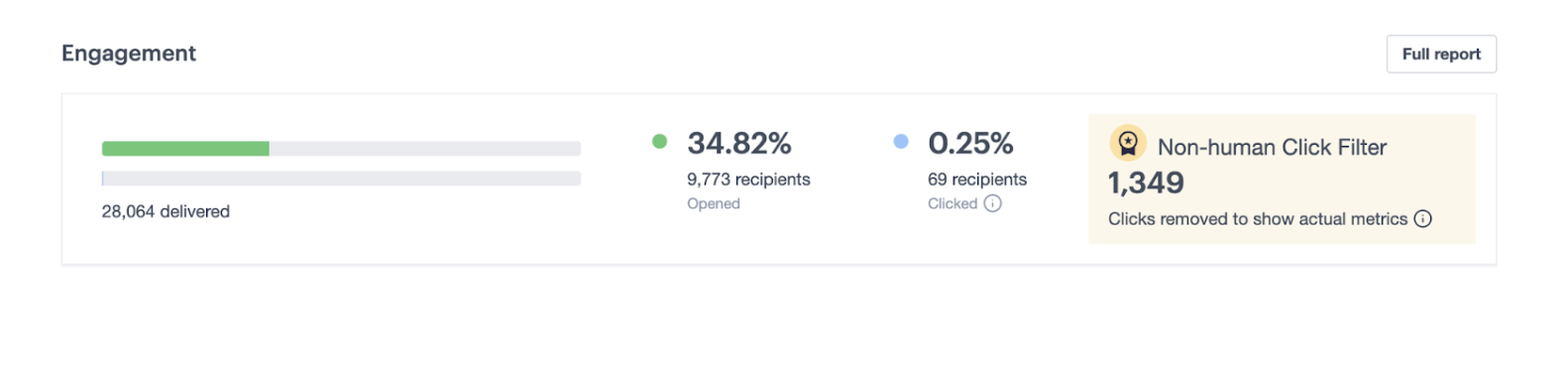
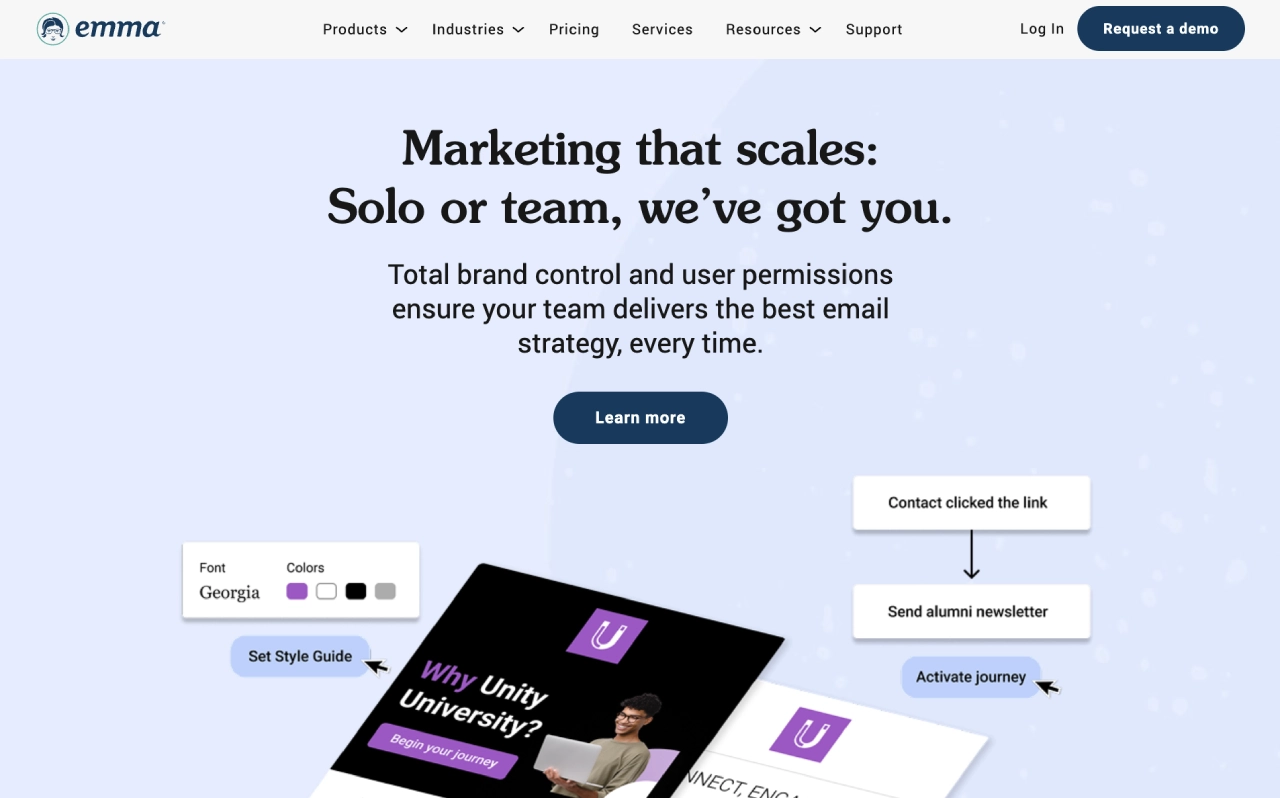
The cornerstone of owned-channel marketing remains email. Campaign Monitor stands out as a leader for multi-location brands, offering AI-driven journey orchestration, dynamic content insertion, and sophisticated bot-click filtering—ensuring that data remains clean and actionable. Emma provides a parallel solution specifically designed for franchises and higher-education institutions where brand governance and template locking are paramount.
Content Creation & SEO Strategy
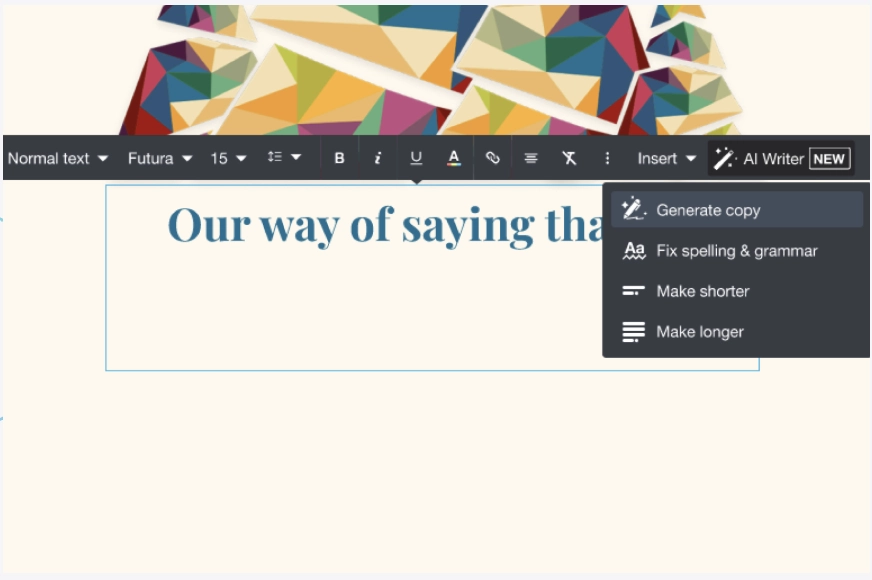
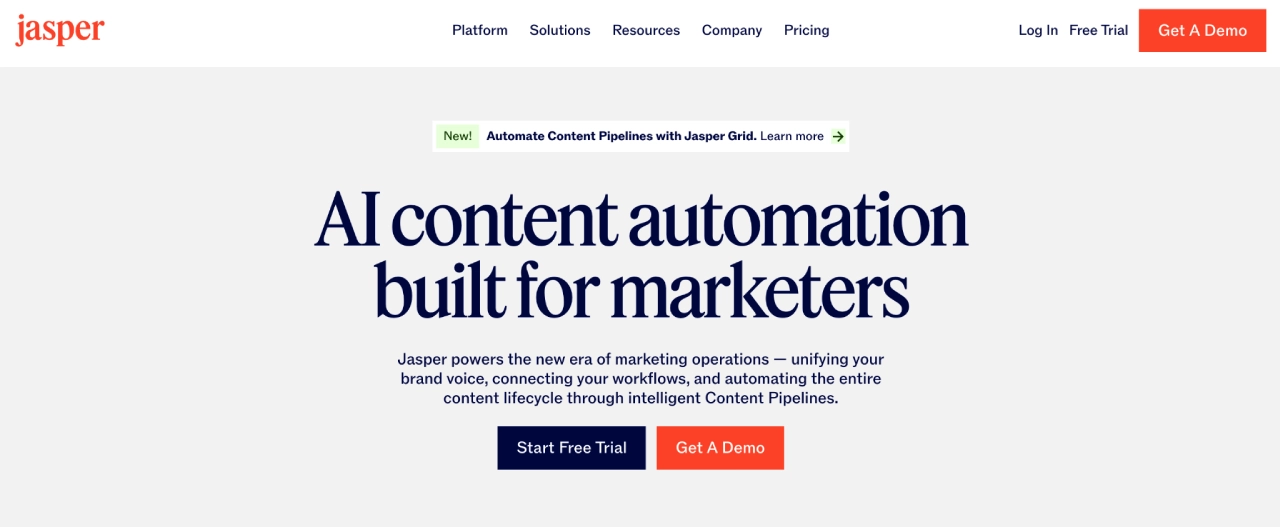
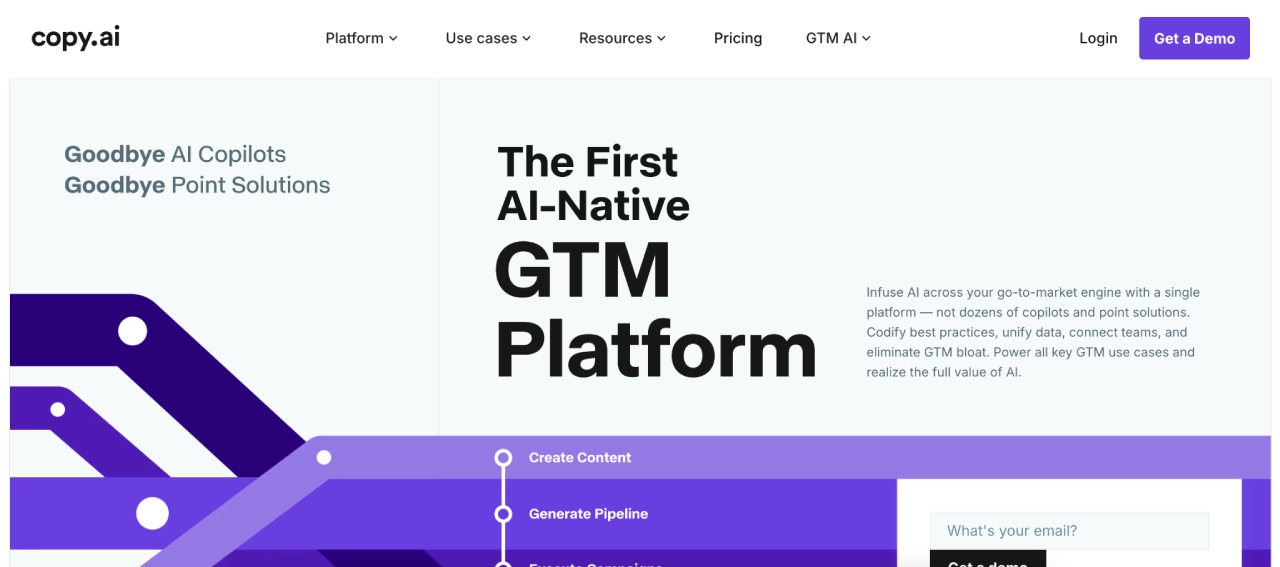
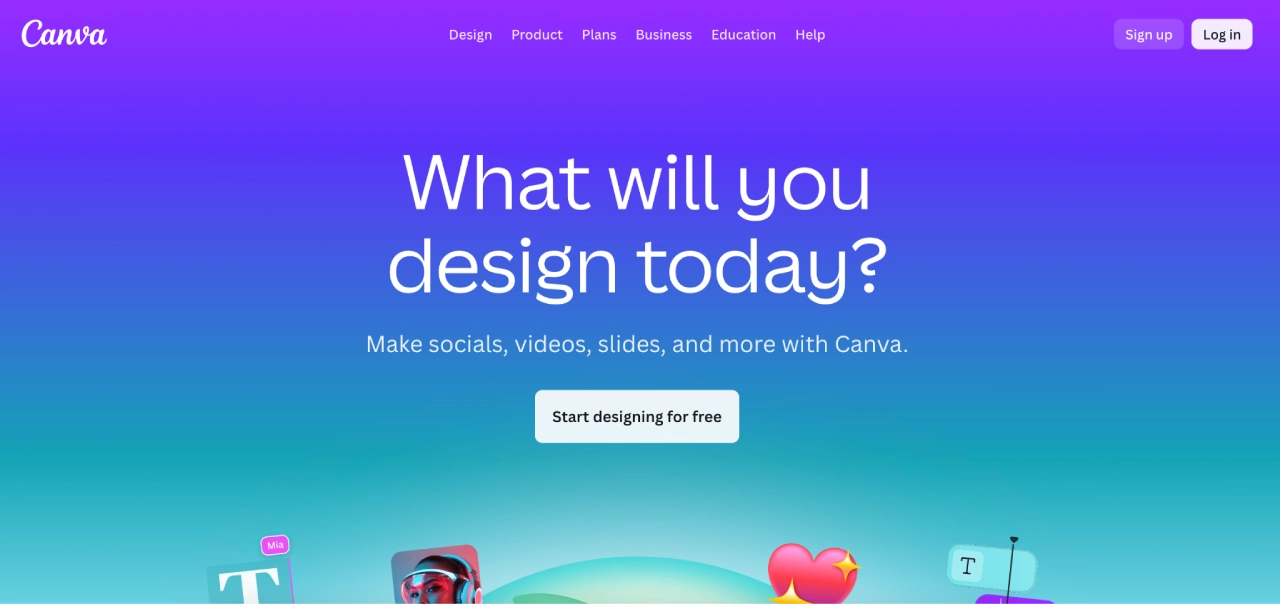
The market for content generation has matured. Jasper remains the industry standard for maintaining a consistent brand voice across long-form assets. Copy.ai has carved a niche in "workflow automation," allowing teams to convert a single creative brief into a multi-channel campaign sequence. For visual content, Canva AI continues to democratize high-end design, enabling non-designers to produce professional-grade visuals through prompt-based generation.
On-Site Growth and Conversion
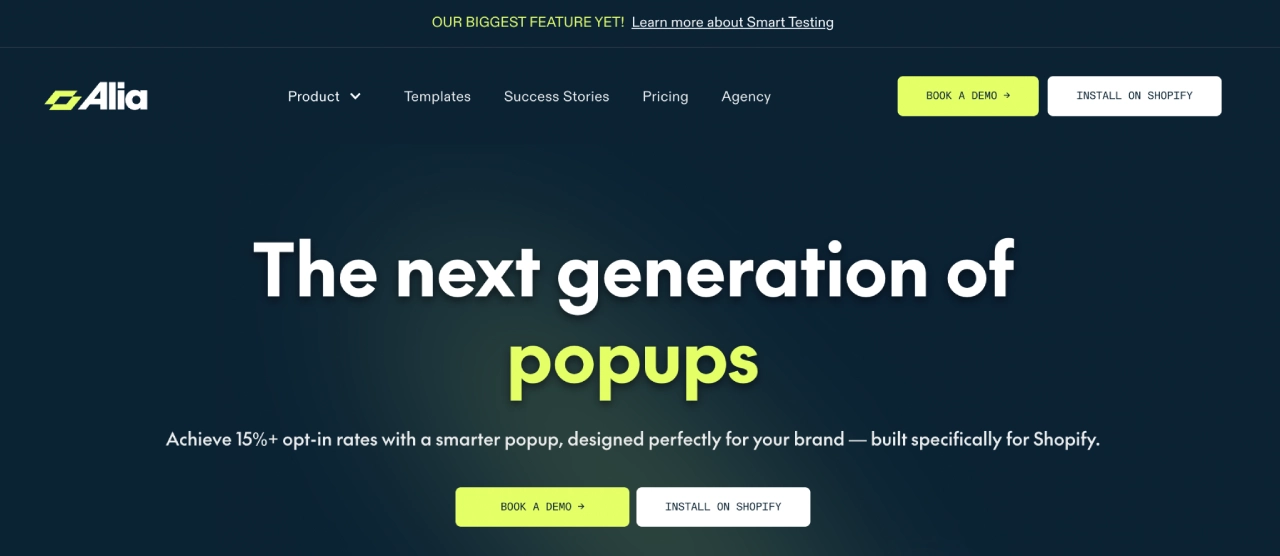
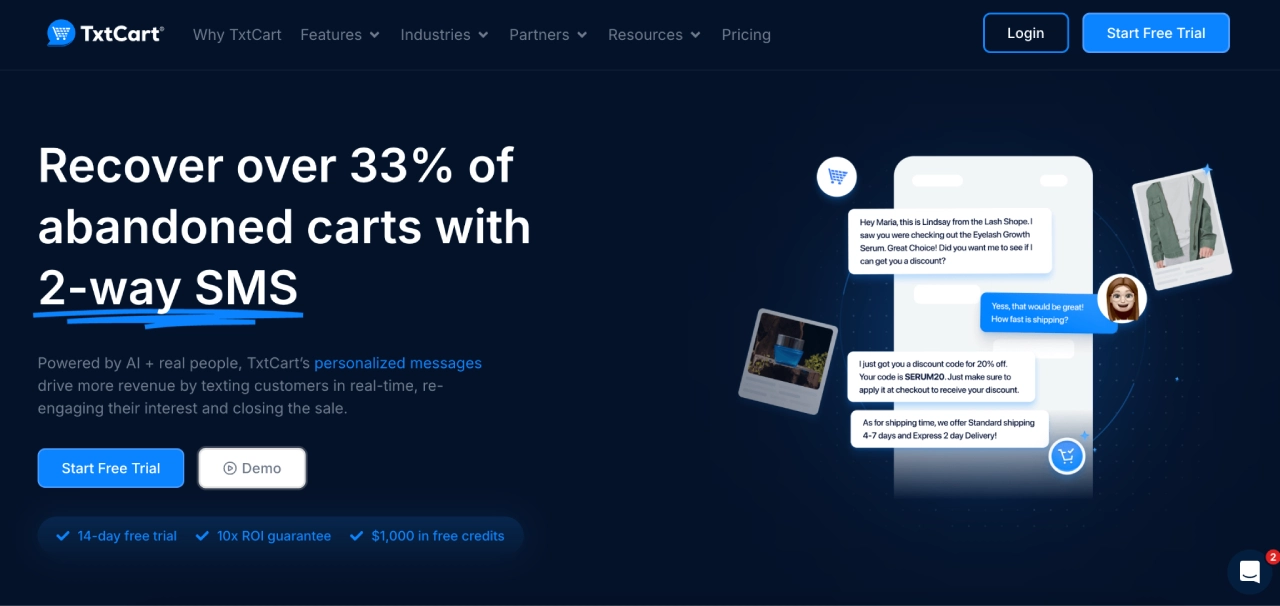
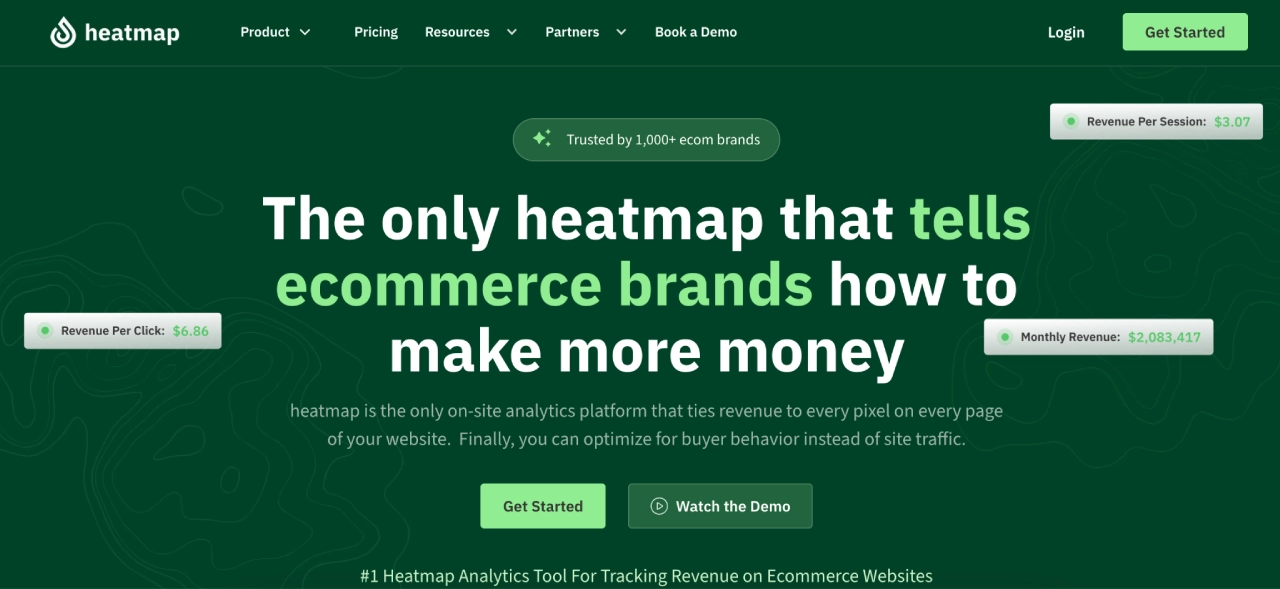
Modern ecommerce demands real-time responsiveness. Alia Popups utilizes zero-party data to serve AI-optimized incentives to visitors, while TxtCart acts as an AI-powered conversational sales assistant, recovering abandoned carts through high-intent SMS interactions. For teams needing to understand the "why" behind user behavior, Heatmap.com provides revenue-linked UX insights, bridging the gap between design and profit.
Enterprise Orchestration
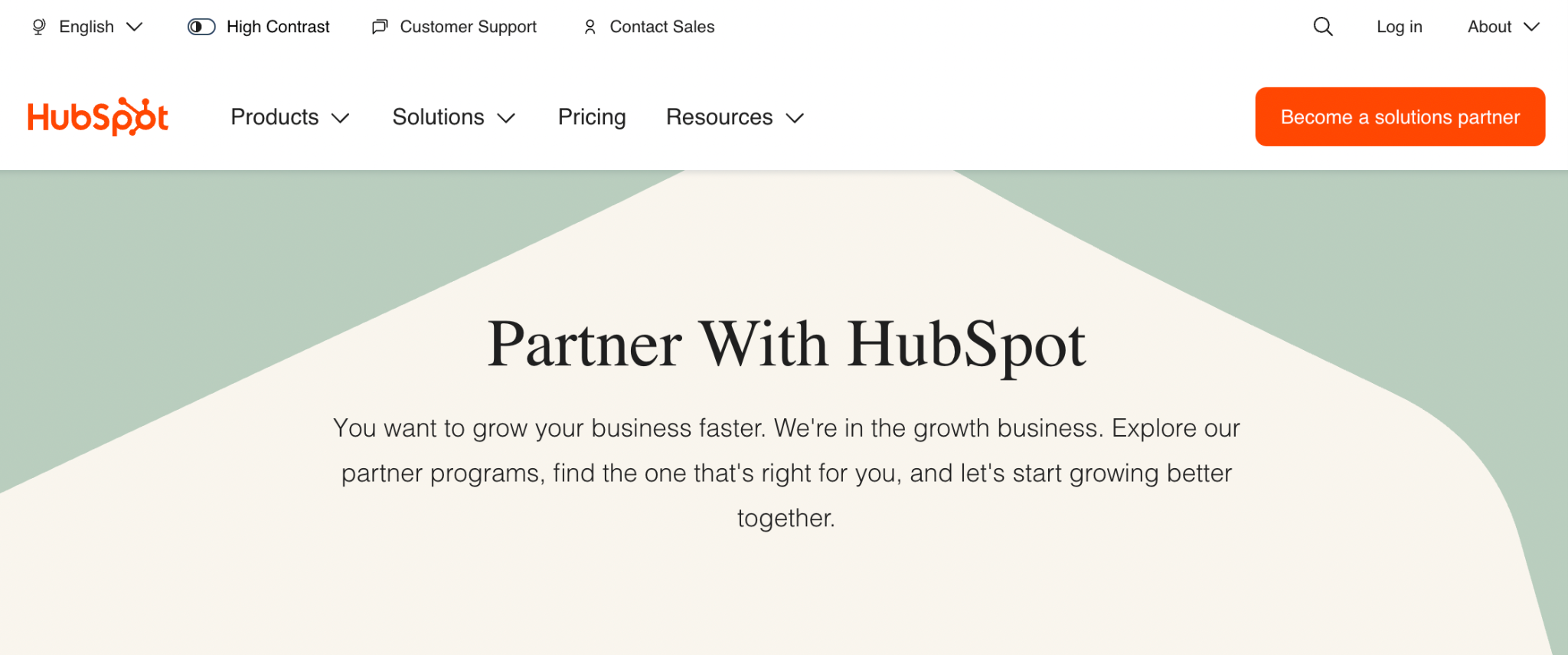
At the top tier, HubSpot AI and Salesforce Einstein serve as the nervous systems of global organizations. By layering predictive lead scoring and AI-assisted CRM management over their existing data, these platforms allow enterprise teams to forecast accurately and scale personalized outreach across thousands of accounts.
Official Perspectives: The 3P Model for Selection
Industry experts and technology consultants increasingly recommend the 3P Model for evaluating whether a tool deserves a place in your stack:
- Purpose: Does this tool solve a specific, revenue-impacting bottleneck, or is it just "shiny object" software?
- Platform Fit: How easily does it integrate with your existing CRM, ESP, and analytics tools? If it requires manual API maintenance, it is a liability, not an asset.
- Performance: Is the output measurable? Can you clearly attribute ROI to the AI’s influence?
The consensus among successful marketing leaders is that if a tool cannot prove its value through clear, data-driven reporting, it is likely creating more "tech debt" than it is resolving.
Implications: The Shift Toward Human-Centric AI
Despite the power of these tools, there is a growing consensus regarding the "Human-in-the-Loop" requirement. AI is exceptional at volume and pattern recognition, but it is prone to "drift"—a phenomenon where the tone or strategic intent of a campaign slowly deviates from the brand’s core identity.
The most effective marketing teams in 2026 are using AI to handle the "heavy lift"—the drafting, the data segmentation, and the predictive scheduling—while reserving human talent for the "high-leverage" tasks: emotional nuance, creative direction, and ethical oversight.
Why Human Oversight Wins
- Contextual Intelligence: AI cannot always interpret real-world events or shifting consumer sentiments. A human editor ensures that a campaign doesn’t sound tone-deaf in the face of a global crisis or cultural shift.
- Strategic Refinement: While AI can optimize for a click, it cannot always optimize for a long-term brand relationship. Humans must decide if an aggressive popup or a high-frequency SMS campaign is damaging the brand’s long-term reputation.
- Intentionality: The difference between a "good" campaign and a "great" one often lies in the subtext and the emotional resonance of the creative—elements that remain the hallmark of human craftsmanship.
Strategic Recommendations for Implementation
If your team is currently stuck in a cycle of manual execution, the path forward is not to adopt every AI tool on the market, but to prioritize the ones that compound your existing strengths.
The 30-Day Implementation Roadmap:
- Audit: Identify the single biggest bottleneck in your current marketing funnel (e.g., "we spend too much time on email personalization" or "we don’t have enough data on why users drop off").
- Shortlist: Select one tool from the categories above that directly addresses that bottleneck.
- Score: Apply the 7-point framework—evaluating Integration, Brand Alignment, Use-Case Fit, Data Privacy, Scalability, ROI Tracking, and Support.
- Test: Implement the tool with a single, controlled segment. Compare the performance of the AI-driven workflow against your legacy process.
Conclusion: The Future is Composable
The future of marketing is not found in a single, "all-in-one" magic bullet. It is found in a "composable" stack—a collection of specialized, AI-powered tools that speak to one another seamlessly. By automating the repetitive, data-heavy tasks, you are not just saving time; you are buying back the creative freedom to focus on the strategy that builds lasting customer loyalty.
As we look further into 2026 and beyond, the brands that win will be those that master the balance: using AI to provide the precision, and using human creativity to provide the soul. Whether you are a small business leveraging ChatGPT for ideation or an enterprise team deploying Salesforce Einstein for global predictive scoring, the objective remains the same: move faster, personalize deeper, and never stop optimizing.

Disclaimer: This article provides general information regarding AI marketing tools. It does not constitute financial, legal, or tax advice. Always consult with internal stakeholders and professional advisors before implementing new software or changing data-handling procedures.
