
The Loyalty Paradigm Shift: 7 Strategies to Secure Brand Advocacy in 2026
In an era where the "competitor" is rarely more than a single click away, brand loyalty has evolved from a static consumer habit into a dynamic, fragile, and highly valuable currency. As we look toward the landscape of 2026, the traditional models of customer retention are being challenged by shifting generational values and an unprecedented level of digital noise. Today, loyalty is not merely about repeat purchases; it is about the emotional bridge that keeps a customer anchored to a brand when cheaper, more convenient alternatives beckon.
The Foundation: Defining Modern Brand Loyalty
At its core, brand loyalty is the unwavering connection between a consumer and a brand that drives them to return, regardless of price fluctuations or market saturation. Unlike habitual buying—which is driven by convenience or proximity—brand loyalty is rooted in identity. A habitual buyer chooses a product because it is available; a loyalist chooses it because the brand reflects their values and has proven its reliability through consistent performance.

Brand Loyalty vs. Customer Loyalty
Industry leaders often conflate brand loyalty with customer loyalty, yet they operate on distinct psychological planes. Customer loyalty is transactional; it is the domain of points cards, discounts, and reward tiers. It is fragile, existing only as long as the incentive remains superior to the competitor’s offer. Brand loyalty, conversely, is emotional. It is built on trust, shared values, and a sense of belonging. While a customer loyalist will defect for a better price, a brand loyalist will often pay a premium for the assurance and identity the brand provides.
Chronology of Connection: The Evolution of the Consumer Journey
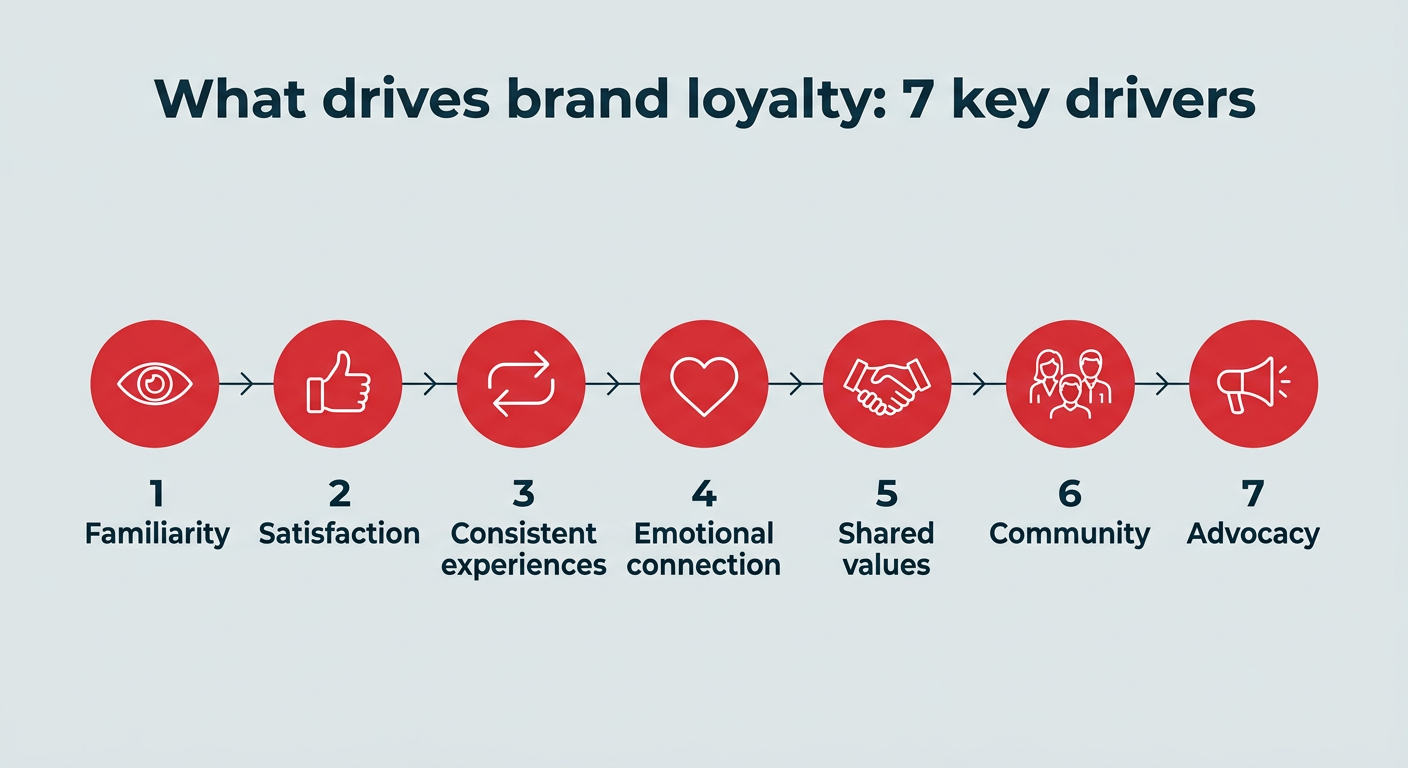
The journey to brand advocacy is not instantaneous. Drawing from David Aaker’s seminal work on brand equity, we can visualize this as a pyramid of progression. It begins with "No Brand Loyalty," where the consumer is indifferent to brand names. It then ascends through the "Habitual Buyer," the "Satisfied Buyer" (who encounters switching costs), and the "Likers" (who hold an emotional attachment), finally culminating in the "Committed Buyer."

In the 1990s, this was a slow, linear process. In 2026, the timeline has compressed. A single exceptional customer service interaction on social media or a viral moment of authentic brand transparency can accelerate a customer from indifference to advocacy in a matter of hours.
Supporting Data: The ROI of Retention
The economic argument for cultivating brand loyalty has never been more compelling. Acquiring a new customer is significantly more expensive than retaining an existing one. Furthermore, loyal customers are the most effective engines of organic growth.

According to recent industry data, word-of-mouth remains the most powerful driver of brand discovery. When a customer feels an emotional connection to a brand, they become an extension of the marketing team. Social media has digitized this phenomenon: 82% of consumers report that they have considered a brand because of shared content from their peers. By investing in retention, brands effectively reduce their Customer Acquisition Cost (CAC) while simultaneously increasing their Customer Lifetime Value (CLV).
7 Strategic Imperatives for 2026
To thrive in the coming year, brands must move beyond surface-level engagement. The following seven strategies represent the gold standard for building sustainable, long-term loyalty.

1. Radical Customer Understanding
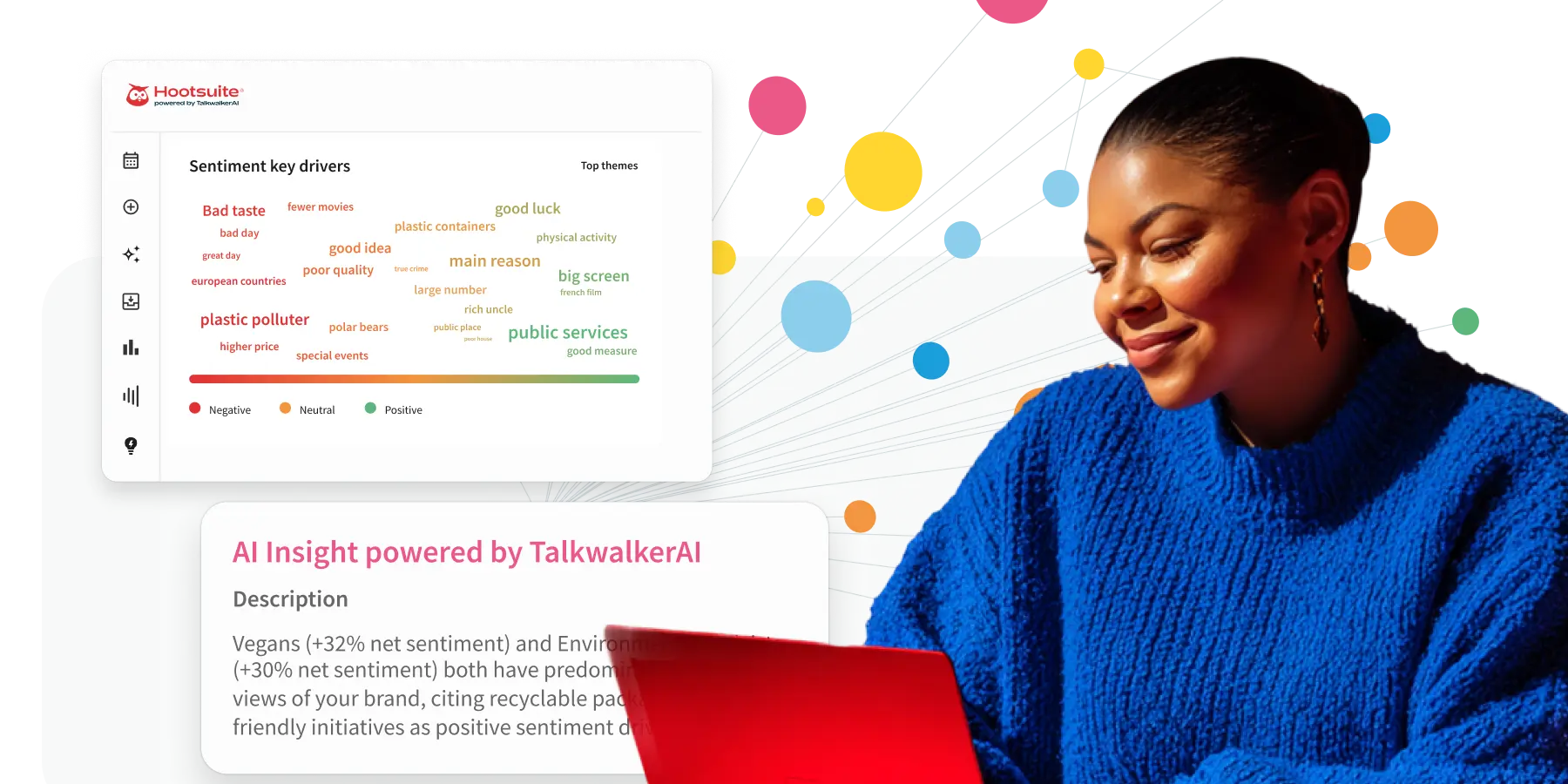
Data-driven empathy is the starting point. Using sophisticated social analytics, brands must move beyond demographic snapshots to understand the "why" behind the "what." By utilizing social listening tools, companies can capture the unprompted, authentic conversations that occur when a brand isn’t directly involved, revealing pain points and desires that traditional surveys miss.
2. Leveraging User-Generated Content (UGC)
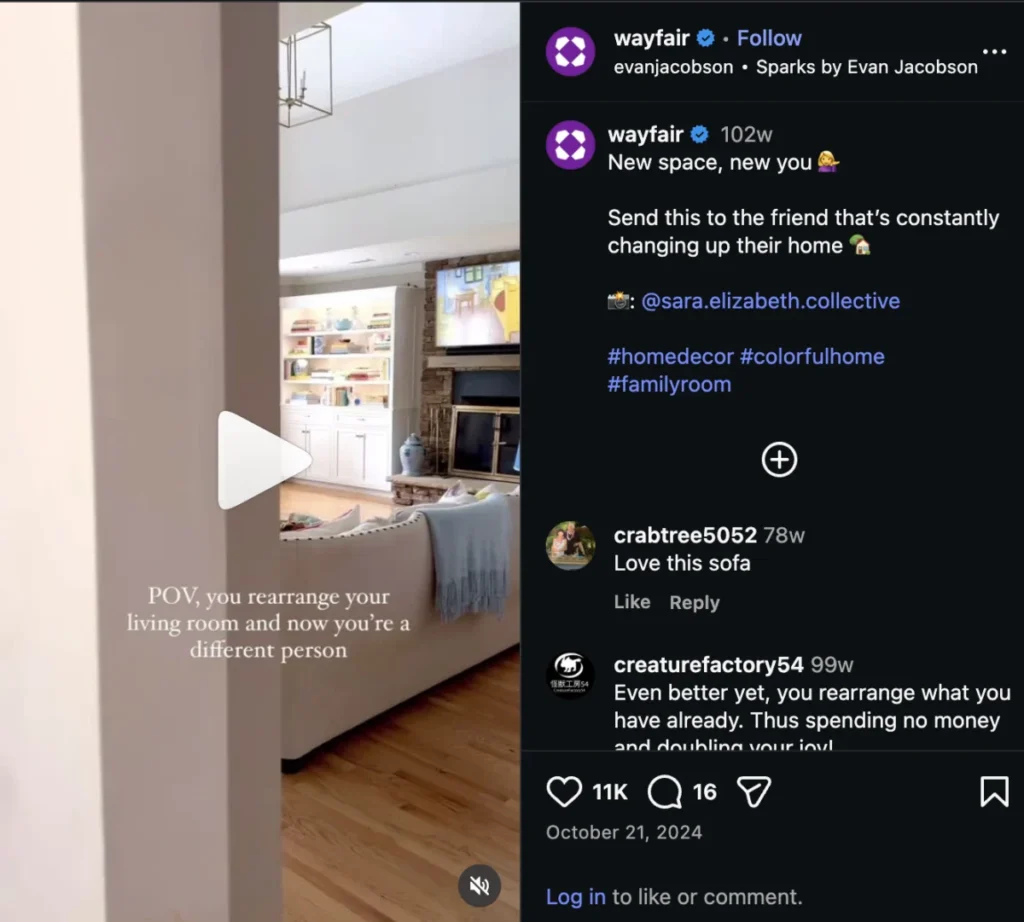
UGC is the digital manifestation of social proof. When a brand elevates the content created by its own community, it validates the customer’s identity and fosters a sense of partnership. This humanizes the brand, moving it away from corporate polish and toward relatable, authentic storytelling.
3. Precision Personalization
Personalization is no longer a "nice-to-have"—it is a competitive necessity. Gartner reports that personalized experiences make customers 1.8x more likely to pay a premium. By using AI-driven segmentation, brands can tailor their messaging to different cohorts, ensuring that content feels bespoke rather than broadcasted.
4. Rewarding the Advocates
Once a customer reaches the peak of the loyalty pyramid, the marketing strategy must shift from persuasion to appreciation. This involves creating exclusive rewards programs that go beyond transactional points—offering early access, collaborative opportunities, or community recognition that honors the relationship.
5. Human-Centered Customer Care
When a problem arises, the brand-customer relationship is at its most vulnerable. In 2026, speed is the baseline, but "humanity" is the differentiator. Empowering social media teams to solve issues in real-time within a single, unified inbox prevents the friction that leads to customer churn.
6. Authenticity and the "Brand Sins"
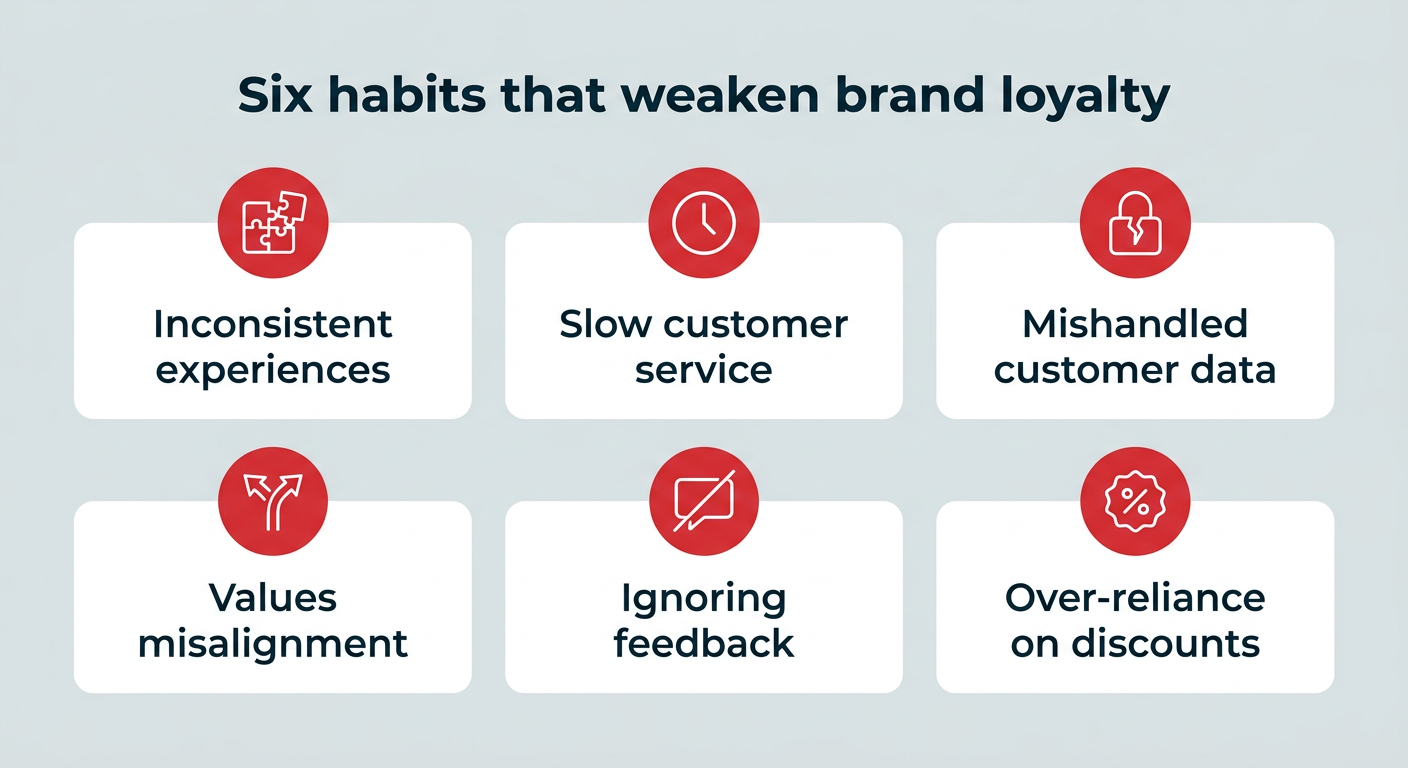
Trust is built in drops and lost in buckets. Authenticity requires consistency. Brands must avoid "values-washing"—taking public stances they do not uphold internally—and must handle customer data with extreme care. In an age of skepticism, a brand’s failure to align its actions with its stated values is the fastest route to irrelevance.
7. AI as an Anticipatory Engine
The final frontier of loyalty is anticipation. Using AI to scan millions of data points allows brands to identify emerging trends and frustrations before they manifest as public complaints. The key, however, remains the "human in the loop"—using AI to find the signal, but using human empathy to craft the response.
Implications: The Multi-Generational Challenge
Loyalty is not one-size-fits-all. While older generations often prioritize long-term dependability and service excellence, Gen Z and younger cohorts weigh authenticity, social responsibility, and peer recommendation more heavily. Brands must adopt a bifurcated approach: maintaining the reliability that legacy customers expect while demonstrating the agility and transparency that younger consumers demand.

Measuring Success: The Metrics of Loyalty
Because loyalty is multifaceted, no single metric can capture its health. A robust measurement strategy requires a balanced scorecard:
- Engagement Rate: Measures the depth of the ongoing relationship.
- Sentiment Analysis: Tracks the "emotional color" of brand mentions.
- Net Promoter Score (NPS): Quantifies the likelihood of advocacy.
- Customer Lifetime Value (CLV): The ultimate measure of sustained loyalty’s financial impact.
Conclusion: The Future of Brand Relationships
The brands that win in 2026 will be those that treat their customers not as revenue sources, but as stakeholders in their brand story. The barriers to entry for competitors are low, but the barriers to leaving a brand that truly "gets you" are high. By prioritizing authentic connections, leveraging data for empathy, and maintaining rigorous consistency, companies can build a foundation of loyalty that is not only resistant to market disruption but capable of driving long-term, sustainable growth.
In the final analysis, brand loyalty is a commitment to the consumer’s experience, consistently delivered, every single time. It is the only true competitive advantage that cannot be replicated by a lower price.
