
Beyond the "Finger Count": The Reality of AI in Professional Design Workflows
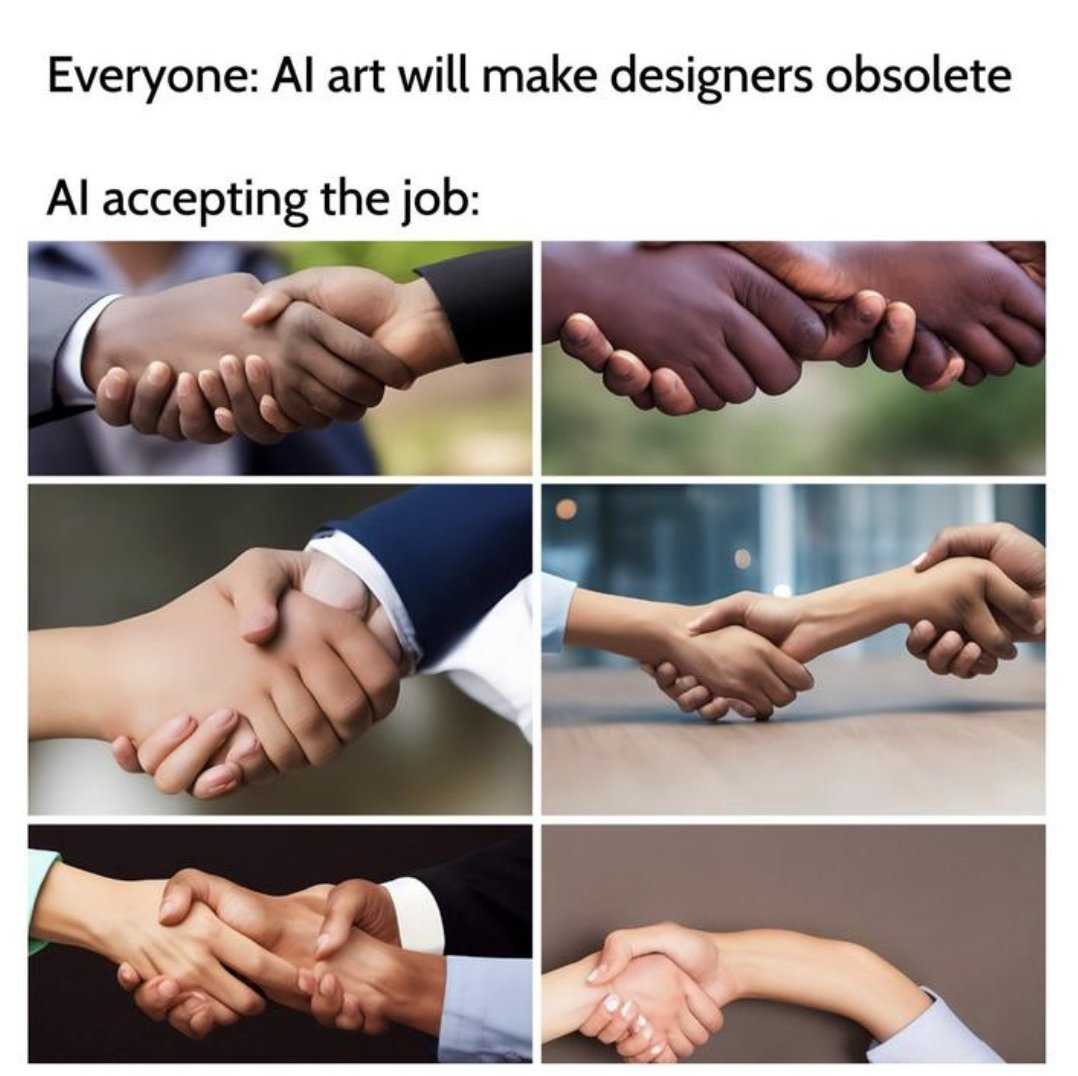
Remember when the "litmus test" for spotting AI-generated imagery was simply counting the fingers on a hand? For a brief, chaotic moment in the early adoption of generative AI, the technology was defined by its inability to render basic human anatomy. If the hands looked like a surrealist nightmare, it was AI.
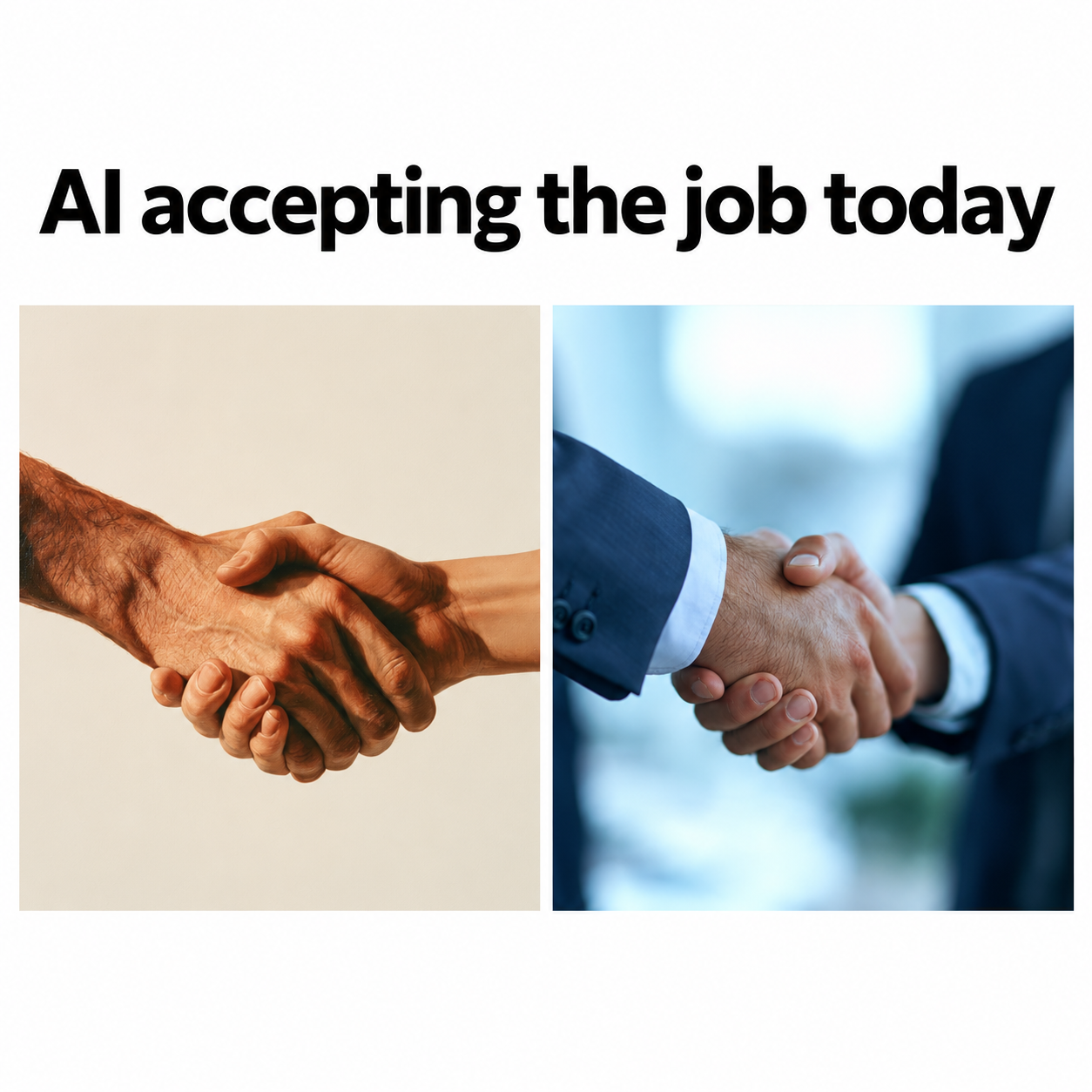
Today, those days of easy identification are firmly behind us. The current generation of design tools can produce remarkably polished logos, intricate websites, high-conversion advertisements, and sophisticated brand systems. Yet, as the aesthetic quality has skyrocketed, a new, more nuanced problem has emerged: polished output often masks deep-seated structural flaws.
To separate the hype from the utility, we conducted a rigorous evaluation of 146 AI design platforms across 32 distinct graphic and web design tasks. Our goal was to move past the "wow" factor of demos and determine which tools are genuinely ready for the pressures of professional production.
The Evolution of AI Design: From Novelty to Necessity
The trajectory of AI design has been rapid. In the early months, models struggled with composition, lighting, and basic geometry. As the technology matured, it moved from generating random, impressive artifacts to attempting to solve specific design problems.
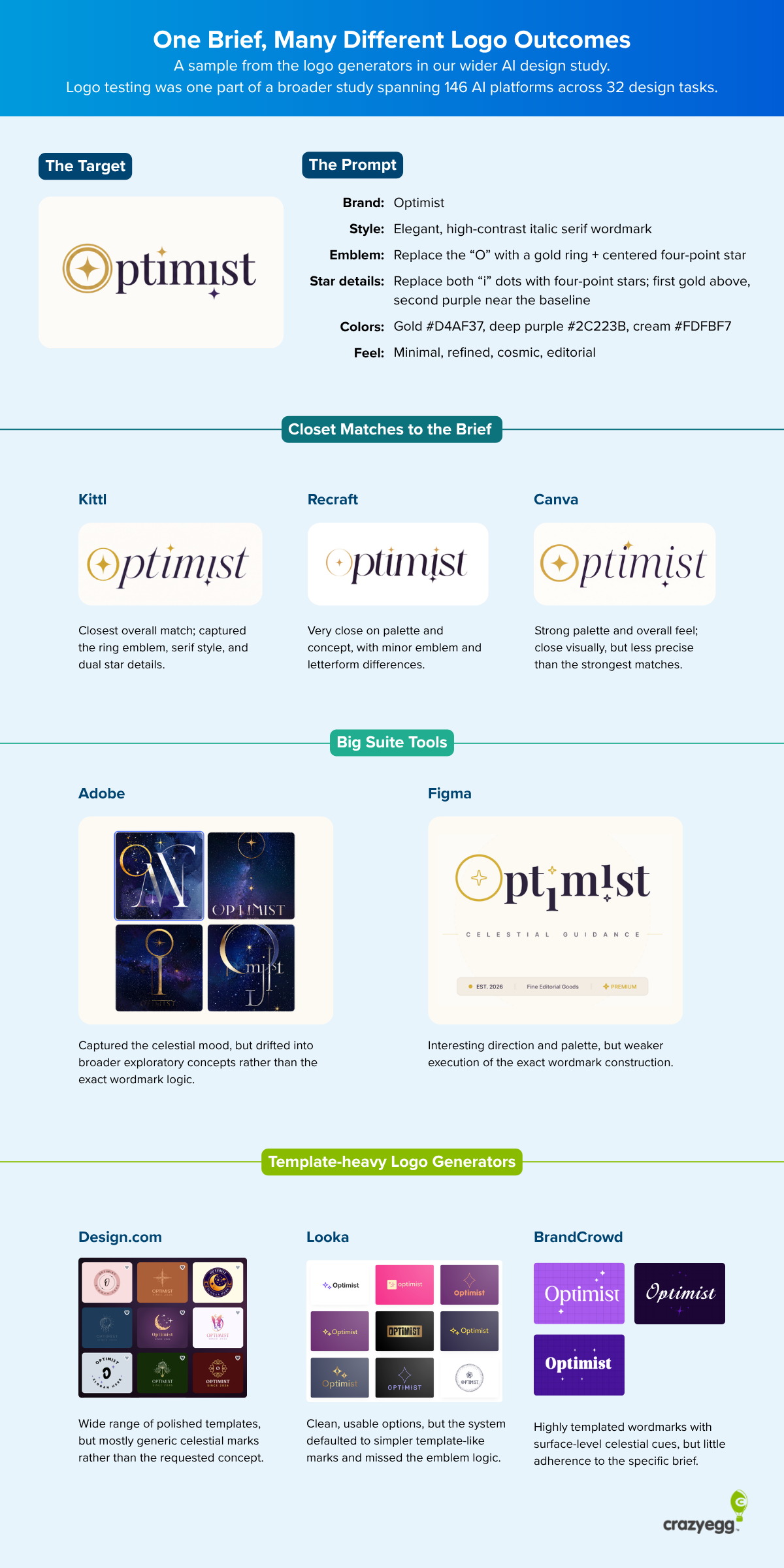
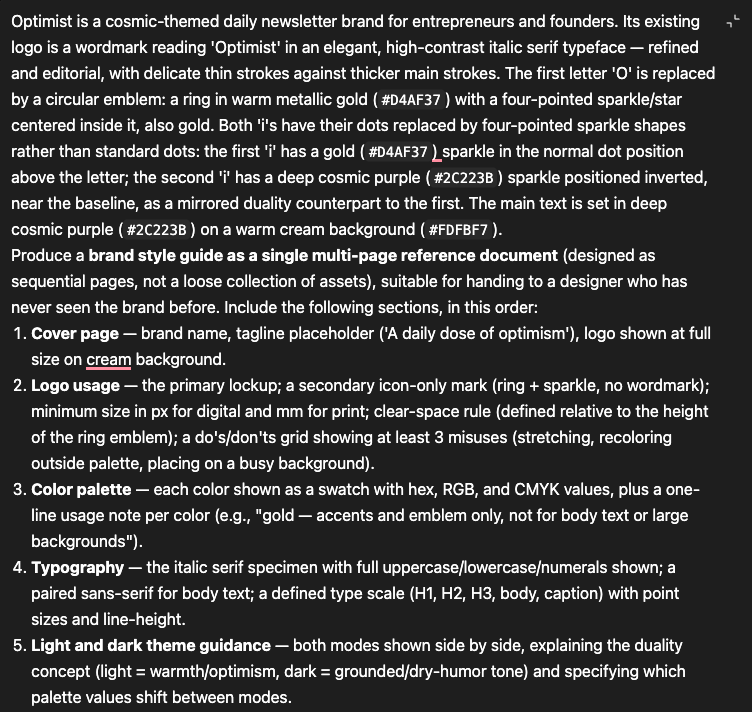
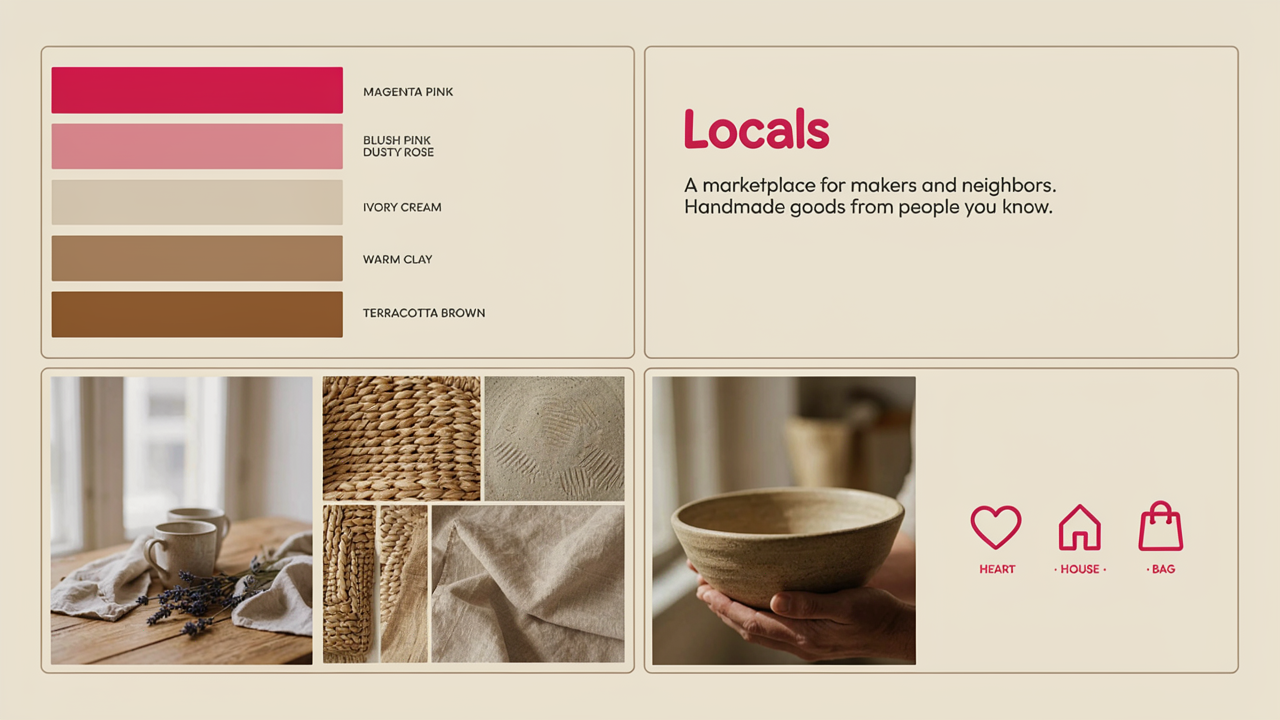
Our investigation followed a structured chronology of testing. We began by establishing a baseline of "functional AI," identifying tools that moved beyond creative image generation and into the territory of layout, hierarchy, and brand asset management. We then challenged these platforms with specific briefs—ranging from creating a logo for a fictional startup named "Optimist" to building full-page UI components for a marketplace app.
What we found was that while the visual "polish" is now universally high, the "reliability" of these systems remains fractured. We are no longer asking if AI can design; we are now asking if it can be trusted.

Supporting Data: The "Capability vs. Reliability" Gap
Our study utilized a standardized scoring system across five key criteria: Brand Consistency, Typographic Accuracy, Layout Logic, Functional Utility, and Prompt Adherence. Each category was weighted equally, and we implemented "critical-fail" conditions—such as garbled text or incorrect brand colors—to simulate real-world QC (Quality Control) standards.
The results were telling. While 78% of the platforms tested could produce a "visually pleasing" result on the first try, only 14% were able to maintain that quality consistently across three consecutive generations using the same prompt.
Key Findings:
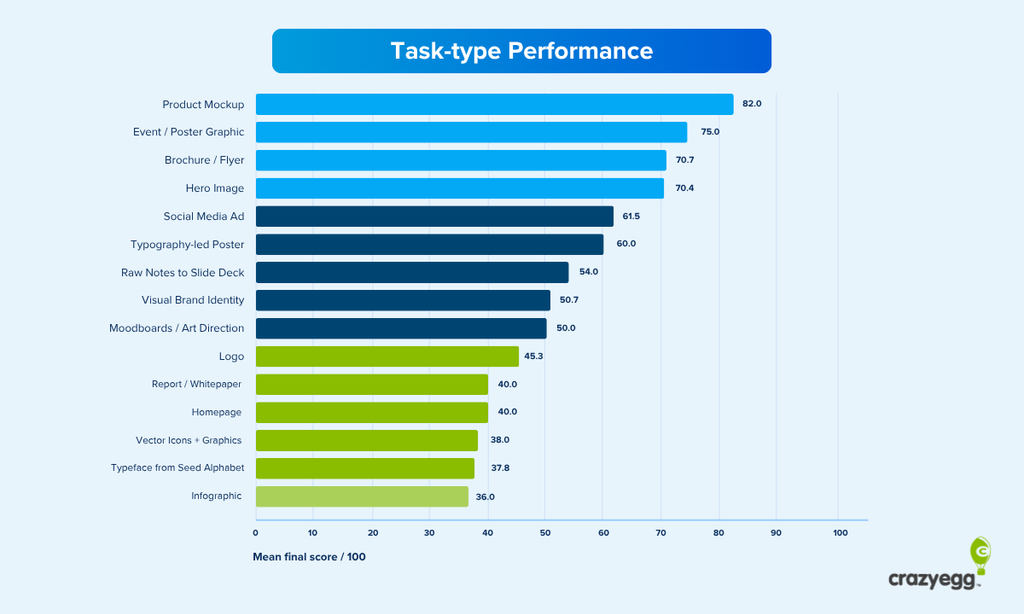
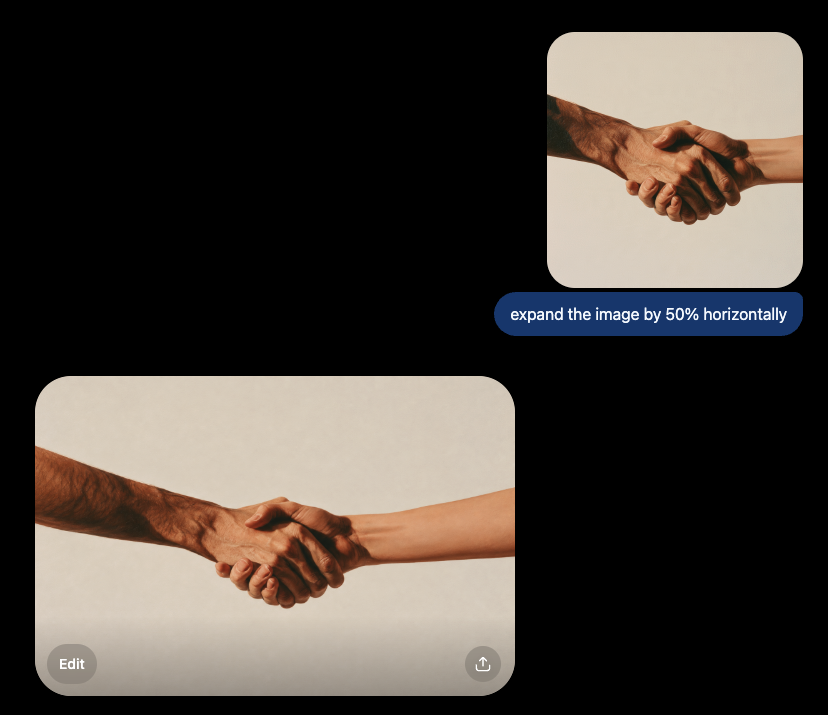
- The "Grunt Work" Advantage: AI is currently most reliable when performing bounded, repetitive tasks. Background removal, image expansion, and resizing are the "killer apps" of this cycle. Because these tasks have clear, pre-defined boundaries, the AI has less room to hallucinate or drift off-brief.
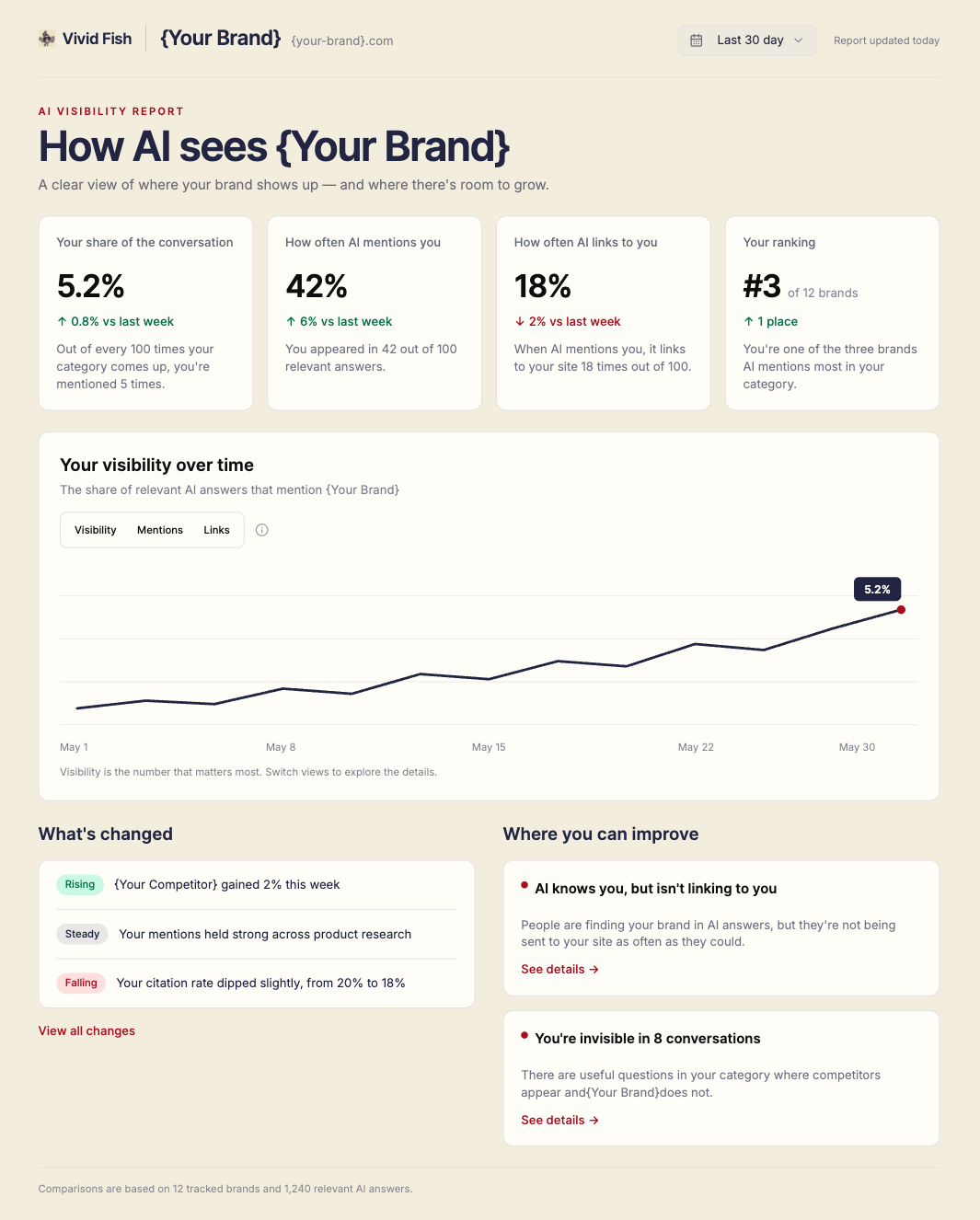
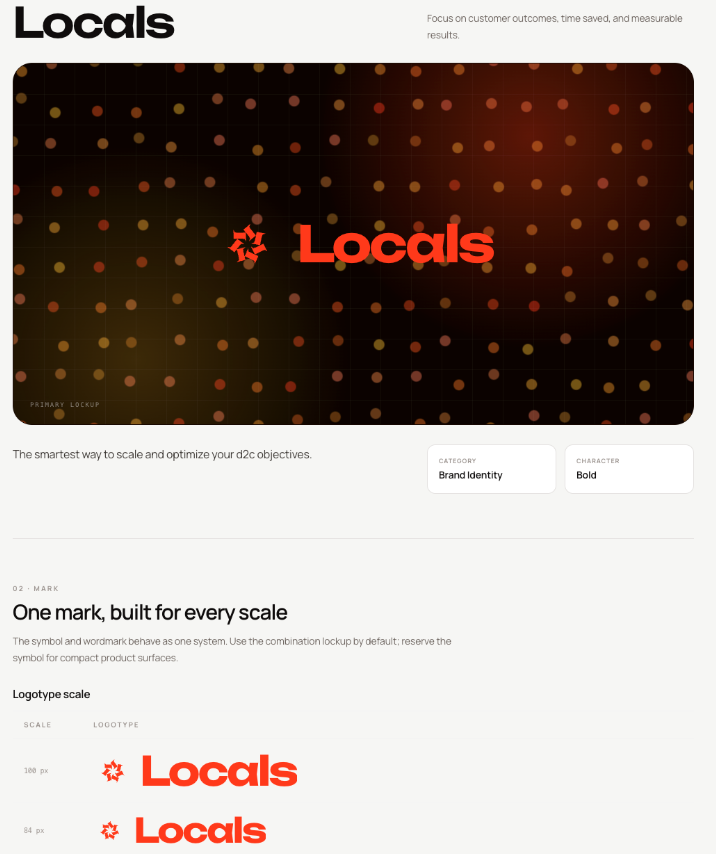
- The Paradox of Complexity: Interestingly, complex tasks like designing a dashboard or a multi-page brand guide often yielded better results than simple logo design. Dashboards rely on established patterns (cards, navigation, tables) that the model understands as a "system." Logos, conversely, require subjective judgment regarding metaphor and brand identity—areas where AI frequently struggles.
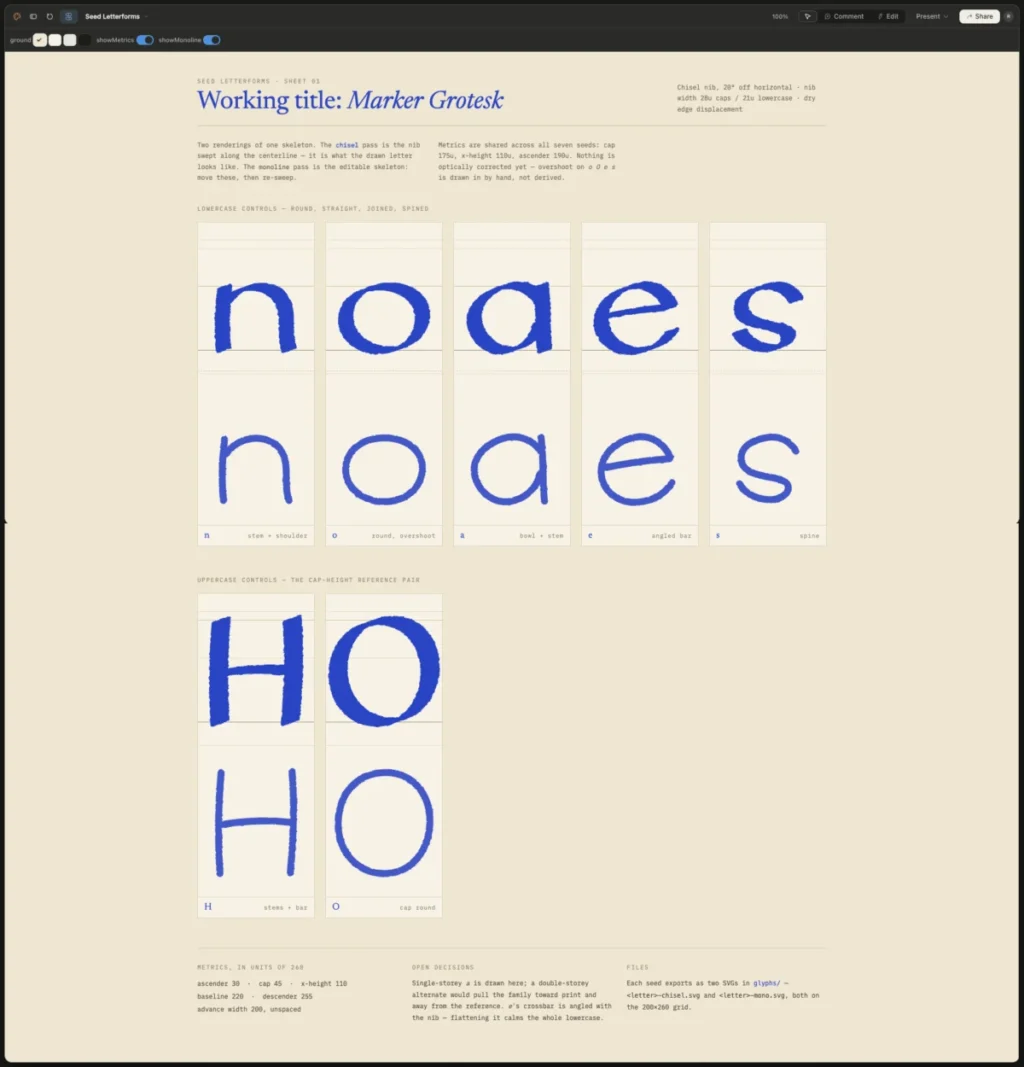
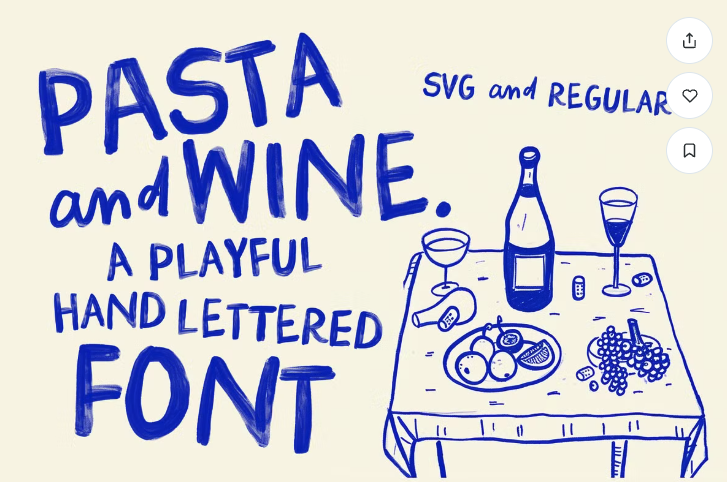
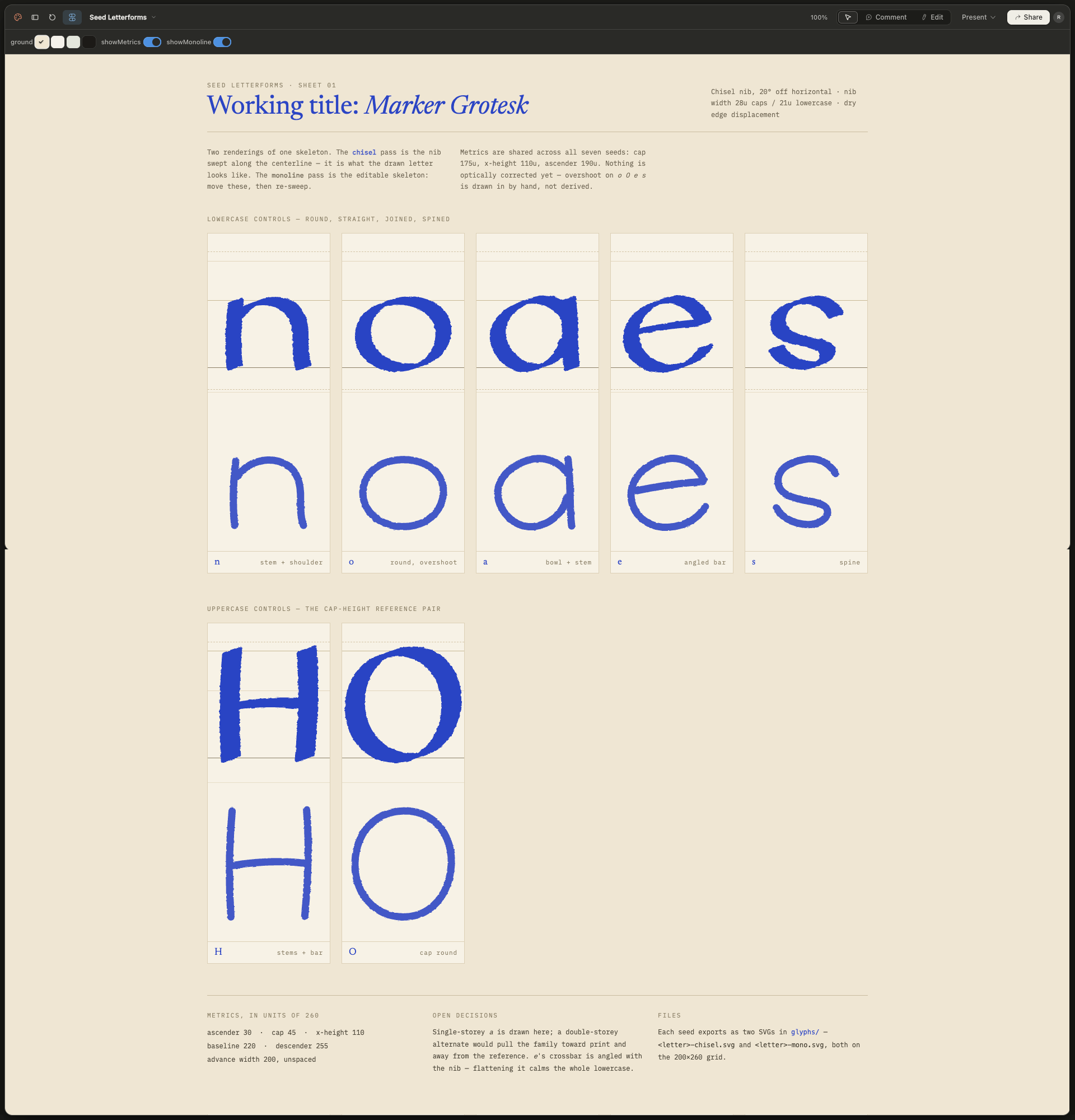
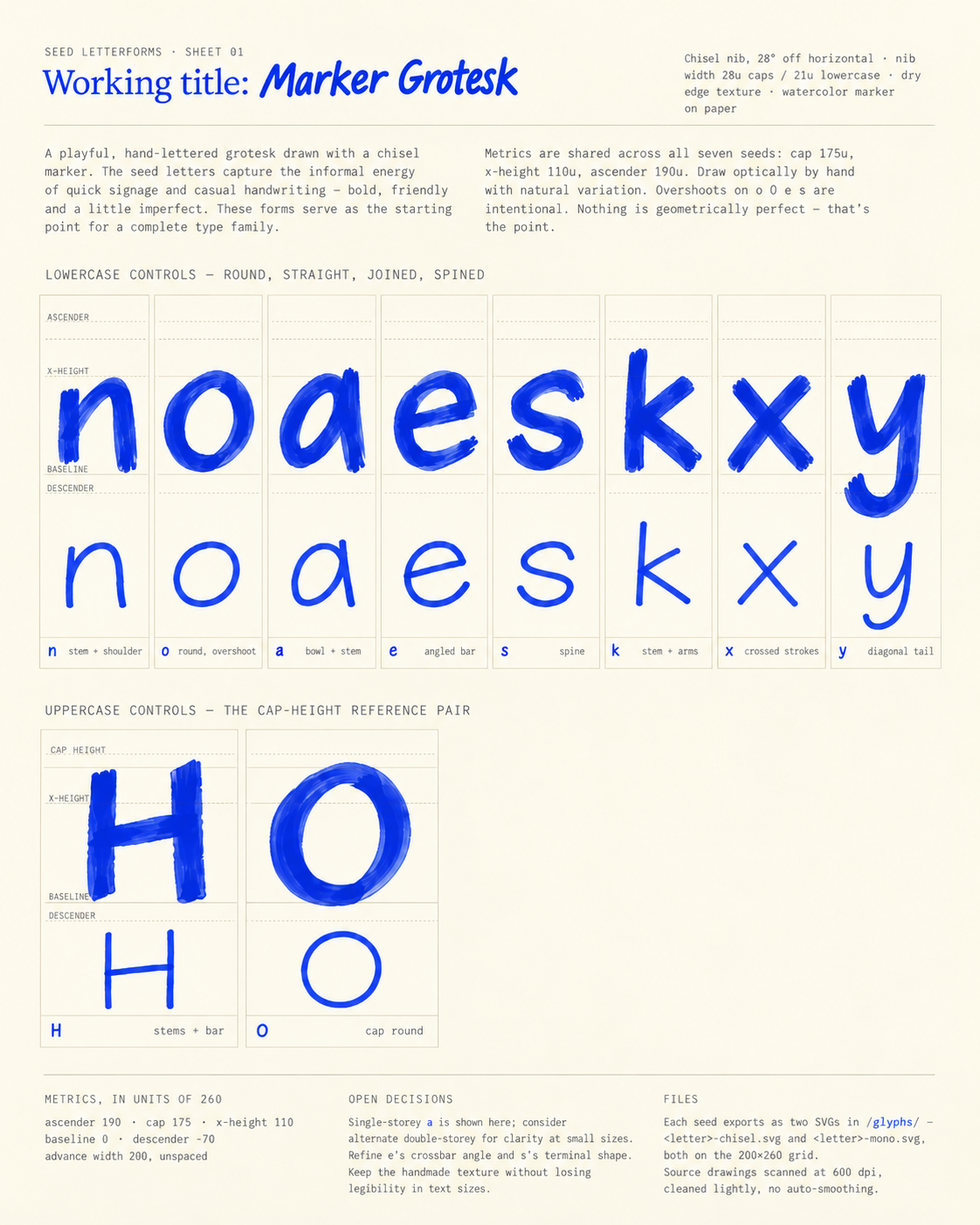
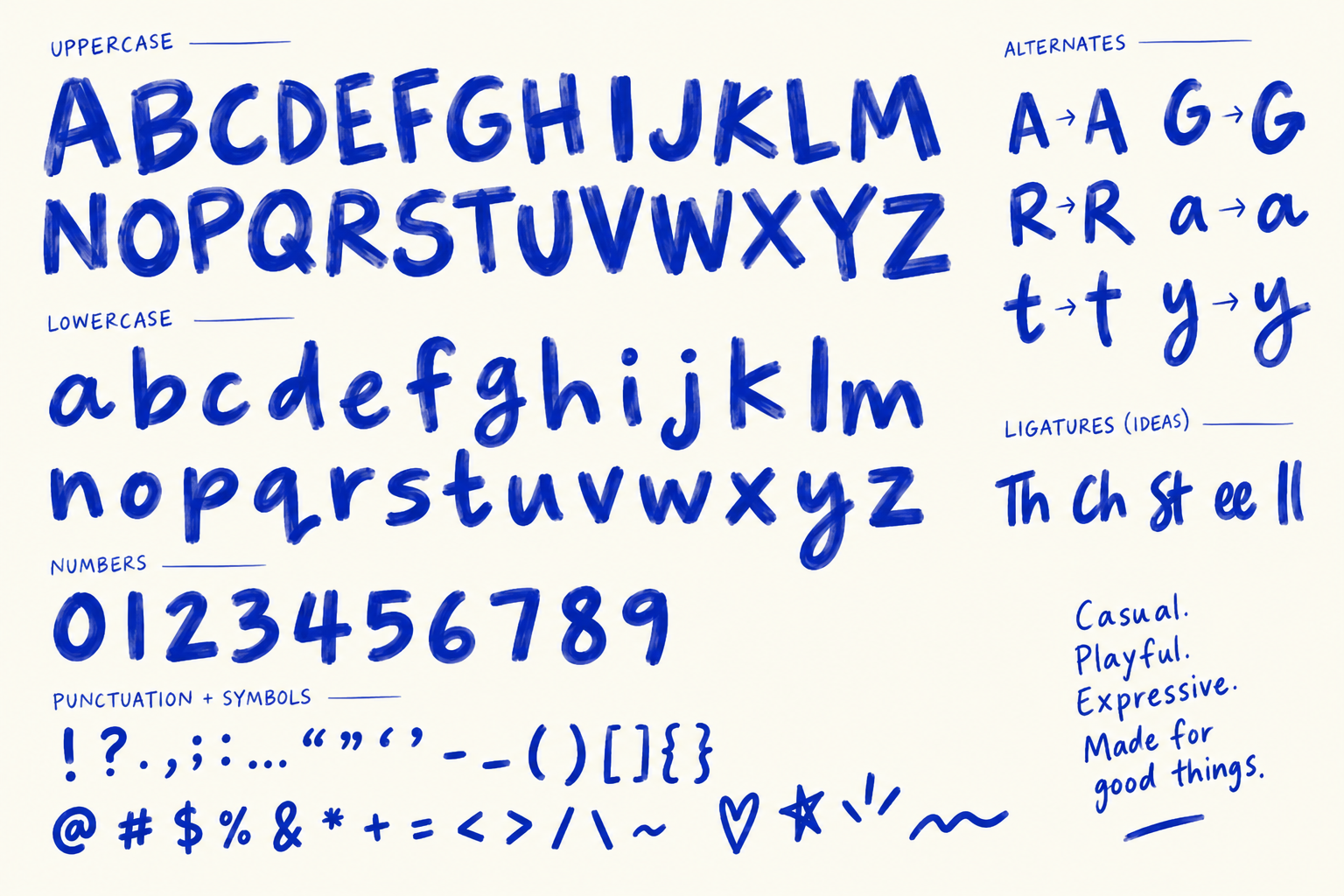
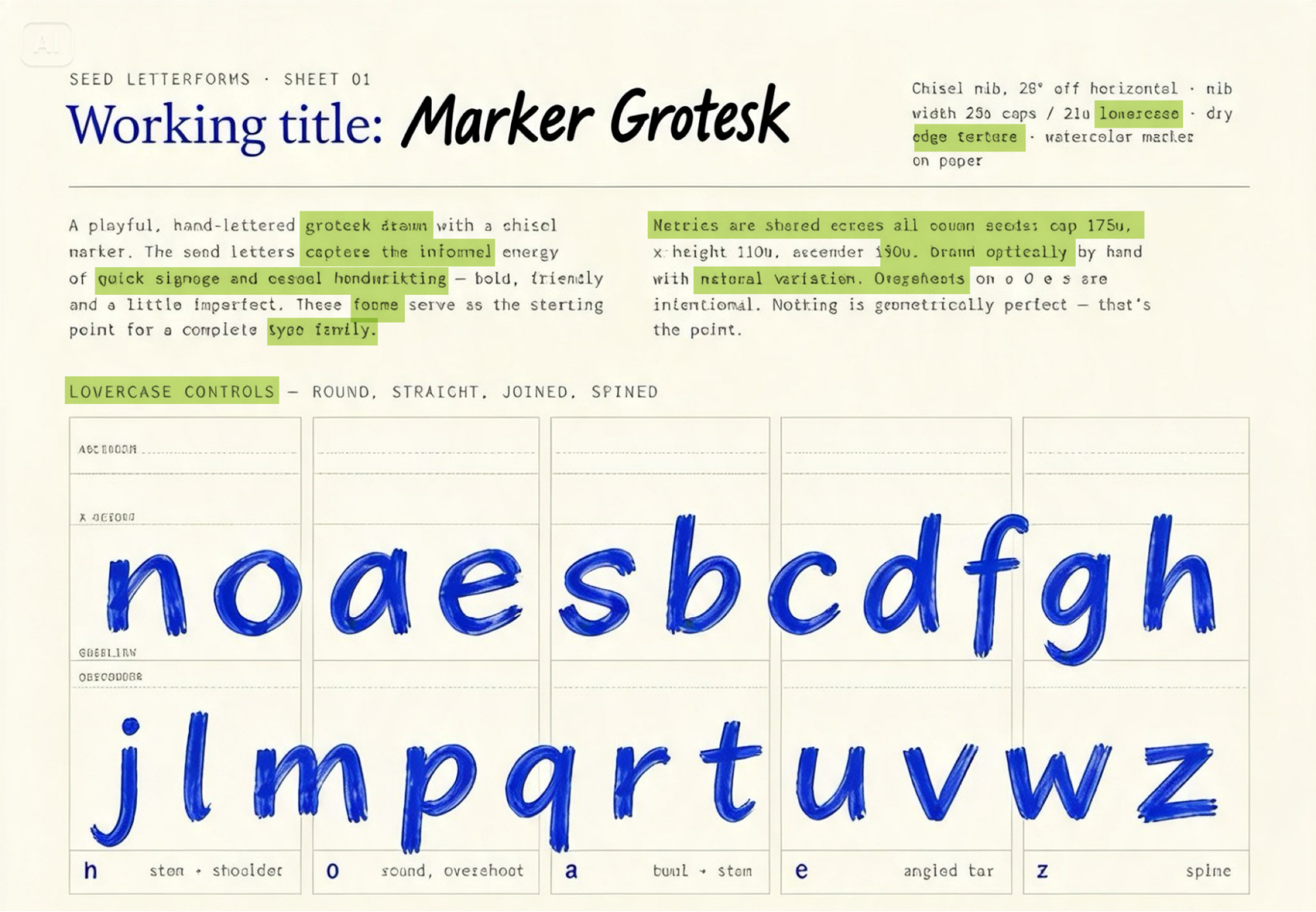
- The Typography Wall: Typeface design remains the "Final Boss" for AI. While a few tools (notably specific configurations of ChatGPT) successfully extended seed letterforms into a usable alphabet, most platforms failed the kerning, spacing, and stroke-consistency requirements necessary for a professional font.
Official Industry Perspectives
While we did not interview the developers of these 146 tools individually, the prevailing industry sentiment among design directors and agency leads reflects our findings. The consensus is that AI has shifted from being a "creative replacement" to a "creative accelerator."
Industry leaders emphasize that the value of AI is not in the final render, but in the compression of the feedback loop. "The goal isn’t to have the machine do the work," says one lead product designer at a global agency. "The goal is to have the machine provide ten options in the time it takes a human to draft one, so the human can then spend their time curating and refining the best of those options."
The Hidden Risks of Polished Failures
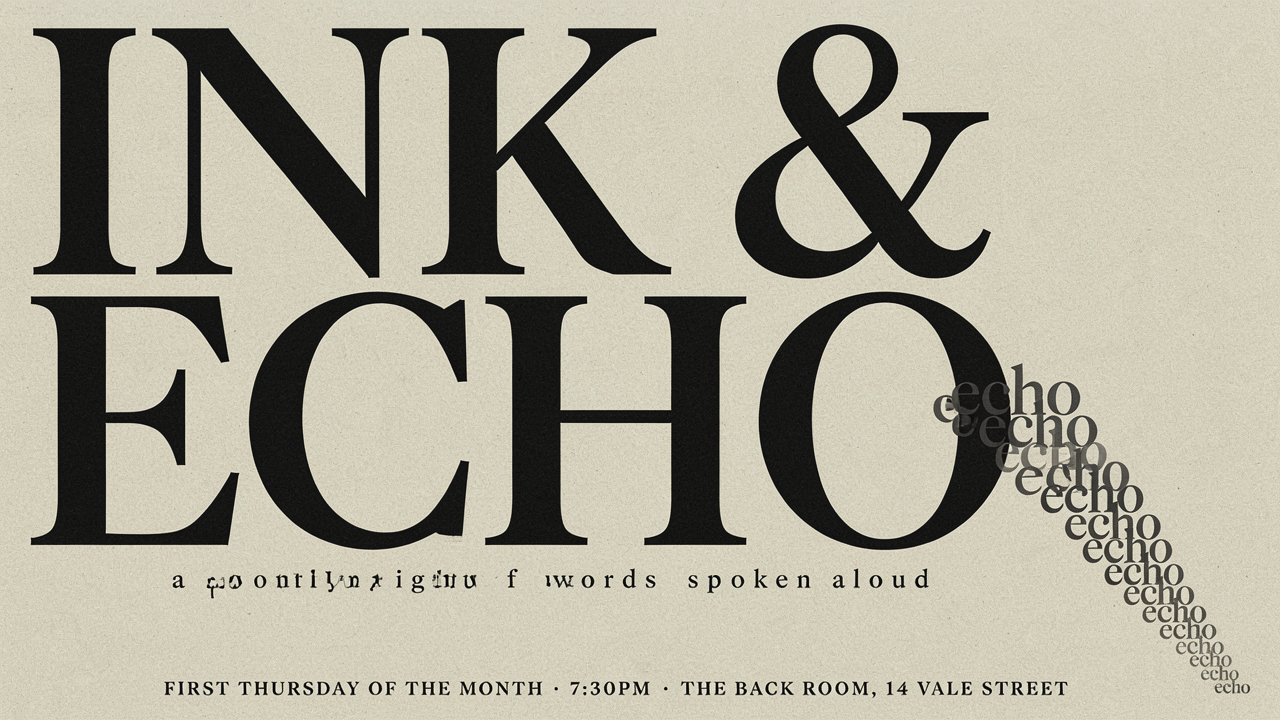
The most dangerous aspect of modern AI design is not the "obvious" failure—like a broken hand or a jumbled word—but the "quiet" failure.
In our testing, we encountered numerous instances where a design looked impeccable at first glance but contained critical errors. A call-to-action button might read "Cook your consultation" instead of "Book your consultation." A price list might be aesthetically perfect but mathematically impossible.
These errors are insidious because they don’t look like "glitches." They look like professional design assets, making them easy to slip into a presentation or a live website without a secondary human check. This highlights a critical implication: As AI makes the creation of assets faster, the verification of those assets becomes the new bottleneck.

Implications for the Future of Design Workflows
The future of AI design will not be won by the tool that produces the most impressive, one-off demo. It will be won by the platform that integrates most seamlessly into an existing professional ecosystem.

1. Workflow Integration Over Novelty
Designers are increasingly favoring tools that "plug in" to existing stacks. Whether it’s a Figma plugin that generates consistent component variations or a tool that can export layered, editable files, the "best" AI is the one that creates the least amount of friction for the human designer.
2. The Rise of "Human-in-the-Loop" Quality Assurance
The role of the designer is shifting from "creator" to "editor-in-chief." The ability to look at an AI-generated layout and spot the subtle, non-obvious errors will become a premium skill. We anticipate a surge in "AI-native" QC tools designed to scan generated images for text errors, color deviations, and logical inconsistencies.

3. Specialization by User Persona
Our tests revealed a clear divide between "Marketer-AI" and "Designer-AI."
- The Marketer: Prefers speed, template-driven results, and "good enough" consistency. They gravitate toward tools like Canva or integrated ad-platforms that minimize the need for specialized design knowledge.
- The Designer: Prefers granular control. They require tools that respect their established design systems and allow for manual intervention at the pixel level.
Conclusion: A New Standard for Reliability
We are entering a phase where the "novelty" of AI design is being replaced by the "utility" of AI design. The most successful teams will be those that treat AI as a junior assistant—capable of handling the bulk of the tedious work, but prone to occasional, subtle lapses in judgment.
The lesson from our 146-platform test is clear: AI is not a replacement for the design process; it is a catalyst for a new, more rigorous version of it. By focusing on workflow reliability rather than creative "magic," designers can harness these tools to reach new levels of productivity.
As we look toward the future, the question is no longer "Can AI do this?" but rather "Should we let it?" The answer, as always, lies in the human capacity to curate, correct, and ultimately, provide the final stamp of approval. In the age of AI, the human eye is more valuable than ever.
